6 Best Places to See Wildflowers in Europe by Month
Where to see wildflowers in Europe, month by month: alpine meadows, poppy fields, orchids, machair and Mediterranean blooms, with timing risks and access tips.
Last updated November 2026: wildflowers in Europe bloom in waves, with lowland and Mediterranean fields first, alpine meadows in summer, and heather in August. Use the calendar below to match a region to your dates. Then jump to the habitat guide that fits your trip.
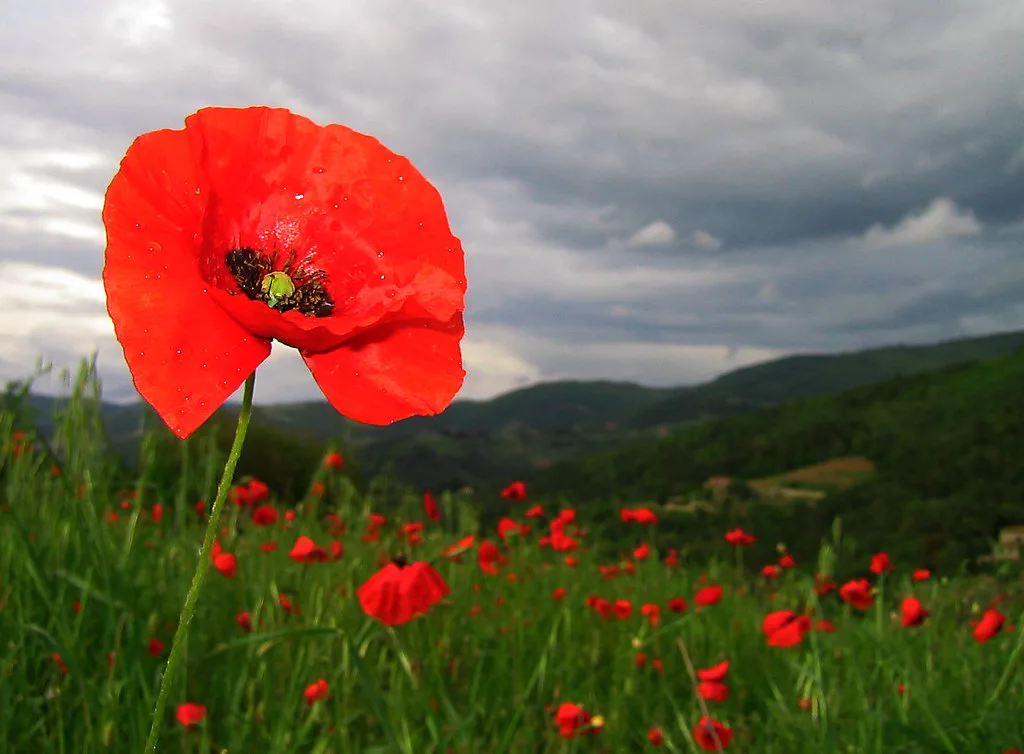
Featured image: Chris Bloom, CC BY-SA 2.0, via Flickr.
Wildflowers in Europe: quick answer by season
Spring starts in the Mediterranean and in lowland fields. Poppies in Tuscany and Umbria typically peak in May and can begin from mid-April. Lavender in Provence usually runs from mid-June to early July. Alpine meadows such as Alpe di Siusi bloom from mid-to-late June in low-snow years and by early July otherwise. Scottish heather colors hillsides in August. Treat every window as approximate, because snow, heat and altitude move it each year.
Wildflower calendar: month by region
Read each row as a typical window, not a promise. Crocus timing in particular depends on when snow melts at a given altitude.
| Month | Region or habitat | Signature flowers | Altitude or latitude | Main timing risk |
|---|---|---|---|---|
| March to April | Swiss and Italian Alps | Crocus | Mountain slopes | Late snow melt |
| April | Netherlands, Keukenhof | Tulips | Lowland | Cold or warm spring shifts peak |
| Mid-April to May | Tuscany and Umbria | Poppies | Rolling lowland hills | Dry or hot spring ends bloom early |
| Mid-June to early July | Provence | Lavender | Lowland plateaus | Heat and drought |
| Late June to July | Alpe di Siusi and the Dolomites | Mixed meadow flowers | High alpine meadow | Snow cover, storms |
| August | Cairngorms, Scotland | Heather | Upland moor, northern latitude | Rain and low cloud |
6 Best Places to See Wildflowers in Europe by Habitat
Each pick below suits a different habitat and a different kind of traveler. Follow the link at the end of each entry for the full guide.
1. Alpine meadows: Dolomites and Alpe di Siusi, Italy
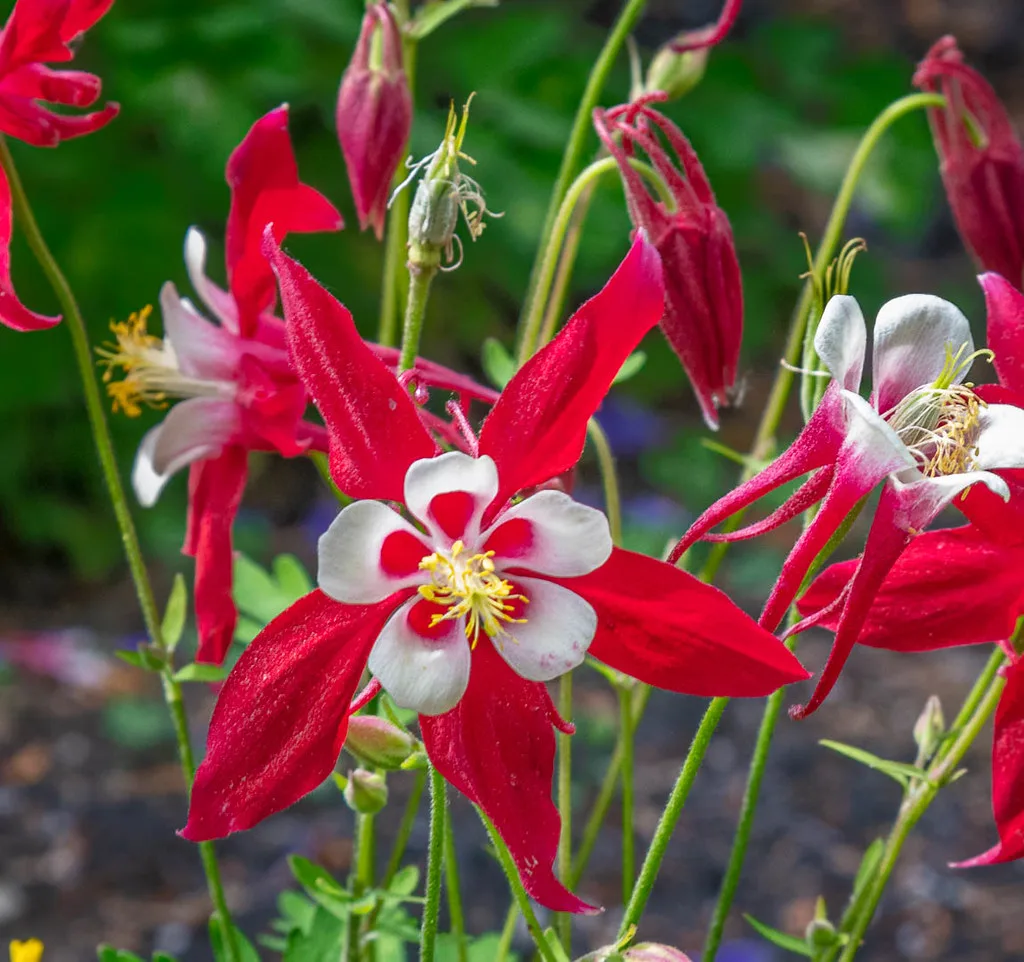
Alpe di Siusi (Seiser Alm in German) is a high-altitude meadow that fills with mixed wildflowers from mid-to-late June in low-snow years and by early July otherwise. Walk the open grassland with the Schlern massif (Sciliar) as your backdrop. Castelrotto works as a nearby base town.
Our Dolomites wildflowers guide covers the walking options. Broader species and altitude notes sit in our alpine flowers guide. Skip it if your dates are fixed in early June, because snow may still cover the meadow.
2. Lentil and Apennine flowering: Castelluccio di Norcia, Umbria
Castelluccio sits on a high plateau inside the Monti Sibillini area, and its flowering fields draw photographers from across Italy. Walk the plateau edges at first light, when color is strongest and crowds are thinnest. Bloom timing swings from year to year, so follow bulletins from the Sibillini National Park.
Read our Castelluccio flowering guide before planning dates. Skip it if you have no car or cannot adjust your travel week.
3. Poppy and cornfield country: Tuscany, Umbria and Provence
Red poppies against green wheat define Tuscany and neighboring Umbria, typically at their best in May after starting in mid-April. Val d'Orcia is a natural base for photographers, and Visit Tuscany lists regional information. Provence adds lavender fields from mid-June to early July. Country-level detail is in Poppy Fields in Italy: Where and When to See Them.
The French side is covered in Poppy Fields in France: Where and When to See Them. Wider options appear in poppy fields across Europe. Skip it if you dislike driving rural roads, since stopping at the roadside is the whole point.
4. Atlantic and coastal: Hebridean machair and the Picos de Europa
Machair is a low, sandy, flower-rich grassland on the Outer Hebrides' Atlantic edge, at its fullest in summer. Wind and rain are normal, so pack waterproofs and plan flexible days. Machair Wildflowers: What It Is and Where to See It has the site-by-site detail. In Spain, the Picos de Europa pairs mountain meadows with limestone peaks, and Spain's official tourism site covers regional access.
Our Picos de Europa guide covers the flowers. Scottish heather in August also belongs on this coast-and-upland route, with VisitScotland as a starting point. Skip it if you need reliably dry weather.
5. Mediterranean and island: Crete in spring
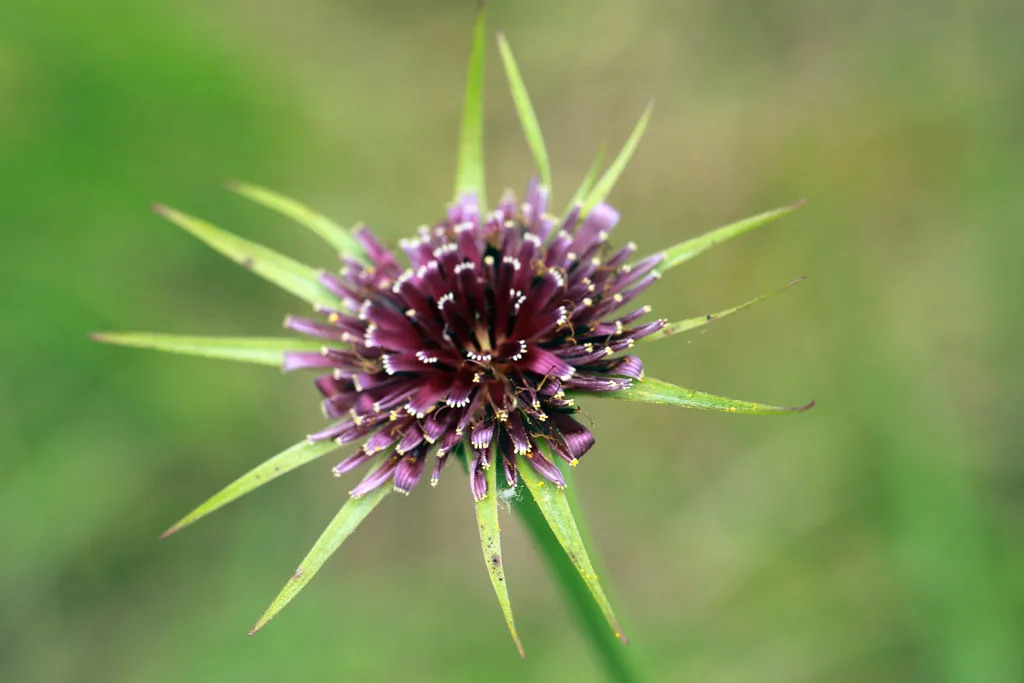
Crete delivers Mediterranean spring flowers before summer heat dries the hillsides. Gorges, coastal paths and roadside verges all carry flowers, so you can botanize without long hikes.
Our Cretan wildflowers guide maps the best habitats. Skip it if you can only travel in summer, when most of the color has faded.
6. Orchids and early bulbs: crocus fields and orchid meadows
Early bulbs open the season, with crocuses appearing as snow melts and Keukenhof's tulips peaking in April. Orchids reward patient, slow walking in grassland, chalk slopes and marsh. Use Crocus Fields in Europe: Where and When to See Them to time the earliest blooms.
Species ID and good sites are in Wild Orchids in Europe: Where, When and How to See Them. Skip it if you want big, sweeping color shots, because orchids are small and scattered.
How to choose the right wildflower trip
Start with your constraints: mobility, whether you have a car, crowd tolerance, and how flexible your dates are. Photographers can chase sunrise color on open plateaus. Botanists do better on slow walks through grassland. Use the table to compare access effort, and check lift and shuttle operators before you commit.
| Place | Car needed | Hiking effort | Lifts or shuttles to check |
|---|---|---|---|
| Alpe di Siusi | Helpful for base town | Easy to moderate | Yes, check operators |
| Castelluccio plateau | Yes | Easy walks on plateau | Check park access notes |
| Tuscany and Umbria poppies | Yes | Roadside stops | No |
| Provence lavender | Yes | Easy | No |
| Cairngorms heather | Yes | Easy to moderate | No |
Why wildflower bloom dates move
Altitude is the biggest driver, because high meadows open weeks after valleys. Late snow can delay alpine bloom, while a hot, dry spring can end lowland poppies early. Mowing and grazing cycles also reset meadows. Build in flexibility by basing yourself for 2 to 3 nights near your target and keeping a backup region. Check local bloom updates from the Umbria tourism office or the Sibillini park for central Italy.
Practical logistics for wildflower sites
A car makes meadow and plateau sites far easier, especially in Tuscany and Umbria. Mountain lifts run on seasonal schedules, so confirm with the operator rather than assuming they are open. Popular plateaus can limit parking or traffic, so arrive early. Book base-town lodging early for peak bloom weeks. Open meadows are free to visit, while gardens such as Keukenhof charge admission, so check the official site for current tickets.
Wildflower etiquette and protection
Stay on paths, pick nothing, and do not trample flowers for photos. Some species are legally protected, and rules differ by country and park. Dog and drone rules also vary by site, so read local signs and park pages first. Common mistakes include committing to a single date, assuming lifts run, and ignoring altitude.
Identifying what you see
Match flowers to habitat first. Orchids (Orchidaceae) favor grassland and chalk slopes, and our orchid identification guide helps you narrow them. Crocuses push through melting snow in mountains. Poppies mark disturbed cornfield soil. Heather and its relatives (Ericaceae) dominate acid upland moor. Daisy-type flowers (Asteraceae) fill meadows almost everywhere.
Sample wildflower routes and trade-offs
Here are three ideas, not fixed itineraries. An Italy trip pairs Castelluccio with Tuscan poppy country, with 2 to 3 nights at each base and dates matched to local bloom reports. An Atlantic trip combines machair with Cairngorms heather in August, and accepts rain risk. A Mediterranean trip puts Crete in spring, then stays flexible if the weather turns.
Frequently Asked Questions
What country in Europe is famous for flowers?
The Netherlands is best known for tulips, especially around Keukenhof in April. Italy, France and Scotland are also famous for poppies, lavender and heather.
Where are the best flower fields in Europe?
Top options include Tuscany and Umbria for poppies, Provence for lavender, and Alpe di Siusi for alpine meadows. Castelluccio di Norcia and the Hebridean machair are strong choices for fewer crowds.
Explore More Guides
Keep planning your trip with these guides.
Guides
- Castelluccio Flowering
- Poppy Fields in Italy: Where and When to See Them
- Poppy Fields in France: Where and When to See Them
- Poppy Fields in Europe: Where & When to See Them
- Alpine Flowers in Europe
- Machair Wildflowers: What It Is and Where to See It
- Wild Orchids in Europe
- Crocus Fields in Europe
- Dolomites Wildflowers: When and Where to See Them
- Picos de Europa Flowers
- Crete Wildflowers
Bloom-season notes
Optional updates when we add or revise garden guides.
Continue reading
Guides on the same trip