6 Best Lavender Fields in Provence: Where and When
Six lavender fields in Provence compared: Valensole, Sault, Sénanque and the Luberon, with bloom timing, lavandin vs lavender and car-free tips.
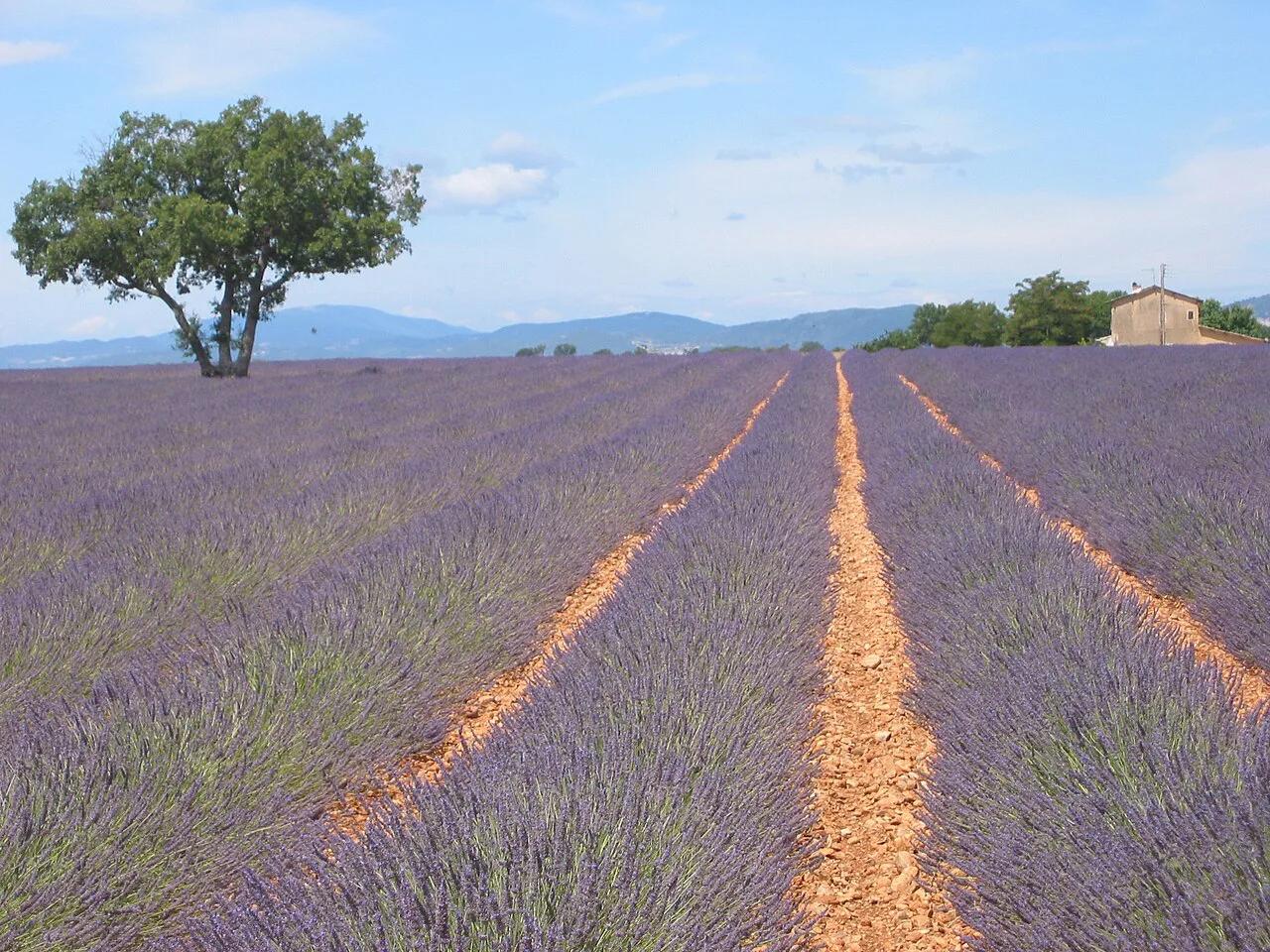
Last updated November 2026: the lavender fields Provence is known for sit in three main areas, the Valensole plateau, the Sault and Mont Ventoux foothills, and the Luberon around Sénanque Abbey. Bloom starts around mid-June and peaks in the first half of July. Many of the dense purple rows in photos are lavandin, a hybrid, rather than true lavender.
Featured image: No machine-readable author provided. Jddmano assumed (based on copyright claims)., CC BY-SA 3.0, via Wikimedia Commons.
Quick answer: where and when to go
Pick your area by travel date first. Valensole blooms earliest, Sault blooms latest, and the Sénanque and Luberon route sits between them. Plan for 1–2 days if you want fields plus a stone village or two.
- Peak window
- Mid-June to early July for most fields, with the peak in the first half of July.
- Earliest area
- Valensole plateau, late June to early July.
- Latest area
- Sault and other higher ground, late July to early August.
- Biggest caveat
- Harvest usually starts around 15 July, and fields are cut straight after.
When the lavender blooms

Altitude sets the calendar. Blooming starts around mid-June and peaks in the first half of July. Harvest usually begins around 15 July, and after mid-August the purple view is largely gone. Valensole turns purple from late June to early July, while higher areas such as Sault peak from late July to early August. Check current bloom reports with the local tourism board before booking, for example through Valensole tourism. Our guide to when lavender blooms in Provence covers timing week by week. For a single month, read Provence in July: Lavender, Heat and Where to Base Yourself.
Lavender or lavandin?
Most of the dense, neatly rowed purple fields in photos are lavandin, a hybrid of true lavender and spike lavender. Lavandin yields more oil but smells sharper. True fine lavender grows higher up and is far less common. Knowing this sets honest expectations for the colour and scent you will meet on the plateau. Our explainer on lavender versus lavandin shows how to tell the plants apart in the field.
The 6 best lavender fields in Provence
Each stop below carries a best-for and a skip-if line. Use them to choose one or two areas rather than chasing all six in a single trip.
1. Valensole plateau
Valensole holds the widest fields in Provence and blooms first, from late June to early July. Most of the rows are lavandin, so expect bold colour more than delicate scent. Shoot from the roadside in early morning or late afternoon, when low light deepens the purple.
Best for photographers who want open horizons, since the plateau is spread out and a car is the practical choice. Skip it if your dates fall after mid-August, because the fields are cut straight after harvest. Start with our Valensole plateau guide and the local Valensole Haute Provence site.
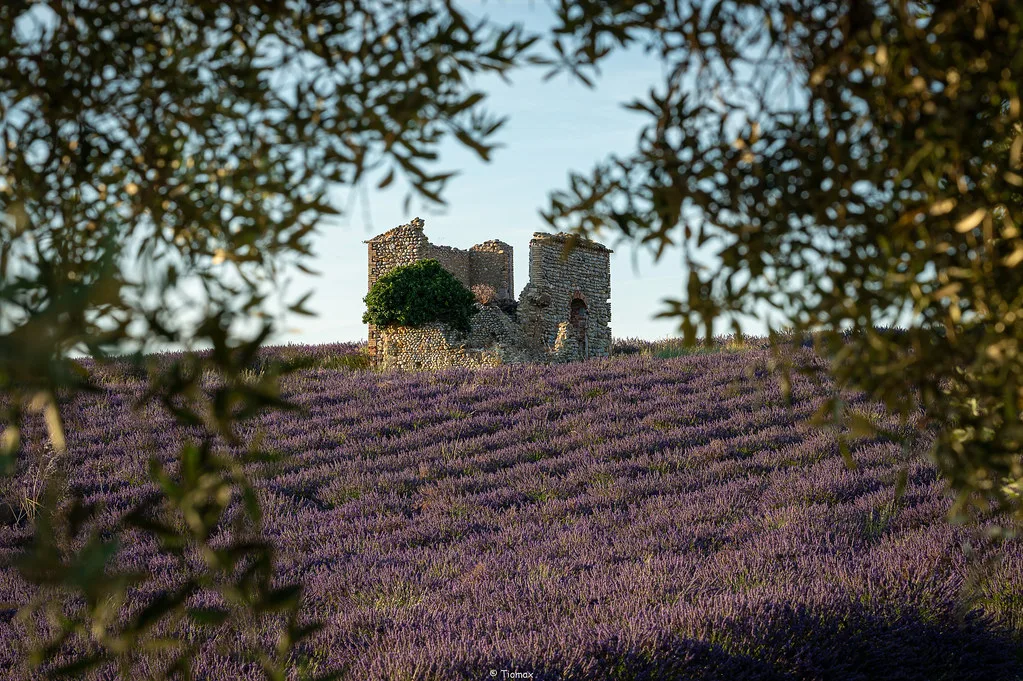
2. Sault and the Mont Ventoux foothills
Sault sits at higher altitude, so its lavender opens late, from late July to early August. That timing rescues trips planned after the Valensole harvest has started. Visitor information for the area is on the Ventoux Provence tourism site.
Best for travelers arriving in the second half of July who still want full-colour fields. Skip it if you want the classic abbey frame, which belongs to the Luberon side instead. Read our Sault lavender guide for route ideas.
3. Sénanque Abbey and Gordes
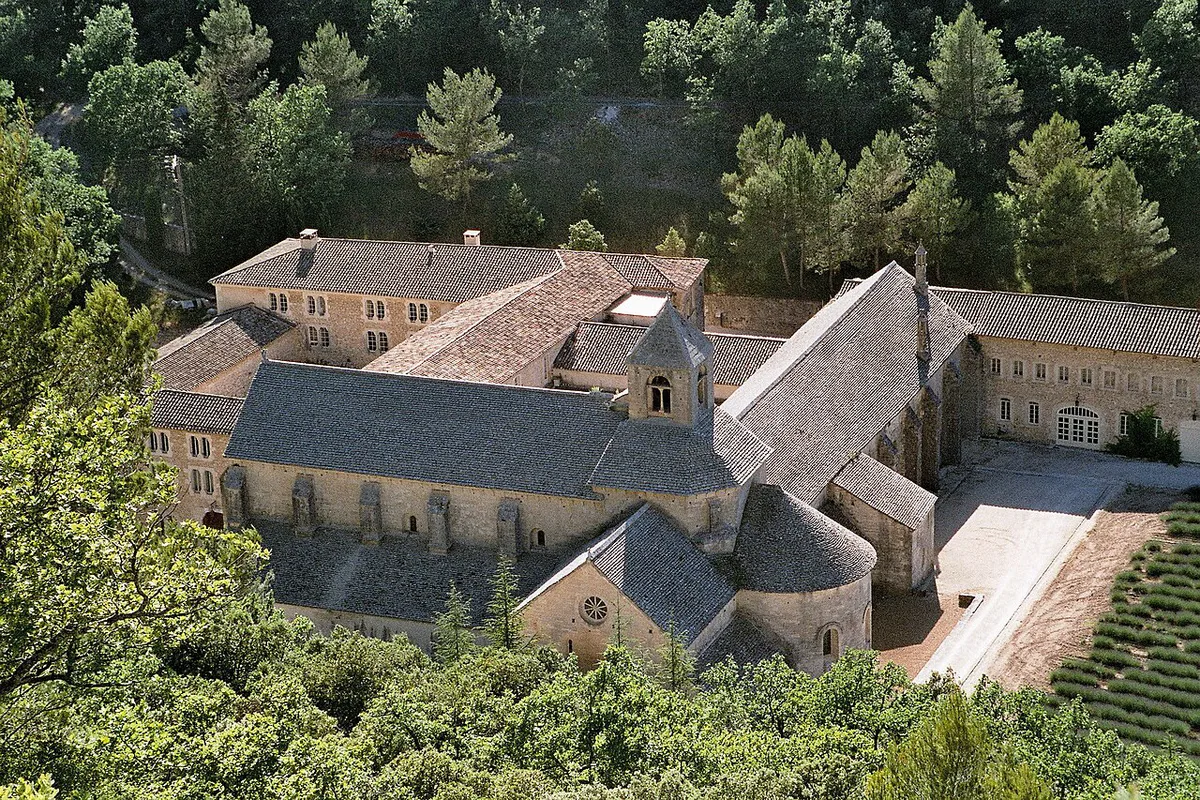
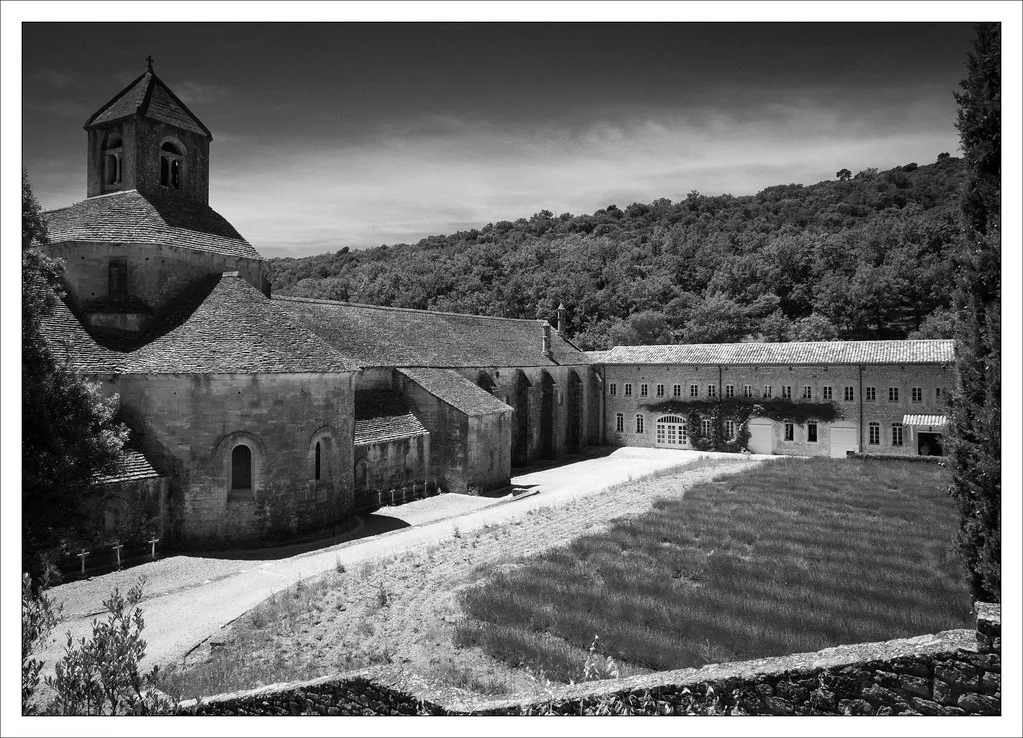
Abbaye Notre-Dame de Sénanque was founded in 1148, and the small plot of lavender in front of it is the most photographed frame in Provence. Gordes and Roussillon fit easily into the same route. Visiting rules and entry details are on the abbey's official site.
Best for first-time visitors who want lavender, a working abbey and stone villages in one outing. Skip it if crowds spoil the view for you, because this frame draws the most photographers. Our Sénanque Abbey guide covers timing and approach.
4. The Luberon
Luberon villages link the abbey area with quieter lanes and farm fields. Roussillon and Gordes are the anchor stops on this route. Best for travelers who prefer village lunches and short drives between photo stops.
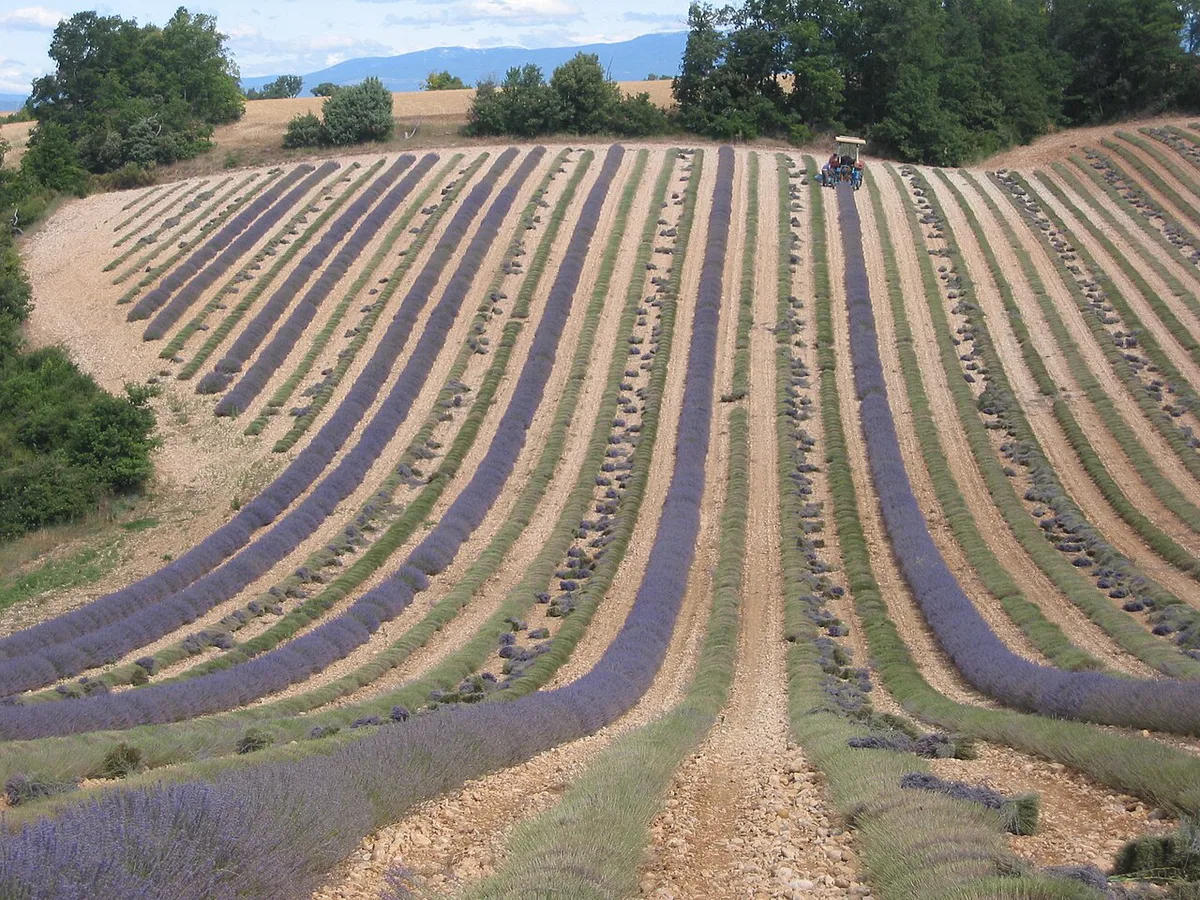
Skip it if you want the vast, continuous fields of the plateau, since the Luberon rewards variety over scale. Plan your day with our Luberon lavender guide.
5. Fields near Avignon and Aix-en-Provence
Avignon and Aix-en-Provence work as city bases with day trips out to the fields. Avignon sits closest to the Sénanque and Luberon route on a day plan. Local visitor advice is on the Avignon Tourisme site. Aix is a better base for the Valensole side of the trip.
The Aix-en-Provence tourist office lists excursions and current information. Best for travelers who want city dining and museums at night, but skip it if you dislike long driving days. Compare both bases in our guide to lavender near Avignon. Then read the Aix-en-Provence lavender guide.
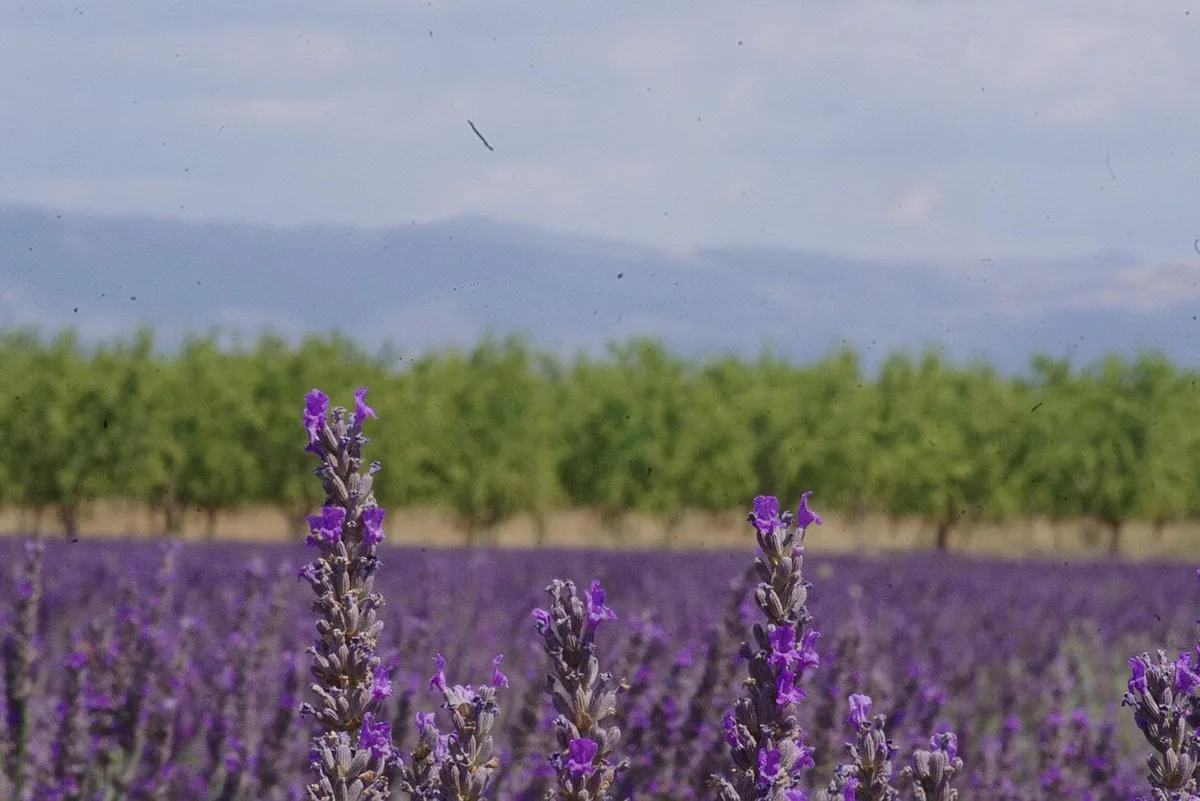
6. Fields reached from Nice
Nice is a base for visitors staying on the Riviera who add a lavender day to a coastal trip. Regional information is on the Côte d'Azur tourism site. Check journey time with a route planner before committing, because lavender fields sit in distinct areas.
Best for coastal travelers with one spare day in the bloom window. Skip it if you hope to cover several regions in one day, which is the most common planning mistake. See our Lavender Fields Near Nice: Day Trips & Transport guide for options.
Compare the regions at a glance
Use this table to match your dates, base and tolerance for driving. Crowd levels are editorial judgements, not counts.
| Region | Rough bloom | Typical base | Car dependence | Crowd pressure | Skip if |
|---|---|---|---|---|---|
| Valensole plateau | Late June to early July | Valensole or Aix | High | Moderate | You arrive after mid-August |
| Sault and Ventoux foothills | Late July to early August | Sault | High | Lower | You travel in mid-June |
| Sénanque and Gordes | Mid-June to mid-July | Gordes | High | Highest at the abbey | You dislike crowds |
| Luberon villages | Mid-June to mid-July | Gordes or Roussillon | High | Moderate | You want vast fields |
| Avignon, Aix or Nice day trips | Depends on destination field | Avignon, Aix or Nice | High | Varies | You want a slow pace |
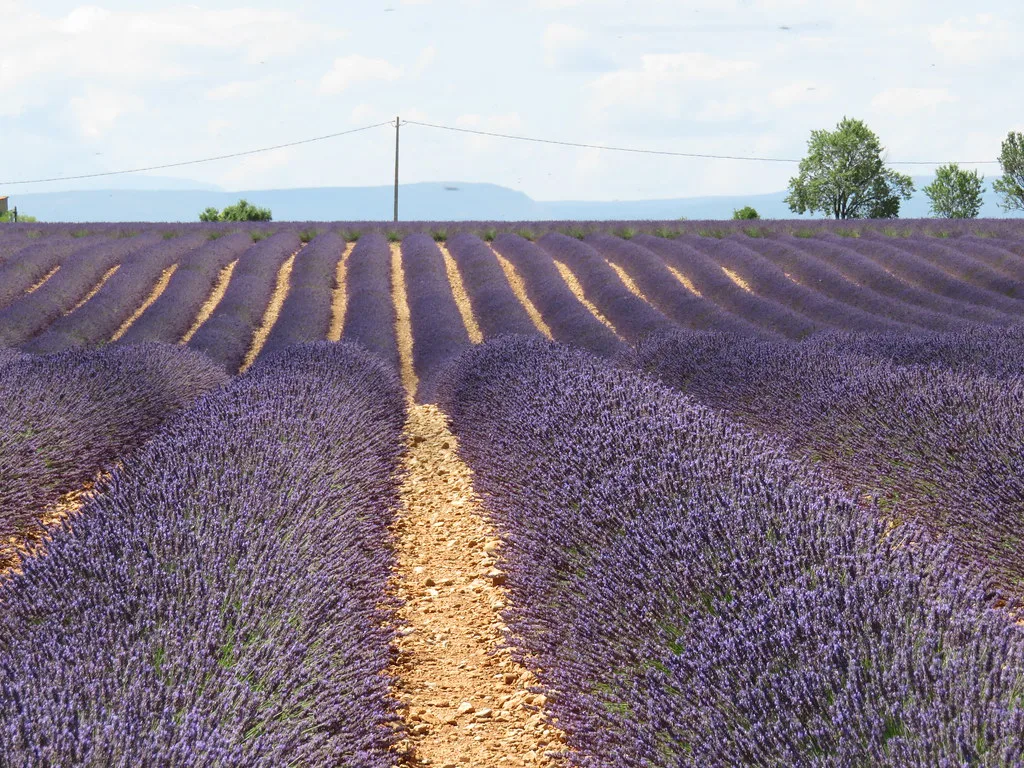
How to plan 1, 2 or 3 days
Plan 1–2 days for a first trip, since the fields spread across several areas. One day works for a single region, such as Sénanque with Gordes and Roussillon. A second day adds Valensole or Sault depending on timing. A third day suits travelers who want villages and a museum visit as well as fields. Avoid trying to cover several regions in one day, because driving eats the light. The Provence lavender route shows how to link stops.
Getting around and where to base yourself
Car dependence is the biggest practical limit, because most fields sit on farmland between villages. Organised tours and public transport from Avignon, Aix, Marseille or Nice may exist, but services change by season. Check current operators before you rely on one. Base in Gordes for the abbey route, in Sault for late-season trips, and in Avignon or Aix if you prefer a city and day trips.
Field etiquette and photography
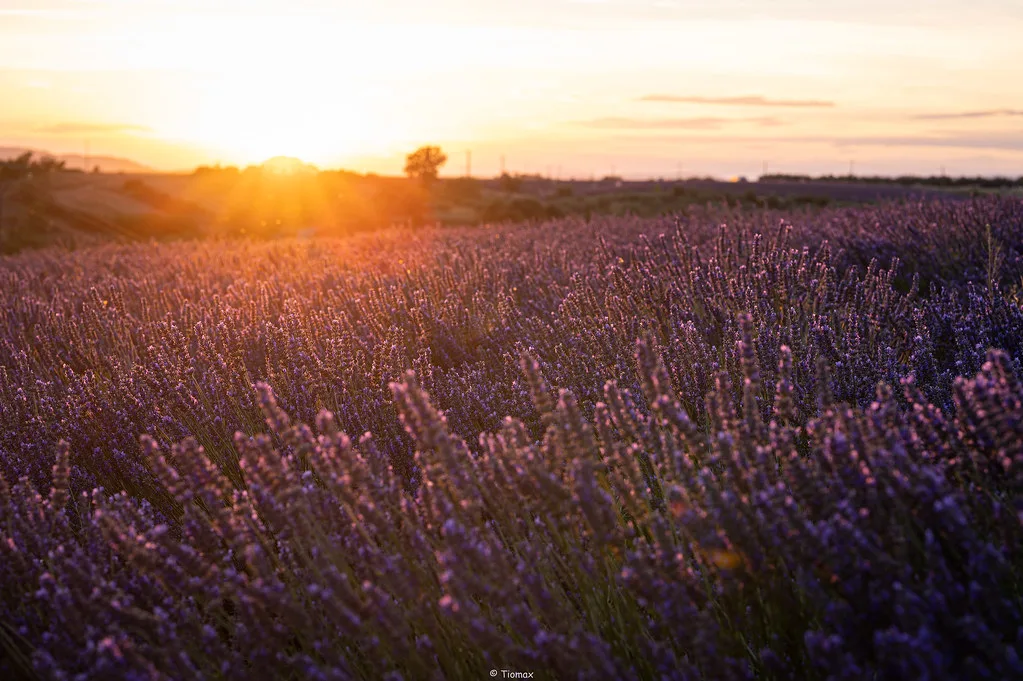
Nearly all fields are private, working farmland. Walking between rows damages the plants and costs growers money. Shoot from the roadside instead, and do not pick stems. Early morning and late afternoon give softer light than midday. Arrive early at Sénanque, since the abbey frame is the most photographed view.
Beyond the fields
Villages, an abbey and a museum fill the gaps between photo stops. Gordes and Roussillon suit lunch breaks on the Luberon route. For the story behind the crop, see the lavender museum guide. Opening hours are on the Musée de la Lavande official site. Local events are listed in our Provence lavender festivals guide. Outside bloom, Sénanque, the museum, markets and village lanes still fill a day.
Other lavender destinations
Provence is not the only place to see lavender. Our guide to lavender fields in Europe compares wider options. For a shorter flight, try Lavender Fields in Spain: Where to See Them and When to Go. England offers another summer option in English lavender fields. Sunflowers follow the lavender in July in the same countryside; see our guide to sunflower fields in Provence.
Frequently Asked Questions
What month is best for lavender fields?
Late June to mid-July is the safest window for most of Provence. Valensole peaks earliest, while Sault peaks from late July to early August. Harvest usually begins around 15 July.
What is the best month to go to Provence?
July is best if lavender is your priority, though harvest can start around 15 July. Outside bloom, Sénanque Abbey, the lavender museum and village markets still make a worthwhile trip.
Explore More Guides
Keep planning your trip with these guides.
Guides
- When Is Lavender in Bloom in Provence? Dates by Area
- Valensole Lavender Fields
- Senanque Abbey: Visiting Tips and Lavender Timing
- Sault Lavender: When to Go, Fields & Festival Guide
- Lavender Route Provence: 3 Driving Routes and Tips
- Lavender Fields Near Avignon: Best Day Trips and When to Go
- Lavender Fields Near Aix-en-Provence
- Lavender Fields Near Nice: Day Trips & Transport
- Luberon Lavender
- Lavender Festivals in Provence: Dates, Towns & Planning
- Lavender Museum Coustellet
- Lavender vs Lavandin: How to Tell Them Apart in Provence
- Lavender Fields in Europe: Where to Go and When to Visit
- Lavender Fields in Spain: Where to See Them and When to Go
- Lavender Fields in the UK
- Provence in July
Bloom-season notes
Optional updates when we add or revise garden guides.
Continue reading
Guides on the same trip