Lavender Museum Coustellet: Visit Guide & Is It Worth It
Is the Lavender Museum in Coustellet worth a stop? See what's inside, when to go, how to get there, and how to pair it with Luberon lavender.
Last updated November 2026: the lavender museum Coustellet visitors search for is the Musée de la Lavande, a distillation museum in the Luberon rather than a field. We'd stop here to understand how lavender oil is made and why fine lavender and lavandin differ. Skip it, or keep it short, if purple rows for photos are all you want.
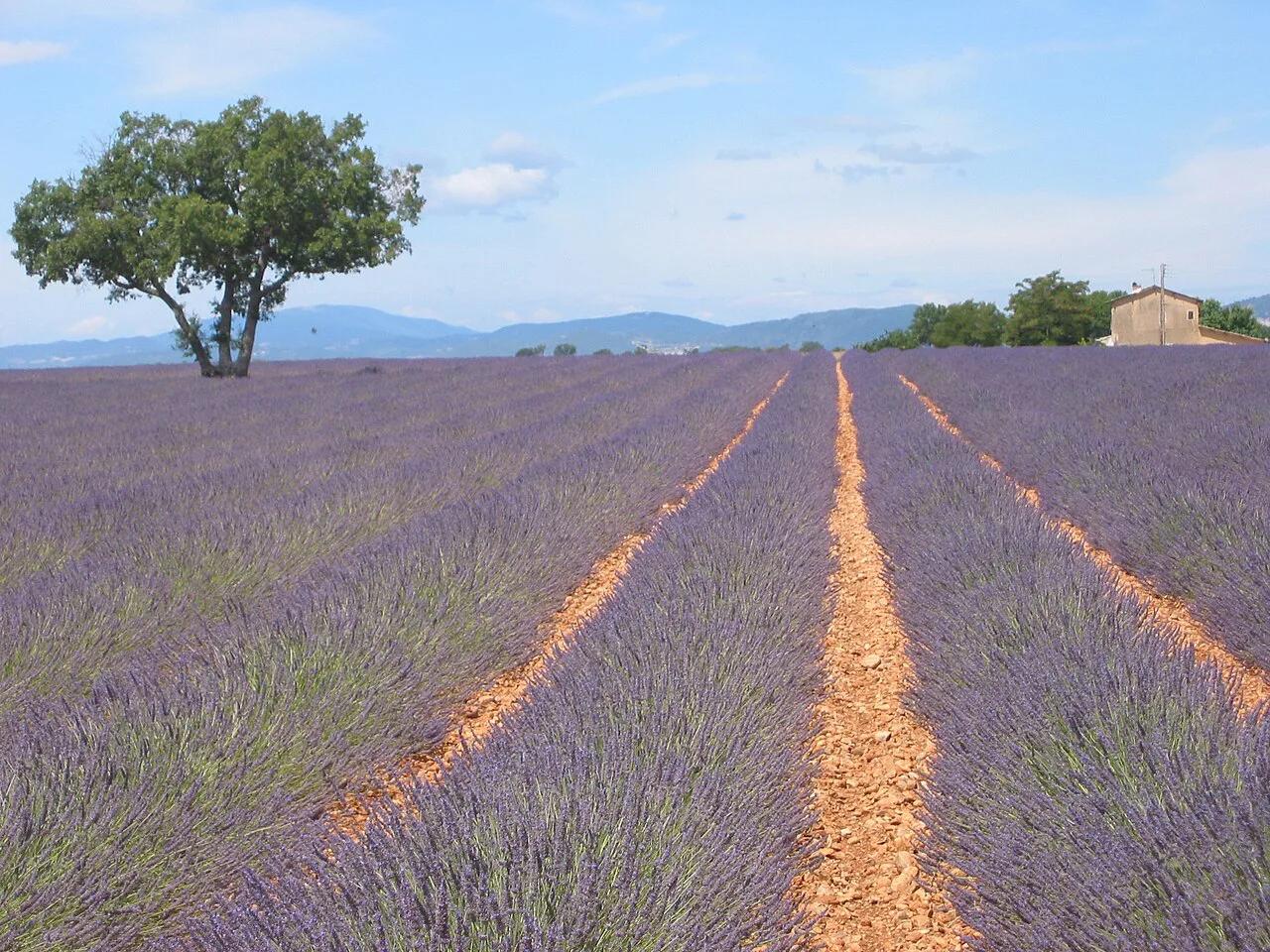
Featured image: Véronique PAGNIER, CC BY-SA 3.0, via Wikimedia Commons.
What the lavender museum in Coustellet is
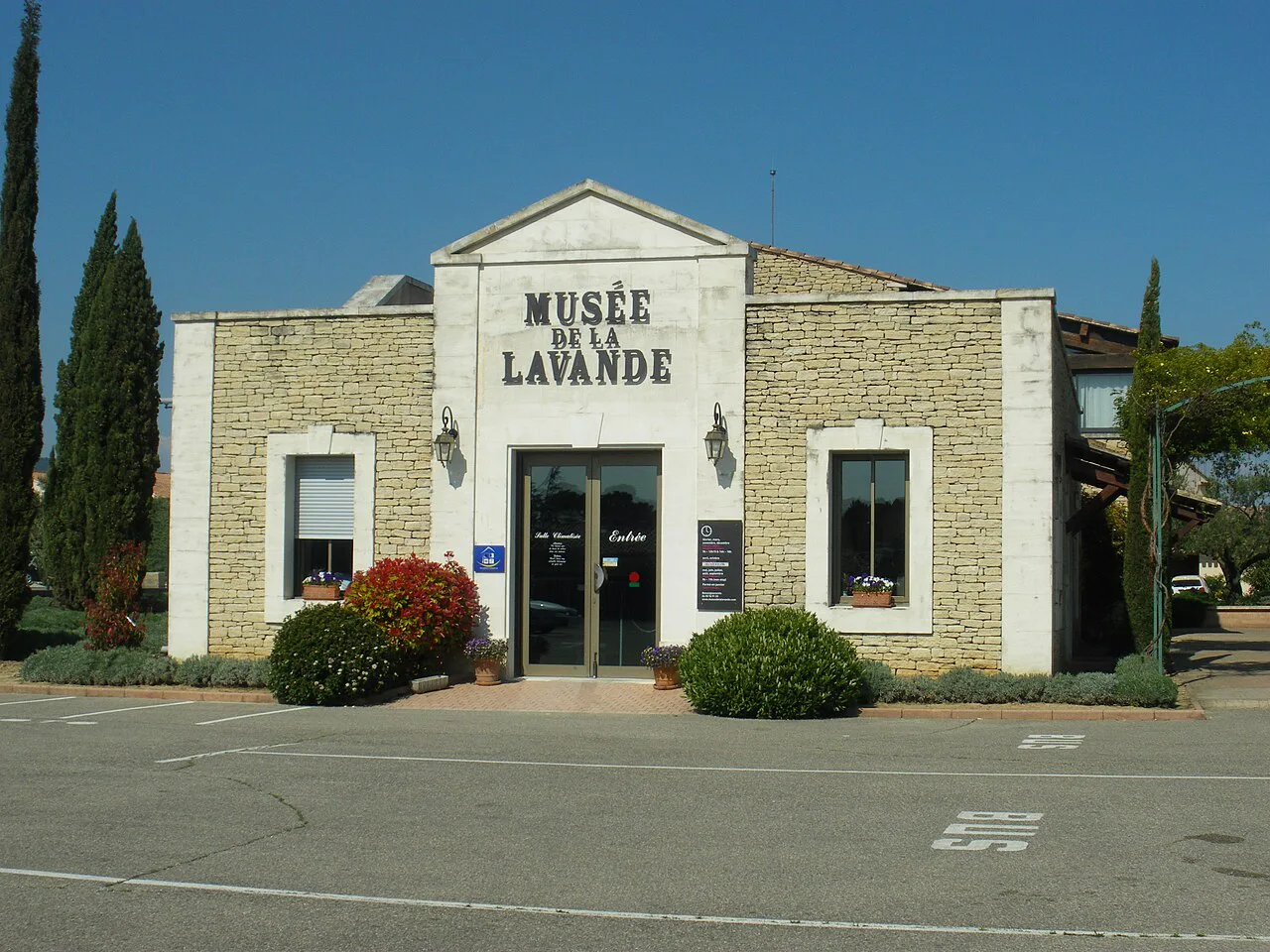
The Musée de la Lavande stands in Coustellet, in the Vaucluse part of the Luberon, and is run by a lavender-distilling family. A third-party directory gives the address as 276 Rte de Gordes, 84220 Cabrières-d'Avignon. The museum covers how lavender is grown, harvested and distilled. A shop sells essential oils, soaps and perfumes. For exhibit details, hours and tickets, the museum's official site is the reference. It suits readers who want context for the fields they see elsewhere on a Luberon lavender trip.
What you'll see inside
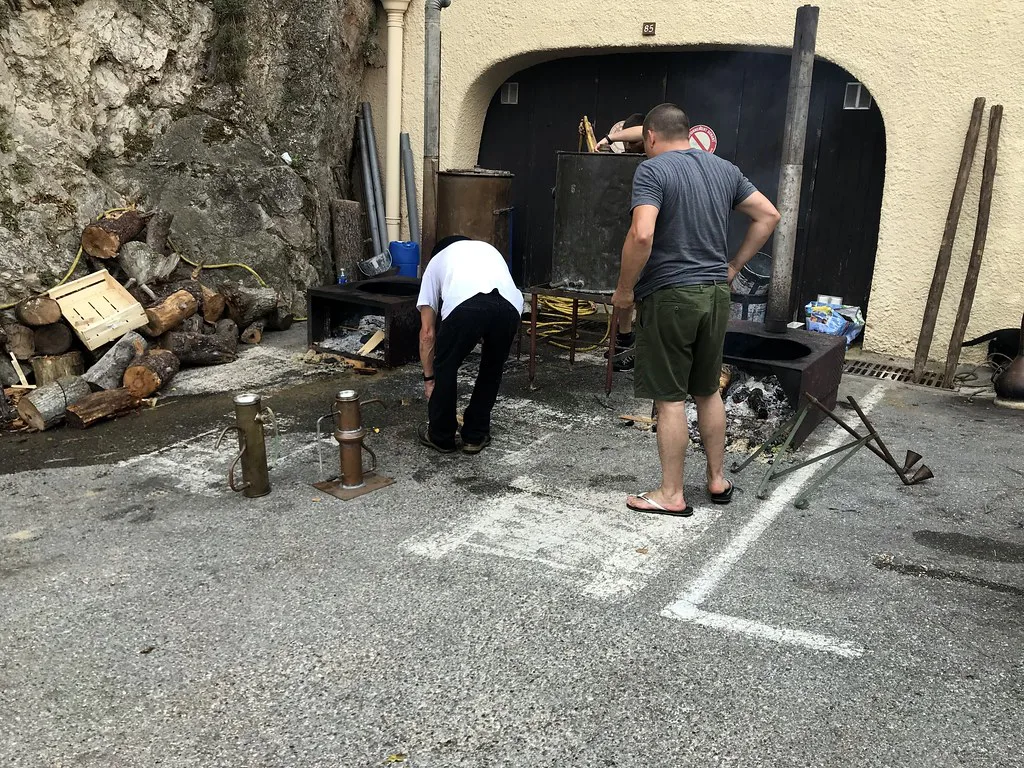
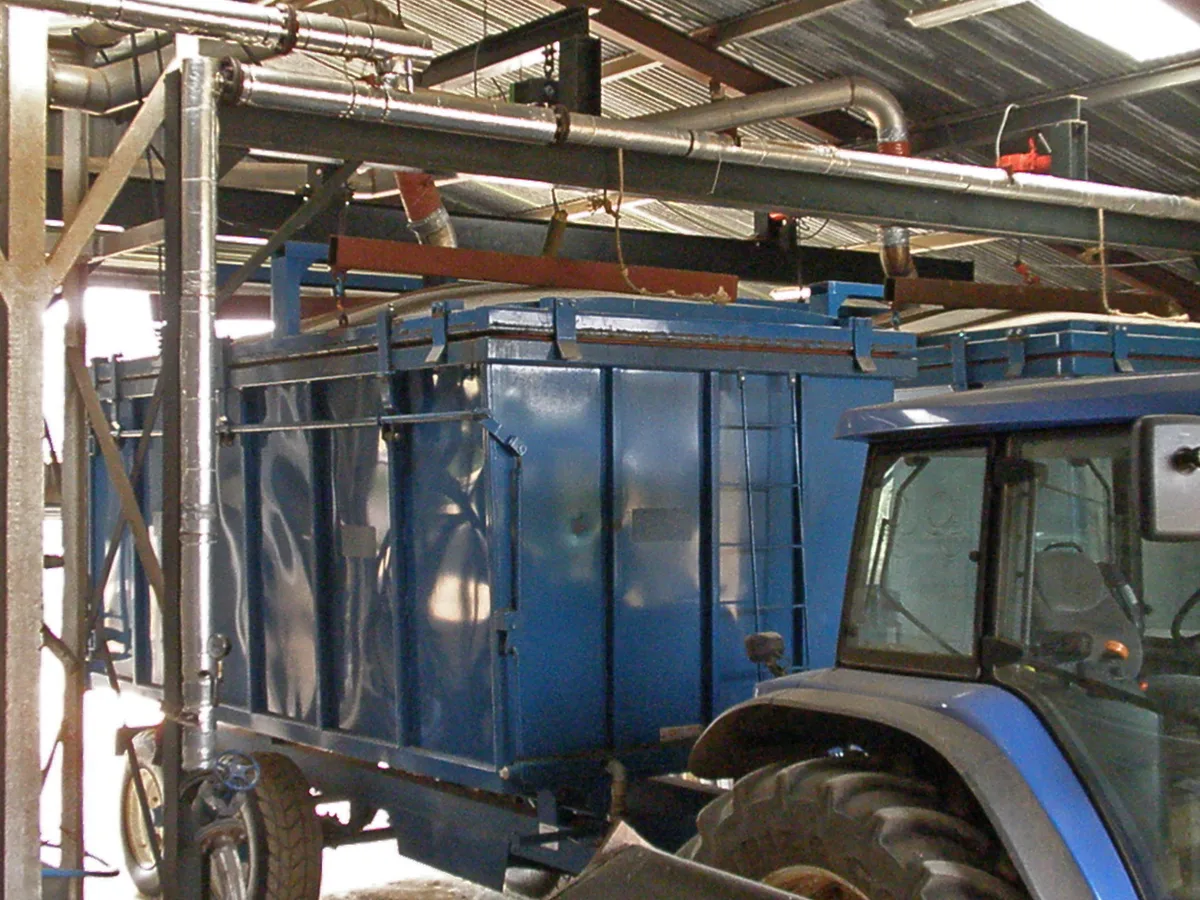
Visitor accounts describe a compact collection built around distillation equipment and rural life. Expect two short films and a lot of copper.
- Films on lavender cultivation, harvest and distillation.
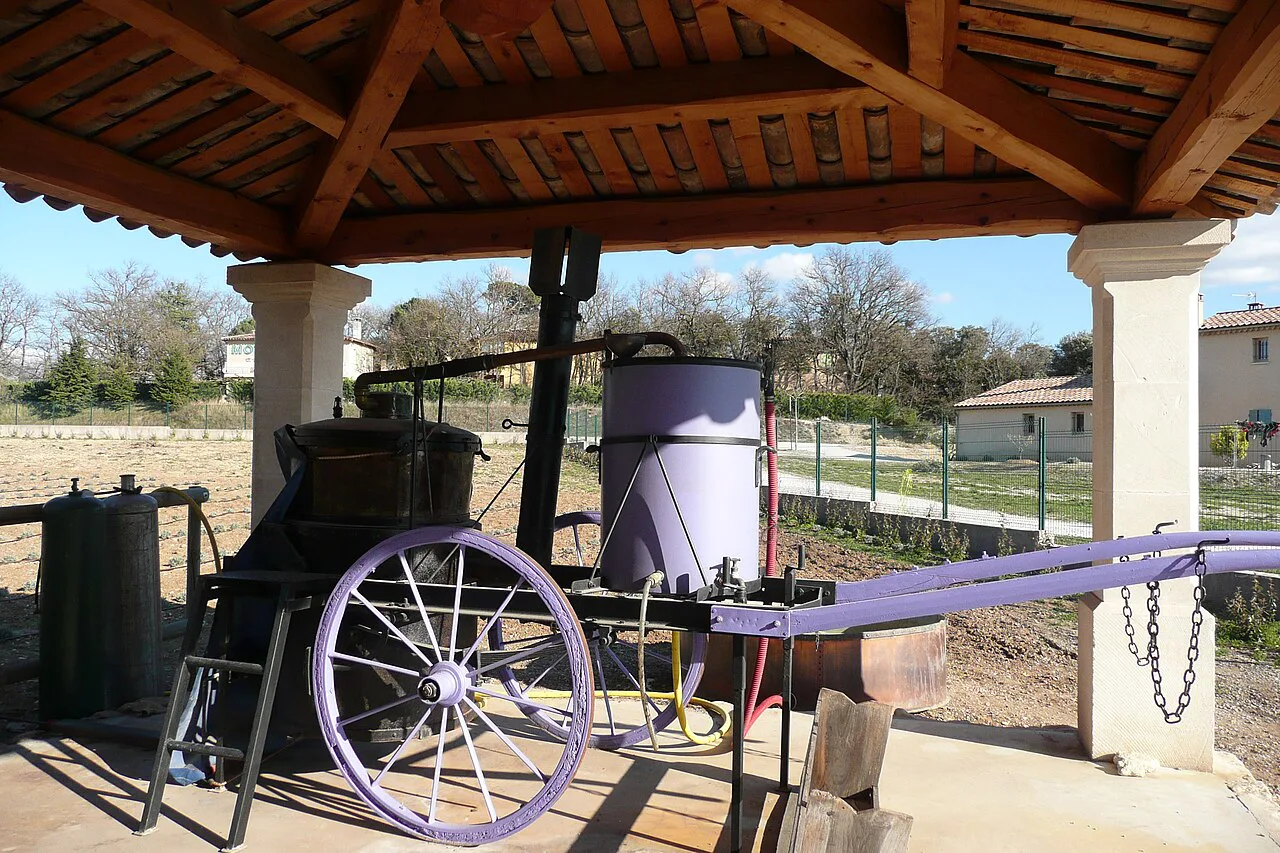
- Copper stills the museum dates to the 16th century.
- A 19th-century steam still, a coil condenser and a Florentine-vase separator.
- A mobile distiller that still carries bullet holes, which a visitor account links to efforts to stop it being used to make alcohol.
- Harvesters' clothing made from boutis, the quilting from Marseille, plus a scythe for cutting lavender.
- A shop with essential oils, soaps and perfumes.
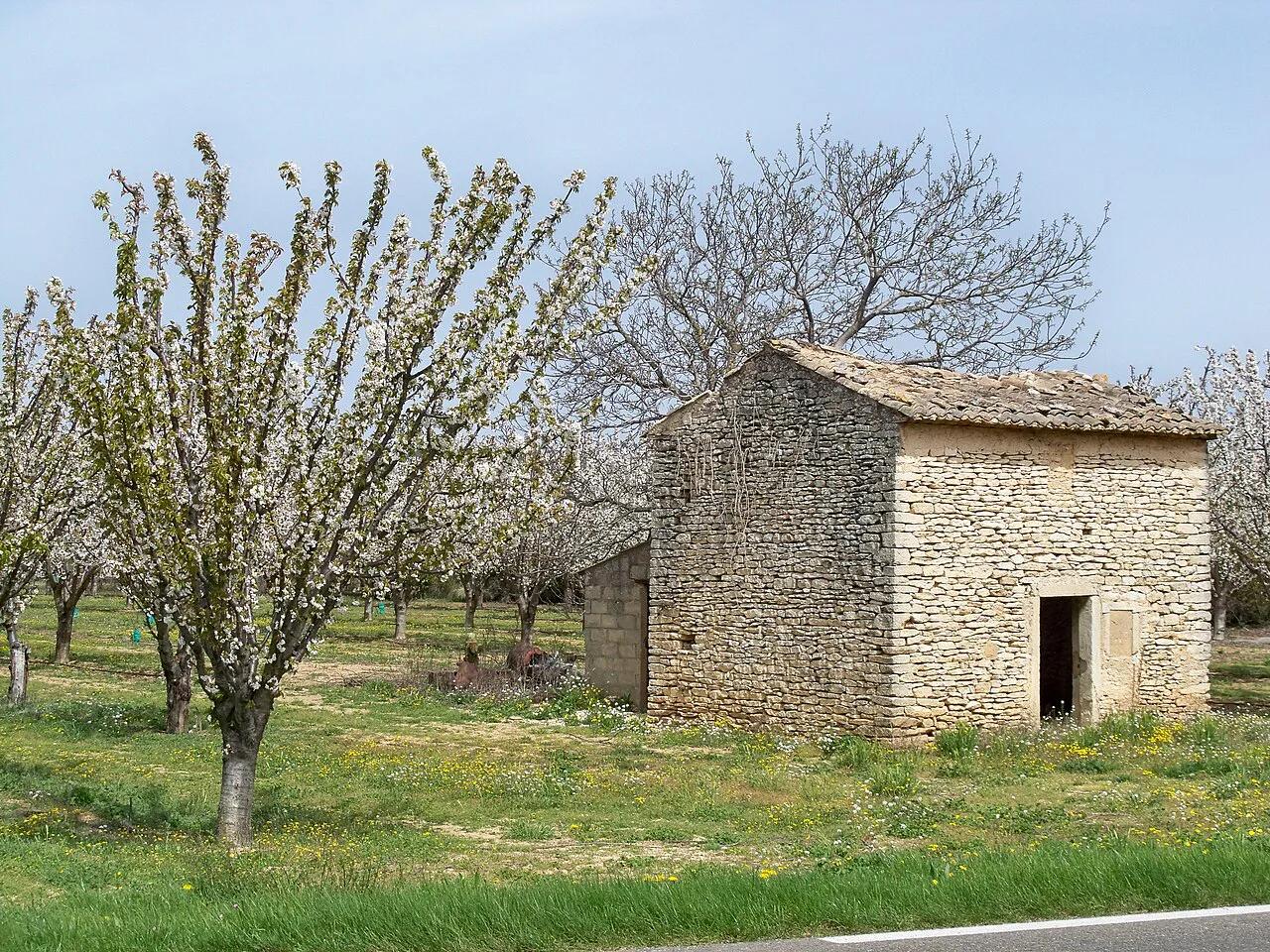
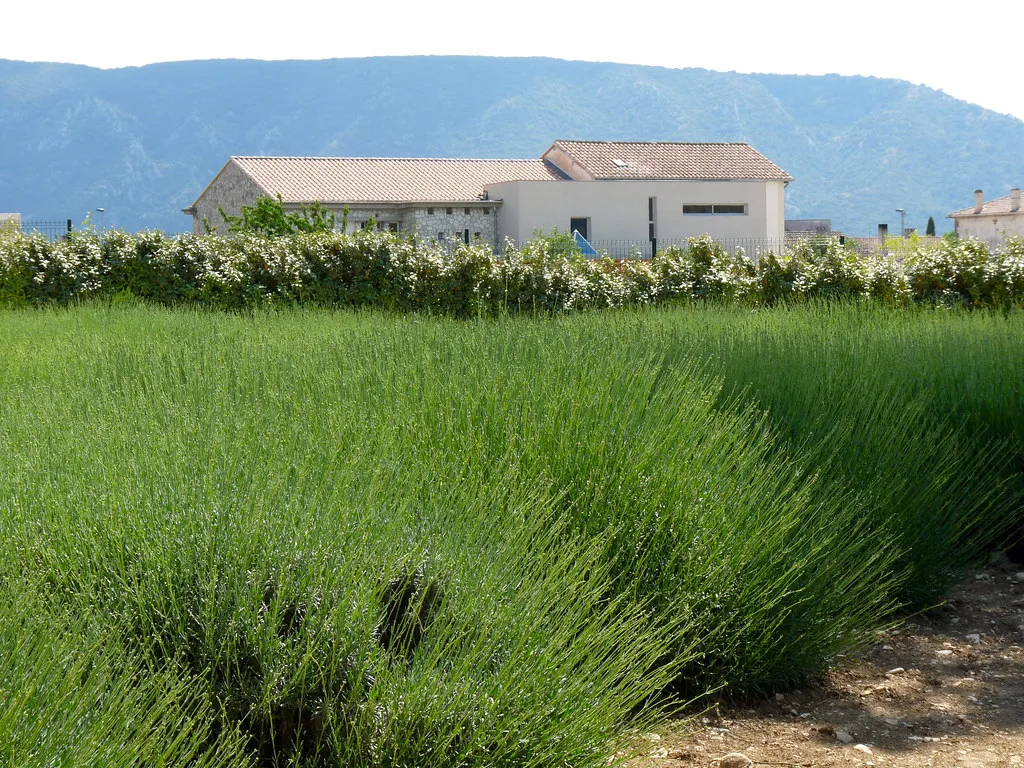
- Rows of lavandin behind a traditional farmhouse.
Fine lavender versus lavandin
One visitor account says the museum opens with this distinction. Lavandin is a hybrid first cultivated in the early 1900s, and its flower stems come in threes. The same account reports that making one litre of essential oil takes about 40 kg of lavandin flowers but 130 kg of fine lavender. Lavandin smells sharper and more camphorous, while fine lavender is sweeter and more floral. Our fine lavender and lavandin comparison goes further. It also explains why you should ask which plant a bottle of "lavender" oil came from.
Is it worth visiting? Go if, skip if
Our verdict is yes for the right reader. It is an indoor stop with a clear subject, not a field visit.
- Go if you want to understand distillation and the lavender-versus-lavandin difference.
- Go if you are travelling outside bloom season and the fields are bare.
- Go if you need a rainy-day or midday-heat stop.
- Skip, or keep it brief, if you only want photographs of purple rows.
- Skip if you expect fields in flower on every visit: the museum is not the fields.
Opening hours, tickets and booking
One third-party directory lists 10 AM to 5 PM and €8.00 per adult. It does not match the museum's own figures, so treat both numbers as indicative. Seasonal hours and closing days are on the official site. Check there whether booking is needed or walk-in entry works. Prices and hours checked November 2026. Shop spending is optional, and entry is a modest fee by museum standards.
Getting there and parking
Coustellet is car-dependent, and we'd plan on driving. Gordes is the best-known village nearby. Avignon and L'Isle-sur-la-Sorgue are the natural bases for a day out. Our guide to Lavender Fields Near Avignon: Best Day Trips and When to Go covers that side of the region. We haven't found a confirmed bus option, so check the official site before relying on public transport. Ask the museum about parking and accessibility rather than assuming either.
When to go: bloom season versus off-season
In bloom, the roads and fields are busy, and the museum offers shade and context. Our guide to when lavender blooms in Provence sets out the months. Out of season, the fields are bare, so the museum becomes the main lavender experience of the day. Do not count on flowering rows at the museum itself. Visitors report lavandin rows behind the farmhouse, but their condition changes with the season. For July crowds, see Provence in July: Lavender, Heat and Where to Base Yourself.
Pairing it with nearby stops
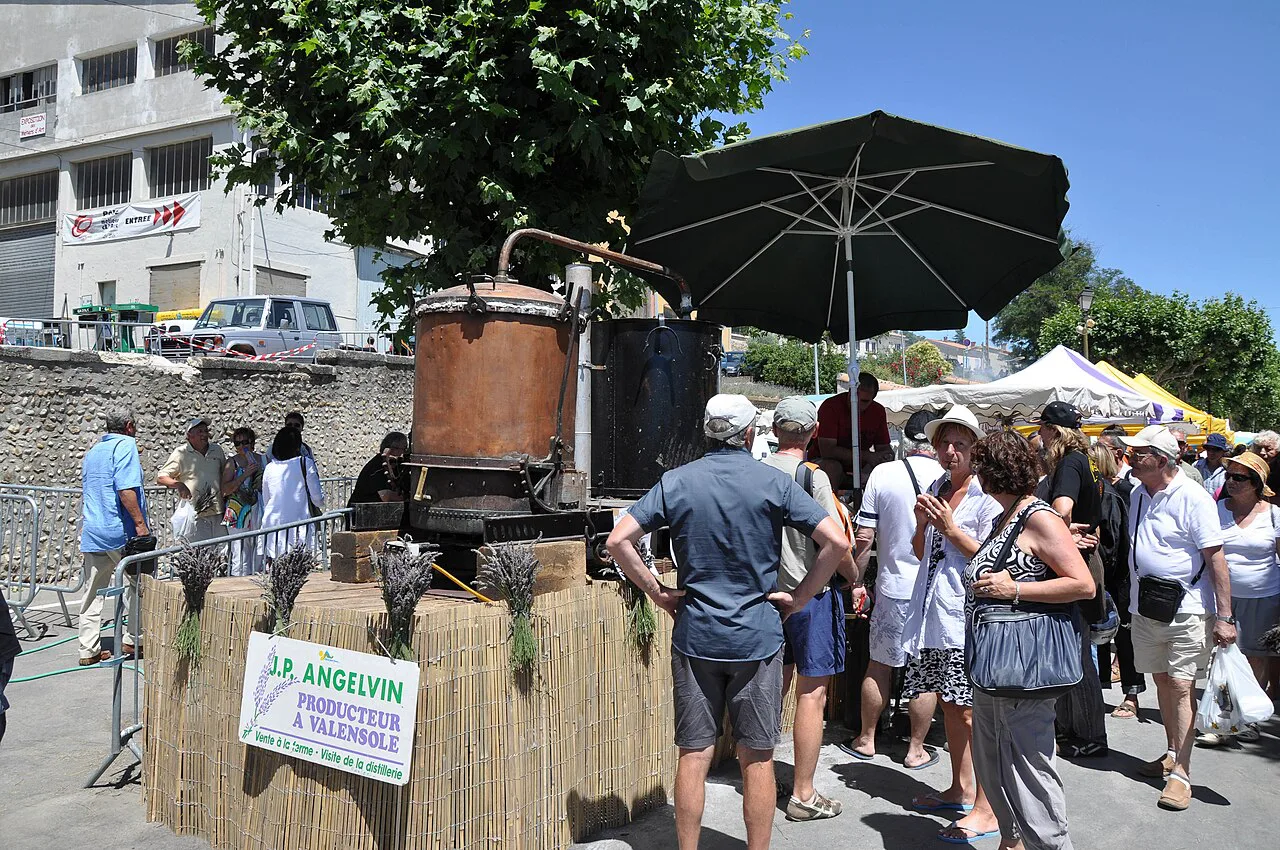
We'd treat the museum as half of a half-day, not a standalone trip. Start with the museum for context, then drive to a field or village stop. Sénanque Abbey is a classic pairing in the Gordes area. Lavender around Sault suits a longer day when the fields are in flower. For routing between them, use our Provence lavender route.
| Stop | Best season | Time needed | Weather dependence | Cost level |
|---|---|---|---|---|
| Musée de la Lavande | Any season | Short to medium stop | Low, mostly indoors | Low to medium |
| Luberon field stop | Bloom season | Flexible | High | Low |
| Sénanque Abbey | Bloom season for the fields | Medium | Medium | Medium |
Don't confuse it with the Digne-les-Bains museum
Digne-les-Bains has its own Lavender Museum in Alpes-de-Haute-Provence. Its hours, prices and facilities are different, so do not use them for Coustellet. Check that your map pin says Coustellet before you set off. For the wider picture, start with our guide to Provence lavender fields.
Bloom-season notes
Optional updates when we add or revise garden guides.
Continue reading
Guides on the same trip