15 Best Gardens in Italy: Where to Go and When
Plan gardens in Italy by region and style, with seasons, car-free access and booking notes for 15 gardens from the lakes to Ravello.
Last updated November 2026: gardens in Italy range from Renaissance water terraces near Rome to botanical collections on the Ligurian coast. This guide groups 15 of them by region, style and access, so you can pick two or three instead of trying ten. Each entry flags whether a car helps, and later sections cover seasons, tickets and sample routes.
Featured image: wwarby, CC BY 2.0, via Flickr.
Best Gardens in Italy at a Glance
For a first trip, start with Villa d'Este at Tivoli for fountains, Giardino di Ninfa for a romantic ruin garden, or Isola Bella on Lake Maggiore for Baroque terraces. In Florence, add Boboli. The table compares all 15 gardens in this guide by region, style, standout feature and car-free access.
| Garden | Region | Style | Standout feature | Car-free? |
|---|---|---|---|---|
| Isola Bella | Piedmont (Lake Maggiore) | Baroque terraces | Pyramid of statues and fountains | Yes, train and ferry |
| Villa Carlotta | Lombardy (Lake Como) | Romantic | Camellias, azaleas, Canova works | Yes, train and ferry |
| Hanbury Botanical Gardens | Liguria | Botanical | Plant collections | See official site |
| Parco Giardino Sigurtà | Veneto | Landscape park | Spring tulips, hedge maze | See official site |
| Villa Pisani | Veneto | Villa garden | Garden maze | See official site |
| Villa d'Este | Lazio | Renaissance water garden | Hundred Fountains, Organ Fountain | Yes, regional rail or bus from Rome |
| Giardino di Ninfa | Lazio | Romantic ruins garden | Medieval town ruins | No, car or tour |
| Villa Lante | Lazio | Renaissance water garden | Stone water chain | Harder without a car |
| Sacro Bosco di Bomarzo | Lazio | Mannerist sculpture park | Mouth of Orcus | See official site |
| Villa Doria Pamphili | Lazio (Rome) | City park | Long walks | Yes, inside Rome |
| Orange Garden | Lazio (Rome) | Viewpoint garden | City views | Yes, inside Rome |
| Boboli Gardens | Tuscany (Florence) | Renaissance terraces | Quarry amphitheater, Grotta Grande | Yes, inside Florence |
| Reggia di Caserta | Campania | Baroque royal park | Central water axis and waterfall | See rail options |
| Villa Rufolo | Campania (Ravello) | Cliffside terraces | Infinity Terrace | Transfer from the coast |
| La Mortella | Campania (Ischia) | Botanical | Lower and Upper Gardens | Ferry needed |
How to Choose Italian Gardens: Style, Season, and Region
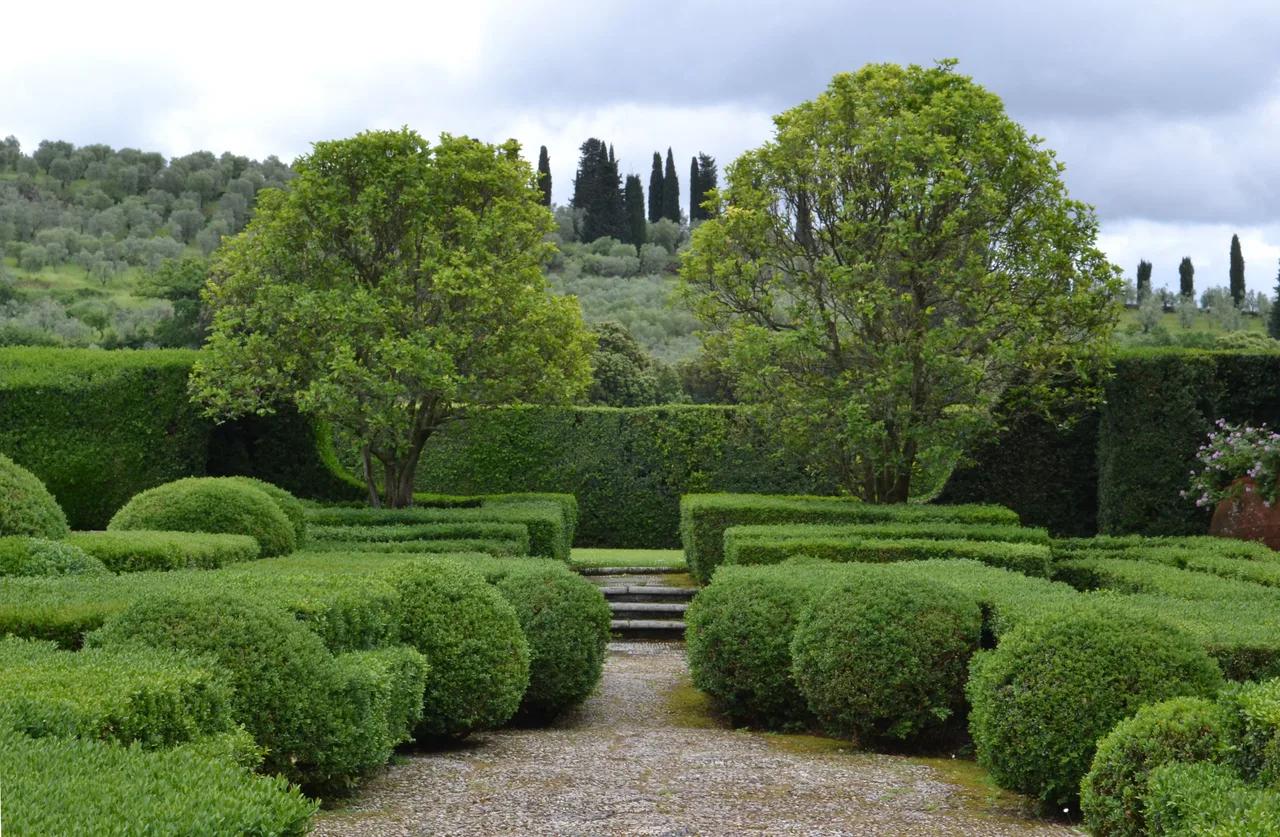
Pick by style first. Renaissance water gardens such as Villa d'Este and Villa Lante are formal, terraced and built around fountains. Baroque terraces, as on Isola Bella and at Caserta, favor statues and long axes. Romantic gardens such as Ninfa and Villa Carlotta trade symmetry for planting. Hanbury and La Mortella reward plant lovers. Bomarzo and the maze at Villa Pisani suit offbeat tastes. First-timers should begin at Tivoli. Wild and romantic travelers should aim for Ninfa. Families can try Bomarzo or Sigurtà. Anyone traveling without a car can use Boboli, the Rome city gardens, Villa d'Este and the lake gardens.
15 Best Gardens in Italy, North to South
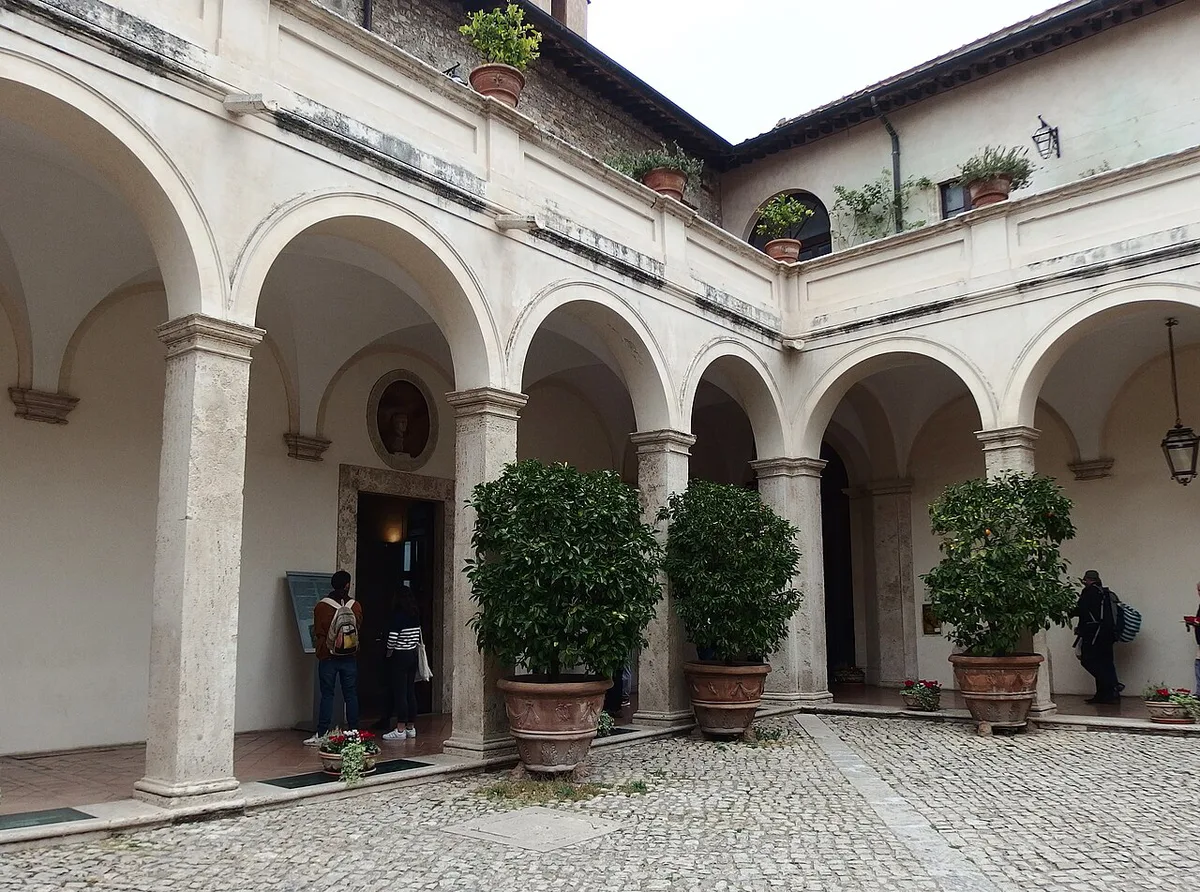
Entries run from the north to the south, and each one flags car-free or car-needed access. Opening seasons and ticket rules change, so details here were reviewed in November 2026 and the official venue sites remain the final word.
Caserta's royal park covers about 120 hectares, so allow a full day and check rail options before booking.
1. Isola Bella, Lake Maggiore (Piedmont)
Isola Bella is one of the Borromean Islands on Lake Maggiore, crowned by the 17th-century Palazzo Borromeo. Its Baroque garden climbs from the water in terraces like a pyramid, with marble statues, fountains and white peacocks on the paths. Reach it by train to Stresa, then walk to the ferry dock.
No car is needed. Book palace and garden entry online in advance, because summer queues are long. Anyone after quiet planting should look elsewhere, since the appeal here is theatrical architecture.
2. Villa Carlotta, Tremezzo, Lake Como (Lombardy)
On Lake Como at Tremezzo, Villa Carlotta combines a 17th-century villa with a Romantic-era garden. Inside are works by Canova and Thorvaldsen, while outside camellias, azaleas and rhododendrons line shaded walks and terraces. Spring is peak bloom, and summer brings cool groves and wide lake views.
Lake gardens run on train and ferry timetables, so build transfer time into the day. On the Varenna side, Villa Cipressi and Villa Monastero make a second-garden pairing. Visitors who prefer strict formal geometry will get more from Tivoli or Bagnaia.
3. Hanbury Botanical Gardens, Ventimiglia (Liguria)
Giardini Botanici Hanbury is a botanical garden at Ventimiglia on the Ligurian Riviera. Visitors come for the plant collections rather than for formal fountains or grand architecture. Our page on Hanbury's Riviera botanical collection covers what to see.
Opening days and seasonal hours are listed on the official Hanbury site. Botanical gardens in Italy like this one suit slow, plant-focused wandering more than quick photo stops. Anyone chasing Renaissance water features should look at Tivoli or Bagnaia instead.
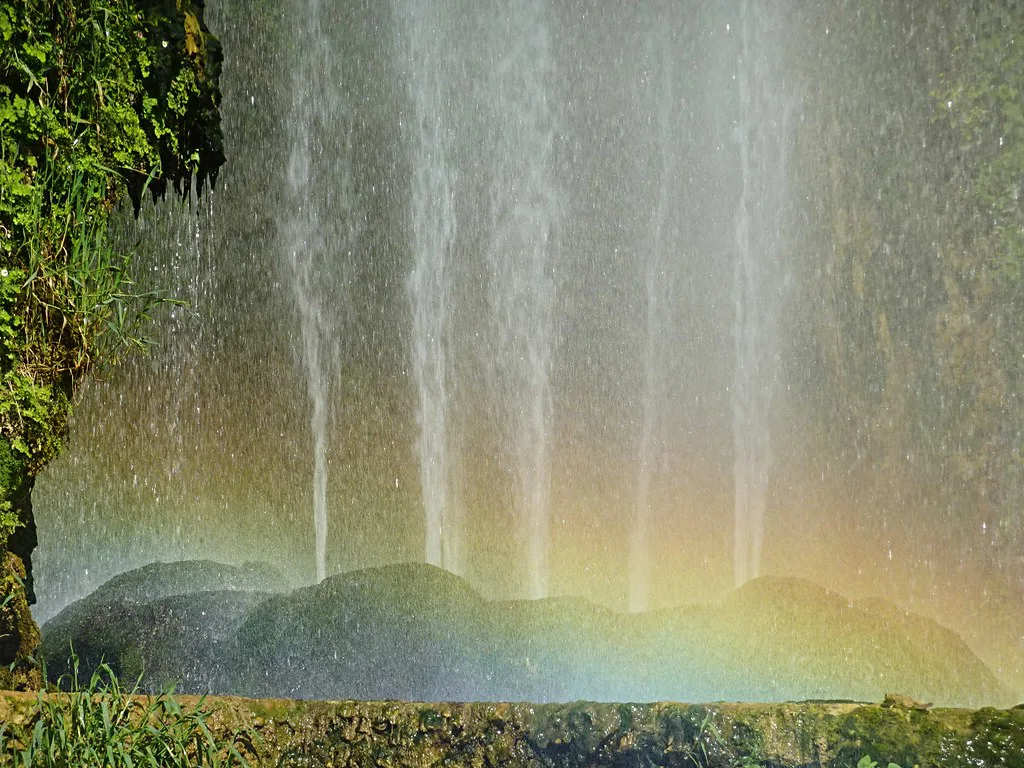
4. Parco Giardino Sigurtà, Valeggio sul Mincio (Veneto)
Parco Giardino Sigurtà sits at Valeggio sul Mincio, near Lake Garda, and has been open to the public since 1978. Rose-lined avenues, ponds, a great lawn, Deer Valley and a hedge maze make it a strong family pick. Spring tulips are the headline, and autumn brings maple and ginkgo color.
Check bus or rail connections before planning a car-free day. Visitors who want strict Renaissance geometry should head to Lazio instead.
5. Villa Pisani (Veneto)
In the Veneto, Villa Pisani's garden maze is the feature to know about. Venetian villa gardens of this kind suit visitors who enjoy a maze and open grounds more than botanical rarities. Verona and Padua are practical bases for Veneto gardens.
Confirm which parts of the grounds are open before committing a full day. Travelers short on time can skip it in favor of Sigurtà, which has a hedge maze of its own.
6. Villa d'Este, Tivoli (Lazio)
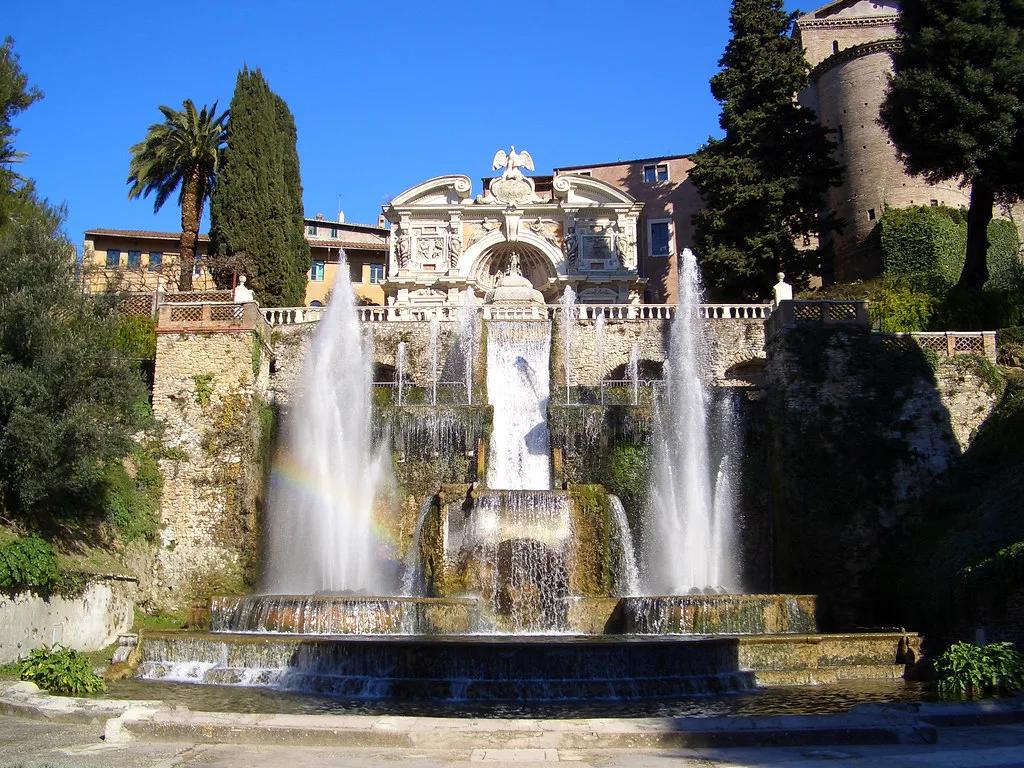
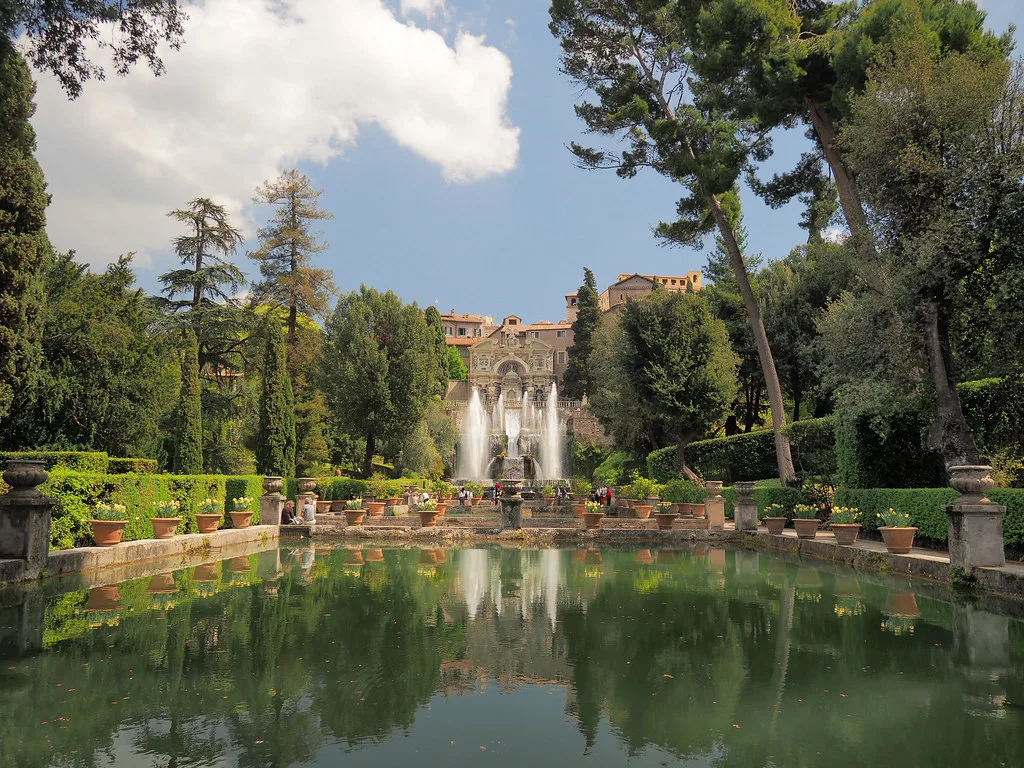
Villa d'Este at Tivoli is a UNESCO-listed Renaissance garden laid out between 1550 and 1572 for Cardinal Ippolito II d'Este. Its terraces step down a steep hillside, with the Alley of the Hundred Fountains and the Organ Fountain as the best-known stops. Gravity-fed water drives the fountains, so the sound follows you down the slope.
From Rome you can go by regional rail or bus, which makes Villa d'Este's fountain terraces the easiest car-free pick. Opening days and ticket rules sit on the official Villa d'Este site. Steep stairs and midday sun make the visit tiring for anyone with limited mobility.
7. Giardino di Ninfa, Cisterna di Latina (Lazio)
Giardino di Ninfa, near Cisterna di Latina, grows among the ruins of a medieval town. Gelasio Caetani began the garden in 1921, and it now covers roughly 8 hectares of streams, roses and broken walls. Opening is limited to select weekends in spring and autumn, and visits need advance booking through the Fondazione Caetani.
Getting there is harder without a car, so most visitors drive or join a tour from Rome. Our page on Ninfa's ruined medieval town garden covers planning. Skip it for spontaneous trips, since entry depends on a booked slot on an open weekend.
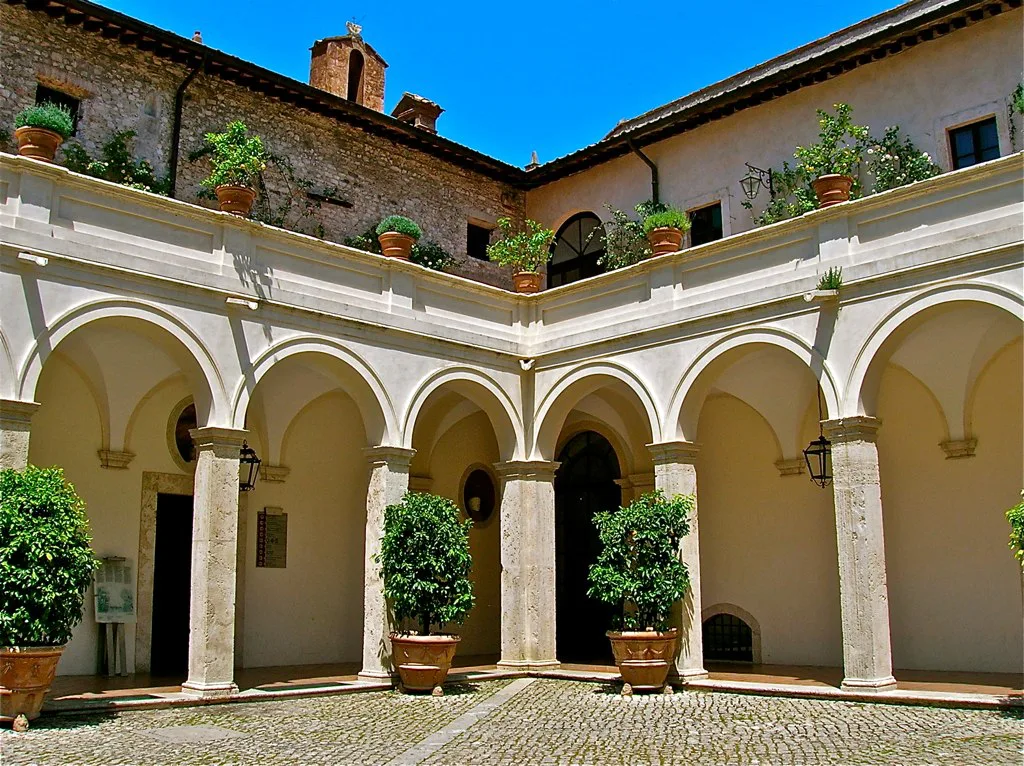
8. Villa Lante, Bagnaia (Lazio)
Villa Lante at Bagnaia, near Viterbo, is a 16th-century garden where water is the main subject. Two small casini flank the terraces, and a stone water chain (catena d'acqua) runs down the central axis. Fountains are tucked along the slope, and the sound of water is the point of the visit.
Our guide to Villa Lante's water parterre covers the layout. Current opening arrangements are on the Ministry of Culture site. Refined and quiet, it suits slow visitors more than anyone chasing spectacle, and a car makes it easier.
9. Sacro Bosco di Bomarzo (Lazio)
Sacro Bosco, the Sacred Wood near the village of Bomarzo, was created for Pier Francesco Orsini between 1552 and 1585. Instead of symmetry, it offers giant stone figures, a leaning house and the Mouth of Orcus, much of it carved from rough volcanic rock. Winding paths link the figures, so it suits visitors who find formal gardens dull.
Our guide to Bomarzo's Monster Park covers the main sculptures. Visiting details are on the official park site. Pass on it if you want flowers or planting design, because sculpture is the attraction.
10. Villa Doria Pamphili, Rome (Lazio)
Rome's Villa Doria Pamphili is a park rather than a fountain-led set piece, so it suits an unhurried walk. Our page on Doria Pamphili's park covers what to see. It needs no day-trip logistics, which sets it apart from Tivoli, Bagnaia or Ninfa.
Pair it with the Orange Garden for a car-free Rome garden day. Choose it when you want green space more than carved stone and fountains. Check the park's gate hours before an evening visit.
11. Orange Garden, Rome (Lazio)
Rome's Orange Garden viewpoint is a garden visited mainly for its city outlook. Treat it as a short stop rather than a half-day garden visit. Late afternoon is a sensible time, when light is softer and the views carry further.
Within Rome it fits neatly into a day built around Doria Pamphili or other city sights. Anyone wanting planted beds, mazes or fountains should head to Tivoli or Bagnaia.

12. Boboli Gardens, Florence (Tuscany)
Boboli Gardens were commissioned by the Medici in the 16th century behind Palazzo Pitti. Highlights include an amphitheater carved from an old quarry and Buontalenti's Grotta Grande, a grotto where sculpture meets natural rock. Upper terraces give panoramic views over Florence.
As an in-city garden, it needs no car and fits easily beside a visit to Palazzo Pitti. Paths climb steadily, so travelers with limited mobility should plan their route.
13. Reggia di Caserta Gardens (Campania)
Reggia di Caserta, built in the 18th century for the Bourbon kings of Naples, has a royal park of about 120 hectares designed by Luigi Vanvitelli. A central water axis leads to a waterfall at the far end, passing fountains such as Diana and Actaeon. An English-style garden adds a more naturalistic corner with ponds and winding paths.
Distances are long and the main avenue climbs, so rent a bike or take the shuttle to the top and walk down. Our page on Caserta's royal park covers visiting details. Do not schedule it as a quick add-on, since the grounds need real time.
14. Villa Rufolo, Ravello (Campania)
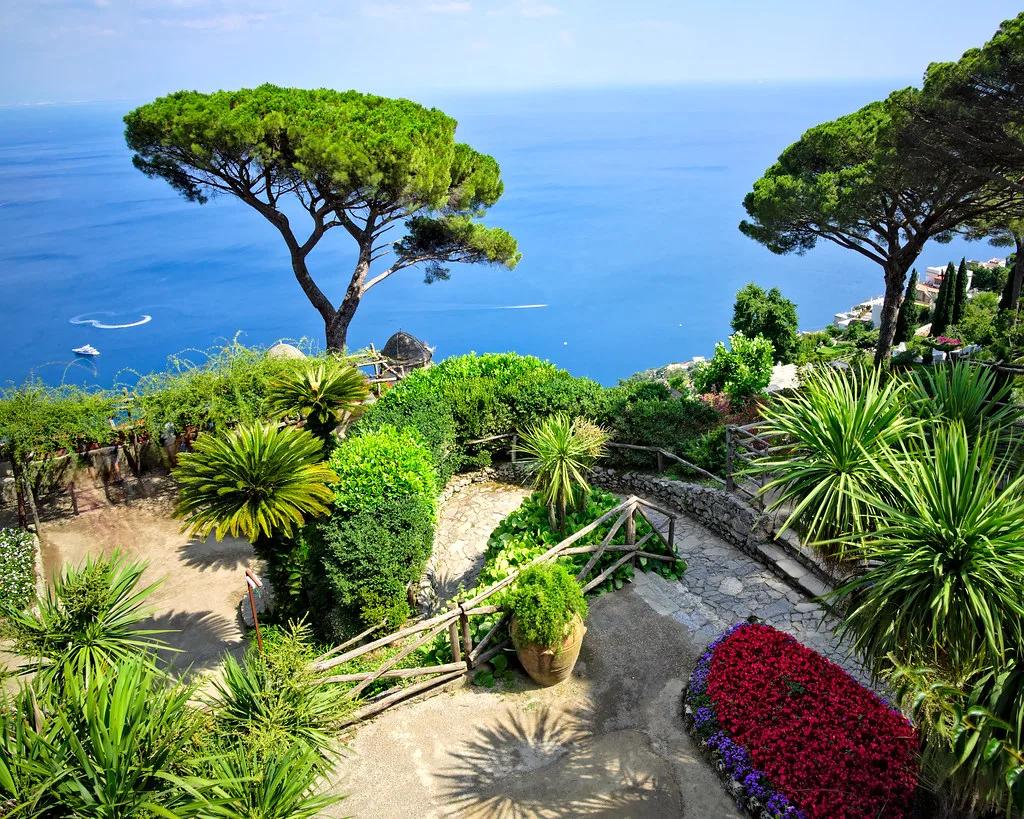
Ravello's Villa Rufolo sits on cliffs above the Amalfi Coast, and the Infinity Terrace is its signature view. Other sections include the Nymphaeum Garden, the Orange Garden and the Lemon Garden. Nearby Villa Cimbrone adds a second terrace-and-view stop in town.
Reaching Ravello means a transfer up from the coast, so allow extra time on busy summer days. Skip it if you want large open grounds, since this is a view-led garden.
15. La Mortella, Ischia (Campania)
La Mortella at Forio on Ischia was created from 1958 by Susana Walton, wife of the English composer Sir William Walton. A tropical Lower Garden holds ponds of water lilies and lotus, while the Mediterranean-style Upper Garden looks over the island and sea. Concerts and events honor Walton's musical legacy.
Island access means a ferry from the mainland, so factor transfer time into the day. Day-trippers on a tight schedule should choose a mainland garden instead.
Best Time to Visit Italian Gardens, Season by Season
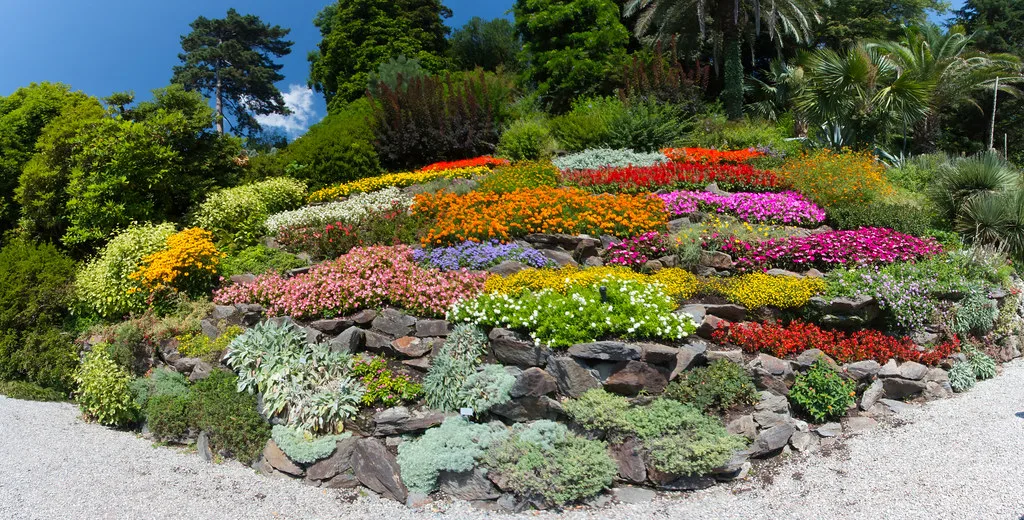
Spring suits the most gardens. Sigurtà, a 60-hectare park, is known for tulips, and Villa Carlotta peaks with camellias and azaleas. Ninfa opens only on select spring and autumn weekends. Summer favors shaded groves and lakeside terraces, but formal gardens such as Villa d'Este are tiring at midday. Autumn brings maple and ginkgo color at Sigurtà and a second Ninfa window. Some gardens open only part of the year, so check seasonal dates before booking transport.
Tickets, Opening Hours, and Costs: What to Check Before You Go
No single fare applies across these gardens, so use each venue's official site for current prices and closure days. Ninfa needs a booked slot on one of its open weekends.
Getting Around: Day Trips, Car-Free Options, and Lake Transfers
Rome is the easiest base for Villa d'Este by regional rail or bus. Our roundup of garden day trips from Rome compares the options. Ninfa and Lante are harder without a car. Lake gardens work by train and ferry, with Stresa serving Isola Bella and Como or Varenna serving the Como-side gardens. Verona or Padua suit the Veneto gardens. For regional tourism information, use Visit Lazio.
Sample Garden Itineraries
Lazio, 3 days: Villa d'Este on day 1 by regional transport. Day 2 goes by car to Villa Lante and Bomarzo, both in the Viterbo area. Day 3 covers Doria Pamphili and the Orange Garden in Rome. Swap in Ninfa only on an open weekend. Lakes, 2 days: Isola Bella via Stresa on day 1, then Villa Carlotta at Tremezzo on day 2, with transfer time between lakes. Veneto, 2 days: Sigurtà one day and Villa Pisani the next, based in Verona or Padua. For more Roman options, see our Rome day-trip garden options.
Common Mistakes When Visiting Italian Gardens
Arriving on a closure day wastes a long transfer, so check the weekly schedule first. Underestimating transfers is common with lake ferries, Ravello and Ischia. Skipping advance tickets hurts at Isola Bella in summer and is not an option at Ninfa. Visiting formal terraces at midday in July means heat and little shade. Assuming every garden is open year-round leads to locked gates at seasonal sites.
Frequently Asked Questions
What is the most famous garden in Italy?
No single ranking settles it, but Villa d'Este at Tivoli, Boboli in Florence and the royal park at Caserta are among the best known. Of these, Villa d'Este is the easiest from Rome without a car.
What is an Italian garden called?
In Italian the style is giardino all'italiana, a formal layout of symmetry, terraces and water features descended from Renaissance villa gardens. Similar gardens outside Italy borrow the same name.
What plants are in an Italian garden?
Typical plantings include clipped box hedges, cypress, citrus trees, roses and other Mediterranean plants. Romantic and botanical gardens add camellias, azaleas, rhododendrons and exotic species.
Explore More Guides
Keep planning your trip with these guides.
Guides
- Villa d'Este Tivoli
- Giardino di Ninfa: Booking, Visit Tips and Getting There
- Villa Lante (Bagnaia)
- Sacro Bosco di Bomarzo (Park of the Monsters) Guide
- Hanbury Botanical Gardens, Italy
- Reggia di Caserta Gardens: Visit Guide and Park Plan
- Villa Pisani Strà
- Gardens Near Rome: Day-Trip Picks by Distance & Effort
- Orange Garden Rome (Giardino degli Aranci)
- Villa Doria Pamphilj Rome
Bloom-season notes
Optional updates when we add or revise garden guides.
Continue reading
Guides on the same trip