7 Best Things to See at Kew Gardens
Plan Kew Gardens: the 7 best sights, how long to allow, ticket and transport tips, and the best season to go, with routes for 90 minutes to a full day.
Last updated November 2026: Kew Gardens is a botanic garden and UNESCO World Heritage Site in Richmond, southwest London, and a full visit takes about 3-5 hours. This guide helps you choose between the Palm House, Temperate House, Treetop Walkway, Great Pagoda and the other main stops. Use it to pick a route by time, season and mobility before you buy a ticket.
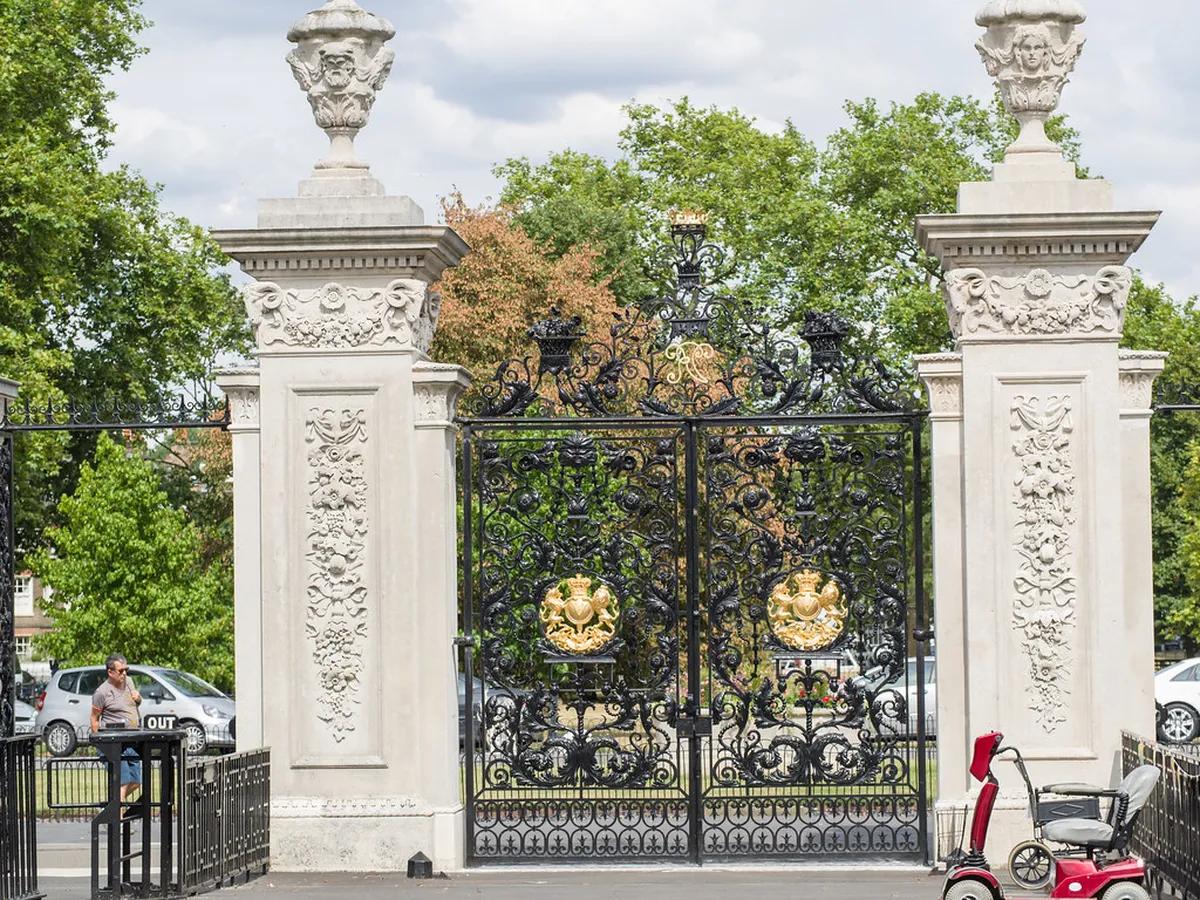
Featured image: sergei.gussev, CC BY 2.0, via Flickr.
Kew Gardens at a glance
Kew Gardens sits in Richmond, southwest London, beside the River Thames. Victorian glasshouses, a royal palace and a pagoda dating from 1762 all share one very large site. Published figures put the grounds at 300 to 330 acres, so expect plenty of walking. First entry is from 10am daily.
- Location: Richmond, southwest London (postcode TW9 3AB).
- Typical visit: about 3-5 hours for a full tour.
- Best for: first-timers, families, botany enthusiasts and photographers.
- Storage: no lockers or baggage storage on site.
Is Kew Gardens worth visiting?
Yes, for most visitors with at least half a day free. First-timers get the Victorian glasshouses, and families get giant Amazonian water lilies up to two metres across. Botany enthusiasts get a Temperate House holding plants from six world regions. Short-stay London visitors with under three hours may find the site rushed. Winter afternoons also leave little daylight because the gardens close at sunset. On a London itinerary, Kew works best as its own half day rather than a quick add-on.
7 Best Things to See at Kew Gardens
Seven stops carry most visits, grouped here by type: glasshouses first, then structures and the palace. Hours and access notes checked November 2026.
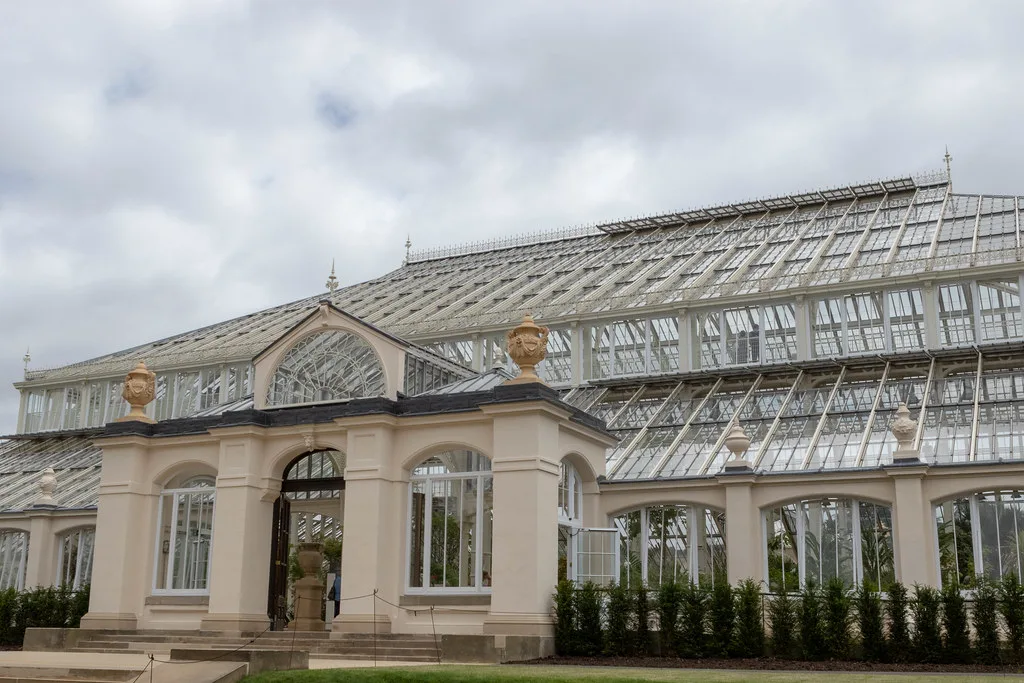
1. Palm House
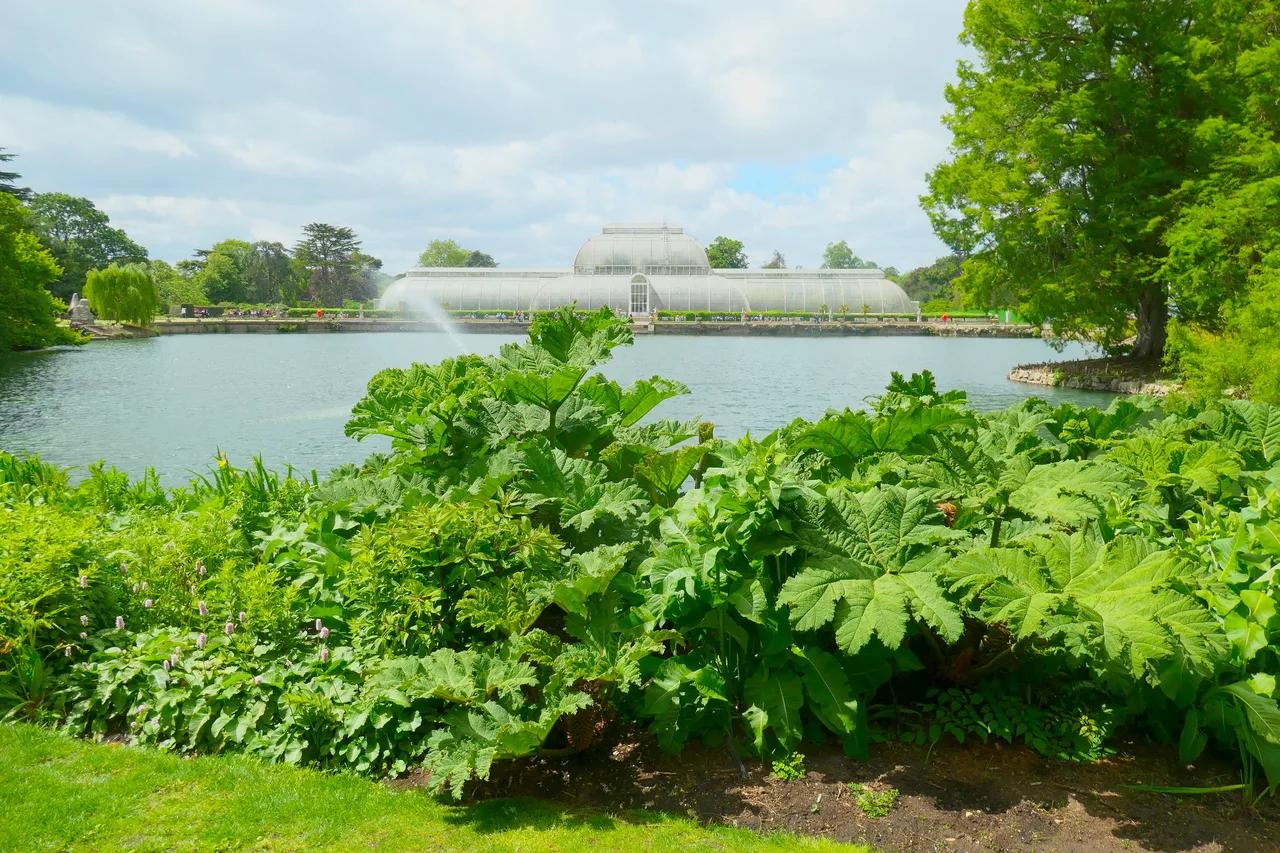
Palm House is a Victorian glasshouse full of tropical trees, including the cocoa tree among its endangered and useful plants. Iron staircases let you inspect the palms at canopy height, which makes it the best first stop for photographers. A lake and ornate flowerbeds sit beside it, so you can ease into the day outdoors.
Start here for a first visit, and read the full Palm House guide for detail. Skip it only if you dislike humid air, since the interior stays hot and damp.
2. Temperate House
Temperate House is described as the world's largest Victorian glasshouse. A five-year restoration cost £40 million and replaced about 15,000 panes of glass. Inside, around 10,000 plants come from Africa, Australia, New Zealand, the Americas, Asia and the Pacific.
Botany enthusiasts will find rare species they rarely see elsewhere, and our Temperate House guide covers the highlights. Skip it if you have under 90 minutes, because the plant labels reward slow browsing.
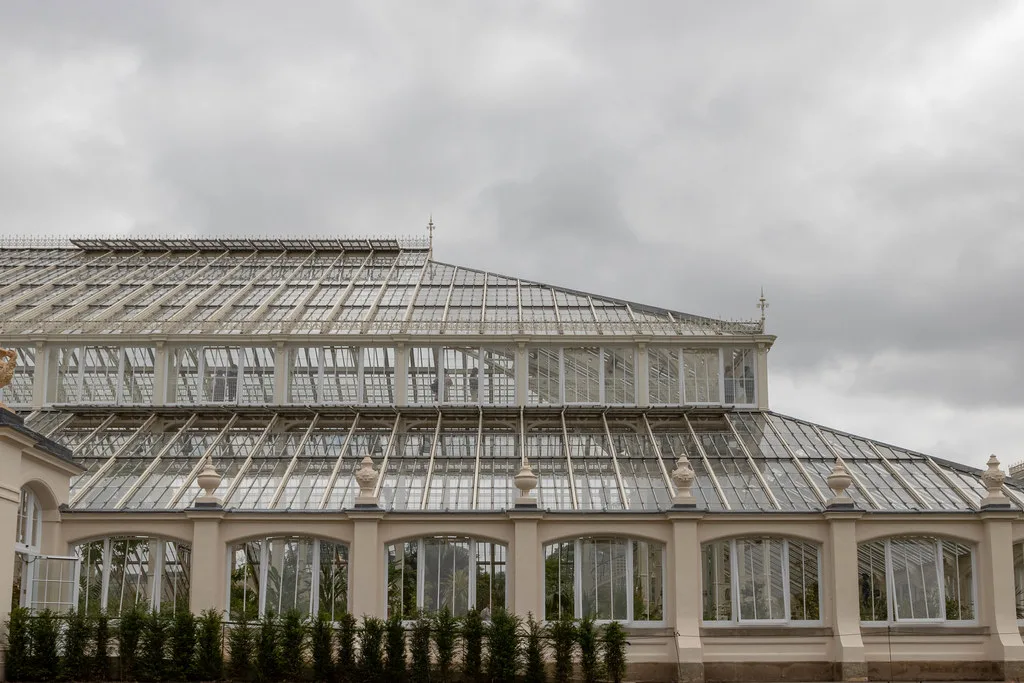
3. Princess of Wales Conservatory
Ten distinct climate zones sit under one roof here, each tuned to a different plant family. You pass from arid, cactus-filled desert to wet rainforest within a few minutes. Venus flytraps and pitcher plants draw children, and giant water lilies float in the wet tropical zone.
Princess Diana opened the conservatory in 1987. Families and plant-curious first-timers get the most from it. Skip it if you want open-air views, since this is a fully enclosed visit.
4. Water Lily House
Kew's hottest house is built around a giant pond filled with water lilies. Some Amazonian lilies measure up to two metres across and can support a small child's weight. Lakes of lilies create a calm, almost meditative atmosphere that suits a short pause between larger stops.
Check at the entrance whether it needs separate entry on your day. Skip it if heat bothers you, because this is the warmest house on the site.
5. Great Pagoda
Great Pagoda dates from 1762 and was created as a gift for a princess. Its 10 storeys and 253 steps lead to a wide view across the grounds. Capacity is limited because the structure is fragile, and climbing carries a small supplement.
Our Great Pagoda guide explains when climbing is possible. Skip the climb if stairs are difficult, or if you only have a short visit.
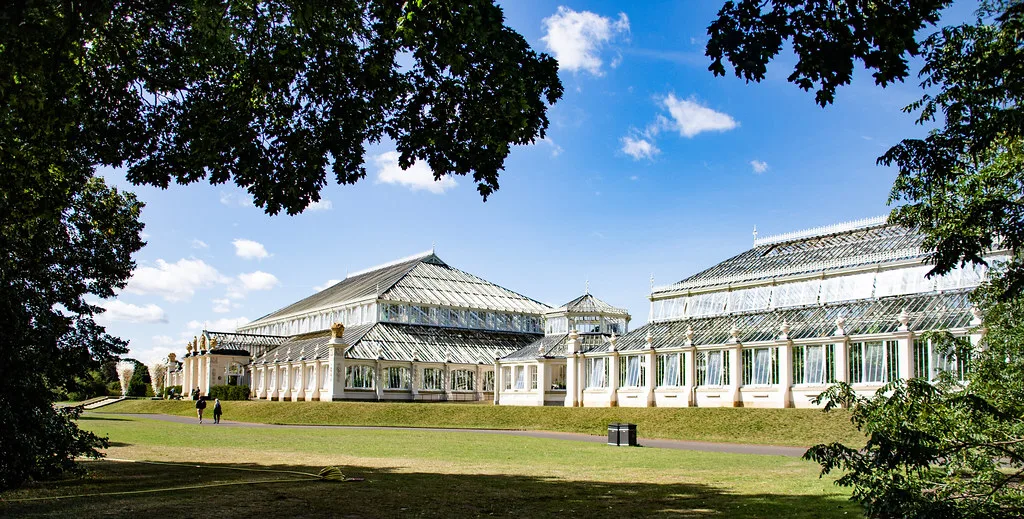
6. Treetop Walkway
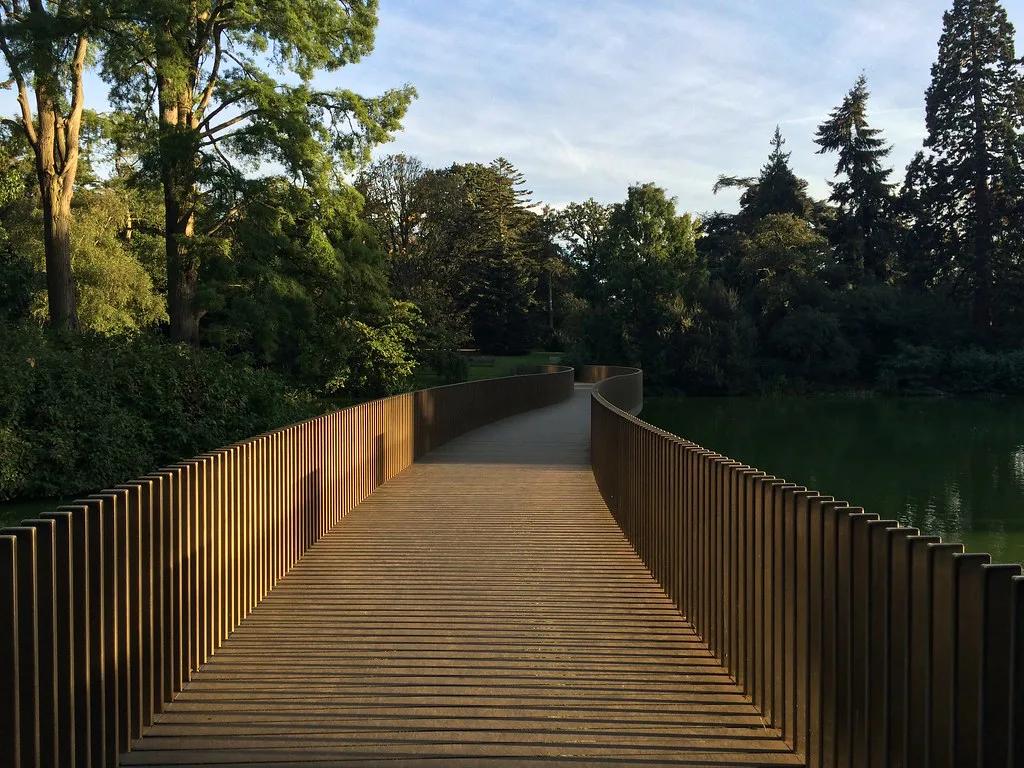
Treetop Walkway lifts you into the tree canopy for a different angle on the grounds. It suits families, photographers and anyone tired of glasshouse humidity. Exposed structures can close in poor weather, so check it is open before planning around it.
Read the Treetop Walkway guide for access details. Skip it if you dislike heights, and save it for a dry day.
7. Kew Palace
Kew Palace is the 'Dutch House', the only surviving part of a larger palace where George III spent his summers in the late 1700s. You can also explore the icehouse and the Royal Kitchens, where servants prepared feasts fit for a king. Entry is included with admission only when the palace is open, from Easter to the last weekend in September.
History-minded visitors and rainy-day families get the most from it. Skip it in winter, since it is closed outside that season.
How to plan your time at Kew Gardens
A full visit takes about 3-5 hours, so choose a route before you arrive. Start with the glasshouses, because they suit any weather and hold the most plants. The site map helps you sequence the outdoor stops.
| Time available | Route | Best for |
|---|---|---|
| 90 minutes | Palm House plus one more glasshouse | Short London stops |
| Half day (about 3 hours) | Palm House, Temperate House, Princess of Wales Conservatory, Water Lily House | First-timers and botany fans |
| Full day (up to 5 hours) | All glasshouses, then Great Pagoda, Treetop Walkway and Kew Palace in season | Families and photographers |
Tickets, opening times and what's included
Standard daytime entry opens from 10am daily, and the gardens close on 24 and 25 December. Kew Palace and the Royal Kitchens are included only when open, from Easter to the last weekend in September. Climbing the Great Pagoda carries a small supplement. Seasonal events are not covered by a standard daytime ticket, which is why event pages price separately. Adult and child rates have changed in recent years, so read the current figure on the official Kew site. Our ticket options page compares the choices. Closing time follows sunset, so check the seasonal opening hours before planning a late arrival.
Best time to visit Kew Gardens
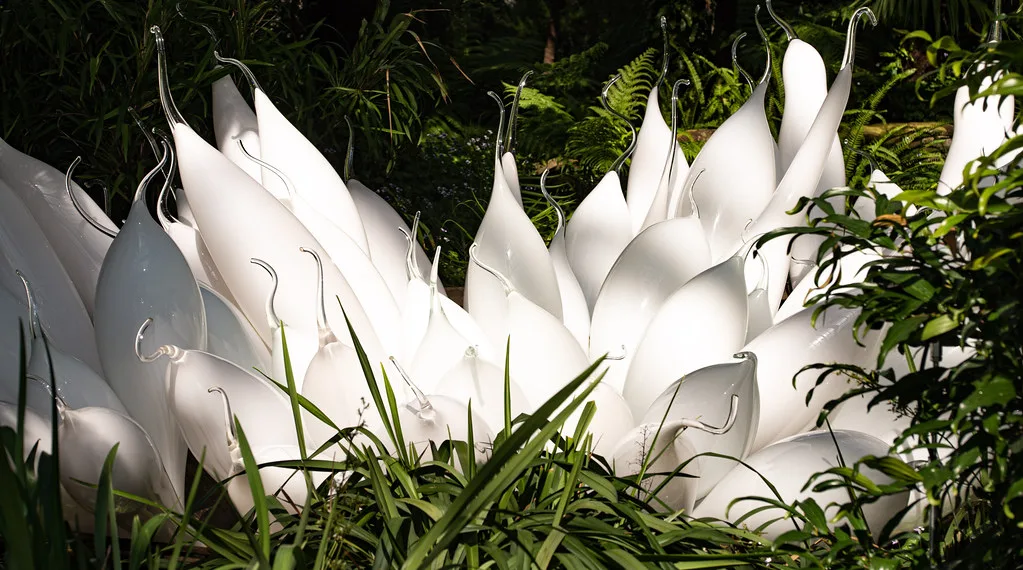
Kew is open all year, and the glasshouses make it workable in rain. Each season changes what is in bloom and how long daylight lasts.
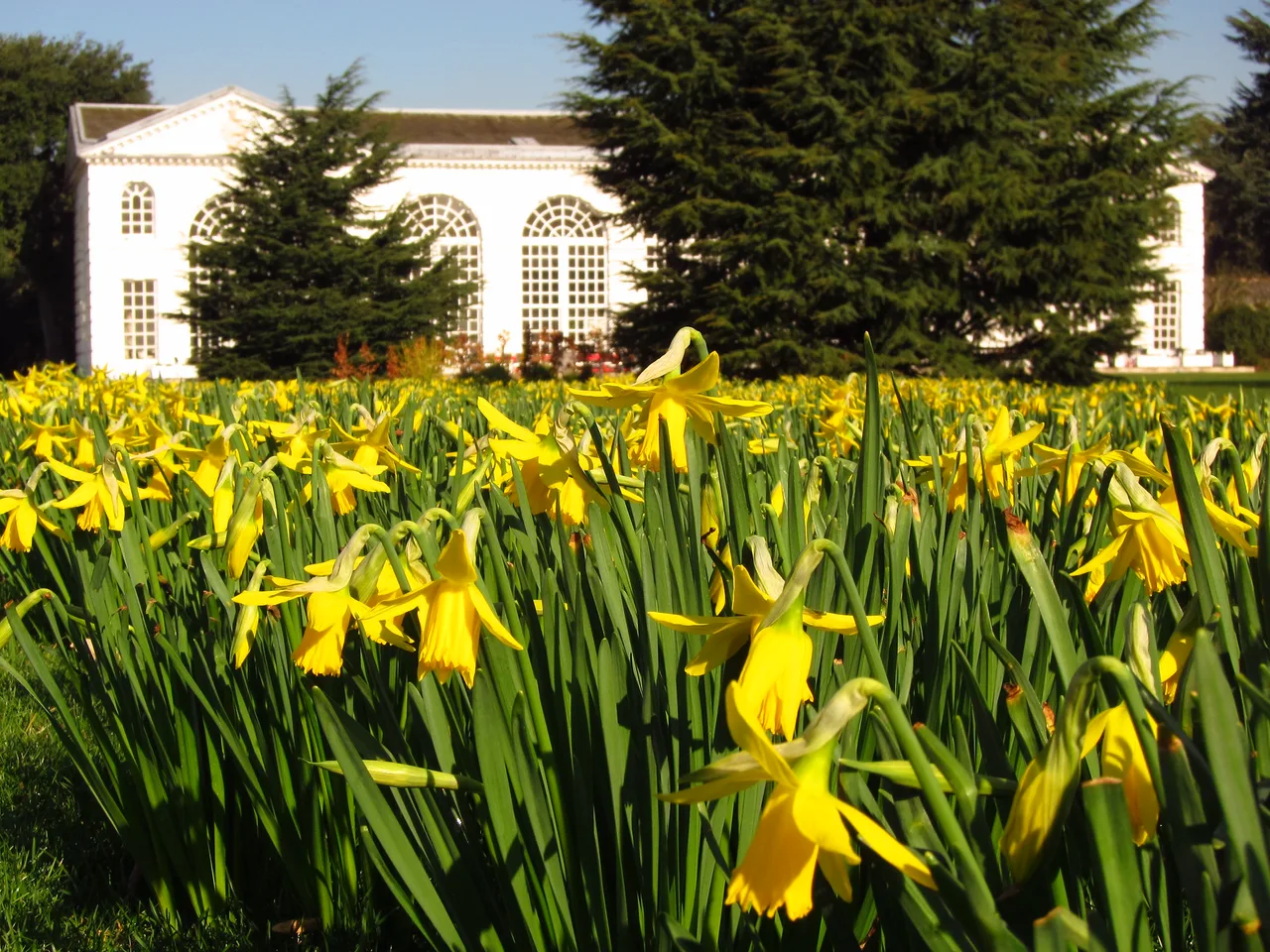
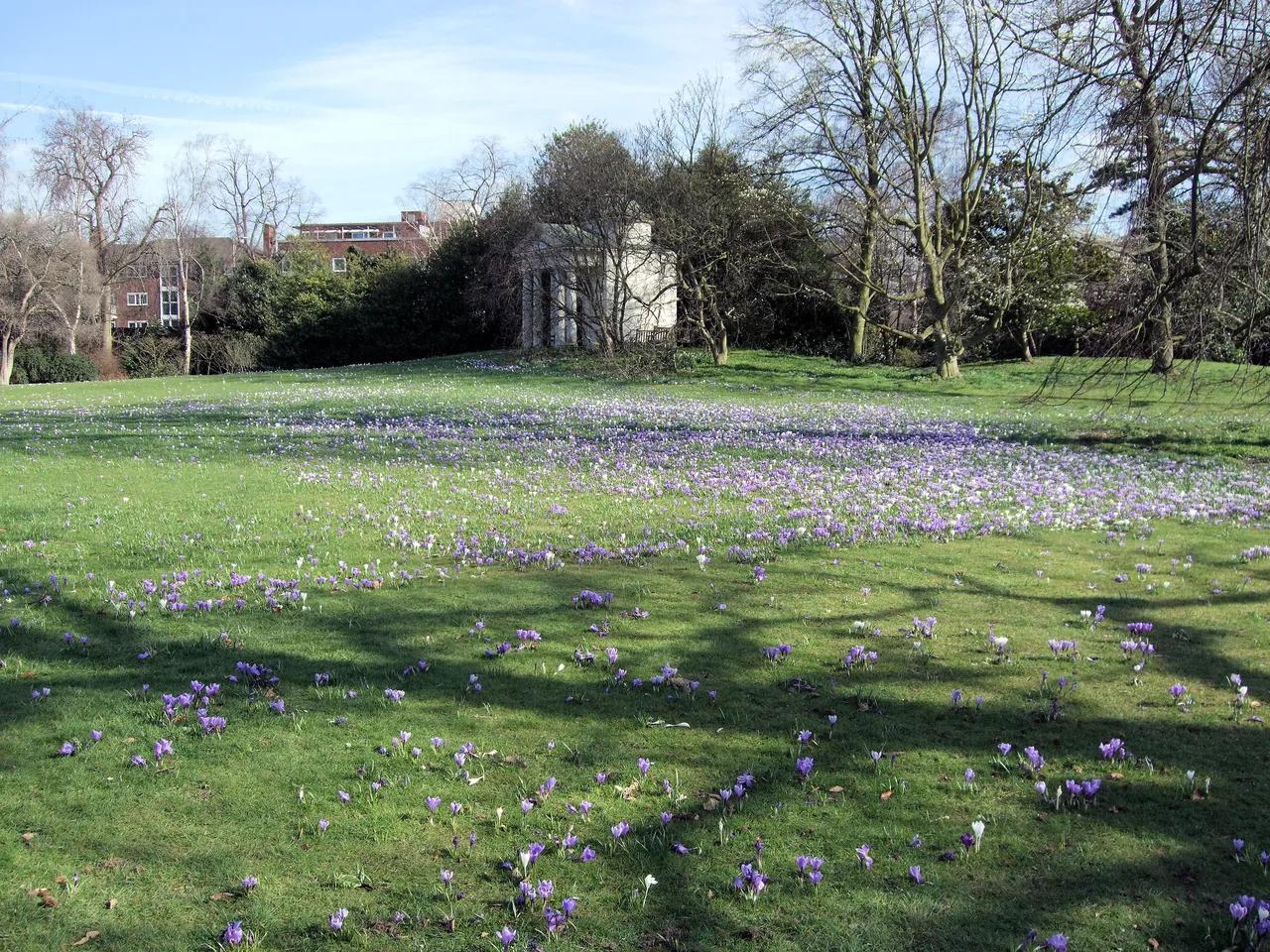
- Spring: blooms peak outdoors, and the spring at Kew guide lists what to look for.
- Summer: the gardens stay open later, so evening light is possible.
- Autumn: leaves turn red and gold, and the glasshouses stay a dry fallback.
- Winter: short daylight, because closing follows sunset, so lead with the glasshouses.
- Orchid season: the orchid festival is an event, so it needs its own ticket.
- Christmas: Kew's Christmas lights are a seasonal event, not part of standard entry.
Getting there and getting around
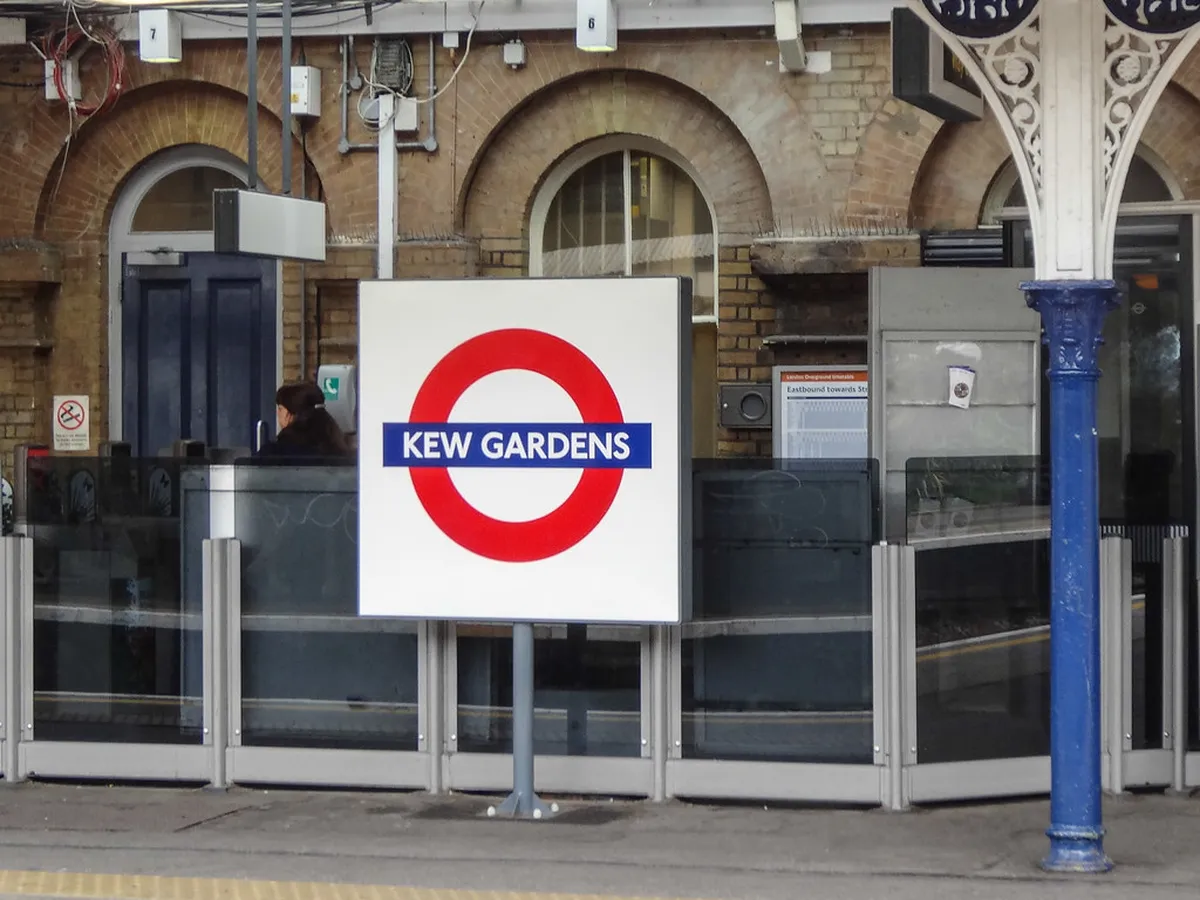
Kew Gardens Underground station and Kew Bridge station are the nearest rail options. Buses 65, 391, 237 and 267 also serve the area. Check TfL or National Rail for current services. Our routes to Kew page gives step-by-step directions from central London. No lockers or baggage storage are available, so travel light. Once inside, distances are long, so wear walking shoes.
Where to stay and what to pair it with
Richmond and the Thames side make a practical base for a 10am entry. Pair Kew with a riverside walk only if you chose the half-day route. Windsor works better as a separate day trip than a same-day add-on.
Mistakes to avoid at Kew
Most problems come from timing and walking distance.
- Arriving late without checking closing time, which follows sunset and shifts by season.
- Skipping the glasshouses on a wet day, when they are the best option.
- Assuming Kew Palace is open all year, when it runs from Easter to the last weekend in September.
- Buying a standard ticket for an event, which it does not cover.
- Planning 90 minutes for everything when a full visit takes 3-5 hours.
- Bringing luggage, because there are no lockers or baggage storage.
The Hive: a sound-and-light stop
The Hive is a useful change of pace between the glasshouses and the outdoor landmarks. Its structure contains 170,000 aluminium pieces, creating a dense lattice that feels striking from both inside and outside. Lights and sound respond to activity from a real beehive, giving the installation a direct link to pollination and plant life.
Build it into a 3-5 hour visit after the Palm House or Temperate House, rather than treating it as a replacement for either. The experience is especially helpful on a grey day, when you want an engaging stop without committing to another hot, humid glasshouse. First entry is from 10am, so early arrivals can begin with major indoor sights and leave The Hive for a quieter pause later. Check the official Kew site on your date, as installations and access arrangements can change.
Frequently Asked Questions
How many hours do you need for Kew Gardens?
Allow 3-5 hours for a full visit. With only 90 minutes, stay around the Palm House and one other glasshouse.
Is the glasshouse at Kew closed?
Kew's main glasshouses, including the Palm House and Temperate House, are part of a standard visit. Temperate House has completed its five-year, £40 million restoration. Individual houses can close for maintenance, so check the official Kew site for your date.
What not to miss in Kew Gardens?
Start with the Palm House and Temperate House. Add the Princess of Wales Conservatory for its ten climate zones. Climb the Great Pagoda's 253 steps if you can manage stairs.
Explore More Guides
Keep planning your trip with these guides.
Guides
- Kew Gardens Tickets: Which to Buy and How to Book
- How to Get to Kew Gardens: Stations, Gates and Routes
- Kew Gardens Opening Times: Hours, Last Entry & Seasonal Changes
- Kew Palm House: Closure Update, History and Alternatives
- Temperate House Kew
- Kew Treetop Walkway: Is It Worth It? Tickets & Tips
- Christmas at Kew 2026
- Kew Gardens in Spring: What's in Bloom and When to Go
- Kew Orchid Festival: Tickets & How to Plan Your Visit
- Kew Pagoda (Great Pagoda)
- Kew Gardens Map: Gates, Glasshouses and Walking Routes
Bloom-season notes
Optional updates when we add or revise garden guides.
Continue reading
Guides on the same trip