UNESCO World Heritage Gardens in Europe: Where to Go
A guide to Europe's UNESCO-listed gardens: what the listing covers, which sites to visit, and how to plan access, timing and tickets.
Last updated November 2026: UNESCO World Heritage gardens in Europe are inscribed as palace ensembles, cultural landscapes, serial properties or botanical gardens. Schönbrunn in Austria, Dessau-Wörlitz in Germany, the Medici villas in Tuscany and Kew in London are all on the list. This guide sorts them by style and access, and it sits under our European gardens hub.
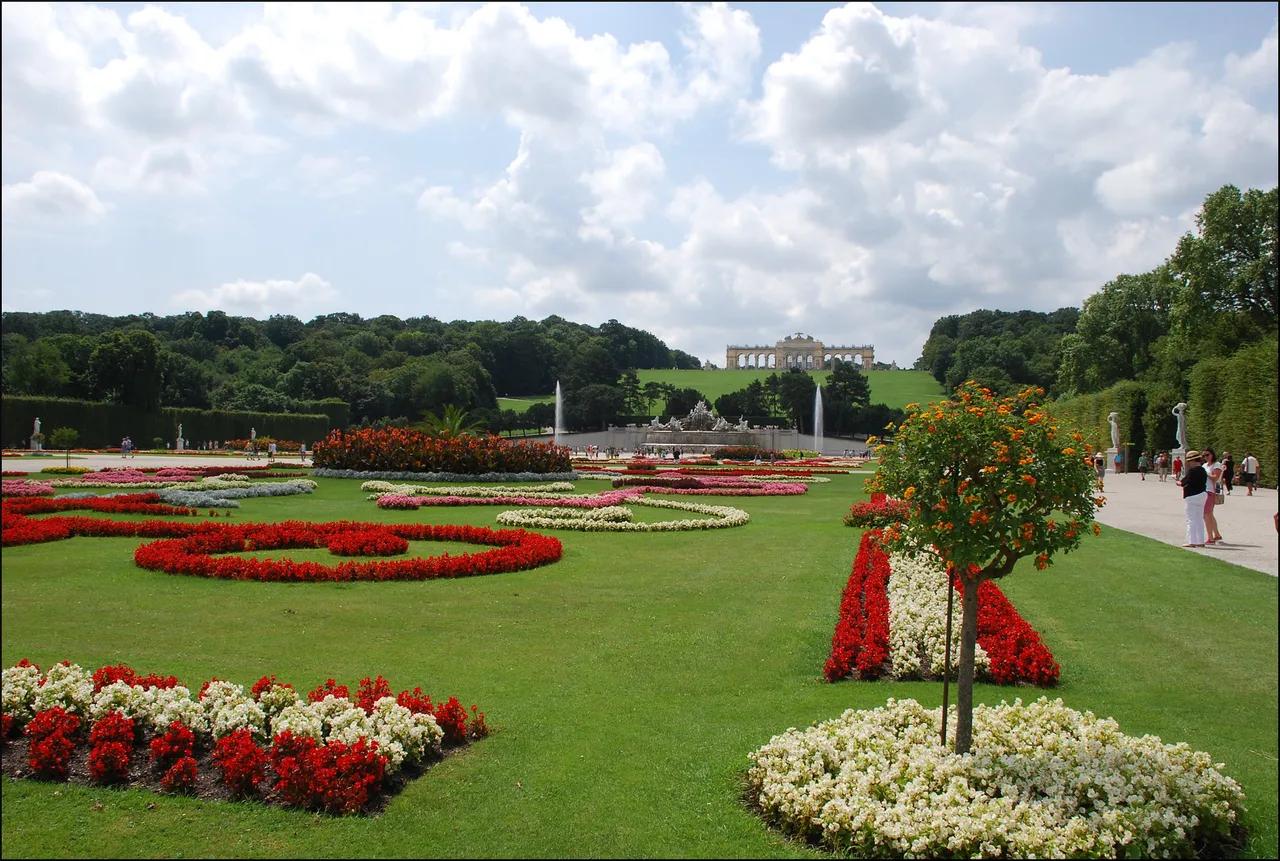
Featured image: Juanje Orío, CC BY-SA 2.0, via Flickr.
What counts as a UNESCO World Heritage garden
UNESCO has no separate garden category. Gardens enter the World Heritage List as cultural properties or cultural landscapes, and many are bundled with a palace, castle or cemetery. Serial listings group several places under one inscription. China's Suzhou listing, which covers nine gardens in one property, shows how that works. For exact names, years and criteria, read each property's page on the UNESCO World Heritage Centre site.
| Inscription type | European example | What you actually walk |
|---|---|---|
| Palace and garden ensemble | Schönbrunn, Vienna | Formal grounds laid out around a palace |
| Serial property | Medici Villas and Gardens, Tuscany | Separate villas and gardens, each visited on its own |
| Cultural landscape | Garden Kingdom of Dessau-Wörlitz | Wide parkland, marsh and meadow |
| Botanical garden | Royal Botanic Gardens, Kew | Plant collections and glasshouses |
| Designed landscape cemetery | Skogskyrkogården, Stockholm | Woodland paths between graves |
Europe's UNESCO World Heritage gardens at a glance
Use this table to shortlist. It covers the sites this guide describes in detail, not every garden on the list.
| Site | Country | Style | Base city | Best for |
|---|---|---|---|---|
| Palace and Gardens of Schönbrunn | Austria | Baroque | Vienna | Formal Habsburg grounds |
| Gardens and Castle at Kroměříž | Czech Republic | Baroque pleasure garden | Kroměříž | Central European Baroque |
| Garden Kingdom of Dessau-Wörlitz | Germany | Enlightenment landscape | Dessau | Long walks and follies |
| Medici Villas and Gardens | Italy | Renaissance | Florence | Villa-hopping near Florence |
| Royal Botanic Gardens, Kew | United Kingdom | Botanical and designed landscape | London | Plants and glasshouses |
| Skogskyrkogården | Sweden | Minimalist funerary landscape | Stockholm | Quiet woodland design |
Baroque palace gardens: Schönbrunn and Kroměříž
Schönbrunn is described as one of the most impressive and well preserved Baroque ensembles of its kind in Europe. It records Habsburg power from the end of the 17th century to the early 20th century. Successive monarchs altered it, so you read several tastes in one site. Kroměříž in the Czech Republic is a princely residence with a pleasure garden from the 17th and 18th centuries. That garden shaped Baroque garden and palace design in central Europe. Fire swept the town in March 1752, and Bishop Leopold Bedrich Eglik oversaw the castle's restoration. For the wider style, read about Baroque garden design.
Renaissance and Tuscan villa gardens
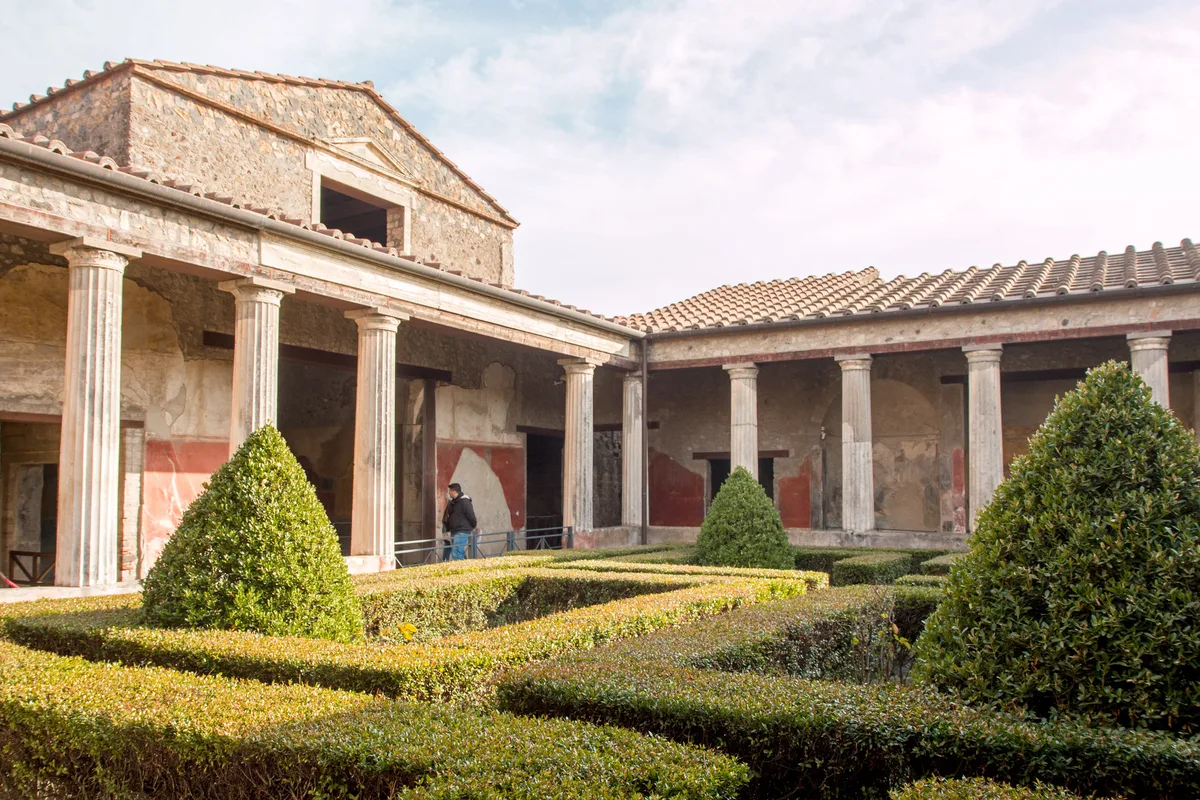
The Medici Villas and Gardens in Tuscany include 12 villas with their gardens and 2 additional pleasure gardens. They were built between the 15th and 17th centuries across the countryside and near Florence. Treat them as separate visits, not one park. Their gardens helped develop the appreciation of landscape that marks Humanism and the Renaissance. Our guide to Renaissance garden design covers the style in more depth. Villa d'Este is another Italian inscription, and its own official site for Villa d'Este lists visitor details. To compare layouts, see Italian, French and English garden styles.
Landscape gardens and the Enlightenment
Dessau-Wörlitz applies the philosophy of the Age of the Enlightenment to a landscape that joins art, education and economy. Buildings and monuments include a Roman Ruin and an open rotunda temple. The adjacent Beckenbruch was left relatively untouched as marsh and meadow, with a few statues and small structures inserted. Expect walking through open parkland, not enclosed flowerbeds. Muskauer Park, which spans the German–Polish border, and Sanssouci in Potsdam are also inscribed. Both reward the same long-walk approach.
Botanical and designed-landscape listings: Kew, Padua and Skogskyrkogården
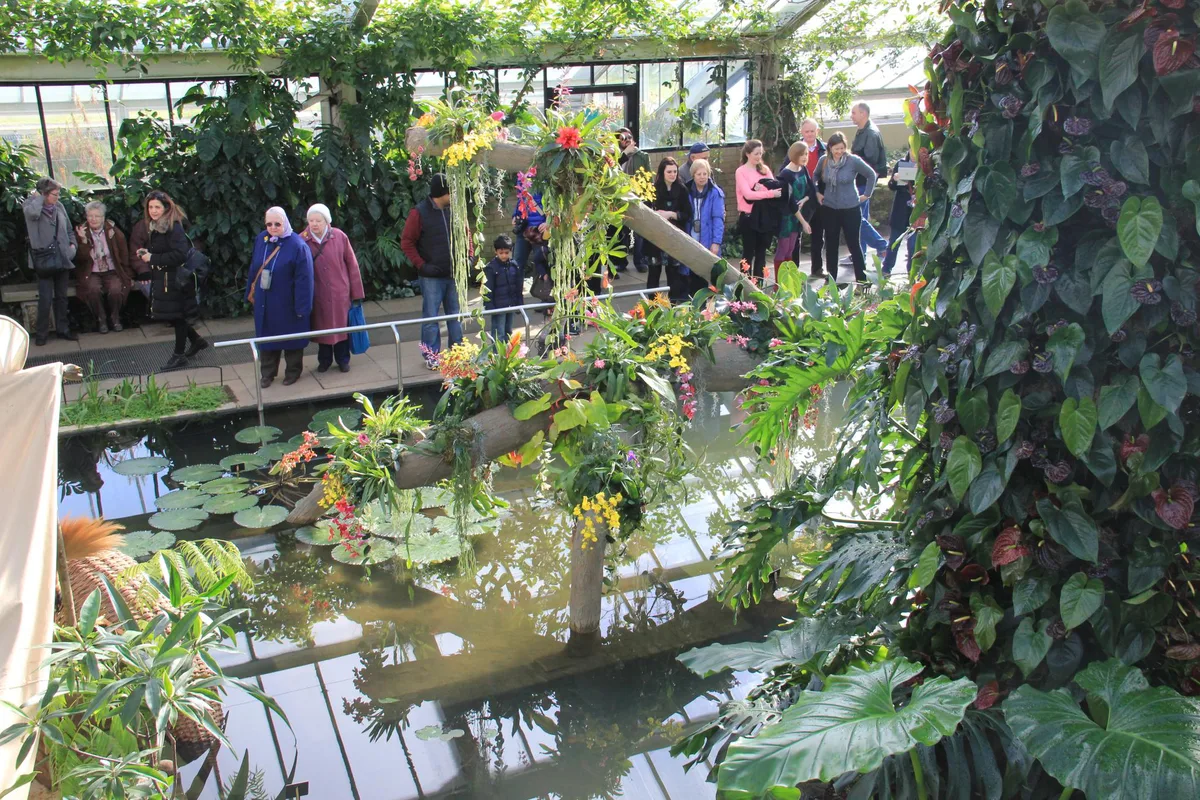
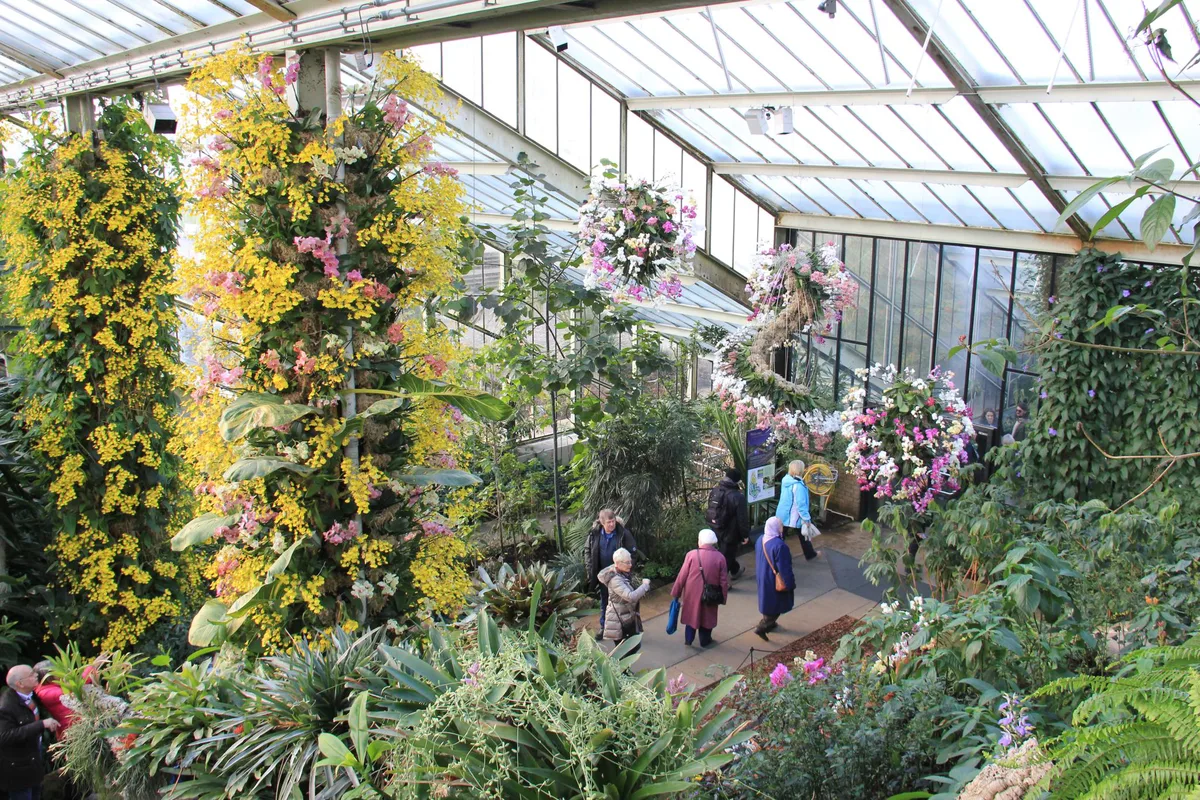
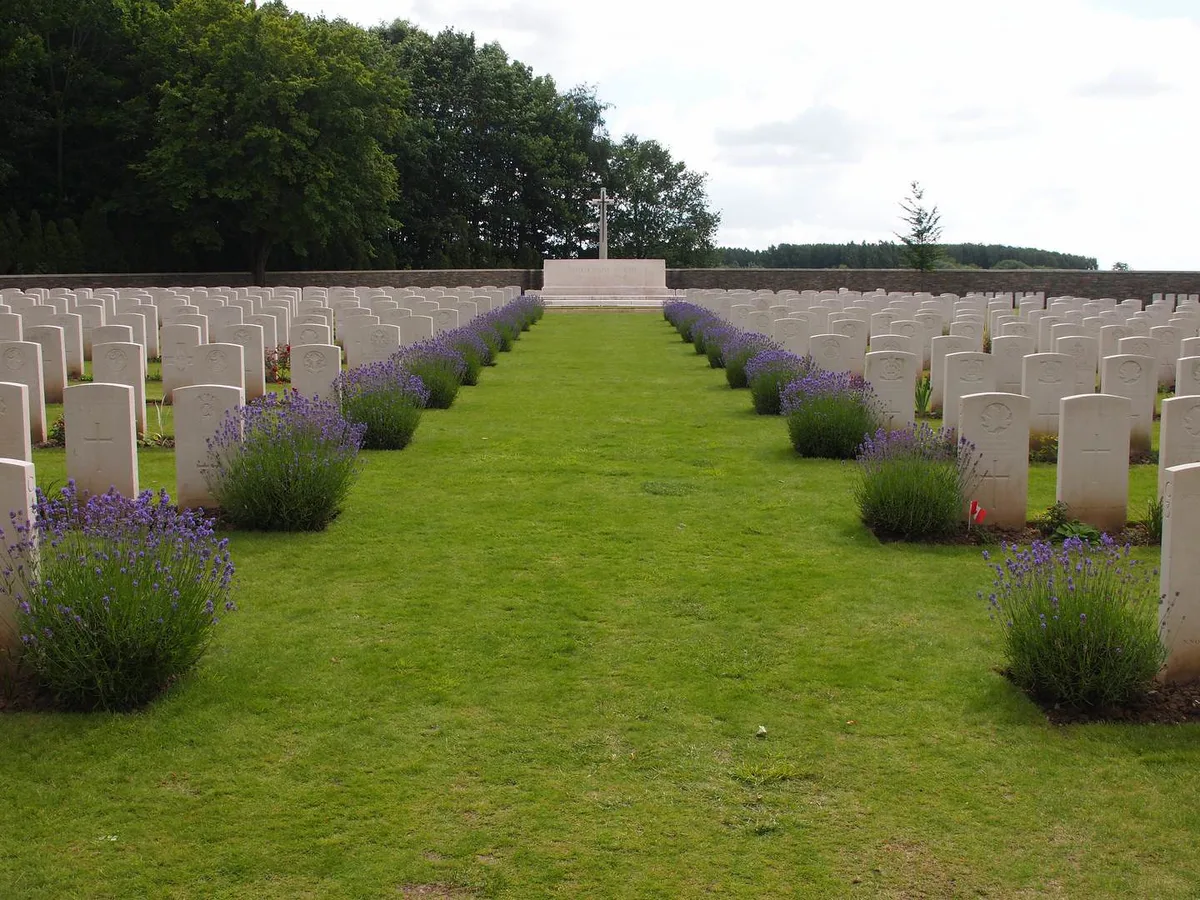
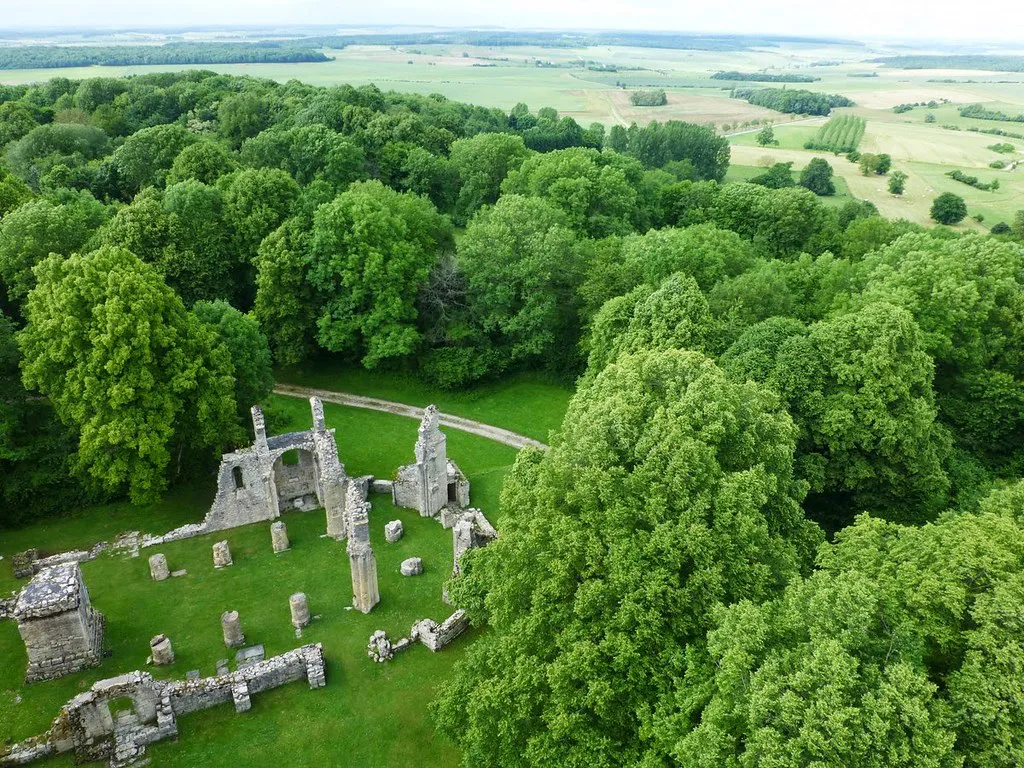
Kew's gardens illustrate significant periods of garden art from the 18th to the 20th centuries. Since their creation in 1759, they have contributed continuously to the study of plant diversity and economic botany. Second World War damage was followed by the restoration and reopening of the Palm House. For more plant-led sites, see European botanical gardens. Padua's botanical garden is the Italian counterpart, listed as Orto Botanico di Padova. Wet-weather options are collected in our guide to European glasshouses. Skogskyrkogården in Stockholm is a cemetery created between 1917 and 1920 by Asplund and Lewerentz. It stands on former gravel pits overgrown with pine trees. Footpaths meander through the woodland, and graves are laid out without rigid alignment.
How to choose: by interest, season and travel time
Match the listing to what you want to walk. Season matters, because garden highlights change through the year.
- Formal symmetry and palace interiors: Schönbrunn or Kroměříž.
- Renaissance villas and Florence as a base: the Medici villas.
- Long walks through parkland: Dessau-Wörlitz or Muskauer Park.
- Plants and indoor displays: Kew or Padua.
- Quiet, minimalist design: Skogskyrkogården.
Tickets, hours and access
Ticket rules differ by site, and some charge gardens separately from the palace. Start with the Alhambra and Generalife official site for current access, then check each other operator the same way.
- Palace gardens: confirm whether the garden is part of the palace ticket.
- Landscapes: look for free-roaming areas versus ticketed buildings.
- Winter: opening hours shorten at many sites, so read our winter gardens guide before booking.
Sample routes and how much time to allow
Group sites by proximity. Pair Schönbrunn in Vienna with Kroměříž if you are touring Central Europe. Base yourself in Florence for the Medici villas and spread them over several days. In Germany, Dessau-Wörlitz, Potsdam's Sanssouci and Muskauer Park each deserve their own day. Kew fits a London stay easily, and Skogskyrkogården fits a Stockholm stay. Verify travel times with the rail operators. Our guide to garden tours covers organised options. For picks beyond UNESCO, see the most beautiful European gardens.
Medici sites include 12 villas with their gardens and 2 additional pleasure gardens. Count each as its own visit when you plan how many days to allow.
Mistakes to avoid
These errors cost the most time on a UNESCO garden trip.
- Assuming the palace ticket includes the gardens.
- Visiting the Tuscan villa cluster in a single day.
- Expecting formal flowerbeds in a landscape inscription such as Dessau-Wörlitz.
- Skipping opening-hour checks in winter.
- Treating a cemetery landscape like a showpiece garden; Skogskyrkogården is still a working burial ground.
Frequently Asked Questions
Can you visit UNESCO World Heritage Sites?
Yes, most inscribed gardens welcome visitors, though access varies. Palace gardens such as Schönbrunn are visitor attractions, while Dessau-Wörlitz is regional parkland.
What organization lists World Heritage sites?
UNESCO's World Heritage Committee decides inscriptions, and the World Heritage Centre publishes the list. Its property pages give names, years and criteria.
Bloom-season notes
Optional updates when we add or revise garden guides.
Continue reading
Guides on the same trip