Gardens in Europe in Winter: Where to Go and What's Open
Which European gardens are worth visiting in winter? Glasshouses, evergreen formal gardens and winter bloomers, plus closures, hours and daylight tips.
Last updated November 2026. Gardens in winter in Europe are worth a trip if you pick the right kind. Glasshouses, evergreen formal layouts and mild Mediterranean terraces hold up well from November through February. Many open-air gardens close or cut hours, so you trade blooms for quiet paths and shorter days.
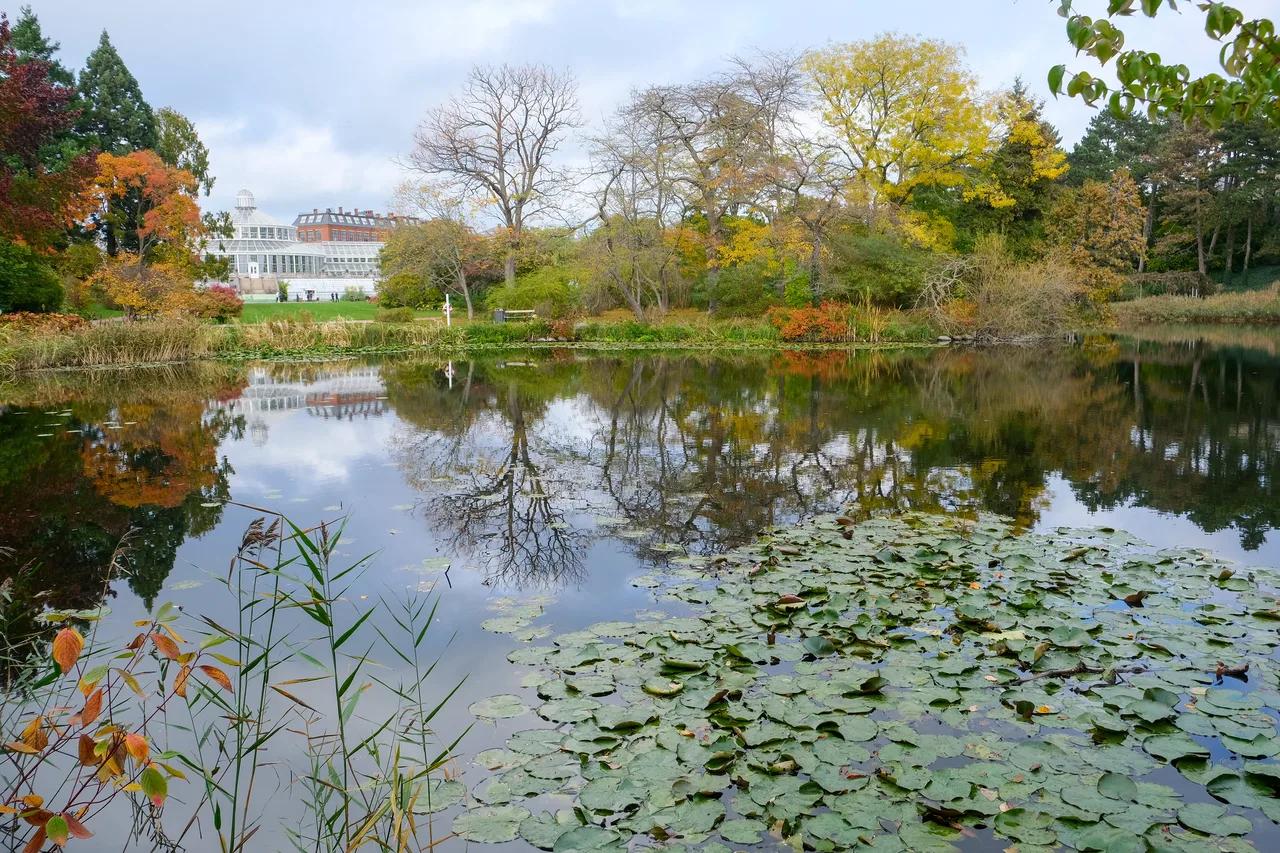
Featured image: infomatique, CC BY-SA 2.0, via Flickr.
Are European gardens worth visiting in winter?
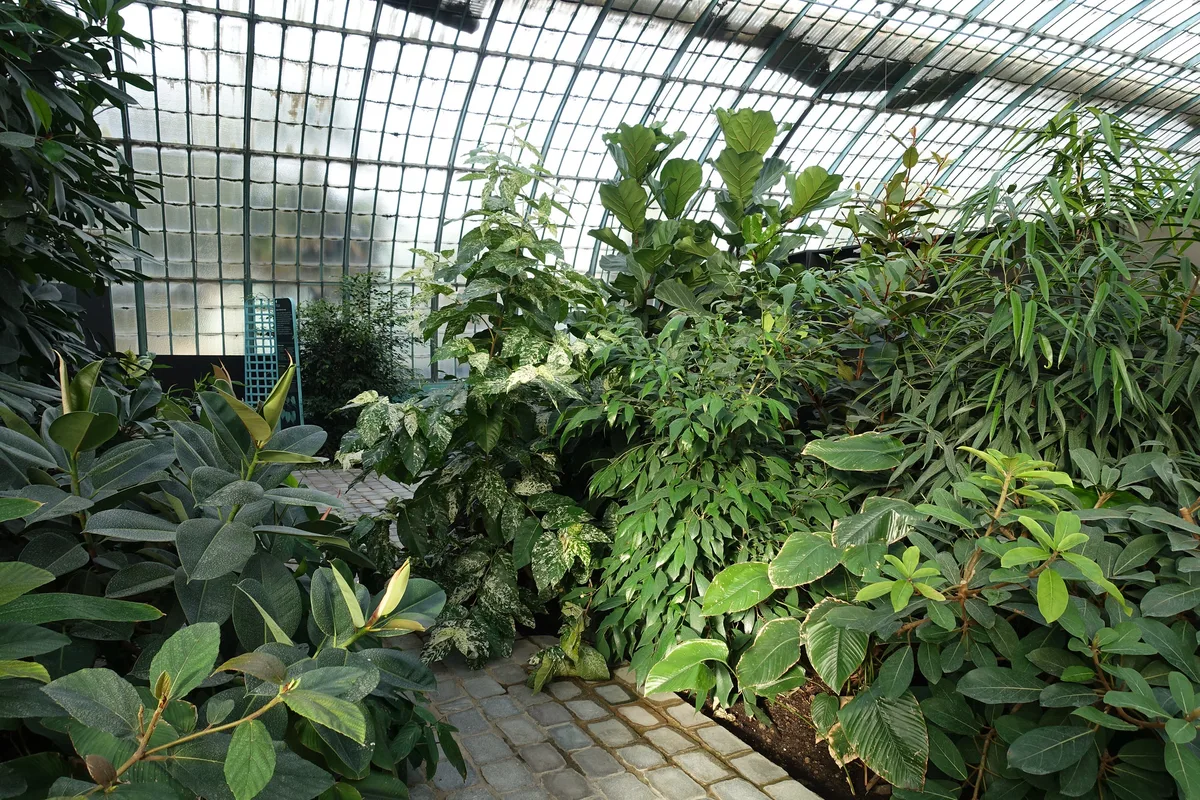
Yes, if you want structure, glass and calm rather than flowers. Clipped hedges, topiary, statues and fountains carry a formal garden through the cold months. Heated glasshouses keep a full collection on show. Crowds thin out, and some venues and hotels drop their rates. Daylight is short, and cafés, fountains and interiors may be shut. Think of winter as a different garden season, not a weaker one.
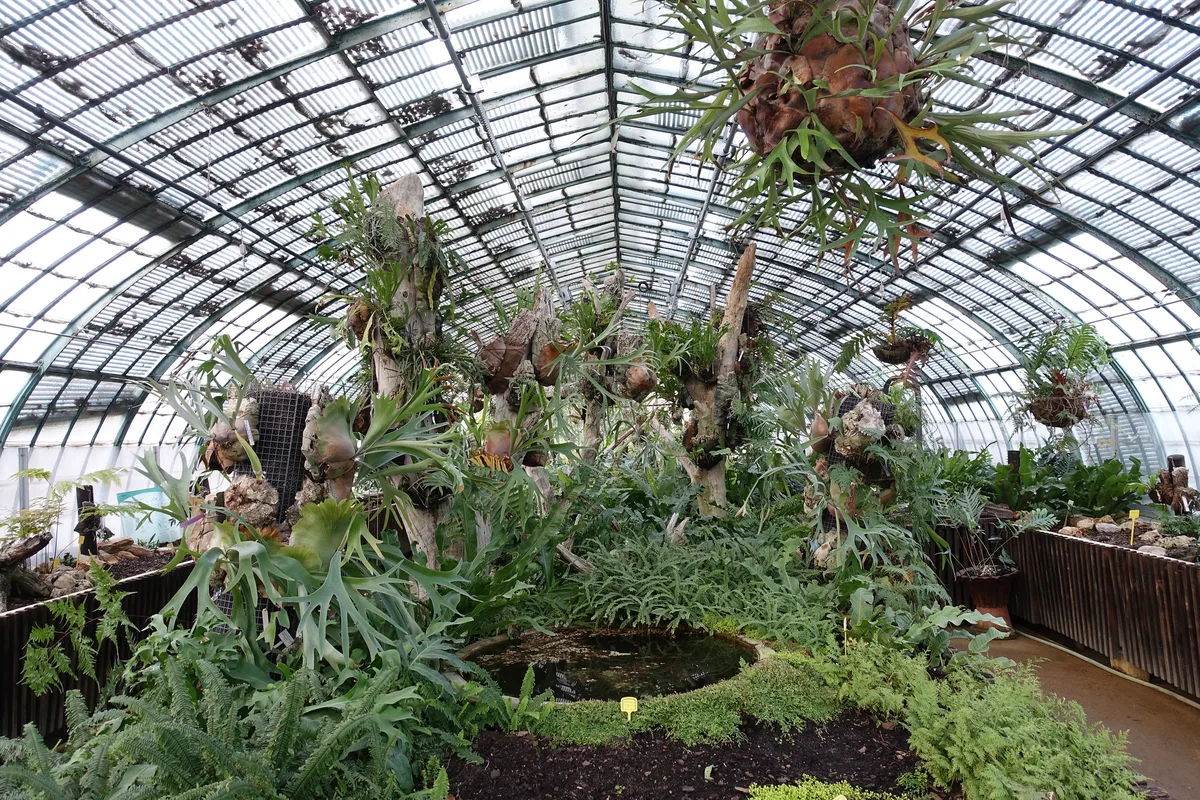
- Best for: glasshouse fans, photographers who like frost and geometry, and visitors who dislike crowds.
- Skip if: your goal is roses, borders, wisteria or autumn colour.
What stays open and what to expect
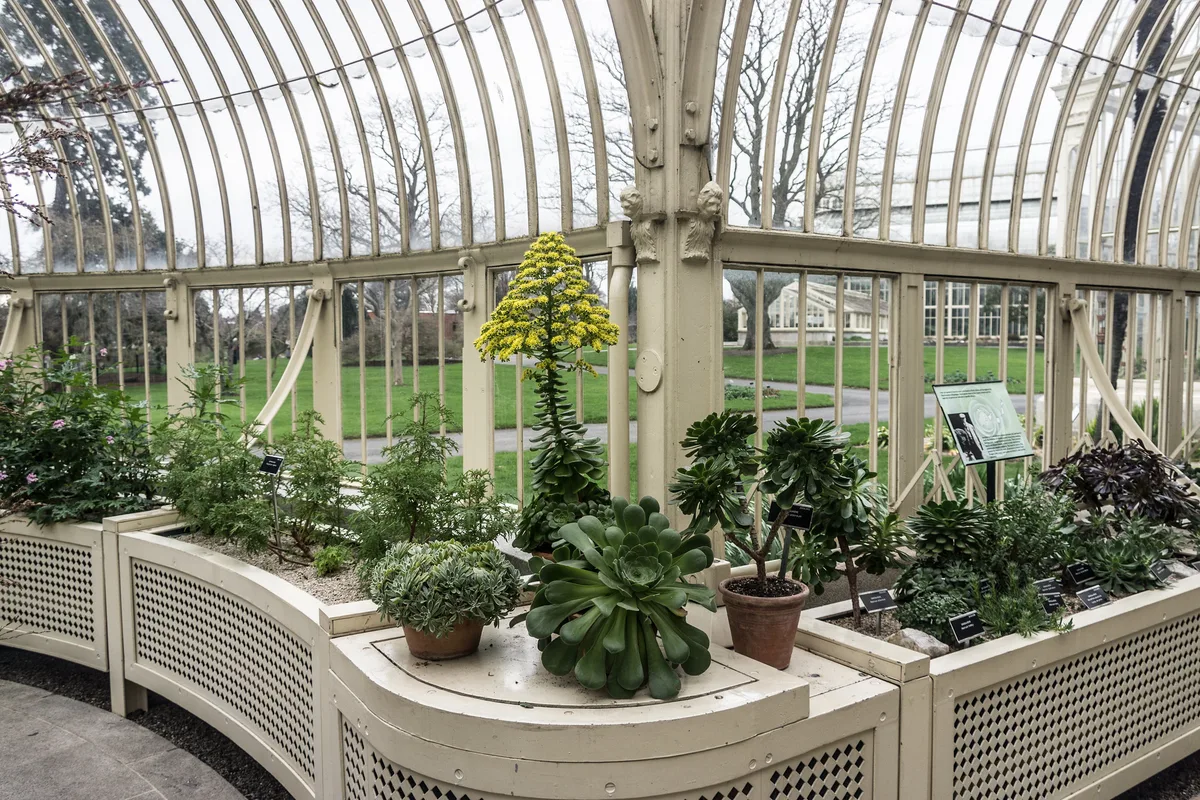
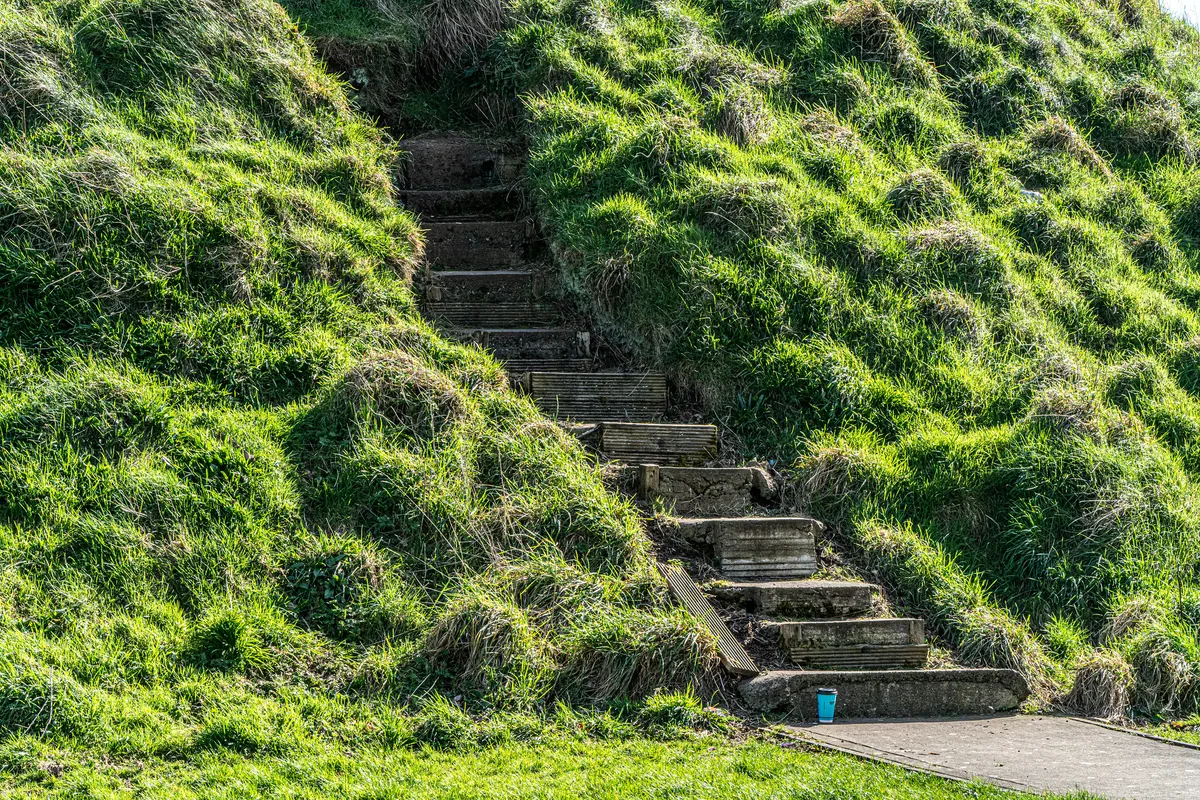
Winter schedules often differ from summer ones. Some gardens run year-round, some cut hours, and others close for the season. Last entry can fall early in the afternoon, so a late start may cost you the visit. Paths can be icy once temperatures sit near 0°C (32°F), and venues sometimes close gravel routes or steps. Read each venue's own notices on the day you travel. Aim to arrive at opening and keep glasshouses for the coldest or darkest hour of the day.
- Mistakes to avoid: assuming summer hours, planning an all-day outdoor visit, and relying on a garden café for lunch.
- Mistakes to avoid: ignoring last entry, and wearing shoes with no grip on gravel.
- Check before you go: seasonal closure dates, last-entry time, shut sections such as fountains or interiors, path advisories and any advance-booking rule.
Best types of gardens in winter
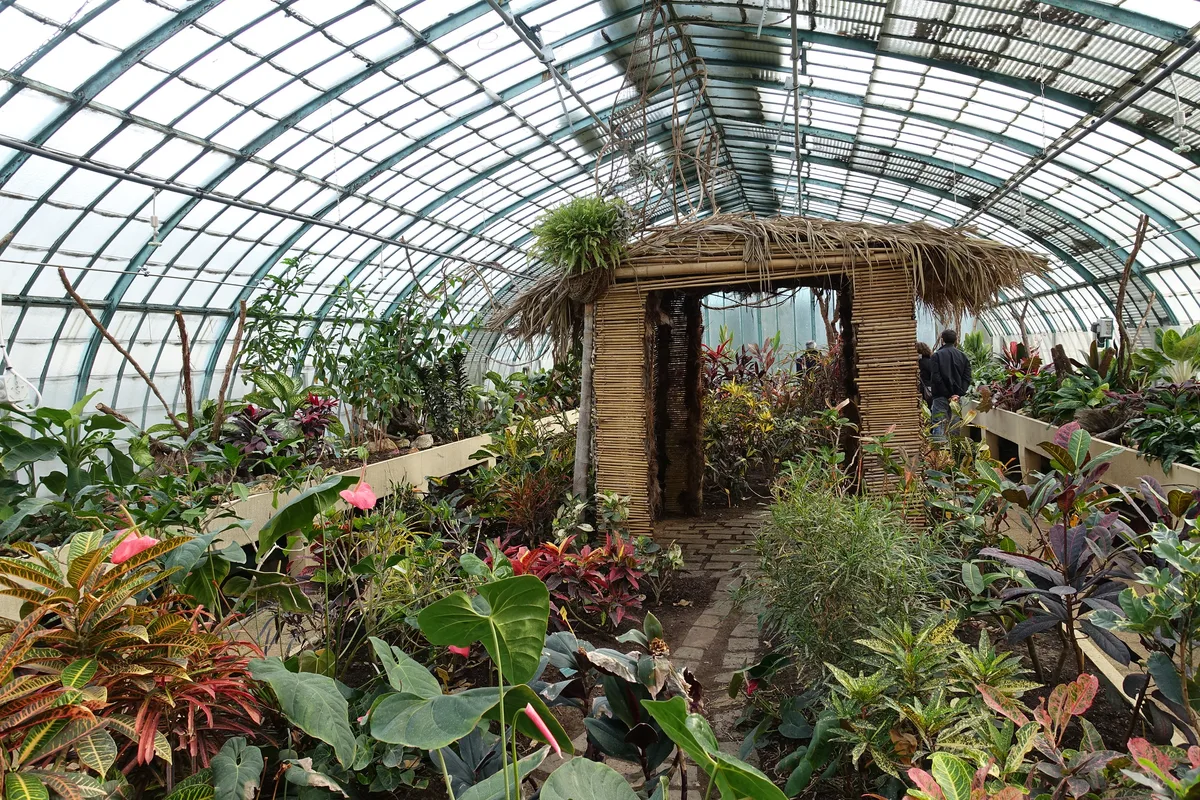
Sort your shortlist by how well each type survives frost, rain and early dusk. Our guide to glasshouses across Europe covers the most weatherproof option. Year-round plant collections are covered in Botanical Gardens in Europe: Best Picks by Season and Trip Type. For layout styles, see Italian, French and English garden styles.
| Garden type | What you see | Weather resilience | Closure risk | Best for |
|---|---|---|---|---|
| Glasshouses and conservatories | Tropical and desert plants under glass | High: most of the visit is indoors | Low to moderate | Cold, wet or snowy days |
| Botanical gardens | Evergreens, conifers, winter bloomers plus glass | Moderate to high | Moderate | Plant lovers on a short stop |
| Formal structure gardens | Hedges, topiary, parterres, statues, frost | Moderate: all outdoors | Moderate to high | Photographers and architecture fans |
| Mediterranean gardens | Evergreens, citrus, early flowers | Moderate to high on mild coasts | Low to moderate | Escaping northern gloom |
| Seasonal border gardens | Mostly bare beds and seed heads | Low | High | Skip until spring |
Gardens and glasshouses worth planning around

These venues suit winter for different reasons. Confirm current hours and closed sections on each official page before you commit.
- Kew Gardens, London, UK: Victorian and modern glasshouses give a warm half-day. Suits plant lovers and families.
- Berlin Botanic Garden, Germany: large glasshouses keep tropical collections on show when the city is grey. Suits anyone who wants an indoor-led visit.
- Villa Ephrussi de Rothschild, French Riviera: a Mediterranean setting where winter is less limiting. Suits visitors combining a villa interior with terraces.
- Jardin Exotique de Monaco: succulents and cacti on a coastal slope. Suits travellers who want sun and plants in the same afternoon.
- Château de Villandry, Loire, France: clipped hedges and geometric beds give structure when little flowers. Suits formal-garden fans.
- Boboli Garden, Florence, Italy: statues, cypress lines and terraces pair easily with Uffizi museum time. Suits city-break visitors.
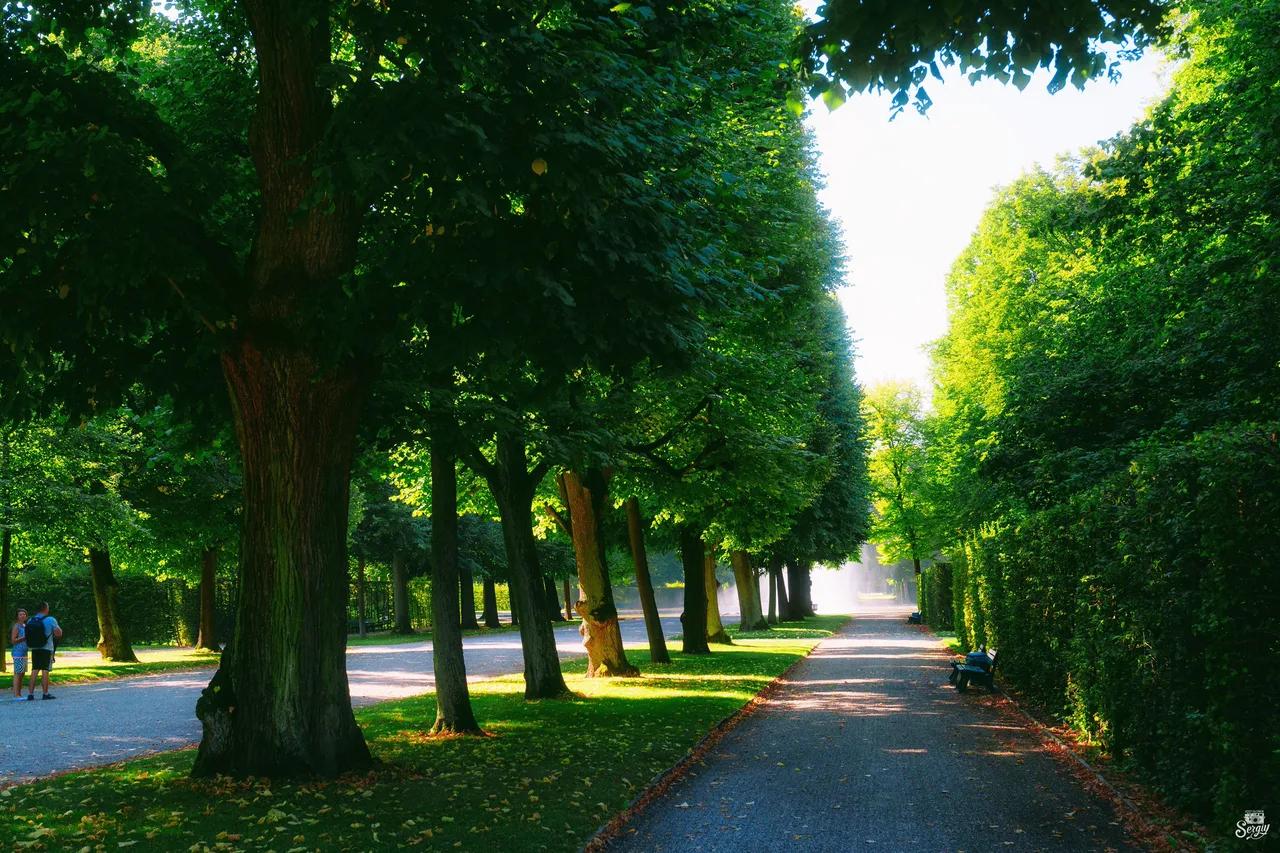
- Herrenhausen Gardens, Hannover, Germany: a baroque layout whose parts open on different winter schedules. Suits baroque enthusiasts who check sections first.
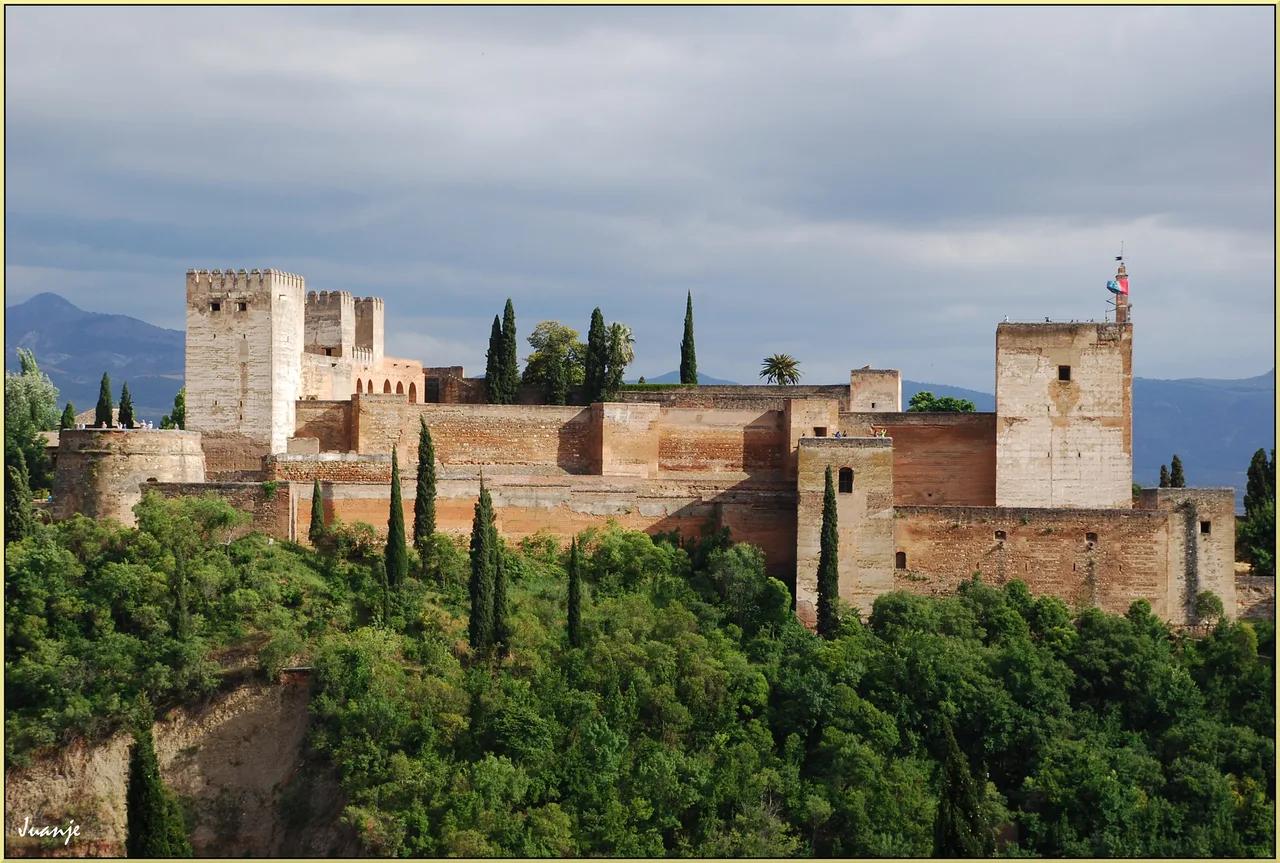
- Alhambra and Generalife, Granada, Spain: water channels and evergreen planting in a warmer region. Book ahead and read the current visiting rules.
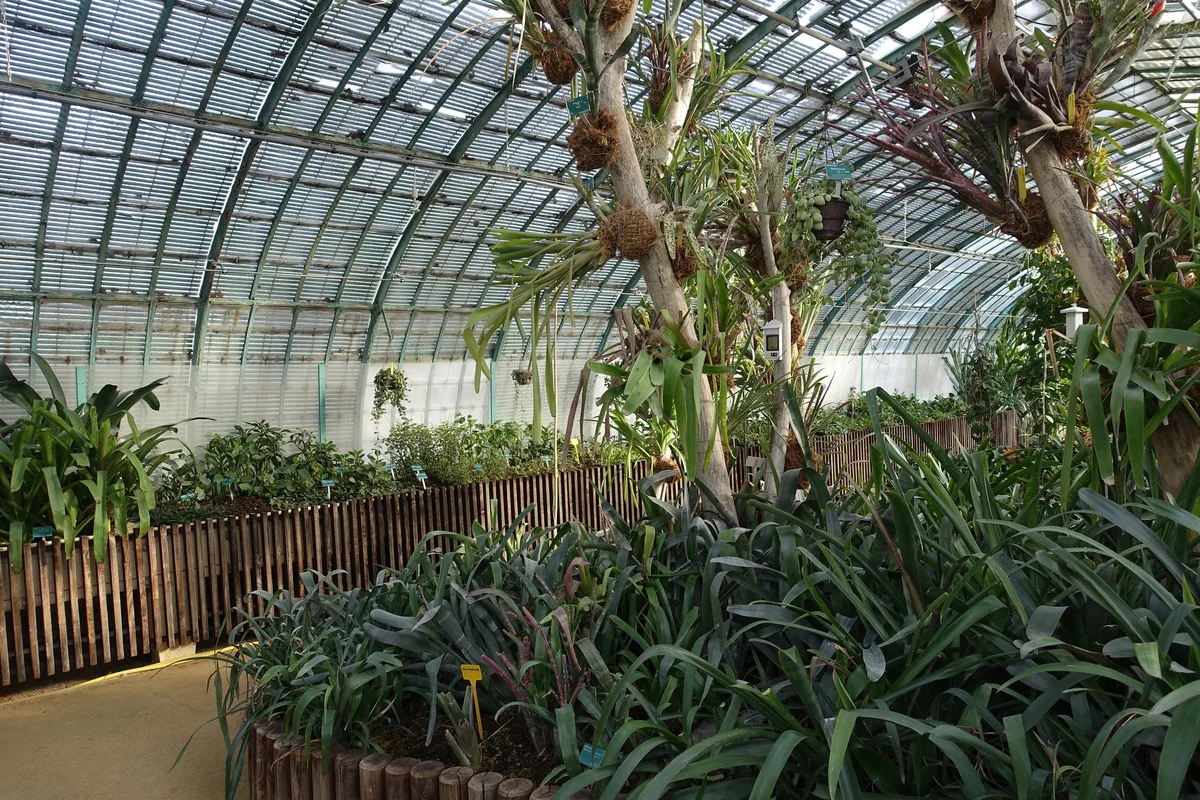
Winter-flowering and evergreen highlights to look for
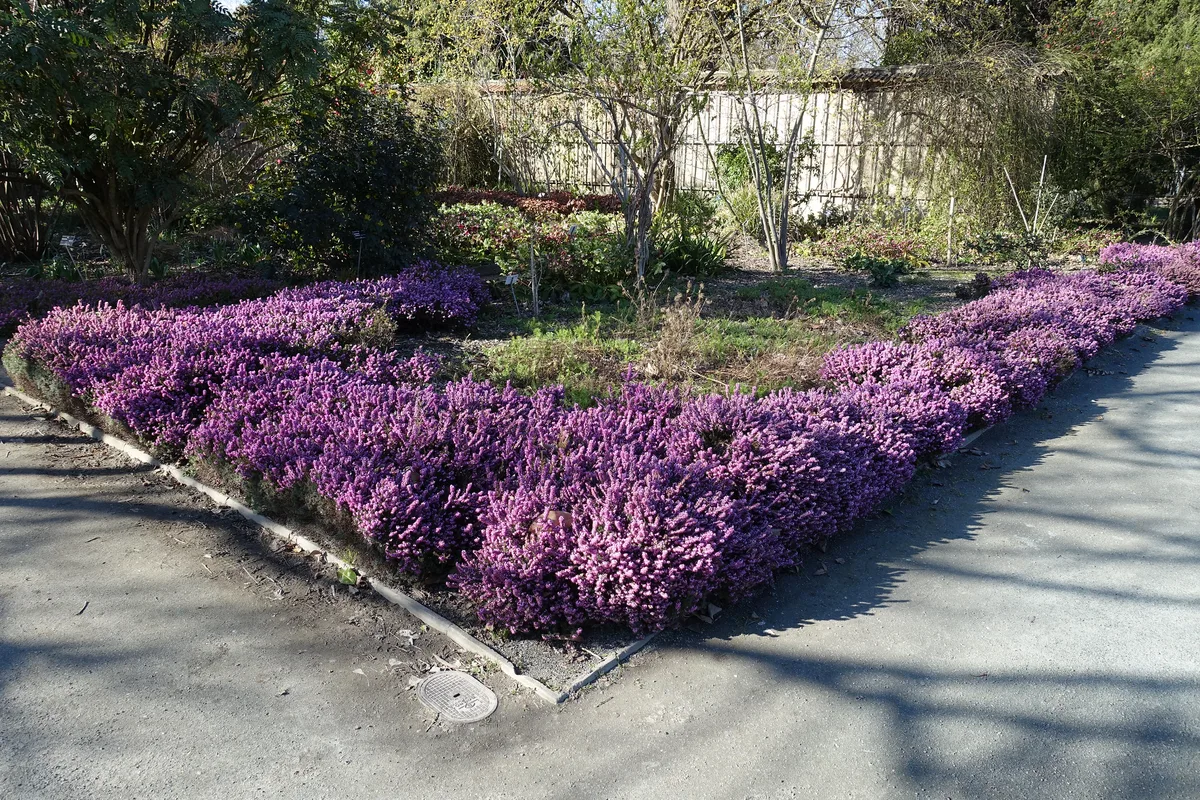
Look for camellias, hellebores, witch hazel, snowdrops and winter-flowering heathers. Not every garden grows all of them, so check the venue's own plant notes or news page. Evergreen yew, box and cypress give the formal look its winter backbone. For historic plant collections, see the oldest botanical garden. UK properties often post seasonal highlights on the National Trust gardens pages.
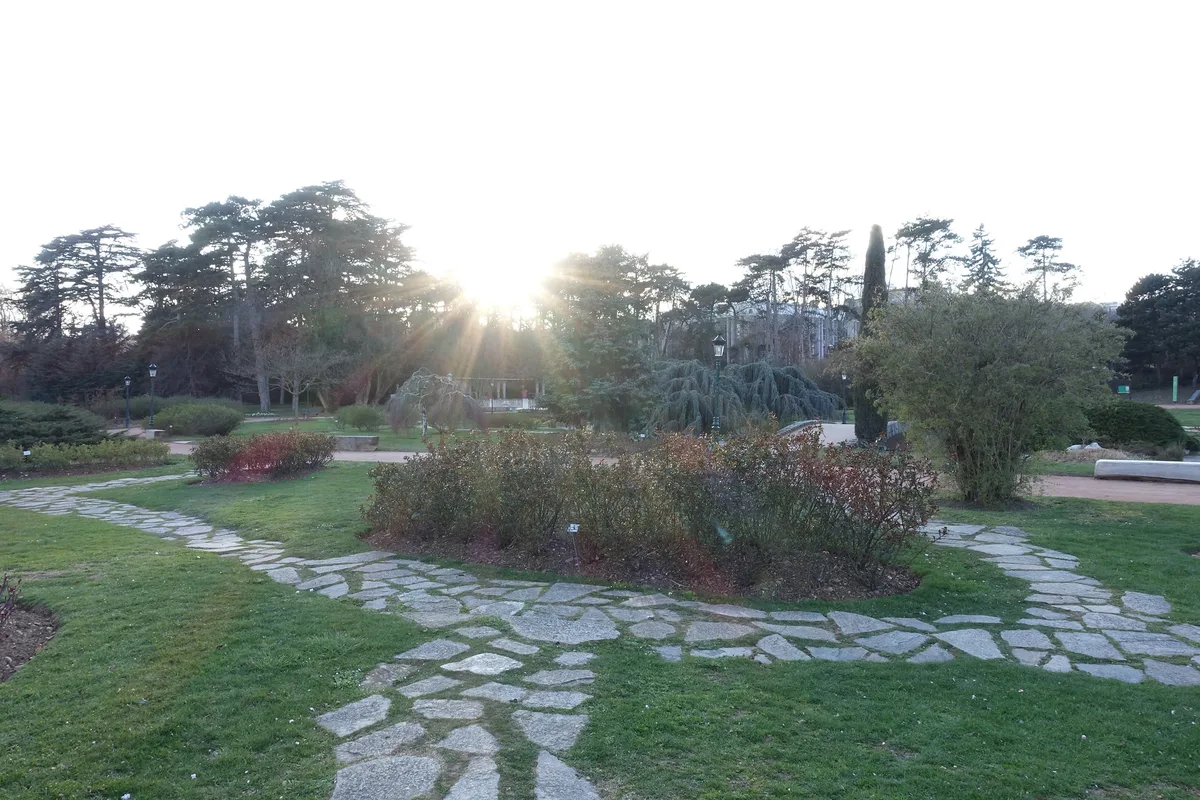
Winter itinerary logic and logistics
Treat a glasshouse as a 1-2 hour stop and a large estate as a half-day or more. Pair a city garden with a museum or café stop, as in Florence, where Boboli sits beside the Uffizi. Dress for a swing from 0°C (32°F) outside to 20°C (68°F) inside a tropical house. Expect gravel at around -5°C (23°F) to be slippery, so pack grip soles. Budget by comparing your own dates. As an illustration, a city hotel near €150 in July may list nearer €90 in January. Check live rates for your city rather than trusting that pattern. Entry fees are set per venue, so read the official ticket page. Prices and hours checked November 2026. For guided options, see Garden Tours in Europe: Best Routes & How to Choose, and do not assume they run in winter.
Who should skip winter, and when to go instead
Skip winter if you want peak blooms, rose displays or foliage colour. Families who expect a café and playground should also check closures first. Some estates, such as Fondation Claude Monet at Giverny, run a seasonal opening calendar. Read it before planning around a closed garden. For peak-season picks, start with the Most Beautiful Gardens in Europe: Picks by Style, Season and Access. The wider overview sits in our gardens in Europe guide. Formal-garden history is in baroque gardens and Renaissance Gardens in Europe: Where to See Them.
Frequently Asked Questions
Why are they called winter gardens?
A winter garden is a glazed conservatory or glasshouse built to keep plants growing through the cold months. Visitors could walk among greenery when the outdoors was bare. Today they are among the most dependable winter stops.
Bloom-season notes
Optional updates when we add or revise garden guides.
Continue reading
Guides on the same trip