Renaissance Gardens in Europe: Where to See Them
Learn what defines a Renaissance garden and which European examples to visit, with original-versus-reconstructed notes and planning tips.
Last updated November 2026: Renaissance gardens are formal gardens laid out from the 15th century, starting in Italy, with symmetry, terraces, central axes, parterres, grottoes and fountains around a villa or palace. In Europe you can still walk them at Tivoli, Florence, Bomarzo, Salzburg and the Loire, although most have been restored or rebuilt. Our guide shows how to recognise the style and which examples are worth a trip. It also sits inside the wider 12 Best Gardens in Europe: Pick by Season, Style and Effort cluster.
Featured image: Bo&Ko, CC BY-SA 2.0, via Flickr.
What Is a Renaissance Garden?
A Renaissance garden is a garden or park created in the era and style of the Renaissance, roughly the 15th and 16th centuries. Italy came first, so the style is often called the Italian garden. Designers drew on classical antiquity and treated the garden as an extension of the house. Leon Battista Alberti tied garden planning to architecture in his 1452 treatise De re aedificatoria. Francesco Colonna's 1499 novel Hypnerotomachia Poliphili later fed designers a picture of an ideal garden. Spot one by these five features.
- Terraces: stepped levels joined by staircases, usually cut into a slope.
- Axis and symmetry: a central line that links the building to the garden.
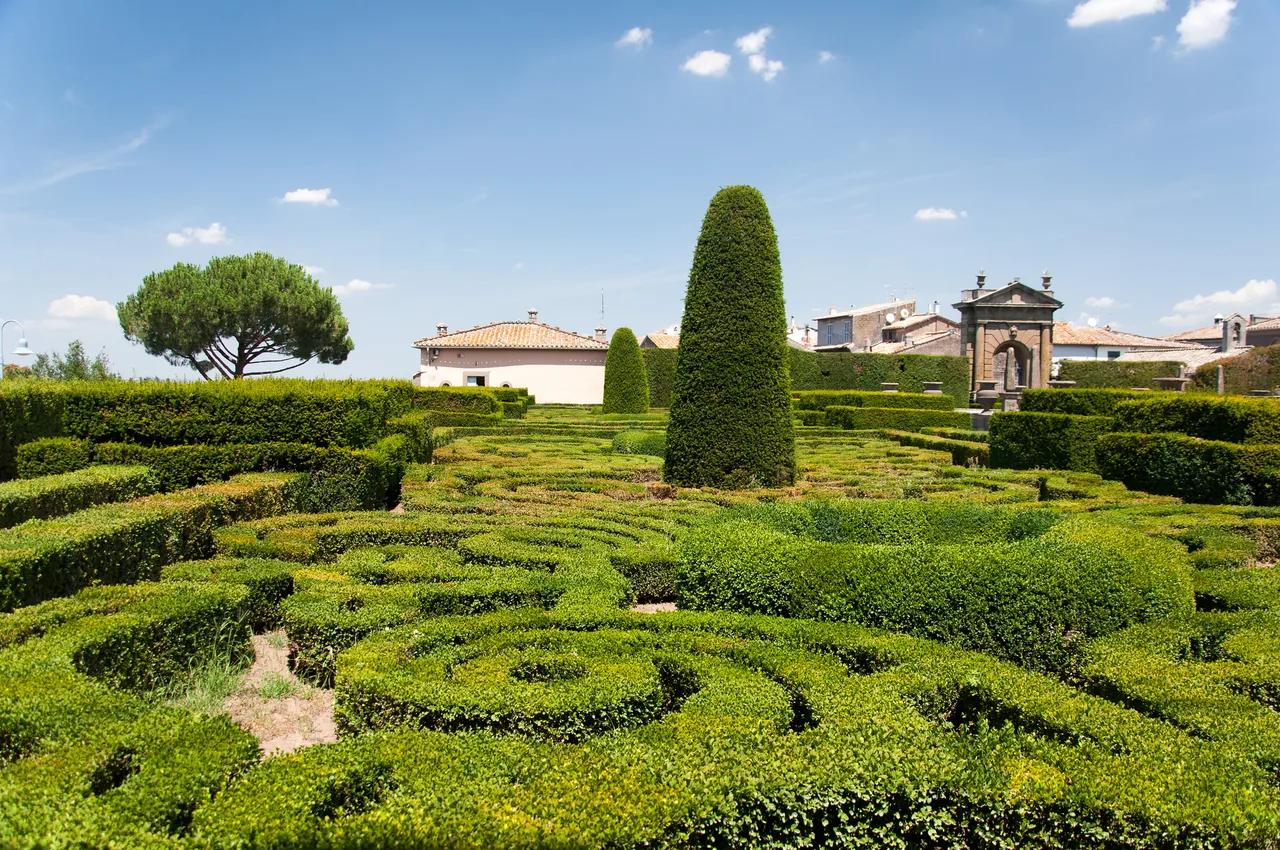
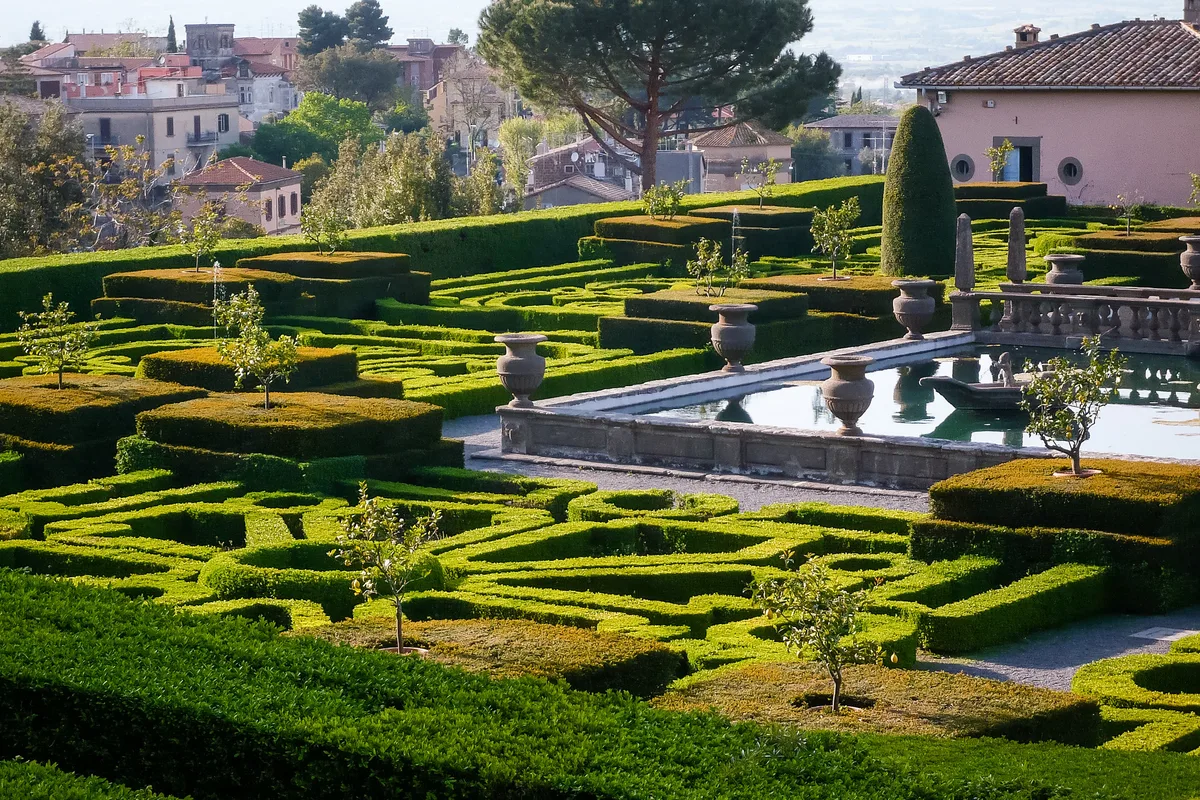
- Parterres: geometric beds, often in up to four roughly equal rectangles.
- Water: fountains, cascades and basins that feed the whole composition.
- Hidden rooms: grottoes and small enclosed gardens known as giardini segreti.
How to Recognise Renaissance Design on the Ground
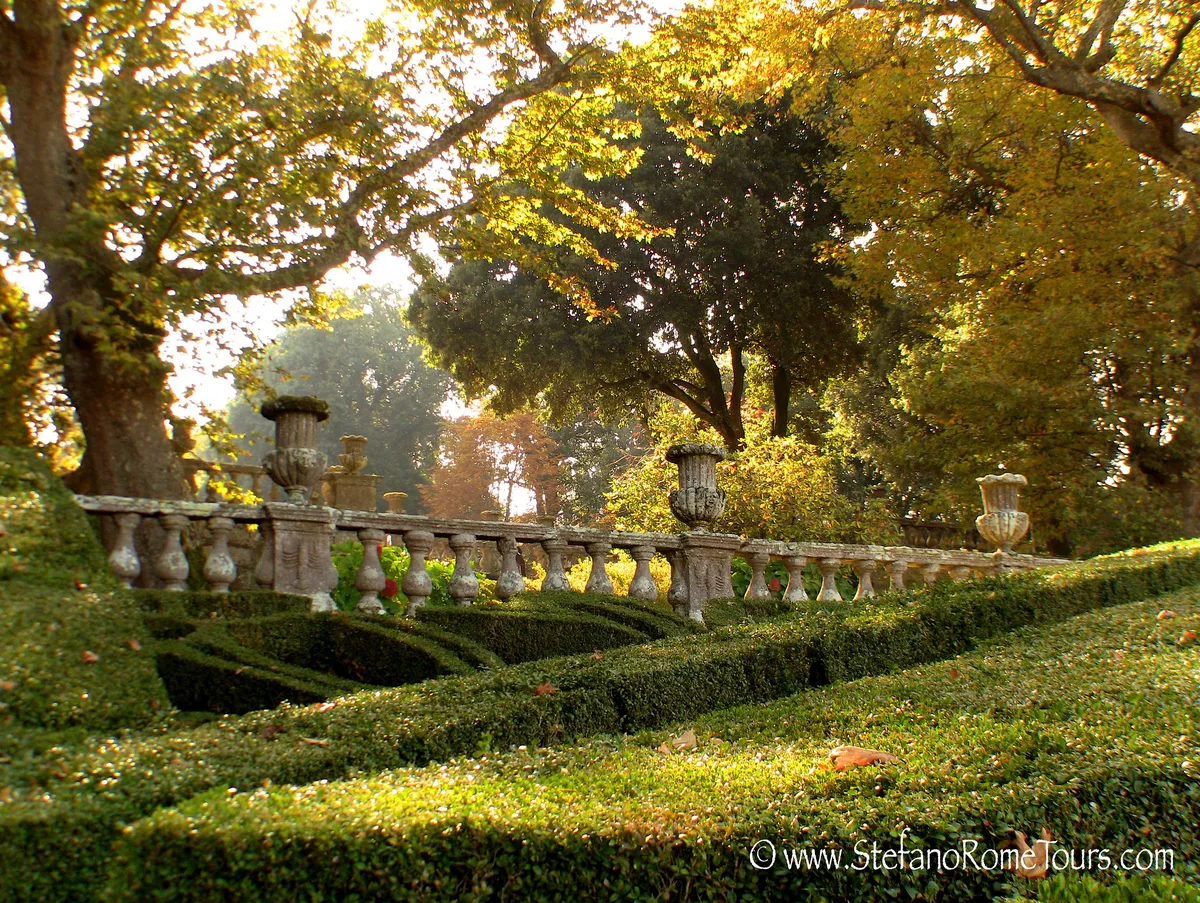
Start at the house and look outward. A Renaissance layout usually reads as a string of separate, enclosed garden rooms rather than one grand sweep. Stone boundary walls, inherited from medieval gardens, often close off each room. Planting is clipped and tidy, with boxwood topiary, knotted hedges, pergolas and borders. Italian gardeners grew bulbs such as tulips, irises and lilies in terracotta pots because rainfall was irregular. Use this checklist as you walk.
- Terrace steps and belvederes: look for viewpoints that frame the landscape below.
- Central axis: an avenue, walkway, canal or arcade that organises the view.
- Parterre: low geometric beds in squares, rectangles, diagonals and circles.
- Grotto: a dark, cave-like room that stood for a passage to the underworld or a private retreat.
- Giochi d'acqua: water games, including trick fountains that surprise visitors.
- Giardino segreto: the smallest garden unit, tucked inside a city or palace.
Italy vs France vs German-Speaking Lands: How the Style Changed
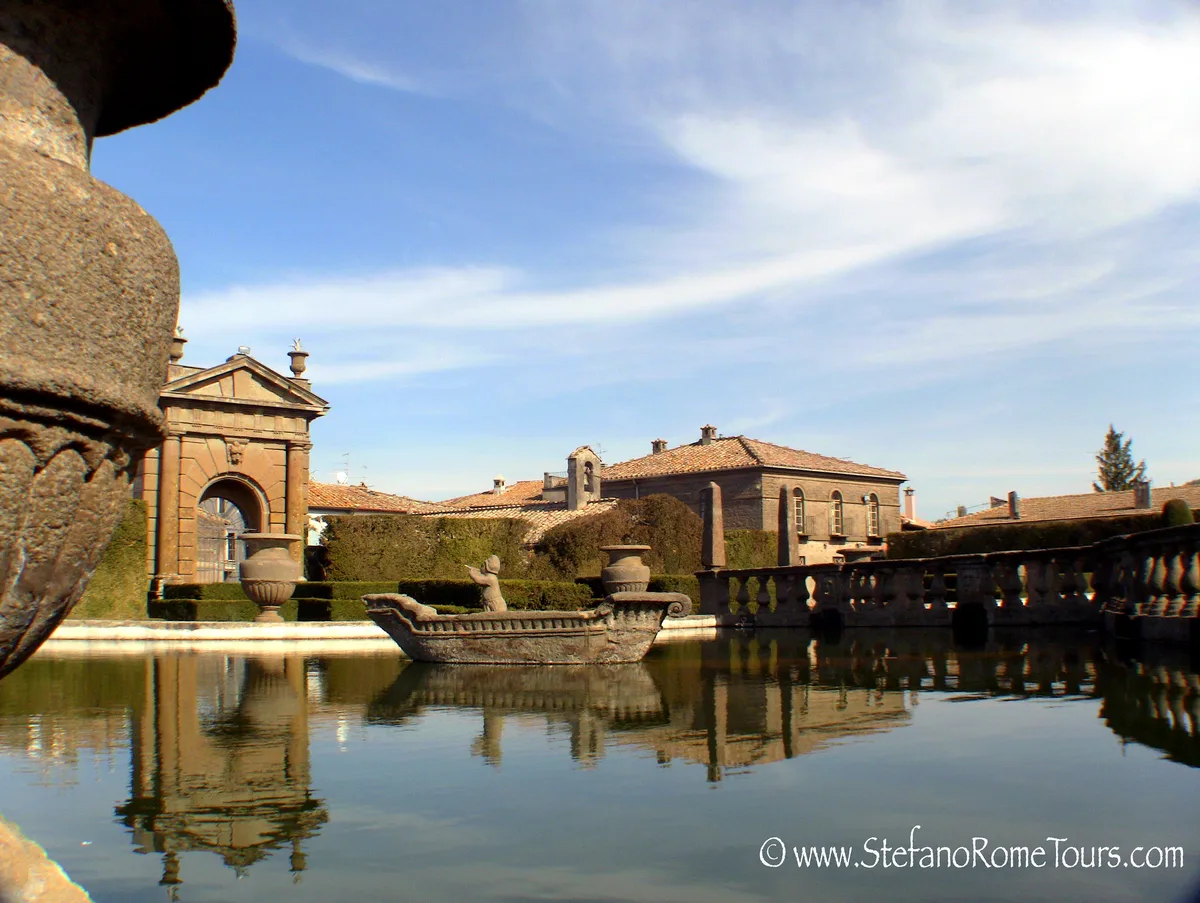
Setting explains most of the differences. Italian designers often began on undeveloped rural ground and built villas on terraced slopes in Latium, Tuscany and Liguria. French and German-speaking patrons usually worked inside existing castles and palaces, and they often reused former fortifications. Climate mattered too. Hot Italian summers made springs and watercourses essential. For the wider comparison, read Italian, French and English gardens.
| Region | Typical setting | Signature feature | Example garden |
|---|---|---|---|
| Italy | Rural villa on a terraced hillside | Cascades, grottoes and water games | Villa d'Este, Tivoli |
| France | Gardens built in or beside a castle | Geometric ornamental and kitchen gardens | Château de Villandry |
| German-speaking lands | Palace or castle grounds, often on old fortifications | Trick fountains and castle terraces | Hellbrunn Palace, Salzburg |
Renaissance Gardens Worth Visiting in Europe
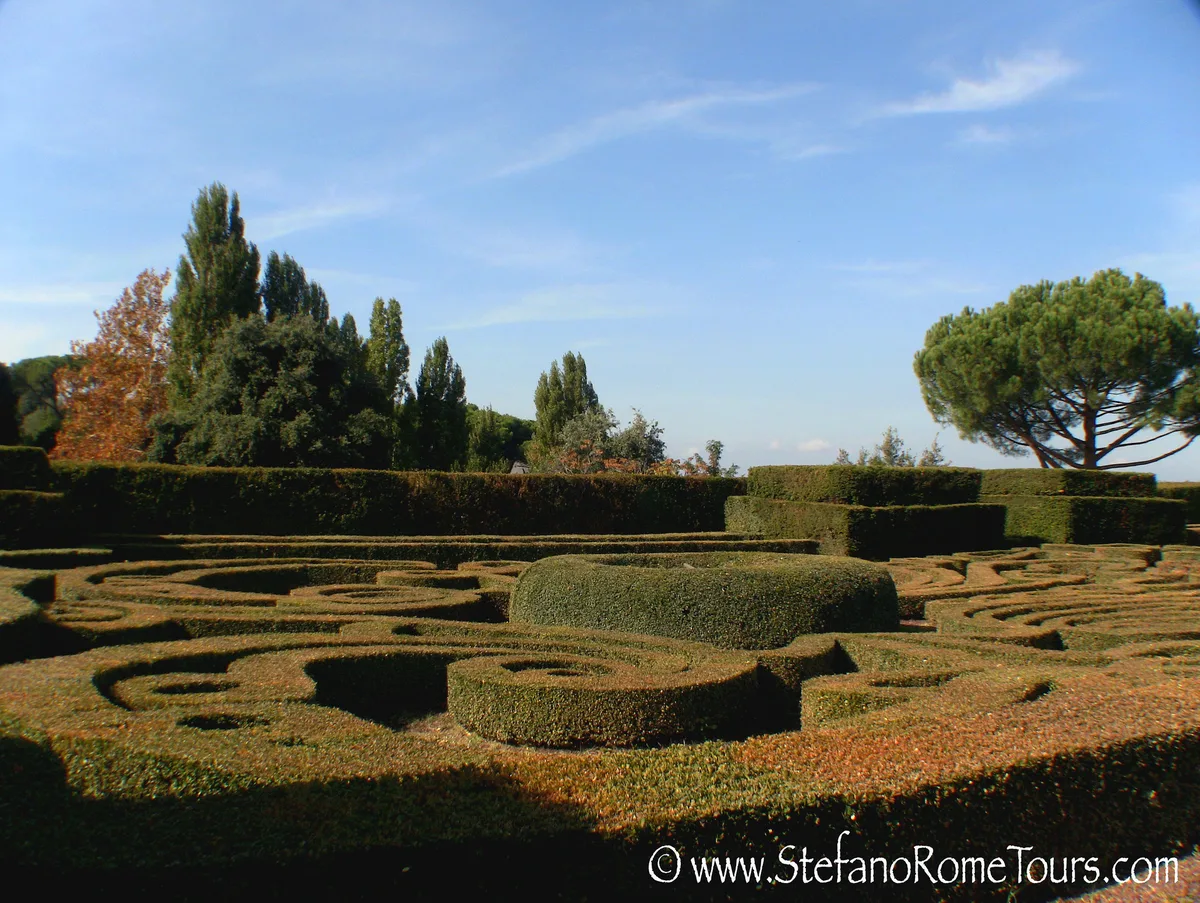
Very few Renaissance gardens survive untouched. Later Baroque and English landscape fashions reshaped many of them. Walls, staircases, terraces, fountains and grottoes may still be authentic, while the planting is usually newer. Each entry below carries an original-versus-reconstructed tag so you can judge what you are seeing.
- Villa d'Este, Tivoli, Italy: cascades, fish ponds and a water organ along a transverse axis. Tag: historic structure, with planting renewed over time. Fountain days are listed on the official Villa d'Este site.
- Villa Medici at Castello, near Florence: gardens designed by Niccolò Tribolo, and one of the Medici villa gardens of Tuscany. Tag: historic design, so confirm the public areas before travelling.
- Boboli Gardens, Palazzo Pitti, Florence: the Neptune Fountain is the water highlight. Tag: historic garden, reshaped by later centuries. Visit details sit on the Uffizi Galleries Boboli page.
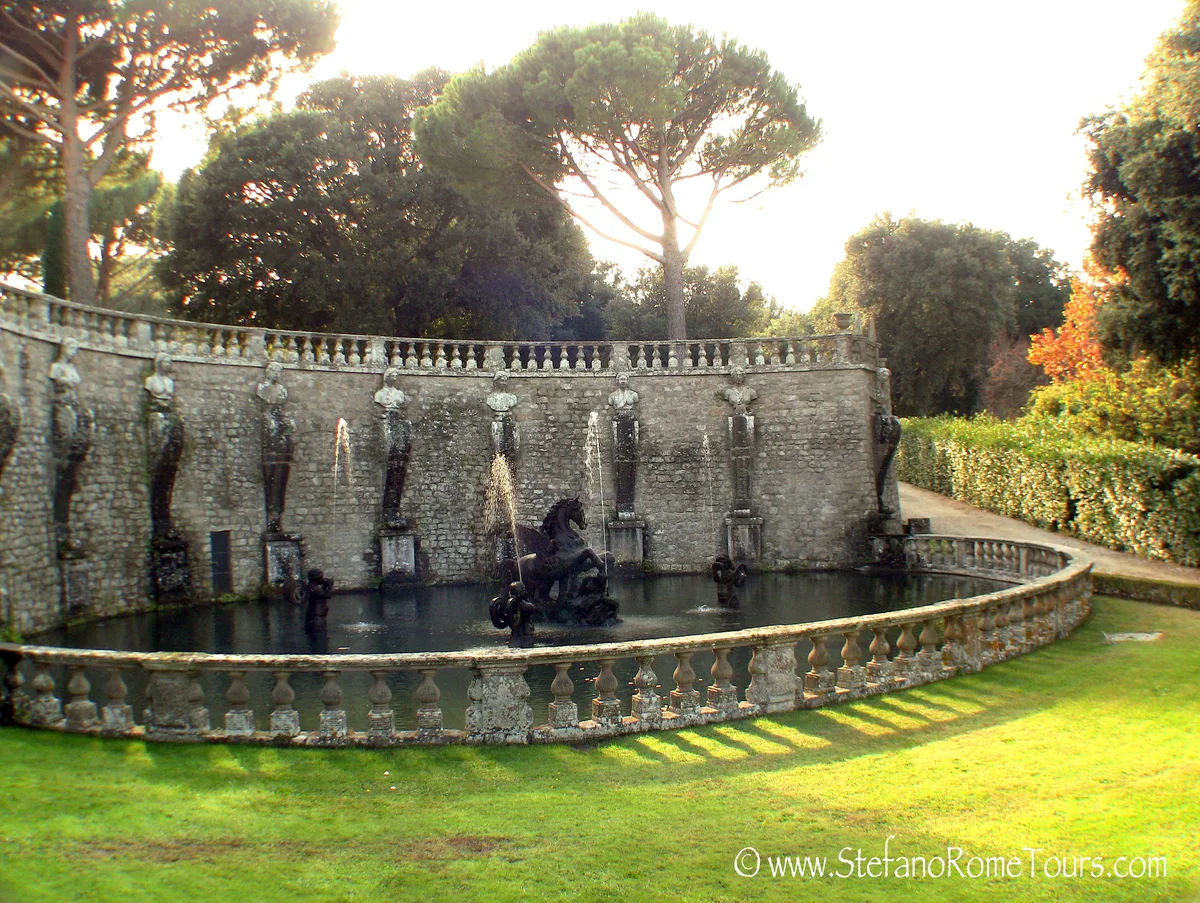
- Sacro Bosco, Bomarzo, Italy: a late Renaissance and Mannerist garden where buildings sit at deliberately odd angles. Best for visitors who like the style's playful side.
- Giusti Garden, near Verona, Italy: oversized masks that break the rule of harmonious design. Suits a short stop on a Veneto trip.
- Château de Villandry, Loire, France: geometric ornamental and kitchen gardens. Tag: reconstructed. Seasonal planting is described on the Villandry official site.
- Hellbrunn Palace, Salzburg, Austria: trick fountains commissioned by Prince Archbishop Markus Sittikus von Hohenems in the early 17th century. Tag: late Renaissance original. Expect water surprises.
- Heidelberg Castle, Germany: the Hortus Palatinus was once Germany's best-known Renaissance garden. Restoration was planned, and today it shows elements of an English landscape garden. Check what is visible before you go.
- El Escorial, Spain: palace gardens at the San Lorenzo de El Escorial complex. Pair them with the palace visit.
- Schallaburg, Austria: a Renaissance castle garden for a quiet, off-route stop.
- Bishop's Palace, Kielce, Poland: a rebuilt Renaissance garden on the west side, unveiled in 2003. Tag: reconstructed.
Renaissance or Baroque? How to Tell the Difference
Baroque gardens grew out of the Renaissance, so the two share geometry. On the ground, a Renaissance garden feels like a loose chain of intimate, enclosed spaces. A Baroque garden is one composed, centrally oriented whole, with a dominant visual axis that serves the overall ensemble. Baroque designers swapped knotted parterres for broderie parterres. They also leaned on sculpture rather than high terraces and elaborate staircases. For the later style, see Baroque Gardens in Europe: Where to See Them.

Planning Your Visit: Season, Tickets and Time Needed
Opening dates, fountain schedules and combined palace tickets differ at every site, so use the official pages linked above. For multi-stop itineraries, see Garden Tours in Europe: Best Routes & How to Choose.

- Season: parterres and bulbs look best in the growing season.
- Water: fountains often run on set schedules, so check the day you visit.
- Terrain: hillside villas mean stairs and slopes, while castle gardens are usually flatter.
- Tickets: some gardens sell a combined ticket with the palace or villa.
- Time: allow a half day for a single large garden.
Which Renaissance Garden Should You Choose?
Match the garden to your priorities. For a wider shortlist beyond this period, see Most Beautiful Gardens in Europe: Picks by Style, Season and Access.
- Art and history: Boboli Gardens in Florence and Villa Medici at Castello.
- Water features: Villa d'Este in Tivoli and Hellbrunn in Salzburg.
- Families: Hellbrunn's trick fountains and the odd sculptures of Sacro Bosco.
- Short on time: Villandry works as a single stop on a Loire route.
- Accessibility: choose castle gardens such as Kielce over steep hillside terraces.
Common Mistakes to Avoid
Most disappointments come from expectations rather than the gardens. Learn from these common traps.
- Expecting original planting: structure may be authentic, but plants renew constantly.
- Visiting when fountains are off: check the water schedule before you set out.
- Underestimating terrace climbs: hillside villas involve many stairs.
- Treating winter as a write-off: bare months show the layout clearly, as in Gardens in Europe in Winter: Where to Go and What's Open.
- Skipping the reconstruction tag: Villandry and Kielce are rebuilt, so judge them as recreations.
Bloom-season notes
Optional updates when we add or revise garden guides.
Continue reading
Guides on the same trip