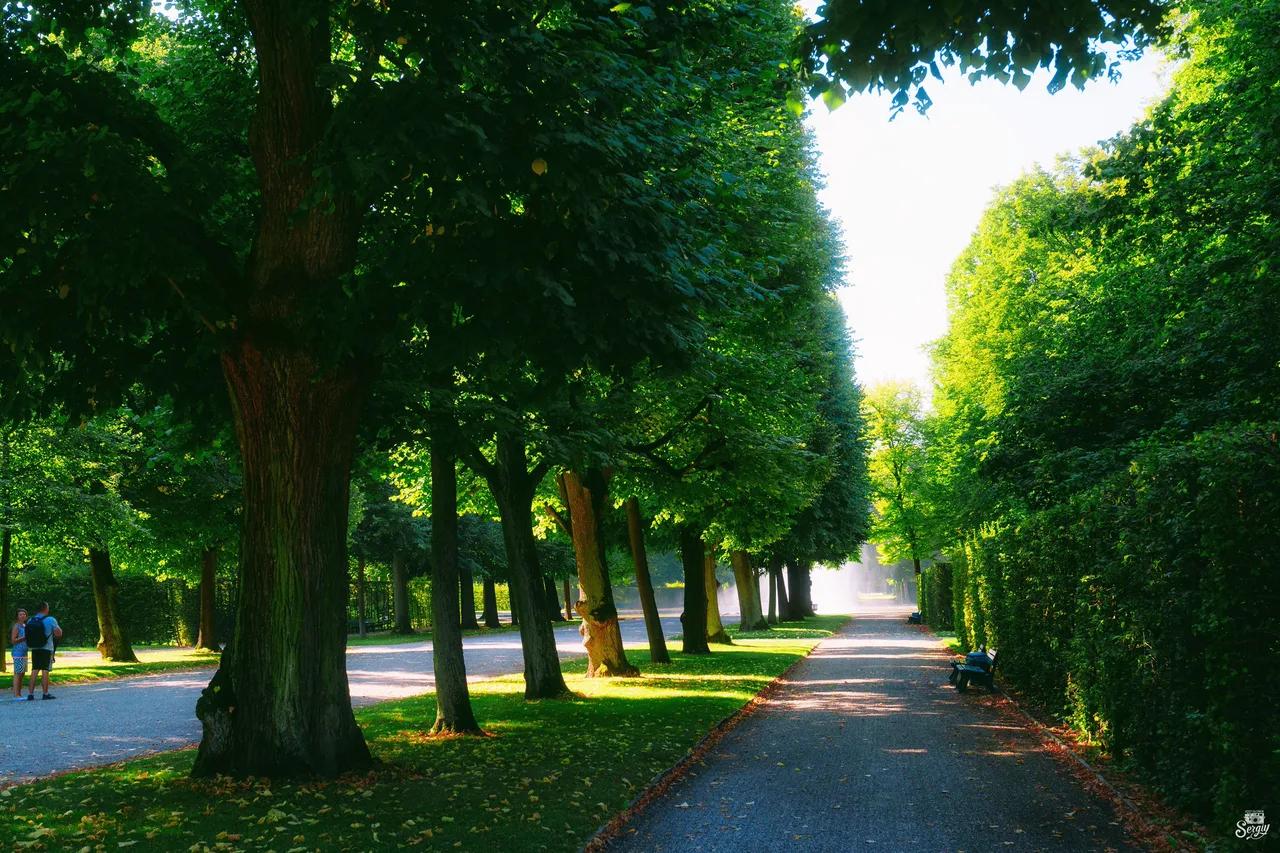
Baroque Gardens in Europe: Where to See Them
Learn what makes a garden baroque, how it differs from Renaissance and English styles, and how to pick European baroque gardens worth visiting.
Last updated November 2026: baroque gardens are formal, symmetrical landscapes built on a central axis, with clipped parterres, canals, fountains and long vistas that extend the palace outward. André Le Nôtre's French version set the template, and Vaux-le-Vicomte, Chantilly, Schönbrunn and Herrenhausen show it well beyond Versailles. Our overview of European gardens places these sites in a wider trip.
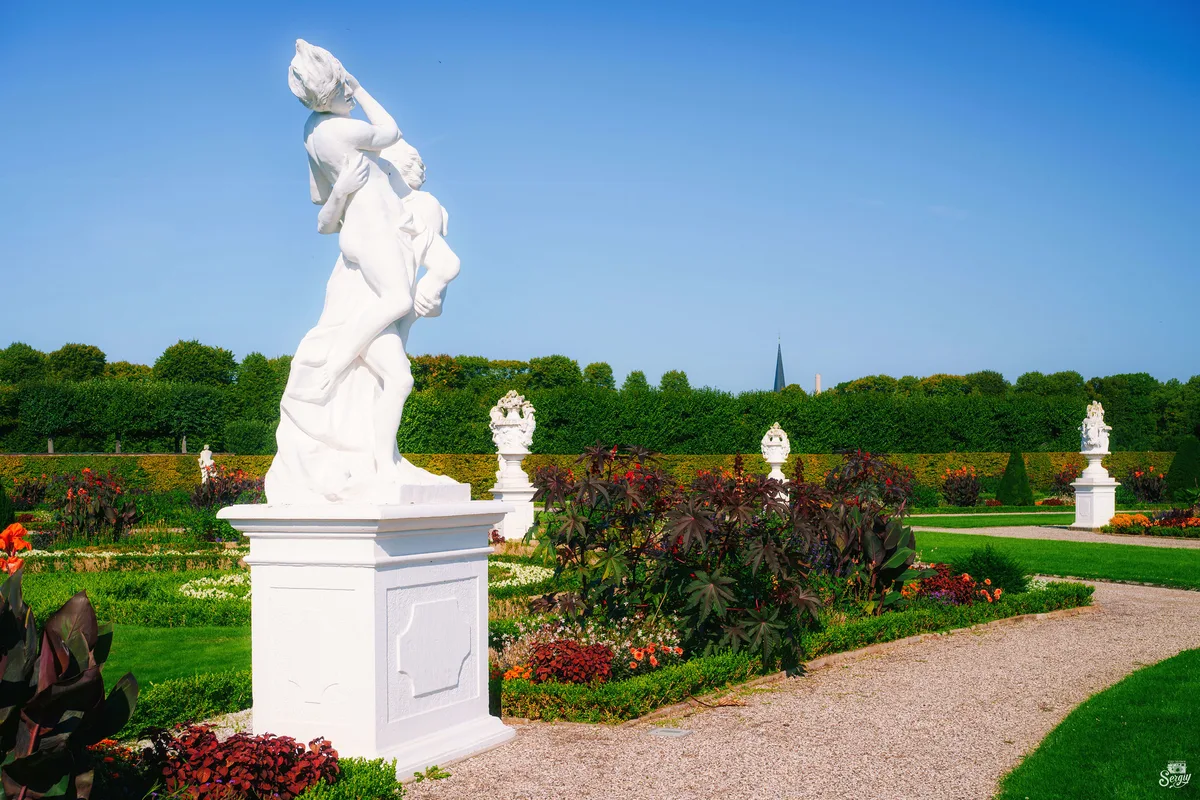
Featured image: Sergiy Galyonkin, CC BY-SA 2.0, via Flickr.
What Makes a Garden Baroque
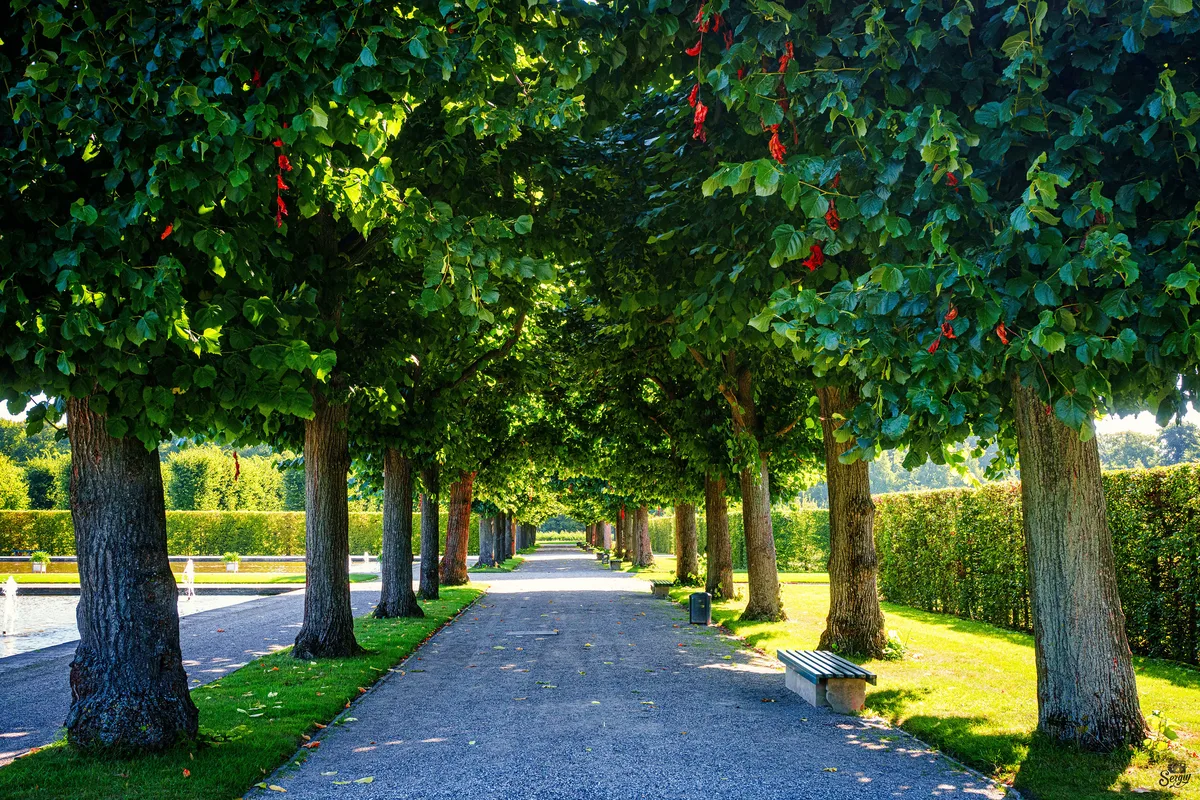
A baroque garden treats the landscape as architecture. Paths, water and hedges follow strict geometry, and everything is arranged to be read from the palace terrace. Le Nôtre's French model uses axial parterres, straight canals and long vistas that pull the eye toward the horizon. Order and control are the message. Nature is trimmed, aligned and staged.
How to Spot Baroque Design on Site
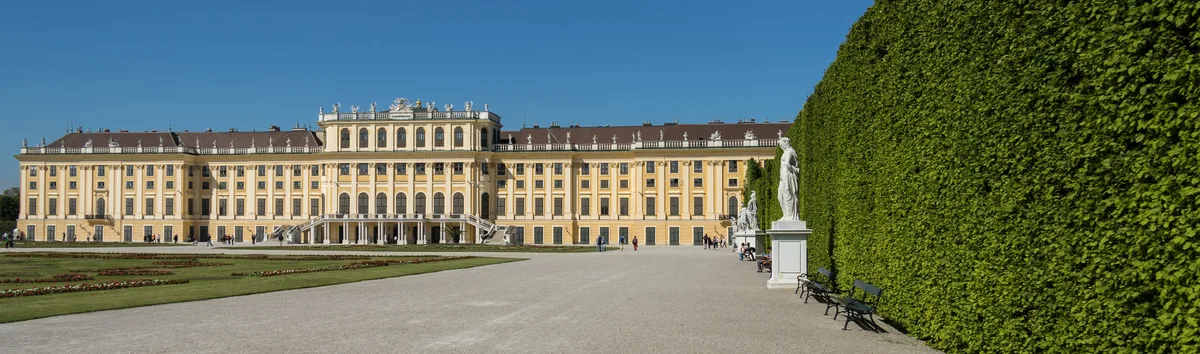
Start on the palace terrace. If you can read the whole layout at a glance, you are probably standing in a baroque plan. Look for these features as you walk.
- Axis: one main avenue runs out from the palace and organizes every other path.
- Parterre: low clipped hedges, gravel or flowers form patterns best read from above.
- Bosquet: a hedged grove or garden room, often hiding a fountain or sculpture.
- Water: canals, basins and fountains sit on the main axis or along its edges.
- Sculpture: statues mark path junctions and basin edges.
- Vista: a long sightline ends at a gate, hill or monument.
Baroque vs Renaissance vs English Gardens
Renaissance layouts are usually terraced and more intimate, while baroque plans stretch along one dominant axis. Our page on Renaissance garden design covers the earlier Italian model. English landscape gardens reject the grid for curved lawns and informal groves. For a direct side-by-side, read our comparison of French, Italian and English garden styles.
Baroque Gardens Worth Visiting in Europe
Versailles is the obvious French reference, so this shortlist looks elsewhere. Many of these gardens were altered after the baroque era, so read each one as a baroque layout with later changes.
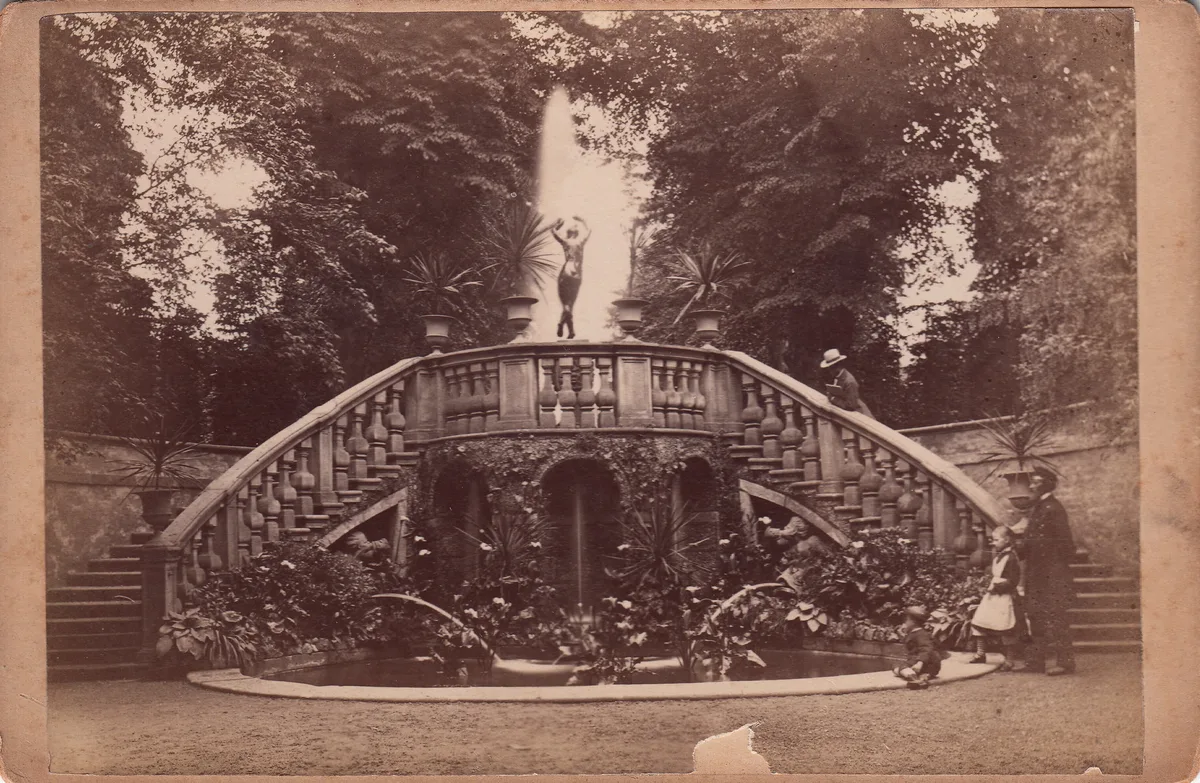
- Vaux-le-Vicomte, France: Le Nôtre designed the gardens here, and Vaux-le-Vicomte keeps the parterre-and-canal scheme at the center of the estate.
- Chantilly, France: Le Nôtre also shaped the grounds at Chantilly, where a long canal frames the château.
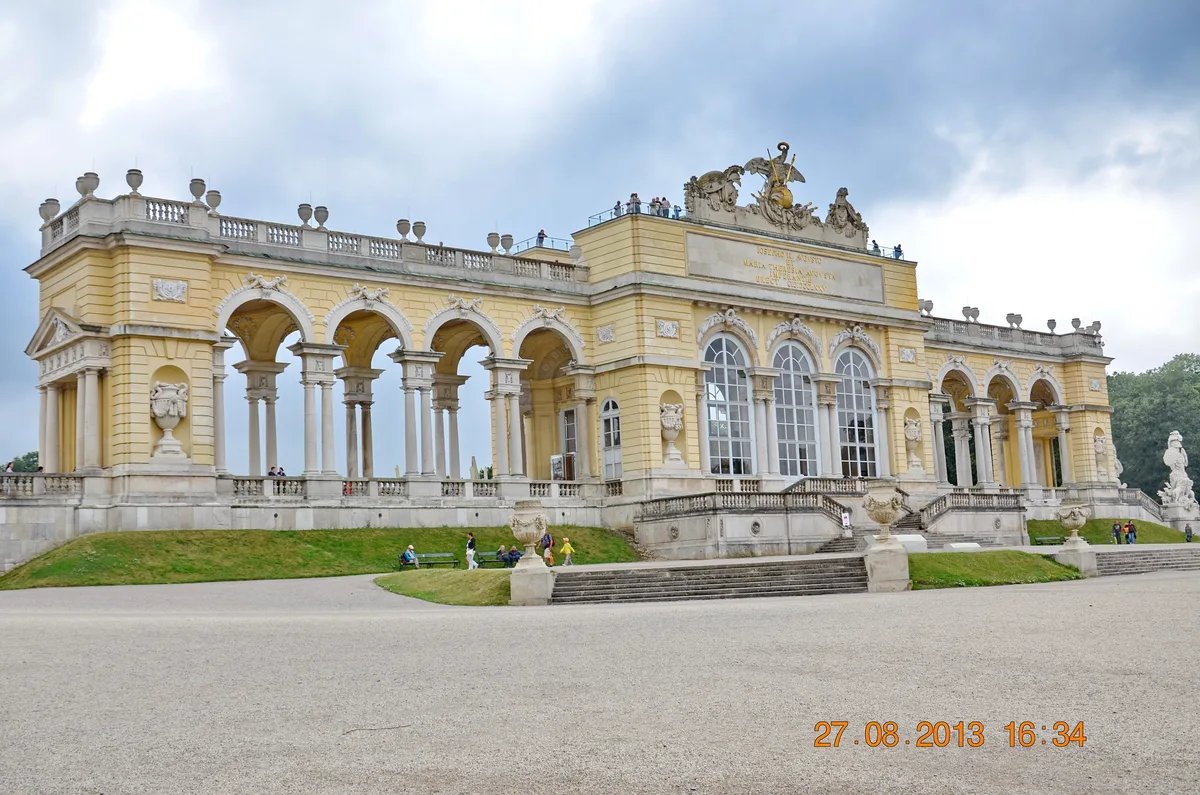
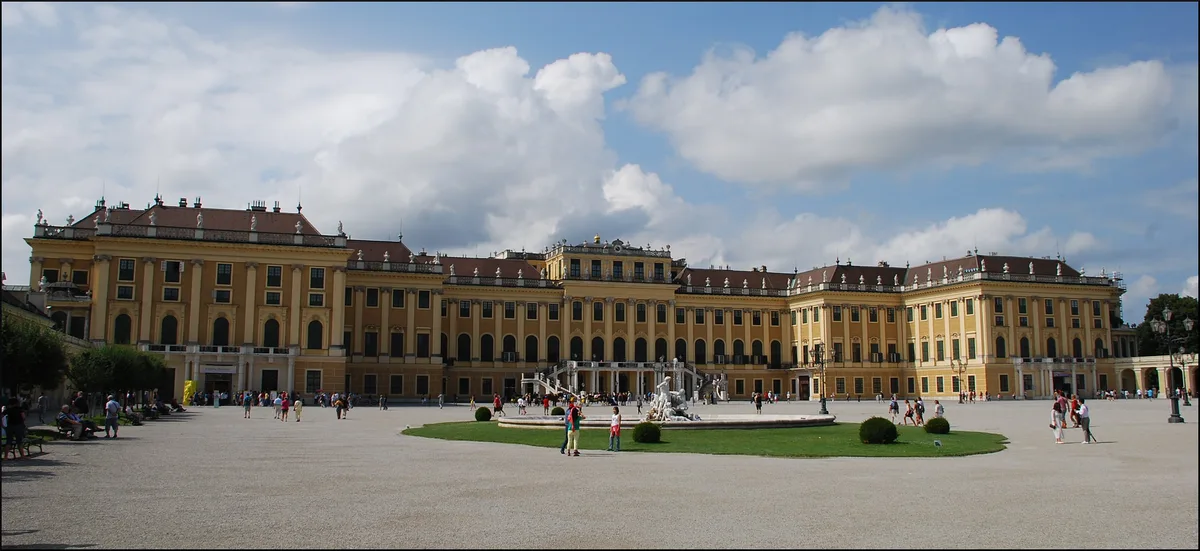
- Schönbrunn, Vienna: Schönbrunn Palace Park pairs formal parterres with a hilltop Gloriette that closes the main vista.
- Belvedere, Vienna: the upper and lower palaces are linked by a sloping formal garden with basins and statues.
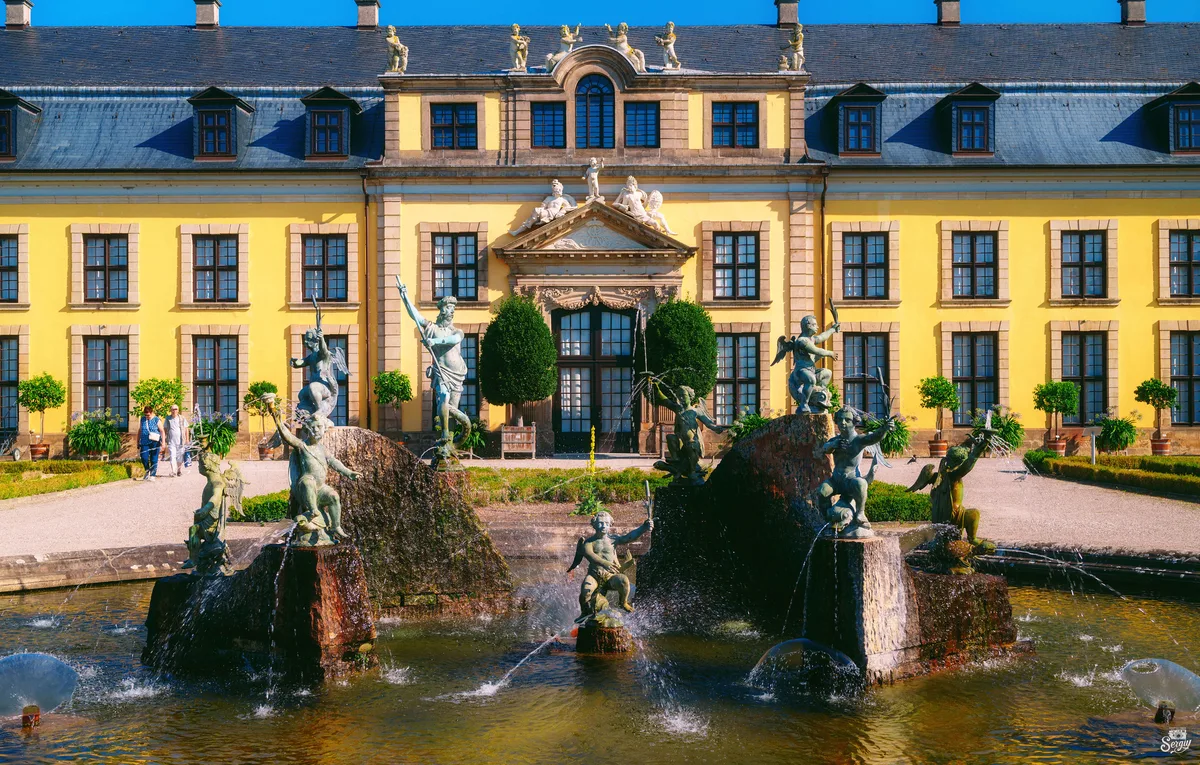
- Herrenhausen, Hanover: the Herrenhausen Gardens include a formal Great Garden with hedged rooms and fountains.
- Caserta, Italy: the Reggia di Caserta park runs along one very long axis of cascades and basins.
How to Choose: Comparison Table
Match the garden to your time and energy. Qualitative ratings below reflect our editorial assessment, not measured figures. For broader inspiration, see our list of the Most Beautiful Gardens in Europe: Picks by Style, Season and Access. Readers who prefer a guide can browse guided garden tours.
| Garden | Scale | Walking effort | Fountain or season dependence | Access | Best for |
|---|---|---|---|---|---|
| Vaux-le-Vicomte | Large | Moderate | High | Day trip from Paris | Parterres and canal |
| Chantilly | Large | Moderate | Medium | Day trip from Paris | Water and château views |
| Schönbrunn | Large | Moderate to high | Low | Inside Vienna | Palace-and-garden day |
| Belvedere | Medium | Low | Low | Inside Vienna | Short visit |
| Herrenhausen | Large | Moderate | High | Inside Hanover | Fountain lovers |
| Caserta | Very large | High | Medium | Day trip from Naples | Long axis and cascades |
When to Go: Seasons, Fountain Schedules, and Winter
Baroque gardens depend on clipped greenery and moving water. Late spring through summer gives full parterres, and fountains at several sites run only on scheduled days, so check each official calendar. In winter, beds are bare and basins are often switched off. Our guide to gardens in winter explains what still works.
Tickets, Hours, and Getting There
Prices, hours and fountain schedules change each year, so read them on each garden's official site. Palace and garden entry can be sold separately.
Common Mistakes to Avoid
Four errors cost visitors the most.
- Visiting a fountain-dependent garden on a non-show day.
- Underestimating walking distances across a large estate.
- Going in deep winter and expecting full parterre color or running water.
- Assuming palace and garden entry share one ticket.
Bloom-season notes
Optional updates when we add or revise garden guides.
Continue reading
Guides on the same trip