Garden Tours in Europe: Best Routes & How to Choose
Guided or self-guided? Compare garden tour routes in Europe by season, access and effort, and learn how to plan a garden holiday.
Last updated November 2026. Garden tours in Europe are trips built around bloom windows, either hosted by a specialist operator or stitched together by you from regional clusters. Guided tours suit private-garden access and hands-off logistics, while self-guided routes suit flexibility and lower cost. This guide compares both, then maps the best regions to the season you can travel, starting from our overview of gardens across Europe.
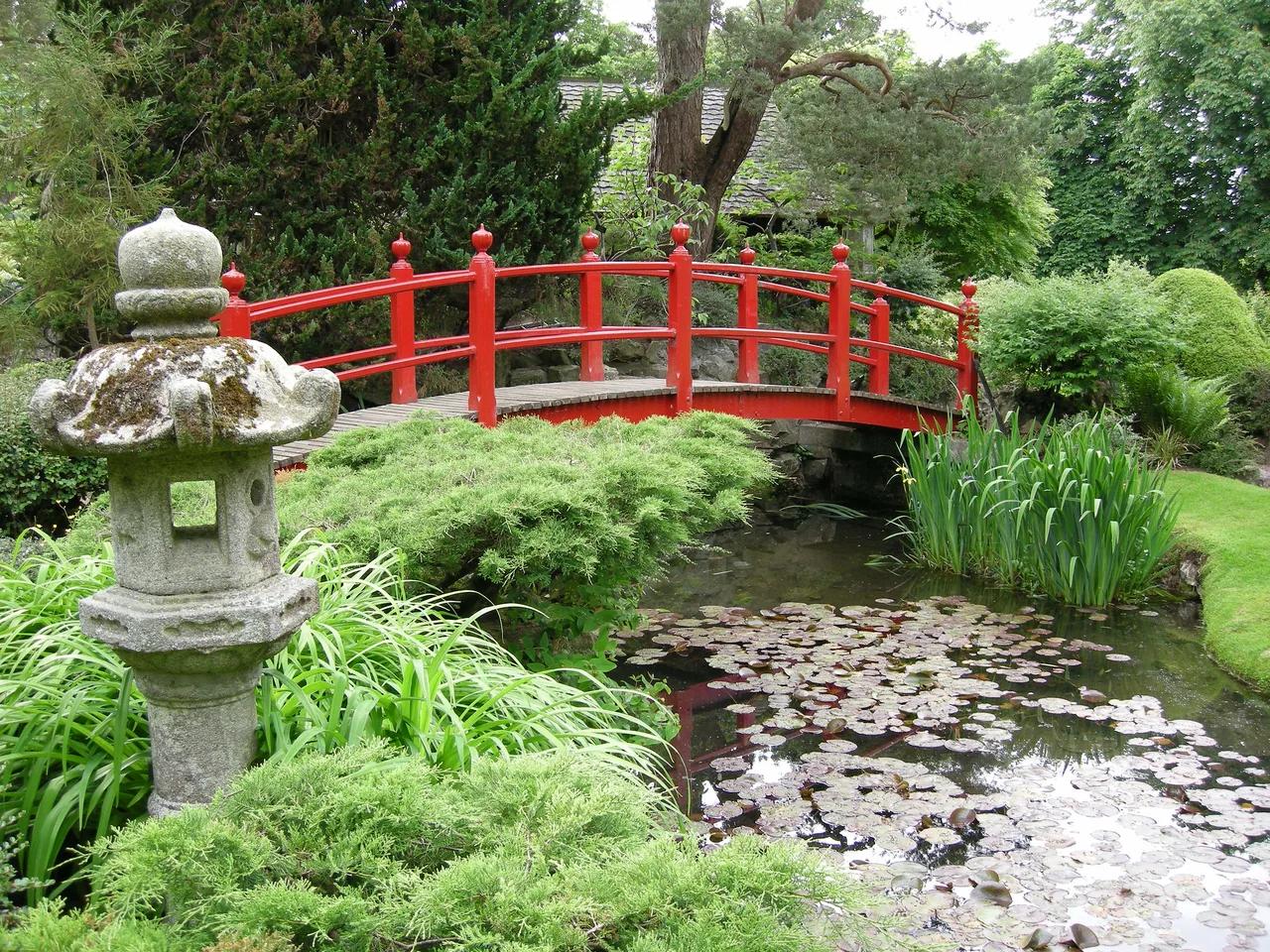
Featured image: . Ray in Manila, CC BY 2.0, via Flickr.
Guided Garden Tours vs Self-Guided Garden Trips
Specialist operators run themed group tours with a host, a driver and pre-booked entry. Operator itineraries often include private gardens that individual visitors cannot book. A self-guided garden holiday gives you control over pace, budget and which gardens you linger in. Use the points below to decide.
- Private-garden access: guided tours win. Operators negotiate visits to owner-run gardens that are closed to the public.
- Flexibility: self-guided wins. You can stay two hours longer at a border you love or skip a garden that disappoints.
- Expert hosting: guided tours win. A horticultural host or translator helps most in countries where you do not speak the language.
- Transport and lodging: guided tours bundle both. Self-guided trips need you to solve train timetables and rural transfers.
- Pace: group tours move on a fixed schedule. Independent travelers can build rest days around weather and bloom reports.
- Best fit: first-timers, solo travelers and plant collectors often prefer guided. Couples, repeat visitors and travelers on a budget often prefer independent.
Best Time of Year for Garden Tours in Europe
Season is the real constraint, because bloom windows drive every route. Keukenhof in Lisse is a spring-only seasonal attraction, and Giverny also closes outside its season. Check each garden's official calendar before you fix dates. Winter travelers still have options, covered in our guide to gardens in winter. Many cities also keep heated plant houses open, which our page on European glasshouses lists.
| Season | What peaks | Good regional fits |
|---|---|---|
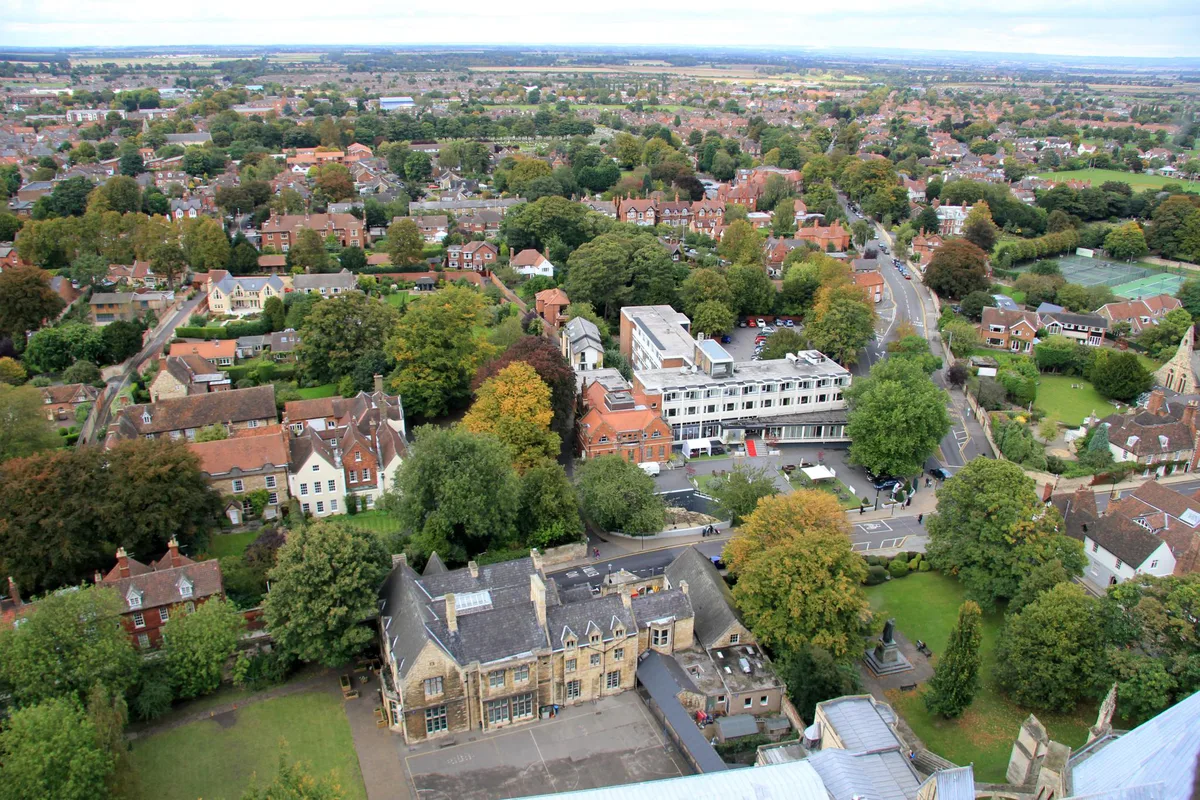
| Spring | Tulips, spring bulbs, blossom | Keukenhof in Lisse, Mount Pelion in Greece, Florence |
| Early summer | Roses, perennial borders | Cotswolds, Kent and Sussex, Giverny |
| Late summer | Lake gardens, formal parterres | Mainau Island, Salzburg, Versailles |
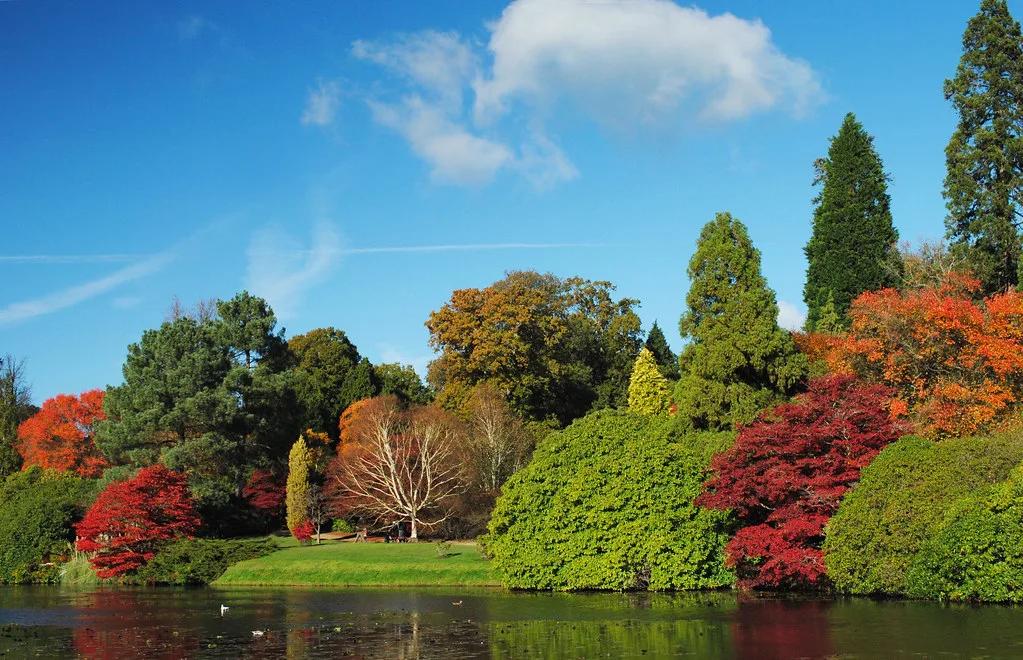
| Autumn | Foliage, late dahlias | English country gardens, Loire parks |
| Winter | Glasshouses, structure, evergreens | Botanical garden conservatories |
Best Garden Tour Regions in Europe
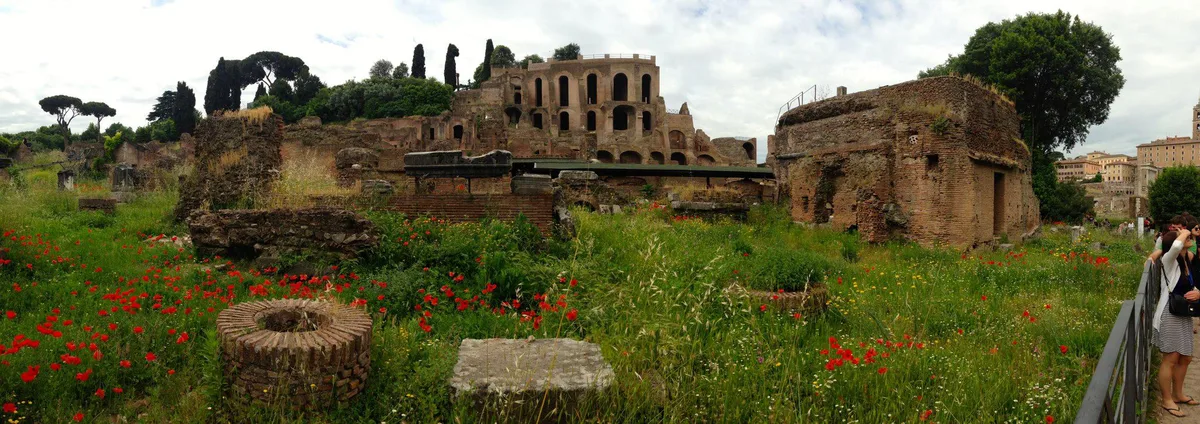
Group gardens into regional clusters instead of ranking them. Each cluster below works as a base-town trip with short transfers.
- France, Paris region: Versailles and Giverny. Versailles shows the formal style described in our page on baroque gardens. Giverny is Monet's garden, and the Fondation Claude Monet publishes its seasonal opening.
- France, Loire: Château de Villandry is known for its kitchen-garden design, and the Villandry estate site lists visiting details. Vaux-le-Vicomte near Paris is the other classic formal option.
- Netherlands: Keukenhof and the bulb season. Plan around the spring flowering window and book ahead for peak weeks.
- England, Cotswolds: Hidcote and Kiftsgate sit close together and suit a two-garden day. Both are classic examples of the plantsman style.
- England, Kent and Sussex: Sissinghurst and Great Dixter anchor this route. Nymans, Scotney Castle and Bodiam Castle add historic settings. The National Trust garden listings cover several of these.
- Germany: Mainau Island on Lake Constance is the headline stop, and Rhine routes add Grugapark and Landschaftspark Duisburg. Operators pitch the Rhine tour around private gardens.
- Italy: Florence's Boboli Gardens sit next to Palazzo Pitti. The Uffizi Boboli page gives current access details. Our guide to Renaissance Gardens in Europe: Where to See Them explains the style. Sicily adds Villa Trinita, a botanical garden on lava.
- Austria: Mirabell Gardens in Salzburg sit in the historic center next to Mirabell Palace. They fit a city break better than a dedicated garden trip.
- Greece: Mount Pelion is pitched by operators as a spring destination, with April the month named. Treat it as a guided-tour region unless you are comfortable driving rural roads.
How to Choose a Route
Start with the month you can travel, then match the style of garden you enjoy. Formal geometry, painterly borders and botanical collections need different trips. Our comparison of Italian, French and English gardens helps you pick a style. Plant-focused travelers should look at botanical gardens instead of country houses. Heritage-minded visitors can start with the UNESCO-listed gardens. Mobility matters too. Formal French and Italian gardens involve long gravel walks, while many English gardens have steps and slopes. Ask each garden about accessible routes before you book.

How Long to Plan, and Getting Around
Two to three gardens per day is a ceiling, not a target. Use a base town and radiate outward. A 3-day trip fits one cluster, such as Paris with Versailles and Giverny. A 7-day trip fits two clusters, or one region in depth. Sicily operators pitch seven days for their island tour. A 10-day trip can combine England's Cotswolds with Kent and Sussex. Rail covers Paris to Versailles and the main Dutch and Florence stops. A car makes the Cotswolds, Loire and Sussex far easier, because many gardens sit outside towns. Guided tours remove that problem entirely.
Formal French and Italian gardens involve long gravel walks, so pace them. A 7-day trip fits two clusters, or one region in depth.
Costs, Tickets and Booking
Guided tours cost the most per day, because they bundle lodging, transport and hosting. Self-guided trips cost the least when you travel in a pair and share a car. Garden entry itself is typically low to mid compared with transport. Prices change each season, so check the official page for every garden you plan to visit. For English gardens, the RHS garden pages list sites and visiting details. Book timed tickets early for Versailles, Giverny and Keukenhof in peak weeks. Before paying an operator, read the terms on what is included, group size, cancellation and any single-room supplement. Operator names in articles are examples, not endorsements.
Mistakes to Avoid on a Garden Trip
Most disappointing garden trips come from timing and overpacking. Avoid these.
- Visiting out of bloom: check the flowering window, not just the opening dates.
- Packing too many gardens into one day: two is plenty when each has a long walk.
- Assuming Giverny or Keukenhof is open year-round: both run seasonal calendars.
- Underestimating transfers from city hotels: Versailles and Giverny each need real travel time.
- Skipping advance tickets at popular sites: timed entry sells out in peak weeks.
Frequently Asked Questions
What are some of the best garden tours in the world?
In Europe, the strongest options are regional clusters rather than single gardens. Paris with Versailles and Giverny, the Cotswolds, and Kent and Sussex each work well. Choose guided tours for private-garden access or independent routes for flexibility.
What is considered the most beautiful garden in the world?
No single garden holds that title, because the answer depends on style. Versailles, Boboli and Giverny represent very different traditions. Our shortlist of the Most Beautiful Gardens in Europe: Picks by Style, Season and Access compares them.
Bloom-season notes
Optional updates when we add or revise garden guides.
Continue reading
Guides on the same trip