Autumn Colours in Europe: Best Gardens, Parks and Timing
Plan autumn colours in Europe around gardens and arboreta: regional timing, country picks, rail or car routes, costs and what to do if leaves peak early or late.
Last updated November 2026. Autumn colours in Europe usually run from late September into early November, and the peak shifts with latitude, altitude and local weather. Gardens and arboreta give the most predictable colour, so this guide uses them as the lens and links to a country page for each stop.
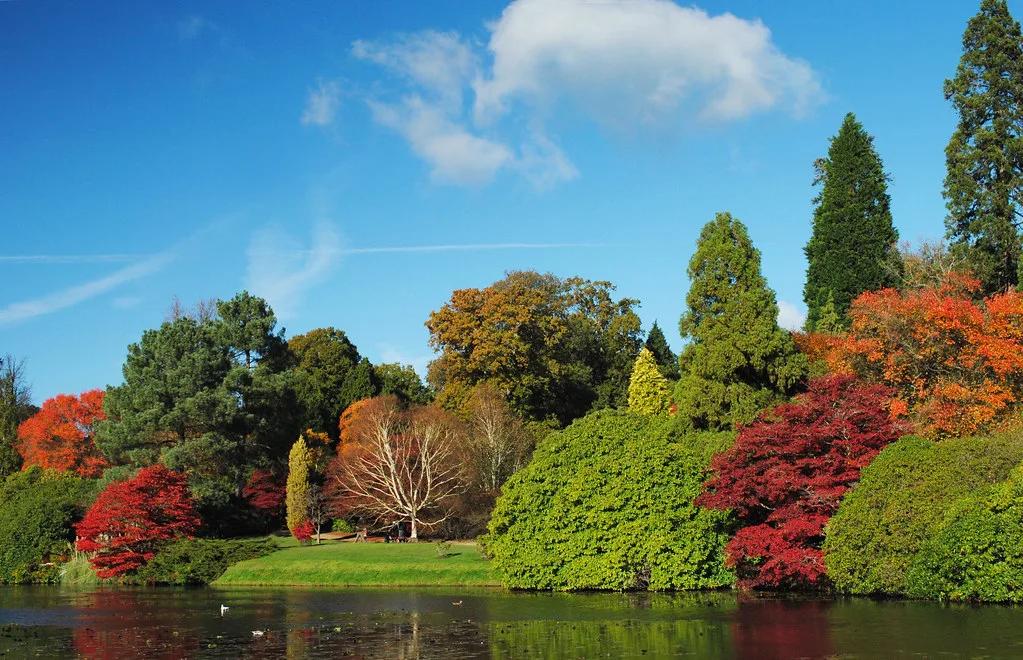
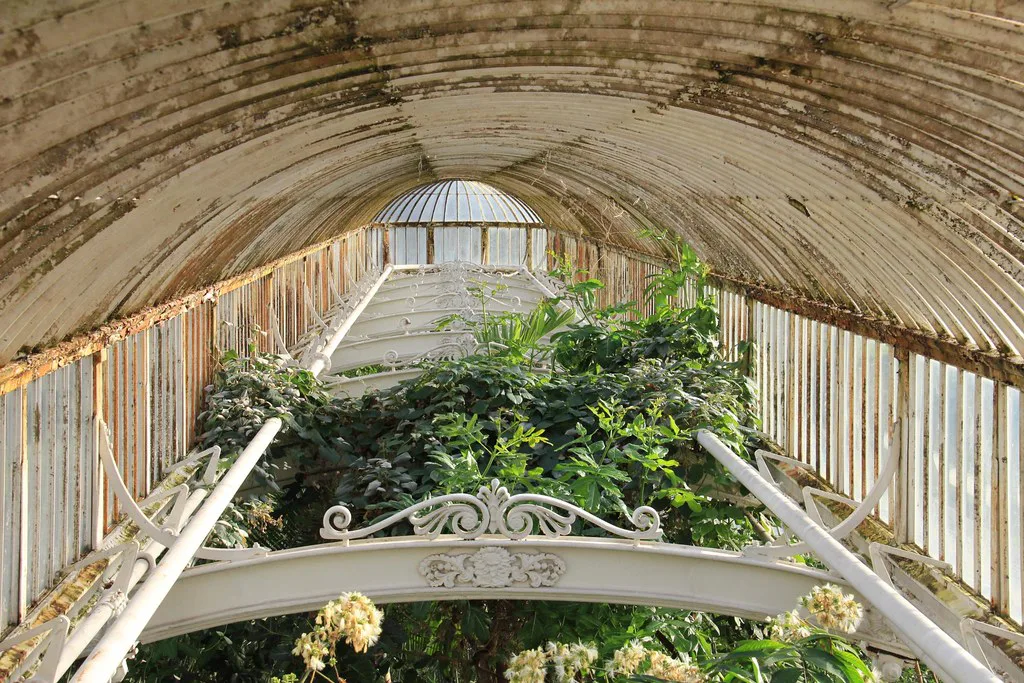
Featured image: Mark Wordy, CC BY 2.0, via Flickr.
When autumn colours in Europe peak
Colour moves from north to south and from high ground to low. Alpine larch and northern birch turn first, often in late September. Lowland maples, beech and oak follow into October and can hold into early November. Treat every window below as a planning range and verify it with the venue closer to your dates. Daytime highs of about 12°C (54°F) tend to suit walking, while a first frost near 0°C (32°F) speeds leaf drop.
| Region | Typical peak window (verify) | Main colour drivers | Best fit |
|---|---|---|---|
| Scotland and northern England | Early to mid October | Birch, beech, rowan | Photographers, quiet walks |
| Southern England | Mid October to early November | Maple, oak, beech | First-timers, garden fans |
| Alpine Switzerland | Late September to mid October | Larch, beech | Hikers, lake-and-mountain trips |
| Lowland Germany, Netherlands | Mid October to early November | Beech, lime, oak | City-plus-garden breaks |
| Northern Italy lakes | Late October to November | Maple, beech, ornamental trees | Slow garden travel |
| Loire and northern France | Mid October to early November | Oak, vine, plane | Châteaux and garden routes |
Best countries and gardens for autumn colour
Each country below has one anchor place and a deeper guide. England has the widest choice, from tree collections to landscape gardens. Start with Autumn Colours UK: Best Places and When to Go for the full comparison.
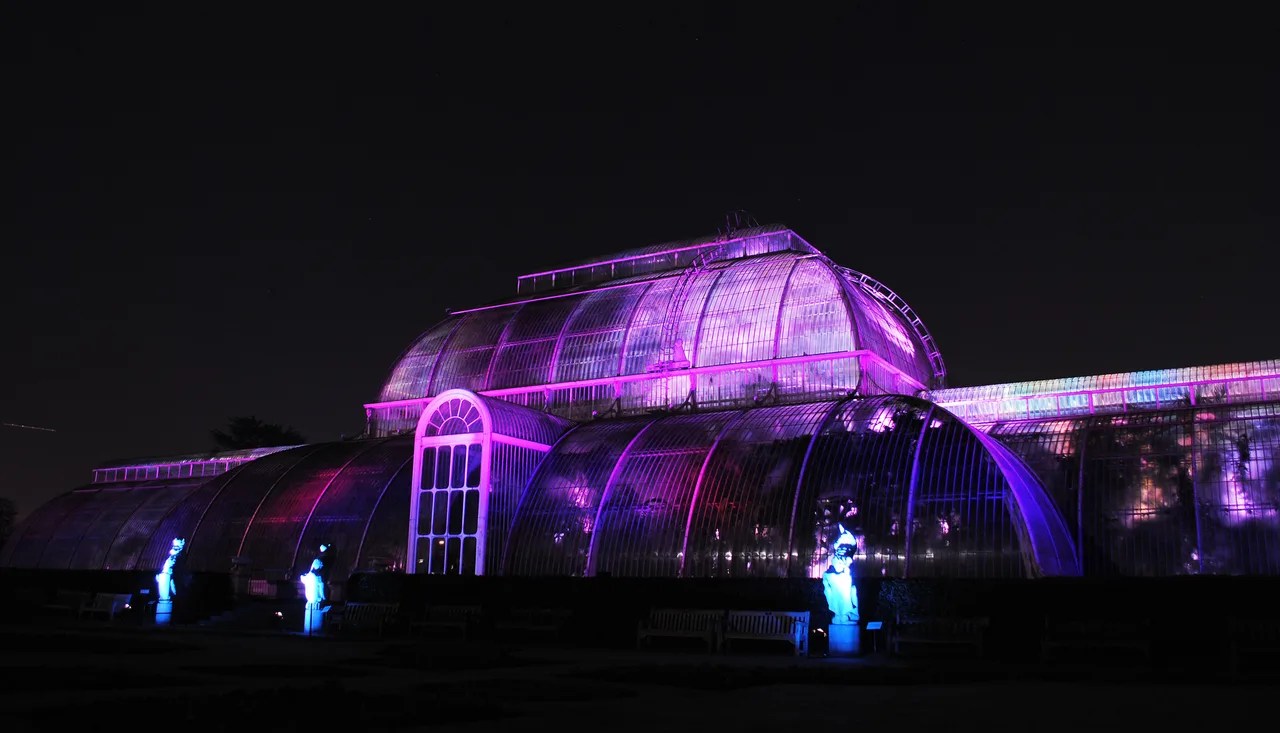
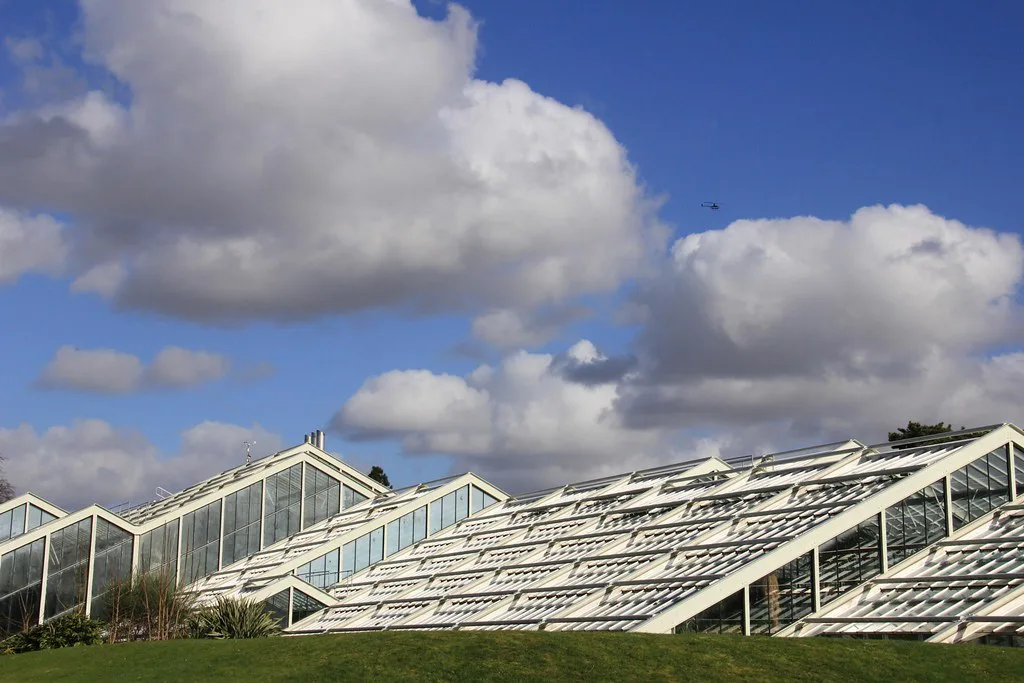
- England: Westonbirt Arboretum: When to Go and Visit Plan is run by Forestry England and is known as The National Arboretum. Stourhead's lakeside circuit is a National Trust landscape garden. Kew in autumn suits a city trip.
- Scotland: Scottish autumn colour includes Dawyck, a botanic garden run by the Royal Botanic Garden Edinburgh.
- Germany: German fall foliage includes the landscape parks of the Dessau-Wörlitz Garden Realm.
- Italy: Italian fall foliage includes the Giardini Botanici Villa Taranto.
- France: French fall foliage includes the Fondation Claude Monet gardens at Giverny.
- Switzerland: Swiss fall foliage centres on lakeside parks and larch slopes. Lugano's Parco Ciani is a park, not a garden.
- Netherlands: Dutch fall foliage includes the Hortus Botanicus in Amsterdam.
Gardens and arboreta vs wild woodland
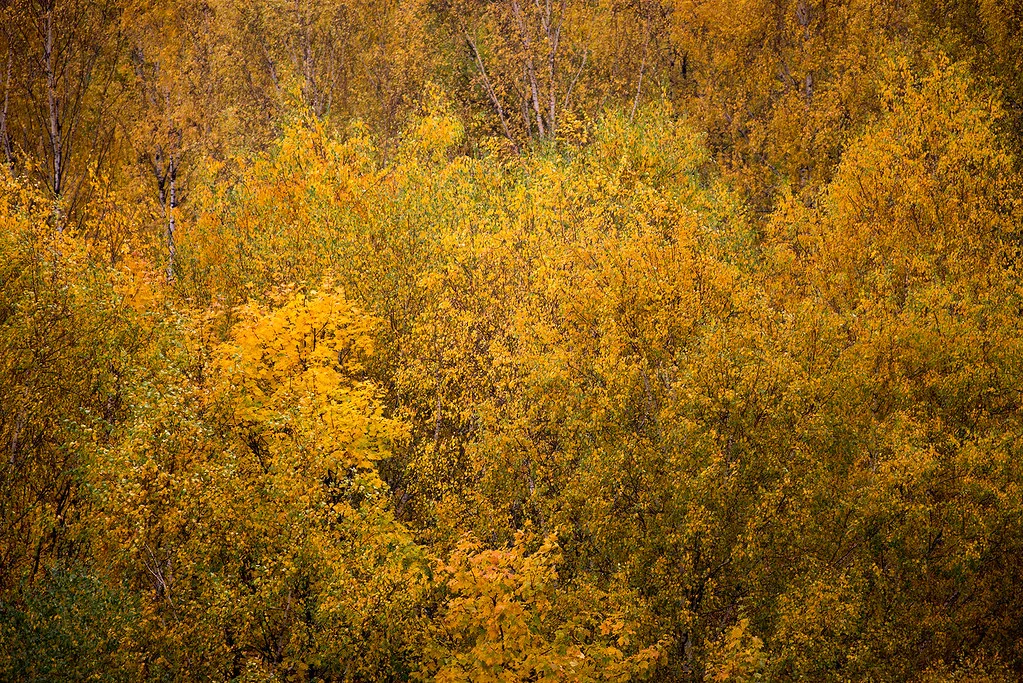
Gardens and arboreta plant for colour, so the display is more predictable. Westonbirt's own Forestry England visitor page is the place to check autumn trails and opening. Stourhead's National Trust page covers access and ticketing. Wild woodland is usually free and quieter, but peak week is harder to hit. Choose a garden if you have a fixed weekend. Choose woodland if you can move your dates by a few days.
- Predictability: gardens and arboreta are strongest; woodland varies year to year.
- Access: gardens have paths and facilities; woodland may not.
- Cost: ticketed gardens charge entry; open woodland is often free but may charge for parking.
- Crowds: well-known English and Scottish sites fill at weekends, so aim for weekdays and early arrival.
How to plan a route
Rail works best for city-based gardens such as Kew or Amsterdam's Hortus. A car suits Westonbirt, Stourhead and Dawyck, where public transport is thinner. Give each country two or three days, and keep colour visits to mid-day because light fades early after the clocks change. A two-country trip that avoids backtracking is England then the Netherlands: finish in London at Kew, then cross to Amsterdam. Book flexible fares, since rain and wind can strip leaves fast.

Costs, tickets and opening hours
Garden prices and hours change by season, so read each venue's official page before you book. Accommodation moves more than tickets do. As an illustration only, a room quoted at €90 in early October could rise to €150 in a school half-term week. Price swings like that are the reason to compare two or three date options. Check weekday-only closures and autumn opening times on the Westonbirt, Stourhead, Dawyck and Giverny pages. Entry at Giverny is run by the Fondation Claude Monet.
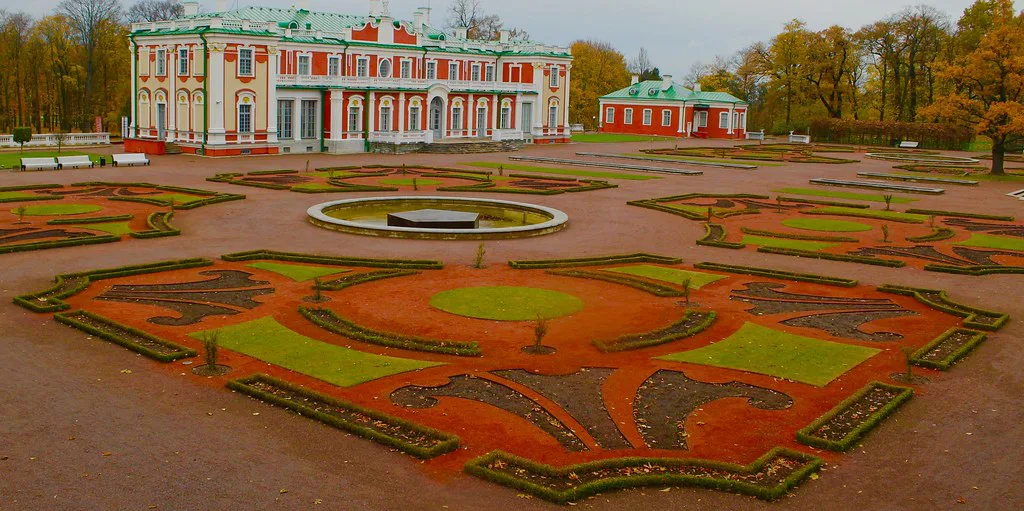
What if the colour is early or late
A warm autumn can delay colour by a week or more, and a hard frost can end it early. Go higher or further north if you are early, because alpine and Scottish sites turn first. Go south or to lower ground if you are late. Evergreen-backed gardens and conifer collections hold interest when deciduous leaves are green. A flower-led fallback also works: late-season dahlia gardens peak when many trees are still turning. Check that page's timing before you rely on it. Afternoons near 15°C (59°F) keep any of these plans comfortable.
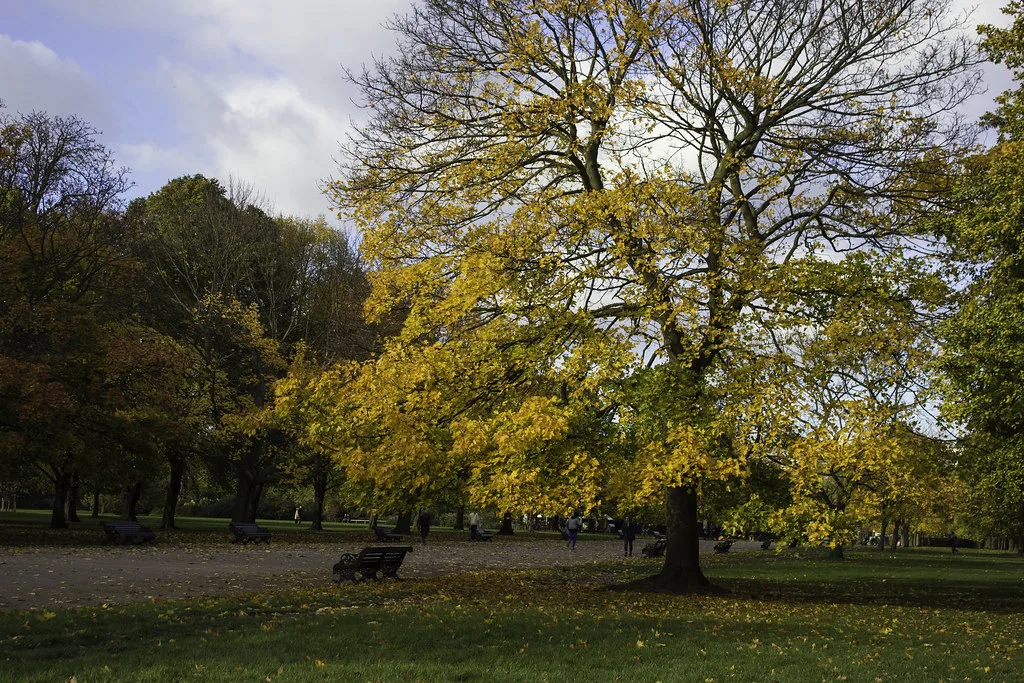
Choose a garden by the trees you want to see
Use the tree collection to choose your destination, rather than chasing one fixed peak date. Alpine Switzerland and Scottish sites suit travellers who want larch, birch, beech and rowan. Lowland Germany and the Netherlands are stronger choices for beech, lime and oak. Northern Italy adds maple, beech and ornamental trees to a slower garden itinerary.
Weather helps decide whether to favour an arboretum or a broad woodland walk. Daytime highs around 12°C make longer paths more comfortable. A first frost near 0°C can speed leaf drop, especially after wind or heavy rain. Check the venue’s tree collection and recent visitor updates before committing to a long detour.
For a fixed weekend, choose an arboretum with varied species and established paths. Westonbirt gives the widest specialist option in England. Dawyck offers a Scottish alternative, while Villa Taranto suits a late-season Italian garden route. These collections remain worthwhile when one species has passed its best.
Frequently Asked Questions
What is the fall season in Europe?
Fall colour usually runs from late September to early November. Choose early October for northern and alpine sites, and late October for lowland gardens.
What country has the most beautiful autumn?
No single country wins every year. Pick England if you want the most garden choice, and Switzerland if you want larch and lakes.
Explore More Guides
Keep planning your trip with these guides.
Guides
- Westonbirt Arboretum: When to Go and Visit Plan
- Autumn Colours UK
- Autumn at Stourhead: When to Go & Best Colour Spots
- Kew Gardens in Autumn
- Autumn Colours in Scotland: Where to Go and When to Visit
- Fall Foliage in Germany: Best Places and When to Go
- Fall Foliage in Italy: Where and When to See Autumn Colour
- Fall Foliage in France: Best Regions and When to Go
- Fall Foliage in Switzerland: Where and When to Go
- Fall Foliage in the Netherlands: Where and When
- Dahlia Gardens in Europe
Bloom-season notes
Optional updates when we add or revise garden guides.
Continue reading
Guides on the same trip