Fall Foliage in Switzerland: Where and When to Go
When Swiss autumn colour peaks by region, which places suit rail, easy walks or hikes, and what to check before you plan a 2027 trip.
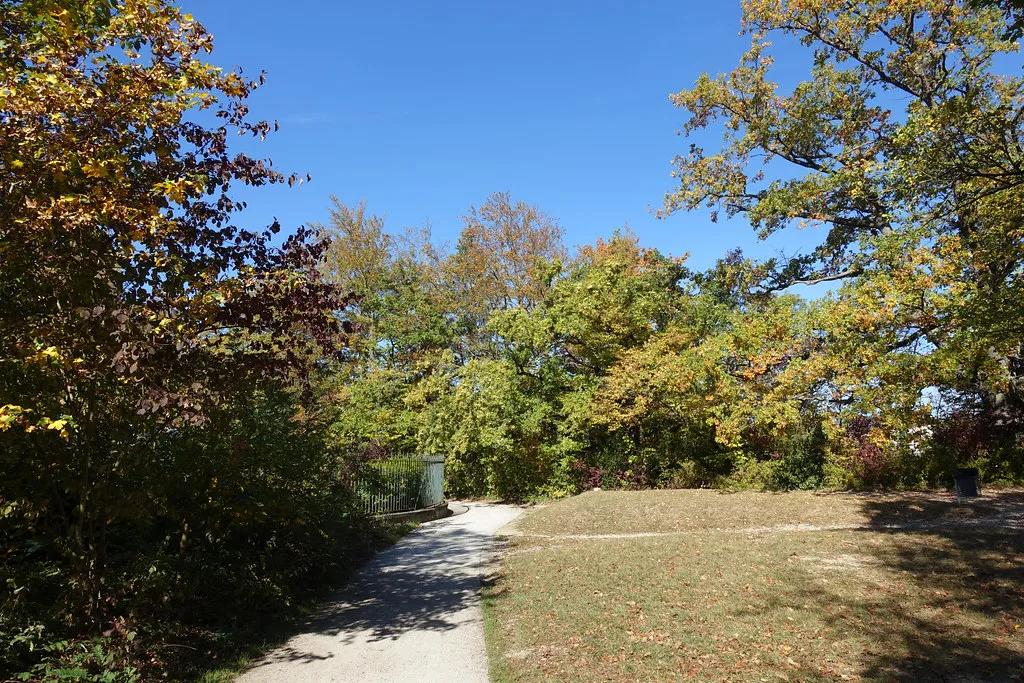
Last updated November 2026: fall foliage Switzerland trips usually peak between mid-October and early November, with the lowlands first and the south and Upper Valais later. Larch forests in Engadine, Zermatt and Aletsch turn gold, and so do the Lavaux vineyards above Lake Geneva. Treat this as a plan-ahead guide for autumn 2027, because the 2026 colour season has ended.
Featured image: *_*, CC BY 2.0, via Flickr.
Fall foliage in Switzerland: the short answer
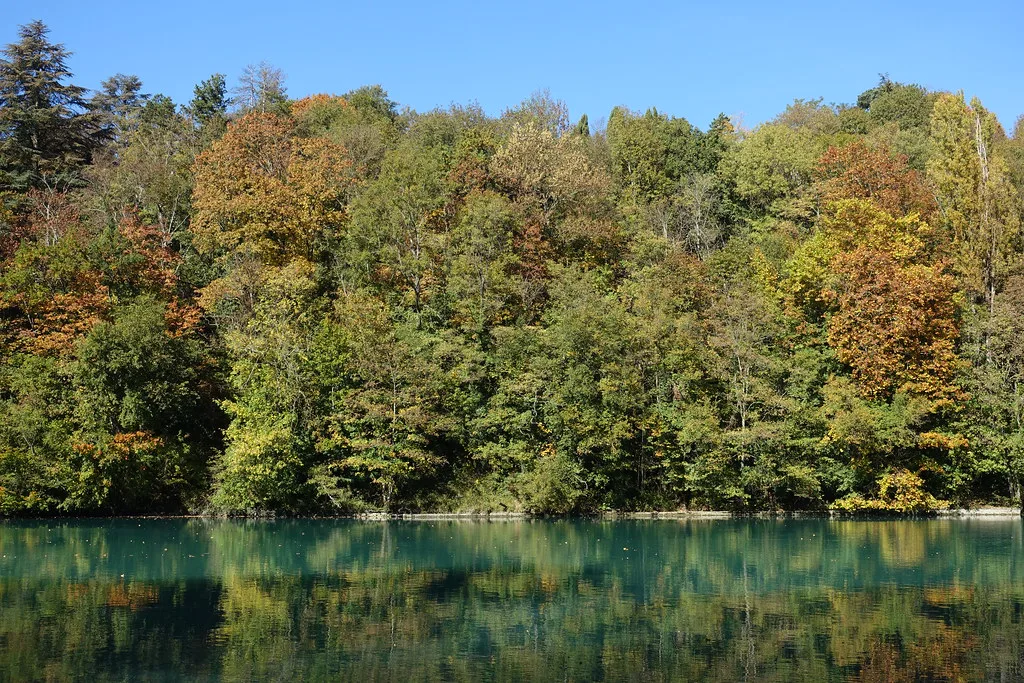
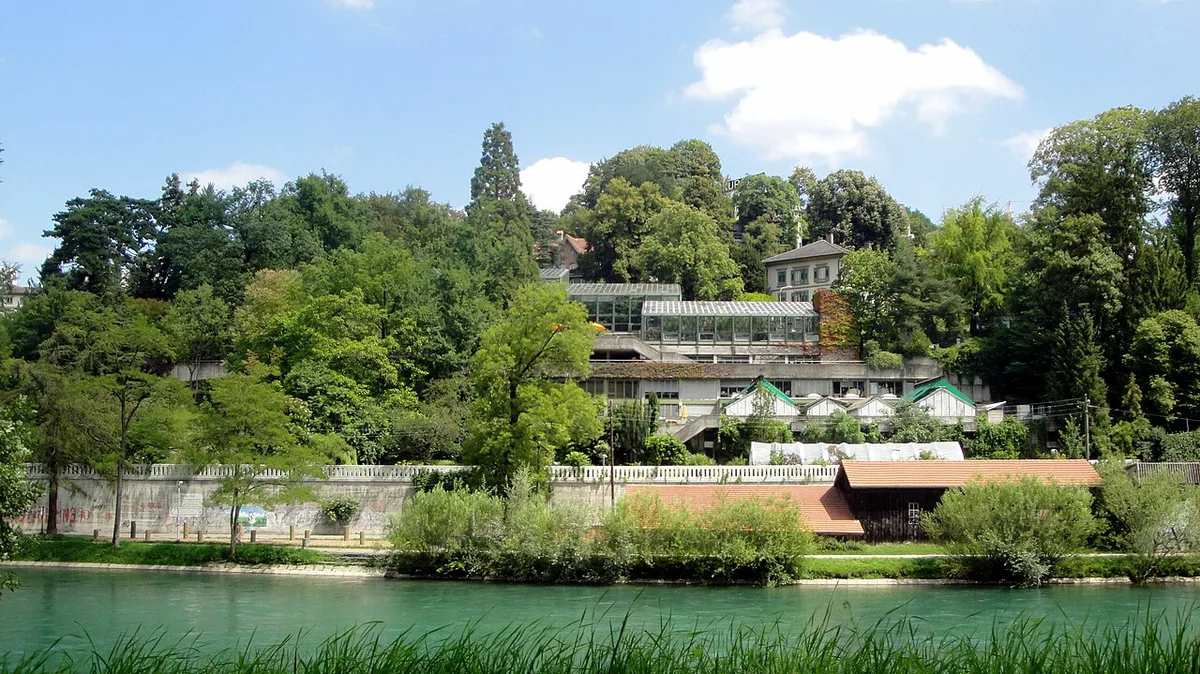
Aim for mid-October to early November. Northern and lowland spots such as Zurich and the Jura peak first, usually mid- to late October. Ticino and Upper Valais often peak later, from late October into early November. Colour timing shifts each year with weather and altitude, so these dates are typical rather than guaranteed. Check Switzerland Tourism's autumn pages and local tourism offices a few weeks before you travel.
When the colours peak, by region and altitude
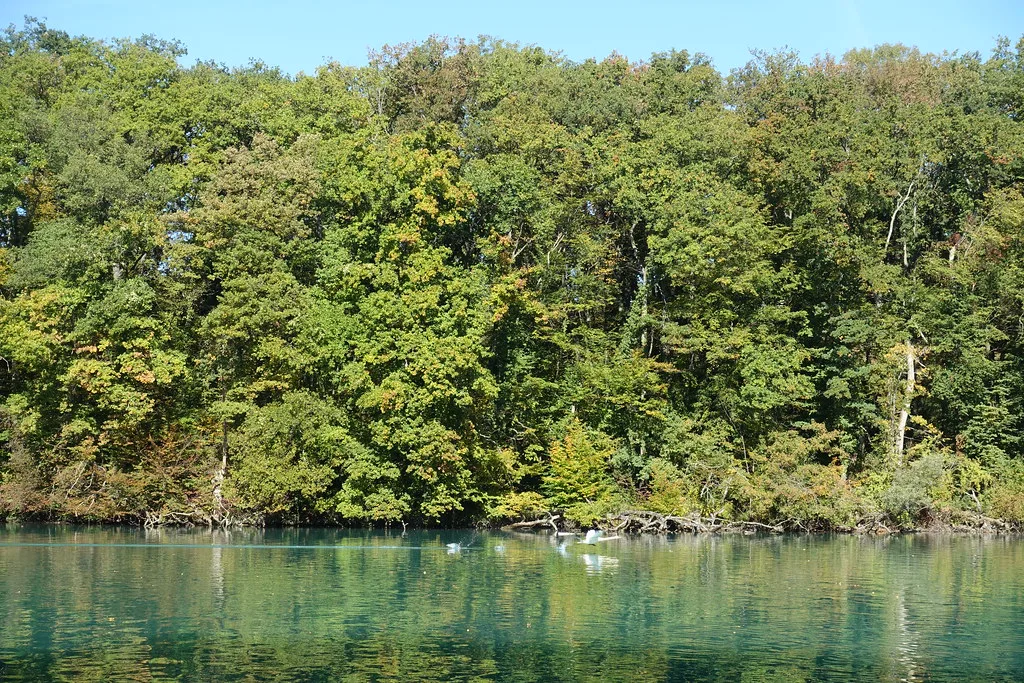
Altitude and latitude set the order. Lowland beech, maple and vineyard colour comes first, while high larch forests turn gold on their own schedule. Southern valleys hold green longest. On a typical late-October day, expect highs near 12°C (54°F) around Zurich and about 15°C (59°F) in Ticino. Mornings above the tree line can sit near 2°C (36°F), so pack layers. Hotel rates also swing with the season. As a rough planning assumption rather than a quoted rate, a mid-range double might run about CHF 150 a night in October against CHF 250 or more in peak winter-sports weeks.
| Region | Typical window | Main colour source | Access | Effort |
|---|---|---|---|---|
| Zurich and Üetliberg | Mid- to late October | Mixed forest | Local train, then walk | Easy to moderate |
| Lavaux, Lake Geneva | Mid- to late October | Vineyards | Rail, walking trail, seasonal tourist train | Easy |
| Three Lakes and Jura | Mid- to late October | Maples | Funicular, hiking paths | Moderate |
| Aargau Jurapark | Mid-October | Beech forest | Rail plus walking | Moderate |
| Engadine (Scuol, Lake Sils) | Mid-October onward | Larches | Bus, rail, lakeside walks | Easy to hard |
| Zermatt and Riffelalp | From mid-October | Larches | Mountain train, then path | Moderate |
| Aletsch and Riederalp | Late October to early November | Larches | Cable car, car-free village | Moderate |
| Ticino and Ascona | Late October | Mixed forest | Lake promenade, forest trail | Easy to moderate |
Best places by colour type
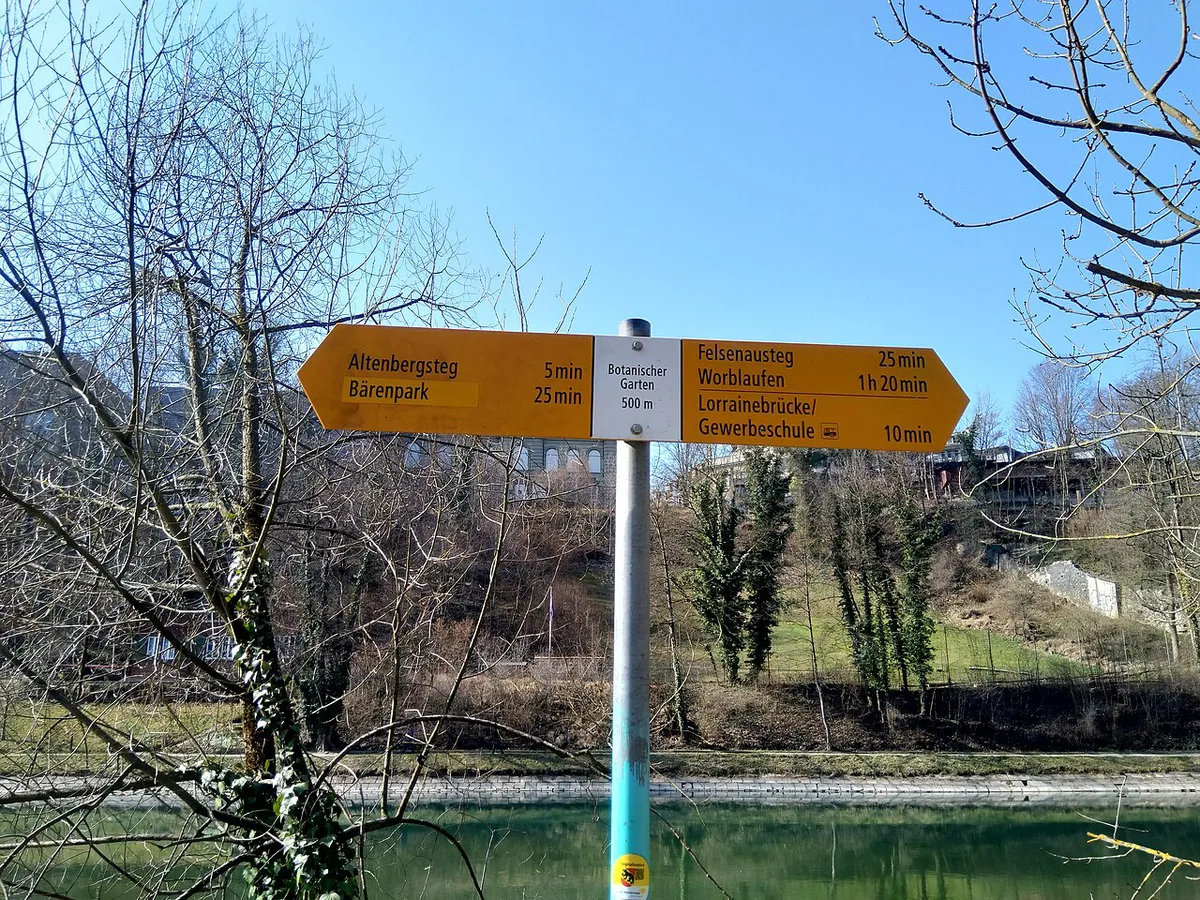
Larch gold and vineyard gold behave differently, so pick by what you want to see. Larches are conifers that turn yellow before dropping their needles. You find them in Engadine, around Aletsch, near Zermatt and at Alp Balavaux above Haute-Nendaz, where some trees are reported to reach 800 years old. Vineyards at Lavaux blaze gold in rows along the slope. Beech forests in the Aargau Jurapark turn yellow, while sycamore maples in the Three Lakes area show red and orange.
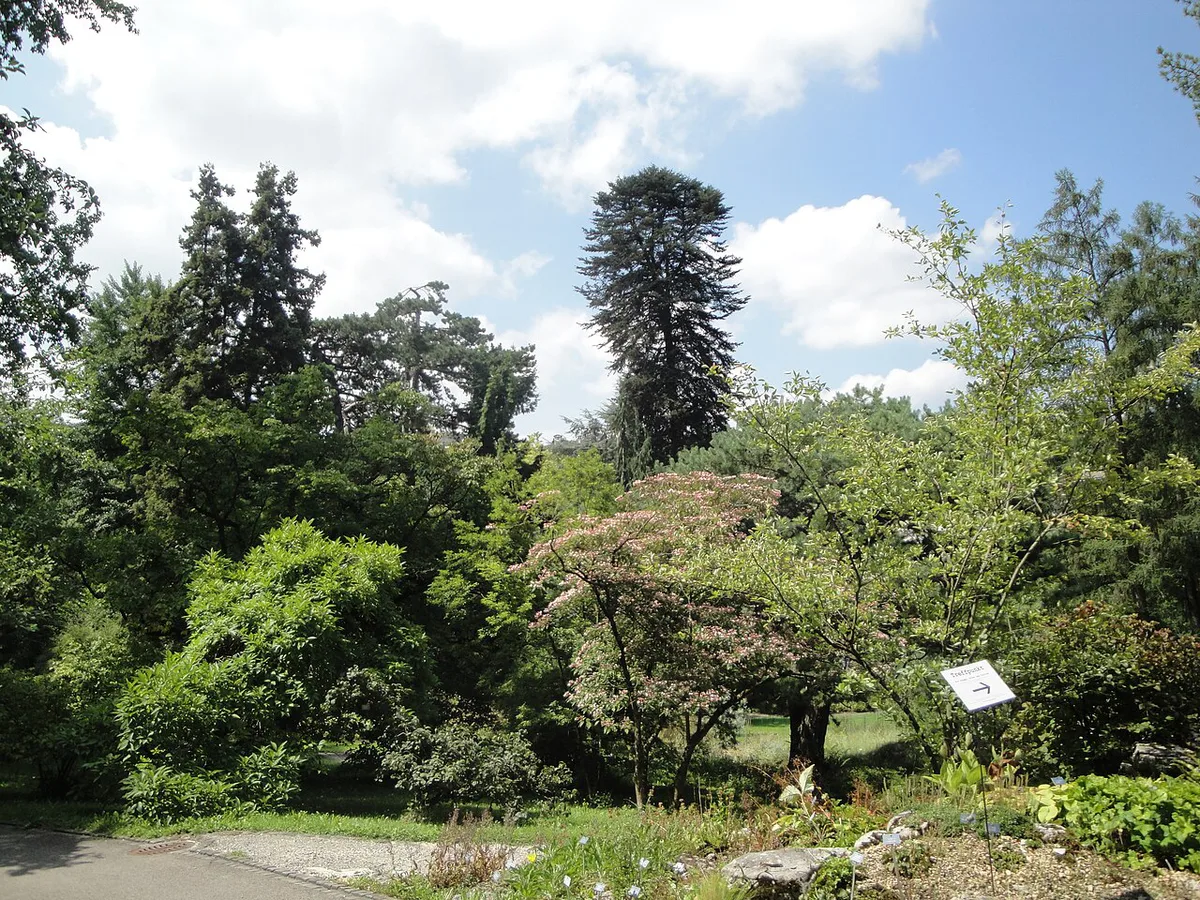
- Larches: Scuol, Lake Sils, Riffelalp, Aletsch Forest, Alp Balavaux.
- Vineyards: Lavaux, and the slopes above Lake Thun near Spiez.
- Beech and mixed forest: Aargau Jurapark, Bütschelegg, Üetliberg.
- Maples: Vue des Alpes and Chaumont in the Jura and Three Lakes region.
Easy rail, boat and low-effort options
Lavaux runs for 30 km (about 19 miles) along the northern shore of Lake Geneva between Lausanne and Montreux. The Terrasses de Lavaux trail from St. Saphorin to Lutry is an easy walk through the vines. The Lavaux Express train runs through late October, so check its timetable before you plan a day around it. Near the French border, our guide to autumn colour in France covers the next stop on a longer trip. On Lake Thun, a boat loop from Interlaken takes about two hours and passes castles and villages. Zurich is the base city for Üetliberg, where the Planet Trail toward Felsenegg takes about two hours on foot. At Rhine Falls, walk the river toward Rheinau for forest colour and the baroque monastery. Best for: no-car travellers who want views without a hike.
Higher and later: Engadine, Zermatt, Aletsch, Valais
Scuol is the base for larch hillsides, and a short bus ride leads to Tarasp and its castle. Book Tarasp Castle tours online in advance. At Lake Sils, a gentle lakeside walk shows yellow larches, while the Maloja to Soglio trail is a harder panoramic hike. In Zermatt, the Gornergrat train takes about 15 minutes to Riffelalp. From there a path toward Sunnegga passes three small lakes. Some Zermatt-area trains stop around mid-October, so go early or check the operator timetable. Riederalp is car-free and gives access to Aletsch Forest, where peak colour can wait until early November. Near Sion, Haute-Nendaz is the start of the cable car toward Tracouet, with a walk down to Alp Balavaux. Lifts and cable cars may close for the season, so build the day around a confirmed timetable.
Gornergrat train takes about 15 minutes to Riffelalp, yet Zermatt-area services can stop around mid-October, so check timetables before counting on that short ride.
Southern Switzerland and Ticino
Ascona sits on Lake Maggiore, in the Italian-speaking south, and is among the later places to turn. Leaves there usually do not change until late October. A forest trail climbs from the lake promenade to Monte Verità with views of the water and the colour. For a wider Lake Maggiore trip, see our guide to autumn colour in Italy. Pair Ticino with an earlier stop in the north, then travel south as the season advances.
How to plan: transport, a base and closures
Use one base per region rather than moving daily. Zurich suits the northeast, Interlaken suits Lake Thun, and Zermatt or Riederalp suit Valais. Bern itself has little foliage, but Bütschelegg, about 12 miles south, has forest trails with views toward Lake Thun. Three sample combinations work well: Lake Geneva with Valais, Zurich with the northeast, and Ticino with Graubünden. Autumn is shoulder season, so lifts, cogwheel trains, boats and cable cars may run reduced timetables or stop. Check the SBB, BLS or local operator timetable for each leg, and compare the cost of a Swiss Travel Pass against point-to-point tickets. Hotels and mountain transport cost less than in winter, but remain at the costly end for Europe.
Mistakes to avoid
Most disappointing trips come from timing and closures, not from the landscape.
- Booking the south too early. Ticino and Upper Valais colour comes later than the north.
- Booking the Alps too late. Some Zermatt-area trains stop around mid-October.
- Assuming a city has foliage. Bern has little, while Bütschelegg has the colour.
- Relying on lifts or boats that have closed for the season.
Pairing Switzerland with other autumn trips
Swiss colour pairs well with a Rhine-side stop; start with our guide to autumn colour in Germany. For canals and city parks, see autumn colour in the Netherlands. Garden lovers can browse the best European autumn gardens. Late-season flowers are covered in our dahlia garden guide. Britain's best-known option is the Westonbirt Arboretum: When to Go and Visit Plan.
Frequently Asked Questions
What are the best places to visit in Switzerland in autumn?
Lavaux, Lake Thun, Zurich's Üetliberg and Rhine Falls suit rail and easy walks. Engadine, Zermatt and Aletsch offer larch gold for hikers. Ascona gives late colour in the south.
Where is the best place to see autumn colour in Switzerland?
For larches, head to Engadine, Riffelalp or Aletsch Forest. For vineyards, choose Lavaux. Your choice depends on timing, since the north peaks earlier than the south.
Can you see autumn colours in Switzerland by train?
Yes. Lavaux and Lake Thun suit rail and boat, and the Gornergrat train reaches Riffelalp near Zermatt. Check operator timetables first, because some services stop in mid- to late October.
Bloom-season notes
Optional updates when we add or revise garden guides.
Continue reading
Guides on the same trip