Dahlia Gardens in Europe: Where and When to See Them
Plan a dahlia garden visit in Europe: when displays peak, how to choose a garden, and how to pair it with autumn colour on one trip.
Last updated November 2026. A dahlia garden visit in Europe works best as a late-summer or autumn trip, with the strongest displays usually running from July into September. Start with the venues below, check each garden's own planting notes, and treat the first frost as the end date. Pair the trip with foliage using our Europe's autumn garden guide.
Featured image: BRPever, CC BY-SA 4.0, via Wikimedia Commons.

Where to find a dahlia garden in Europe
No single place is called the dahlia garden, so the choice is a shortlist of estates and botanic gardens. Great Dixter in England is the first stop to check, because its own site lists seasonal garden news. RHS Wisley in England and Parc de la Tête d'Or in Lyon, France, are the other names to look up for late-season beds. Planten un Blomen in Hamburg, Germany, is a city-park option, and its official page is where to confirm what is planted.
- Great Dixter, England: a house-and-garden estate with mixed borders.
- RHS Wisley, England: a large horticultural garden with seasonal beds.
- Parc de la Tête d'Or, Lyon, France: a city botanic park.
- Planten un Blomen, Hamburg, Germany: a central park with themed gardens.
Insel Mainau's dahlia garden on Lake Constance
For scale, the island of Mainau in Lake Constance, Germany, is the obvious addition to the shortlist above. Its dahlia garden page describes around 12,000 dahlias on the island's southern slope, and the island's attractions page gives the area as about 2,400 square metres. The beds are planted once the spring display ends in mid-June, so the dahlias carry the garden from late summer into autumn. They are arranged from small mignon dahlias up to varieties that reach 2 metres. The island also runs a long-standing dahlia vote, now past its 75th anniversary, and sells tubers of varieties from the vote for home gardens. Mainau's flowering calendar lists August and September as the dahlia months, so those are the weeks to aim for.
When dahlias peak, and why it varies
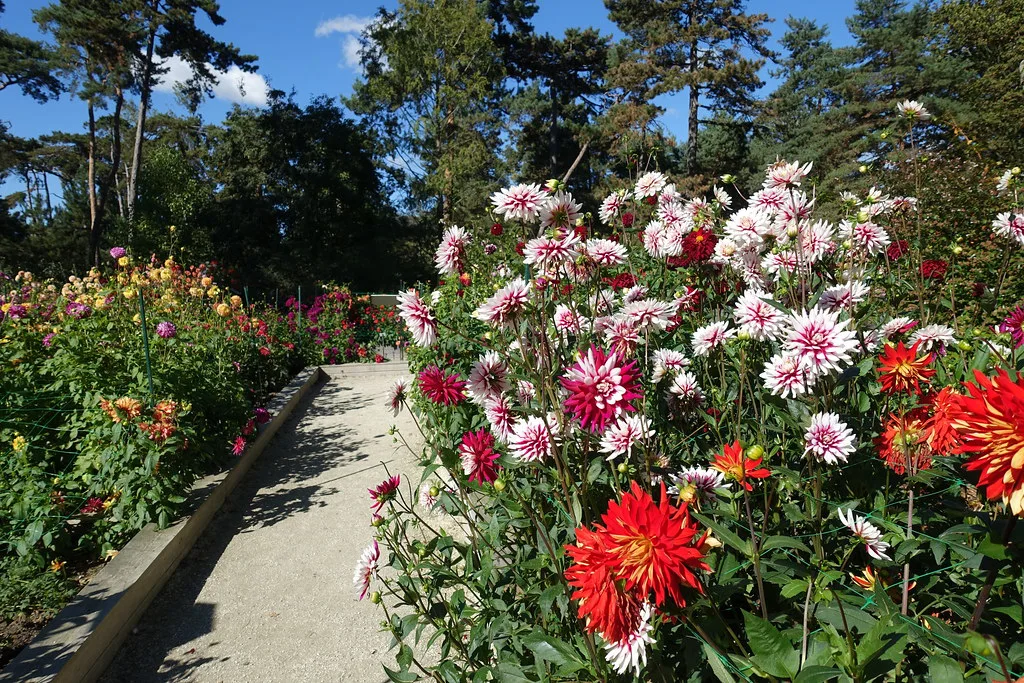
Grower sources put dahlia season at July to September, with the height in September. Each garden's planting plan and microclimate shifts that window, so use the garden's own bloom notes rather than a general date. Frost blackens the foliage and ends the display, which makes an early cold snap the main risk for a late trip. Because it is late November, treat all of this as planning for next season. For foliage timing in the same weeks, see autumn colours across England.
How to choose a dahlia garden
Choose by the kind of visit you want, not by the flower alone. Estates and city parks suit different travelers.
- Estate gardens (Great Dixter): best for mixed borders and a quiet walk. Skip if you want rows of show blooms.
- Large horticultural gardens (RHS Wisley): best for a full day with several seasonal areas. Skip if you only have two hours.
- City parks (Parc de la Tête d'Or, Planten un Blomen): easy by public transport and good for a half day. Skip if you want a rural setting.
- Foliage-led gardens: pair them with dahlias rather than relying on them for the display. Westonbirt's autumn trails are one example.
What the main dahlia forms look like
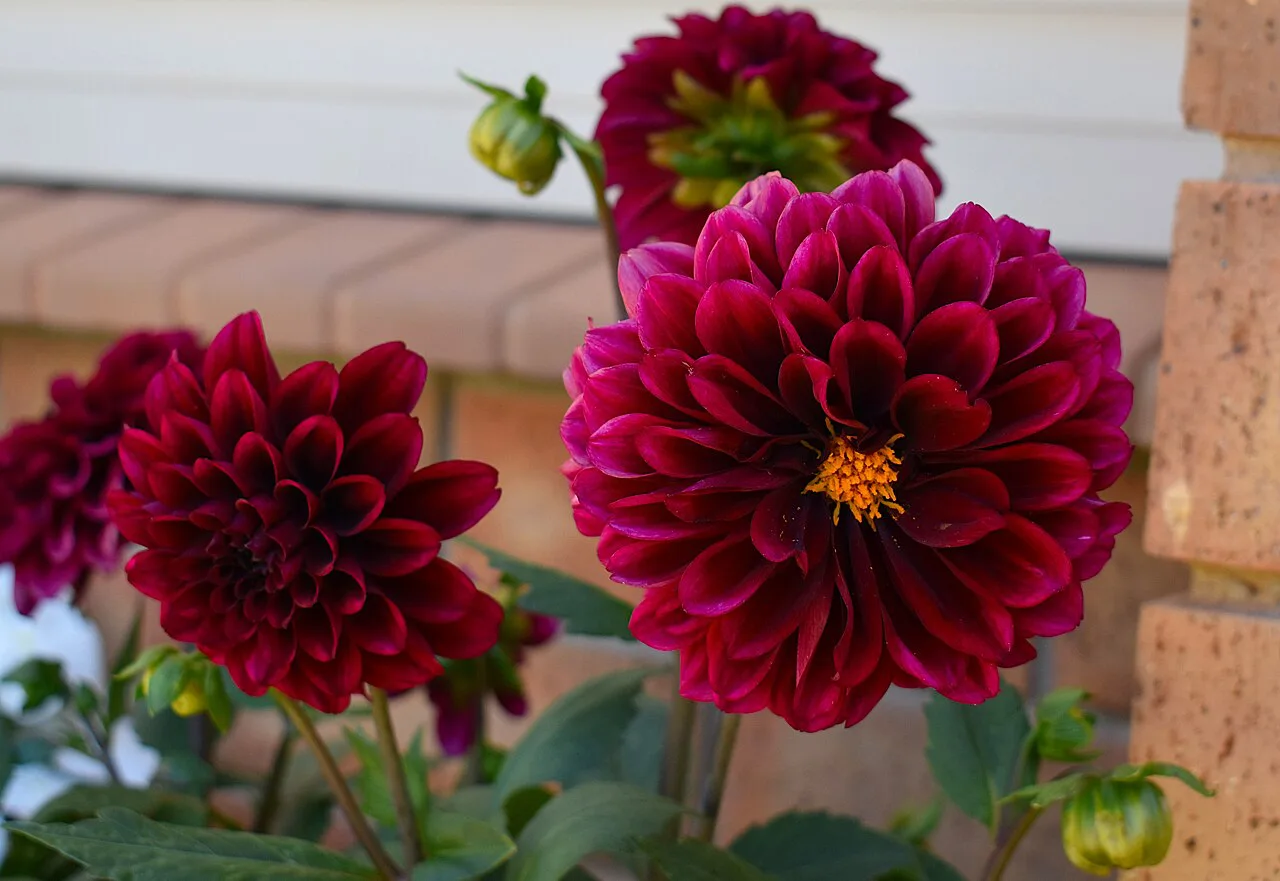
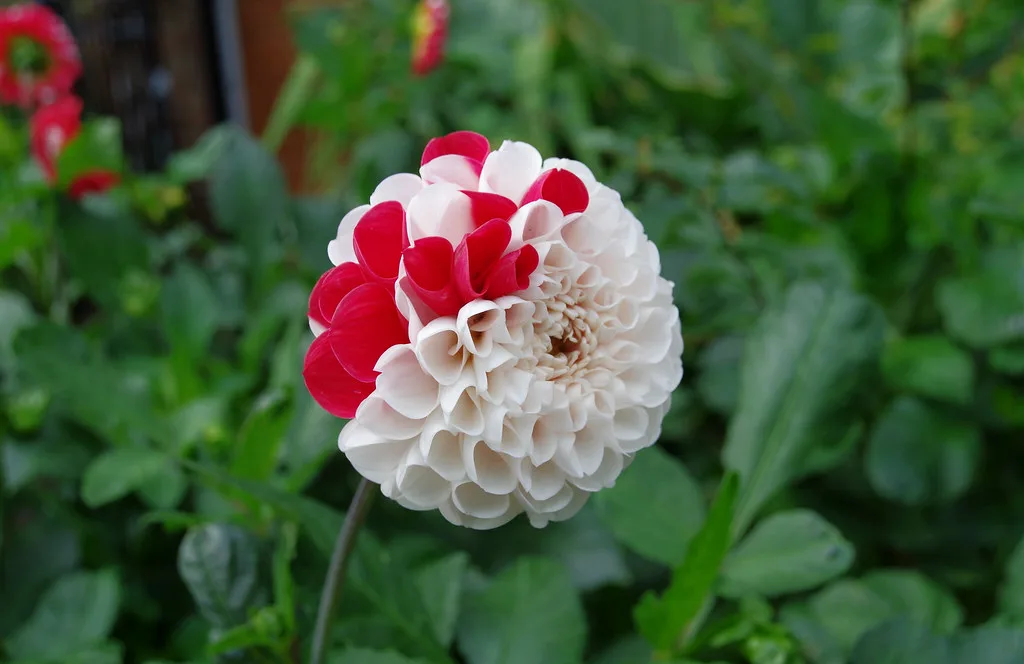
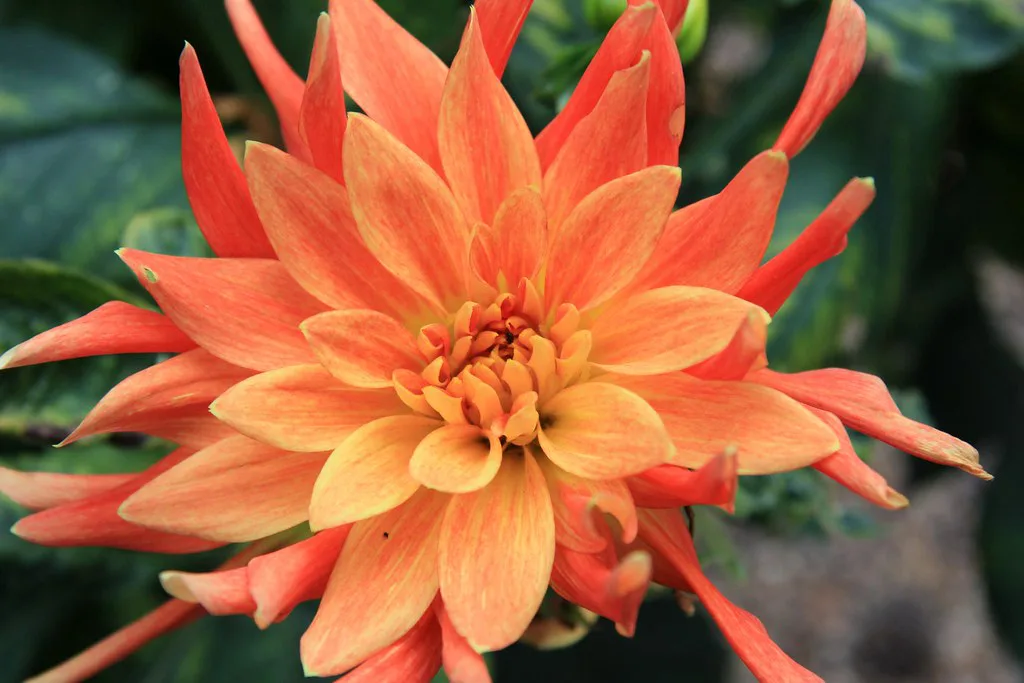
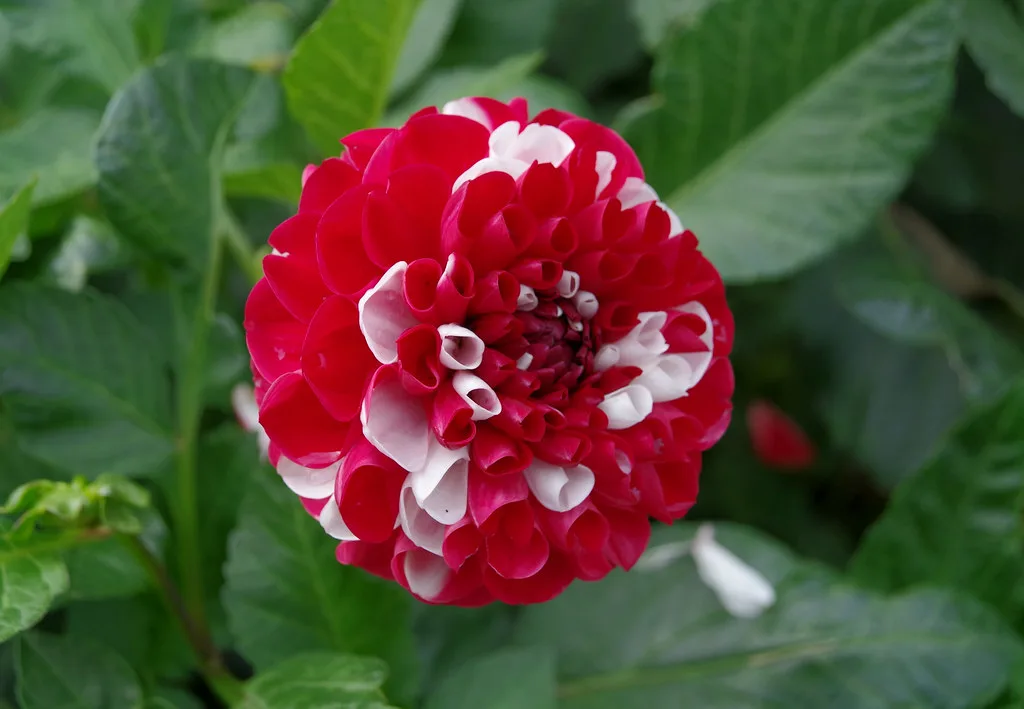
Four forms cover most of what you will photograph. Dinnerplate dahlias carry very large flat blooms. Pompons are tight, rounded balls. Cactus dahlias have narrow, spiky petals. Waterlily dahlias are smooth and layered. Dahlias reached European gardens in the 18th century, so many estates have grown them for a long time.
Taking dahlia ideas home: planting and tuber care
A visit often ends with the wish to grow a few of the varieties you saw. Dahlias are grown from tubers, and the timing follows the same frost that ends the garden displays.
Note the variety names. Most gardens label their beds or list the cultivars in a planting plan. Photograph the label next to each bloom you like, because the form names above (dinnerplate, pompon, cactus, waterlily) describe a shape, not a specific plant.
- Planting: tubers go out after the last spring frost, which in much of northern Europe means late April to May. Gardeners often start them indoors earlier.
- Flowering: plants usually bloom from mid-summer until the first frost, which matches the July to September visiting window.
- After frost: once frost blackens the foliage, gardeners in cold climates cut the stems back, lift the tubers, dry them and store them somewhere cool and frost-free. In milder spots some leave them in the ground under a thick mulch.
If you plan to bring tubers or plants back from another country, check the plant health and import rules for your own country first, because restrictions on carrying plant material across borders vary. Buying from the garden's own plant sale or a nursery in your home country avoids the problem.
Costs, tickets, and opening hours
Prices and hours differ by venue and season, so use each garden's official page. Look for timed entry versus walk-up, member versus single-visit pricing, and whether dahlia beds sit inside the paid area. Check the late-season hours too, because gardens often close earlier in autumn.
Getting there and building a trip
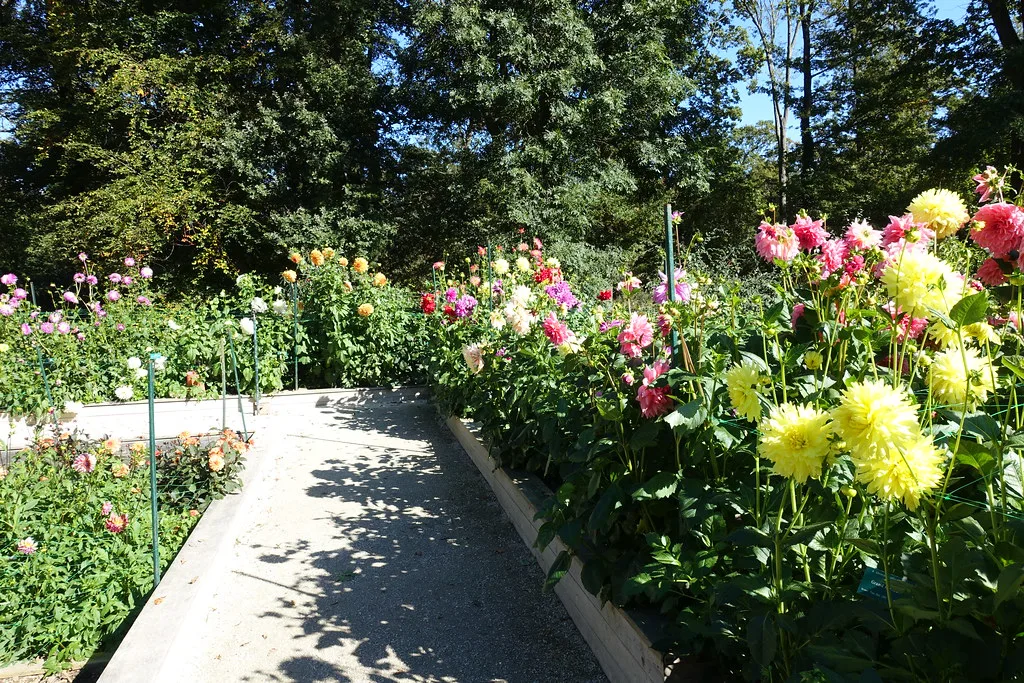
City gardens such as Planten un Blomen are the easiest to reach without a car. Rural estates add route friction, so allow a full day for them and a half day for a city park. Pair gardens by country to cut travel time. In England, Stourhead's autumn season and Kew in autumn fit the same trip. In Scotland, start with autumn colour in Scotland. For Germany and France, use Fall Foliage in Germany: Best Places and When to Go and Fall Foliage in France: Best Regions and When to Go.
Planten un Blomen in Hamburg is easy to reach without a car, and a city garden can work well in 2 hours.
Mistakes to avoid
Three mistakes cost the most.
- Arriving after the first frost, when the beds may already be cut back.
- Assuming a garden has a dahlia display without reading its own page.
- Skipping a weather margin at a rural estate, where paths can be wet.
A dahlia garden visit checklist
The usual season runs from July to September, but an early frost can end a display sooner than expected.
Match the visit length to the setting. A city garden can work well in 2 hours, especially when it is close to a railway station or other central sights. A rural estate needs more time for transport, wet paths, and the wider garden grounds. Allow a full day if the journey involves a car connection or a long walk from public transport.
Timed tickets may limit flexibility, while walk-up entry can depend on capacity. Also confirm whether the dahlia beds are inside the paid garden, since some public parks have different access rules from estate and horticultural gardens.
Bloom-season notes
Optional updates when we add or revise garden guides.
Continue reading
Guides on the same trip