Fall Foliage in Germany: Best Places and When to Go
Where to see fall foliage in Germany, when colour peaks by region, and how to get there. Compare the Black Forest, Bavaria, Brandenburg and city gardens.
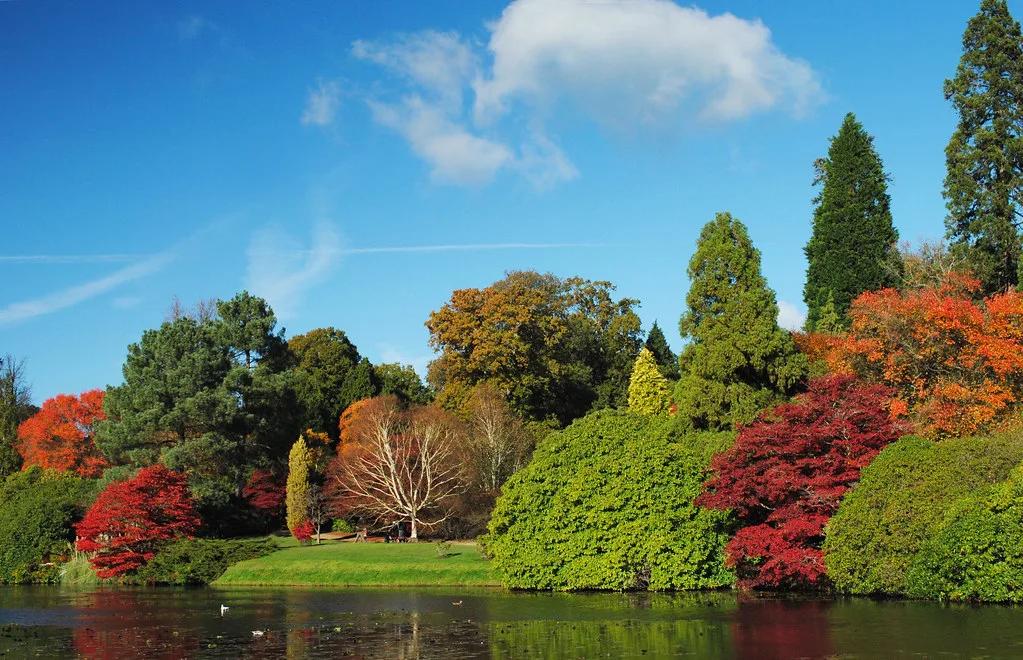
Last updated November 2026: fall foliage Germany trips work best when you match the region to your transport and your time. Colour comes mainly from beech, oak, maple and larch in forests, parks and vineyards, and peak is usually in October. Timing shifts by region and altitude, so use this guide to plan next autumn rather than to read current conditions.
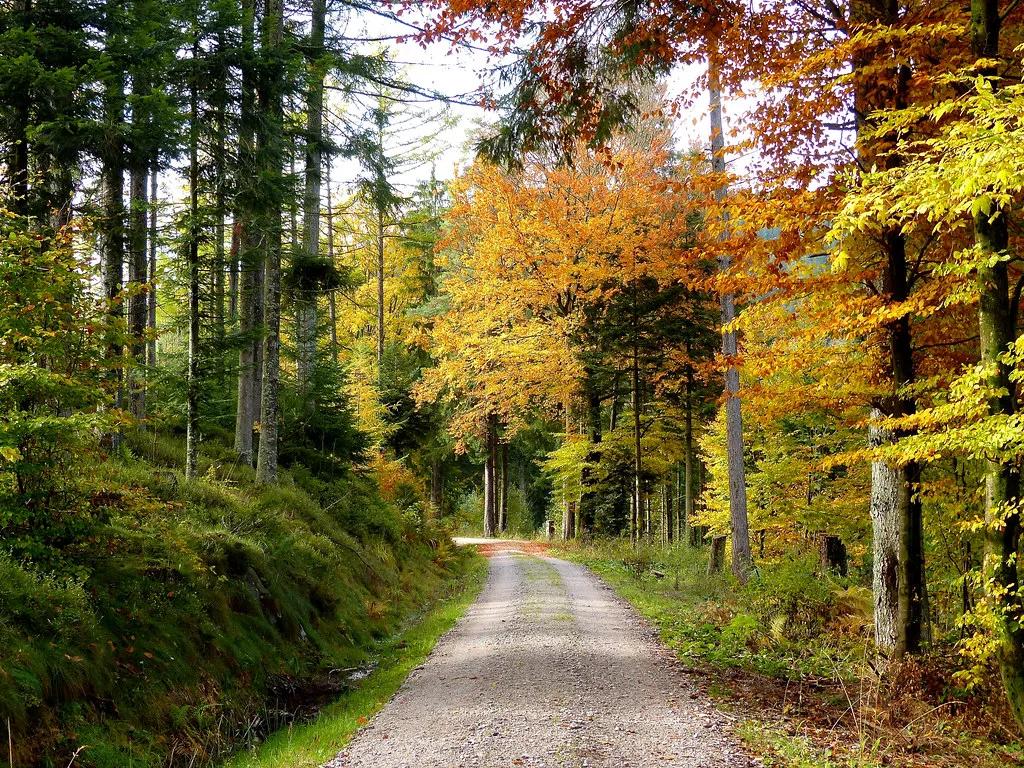
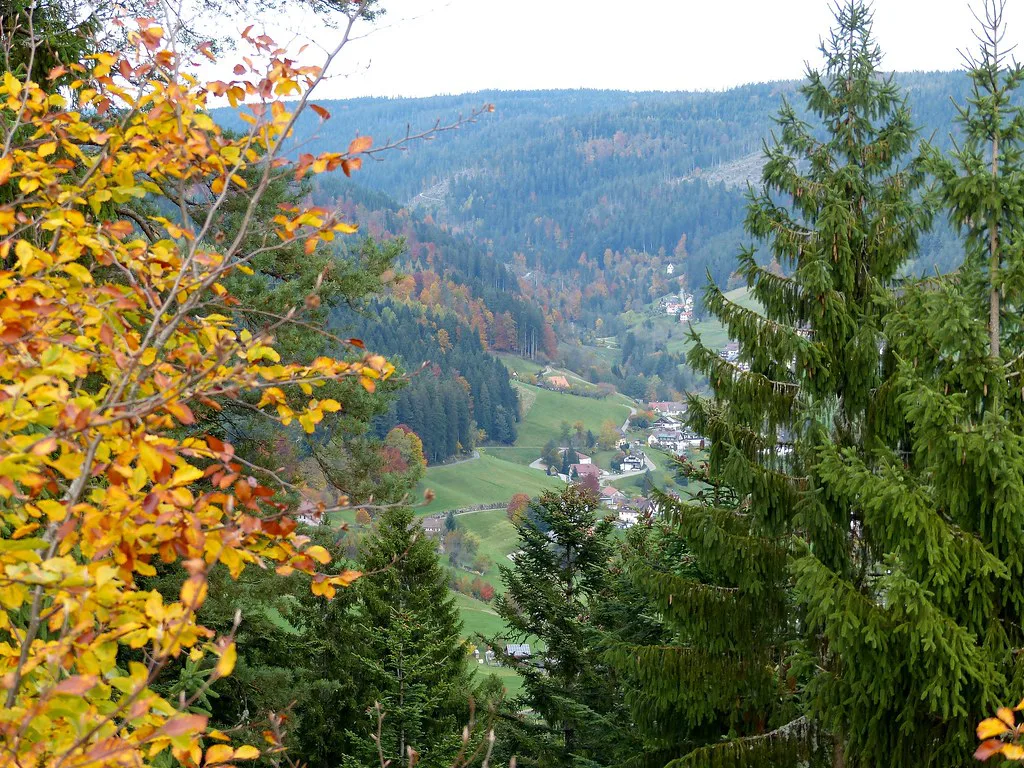
Featured image: *rb-photo*, CC BY 2.0, via Flickr.
Where to see fall foliage in Germany: the quick answer
Pick by colour type first. Forest colour suits drivers and hikers, while park and garden colour suits anyone staying in a city. Our editorial assessment of the main options is below, and regional timing varies by year.
| Region or place | Colour type | Best for | Access | Trade-off |
|---|---|---|---|---|
| Black Forest | Beech and mixed forest | Hiking and scenic drives | Car is easiest | Short days limit hikes |
| Füssen and Lechfall, Bavaria | Alpine foothills and river gorge | Photography | Rail to Füssen, then walking | Weather can turn rainy |
| Brandenburg and Spreewald | Lowland woods and wetlands | Quiet day out from Berlin | Car or regional rail | Some boat services run less in autumn |
| Bergpark Wilhelmshöhe, Kassel | Large hillside park | Car-free city break | City rail plus local transport | Hilly paths in wet weather |
| Schlosspark Nymphenburg and English Garden, Munich | City parks | Rain-day flexibility | Within the city | Busy on dry weekends |
When autumn colour peaks in Germany
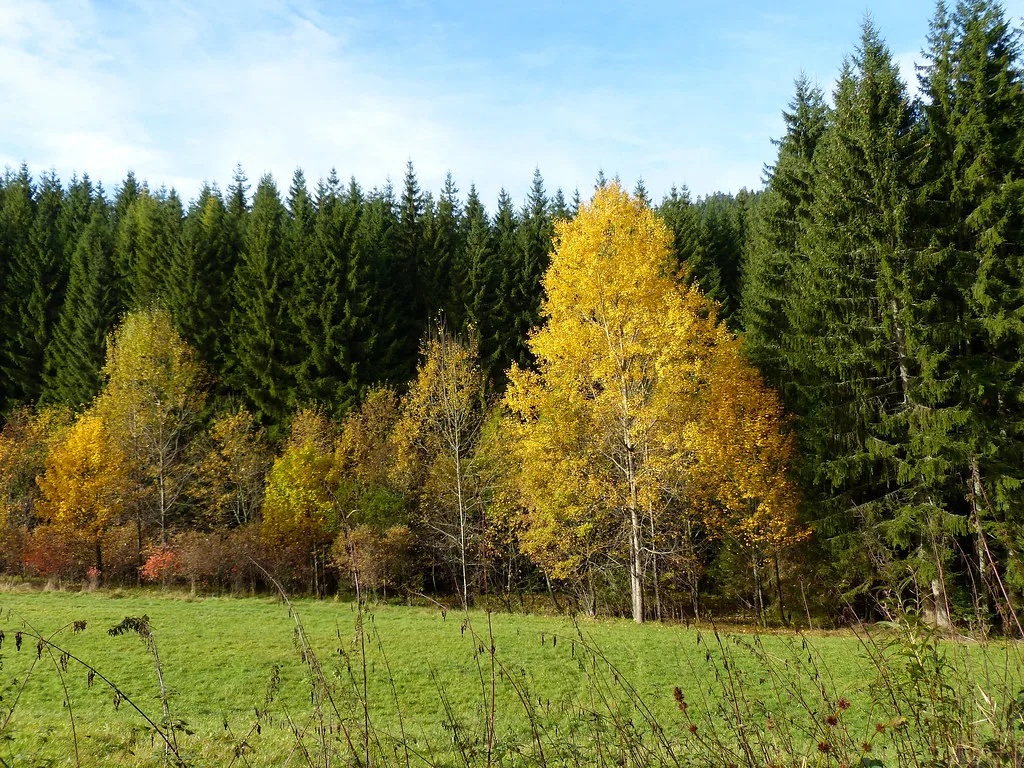
Peak is usually in October, but altitude and latitude move the date. Higher and more northern areas turn first, so uplands such as the Black Forest ridges often colour before low-lying city parks. Warm spells, early frost and storms shift the schedule each year. In the uplands, typical October daytime highs sit near 12°C (54°F), with nights near 3°C (37°F). Lowland cities are milder, often around 15°C (59°F) by day. Check the Deutscher Wetterdienst seasonal outlook and regional tourism boards in late September before you book.
Best regions and places for autumn colour
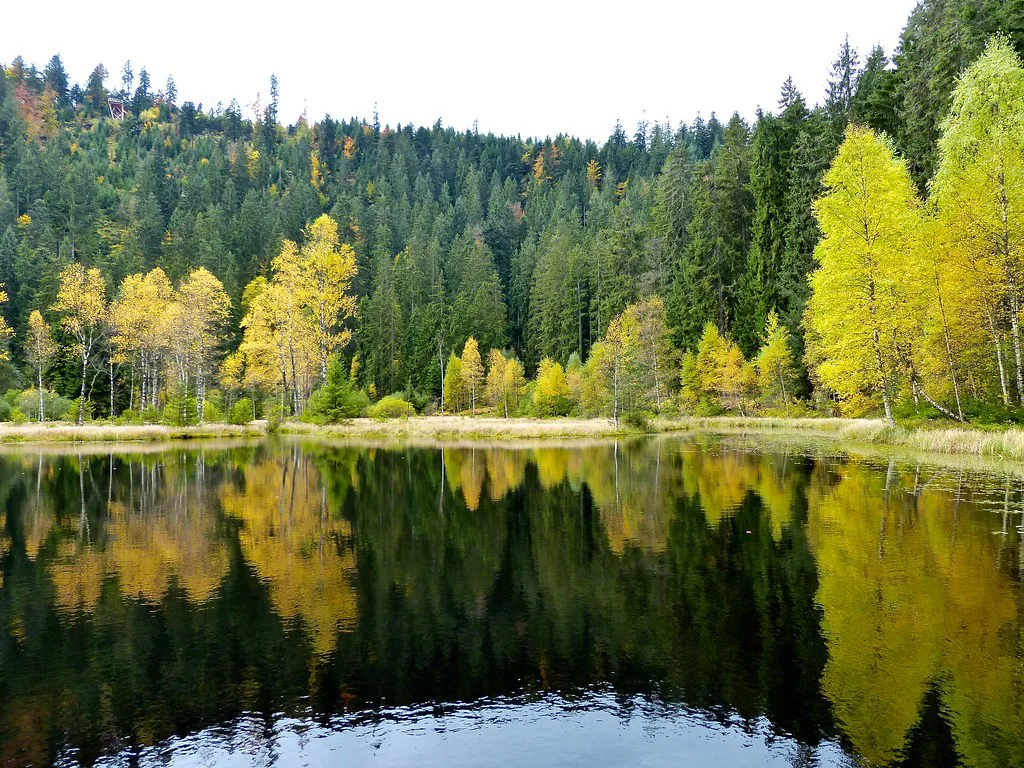
Each place below gets a one-line verdict. Names come from well-known autumn locations, so confirm trail and garden status on official sites.
- Black Forest: best for beech-forest hikes and drives. Skip it if you have no car and only one day.
- Füssen and the Lechfall, Bavaria: best for Alpine-foothill photography. Skip it if heavy rain is forecast, since the viewpoints lose their appeal.
- Brandenburg and Spreewald: best for a lowland day trip from Berlin. Skip it if you rely on boat tours, because seasonal boat schedules are reduced.
- Bergpark Wilhelmshöhe, Kassel: best for a large hillside park with long views. Skip it if you dislike steep paths.
- Schlosspark Nymphenburg and the English Garden (Englischer Garten), Munich: best for easy park colour in a big city. Skip them if you want remote forest.
- Dessau-Wörlitz Garden Realm: best for a garden-focused trip. Read the Dessau-Wörlitz Garden Realm site for current visiting details.
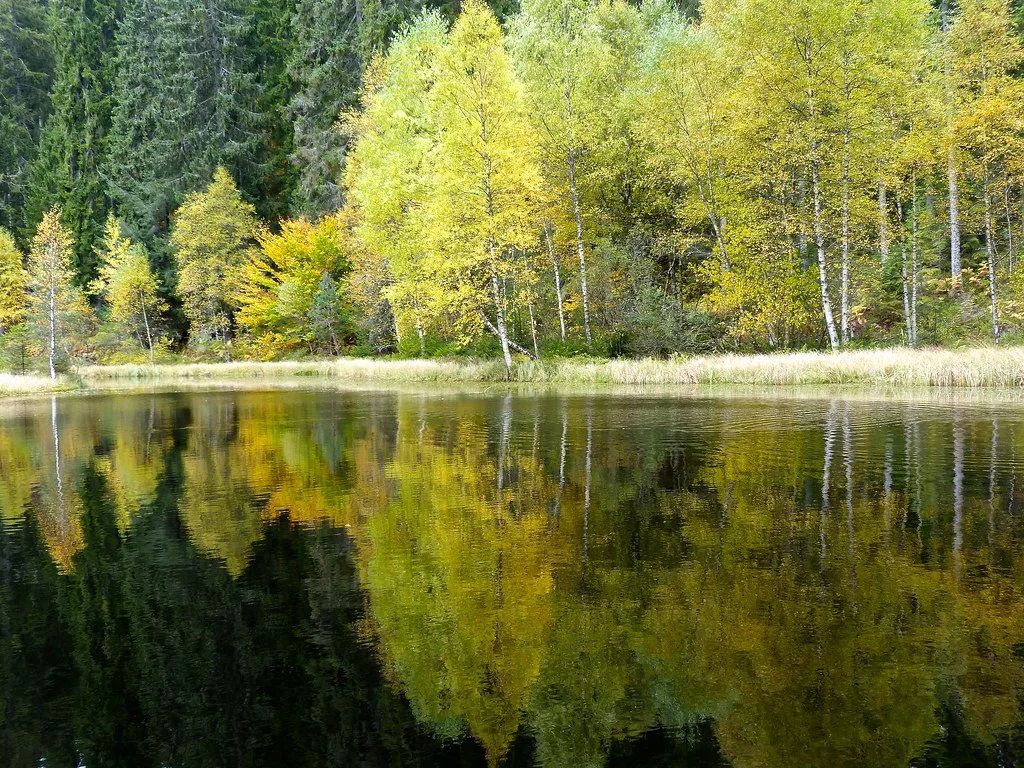
Choosing by trip type
Car-free travellers should combine a city with a park. Munich pairs two parks inside one city, and Kassel centres on the Bergpark. Drivers get the widest choice in the Black Forest and Bavaria. Hikers should plan routes of a few hours, because daylight is short. Photographers should aim for low morning or late-afternoon light and keep an indoor backup. For a wider view of parks and gardens across the continent, see Autumn Colours in Europe: Best Gardens, Parks and Timing. A multi-country route can add Swiss autumn colour next door.
Logistics: getting around, tickets and seasonal closures
Rail reaches Munich, Kassel and Füssen, and Deutsche Bahn publishes timetables and fares. Rural bus services thin out in autumn, so check regional operators before you plan a forest day without a car. City parks such as Nymphenburg and the English Garden are easy to reach on local transport. Boats, cable cars and some garden buildings often cut hours after the summer season. No single figure is reliable across venues, so confirm entry fees and opening hours on each official site. As a rough planning benchmark in our editorial assessment, a mid-range hotel near Munich might run about €110 a night in early September versus €180 or more during October holiday weeks. Treat these as budgeting assumptions, not quoted rates. School and public holidays push demand up, so compare dates against official calendars.
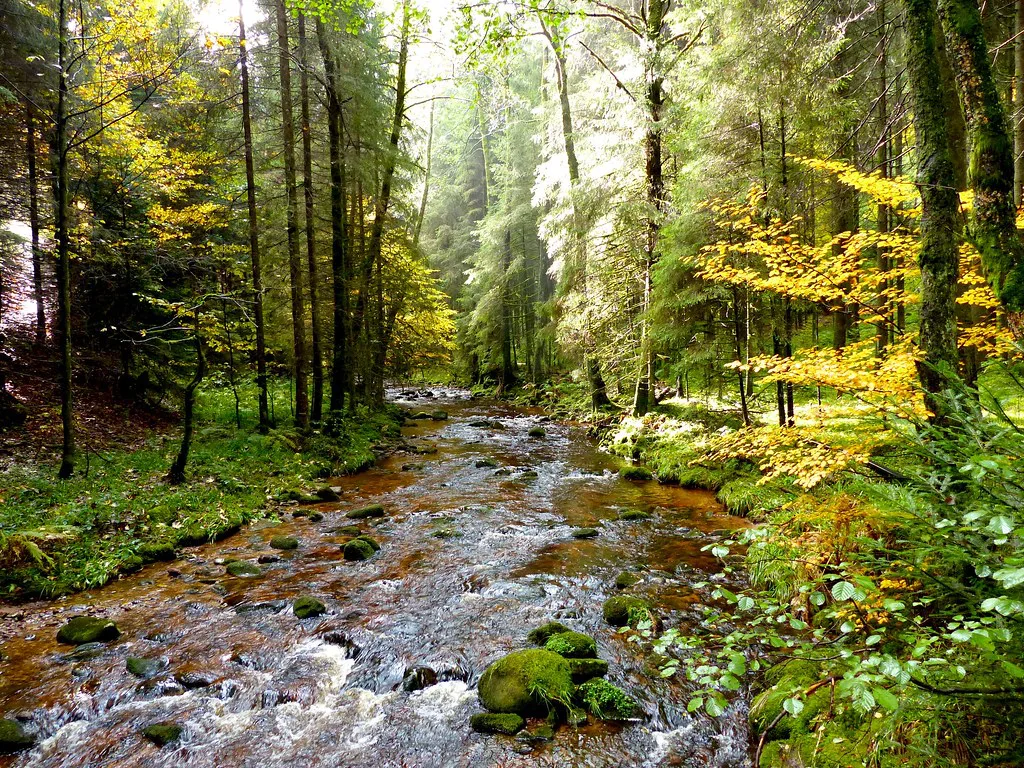
Weather, daylight and packing
Autumn can be rainy, and days shorten quickly through October. Plan the main outdoor stop for the middle of the day and keep a museum or garden as a rain plan. Early-October highs of 18°C (64°F) are possible in milder areas, while higher ground can feel much colder. Pack layers, a waterproof jacket and shoes with grip for wet leaves.
Mistakes to avoid
Arriving too early or too late is the most common error, so check regional timing rather than a single date. Relying on public transport in rural areas can strand you after early evening. Booking a seasonal attraction without checking its autumn schedule can leave you with a closed boat or lift. For a comparison with a neighbouring route, see French autumn colour.
Frequently Asked Questions
When is the best time to see fall foliage in Germany?
October is usually the best month. Higher and more northern areas turn earlier, so check regional tourism boards and the Deutscher Wetterdienst in late September.
Can you see fall foliage in Germany without a car?
Yes. Munich's Nymphenburg and English Garden parks and Kassel's Bergpark Wilhelmshöhe work well on local transport. Rural forests are harder without a car.
Bloom-season notes
Optional updates when we add or revise garden guides.
Continue reading
Guides on the same trip