Fall Foliage in France: Best Regions and When to Go
Where to see fall foliage in France: the best regions for autumn colour, when colour peaks, and how to get there without a car or with one.
Last updated November 2026. Fall foliage France is best in Alsace and the Vosges, Burgundy, the Loire Valley and the Alps around Annecy. Colour peaks earlier in the north, the east and at altitude, and later in the south and on the coast. This guide ranks each region by colour and by how hard it is to reach.
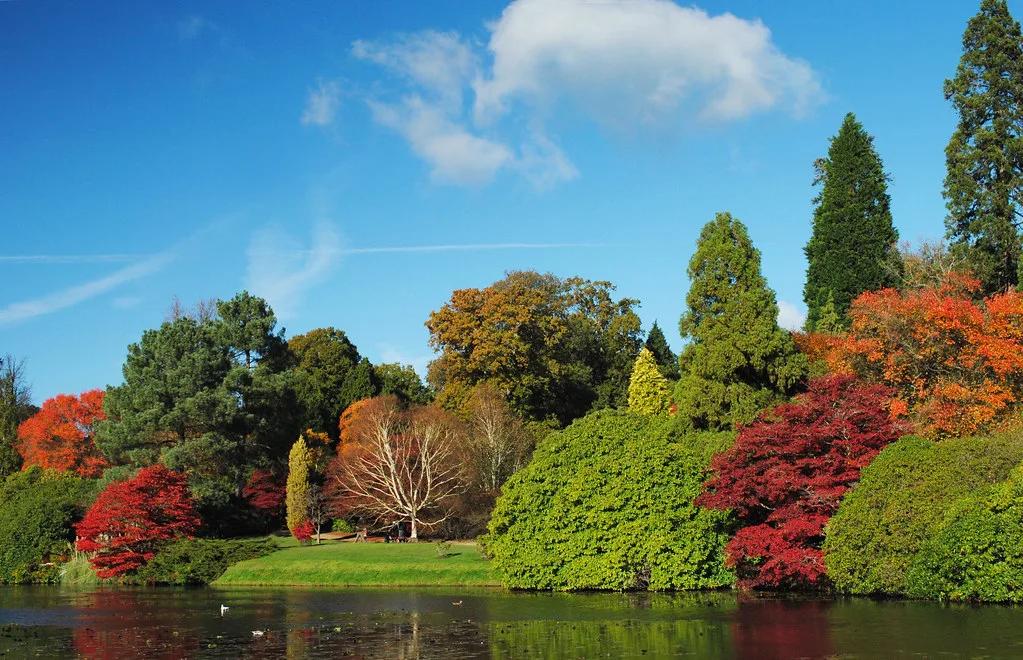
Featured image: Dinkum, CC0, via Wikimedia Commons.
Where to See Fall Foliage in France: The Short Answer
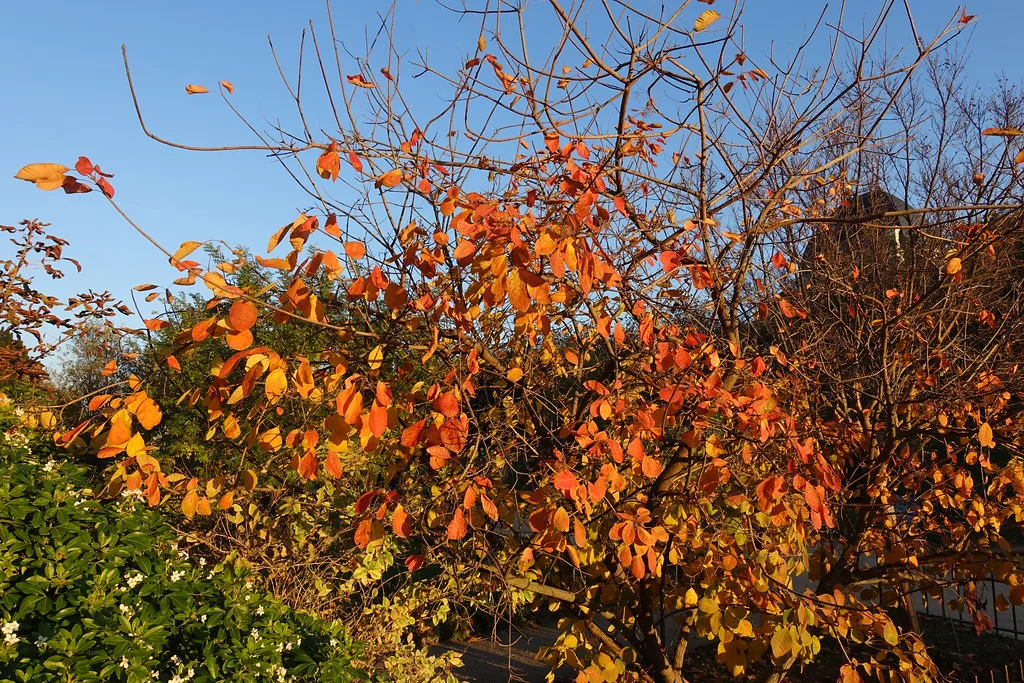
Choose by the kind of colour you want. Vineyards turn in Alsace and Burgundy, forests turn in the Vosges, Jura and Alps, and park trees turn in Paris and Lyon. A first-time visitor with 3 to 7 days should pick one region and one base town. Splitting a short trip across four regions means more time on trains than among trees.
- Vineyard colour: Alsace wine route, Côte d'Or in Burgundy
- Forest and mountain colour: Vosges, Jura, French Alps and Annecy
- Garden and château colour: Loire Valley, Arboretum des Barres in Loiret
- Low-effort city colour: Paris and Lyon parks and tree-lined avenues
Best Regions for Autumn Colour, Compared
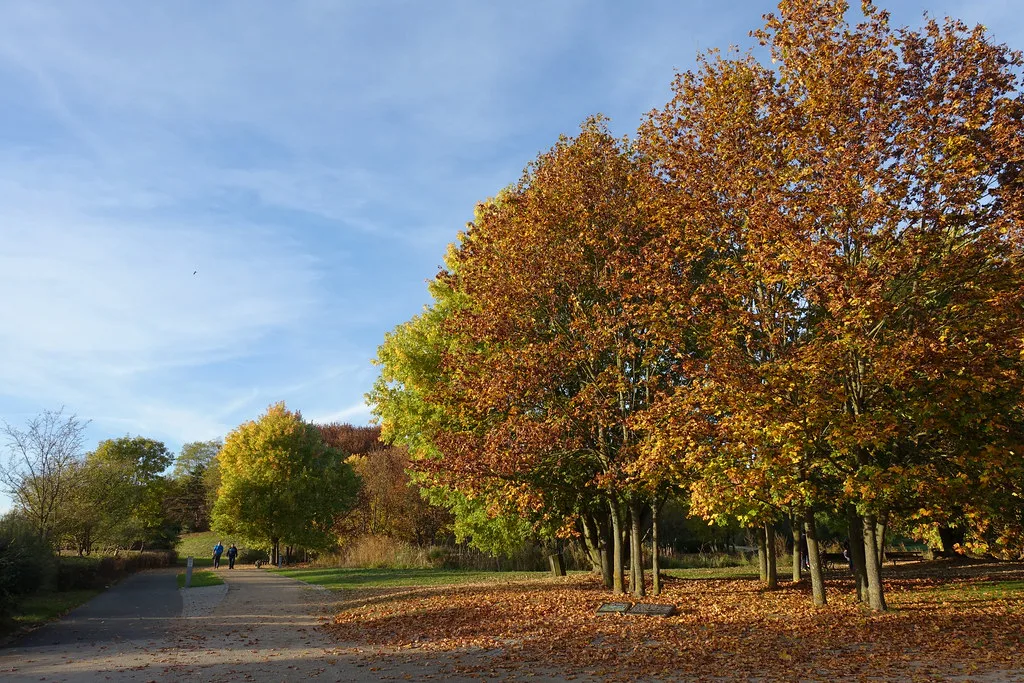
Use this table to match a region to your travel style. Timing shifts each year, so treat the colour column as the type of scenery rather than a date.
| Region | Typical colour | Best-fit traveller | Car needed? | Base town |
|---|---|---|---|---|
| Alsace and Vosges | Vineyards plus beech and oak forest | Wine-route walkers, first-timers | Helpful for vineyards; regional trains reach villages | Colmar or Strasbourg |
| Loire Valley | Château parks and garden trees | Garden and history lovers | Not essential near rail towns | Tours, Blois or Amboise |
| Burgundy | Vineyards on the Côte d'Or | Wine drinkers, cyclists | Bike hire or car | Dijon |
| French Alps and Annecy | Larch, lake and mountain slopes | Hikers and photographers | Helpful beyond the lake | Annecy |
| Jura, Dordogne, Ardèche | Quiet forest and valley colour | Repeat visitors who want space | Yes; the Ardèche has no train station | Local market town |
| Paris and Lyon | Park trees and avenues | Short city breaks | No | Paris or Lyon |
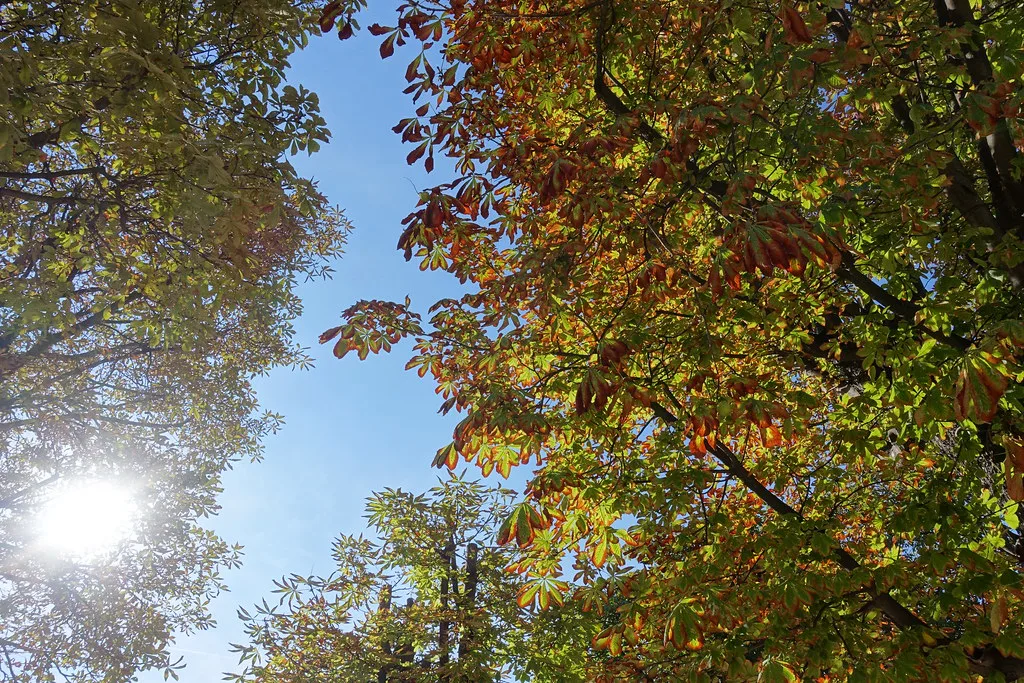
Alsace, the Vosges and the Border Regions
Alsace gives the most colour for the least effort. Regional trains run from Strasbourg and Colmar to wine villages, while the vineyards themselves suit a car or a bike. Harvest weekends bring crowds, so book early. Across the Rhine, the Black Forest side is covered in our German foliage guide. For larch and lake scenery near the Swiss border, see autumn colour in Switzerland. Italian valleys on the far side of the Alps are covered in our Italy foliage guide.
When Does the Colour Peak?
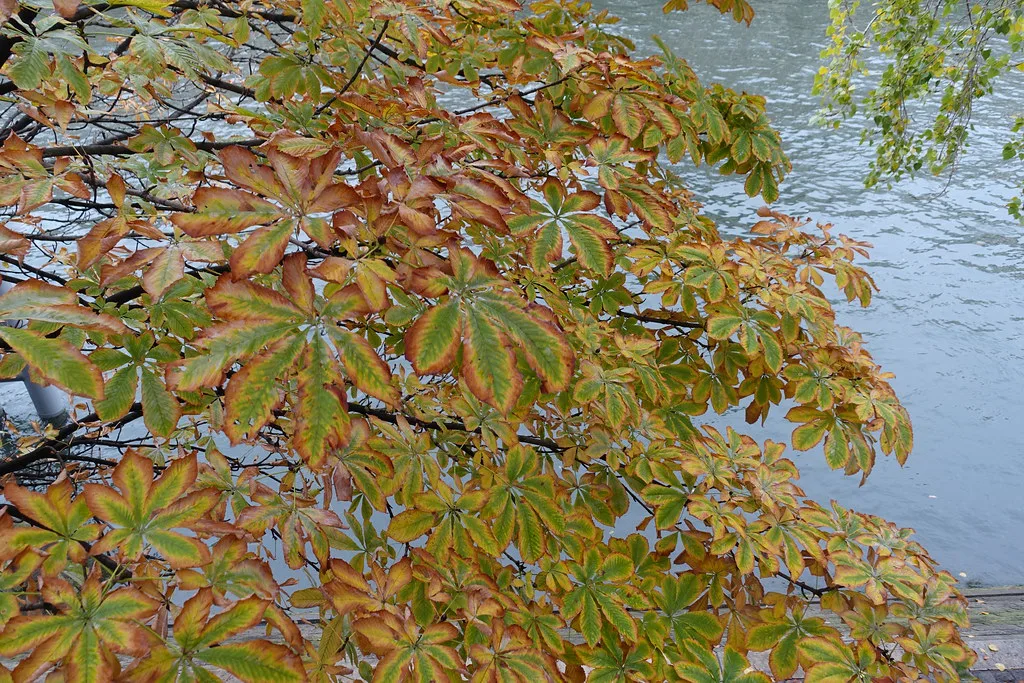
No single date works for the whole country. Altitude and latitude drive the timing, so follow the colour south and downhill as autumn advances. Météo-France publishes seasonal outlooks, and regional tourism boards post current conditions. Check them a week before you travel. Warm, dry spells delay colour, and early frost or storms can strip leaves fast.
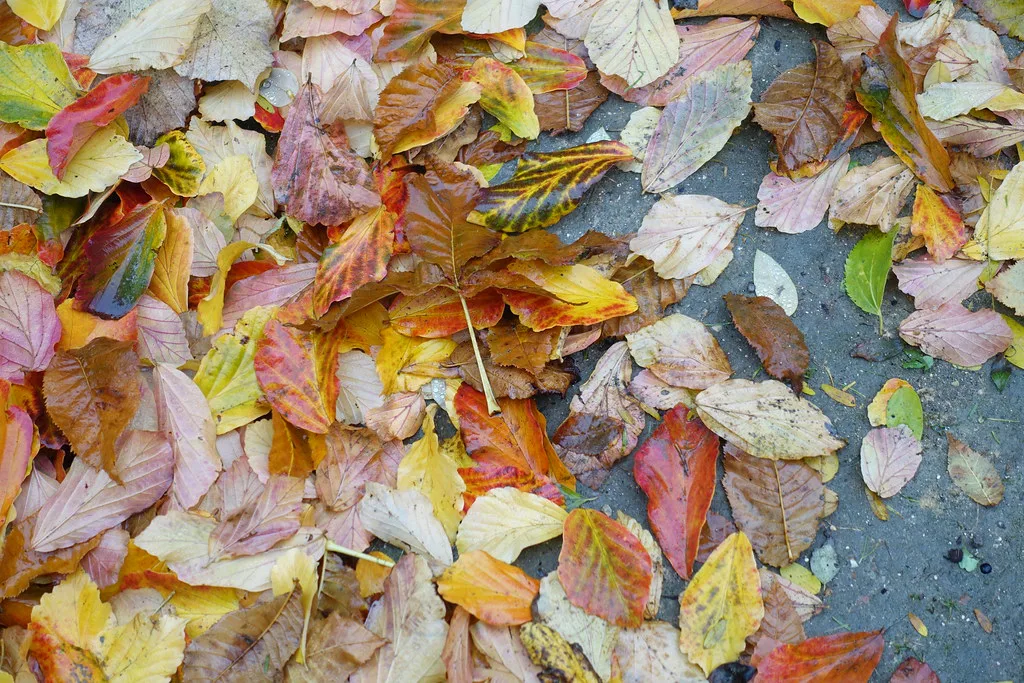
- September: high Alps and Vosges ridges start to turn; low ground is still green.
- October: vineyards in Alsace and Burgundy and forests in the Jura are the main targets.
- November: Loire gardens and Paris parks hold late colour, with shorter days and rain.
Gardens and Arboretums With Autumn Colour
Gardens extend the season when forests have gone bare. Arboretum des Barres in Loiret is a tree collection built for leaf colour. In the Loire, Villandry and Chenonceau are the names most visitors build a day around. The Fondation Claude Monet sets the season for the Giverny gardens, which close for winter, so read its page before booking. For the wider European picture, see autumn colour gardens across Europe. Dahlia lovers can add late-season dahlia gardens to a garden route.
How to Get Around Without a Car
A train-only trip works well for Alsace, the Loire and Burgundy. Use SNCF Connect for routes from Paris to Strasbourg, Tours and Dijon. Regional trains then link Strasbourg and Colmar with wine villages. Bike hire fills the gaps on wine routes. Rural areas such as the Dordogne and the Ardèche need a car, and the Ardèche has no train station. Mountain buses and lifts thin out between seasons, so confirm timetables for Annecy and the Alps.
Costs, Tickets and Opening Hours
Garden and château entry is set by each site, so read its official page for current fees. Seasonal sites close early in autumn, and mountain lifts shut between summer and winter schedules. Accommodation is where the swing shows. As a planning allowance in our editorial assessment, a mid-range double in Colmar might cost about €110 on a quiet October weekday and €160 or more on a harvest weekend. Treat those as budgeting figures, not quotes, and compare live prices when you book. France.fr lists official regional tourism pages for planning.
Where to Stay
Pick one hub and day-trip. Colmar or Strasbourg suits Alsace, Tours or Amboise suits the Loire, Dijon suits Burgundy, and Annecy suits the Alps. Rooms sell out first on harvest and holiday weekends, so reserve 6 to 8 weeks ahead for those dates. Midweek stays are cheaper and quieter.
Sample 3-Day and 5-Day Routes
These are route skeletons, not full itineraries. Pick the one that matches how you travel.
- Train-only, 3 days: Paris to Strasbourg, then Colmar and wine villages by regional train.
- Car, 5 days: Dijon and the Côte d'Or vineyards, then the Jura forests, then Annecy.
- City plus day trip, 3 days: Paris parks, then a Loire day trip to Villandry or Chenonceau.
What Not to Expect, Packing and Mistakes to Avoid
Nice, the Riviera and Corsica's coast are not foliage destinations. Mediterranean evergreens give little colour, and Nice is reported at 14–21°C (57–70°F) in October. Choose inland or mountain regions instead. Pack layers and rain gear. Provence in October is reported at about 20°C (68°F) by day and 12°C (54°F) at night. Daylight shortens after the clocks change in late October, so plan viewpoints for the afternoon. Avoid booking late, arriving on peak weekends, and assuming lifts or huts are open.
More Autumn Colour Across Europe
Combining France with other countries is easy by rail. Dutch autumn colour sits north of Paris. If you are adding the UK, start with Autumn Colours UK: Best Places and When to Go. Scotland has its own set of woodland routes in Autumn Colours in Scotland: Where to Go and When to Visit. Garden fans can add Kew in autumn, Stourhead's lake or Westonbirt's maples.
Frequently Asked Questions
What are the autumn months in France?
Autumn runs from September to November. Colour is strongest in October across most inland regions.
Does England get fall foliage?
Yes, England has strong autumn colour in parks and arboretums. Start with our guide to English autumn colour.
Bloom-season notes
Optional updates when we add or revise garden guides.
Continue reading
Guides on the same trip