5 Best Things to See at Monet Garden Giverny
Plan your visit to Monet's garden in Giverny: five things to see, when to go, how to book tickets and how to get there from Paris.
Last updated November 2026. The Monet garden in Giverny is a two-part garden beside Claude Monet's house: the Clos Normand flower garden in front of the pink house, and the Water Garden with its lily pond and Japanese bridge. Giverny sits in Normandy about 75 km from Paris, so plan a full day and check the season first, because the garden opens only from late March to November 1.
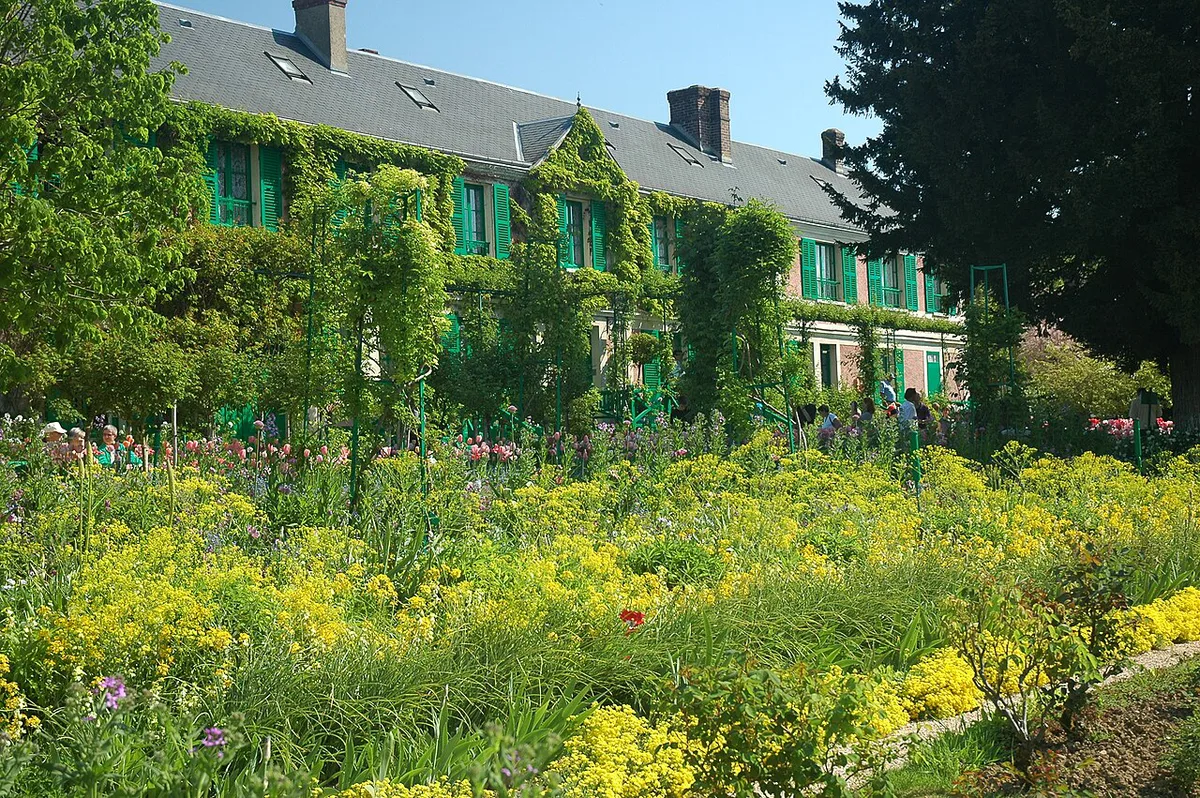
Featured image: Andy Hay, CC BY 2.0, via Flickr.
What the Monet Garden Is and Who It Suits
Claude Monet bought the Water Garden property in 1895, at age 55. Giverny became his home for the last years of his life. The pond and bridge he built there fed his best-known paintings of lilies and the Japanese bridge. Today the house and gardens are run by the Fondation Claude Monet and open to visitors. Monet's garden regularly appears on lists of the most beautiful gardens in Europe, which is a good place to find a second garden for the same trip.
This trip suits flower lovers, painting fans and anyone who wants a slow, outdoor day out of Paris. Skip it if you can only travel between November and late March, because the garden is closed then. Visitors with limited mobility should read the access notes on the official site before booking. Travelers who dislike crowds should aim for the edges of the season and the start of the day.
5 Best Things to See at the Monet Garden in Giverny
Prices and hours checked November 2026 against the official sources linked in this guide. The five picks below follow the order most visitors walk them, from the flower garden to the village.
1. Clos Normand flower garden
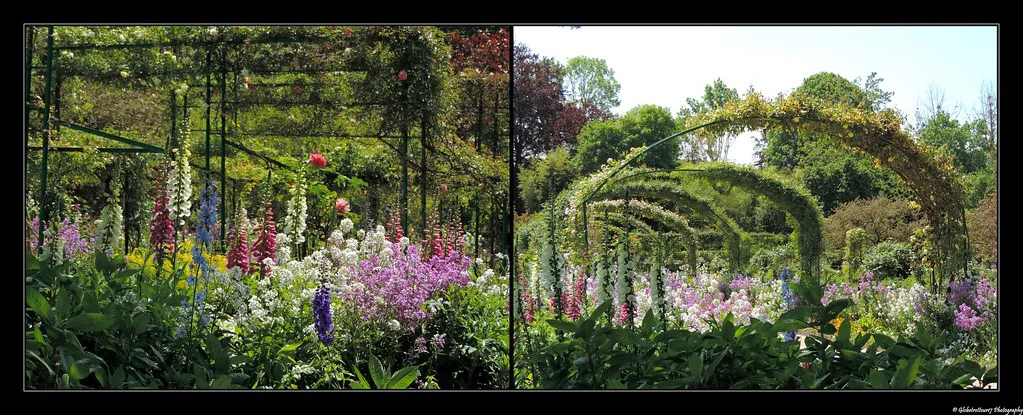
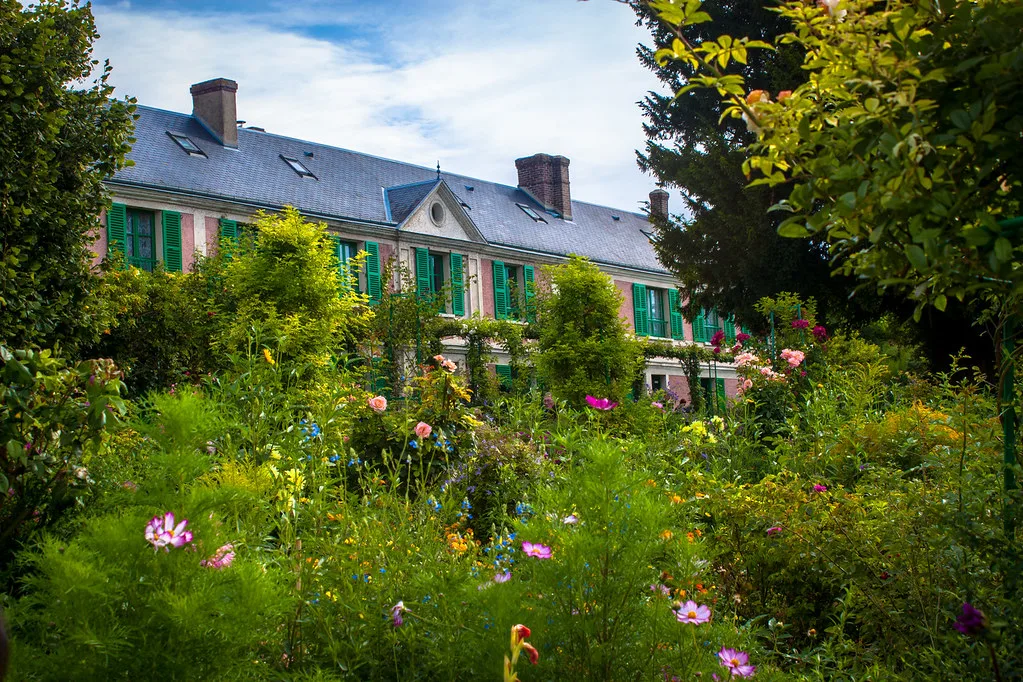
Clos Normand is the flower garden laid out in front of Monet's pink house. Look for the long planted rows, which change with the season. Spring brings daffodils, tulips, rhododendrons and irises. Summer brings poppies, lilies, roses and sweet peas. Autumn brings dahlias, sunflowers and hollyhocks. Give this garden the first part of your visit, while paths are quietest and light is soft for photos.
It rewards slow walking, so budget real time rather than passing through to the pond. Skip it in winter, when the site is closed, or if you want a single famous view rather than a planted garden.
2. Water Garden, lily pond and Japanese bridge
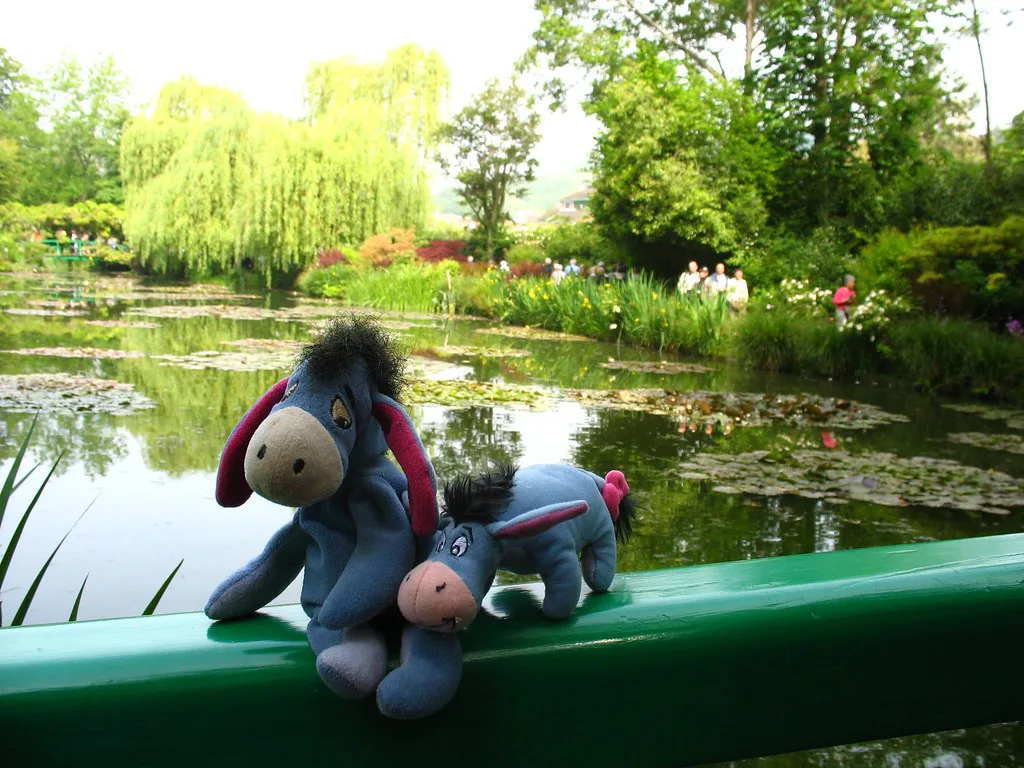
The Water Garden is the part of the site that Monet painted again and again. The lily pond and the Japanese bridge are the two sights most people come for. Our guide to the Giverny water lily pond covers where to stand and when lilies bloom. Expect the bridge to be a popular photo stop, so move along the pond edge for quieter angles.
Come here after the Clos Normand, once you understand the planting that surrounds it. Skip lingering at the bridge in peak hours if queues for photos bother you. Walk the far side of the pond instead.
3. Monet's house and green shutters
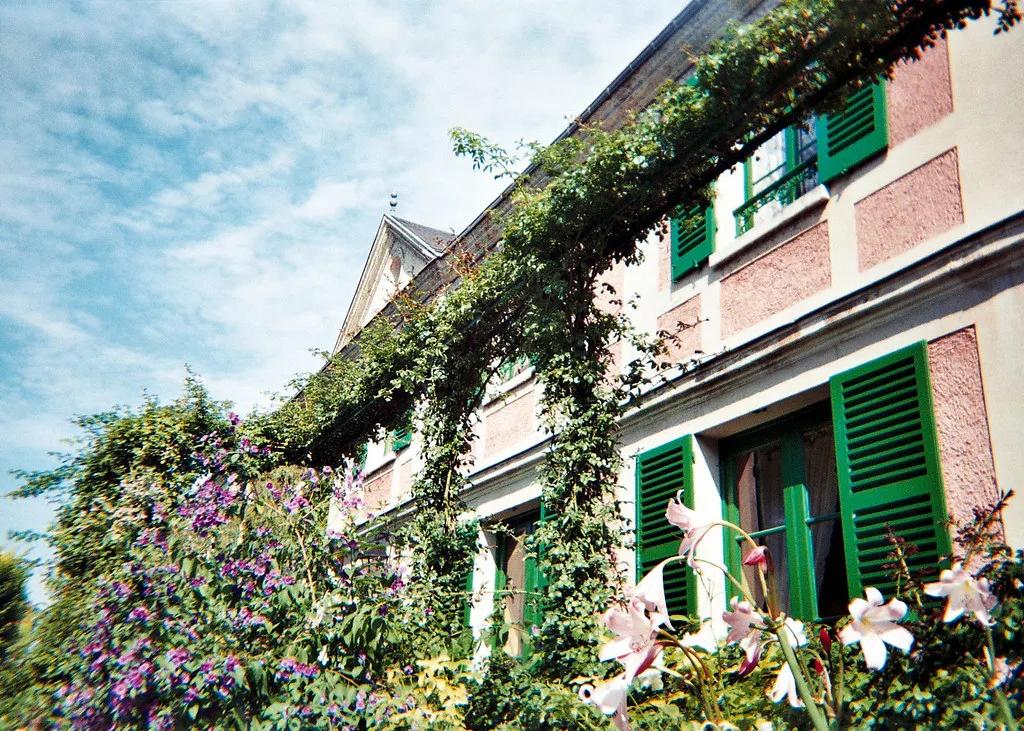
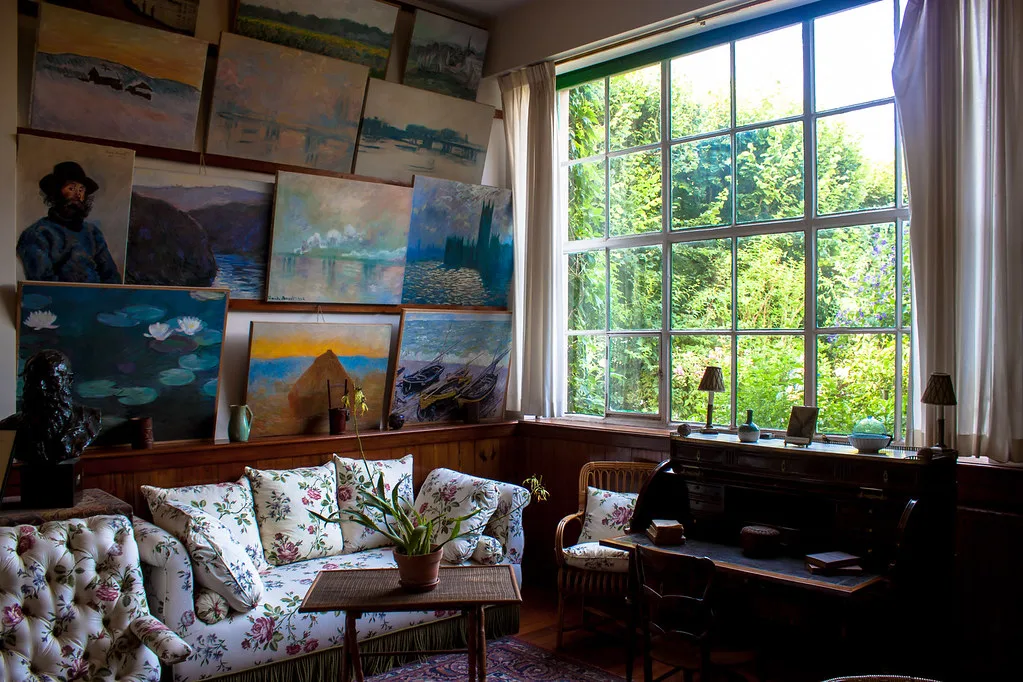
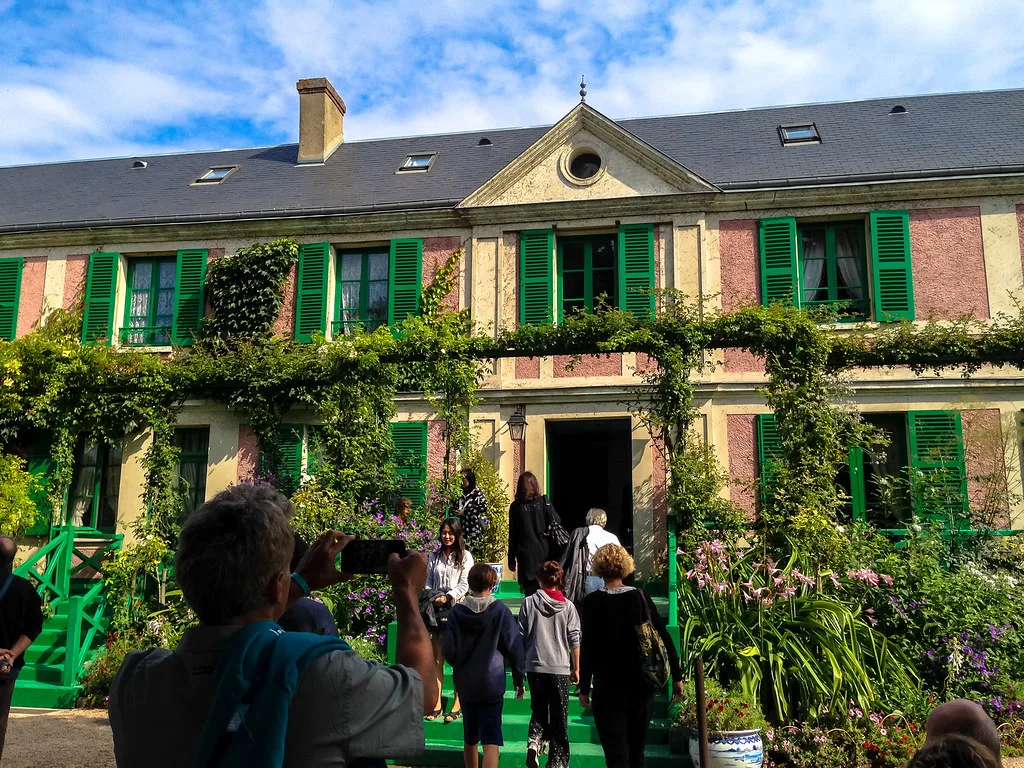
Monet's house is the pink building with green shutters that overlooks the flower garden. Inside, you see the rooms where the painter lived and worked in the years after 1895. Read our guide to Monet's house in Giverny before you go. Treat the house as a short stop between the two gardens, not a full activity on its own.
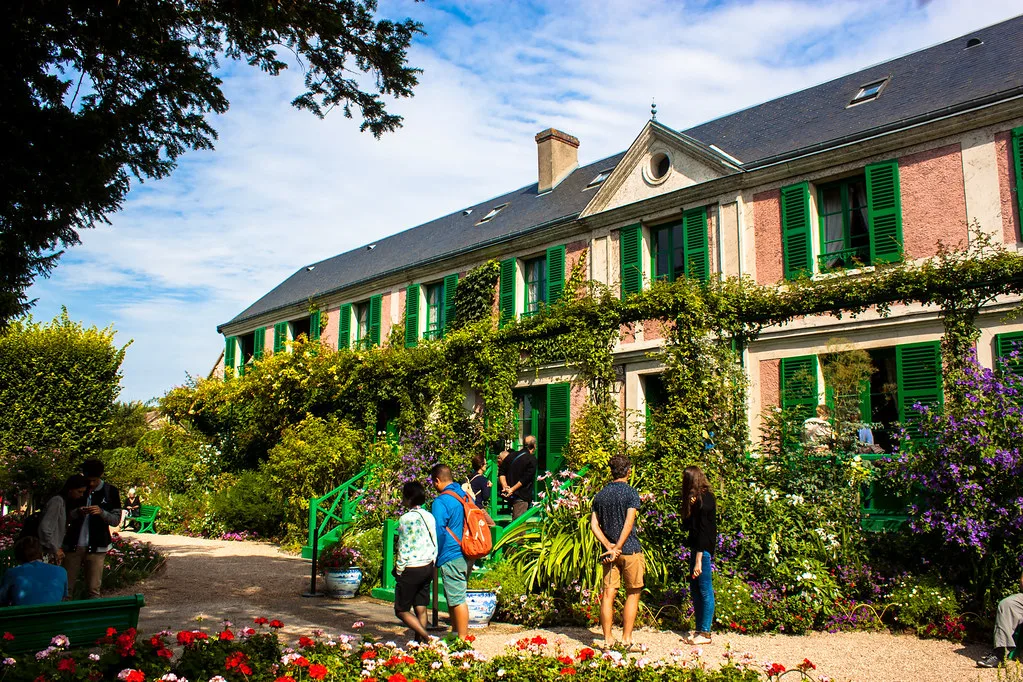
It suits visitors interested in the man behind the paintings and in how his home was arranged. Skip the interior if you only want the gardens and have a tight schedule, and check the official site for current house access.
4. Musée des Impressionnismes Giverny
The Musée des Impressionnismes Giverny is a separate museum in the village, not part of the garden site. It shows impressionist art and changing exhibitions, which is useful context for what you saw in the gardens. Details are on our page for the Giverny impressionist museum. Hours, tickets and current shows are on the museum's official site.
Add it if you have a full day or a rainy afternoon, since it works indoors. Skip it if the gardens are your only goal or if you must catch an early train back to Paris.
5. Village walk and guided options
Giverny village is small and easy to cover on foot between the garden and the museum. Walking it gives you the village street and a break from the main site. A guided trip can bundle transport and entry from Paris, which helps if you do not want to manage trains and the last leg yourself. See Giverny Tour from Paris: Which to Book and What It Costs for how those options compare.
Choose a tour if you prefer fixed logistics and a set schedule. Skip a tour if you want to choose your own pace, since groups work to a clock.
How Long to Spend and How to Plan Your Day
Giverny is a day trip, not a quick stop. A half day covers the gardens and house. A full day adds the museum and the village. Starting early gives you the best chance of calmer paths, although this is general advice rather than an official crowd guarantee.
Because it sits about 75 km from Paris, a half-day plan only covers the gardens and house, so add the museum for a fuller day.
- Half-day plan
- Arrive at opening, walk the Clos Normand, cross to the Water Garden, then visit the house and head back to the station.
- Full-day plan
- Do the gardens and house in the morning, eat in the village, visit the museum in the afternoon, then walk the village before your return transport.
- Do not combine
- Pairing Giverny with another major site in one Paris-based day usually means rushing both, so keep a second stop for another day.
Tickets, Costs and Opening Dates
The garden season runs from late March to November 1, so confirm exact opening days on the official site. Our pages on Giverny Opening Dates: Season, Days & Hours and Giverny Tickets: Where to Buy, What They Cover and How to Time Your Visit explain how to read the calendar and book. Fees change, so use the Fondation Claude Monet site for the current price and any timed-entry rules.
How to Get to Giverny from Paris
Giverny is about 75 km from Paris. The usual route is a train to Vernon, then a short onward leg to the garden. Our Giverny Train from Paris: Route, Last Leg and Return Plan guide covers the steps. For local transport and bike routes, start with Normandie Tourisme. The table uses relative levels, not published fares.
| Option | Door-to-door time | Cost level | Flexibility | Best for |
|---|---|---|---|---|
| Train to Vernon, then shuttle, bus, bike or taxi | Mid | Low to mid | High | Independent visitors |
| Driving | Mid | Mid | High | Families and early starters |
| Guided tour from Paris | Mid | High | Low | Travelers who want no planning |
When to Go: Season-by-Season
Late March to November 1 is the window, so every visit falls in spring, summer or autumn. Our guide to the Best Time to Visit Giverny: Month-by-Month Guide for 2026 goes deeper. Read about Giverny in April: Tulips, Opening & Visit Tips for tulips and irises. Read about Giverny in October: Is It Worth It? Dates & Tips for dahlias and sunflowers. Bloom timing shifts by year, so treat the table as a general guide.
| Season | What blooms | Trade-off |
|---|---|---|
| Spring (from late March) | Daffodils, tulips, rhododendrons, irises | Fresh color, but weather can be changeable |
| Summer | Poppies, lilies, roses, sweet peas | Fullest planting, and busy days are more likely |
| Autumn (to November 1) | Dahlias, sunflowers, hollyhocks | Late color and a short season end |
Where to Stay and Eat
Most visitors do Giverny as a day trip from Paris and eat in the village. Staying overnight in Vernon or the village lets you arrive before the day-trip crowds. Check current options on Normandie Tourisme, because small village places have limited seating.
Giverny vs. Other Day Trips
Auvers-sur-Oise is the closest comparison, with its own painter links and a different feel. Our comparison of Giverny versus Auvers-sur-Oise sets them side by side. For Auvers, the tourism office lists current details. Choose Giverny for gardens and the lily pond. Choose Auvers for a quieter art-history day.
Mistakes to Avoid
A few planning errors cost visitors the most time on this trip.
- Arriving out of season
- The garden is closed outside late March to November 1, so check the date before booking trains.
- Skipping the last leg
- Plan how you reach the garden from Vernon station before you leave Paris.
- Rushing the visit
- Squeezing Giverny into a few hours means missing the pond or the house.
Frequently Asked Questions
How long does it take from Paris to Giverny?
Giverny is about 75 km from Paris. Journey time depends on whether you take a train to Vernon, drive or join a tour, so check the rail operator's current timetable.
How do you pronounce Giverny?
Say it as zhee-vair-NEE, with the stress on the last syllable.
Explore More Guides
Keep planning your trip with these guides.
Guides
- Giverny Tickets: Where to Buy, What They Cover and How to Time Your Visit
- Giverny Opening Dates: Season, Days & Hours
- Best Time to Visit Giverny: Month-by-Month Guide for 2026
- Monet Water Lily Pond: Visit Giverny's Real Pond (Guide)
- Giverny Train from Paris: Route, Last Leg and Return Plan
- Monet's House in Giverny
- Musée des Impressionnismes Giverny
- Giverny or Auvers-sur-Oise? Which Day Trip to Pick
- Giverny in October
- Giverny Tour from Paris
- Giverny in April
Bloom-season notes
Optional updates when we add or revise garden guides.
Continue reading
Guides on the same trip