Monet Water Lily Pond: Visit Giverny's Real Pond (Guide)
See Monet's water lily pond at Giverny. Learn what's real versus painted, when the lilies bloom, and how to plan the trip from Paris.
Last updated November 2026: the Monet water lily pond is a real pond in the Water Garden at Giverny, in Normandy. Monet's Water Lilies paintings hang in several museums, so seeing the painted pond and seeing the real one are different trips. Pick the real pond if you want the place. Pick a museum if you want the canvases.
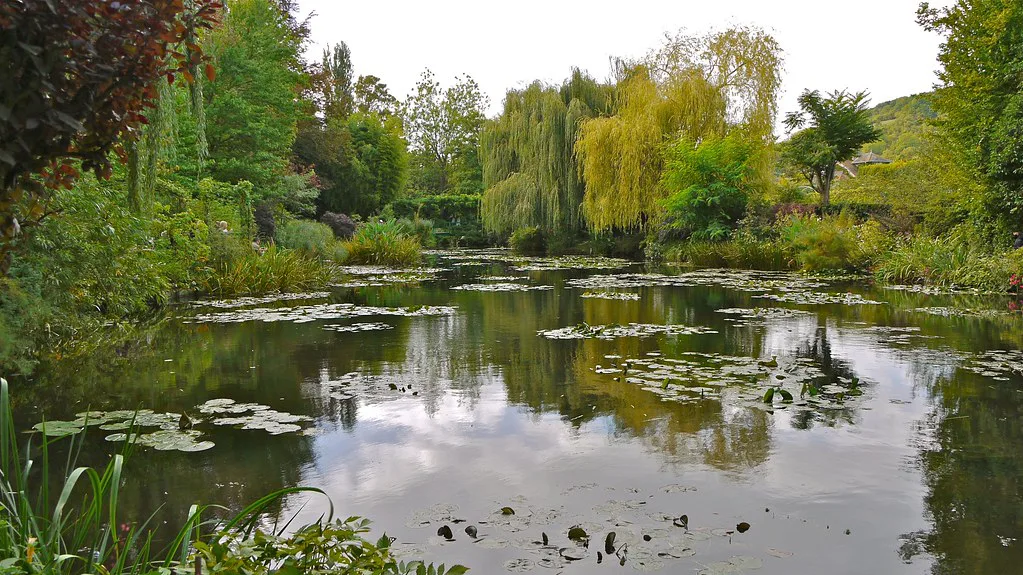
Featured image: bradhoc, CC BY 2.0, via Flickr.
What the Monet water lily pond is and where it is
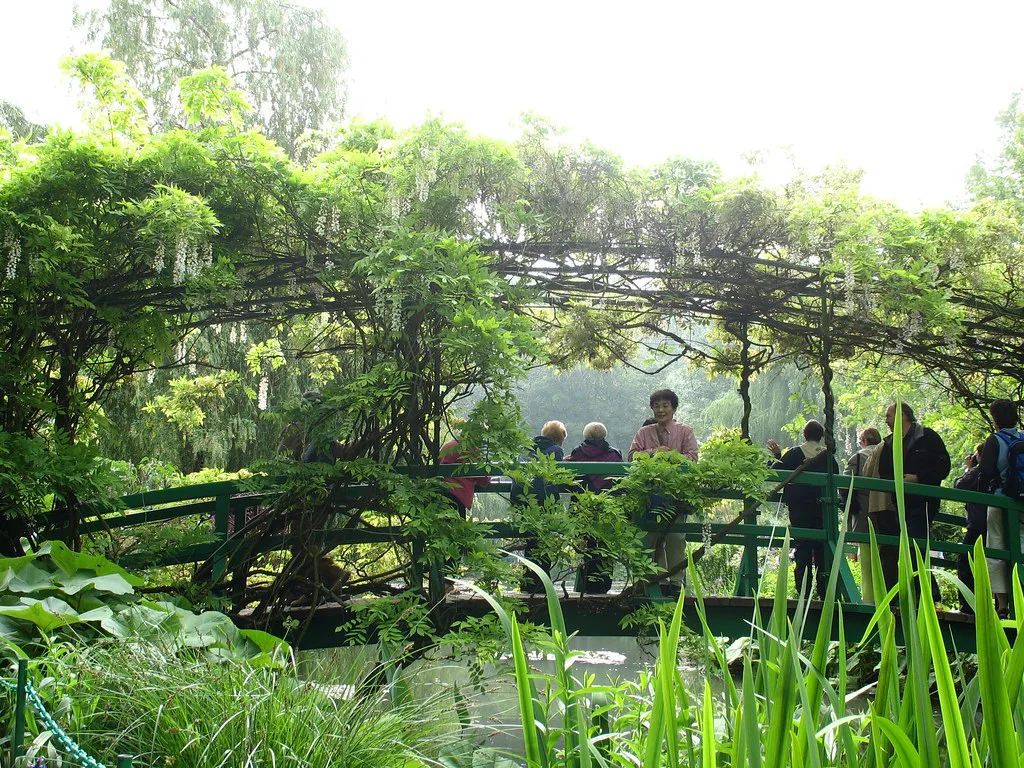
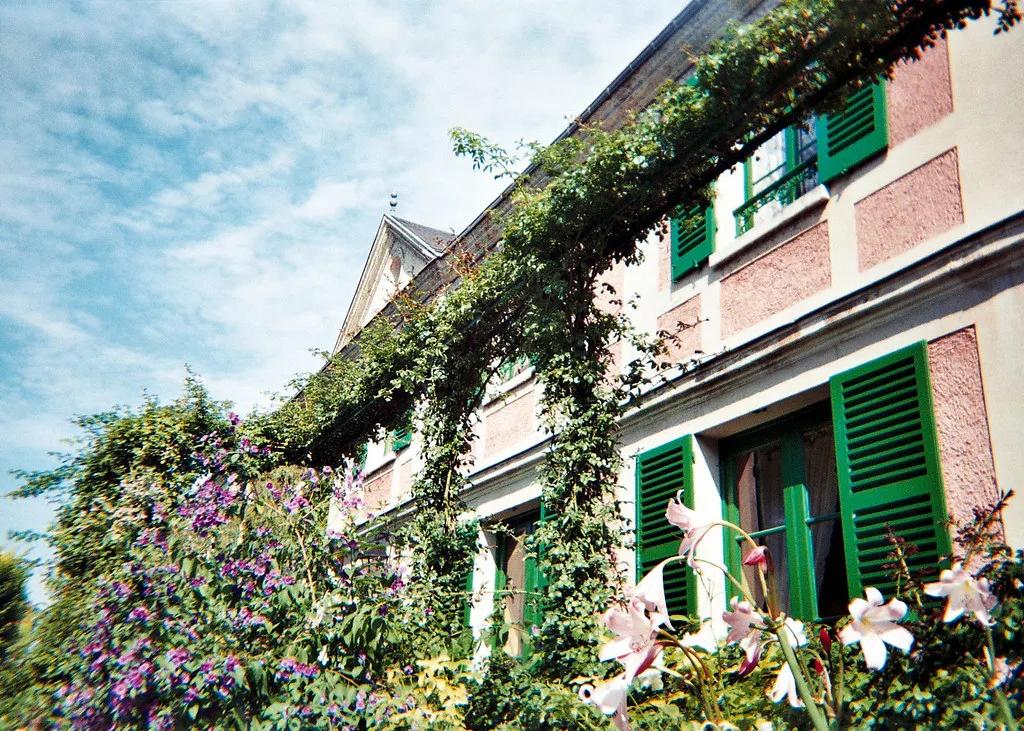
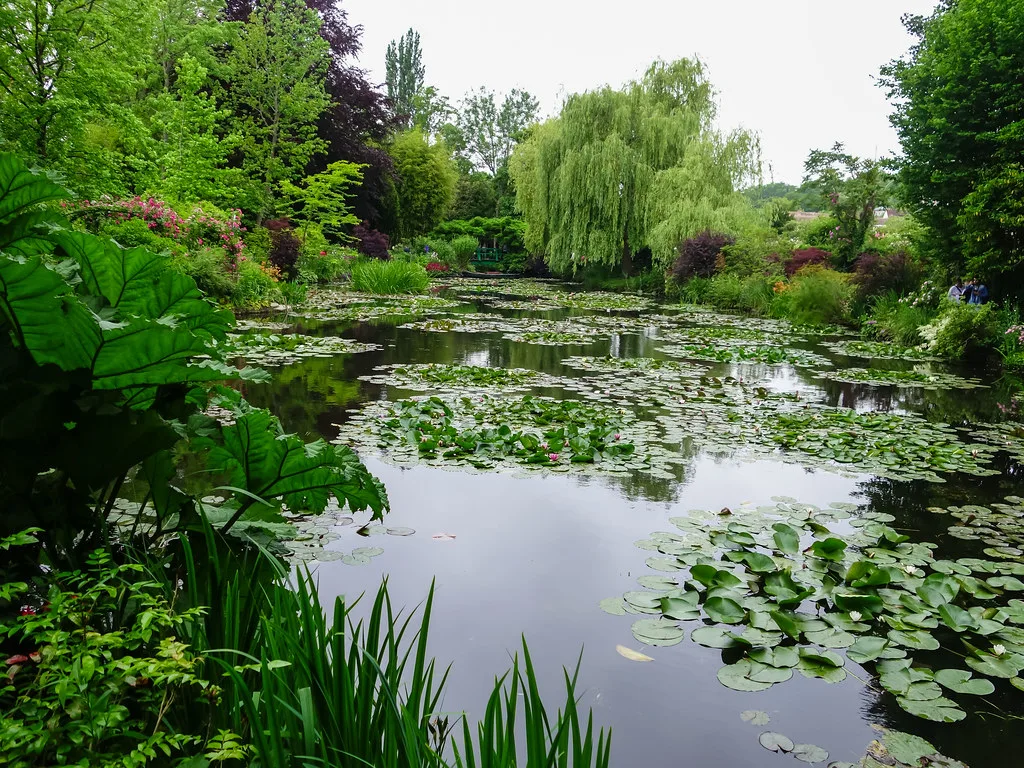
Monet created the pond in the Water Garden at Giverny. It lies across the road from the flower garden known as the Clos Normand, and an underpass links the two. Visitors reach the pond as part of a visit to Monet's garden at Giverny. It is not a separate attraction with its own ticket. The paintings are a separate matter. Monet's Water Lilies series, known in French as Le bassin aux nymphéas, is spread across museums in several countries. Giverny is where the pond itself still exists.
How Monet built the pond and why he kept painting it
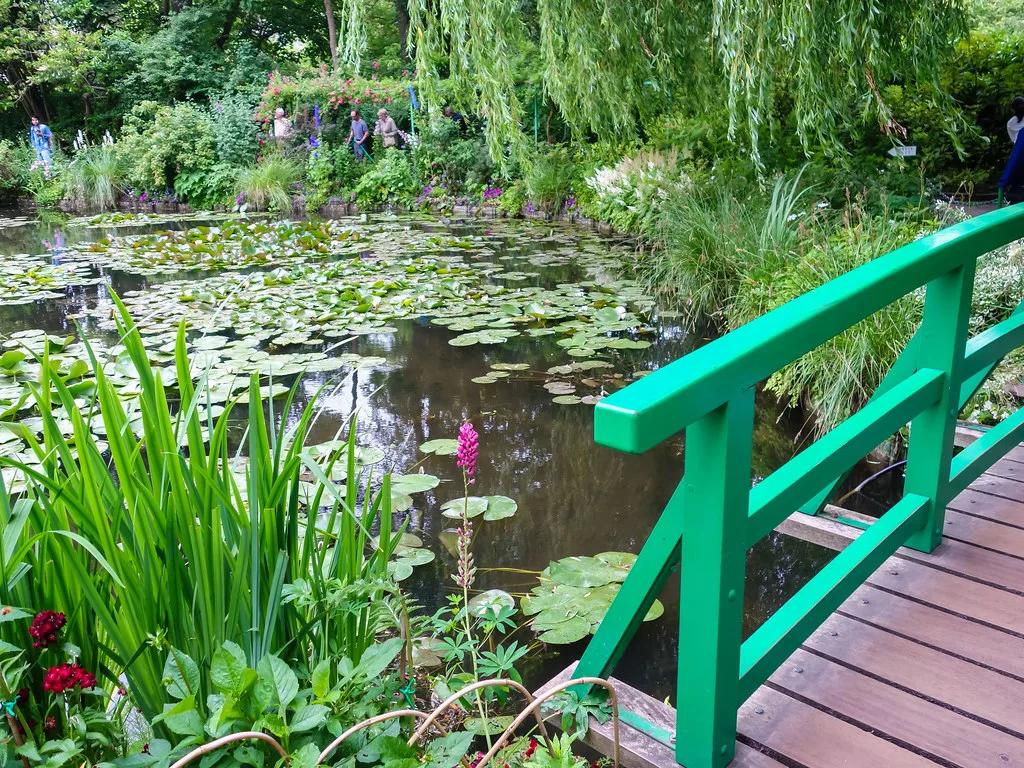
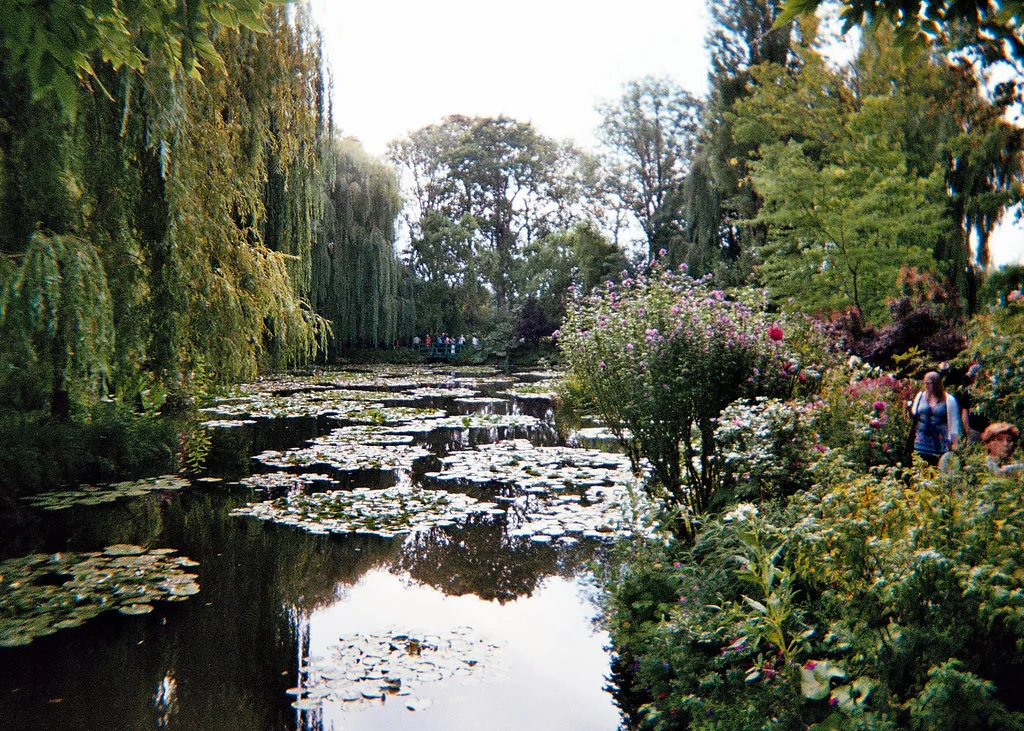
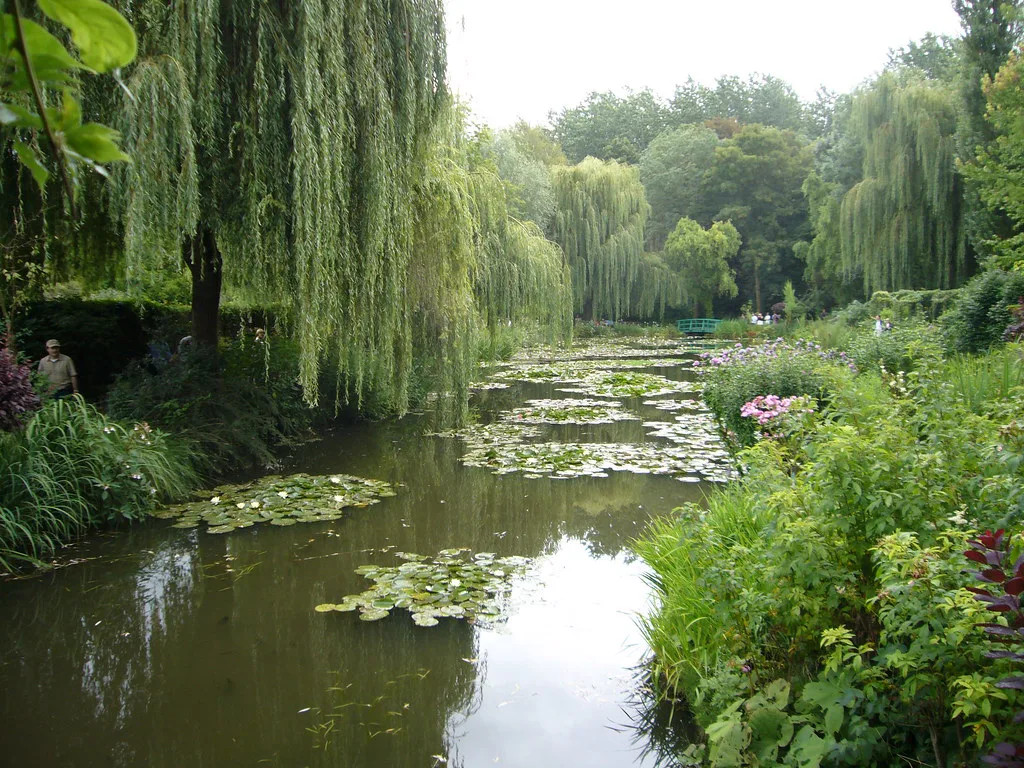
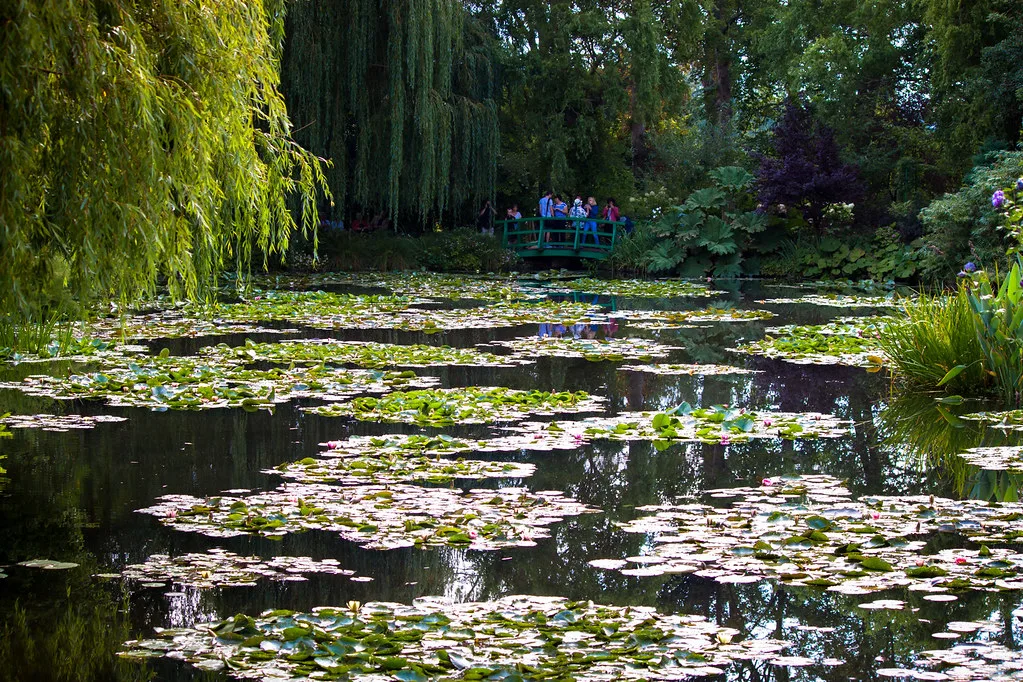
The pond was not a natural feature Monet found on the property. He bought the plot of land across the road from his house in 1893 and had it turned into a water garden. Water came from a nearby branch of the river Epte, channelled in through a small stream called the Ru. He then planted it with water lilies, willows, bamboo and other plants, and added the Japanese-style footbridge visitors still photograph today.
The pond later became his main subject. Over the last three decades of his life he painted roughly 250 canvases of the water, its lilies and their reflections. That is why the series is so varied:
- Early views often include the footbridge and the banks, so you can place the scene in the garden.
- Later large canvases drop the horizon and show only the water surface, with lilies, sky and trees reflected in it.
This helps when you stand at the real pond. The lilies you see are a living planting that the gardeners maintain, not an untouched survival from Monet's day. What you can still compare with the paintings is the layout of the bridge, the banks and the planting around the water, and how the light changes the surface. If you plan to see both the pond and the Orangerie panoramas, visit the paintings first. They make the garden easier to read once you are standing in it.
Seeing the real pond at Giverny
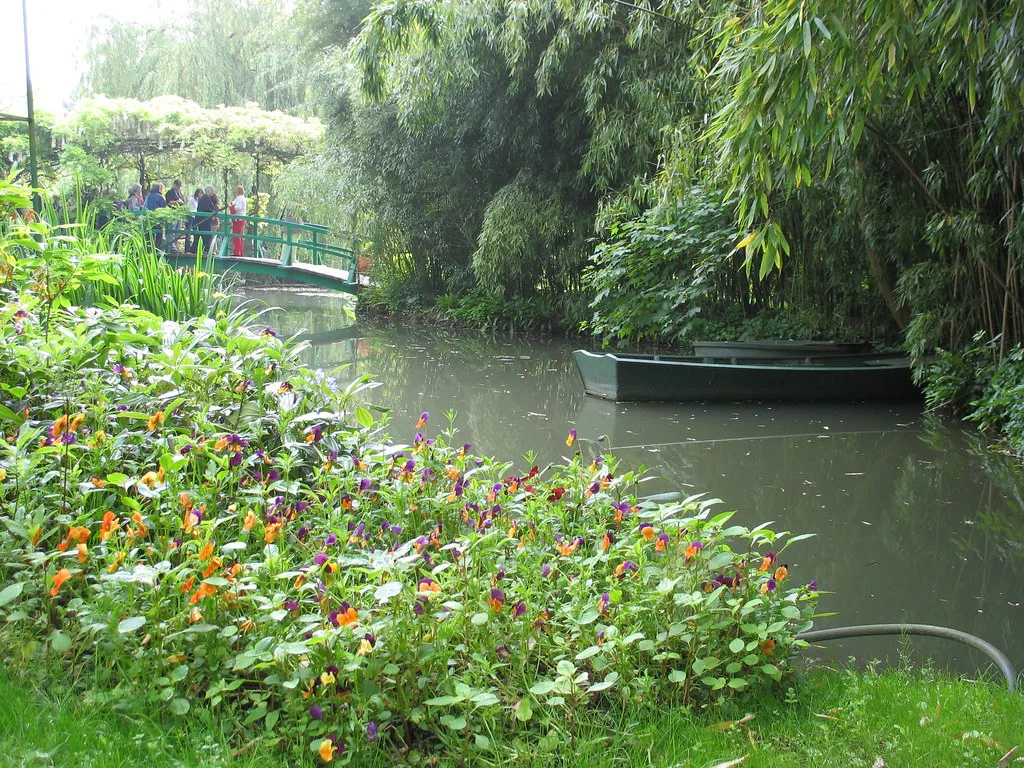
The Fondation Claude Monet describes the Water Garden as a setting of willows, bamboo and water lilies around a Japanese-style footbridge. Paths circle the water, so you see the bridge and the lily pads from several angles. Many visitors do the Clos Normand first and then take the underpass to the pond. Ticket types and entry rules sit on the Fondation Claude Monet official site. Our guide to Giverny Tickets: Where to Buy, What They Cover and How to Time Your Visit explains the options. The garden is seasonal, so read the Giverny Opening Dates: Season, Days & Hours before you plan. Monet's own home is covered in our guide to Monet's house. It is part of the same visit.
When the water lilies bloom: timing trade-offs
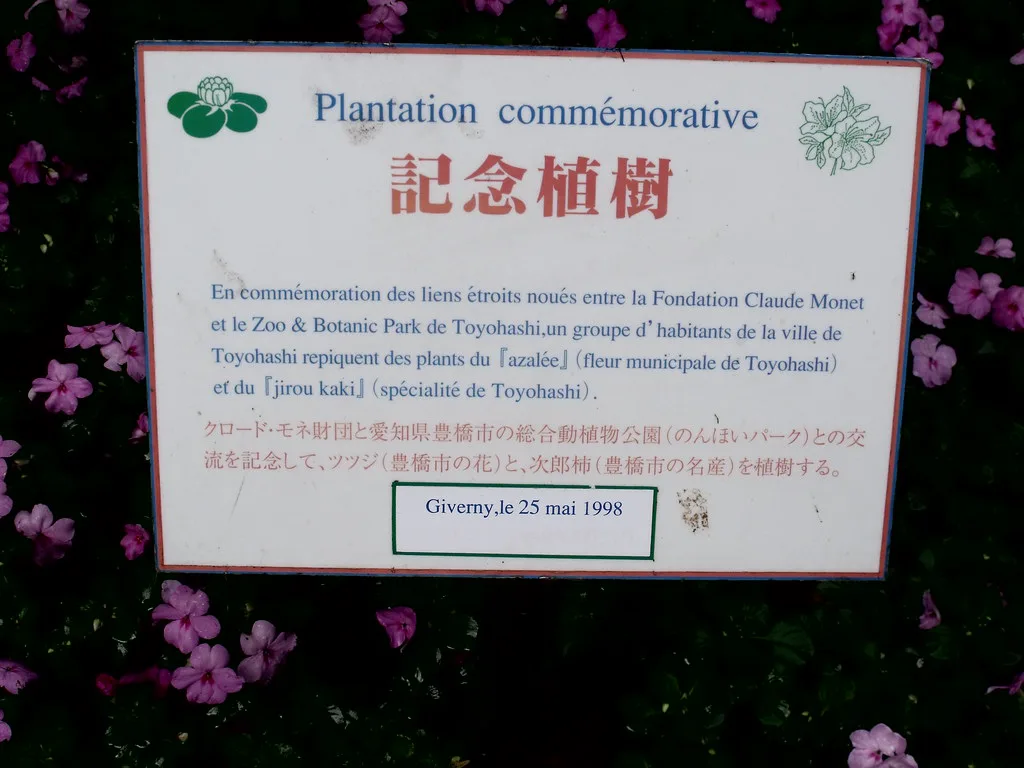
Bloom timing varies with the year and the weather, so no single date is guaranteed. Plan by what you want to see. Lilies on the water are the main draw. Crowds, light and the state of the surrounding garden change from month to month. Our Best Time to Visit Giverny: Month-by-Month Guide for 2026 page compares the seasons in detail.
- Spring: see Giverny in April: Tulips, Opening & Visit Tips for the garden as it wakes up.
- Autumn: see Giverny in October: Is It Worth It? Dates & Tips for late-season colour and the end of the opening window.
- Peak summer: expect the most visitors, so book ahead and arrive early.
Seeing the paintings instead, or as well
Several museums hold single Water Lilies canvases. Museum Barberini in Potsdam owns The Water-Lily Pond from 1918, a 131 x 197 cm oil on canvas. Fondation Beyeler in Riehen, Switzerland, holds a 1914-1917 version that measures 301 x 200.5 cm. Monet's large water-lily panoramas were installed at the Musée de l'Orangerie in Paris after his death in 1926. Check the museum's own site for current opening days and ticket rules. For art in Giverny itself, read about the Musée des Impressionnismes. Its official site lists the current exhibitions.
Pick Giverny for the pond and Paris for the big panoramas installed after his death in 1926.
How to get there and how long to allow
Giverny is a day trip from Paris. Our Giverny Train from Paris: Route, Last Leg and Return Plan guide covers the route, so check it for current times and fares. As a rough estimate, a half day suits a quick look at the pond and the Clos Normand. A full day leaves room for the house and the art museum. Readers who want transport and entry bundled can compare Giverny Tour from Paris: Which to Book and What It Costs. A tour costs more and gives you less flexibility, but it removes the planning.
Real pond or the paintings: who should choose which
The real pond is a garden visit. The paintings are a museum visit. Use the table to choose.
| Option | What you see | Travel effort | Best for |
|---|---|---|---|
| Giverny pond | The real pond, Japanese bridge, willows and lilies | Day trip from Paris | Seeing the place that inspired the series |
| Musée de l'Orangerie, Paris | The large water-lily panoramas | Central Paris, no day trip | Short stays and bad-weather days |
| Museum Barberini, Potsdam, or Fondation Beyeler, Riehen | One canvas each | Separate trip abroad | Travellers already in those cities |
- Skip Giverny if you only want the paintings. The Orangerie is quicker.
- Do not assume the garden is open all year. It is seasonal.
- Do not assume the paintings hang at Giverny.
- Book ahead in peak season, and check the last train before a same-day Paris round trip.
- Weighing other painter-themed trips? Read Giverny versus Auvers-sur-Oise.
Frequently Asked Questions
Where did Claude Monet paint his water lilies?
Monet painted his water lilies at his garden in Giverny, Normandy. He died there in 1926. The pond he painted can still be visited as part of the garden.
Where can I see the large Water Lilies paintings?
The large water-lily panoramas are installed at the Musée de l'Orangerie in Paris. Single canvases hang at Museum Barberini in Potsdam and Fondation Beyeler in Riehen. Giverny has the real pond rather than the major canvases.
Bloom-season notes
Optional updates when we add or revise garden guides.
Continue reading
Guides on the same trip