11 Best Gardens in France by Region and Style
Plan a trip to gardens in France: 11 top picks by region, which style suits you, how to pair gardens with villages, and when to go.
Last updated November 2026. Gardens in France run from clipped 17th-century parterres near Paris to succulent terraces above the Mediterranean. Choose by region first: Île-de-France and the Loire Valley suit formal-garden fans, Giverny suits Impressionist fans, the Riviera suits Mediterranean planting, and the Dordogne suits topiary and manor gardens. Below you get a comparison table, 11 gardens ordered by region, and practical notes on seasons and booking.
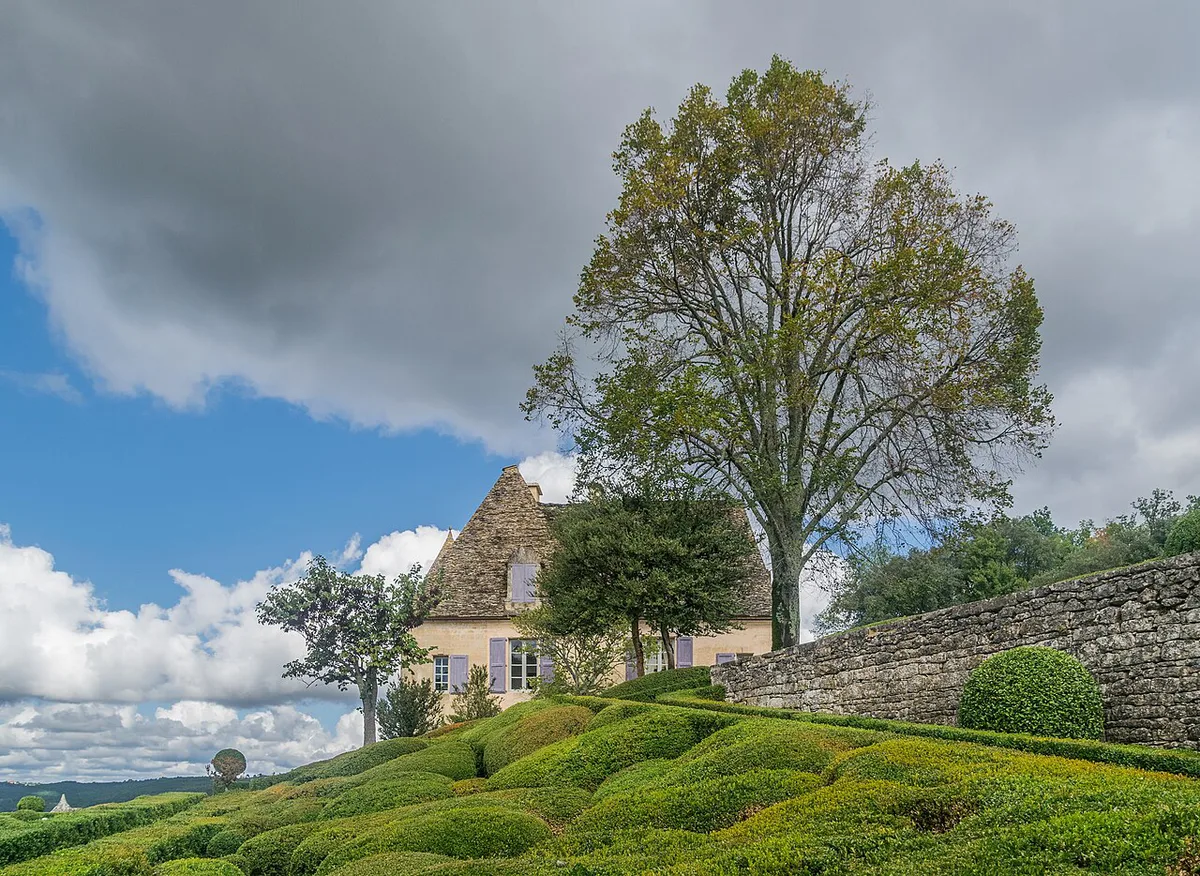
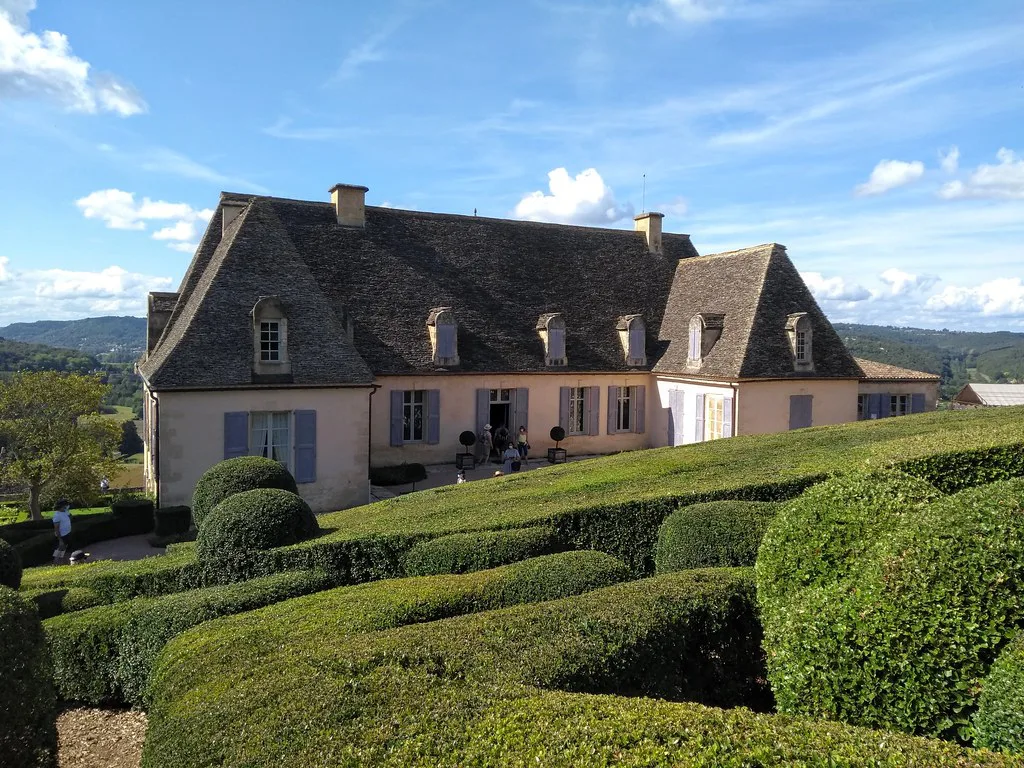
Featured image: L.Clark Photography, CC BY 4.0, via Flickr.
Choose Gardens in France by Region and Style
Each region suits a different kind of trip. Use the table to narrow the field, then read the matching entries in the list that follows. Spring is the strongest season for most of them, and the Dordogne is the region where a car matters most.
| Region | Best for | Signature gardens | Effort and access | Best season |
|---|---|---|---|---|
| Île-de-France | Formal French design | Vaux-le-Vicomte, Chantilly | Half-day or full-day trips from Paris | Spring to early autumn |
| Normandy and Seine Valley | Impressionist gardens | Giverny, La Roche-Guyon | Day trip from Paris | Spring |
| Loire Valley | Château gardens and festival gardens | Villandry, Chaumont-sur-Loire | Full days; a base such as Tours or Blois helps | Spring; festival April to November |
| French Riviera | Mediterranean and exotic planting | Èze, Villa Ephrussi, Monaco, Rayol | Coastal hops; some stops need a bus or car | Spring |
| Dordogne and Périgord | Topiary and manor gardens | Marqueyssac, Eyrignac | Car-dependent, rural | Spring to early autumn |
11 Best Gardens in France, Region by Region
The list runs from Paris outward: Île-de-France, the Seine Valley, the Loire, the Riviera, then the Dordogne. Entries stay short because each linked guide carries the detail. For ticket and opening information, use the official sites named in the entries.
1. Vaux-le-Vicomte, Île-de-France
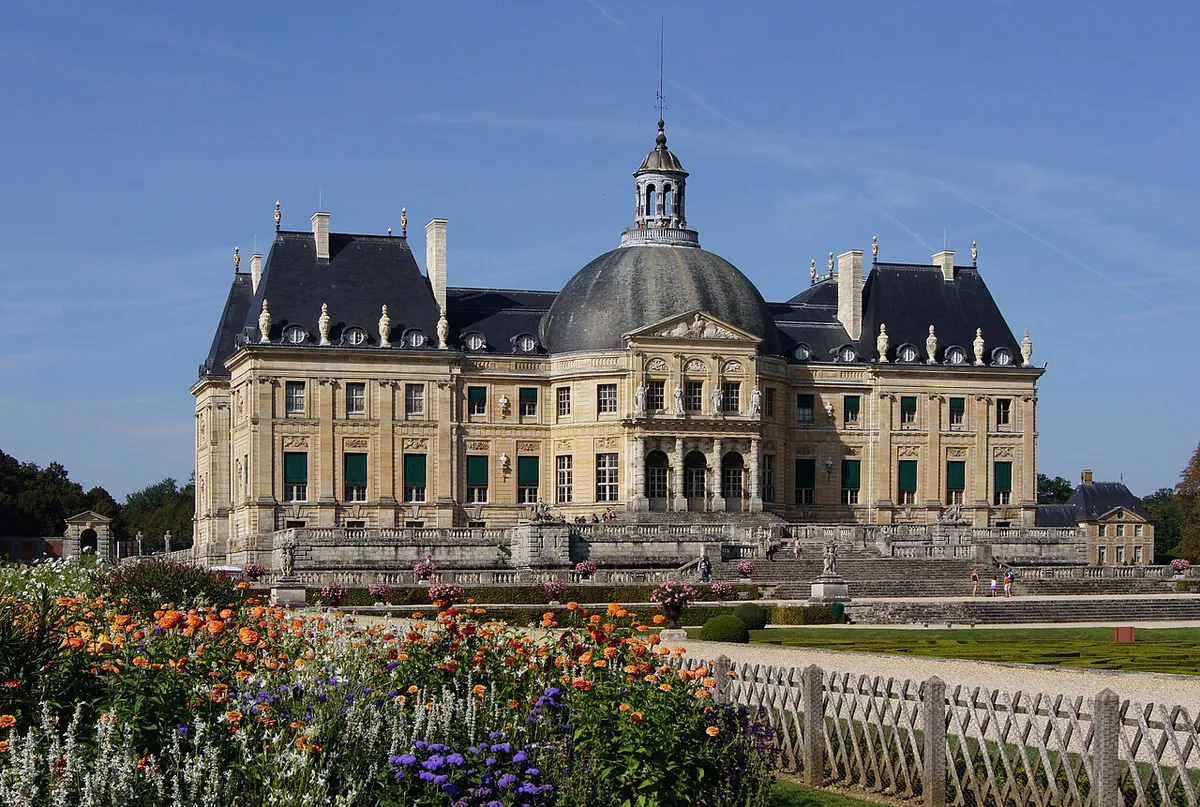
Vaux-le-Vicomte is the benchmark for 17th-century formal French gardens. Nicolas Fouquet, Louis XIV's Minister of Finance, brought together the painter Charles Le Brun, the architect Louis Le Vau and the landscape architect André Le Nôtre. Start with Vaux-le-Vicomte's formal gardens and walk the long perspectives Le Nôtre laid out.
Pair the visit with the medieval fortress of Blandy-les-Tours to see how Fouquet's design broke with the past. Opening days are listed on the official château site. Look elsewhere if you want flower beds in bloom rather than geometry.
2. Château de Chantilly, Île-de-France
Chantilly gives you a second Paris-area château-and-garden day without repeating Vaux-le-Vicomte. Read about Chantilly's château gardens to see what each part of the estate offers before you commit a half day or a full day.
It suits travelers who want formal landscape design and a château visit in one trip. Not the pick if you only have time for one Paris-area estate and prefer the 17th-century story told at Vaux-le-Vicomte.
3. Giverny and La Roche-Guyon, Normandy and the Seine Valley
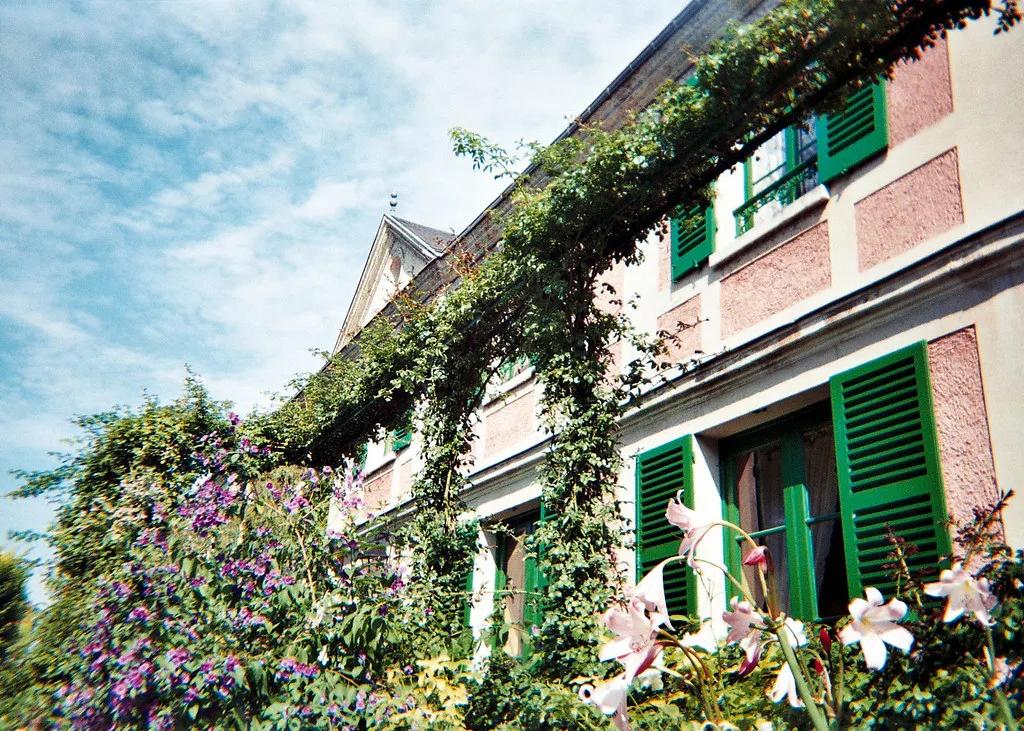
Claude Monet bought his Giverny property in 1883 and gradually turned it into the garden that shaped Impressionism. Go for the water garden, the changing greens, the house with its shutters and the bridge everyone knows. Giverny works as a day trip from Paris, but give it real time instead of treating it as a box to tick.
Add Château de La Roche-Guyon, about 5 km away, whose kitchen garden covers 3.8 hectares. Avoid it if you want a quiet garden, since Giverny is among the most popular gardens near Paris.
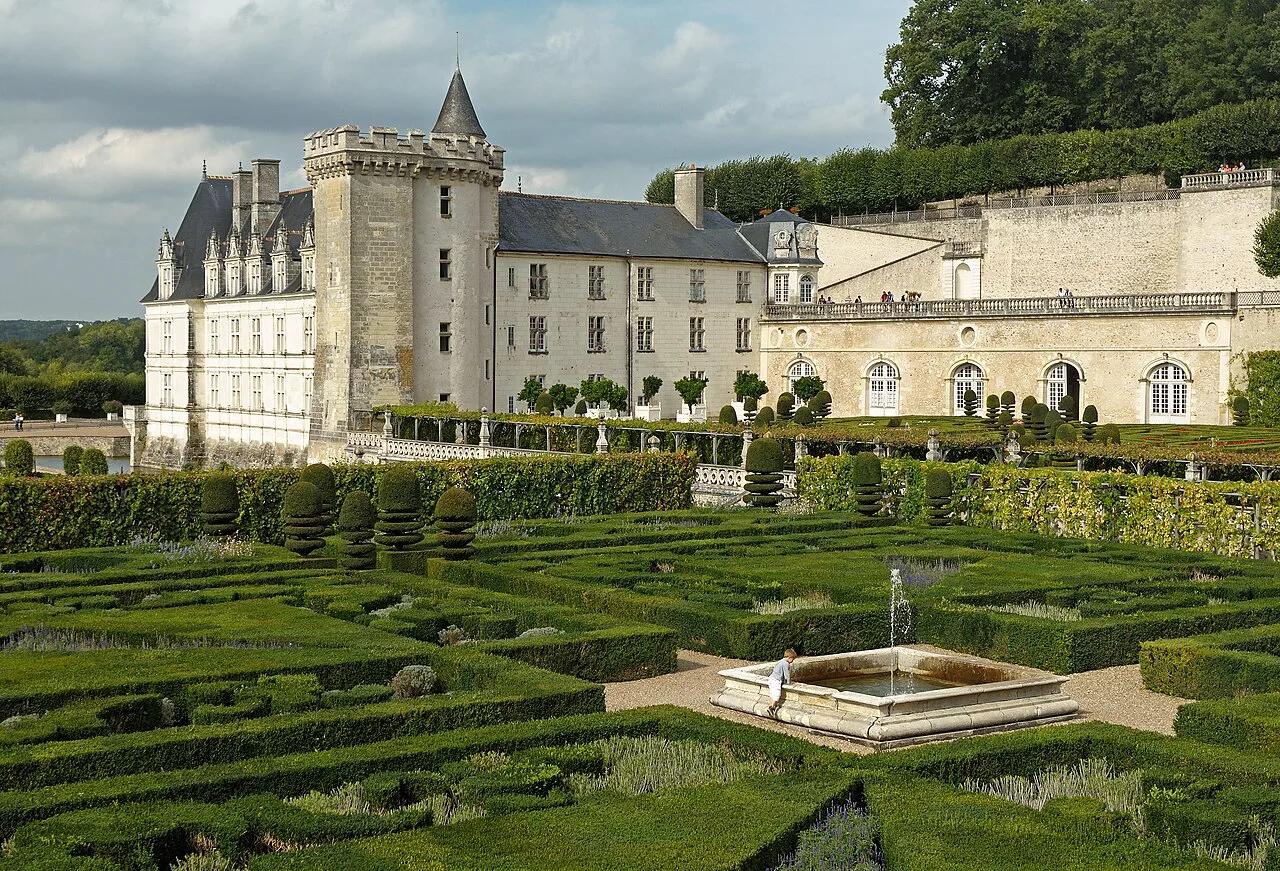
4. Villandry, Loire Valley
Villandry reads like a library of French garden styles: medieval, Renaissance, formal French and contemporary creations. Walk the ground-level paths first.
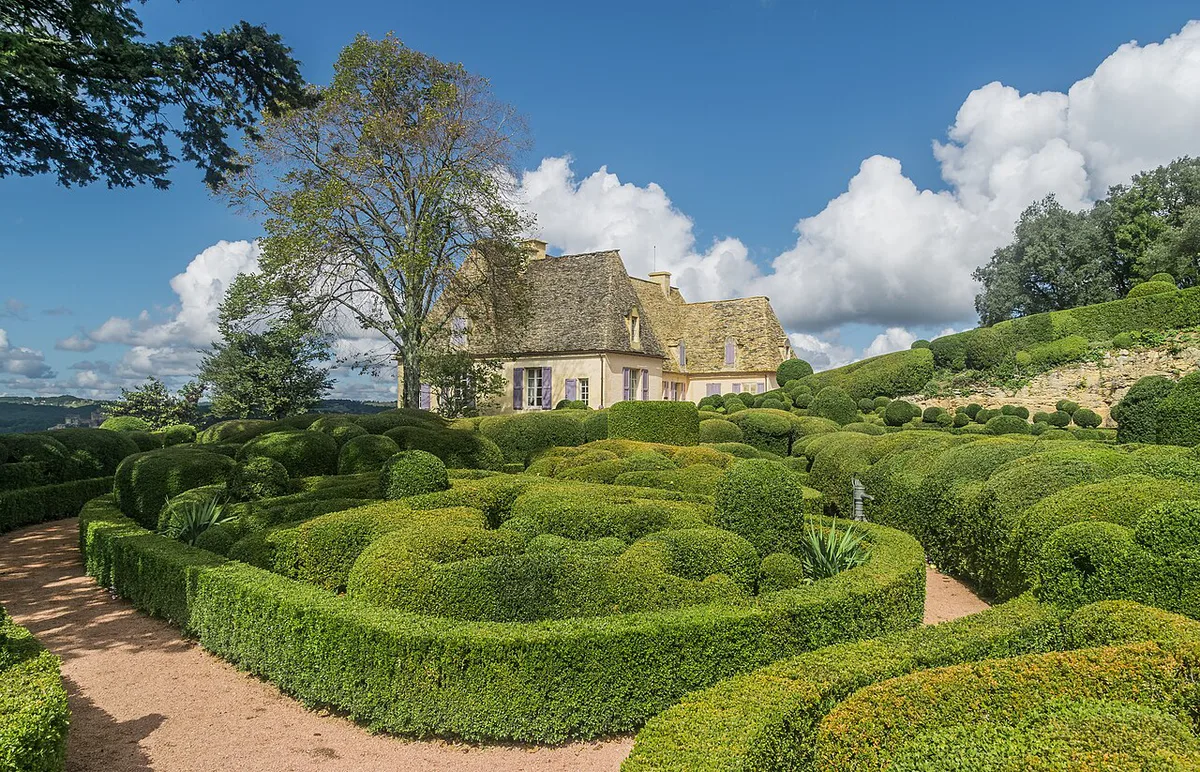
Then look down from the château windows, where the boxwood patterns, the geometry of the beds and the potager become clear. Skip it if you dislike clipped, formal planting.
5. Chaumont-sur-Loire, Loire Valley
Chaumont-sur-Loire hosts an International Garden Festival every year from April to November, devoted to garden creation and imagination. The estate also holds a château, a park and art installations, so give it a full day instead of squeezing it between other visits.
Add the village of Chédigny, often described as France's only village with the Jardin Remarquable label. Not ideal in winter if the festival gardens are your reason to go, since the festival runs only from April to November.
6. Èze, French Riviera
Èze sits 429 m above the sea, a short distance from Nice. Èze's exotic garden fills the ruins of a medieval fortress with succulents, Mediterranean and subtropical plants, stone paths and sea views.
Link it with other coastal gardens through our Riviera garden guide. Look elsewhere if you want flat lawns and shade, because this is a hilltop village garden.
7. Villa Ephrussi de Rothschild, French Riviera
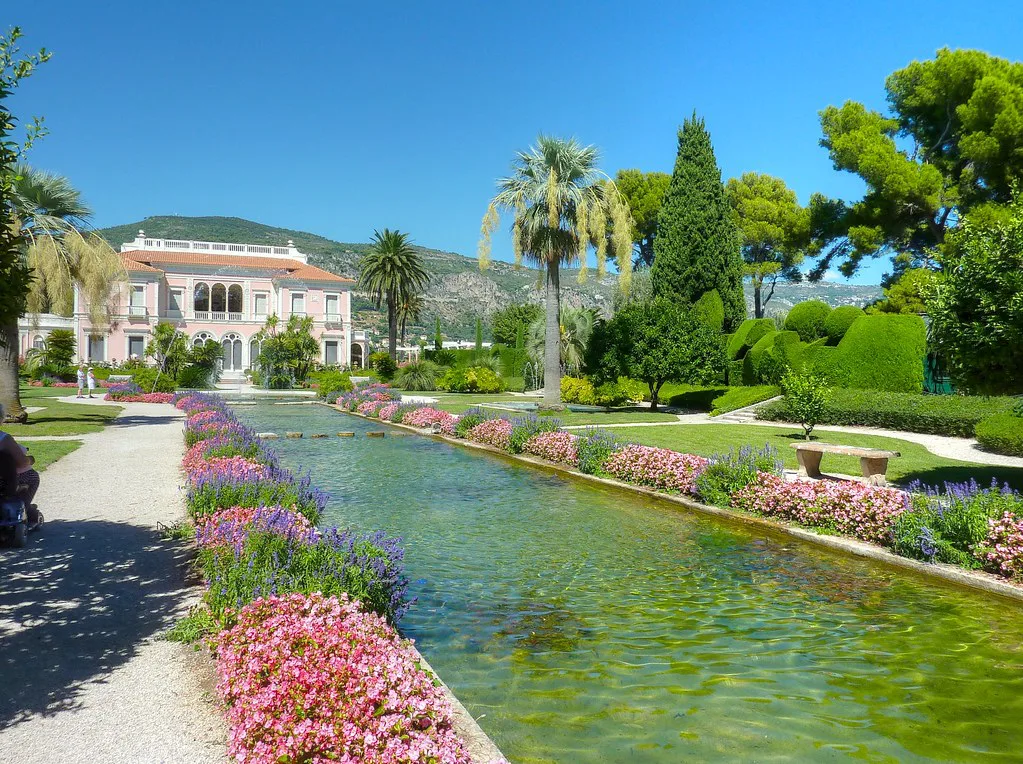
Villa Ephrussi sits between Nice and Monaco and pairs a Belle Époque villa with nine gardens, each with its own mood. Read about Villa Ephrussi's nine gardens to plan your route through terraces, fountains and sea views. Visit the villa interiors too, since they belong to the same Riviera vision.
Add Villefranche-sur-Mer as a village stop between garden visits. Travelers who prefer minimalism should choose another garden.
8. Monaco: Exotic Garden and Rose Garden
Monaco adds two different stops to a Riviera garden itinerary. Monaco's exotic garden is the pick for succulent-style Mediterranean planting. Princess Grace's rose garden is the calmer, flower-led alternative.
Link either one with Èze and Villa Ephrussi along the coast, and check bus and rail options on the operators' sites. Travelers who prefer large estates to city gardens may skip both.
9. Domaine du Rayol, Mediterranean Coast
Rayol is a coastal garden devoted to Mediterranean planting. Read about Rayol's Mediterranean gardens before you go to see how the estate is organized. Visiting hours and events are listed on the estate's official site.
Plan transport ahead, because the coastal gardens do not all connect on one route. Not the pick if you want formal parterres or a château.
10. Jardins de Marqueyssac, Dordogne
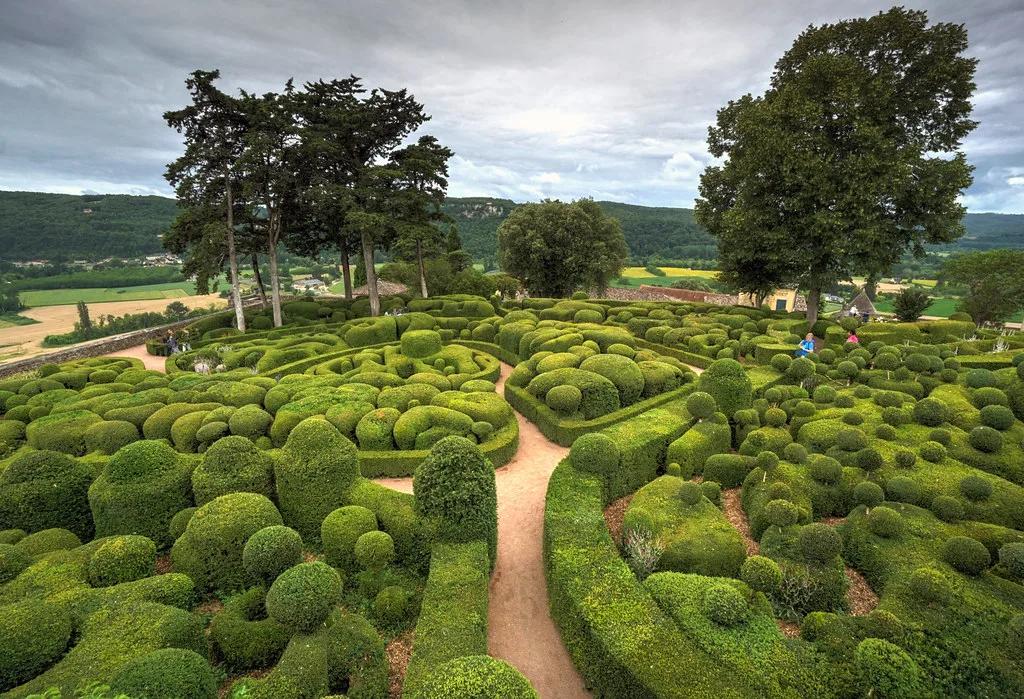
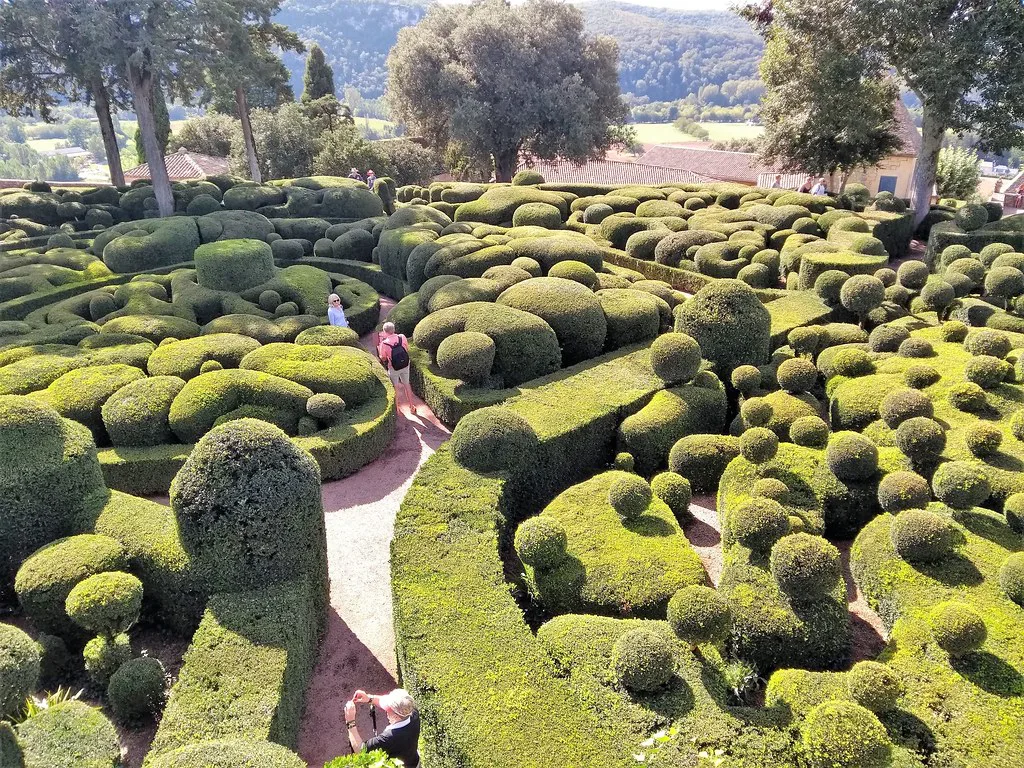
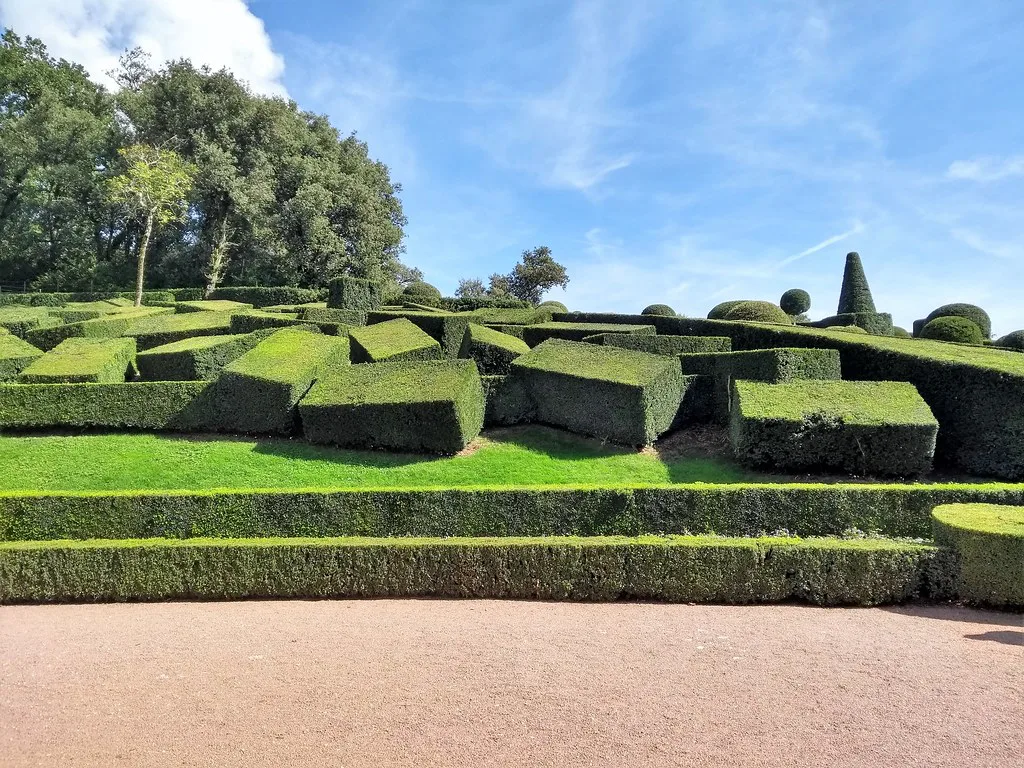
Marqueyssac is known for clipped topiary and clifftop views in the Dordogne. Marqueyssac's clifftop topiary is the pick for viewpoints and photography. Seasonal details are on the official garden site.
Expect rural logistics, with a car as the practical choice. Skip it if you rely on public transport.
11. Jardins du Manoir d'Eyrignac, Périgord
Eyrignac offers formal manor gardens, a quieter contrast to the topiary and views at Marqueyssac. Read about Eyrignac's manor gardens for what to look for in the layout. Opening information is on the official Eyrignac site.
The Sarlat area is a practical base for both Dordogne gardens. Look elsewhere if you want dramatic views over big landscapes.
How to Match a Garden to Your Trip
Start with style. Formal French design points to Vaux-le-Vicomte and Villandry, Impressionist gardens point to Giverny, and Mediterranean planting points to the Riviera and Rayol. Time is the next filter, and one or two gardens a day is a realistic ceiling. Couples and photographers tend to prefer Èze and Marqueyssac for their views. Garden specialists will get more from Chaumont-sur-Loire's festival. For a city stop on the western Loire, Nantes's botanical garden fits better than a château day.
Best Time to Visit Gardens in France
Spring is the strongest season for gardens in France, with first blooms in the Loire and on the Riviera. Chaumont-sur-Loire's festival runs from April to November, so summer and autumn still work there. Formal gardens such as Vaux-le-Vicomte and Villandry keep their structure outside peak bloom. Some estates open seasonally, so check the official calendar before you plan a winter trip.
Tickets, Hours and Planning for Gardens in France
Ticket prices and opening hours change each year. Check each estate's own site, and use France's official tourism site for general trip planning.
Common Mistakes When Visiting Gardens in France
Treating Giverny as a quick stop wastes its best features, the water garden and the paths. Going to seasonal estates off-season leaves you at a closed gate. Packing too many distant gardens into one day, especially in the Dordogne, leaves little time in any of them. Assuming the most famous garden has the best views is also a trap, since Villandry makes most sense from above.
Frequently Asked Questions
What does a French garden look like?
A formal French garden uses geometric parterres, clipped boxwood and long perspectives. Vaux-le-Vicomte and Villandry show this style most clearly.
Explore More Guides
Keep planning your trip with these guides.
Guides
- Vaux-le-Vicomte Gardens
- Jardins de Marqueyssac: Visitor Guide to the Dordogne Gardens
- Eyrignac Gardens
- Jardin des Plantes Nantes: Visitor Guide & Tips
- Domaine du Rayol: Visitor Guide to the Var Garden
- Jardin Exotique d'Èze
- Villa Ephrussi de Rothschild
- Jardin Exotique de Monaco: Reopening and Visit Guide
- Princess Grace Rose Garden, Monaco
- Gardens on the French Riviera: Best Picks & Planning
- Chantilly Gardens (Château de Chantilly)
Bloom-season notes
Optional updates when we add or revise garden guides.
Continue reading
Guides on the same trip