12 Best Gardens in Europe: Pick by Season, Style and Effort
12 best gardens in Europe compared by country, style, bloom season and booking pressure, with route pairings and mistakes to avoid.
Last updated November 2026: the best gardens in Europe depend on when you travel, so match the season before you pick a country. This guide ranks 12 gardens by style, bloom window and booking pressure. We lead with a comparison table, then give our judgement on who should go and who should skip each one.
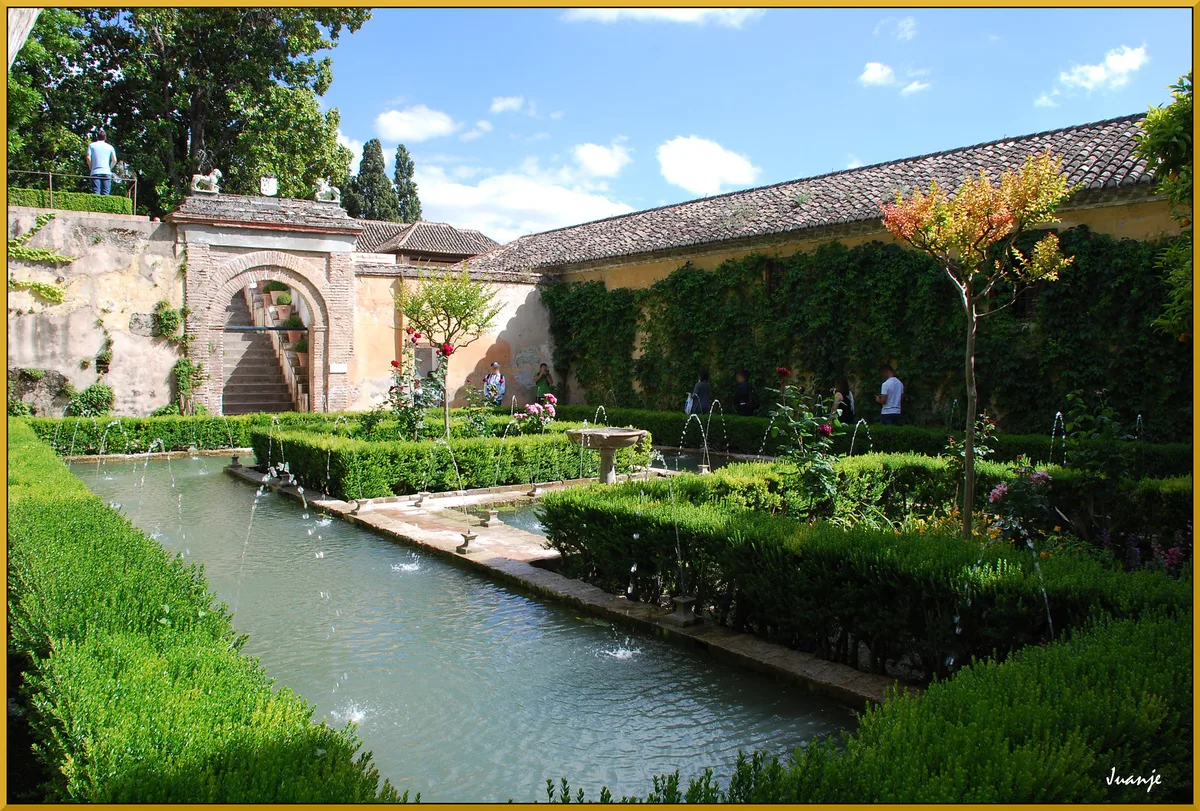
Featured image: Juanje Orío, CC BY-SA 4.0, via Flickr.
Best Gardens in Europe at a Glance
Spring favors Keukenhof, Giverny and the Generalife. Summer suits Powerscourt and Isola Bella. Villa Lante and Rosa Mir are the two with restricted access. Our curated favorites in Europe's most beautiful gardens go deeper on the picture-perfect end of the list.
| Garden | Style | Best months | Access note |
|---|---|---|---|
| Keukenhof, Lisse (Netherlands) | Bulb park | Mid-March to mid-May | Seasonal; bloom dates shift yearly |
| Monet's Garden, Giverny (France) | Artist's garden | Late April to July | Water lilies peak June and July |
| Isola Bella, Lake Maggiore (Italy) | Baroque terraces | Late April to early October | Reached by ferry |
| Villa Lante, Bagnaia (Italy) | Renaissance | Check official site | Guided tour only |
| Generalife, Granada (Spain) | Moorish courtyards | April to June, September to October | Timed tickets |
| Powerscourt, Wicklow (Ireland) | Italianate estate | May to September | Day trip from Dublin |
| Rosa Mir, Lyon (France) | Courtyard garden | Check official site | Saturdays only |
| Nymphenburg, Munich (Germany) | Italian, French, English layers | Check official site | City-edge palace park |
12 Best Gardens in Europe, Grouped by Country
Opening dates and booking rules were checked in November 2026. Entries run from the Netherlands to Germany, and each one names who should skip it.
1. Keukenhof, Lisse, Netherlands
Keukenhof is a seasonal bulb park that runs from mid-March to mid-May, with tulips usually peaking in April. Daffodil-lined paths, flower mosaics and indoor pavilions of orchids and lilies fill the grounds. Bulb timing shifts every year, so read the park's own bloom updates before you book flights.
Go midweek and arrive early to beat the crowds. A bike ride through the nearby tulip fields makes a good second half-day. Travelers visiting outside spring should choose another garden on this list.
2. Arcen Castle Gardens, Venlo, Netherlands
Arcen wraps 15 themed gardens around a 17th-century castle. Highlights include a Rosarium, the shaded Lommerrijk (kingdom of shadows) and a Mountain Garden with stone structures and waterfalls. Casa Verde holds olive trees and what Dutch sources call the country's oldest fig tree.
We'd choose Arcen when Keukenhof's bulb dates miss your trip, because its variety is not tied to tulips. Anyone who wants one massive tulip display will find it too varied.
3. Monet's Garden, Giverny, France
Claude Monet moved into this house with his family in the 1880s and remade the grounds into the scenes of his paintings. Walk the Clos Normand flower garden first, then cross to the Japanese bridge and the lily pond. The season runs late April through July, and water lilies bloom in June and July.
From Paris, you can take a train toward Vernon and cycle the final stretch. The Fondation Claude Monet's visitor page lists current opening dates. Pass if you dislike busy paths, since this is among Europe's most visited gardens.
4. Parc de Bagatelle, Paris, France
Bagatelle sits in the Bois de Boulogne in the 16th arrondissement, built around a château created in 1775. Its origin is a wager between Marie-Antoinette and the Count of Artois. Little bridges, rocks, artificial waterfalls and a historic rose garden make it a romantic stroll rather than a whole-day trip.
We'd put it on a Paris itinerary when a Giverny day does not fit. Rose-lovers should aim for the flowering months; others can leave it off.
5. Rosa Mir Garden, Lyon, France
Rosa Mir is a courtyard garden in Lyon's La Croix-Rousse district, created by Jules Senis. Seashell decoration and Mediterranean plants cover roughly 400 square meters, with Gaudí's Park Güell as a visible inspiration. Reported opening is Saturdays only, so build your Lyon weekend around that day and check before you travel.

It takes under an hour, which makes it a pairing rather than a destination. Anyone arriving midweek will miss it.
6. Isola Bella, Lake Maggiore, Italy
Isola Bella is an island palace garden built by the Borromeo family in the 17th century. Terraces, citrus trees, a shell-lined grotto and white peacocks give it a stage-set feel. Our guide to Baroque Gardens in Europe: Where to See Them places it in context. The season runs from late April to early October, and May or September gives the best balance of weather and thinner crowds.
Base yourself in Stresa for ferry access. Visitors who dislike boat transfers or formal clipped layouts should skip it.
7. Villa Lante, Bagnaia, Italy
Villa Lante is a 16th-century garden from the Mannerist phase of the Italian Renaissance. You will see sculpted hedges and topiary rather than flower beds, with a spring feeding fountains, small waterfalls and grottos down the terraces. Entry is by guided tour only, so you cannot wander freely.
Read our guide to Renaissance gardens if water-led design is your interest. Travelers who want color and blooms should pass.
8. Generalife, Alhambra, Granada, Spain
Generalife was a summer retreat for the Nasrid rulers, with symmetrical courtyards, fountains and jasmine and myrtle. It is part of a UNESCO site, which we cover in UNESCO World Heritage Gardens in Europe: Where to Go. Tickets carry a time of entry. If you miss it, you must wait until the next day.
Book through the official Alhambra site and pick an early slot. April to June and September to October are the milder windows. Anyone who cannot commit to a booked time will struggle here.
9. Powerscourt, County Wicklow, Ireland
Powerscourt looks down Italianate terraces to a pond, with the Wicklow Mountains behind. Beyond the terraces you will find walled rose gardens, a Japanese garden, a pet cemetery and the Pepper Pot tower. May to September is the strongest window. It works as a day trip from Dublin, roughly 45 minutes by car.
We'd choose it over a crowded city garden when you have a car and a free day. Rail-only travelers should check bus options first.
10. Royal Botanic Gardens, Kew, London, England
Kew's Victorian Palm House and Temperate House are the draw, and the Treetop Walkway gives a canopy view. Plan a full day, because you cannot see everything. Short on time? Join a guided highlights walk for the season you are in.
Our Botanical Gardens in Europe: Best Picks by Season and Trip Type guide compares it with other collections. Skip it if you want a romantic estate rather than a plant collection.
11. Royal Botanic Garden Edinburgh, Scotland
Edinburgh's botanic garden sits inside the city, a short taxi ride from the center. Highlights are the Rock Garden, the Scottish Heath Garden and the Chinese Hillside, plus Victorian glasshouses with palms and tropical flowers. It fits an afternoon between sightseeing stops. Read about the world's oldest botanical garden for the wider history.
Choose it when your trip is city-based and you lack a car. Anyone seeking palace-style formality should look elsewhere.
12. Nymphenburg Palace Gardens, Munich, Germany
Nymphenburg began as a small Italian garden in the 17th century. It became a formal French layout in the 18th century, then English landscape gardens. Large ponds lined with statues of Greek gods anchor the grounds, with pavilions, swans and canals in the corners. It suits an easy picnic stop since it is not on many itineraries.
We'd rate it the best city-edge pick for a Munich stay. Visitors chasing flower displays will find it more about structure than blooms.
How to Choose: Pick by Situation
Match your trip type to one garden before you build a route.
- First-timer
- Start with Giverny or the Generalife, both easy to explain and hard to forget.
- Spring bulbs
- Keukenhof is the answer, with Arcen as the backup.
- Romantic
- Isola Bella and Bagatelle suit couples.
- Art and history
- Giverny and Villa Lante have the clearest stories.
- Rainy day
- Kew's glasshouses work in any weather; see Glasshouses in Europe: 9 Historic Palm Houses and Conservatories Worth Visiting for more.
- Rail-only
- Nymphenburg and Edinburgh are the easiest to reach from a city center.
Garden Styles Explained
Italian gardens use terraces, water and clipped green. French formal gardens stress symmetry and long axes. English landscape gardens imitate natural scenery. Our Italian versus French versus English gardens comparison breaks the differences down. Nymphenburg is a useful example, since it passed through all three.
When to Go: Season-by-Season Planner
Spring is the peak for Keukenhof, Giverny and the Generalife. Summer suits Powerscourt, Isola Bella and Giverny's water lilies in June and July. Autumn works in Granada in September and October. Winter shifts the plan indoors, so read Gardens in Europe in Winter: Where to Go and What's Open before booking.
Tickets, Booking and Opening Hours
We could not source current prices for these gardens, so check each official site before you go. For guided formats and group planning, our Garden Tours in Europe: Best Routes & How to Choose guide is the next step.
Getting There: Rail, Ferry and Day-Trip Logistics
Giverny works from Paris by train toward Vernon, with a bike for the last stretch. Isola Bella needs a ferry, and Stresa is the practical base. Powerscourt is a drive of roughly 45 minutes from Dublin. Nymphenburg and Edinburgh's botanic garden stay within city reach. Check timetables with the operators.
Sample Garden Routes
Each pairing below keeps to one region.
- Paris and Giverny
- Spend one day at Giverny and another at Bagatelle.
- Lake Maggiore
- Stay in Stresa and ferry to Isola Bella.
- Dublin and Powerscourt
- Use Dublin as the base and drive to Wicklow.
- Granada
- Book a morning Alhambra slot and use the afternoon for the Generalife.
- Amsterdam and Keukenhof
- Go in spring, midweek and early.
Common Mistakes to Avoid
Most garden trips go wrong for scheduling reasons.
A courtyard of roughly 400 square meters can look like a quick stop, but Rosa Mir is reported open Saturdays only.
- Missing a timed slot
- At the Generalife, a missed entry time means waiting until the next day.
- Visiting out of bloom
- Bulb dates at Keukenhof shift yearly, so confirm bloom before you go.
- Ignoring closed days
- Rosa Mir is reported open Saturdays only.
- Skipping guided-tour rules
- Villa Lante admits visitors only on guided tours.
- Over-packing one day
- Kew alone fills a day, so do not stack a second garden on it.
Frequently Asked Questions
What are the best botanic gardens in Europe?
Kew in London and the Royal Botanic Garden Edinburgh are the two strongest picks in our list. Cologne's Flora and Botanical Garden is a third option, with tropical and palm greenhouses.
Which city is famous for gardens?
No single city owns the title. Edinburgh has a botanic garden inside the city, Paris has Parc de Bagatelle, and Granada has the Generalife.
Explore More Guides
Keep planning your trip with these guides.
Guides
- Most Beautiful Gardens in Europe: Picks by Style, Season and Access
- Italian vs French Gardens
- Renaissance Gardens in Europe
- Baroque Gardens in Europe: Where to See Them
- Garden Tours in Europe: Best Routes & How to Choose
- Botanical Gardens in Europe: Best Picks by Season and Trip Type
- Oldest Botanical Garden in the World: Pisa vs Padua Explained
- UNESCO World Heritage Gardens in Europe
- Gardens in Europe in Winter: Where to Go and What's Open
- Glasshouses in Europe: 9 Historic Palm Houses and Conservatories Worth Visiting
Bloom-season notes
Optional updates when we add or revise garden guides.
Continue reading
Guides on the same trip