11 Japanese Gardens in Europe Worth Visiting by Country and Style
Compare 11 Japanese gardens in Europe, from Maulévrier in France to Holland Park in London. See style, access, season and who each garden suits.
Last updated November 2026. Japanese gardens in Europe range from the 29-hectare Parc Oriental de Maulévrier in France to a dry garden in Bielefeld that you view only from outside. Start with the comparison table, then use the 11 garden profiles to match style, scale and access to your trip.
Featured image: IrishFireside, CC BY 2.0, via Flickr.
Quick picks: how to choose between Europe's Japanese gardens
Pick Maulévrier in France for a full day among 29 hectares of planted landscape. Pick Bielefeld in Germany only if you are happy to look in from outside. Pick Kyoto Garden in London for a short stop inside a city day. Pick Tatton Park or Compton Acres when you want a Japanese garden attached to a bigger outing. Pick the Irish National Stud when horses and gardens share your itinerary.
Three benchmark Japanese gardens in Europe compared
These three gardens show how far the category stretches. One is a large oriental park, one is a Japanese-designed garden in Belgium, and one is a dry garden meant for viewing. Hasselt's garden was received in 1991 as a gift linked to the Itami carillon.
| Garden | Country | Style | Scale | Access | Season |
|---|---|---|---|---|---|
| Parc Oriental de Maulévrier | France | Oriental park with river, bridges, pagoda | 29 hectares | Walk-in, ticketed, day and night visits | Open 15 March to 15 November |
| Japanese Garden, Hasselt | Belgium | Garden designed by Inoue Takuyuki | 2.5 hectares | Walk-in; hours on the official site | Check the official site |
| Japanese Garden, Bielefeld | Germany | Dry karesansui garden, opened 2003 | About 1,000 square metres | View-only from gate, wall openings and platform; free | Viewable year-round |
11 Japanese Gardens in Europe, Country by Country
Each profile below names who the garden suits and who should skip it. Opening dates and ticket prices change, so each garden's official site is the final word before you travel. Bielefeld and Hasselt appear in the table above but have no separate guide here.
1. Parc Oriental de Maulévrier, France
Maulévrier is the full-day choice, a 29-hectare park in Anjou that Alexandre Marcel designed at the start of the 20th century. Marcel added Asian elements after the 1900 Universal Exhibition, so bridges, Japanese lanterns, Khmer statues and a pagoda line the river walk. Finish at the tea room beside the koi pond or the bonsai pavilion in the upper park. Night visits and a Hanami cherry blossom event run in season.
Our guide to Maulévrier Oriental Park covers the layout. Tickets and dates are on the park's official site. Skip it for a winter trip or a one-hour stop.

2. Kyoto Garden, Holland Park, London, UK
London's best-known Japanese garden sits inside Holland Park, which makes it a short stop rather than a day out. Plan a loop through the park and add the garden as one highlight. Our guide to Kyoto Garden in Holland Park explains what to look for.
It suits first-timers and photographers who are already in the city. Skip it if you want a large, immersive landscape or a garden with a tea room.
3. Tatton Park Japanese Garden, Cheshire, UK
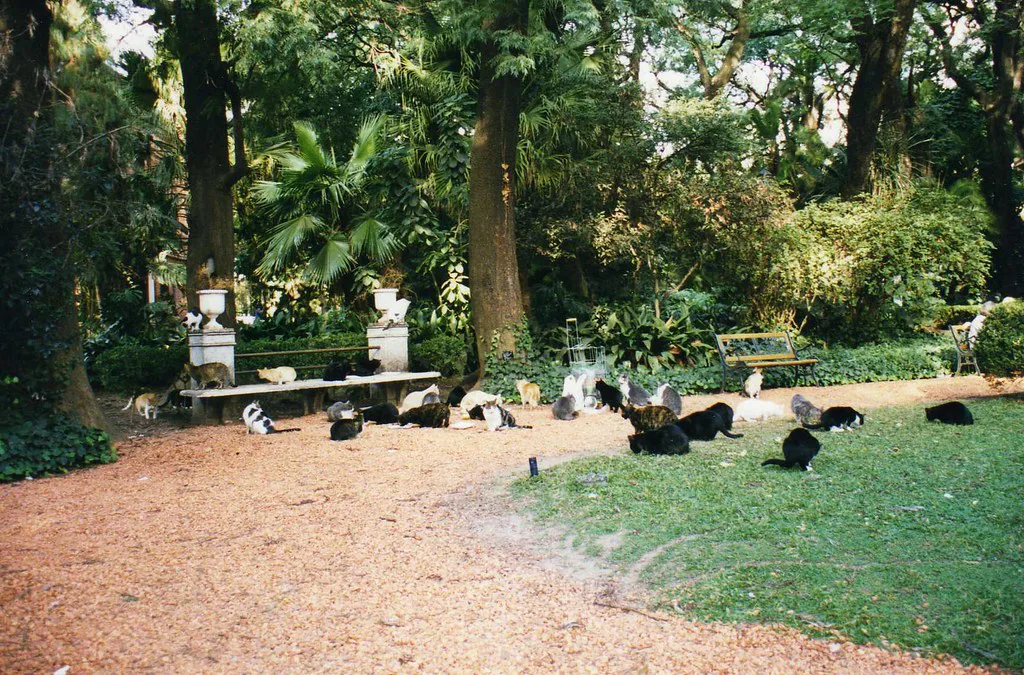
Tatton Park's Japanese garden belongs to a larger estate in Cheshire, so you can combine it with the rest of the grounds. That makes it a good fit for families and mixed groups where not everyone wants a garden-only day. Our Tatton Park Japanese Garden guide covers what you will see.
Entry details and seasonal arrangements are on Tatton Park's website. Skip it if you want a Japanese garden as the only reason for the trip.
4. Compton Acres, Poole, UK
Compton Acres is a garden attraction in Poole where the Japanese garden is one part of a wider visit. It works best on a south-coast day trip where you want several garden styles in one place. Our guide to Compton Acres in Poole covers the Japanese area.
Ticket details are on the Compton Acres official site. Skip it if you only want a free or very quick Japanese garden stop.
5. Cowden Japanese Garden, UK
Cowden is the pick for travellers who want a dedicated Japanese garden rather than a corner of a larger park. Expect a destination visit that needs planning, not a drop-in between other sights. Our Cowden Japanese Garden guide covers the garden and its setting.
It suits garden enthusiasts and photographers who plan around the season. Skip it if you are short on time or have no car, and read the guide first.
6. Japanese Gardens, Irish National Stud, Kildare, Ireland
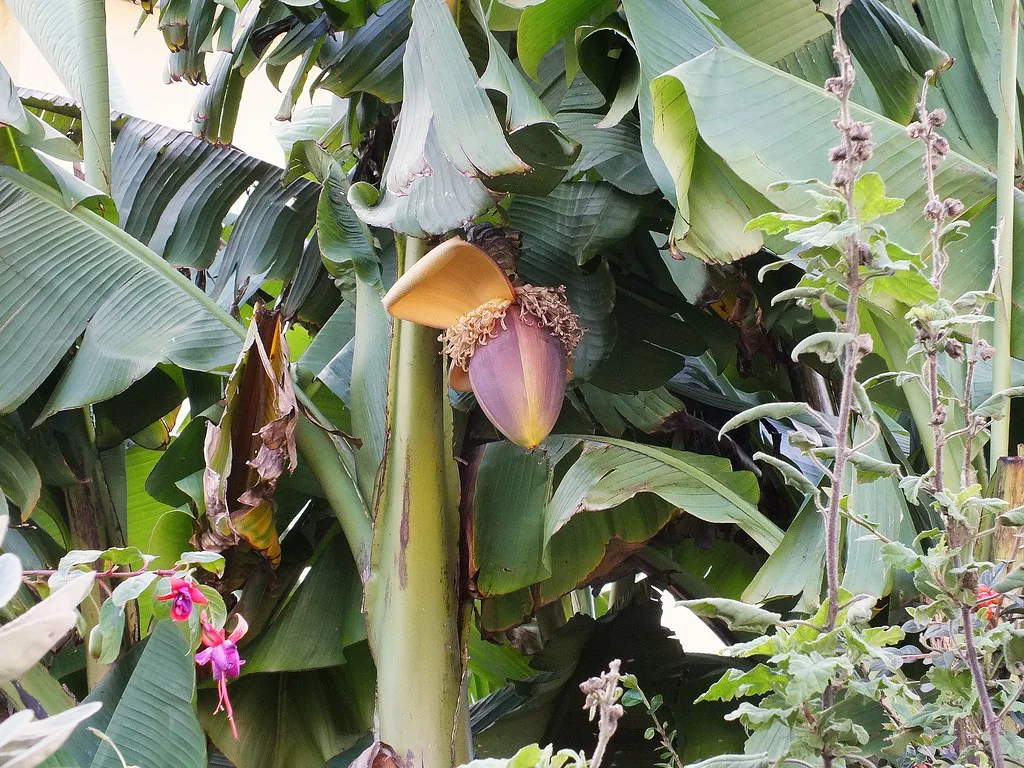
The Japanese Gardens sit within the Irish National Stud and Gardens in County Kildare. The visit pairs naturally with the stud, so it suits a mixed day of horses and gardens. Our guide to the Japanese Gardens in Kildare covers the layout.
Hours and tickets are on the Irish National Stud website. Skip it if you want a stand-alone garden with no other attraction attached.
7. Japanese Garden, The Hague, Netherlands
The Hague is the Dutch entry and fits a city break better than a countryside trip. It suits visitors who want a Japanese garden in a Benelux itinerary alongside other stops. Our Japanese Garden in The Hague guide covers timing and what to expect.
Spring and autumn plantings are the main draw for photographers. Skip it if you are visiting in deep winter and expect colour.
8. Japanese Garden, Kaiserslautern, Germany
Kaiserslautern is a municipal garden in Germany, so expect a city-run site rather than a ticketed estate. It suits a stopover on a German road trip. Our Kaiserslautern Japanese Garden guide covers the garden.

Event and access notes are on the city of Kaiserslautern's site. Skip it if you want a full-day park with a tea room.
9. Japanese Garden, Leverkusen, Germany
Leverkusen is another German municipal garden and works as a half-day addition to a Rhineland itinerary. It suits travellers building a Germany and Benelux garden route. Our Leverkusen Japanese Garden guide explains the layout.
Current access details are on the city of Leverkusen's website. Skip it if Maulévrier-scale immersion is what you want.
10. Japanese Garden, Toulouse, France
Toulouse brings a Japanese garden into a southern French city break. It suits visitors who want one calm stop between museums, markets and river walks. Our guide to the Japanese Garden in Toulouse covers what to see.
Local visitor information is on Toulouse Tourisme. Skip it if you are crossing France only for gardens, since Maulévrier is the bigger draw.
11. Japanese Garden, Monaco
Monaco's Japanese garden is a short urban stop in a very small state. It suits visitors who are already in Monaco and want a quiet half hour. Our Japanese Garden in Monaco guide covers the garden.
Opening arrangements are listed by Visit Monaco. Skip it as a standalone trip, since the garden pairs best with other Monaco sights.
Japanese garden styles you will meet in Europe
Europe offers three broad types. Dry karesansui gardens use gravel, rock and planting to suggest a landscape. Bielefeld, opened in 2003, is the clear example, with about 70 tonnes of rock and gravel across roughly 1,000 square metres. Its stepping stones guide the eye rather than the visitor. Stroll gardens are laid out for walking, with paths around water, bridges and lanterns. Oriental-park hybrids such as Maulévrier mix Japanese planting with Asian pieces gathered after the 1900 Universal Exhibition.
Best season for Japanese gardens in Europe
Spring and autumn carry most of the colour. Cherry blossom and azaleas peak in spring, and Japanese maples turn bronze and red in autumn. Maulévrier is open from 15 March to 15 November, so a winter trip there will not work. Its Hanami event celebrates cherry blossom. Bielefeld's wooden gate opens only for special occasions and festivals, though you can still view the garden from outside year-round.
Planning a multi-garden trip
Group gardens by region rather than by theme. Holland Park and Compton Acres suit a southern England trip, while Tatton Park sits in Cheshire. Kildare works as an Ireland day on its own. Benelux and Germany can link The Hague, Hasselt, Leverkusen, Kaiserslautern and Bielefeld. Maulévrier anchors a Loire-region day, and Toulouse and Monaco fit city breaks. Check rail and road times on official timetables before you commit to a chain of stops.
Park dates run 15 March to 15 November, so schedule the rest of the route around that window.
Mistakes to avoid
Do not expect to walk through every garden. Bielefeld is a viewing garden, and entry there is generally limited to special events. Do not assume free means open every day, and check seasonal dates for paid parks. Do not trust a "largest" label alone. Maulévrier covers 29 hectares, while Hasselt covers 2.5 hectares and is credited to designer Inoue Takuyuki. Compare hectares and design credits rather than the headline claim.
Frequently Asked Questions
What are the best Japanese gardens?
In Europe, the best depends on what you want from the visit. Maulévrier suits a full day, Bielefeld suits dry-garden fans who accept viewing from outside, and Kyoto Garden in London suits a short stop.
Explore More Guides
Keep planning your trip with these guides.
Guides
- Japanese Gardens in Kildare
- Kyoto Garden, Holland Park
- Japanese Garden in The Hague (Clingendael)
- Japanese Garden Monaco: Hours, Entry and What to Expect
- Japanese Garden Kaiserslautern: Visitor Guide & Tips
- Japanese Garden Leverkusen: Access, History & Visit Tips
- Tatton Park Japanese Garden: Visitor Guide
- Compton Acres Japanese Garden
- Japanese Garden Toulouse: Pierre-Baudis Visit Guide
- Parc Oriental de Maulévrier
- Cowden Japanese Garden
Bloom-season notes
Optional updates when we add or revise garden guides.
Continue reading
Guides on the same trip