Japanese Garden Leverkusen: Access, History & Visit Tips
Visiting the Japanese Garden in Leverkusen, Germany: where it is, how to get in, what to see, best season, and who it suits.
Last updated November 2026: the Japanese garden Leverkusen visitors search for, the Japanischer Garten, is a landscaped garden of about 15,000 m² beside the Bayer site on Kaiser-Wilhelm-Allee. Bayer gave it to the city in the 1970s, and its roots go back to 1913 and Carl Duisberg. It is a quiet walking garden rather than a ticketed attraction, and it sits in our guide to Japanese gardens in Europe as a low-key stop near Cologne.
Featured image: sstrick.83, CC BY-SA 2.0, via Flickr.
Japanese Garden Leverkusen at a glance
Local listings describe a garden of about 15,000 m², roughly 3.7 acres, with several ponds and a mix of Asian and native plants. Address details point to Kaiser-Wilhelm-Allee, 51373 Leverkusen. Entry is described as free, because the grounds are freely accessible rather than gated like a paid garden.
- Location: Kaiser-Wilhelm-Allee, 51373 Leverkusen, next to the Bayer site and the Carl-Duisberg-Park area.
- Size: about 15,000 m² (roughly 3.7 acres).
- Entry: described as freely accessible, with no ticket desk.
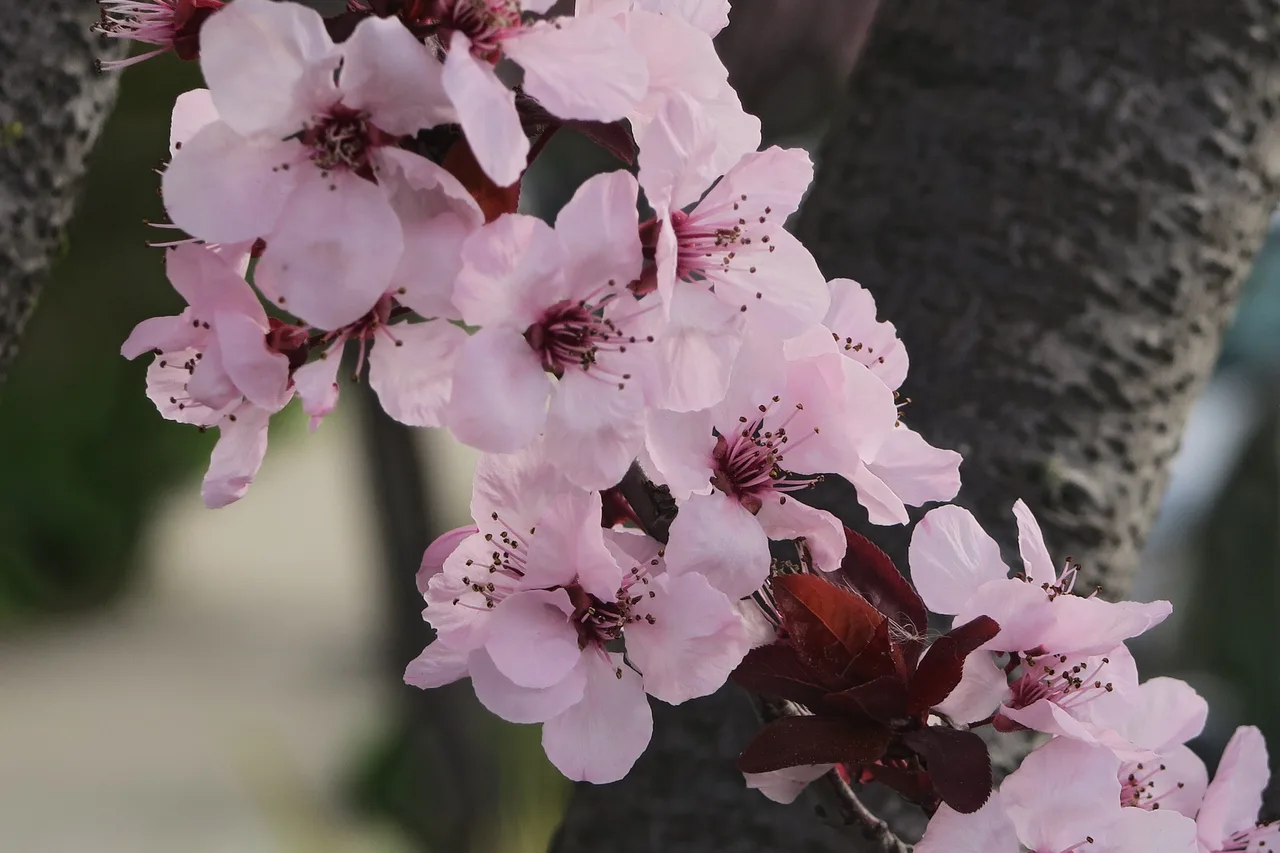
- Best season: spring, when the cherry trees flower.
- Pace: a short, quiet walk rather than a full-day outing.
History: Carl Duisberg and the Bayer connection
The garden dates to 1913 and was laid out on the initiative of Carl Duisberg, an early head of Bayer AG. One account says it began as a private garden. Bayer later gave the grounds to the city in the 1970s, which explains why a public park sits beside an industrial campus. Details of later restoration are not well documented, so treat the layout you see today as a modern interpretation rather than a preserved 1913 original.
What you will see
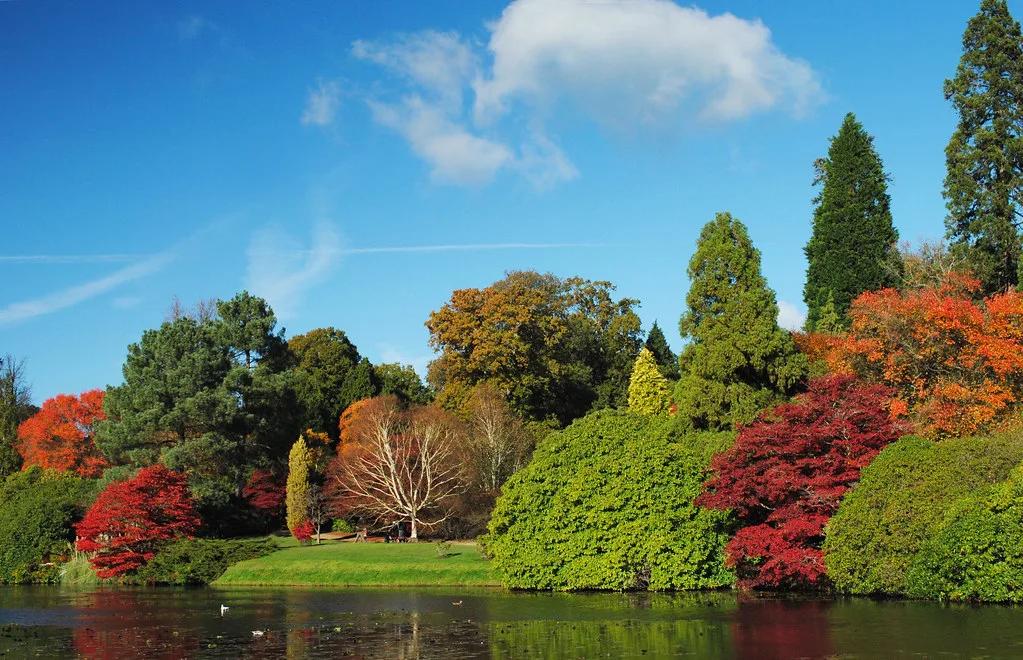
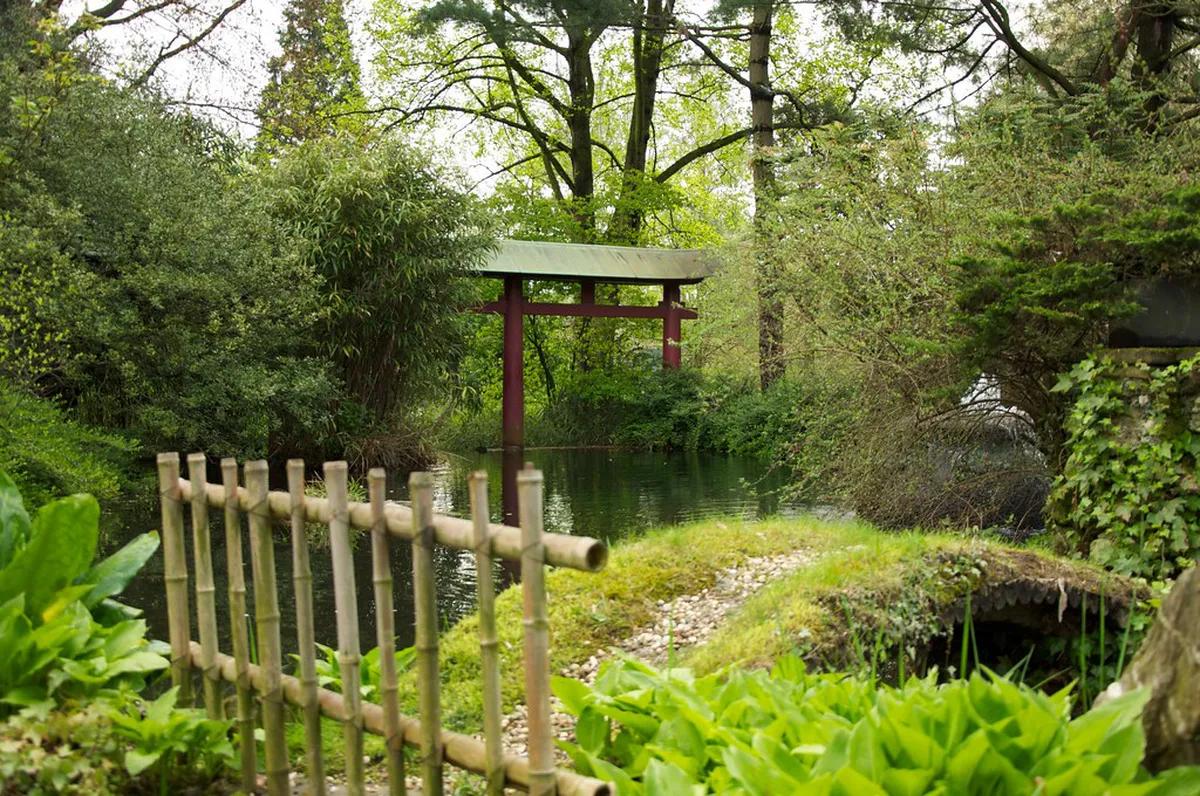
Water is the organizing element here. Paths loop around ponds and cross small bridges, and visitors report koi, carp, turtles, water lilies and fountains. Features change with the season, so not every pond looks the same on every visit.
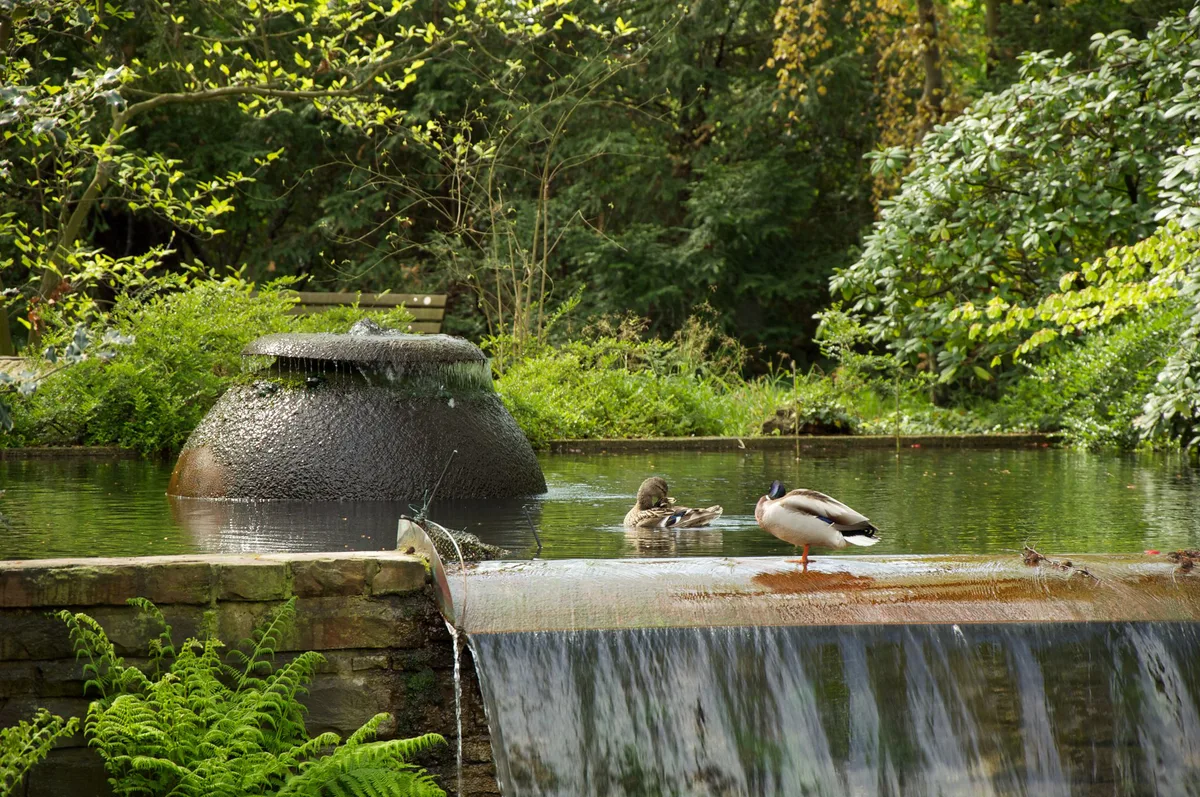
- Water: koi ponds, small waterfalls, fountains and spring stones.
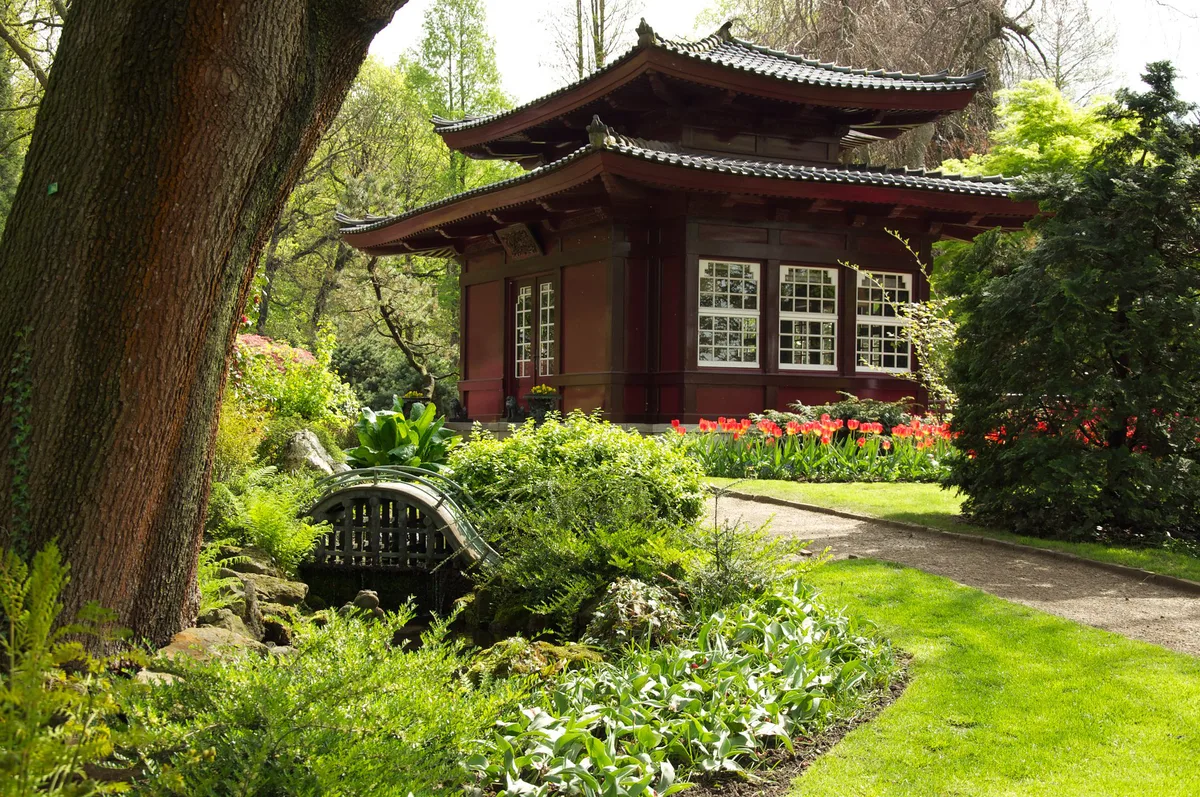
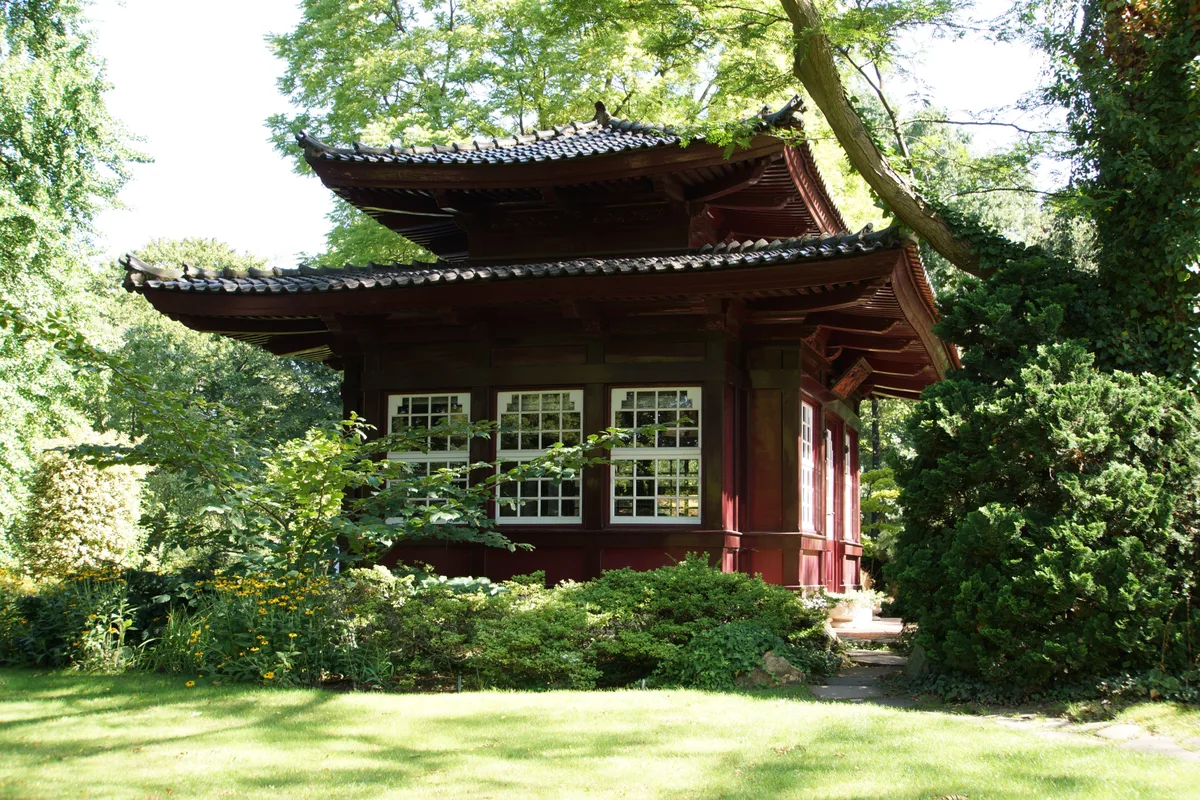
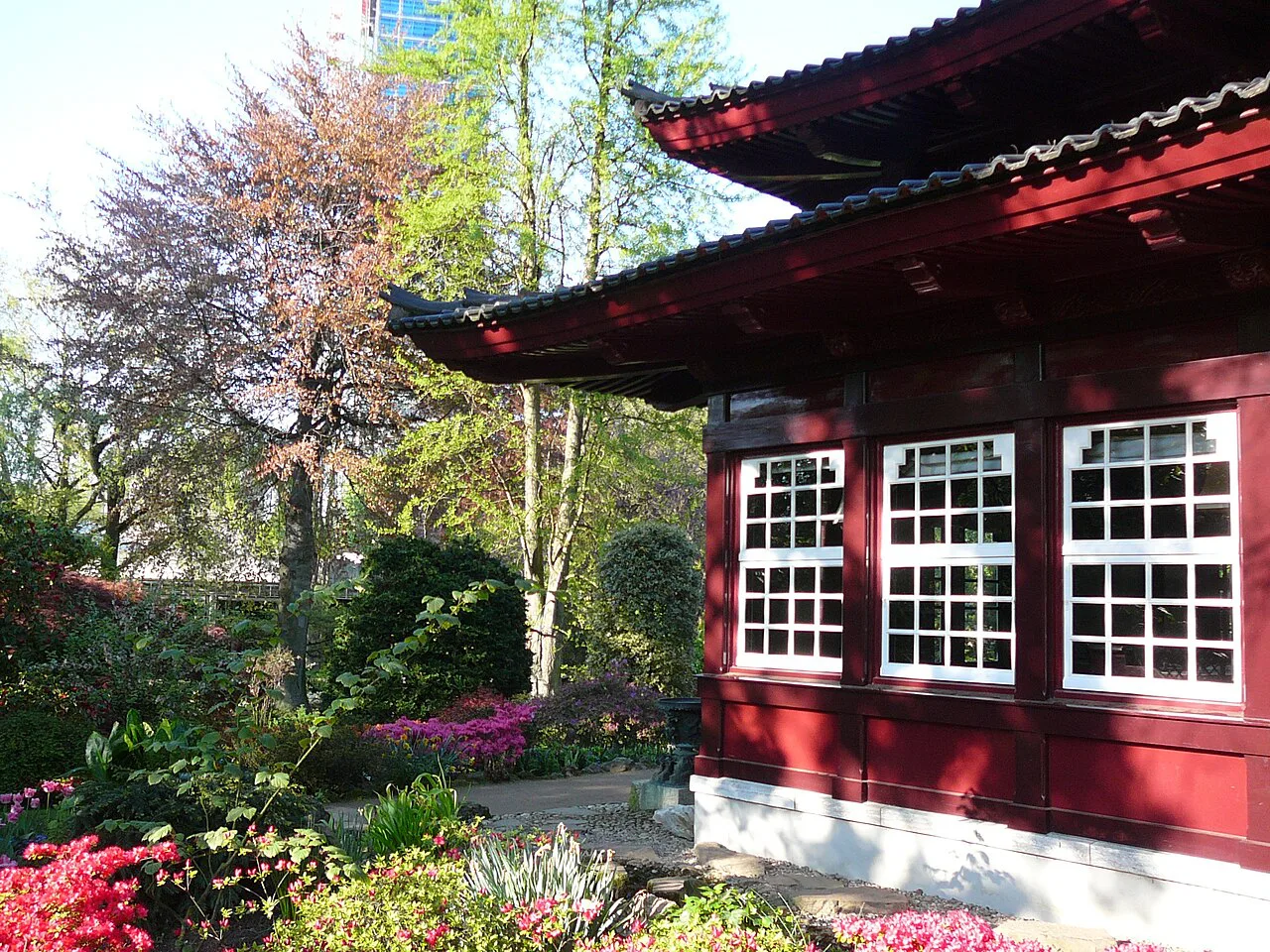
- Structures: arched bridges, pagoda-style details and prayer stones.
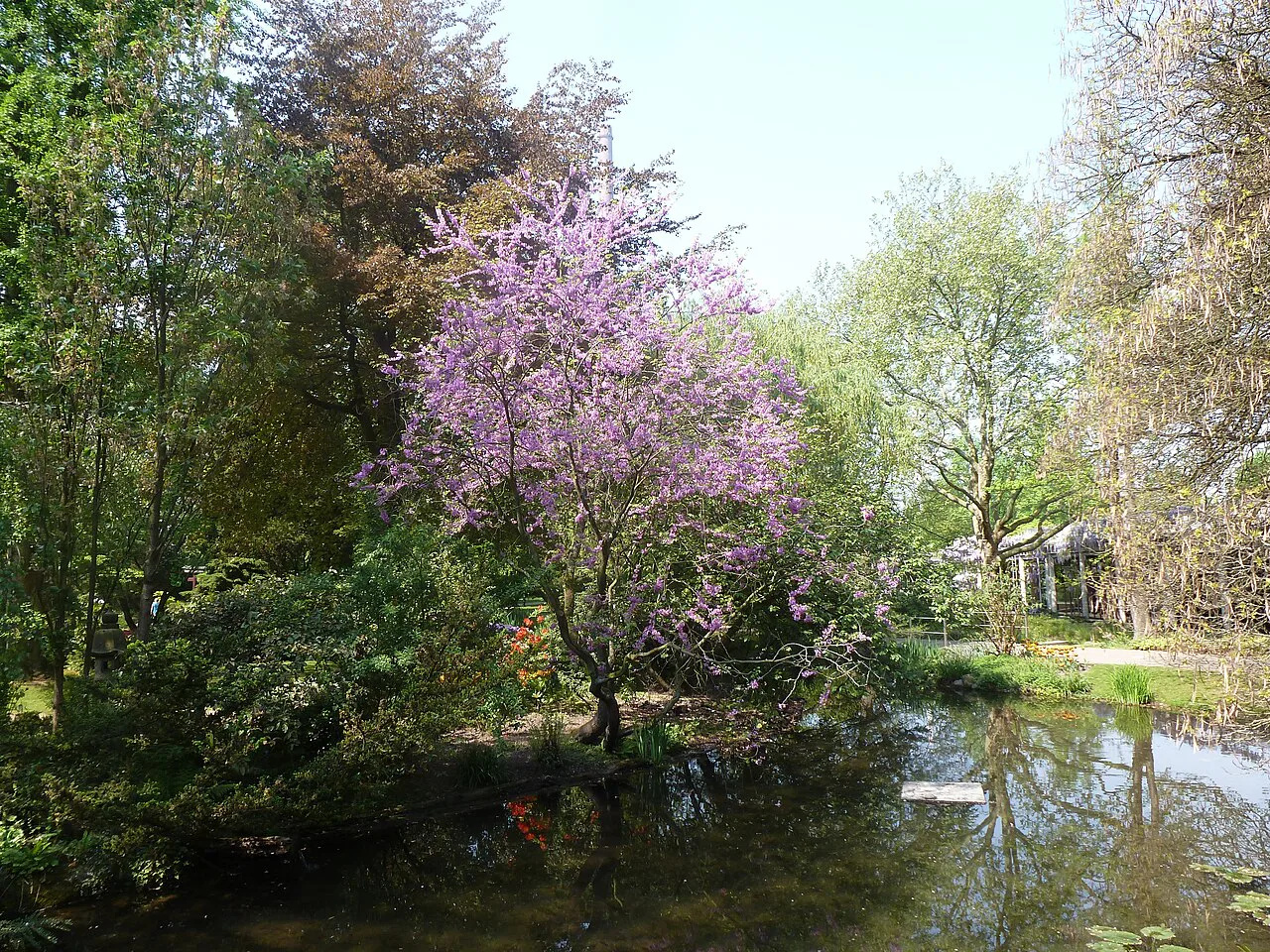
- Plants: cherry trees, maples, bonsai and a blend of exotic and local species.
- Comfort: seating corners spread through the grounds, handy for a pause with a book.
- Wildlife: ducks and nutria have been noted along the water.
How to get there and get in
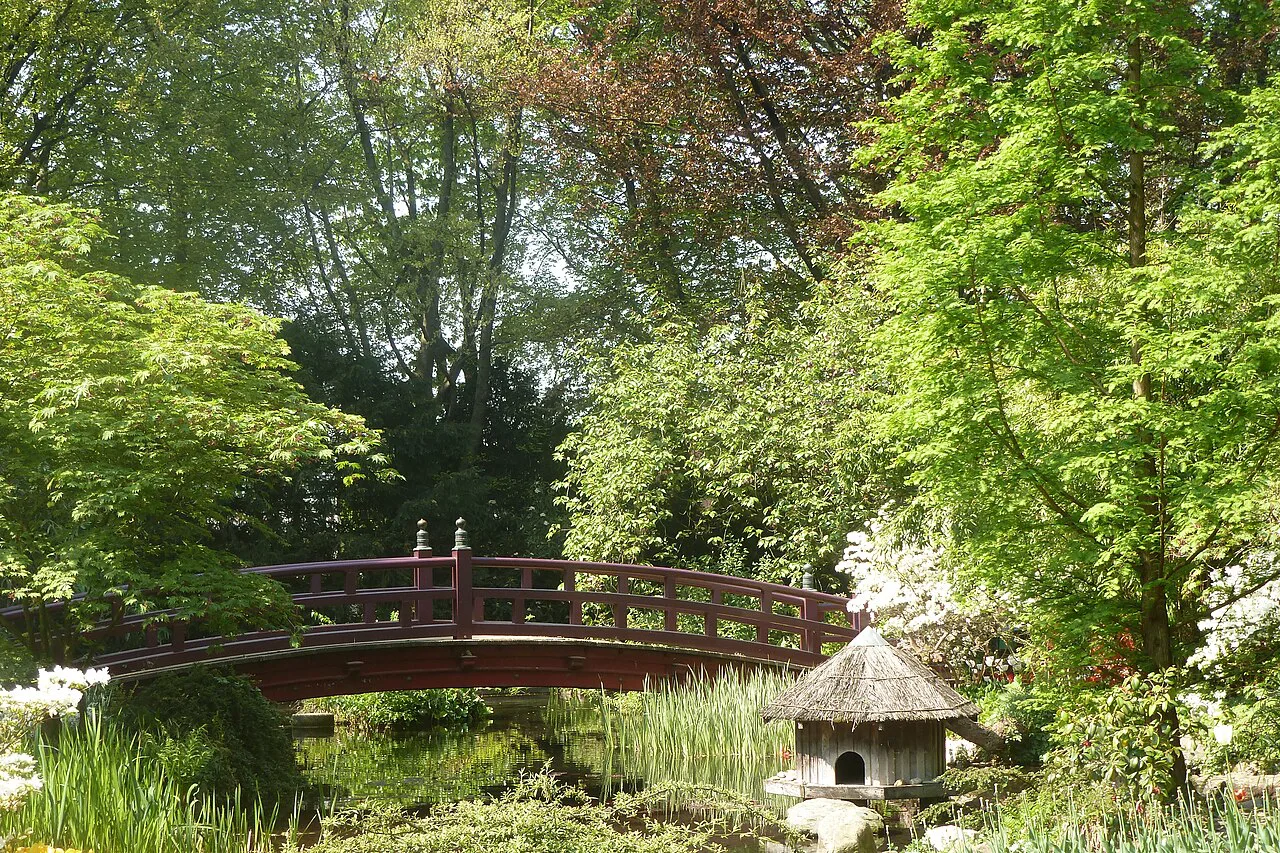
Navigate to Kaiser-Wilhelm-Allee in 51373 Leverkusen and look for the park entrance beside the Bayer site. Because the garden borders an industrial campus, check the City of Leverkusen's official visitor pages for current opening rules and for the best public transport stop. Rail and bus lines, parking and exact gates are not confirmed here, so use the regional transit planner on the day. Mistake to avoid: assuming a ticketed tourist garden with fixed hours. This is a public green space with a corporate neighbor, so follow any posted signs and keep to the paths.
Best time to visit
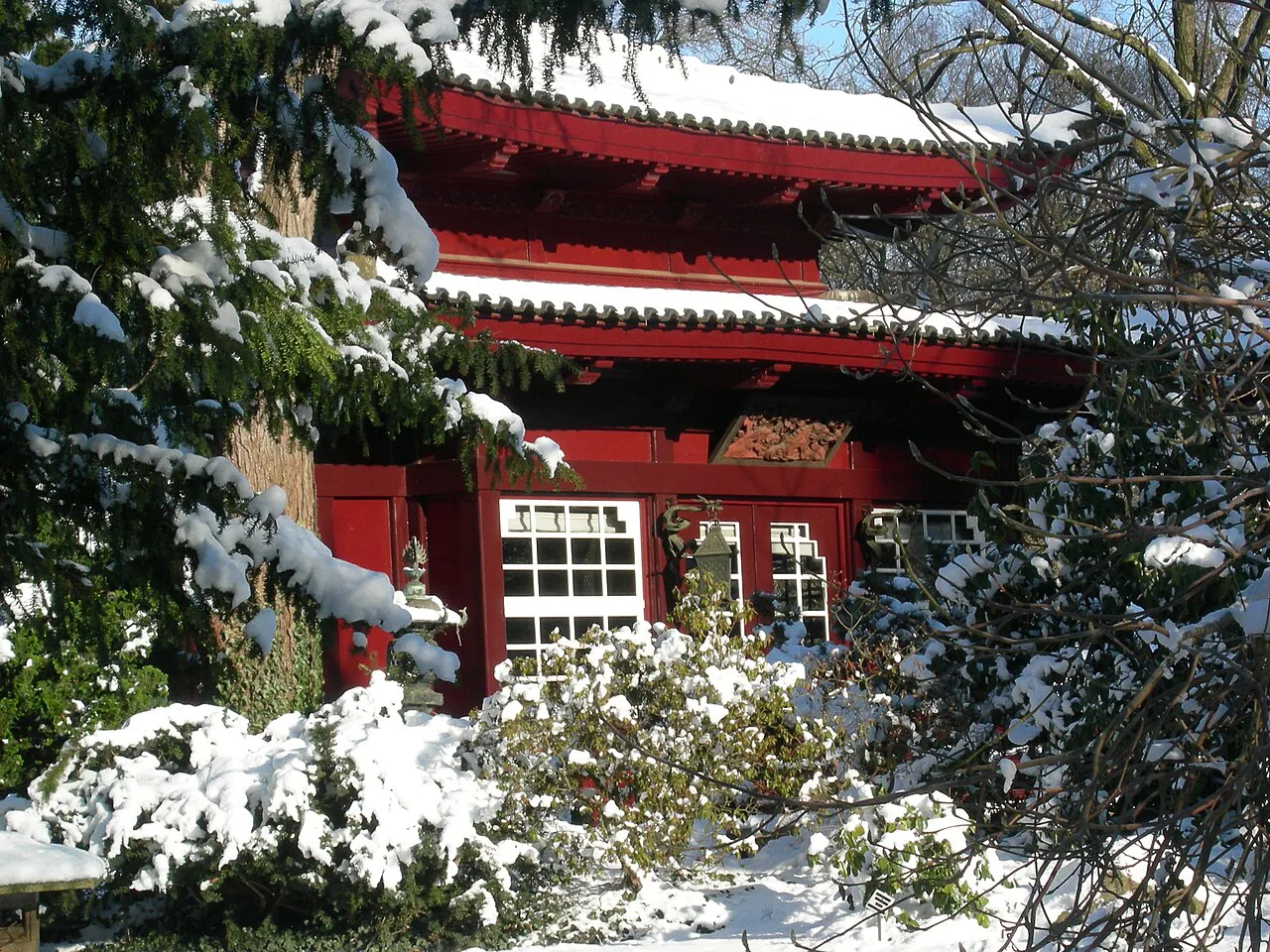
Spring is the strongest season, because the cherry trees bloom around the ponds. Maples add color in autumn, and summer brings water lilies and active koi. Exact bloom dates shift each year, so look at recent local photos before planning a trip around the blossom. Weekday mornings are usually the calmer option for photographers.
How long to stay and who it suits
As editorial guidance, allow roughly 45 to 90 minutes for a slow loop with photo stops. That fits easily into a Cologne day trip. Photographers, families with children who like feeding-free pond watching, and anyone needing a quiet break will get the most from it. Skip it if you expect a large formal garden with a tea house and an admission desk. Leverkusen's garden is closer to a landscaped city park with Japanese-style features.
Compare with other Japanese gardens in Europe
Leverkusen works best as a short, free stop rather than a destination in itself. Nearby in Germany, the Kaiserslautern Japanese garden is the closest comparison. Across the border, the Japanese garden in The Hague is a seasonal opening reachable from the Rhine region. For a larger, more formal experience, see the Japanese gardens in Kildare or the Tatton Park Japanese Garden: Visitor Guide. Both are ticketed estates, so they suit a dedicated trip rather than a quick detour.
Bloom-season notes
Optional updates when we add or revise garden guides.
Continue reading
Guides on the same trip