Botanical Gardens in Europe: Best Picks by Season and Trip Type
Choose the right botanical garden in Europe by season, glasshouses, city access and time needed, with practical picks and trade-offs.
Last updated November 2026. The strongest botanical gardens in Europe are Kew, Edinburgh, Berlin, Padova, Madrid and Paris, and the right one depends on season, weather and the city you are already visiting. This guide keeps to true botanic gardens, meaning living plant collections with a scientific or teaching purpose. For palace grounds and landscape parks, start with our wider guide to 12 Best Gardens in Europe: Pick by Season, Style and Effort.
Featured image: Francisco Anzola, CC BY 2.0, via Flickr.
Quick answer: the best botanical gardens in Europe
Match the garden to your need rather than chasing a single winner. Five picks cover most trips.
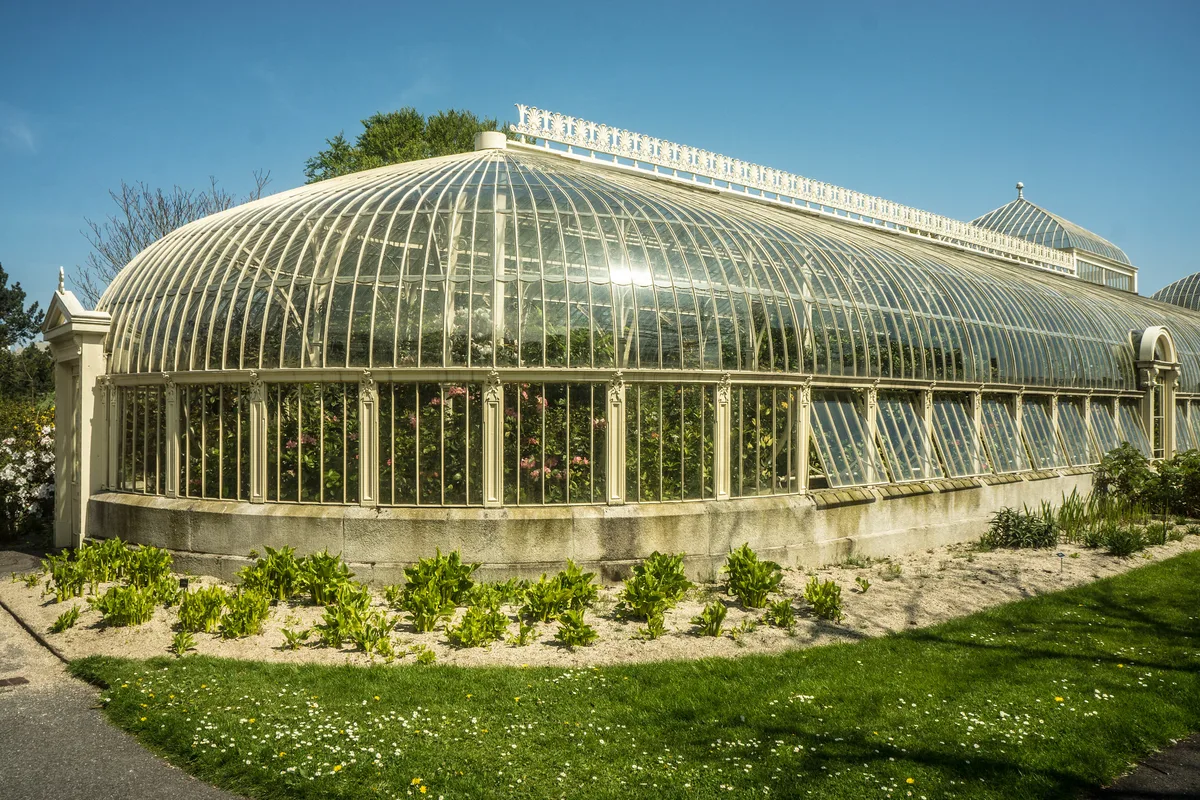
- Rainy day or winter: Royal Botanic Gardens, Kew in London, or Berlin Botanic Garden, both known for their glasshouses.
- Plant science and history: Orto Botanico di Padova, with Florence's Giardino dei Semplici as a second Italian stop.
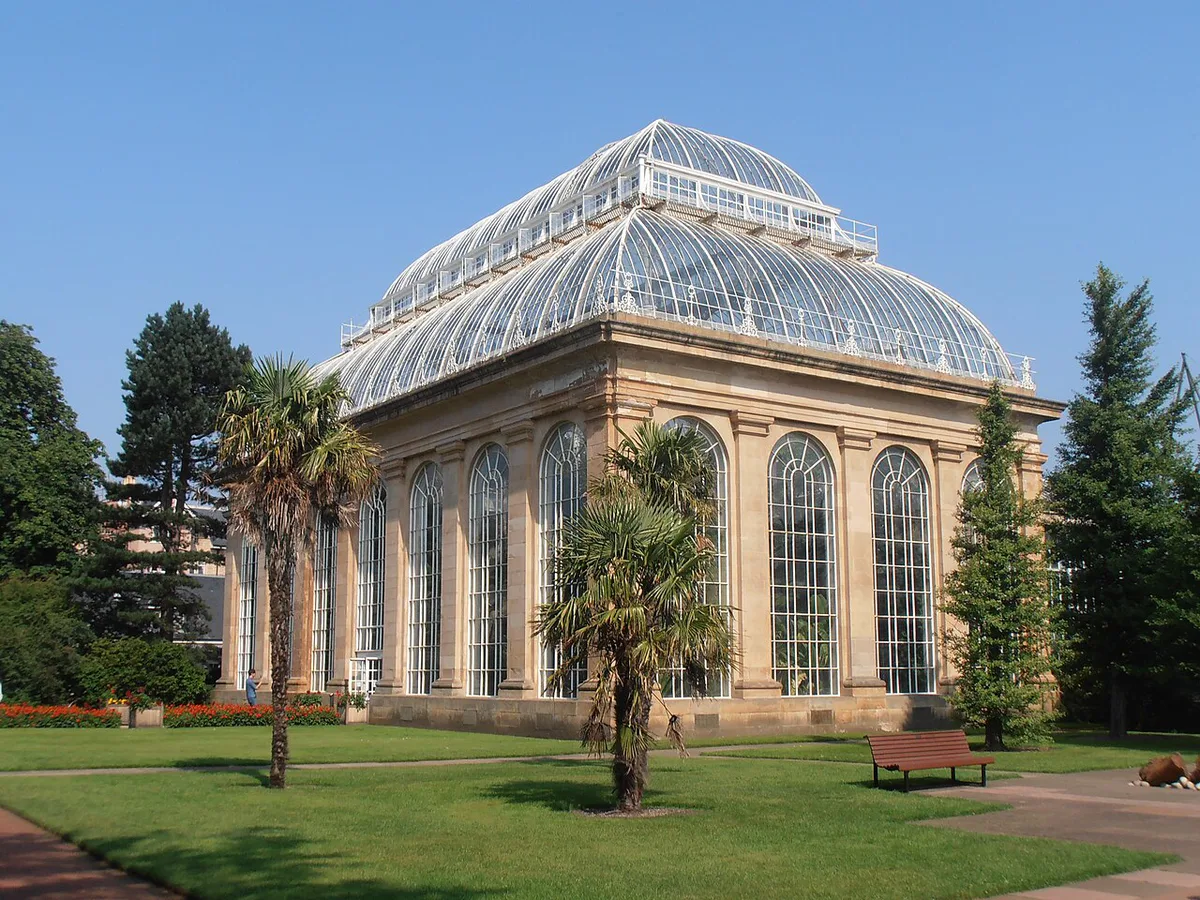
- Big outdoor collection: Royal Botanic Garden Edinburgh, which is also a strong choice for a Scotland city break.
- Southern Europe in spring: Real Jardín Botánico de Madrid.
- Central Paris: Jardin des Plantes, an easy add-on to a museum day.
How to choose: collection, season and weather
Start with weather, because it decides whether you want glass or open ground. A garden with large glasshouses stays useful in rain and cold. A garden that is mostly outdoor pays off in spring and early summer. Next, decide what you want to see. University gardens such as Padova suit plant-history fans, while large national gardens suit a long walk and a picnic. Finally, consider access. Gardens inside a city, such as Madrid and Paris, fit between other plans. Estate-style gardens like Edinburgh deserve a half-day.

Comparison table: which botanical garden fits your trip
This table sets the main picks side by side. Opening hours and ticket rules change by season, so read each garden's official page before you book.
| Garden | City | Best for | Glasshouse or outdoor |
|---|---|---|---|
| Royal Botanic Gardens, Kew | London, UK | Rain, winter, first-timers | Glasshouses and outdoor |
| Royal Botanic Garden Edinburgh | Edinburgh, UK | Long walks, plant enthusiasts | Outdoor with glasshouses |
| Berlin Botanic Garden | Berlin, Germany | Bad weather, city breaks | Glasshouses and outdoor |
| Orto Botanico di Padova | Padova, Italy | History and science | Mostly outdoor |
| Real Jardín Botánico de Madrid | Madrid, Spain | Spring color, city breaks | Mostly outdoor |
| Jardin des Plantes | Paris, France | Short stops, museum days | Outdoor with glasshouses |
| Flora and Botanical Garden | Cologne, Germany | Palms and tropical plants | Glasshouses and outdoor |
| Arctic-Alpine Botanical Garden | Tromsø, Norway | Summer, alpine plants | Outdoor |

Best for glasshouses and bad weather
Kew is the obvious rainy-day choice in London. Its glasshouses make it useful all year, and it works for first-time visitors who want a safe pick. Berlin Botanic Garden offers the same logic in Germany, with indoor plant houses for cold or wet days. Cologne's Flora and Botanical Garden covers 11.5 hectares on the left bank of the Rhine in the north of the city. It holds over 10,000 trees and plants, and you can walk through its tropical and palm greenhouses. Edinburgh mixes open ground with glass, so check the Royal Botanic Garden Edinburgh site for which houses are open on your date. For a full list of indoor options, see our guide to European glasshouses.

Best for history and science
Padova is the pick for plant history. Its university setting shows how early botanic gardens served teaching and medicine. Our page on the Oldest Botanical Garden in the World: Pisa vs Padua Explained covers its claim in detail. Florence's Giardino dei Semplici and the Palermo botanical garden give you two more Italian collections with a teaching background. Tromsø adds a research angle, since its Arctic-Alpine garden houses a library and herbarium for the study of Arctic and alpine plants. Pick these gardens for context and collections rather than for big floral displays.
Best for scenery and summer color
Tromsø's Arctic-Alpine Botanical Garden holds over 5,000 species, with Arctic, alpine and Svalbard collections. It is a summer destination, when the café is open and guided tours run on request. Villa Taranto in Verbania and the Gärten von Schloss Trauttmansdorff are resort-style options for spring and summer. Lost Gardens of Heligan and the Jardin exotique de Monaco suit travelers who want setting as much as science. Treat these as destination gardens. Plan a half-day or more, and expect less teaching content than at a university garden.
Best in a city break
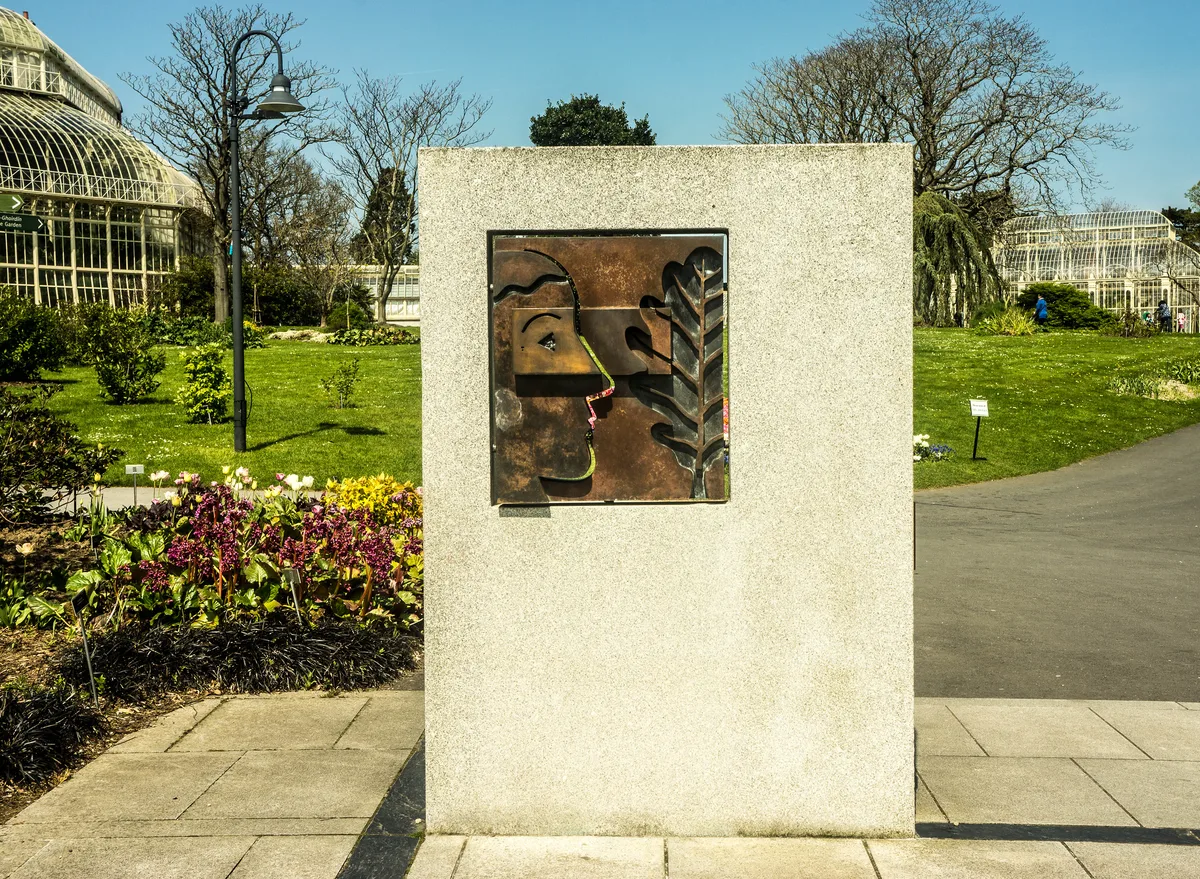
Some gardens fit neatly into a short stay. In Madrid, Real Jardín Botánico is an easy spring stop between other city plans. In Paris, Jardin des Plantes pairs well with a museum day. In Berlin, the botanic garden works as a weather backup. In Vienna, the University Botanical Garden is a compact alternative to the palace grounds. In Munich, Botanischer Garten München-Nymphenburg is another city-break option. Gardens with glass let you swap them in when rain cancels outdoor plans. If you want to build a whole route around gardens, our overview of Garden Tours in Europe: Best Routes & How to Choose shows how others do it.
Costs, tickets and opening hours
Prices and hours checked November 2026 were not available in a form we could verify for every garden. Use each garden's official page for current fares, closures and booking rules, such as the Edinburgh garden's visitor page.
Winter and shoulder-season visiting
Outdoor collections thin out in winter, so choose gardens with glass. Kew, Berlin and Cologne all keep indoor plant houses, which hold their value when beds are bare. Summer-only facilities, such as Tromsø's café and guided tours, may be closed outside the season. Our guide to Gardens in Europe in Winter: Where to Go and What's Open lists more cold-weather options. In shoulder months, check which houses are open before you travel.
Mistakes to avoid
A few errors cause most disappointing visits.
- Visiting an outdoor garden out of season and finding bare beds.
- Assuming everything is open year-round, including cafés and tours.
- Ignoring glasshouse-only value in winter.
- Skipping timed-entry or advance-booking rules on the official site.
- Mixing up botanical and palace gardens, which serve different goals.
- Arriving close to closing time at a large garden.
Botanical vs landscape vs palace gardens
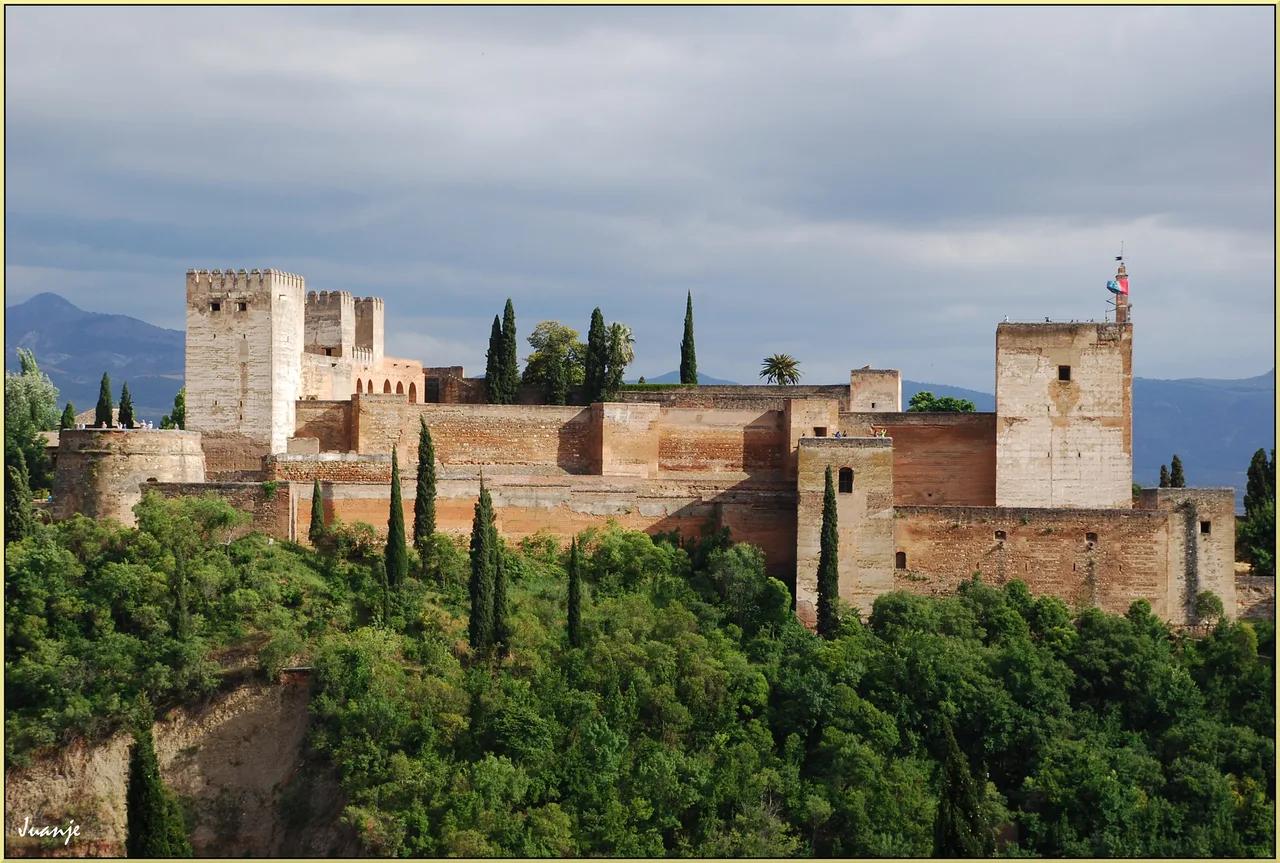
A botanical garden is a living plant collection with a scientific, conservation or teaching purpose. Palace gardens are designed for show. The Generalife at the Alhambra is one example, and the Alhambra and Generalife official site explains the visit. Our list of the Most Beautiful Gardens in Europe: Picks by Style, Season and Access covers them. For design styles, read about Italian, French and English gardens. For formal layouts, see our pages on Renaissance Gardens in Europe: Where to See Them and Baroque gardens. Heritage-listed sites are collected in our guide to UNESCO World Heritage Gardens in Europe: Where to Go.
Frequently Asked Questions
What is special about botanic gardens?
Botanic gardens keep labeled, living plant collections for study, conservation and teaching. Many hold a library or herbarium, as Tromsø's Arctic-Alpine garden does. That makes them different from ornamental parks.
What is the #1 botanical garden in the world?
No single garden holds that title, because the answer depends on what you value. Kew, Edinburgh and Berlin are strong picks for glasshouses and scale. For age and history, read our page on the oldest botanical garden.
Bloom-season notes
Optional updates when we add or revise garden guides.
Continue reading
Guides on the same trip