Oldest Botanical Garden in the World: Pisa vs Padua Explained
Pisa was founded in 1544 and Padua in 1545. See which is the oldest botanical garden in the world, why sources differ, and which one to visit.
Last updated November 2026. The oldest botanical garden in the world depends on how you define "oldest". Guinness World Records names Pisa as the oldest founded, in 1544, and Padua as the oldest still on its original site, in 1545. Our criteria below show why the two answers differ and which garden suits your trip, and our hub on botanical gardens across Europe covers the wider field.
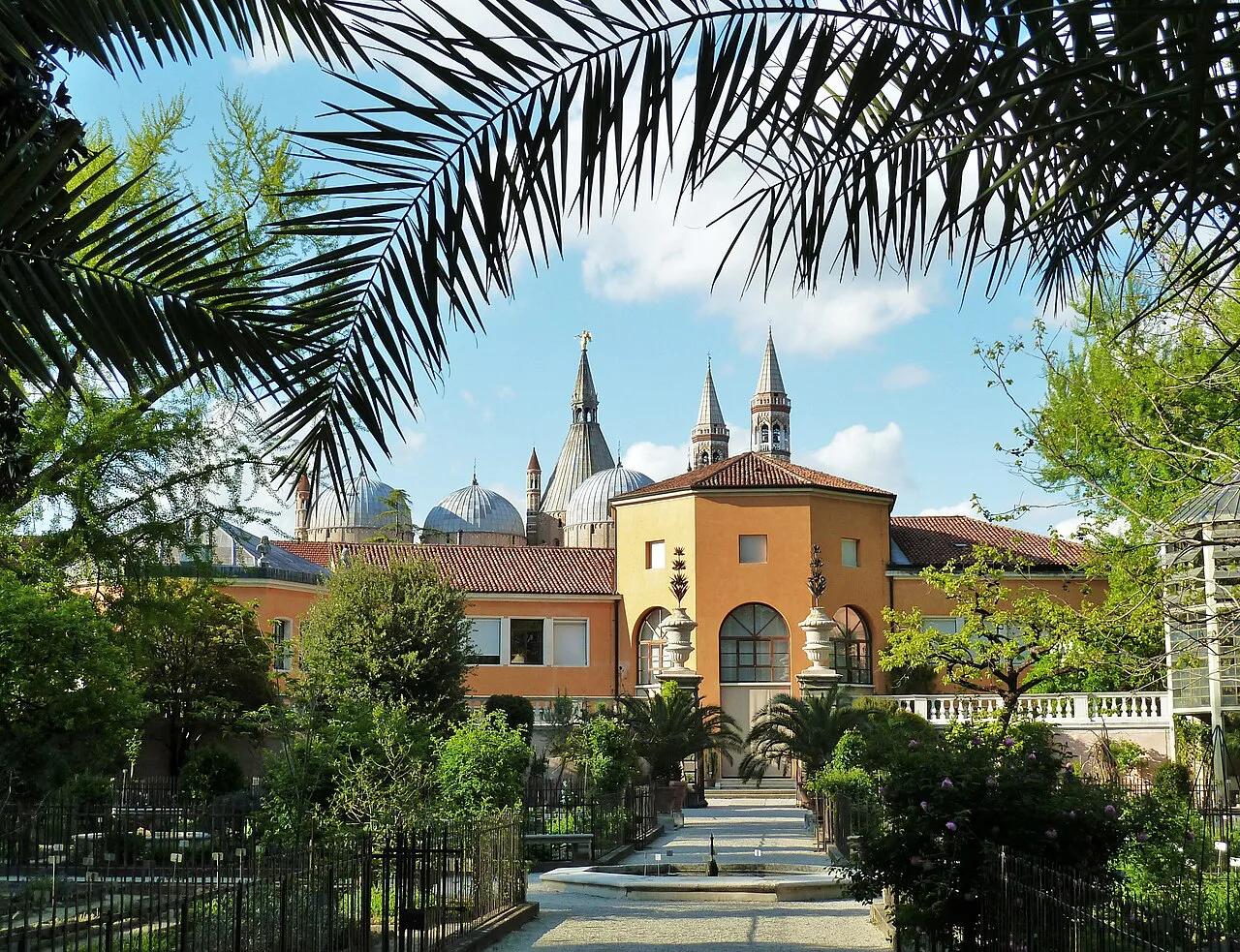
Featured image: Rollroboter, CC BY-SA 3.0, via Wikimedia Commons.
Oldest botanical garden in the world: Pisa or Padua?
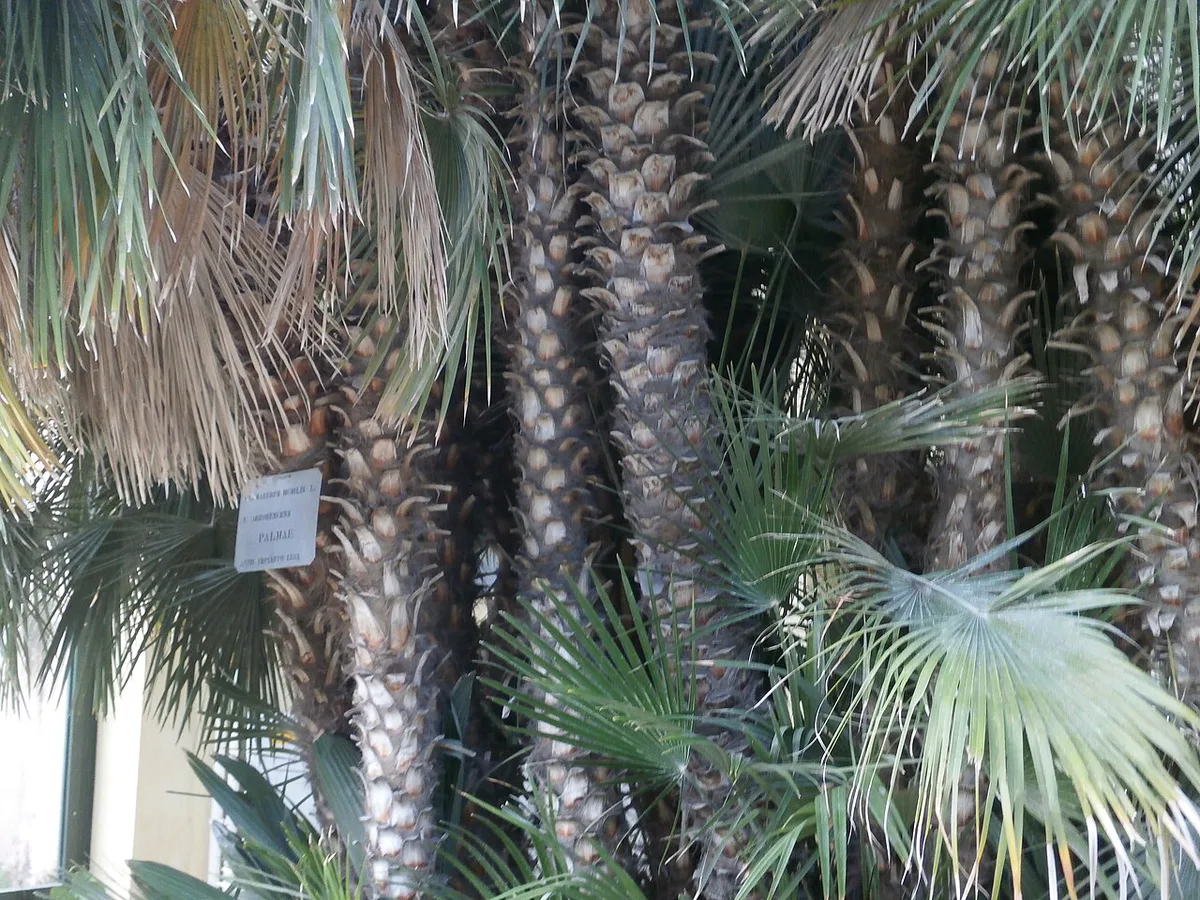
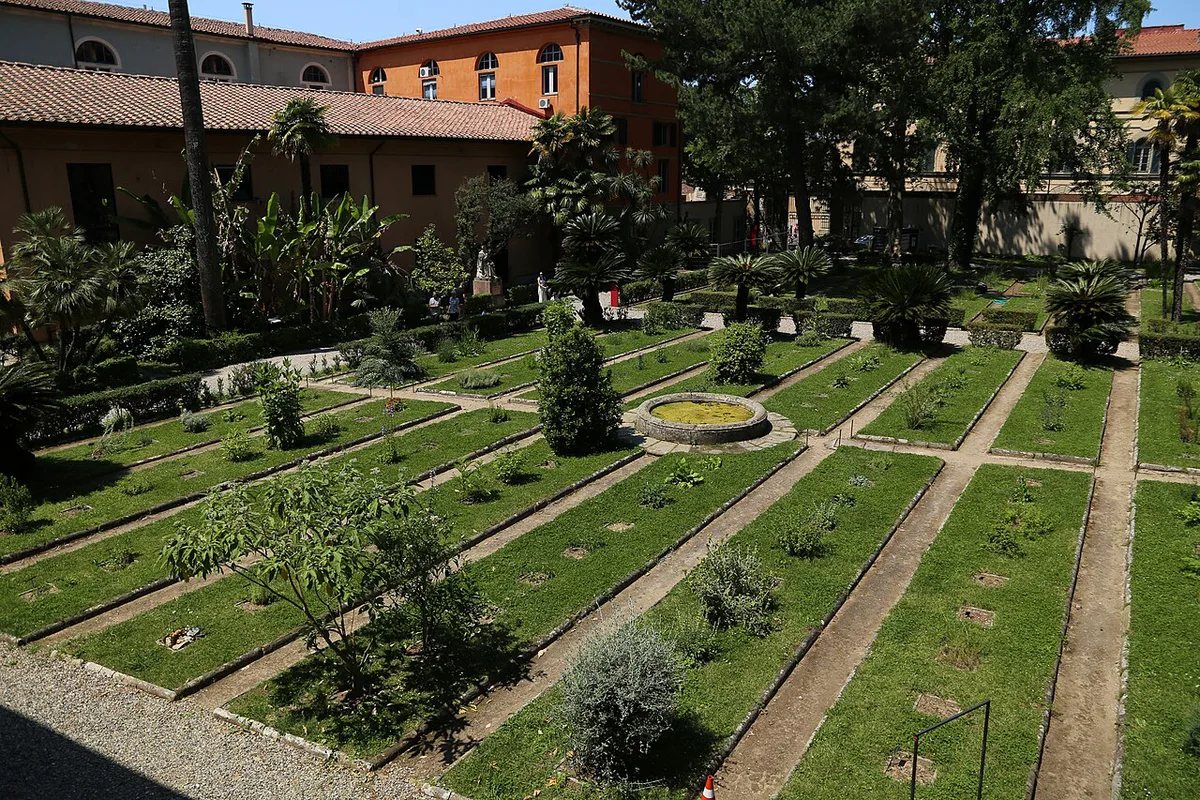
According to Guinness World Records, the oldest botanic garden ever is the Botanical Garden of Pisa, Italy, founded in 1544. Pisa relocated twice and has stood on its present site since 1591. Padua's Orto Botanico, established in 1545, is the oldest botanical garden remaining on the same site. Padua is also a UNESCO World Heritage site, which is why it tends to get the headline. For visitors, the practical answer is usually Padua. Start with the Orto Botanico di Padova if you only have time for one.
Pisa vs Padua vs Leiden vs Oxford at a glance
Four gardens come up most often in this debate. Pisa (1544) and Padua (1545) sit one year apart. Oxford (1621) is the first botanic garden in the UK, per Guinness. Leiden's Hortus Botanicus is usually dated to 1590 and described as the oldest in the Netherlands. Cells marked "check official site" are details we have not confirmed from the garden itself.
| Garden | City | Founded | On original site? | Best for |
|---|---|---|---|---|
| Orto Botanico di Padova | Padua, Italy | 1545 | Yes | History and UNESCO-listed layout |
| Botanical Garden of Pisa | Pisa, Italy | 1544 | No, moved twice; present site since 1591 | Founding-date bragging rights |
| Hortus Botanicus Leiden | Leiden, Netherlands | 1590 (commonly cited) | Check official site | Northern Europe routes |
| Oxford Botanic Garden | Oxford, England | 1621 | Check official site | UK trips |
Why "oldest" is disputed
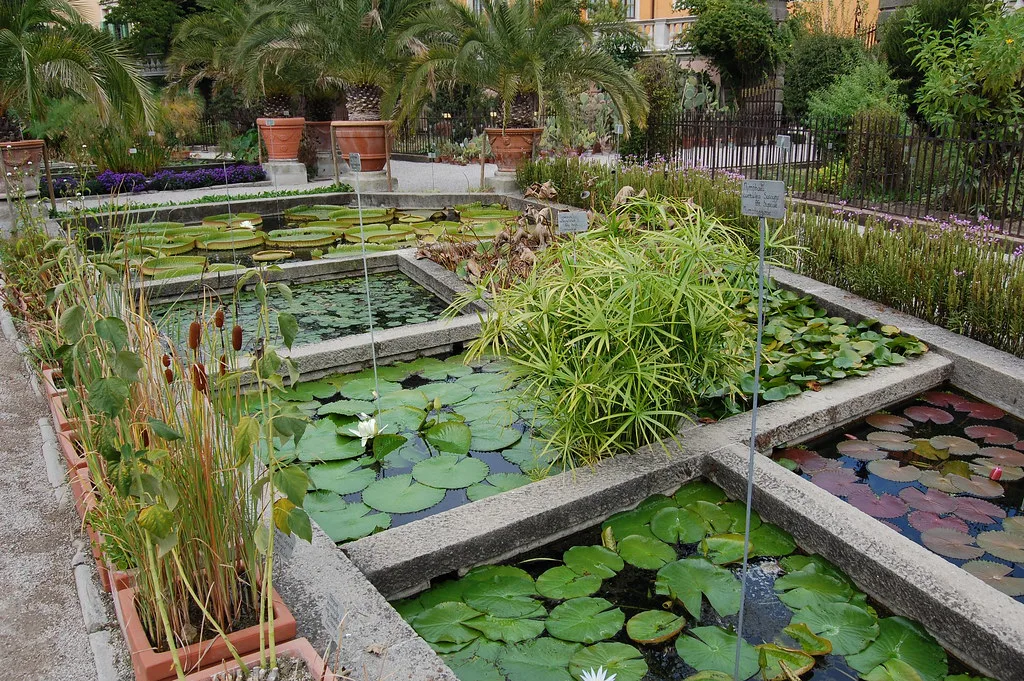
Three things drive the disagreement. Relocation is the first: Pisa was founded a year before Padua but moved, so it fails the "same site" test. Purpose is the second, because medieval physic gardens grew medicinal herbs, while Renaissance botanical gardens served scientific study. University links are the third, since many early gardens were created to teach medicine. Other institutions have claimed "first" status, and sources disagree on dates. That is why Guinness splits its record into two categories. For the era's wider garden thinking, see our guide to Renaissance gardens in Europe.
Visiting Padua's Orto Botanico
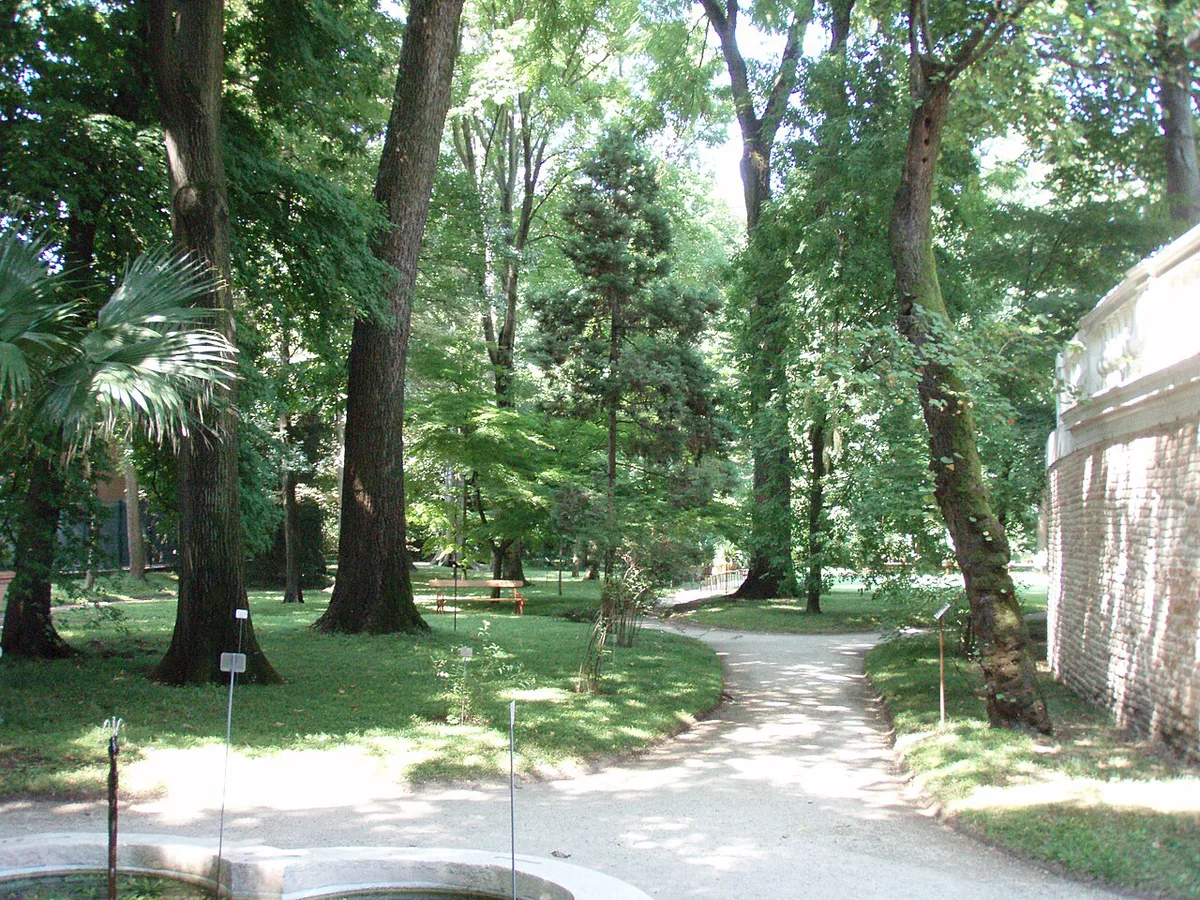
Padua is the stronger visit because the garden has stayed on the same ground since 1545. You are standing where the founding generation worked. The garden's own site lists current tickets, opening hours and any seasonal closures. Check there whether glasshouse areas need separate entry, since the answer can change. Our overview of UNESCO-listed gardens in Europe shows how Padua compares with other protected sites.
Visiting Pisa's garden
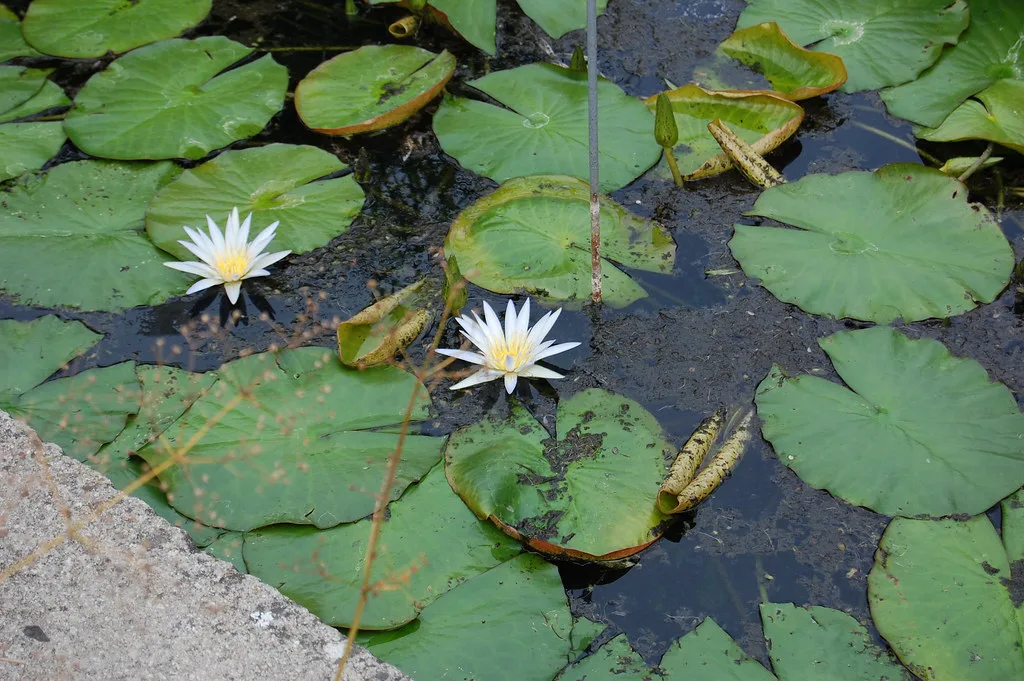
Pisa's garden has been on its present site since 1591, after two moves. You will see a garden shaped over more than four centuries, not the 1544 ground. That changes what you are visiting. It is a history stop with a founding-date story, not a preserved original layout. Look up current access details and opening days on the garden's official page before you plan around it.
Leiden and Oxford as add-ons
Oxford Botanic Garden, founded in 1621, fits a UK itinerary built around the university city. Leiden's Hortus Botanicus, usually dated to 1590, suits a Netherlands route. Both are secondary to Padua if age is your reason to go. Treat them as add-ons when you are already in the city, and check each garden's own site for hours and tickets.
Leiden's 1590 founding is only commonly cited, so confirm it on the garden's site before quoting it on a trip.
How to choose: who should skip which
Match the garden to the reason you are travelling. Age alone rarely makes the best visit.
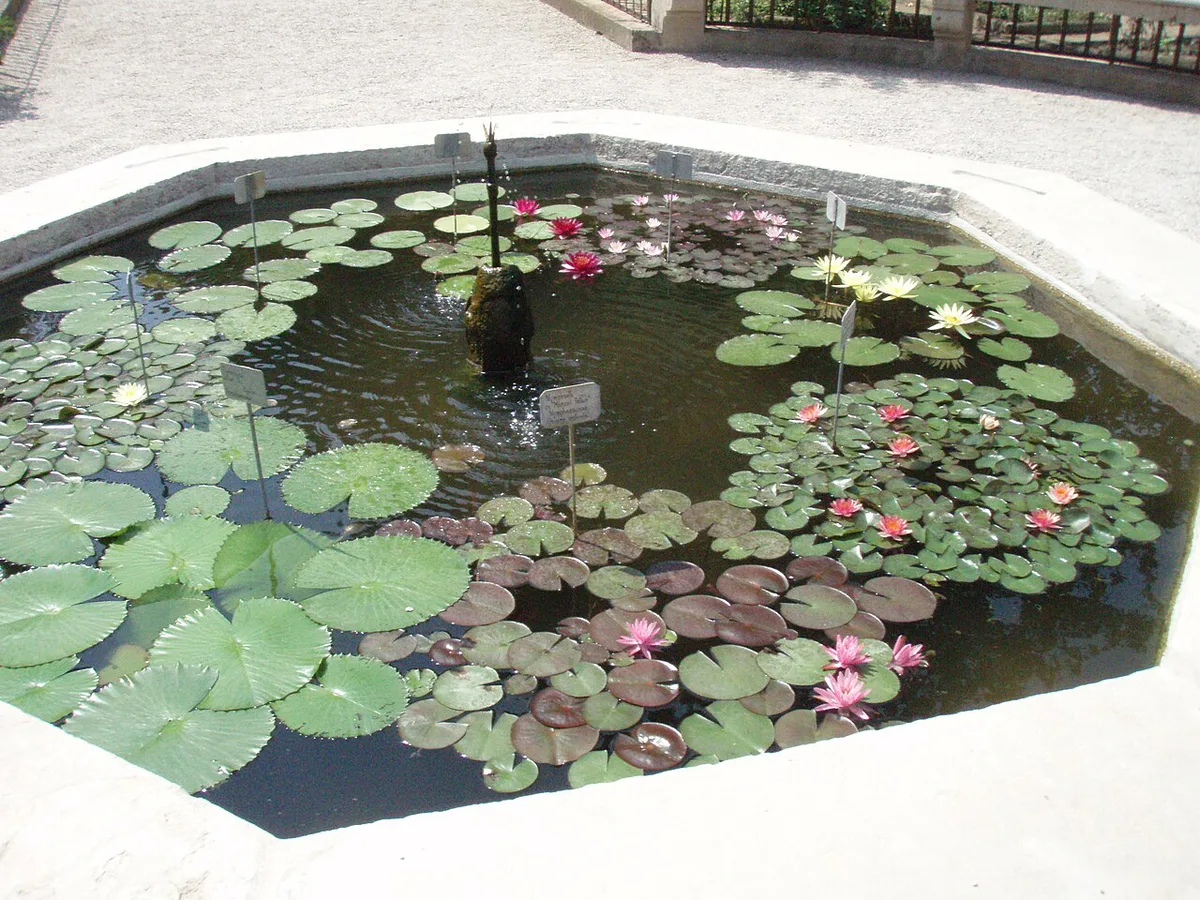
- History buffs: Padua, for the 1545 original site and its UNESCO status.
- Trivia and record-hunters: Pisa, for the 1544 founding claim.
- Plant lovers: whichever garden fits your route, since collections matter more than founding date.
- Photographers: skip the idea that the oldest is the most photogenic, and compare each garden's current planting.
- Families: pick the garden nearest your base so the visit stays short.
- Short itineraries: Padua alone, then move on.
Planning a route: Pisa and Padua in one trip
Pisa and Padua are in different parts of Italy, so combining them means a rail day. Get the current journey time and changes from Italy's national rail operator, because we have not verified a figure. Visit in the growing season for the fullest planting. In colder months, our guides to winter garden visits and European glasshouses help you plan indoor stops. For a longer route, see organised garden tours in Europe.
Tickets and hours to confirm
We do not quote prices or hours here because they change by season. Check each garden's official site for current tickets, opening days and wheelchair access before you go.
Pair this with our broader tourism attractions guide for the full city overview.
Bloom-season notes
Optional updates when we add or revise garden guides.
Continue reading
Guides on the same trip