Italian vs French Gardens: Key Differences & Where to See Them
Terraces, water and views vs axes, parterres and grand scale. Compare Italian, French and English gardens, and pick which to visit in Europe.
Last updated November 2026. In the italian garden vs french garden question, Italian gardens climb a hillside in terraces, with water and views framed from the villa. French formal gardens spread across flat ground along one long axis. English landscape gardens, the third style here, reject both and imitate natural scenery. Use our guide to gardens in Europe to place each style on a wider trip.
Featured image: HarshLight, CC BY 2.0, via Flickr.

Quick Verdict: Italian vs French at a Glance
Italian gardens are intimate and view-led, with fountains and cascades as the main feature. French gardens are monumental, built to show control over a whole estate from a single central line. English landscape gardens came later as a naturalistic reaction to both. Prices and hours below were checked November 2026, and each venue's official site has the current details.
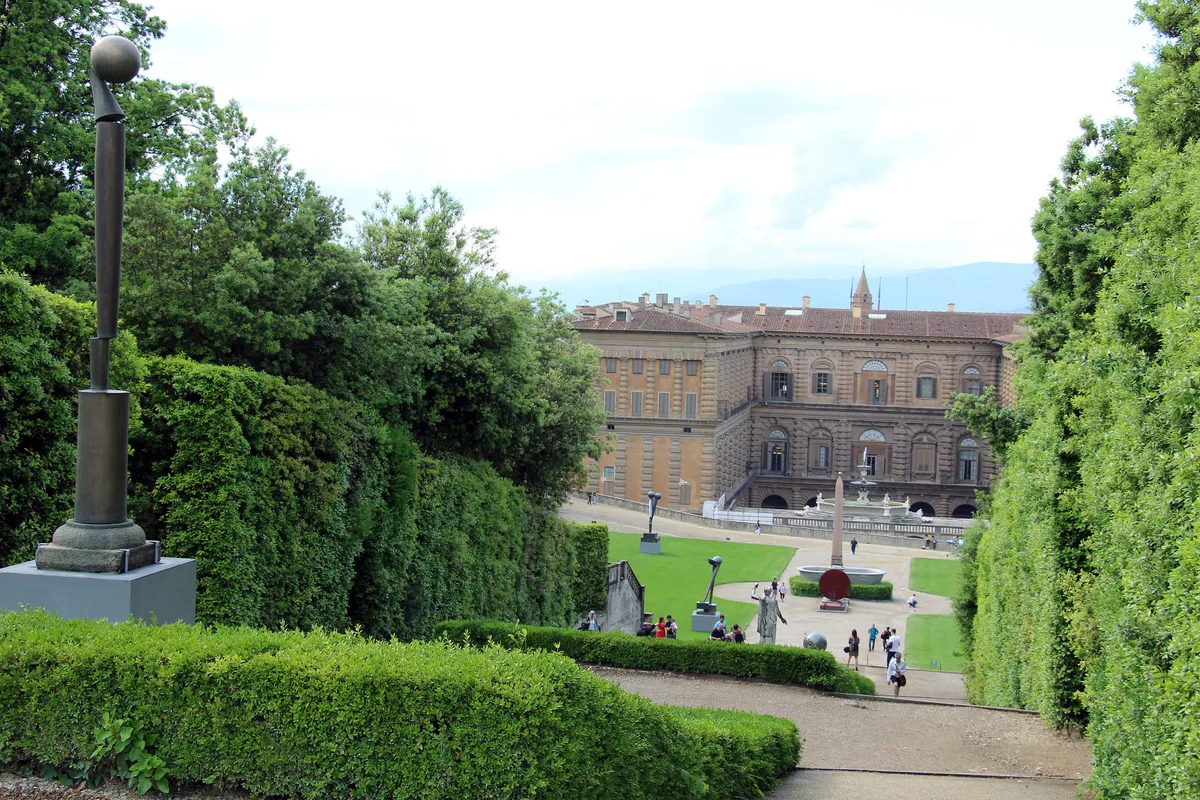
- Choose Italian if you like terraces, sound of water, shaded paths and views out to the countryside.
- Choose French if you like long perspectives, clipped patterns and big open geometry.
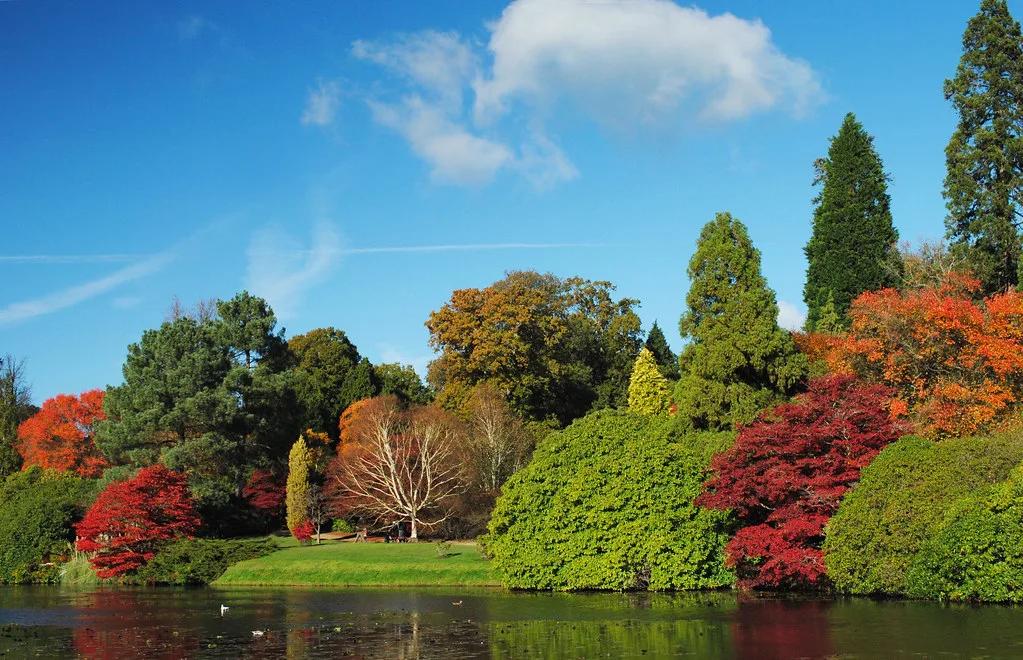
- Choose English if you want lawns, lakes and tree clumps arranged like a painting.
Side-by-Side Comparison
Entry fees vary by venue and season. Typical adult tickets for the Italian and French examples below fall roughly between €10 and €25, so confirm the current rate on each official site.
| Feature | Italian Renaissance | French formal | English landscape |
|---|---|---|---|
| Setting and terrain | Hillside, often steep | Flat or gently sloping ground | Rolling parkland with lakes |
| Layout logic | Terraces linked by stairs and ramps | One strong central axis with cross-axes | Winding paths and planned views |
| Relation to house | Viewed from the villa and framing the landscape beyond | Axis runs from the house to the horizon | House is one feature in a wider scene |
| Water | Fountains, cascades, grottoes, water organs | Canals and mirror pools on the axis | Lakes shaped to look natural |
| Planting | Clipped hedges, cypress, shade | Embroidered parterres, trimmed trees | Lawn, informal clumps, specimen trees |
| Statuary | Dense: statues and grottoes | Set along the axis | Temples and follies as eye-catchers |
| Scale and feel | Intimate and layered | Grand and open | Expansive and calm |
| Era of origin | Late 15th century, villas around Rome and Florence | Later French Baroque adaptation of Italian models | Later reaction against formal geometry |
| Typical adult entry | About €10–€25 | About €10–€25 | Check the National Trust or estate site |
| Best season | Spring to early autumn for water and shade | Late spring to summer for parterres | Autumn for colour |
How the Styles Are Connected
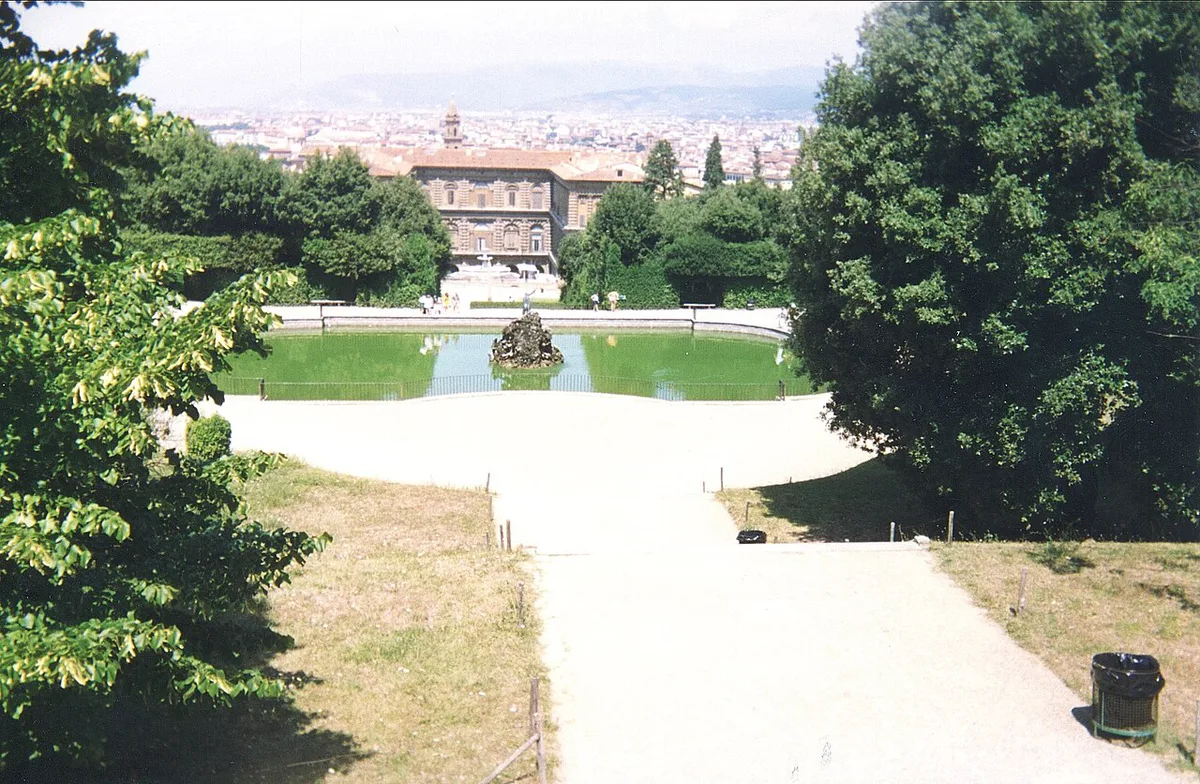
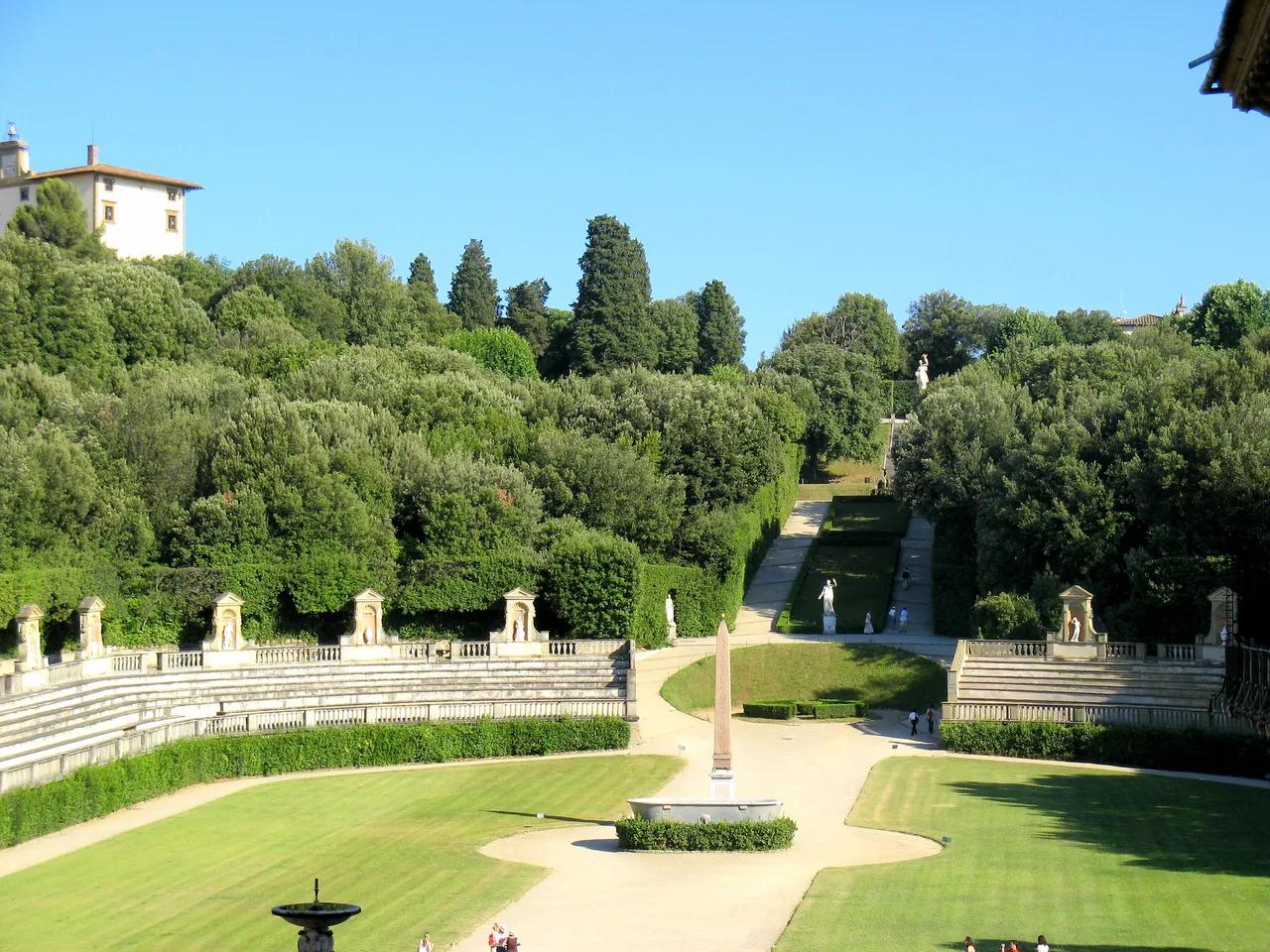
Italian Renaissance gardens emerged in the late 15th century at villas around Rome and Florence. They were designed to be viewed from the villa, with the landscape beyond as part of the picture. Later they grew larger, more axial and symmetrical, and filled with fountains, statues and grottoes. Our Renaissance gardens guide covers that first phase in more detail. The style was imitated across Europe. France adapted it to flat terrain at a far larger scale, producing the jardin à la française. Read more in our Baroque gardens overview. English landscape parks then dropped formal geometry for shaped, natural-looking scenery.
What to Look For on the Ground
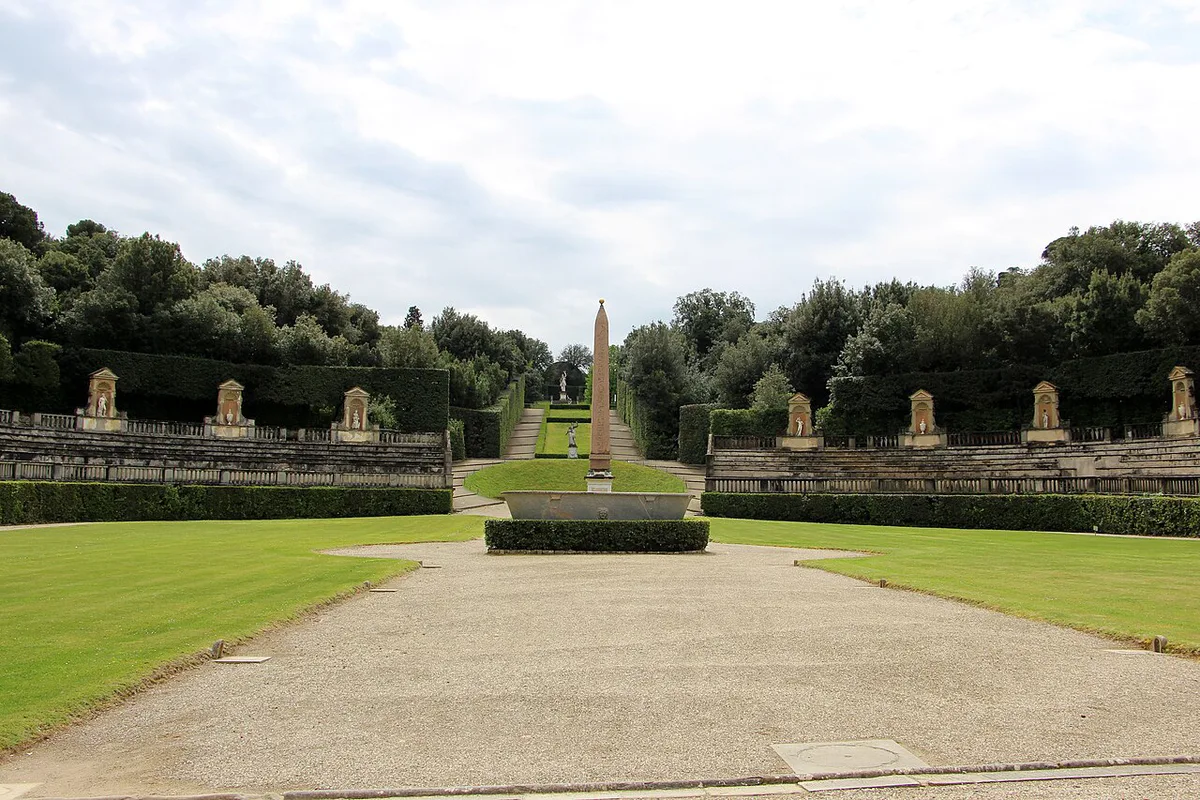
Five quick visual tests tell you which style you are standing in. Run through them as you walk.
- Terraces: if the garden steps down a slope with the villa above, it is Italian.
- Water: cascades, grottoes and fountains as theatre suggest Italian. A still mirror pool along a long axis suggests French.
- Vista: a central line running past the house to the horizon is French.
- Parterres: clipped embroidery patterns point to French. Open lawn and informal clumps point to English.
- Eye-catchers: a temple or bridge placed to be seen across a lake is English landscape design.
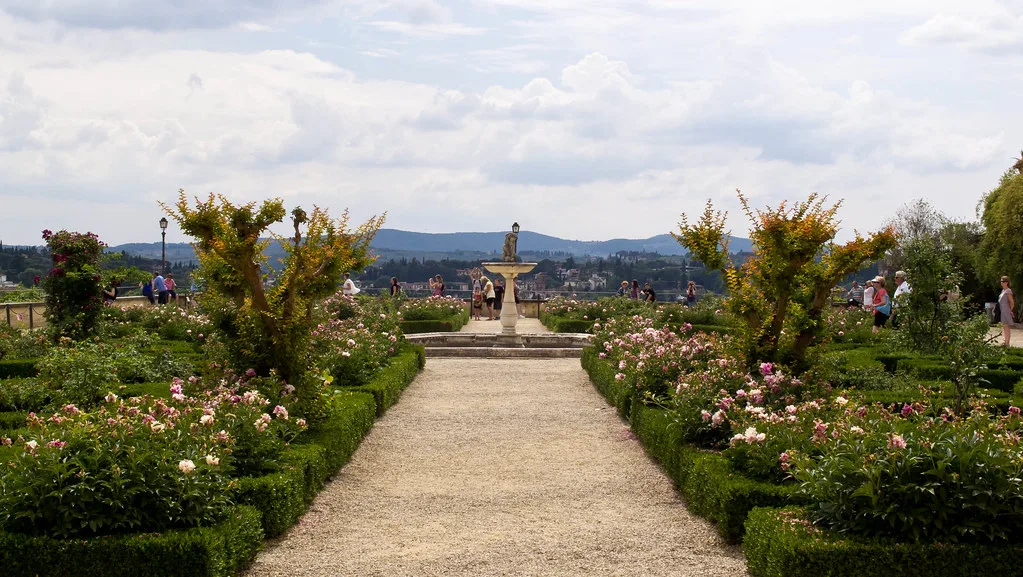
Where to See Each Style in Europe
Pick one or two venues per style rather than racing between them. Each venue's official site lists current hours and tickets.
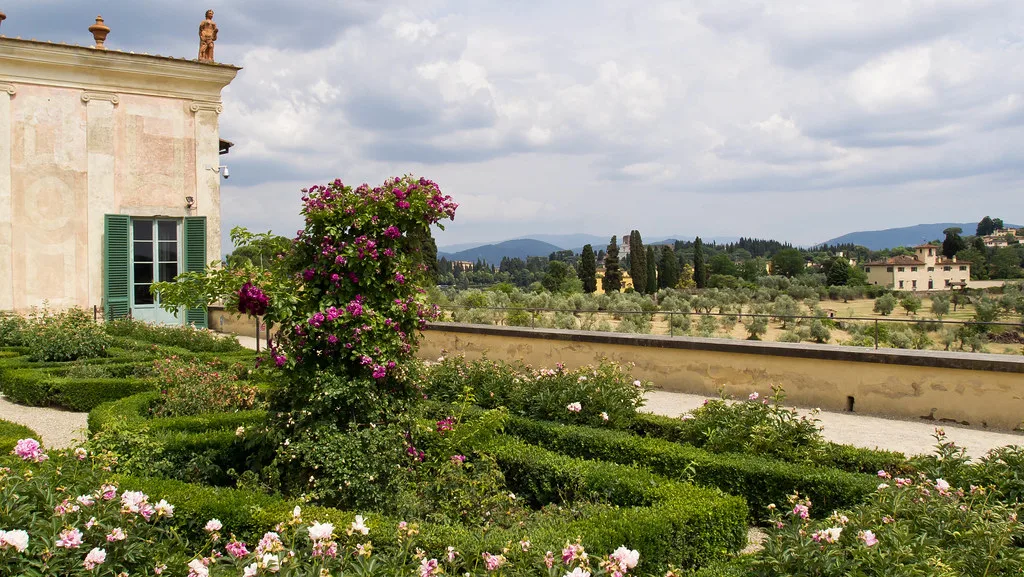
- Italian: Giardino Giusti in Verona, Villa Reale di Marlia, Villa Rufolo in Ravello and Horti Leonini are well-documented examples.
- Italian, Florence: Boboli Garden is run by the Uffizi Galleries.
- Italian, Tivoli: Villa d'Este is known for its fountains.
- Italian outlier: Bomarzo's Parco dei Mostri is a Mannerist park of sculpted monsters, not a typical Italian garden.
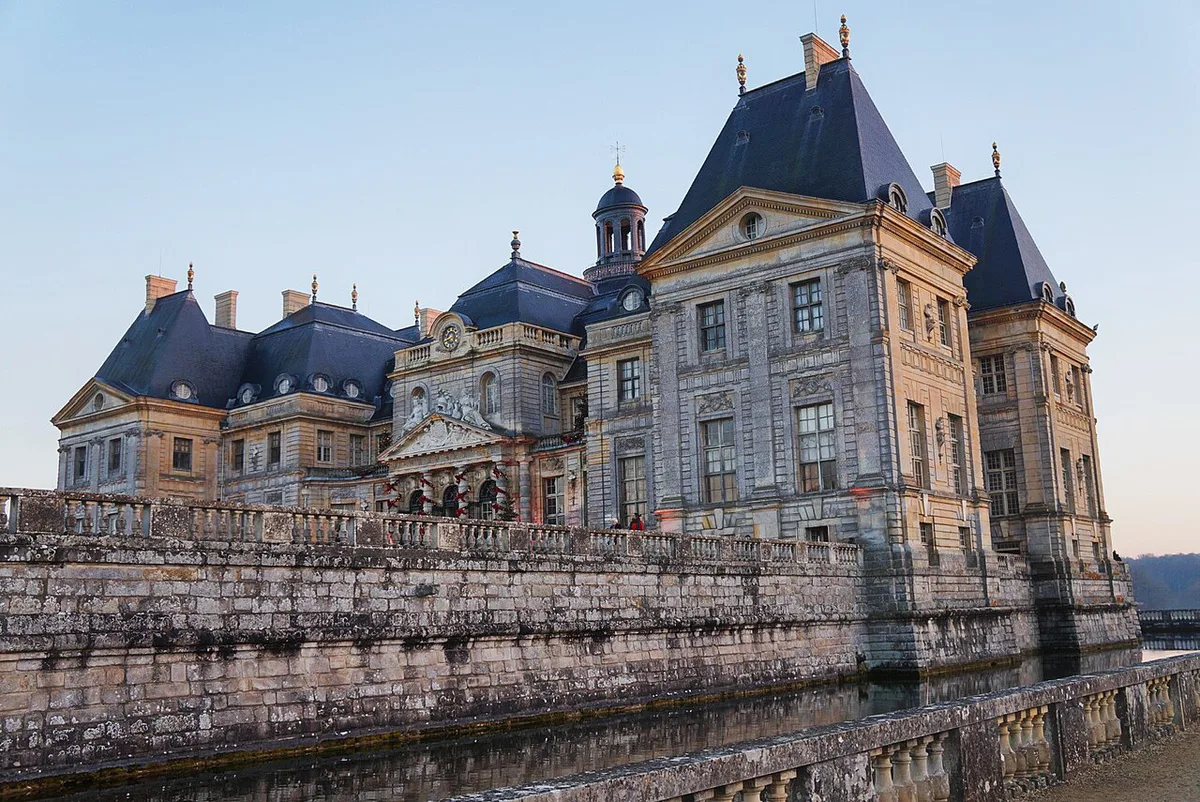
- French: Vaux-le-Vicomte shows the formal axis at estate scale.
- French, Loire: Château de Villandry is the place to study clipped patterned beds.
- English: Stourhead in Wiltshire pairs a lake with garden buildings.
Planning Trade-offs: Time, Access, Season
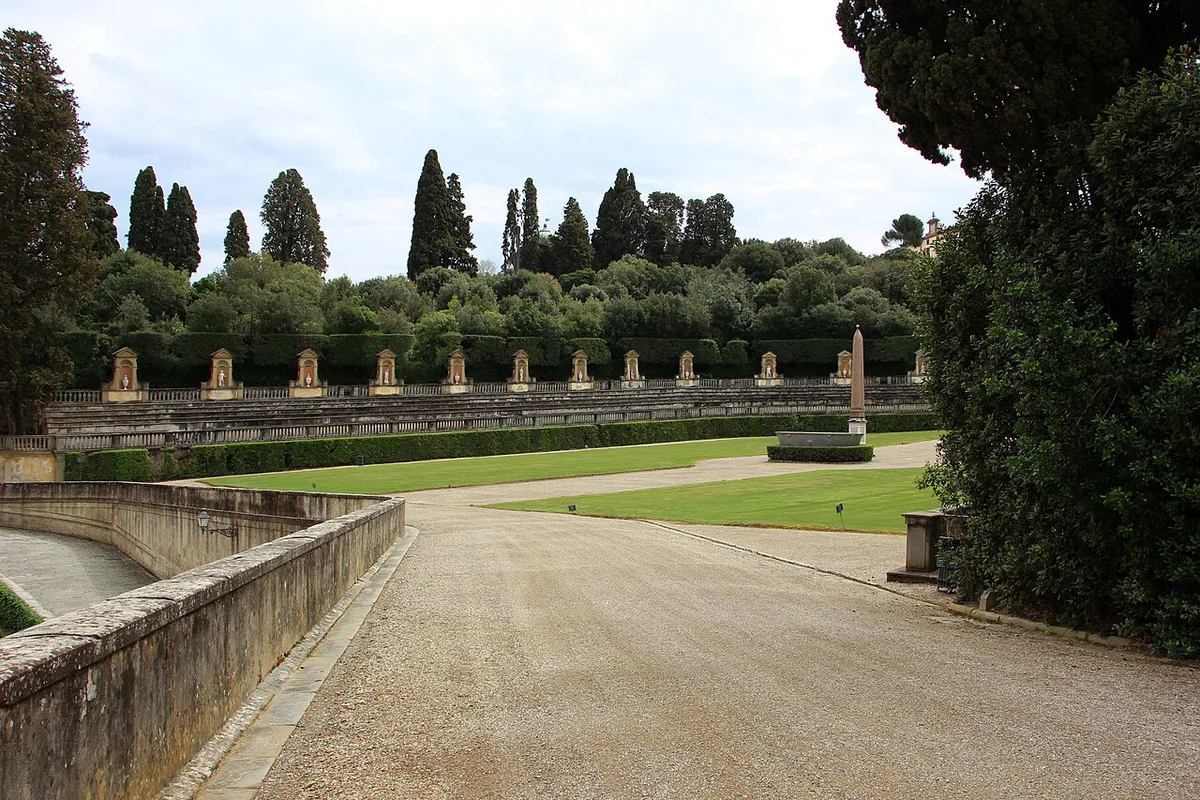
Italian villa gardens are often steep, so stairs and slopes affect access and mobility. French estates are large, so allow generous walking time and check whether fountain shows run only on set days. Several famous gardens sit outside city centres, which makes the transport leg part of the plan. Our garden tours guide helps if you prefer a guided route. Formal parterres and water features peak in warm months, while landscape parks shine in autumn colour. Many gardens are quiet in cold months, so read our winter garden advice before booking. Glass houses stay warm, and European glasshouses make a good backup.
Which Should You Visit?
Match the style to the traveller. Common mistake: assuming any Mediterranean-looking garden is Italian, or expecting a French formal garden to be compact and shaded. Browse more garden picks and UNESCO-listed gardens to widen the shortlist.
- Photographers: French axes at Vaux-le-Vicomte for symmetry, or Stourhead for lake reflections.
- History and architecture fans: Italian villa gardens, where the style began.
- Families: English landscape parks, with open lawns and room to roam.
- Limited mobility: French estates on flat ground, since Italian terraces are often steep.
- One style only on a first trip: Italian for layered views, French for scale.
Frequently Asked Questions
What defines an Italian garden?
An Italian garden is laid out in terraces, usually on a hillside, so the villa looks over it and the landscape beyond. Fountains, statues and grottoes are central features. Later examples became larger and more symmetrical.
Bloom-season notes
Optional updates when we add or revise garden guides.
Continue reading
Guides on the same trip