11 Best Gardens in Tuscany: Styles, Seasons and Access
Choose among 11 gardens in Tuscany by style, season and access. Compare Florence villas, Collodi, Siena and Val d'Orcia, and the southern art gardens.
Last updated November 2026. The best gardens in Tuscany depend on what you want to see. Families should start at Collodi, formal-garden fans at Florence, and art lovers in the south. This guide ranks 11 gardens by fit and groups them into day trips you can drive or take by train.
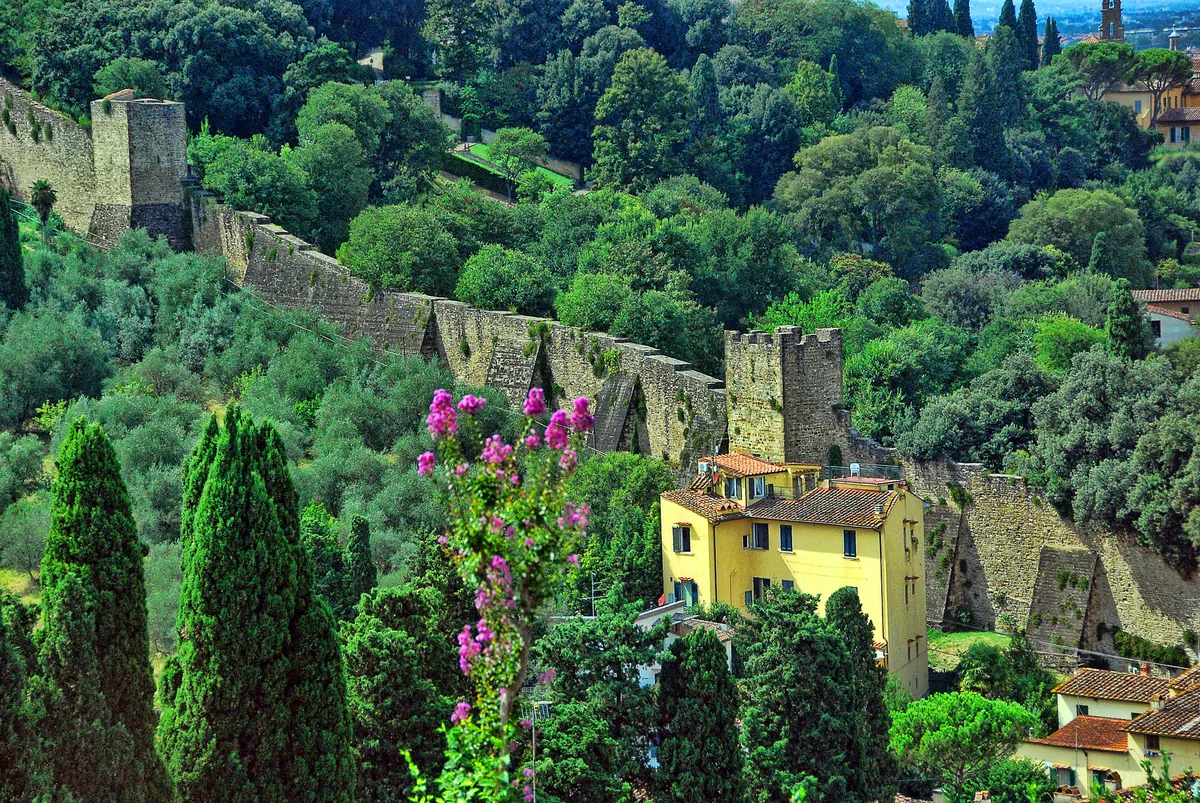
Featured image: Olga Sytykh, CC BY-SA 2.0, via Flickr.
Gardens in Tuscany at a Glance
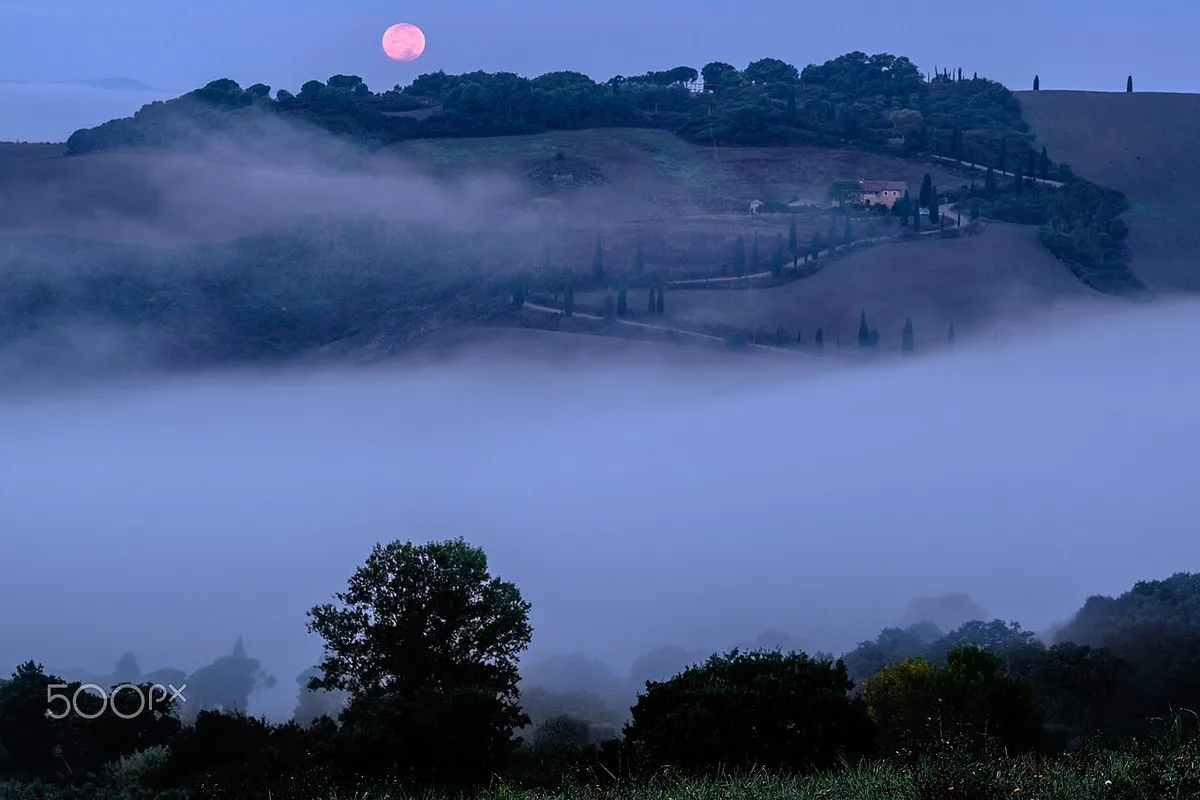
Garden style is the quickest way to narrow 11 options. Renaissance gardens favor clipped hedges and terraces. Baroque gardens add water and stage-like layouts. Contemporary art gardens put sculpture in the landscape. Use the table below to match a style to your base town and season.
| Garden | Style | Base area | Best season | Booking |
|---|---|---|---|---|
| Villa Garzoni | Baroque | Collodi, near Lucca | Spring to early autumn | Check official site |
| Villa Gamberaia | Renaissance | Settignano, Florence | Spring to early summer | Check official site |
| Villa Medici at Castello | Medici villa garden | Northwest Florence | Spring to early autumn | Check official site |
| Villa La Pietra | Villa garden | Florence area | Spring to early autumn | Check official site |
| Giardino delle Rose | Public rose garden | Florence | Rose season, late spring | Drop-in, check opening |
| Iris Garden | Seasonal flower garden | Florence | Iris bloom, brief window | Check opening days |
| Villa Cetinale | Baroque | Siena area | Spring to early autumn | Access may be limited |
| La Foce | Estate garden | Val d'Orcia | Spring to early autumn | Check visiting rules |
| Giardino dei Tarocchi | Contemporary art | Southern Tuscany | Open season only | Seasonal opening |
| Daniel Spoerri Garden | Contemporary art | Southern Tuscany | Open season only | Check opening pattern |
| Boboli Garden (see Florence section) | Renaissance | Central Florence | Spring to early autumn | Ticketed, Uffizi site |
How to Choose Your Tuscan Garden
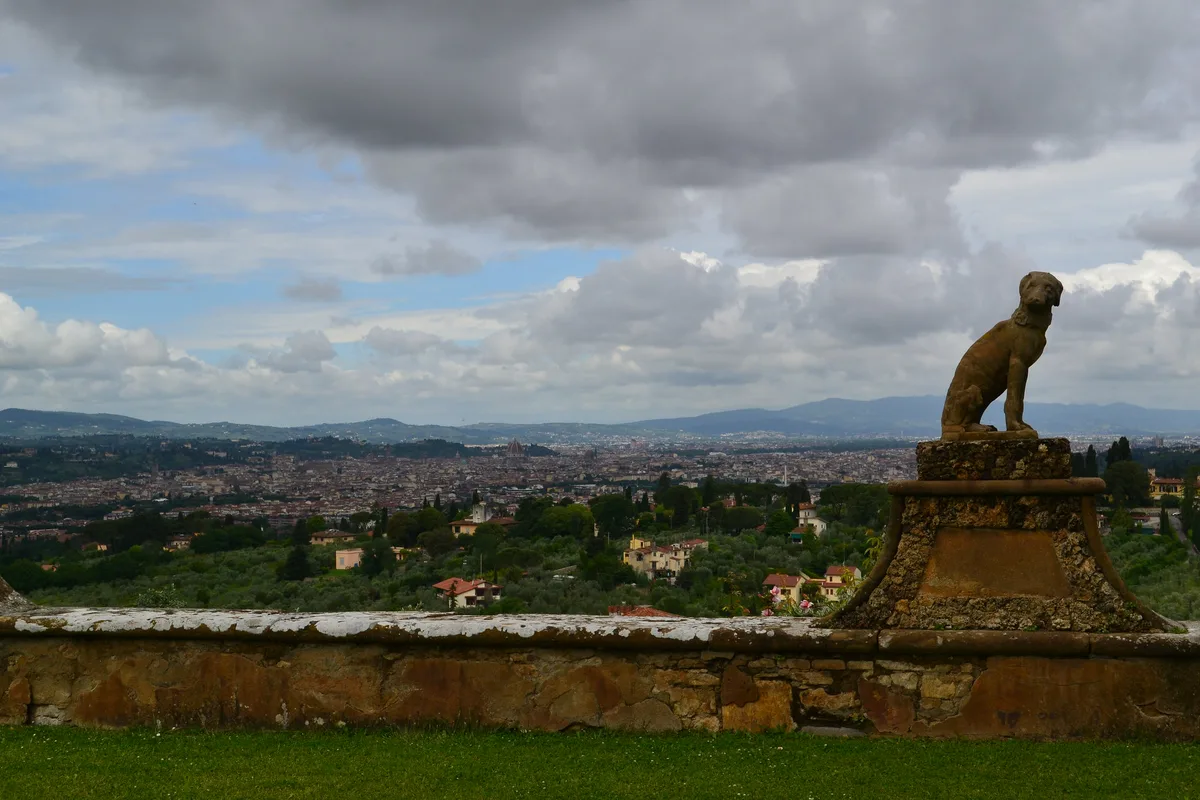
Start with style, then check access. Formal Renaissance terraces suit photographers and anyone who likes order and views. Baroque water gardens suit families and first-timers. Contemporary art gardens suit visitors who would rather see sculpture than flower beds. Several villa gardens have limited days or restricted entry, so read each garden's official page before you fix a date. Without a car, stay in Florence and use the Florence group. Lucca, Siena, Val d'Orcia and the south work best with a car or a booked driver.
11 Best Gardens in Tuscany, Ranked by Fit
Entries run from the easiest first visit to the most restricted. Opening days, tickets and seasonal closures change from year to year. Check each garden's official site before you go, and treat bloom windows as approximate.
1. Villa Garzoni, Collodi
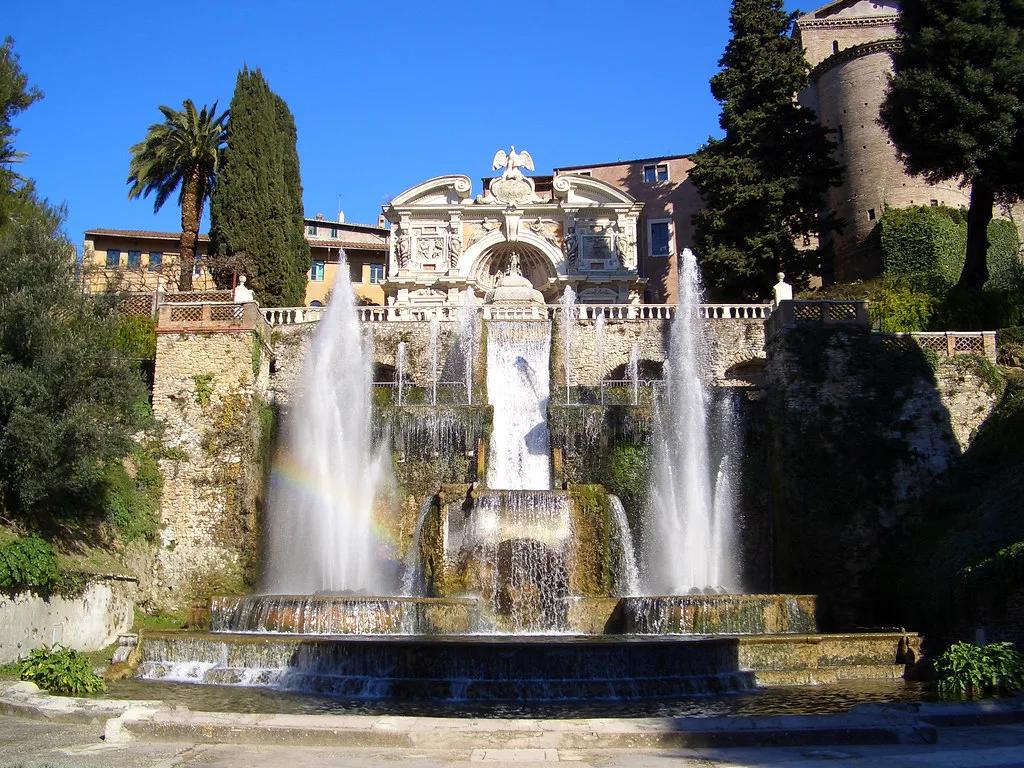
Villa Garzoni's Baroque garden is the strongest all-round pick for a first visit. It sits in Collodi, close to Lucca, and works as a half-day or full-day trip. Look for the terraced layout that climbs behind the villa. This is the Tuscan example of a garden designed as a stage set.
It pairs with the Pinocchio-themed park next door, which makes it the easiest choice with children. The Parco di Pinocchio and Garzoni Garden site lists what is included on each ticket. Skip it if you want a quiet, private-feeling garden, since family traffic is part of the day.
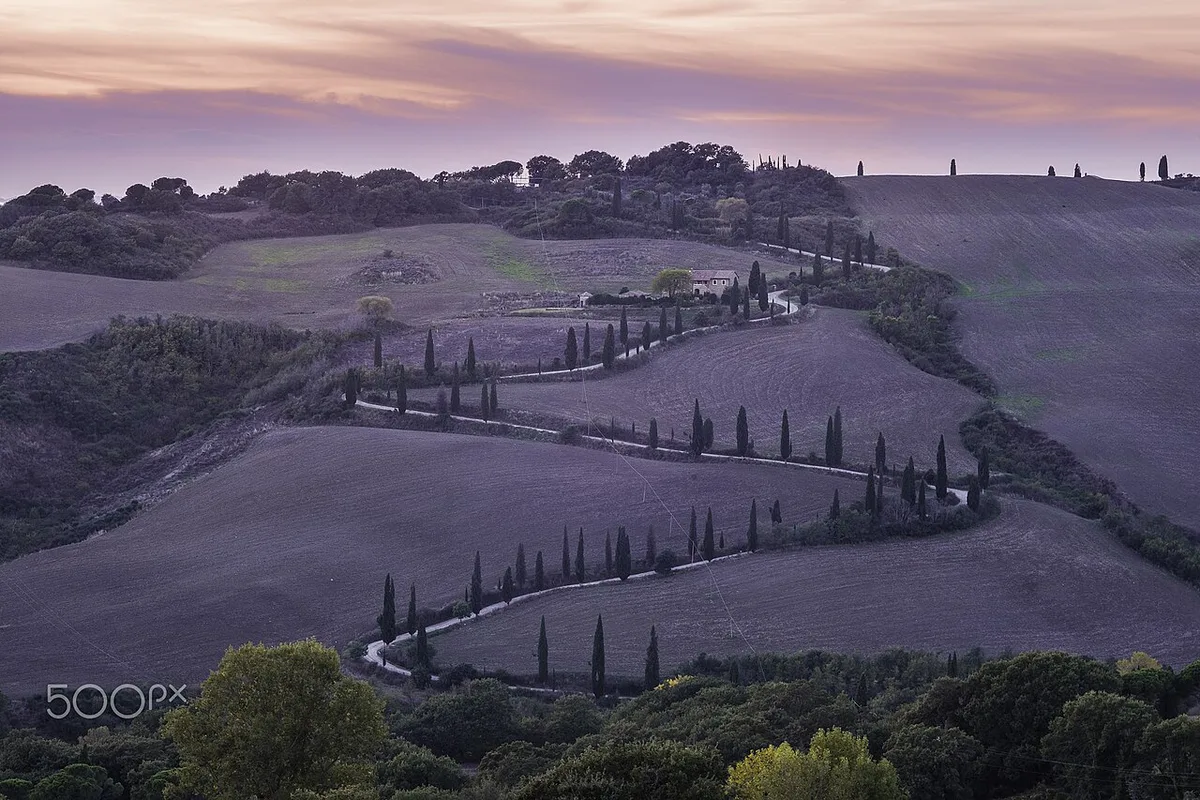
2. Villa Gamberaia, Settignano
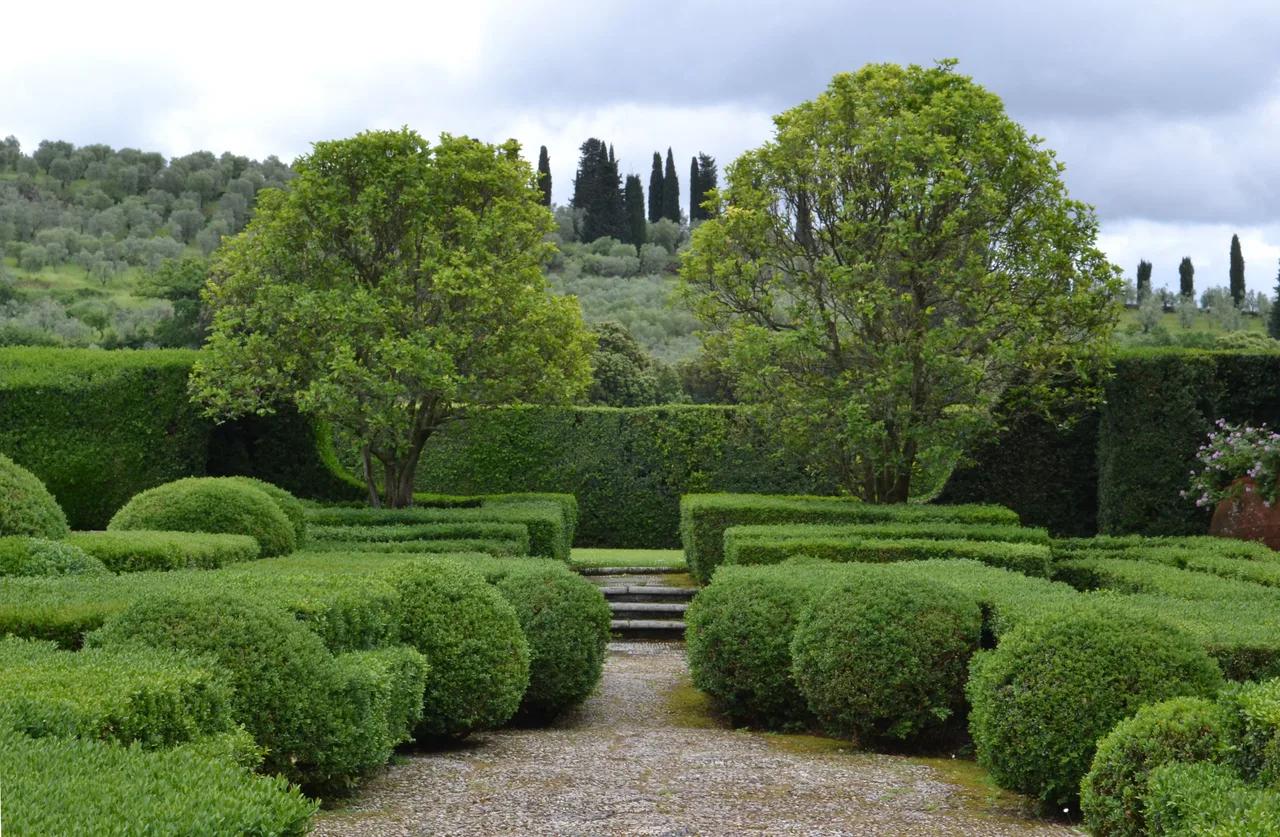
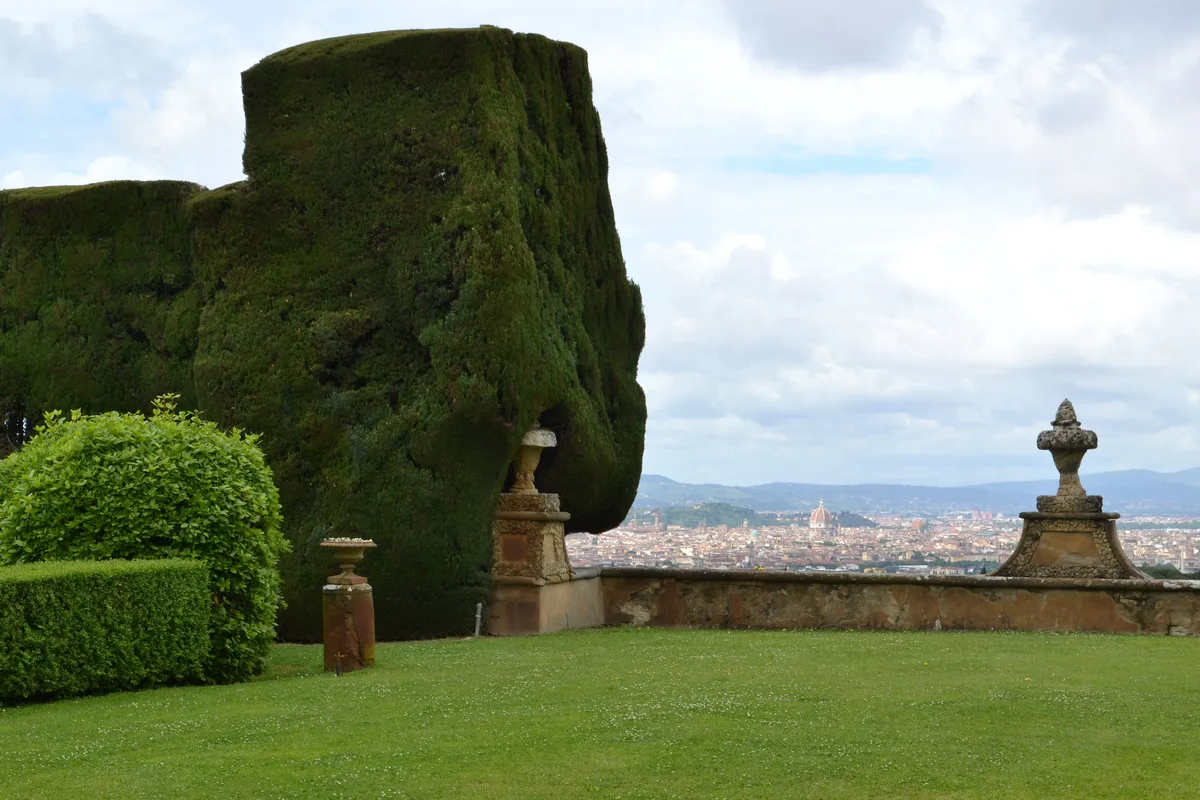
Villa Gamberaia: Visiting Guide to the Florence Gardens is the Renaissance garden for people who care about composition. It stands in the Settignano area above Florence. Come for the formal parterres and the long sightlines across the hills. It rewards photographers and slow walkers more than children. Visits can be restricted, so read the official Villa Gamberaia site before you travel. Plan a half day, ideally in spring or early summer.
3. Villa Medici at Castello, Florence
Villa Medici at Castello is a Medici villa garden on the northwest edge of Florence. It is the pick for readers who want Medici history without leaving the city. Allow a short half day. It combines easily with a city sightseeing morning. Access and status change, so check current opening before you set out. Skip it on a tight schedule if you only have time for one Florence garden.
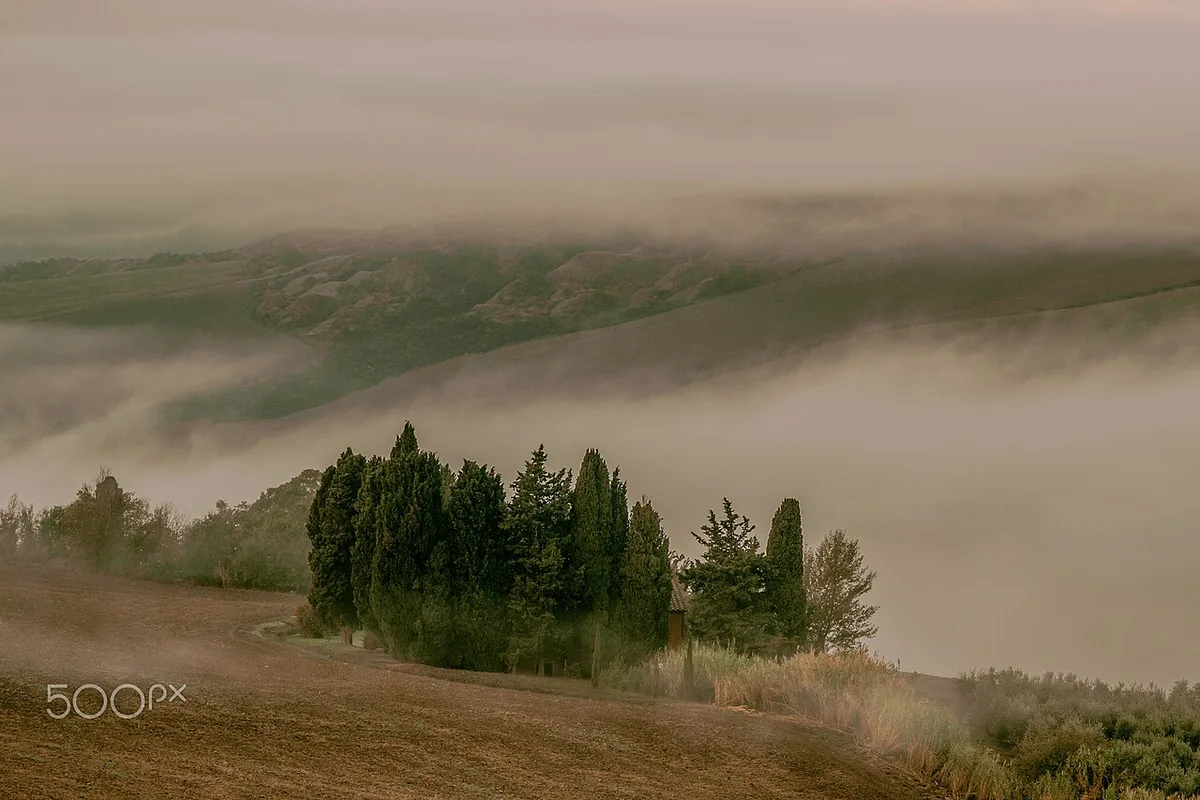
4. Villa La Pietra, Florence area
Villa La Pietra, Florence: Visiting, History and Gardens is a villa and garden in the Florence area. It suits visitors who like a villa interior and its grounds in one stop. Plan a half day and pair it with another Florence-area garden. Current access rules apply, so check the visiting page first. Skip it if you want guaranteed drop-in entry.
5. Giardino delle Rose, Florence
The rose garden in Florence is a public garden whose draw is the rose season, roughly late spring. Outside bloom it is a quiet green stop with city views. Expect an hour or two. It fits between museum visits and needs no car. The Comune di Firenze site carries the current opening details. Skip it in winter, when little is in flower.
6. Iris Garden, Florence
The Florence iris garden is the most timing-sensitive entry on this list. Iris bloom is short, usually around late April to May. Check opening days and the bloom window before you plan around it. A visit takes an hour or two. Skip it outside that window, because the garden has little else to offer for the rest of the year.
7. Villa Cetinale, Siena area
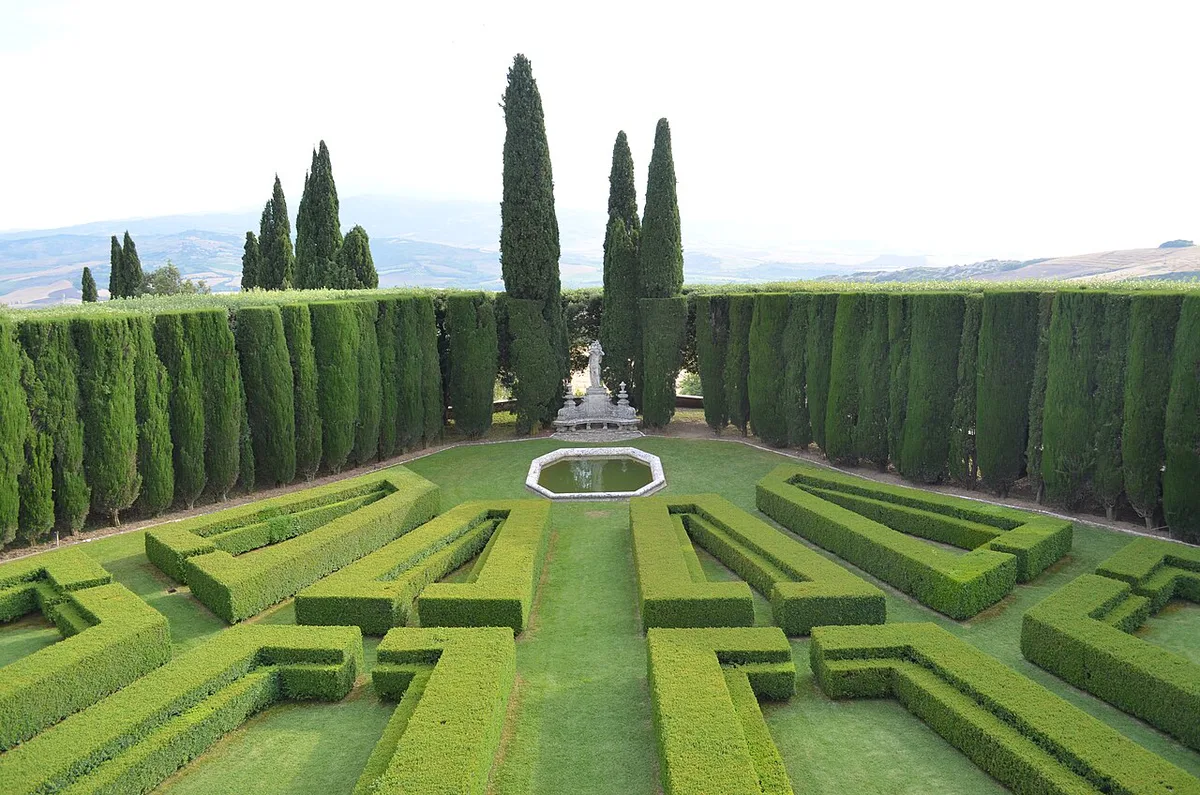
Villa Cetinale: Chigi Baroque Villa and Gardens near Siena is a Baroque garden in the Siena area. It suits visitors who already like Baroque layouts and want a quieter alternative to Collodi. Access may be private or limited. Confirm before you drive out. Skip it if you need a dependable, bookable visit.
8. La Foce, Val d'Orcia
La Foce is an estate garden in Val d'Orcia. It fits a countryside day with hill-town stops. A car is the practical way to reach it. See the official La Foce site for visiting rules. Skip it if you only have a Florence base and no car.
9. Giardino dei Tarocchi, southern Tuscany
Niki de Saint Phalle's Tarot Garden is the contemporary art highlight. Large painted sculptures stand among the trees. It opens seasonally, so read the official page before choosing dates. Allow a half day and a car. Families and art lovers get the most from it. Skip it if you want flowers and clipped hedges.
10. Daniel Spoerri Garden, southern Tuscany
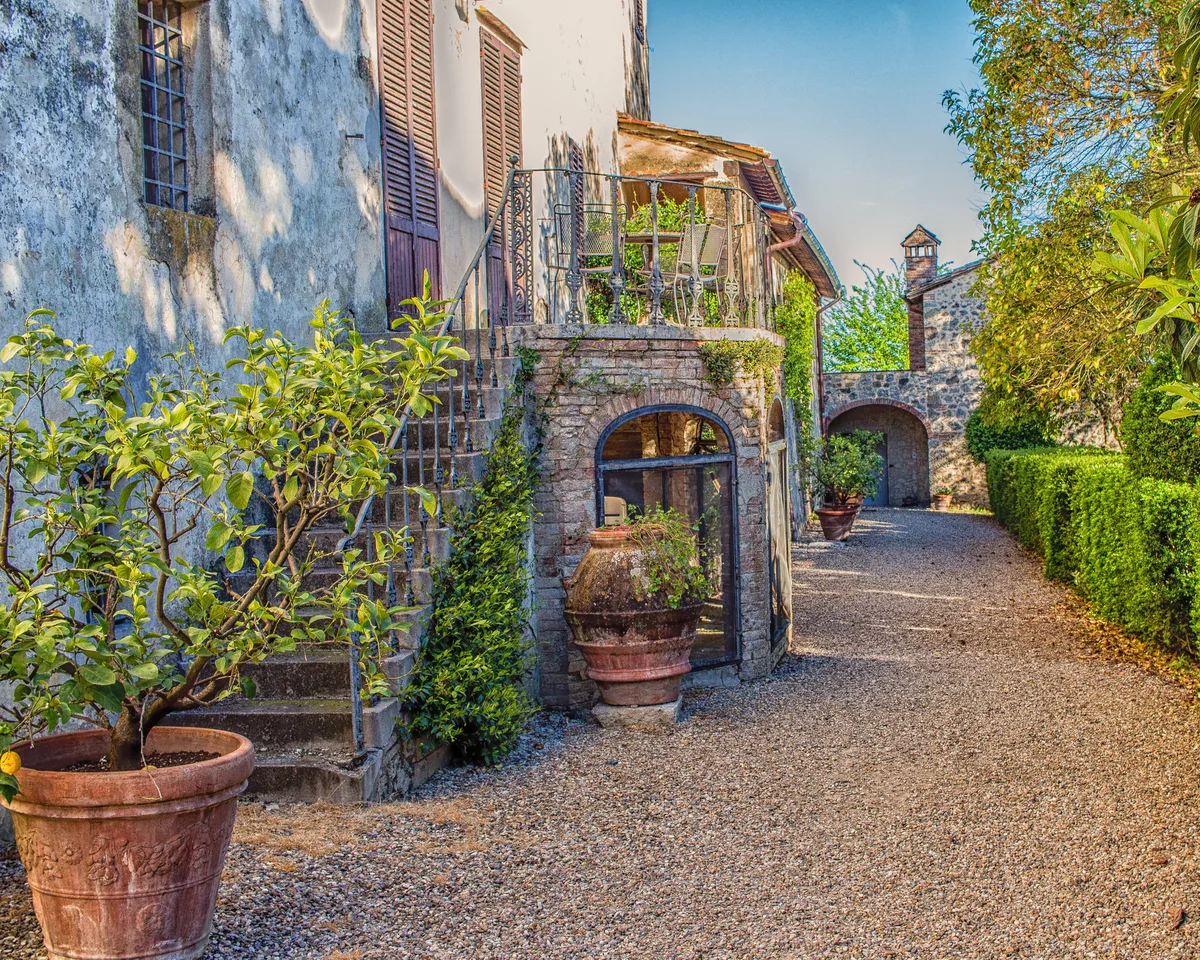
The Giardino di Daniel Spoerri: Visit Guide, Tickets & Season is a second art garden in the south. It pairs naturally with the Tarot Garden on a southern art trip. Check the opening pattern before you drive. Visits are best planned as a half day. Skip it if you prefer a classic garden with flower beds.
11. Boboli Garden, central Florence
Boboli is Florence's central Renaissance garden and a common answer to whether it is worth the ticket. It is, if you want a large, hilly garden within walking distance of the old town. Tickets and hours are on the Uffizi Galleries Boboli page. Skip it in poor weather, since most of the visit is outdoors.
Florence-Area Gardens in One Day
Florence has the deepest cluster of gardens in Tuscany. Combine Gamberaia with the rose garden, or Castello with La Pietra. For more city options, see our guide to Florence gardens. Visit the Visit Florence site for city-level planning.
Itineraries and Rainy-Day Fallbacks
Match the day to geography. Florence group: Gamberaia, Castello, La Pietra and the seasonal rose or iris garden. Collodi group: Villa Garzoni plus the Pinocchio park, ideal with children. Siena and Val d'Orcia group: Cetinale and La Foce, by car. Southern art group: the Tarot Garden and Spoerri garden together. Check drive times on a current map before you commit. For low mobility, choose Garzoni or Boboli only after reading each site's access notes. On a rainy day, shift to museums and return to the garden if the weather clears.
Best Time to Visit Tuscan Gardens
Spring is the peak. Irises come first, then roses toward late spring. Summer is hot, so go early. Autumn brings colour in larger parks. November is off-season, and several gardens close or reduce days, so it is a poor month for flower-led visits. Check each official page before making winter plans. For general trip planning, Visit Tuscany covers regional transport and events.
Explore More Guides
Keep planning your trip with these guides.
Guides
- Villa Garzoni (Collodi)
- Villa Gamberaia: Visiting Guide to the Florence Gardens
- Villa Medicea di Castello, Florence
- Gardens in Florence: Which to Visit, Costs and Tips
- Tarot Garden (Giardino dei Tarocchi) Tuscany
- La Foce Garden, Tuscany
- Giardino delle Rose Florence: Visit Tips and Bloom Season
- Iris Garden Florence: When to Go, How to Get There
- Villa La Pietra, Florence
- Giardino di Daniel Spoerri
- Villa Cetinale: Chigi Baroque Villa and Gardens near Siena
Bloom-season notes
Optional updates when we add or revise garden guides.
Continue reading
Guides on the same trip