Villa Gamberaia: Visiting Guide to the Florence Gardens
Planning a visit to Villa Gamberaia near Florence? Access, getting there, what to see, history, and which gardens to pair it with.
Last updated November 2026: Villa Gamberaia is a historic Italian-style garden villa at Settignano, in the hills above Florence. Its water parterre, cypress allées and grotto garden are the features that put it on most garden itineraries. Use our guide to Tuscan gardens to see where it fits among the region's other estates.
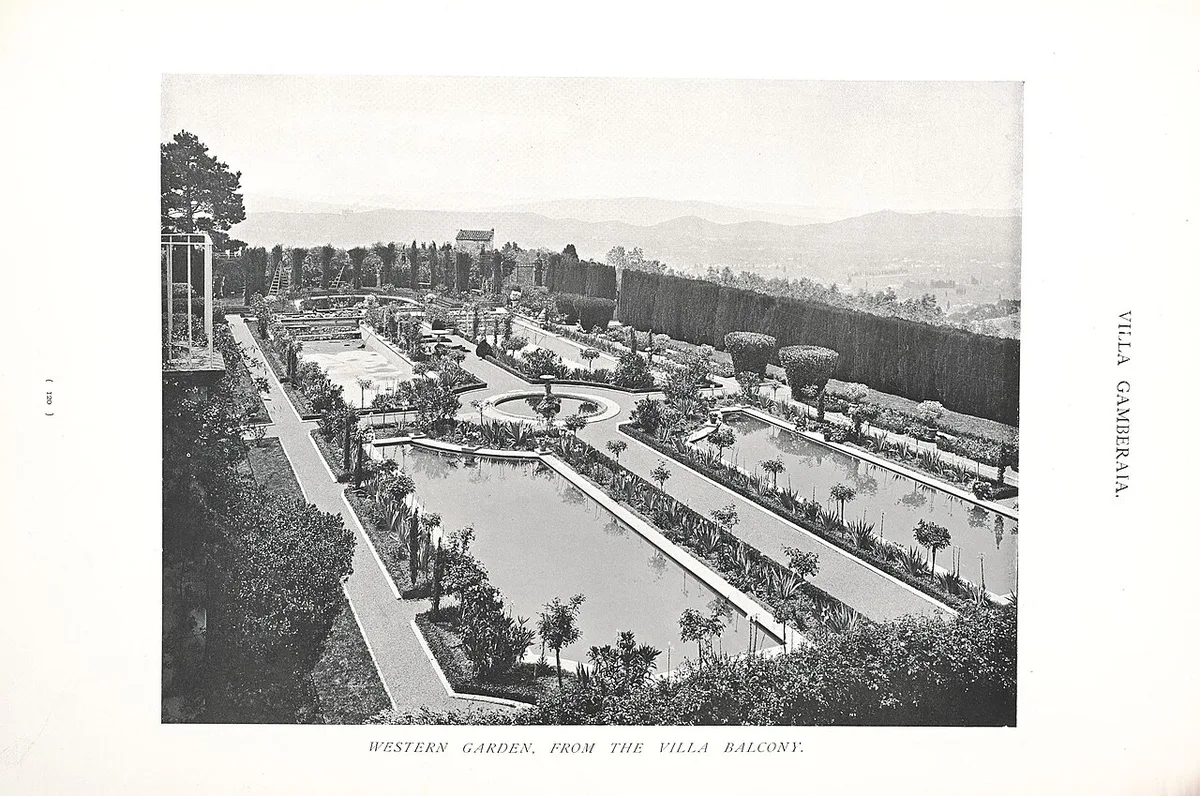
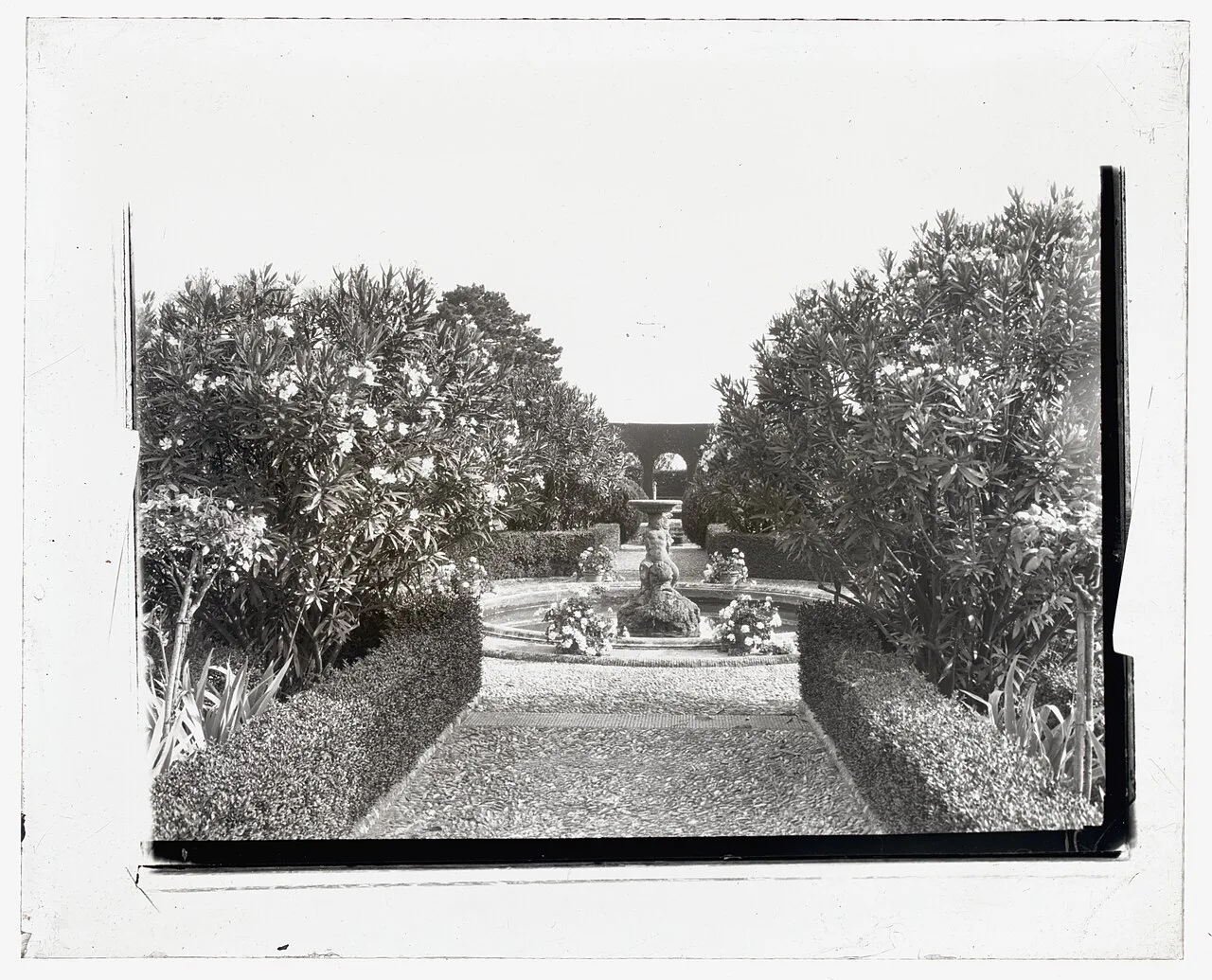
Featured image: Johnston, Frances Benjamin, 1864-1952, photographer, Public domain, via Wikimedia Commons.
Villa Gamberaia at a Glance
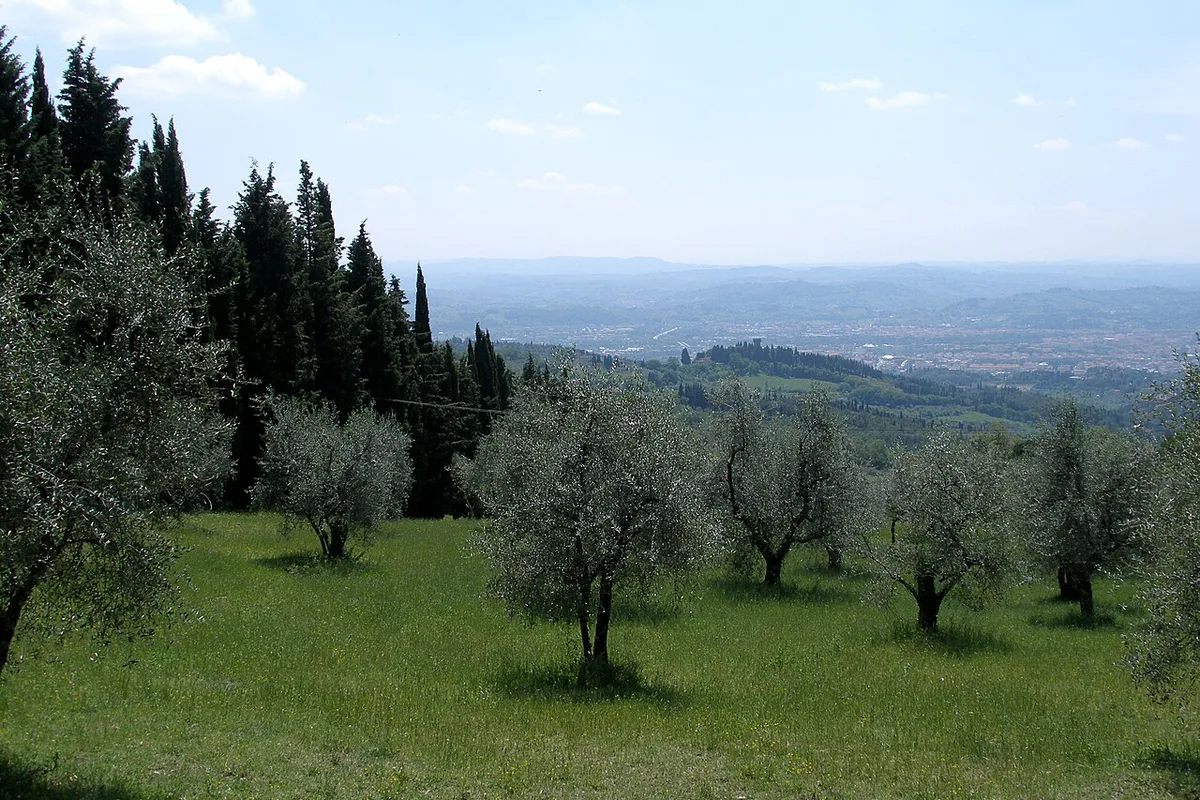
Settignano sits on the hills above Florence, and the villa is one of the area's best-known historic gardens. Visiting depends on current opening arrangements. Confirm access on the official Villa Gamberaia site before you travel. Prices and hours were not checked for this edition, so use the quick facts below as a planning outline.
- Location: Settignano, in the hills above Florence.
- Best known for: the water parterre, the cypress allées and the grotto garden.
- Access, tickets and season: check the official site, since private events can affect access.
- Best for: garden-focused visitors, photographers and anyone wanting a quieter outing than central Florence (editorial judgement).
Can You Visit? Access, Tickets, and Opening Hours
We do not have a confirmed ticket price, opening calendar or booking rule for the grounds. Check the official site for current public access, because the estate also operates as an event venue and may close on private days.
How to Get There from Florence
We have no confirmed bus route, journey time or parking arrangement to quote. Check the transit options on the Visit Florence tourism site, and expect an uphill approach to Settignano.
What to See in the Gardens
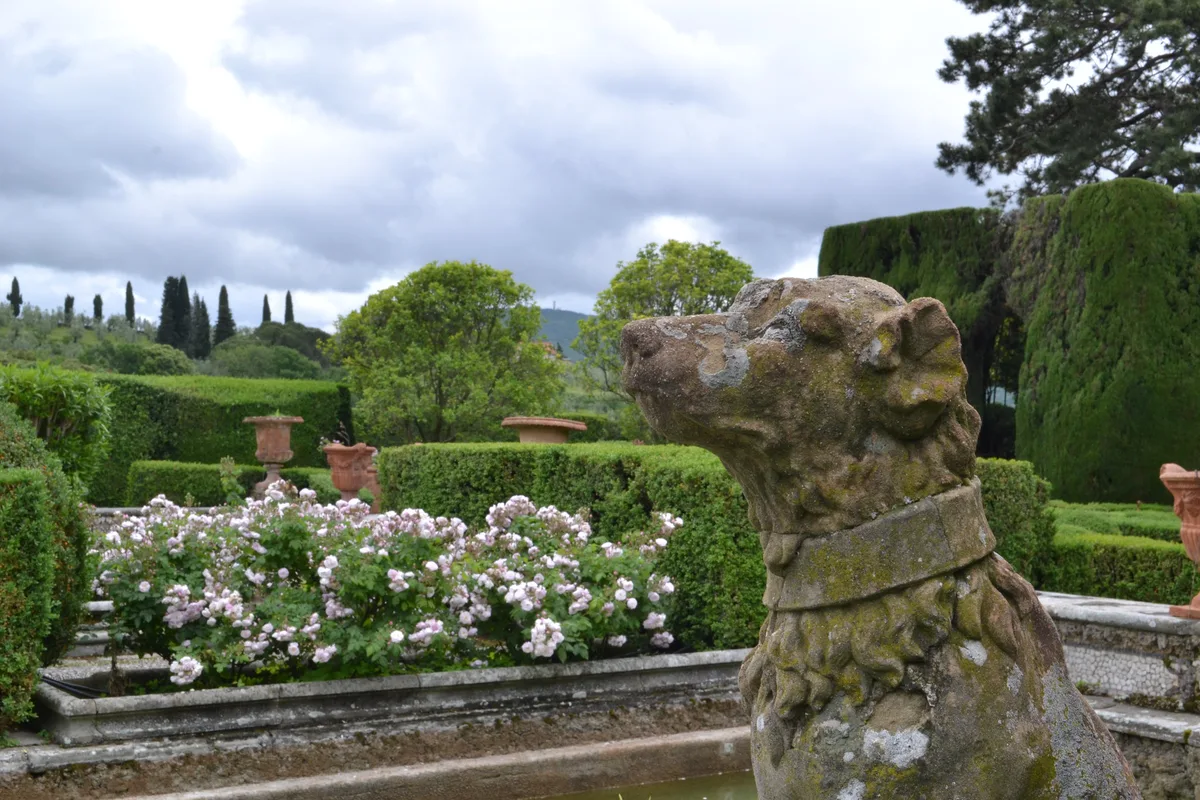
Villa Gamberaia is an example of Italian garden design, built around long sightlines and clipped green structure. Three features define the visit, and they work best taken in this order.
- Water parterre: four mirrored basins at the heart of the layout, and the feature most often photographed. Statues and busts of the Four Seasons line the grottoes and the perimeter walls nearby.
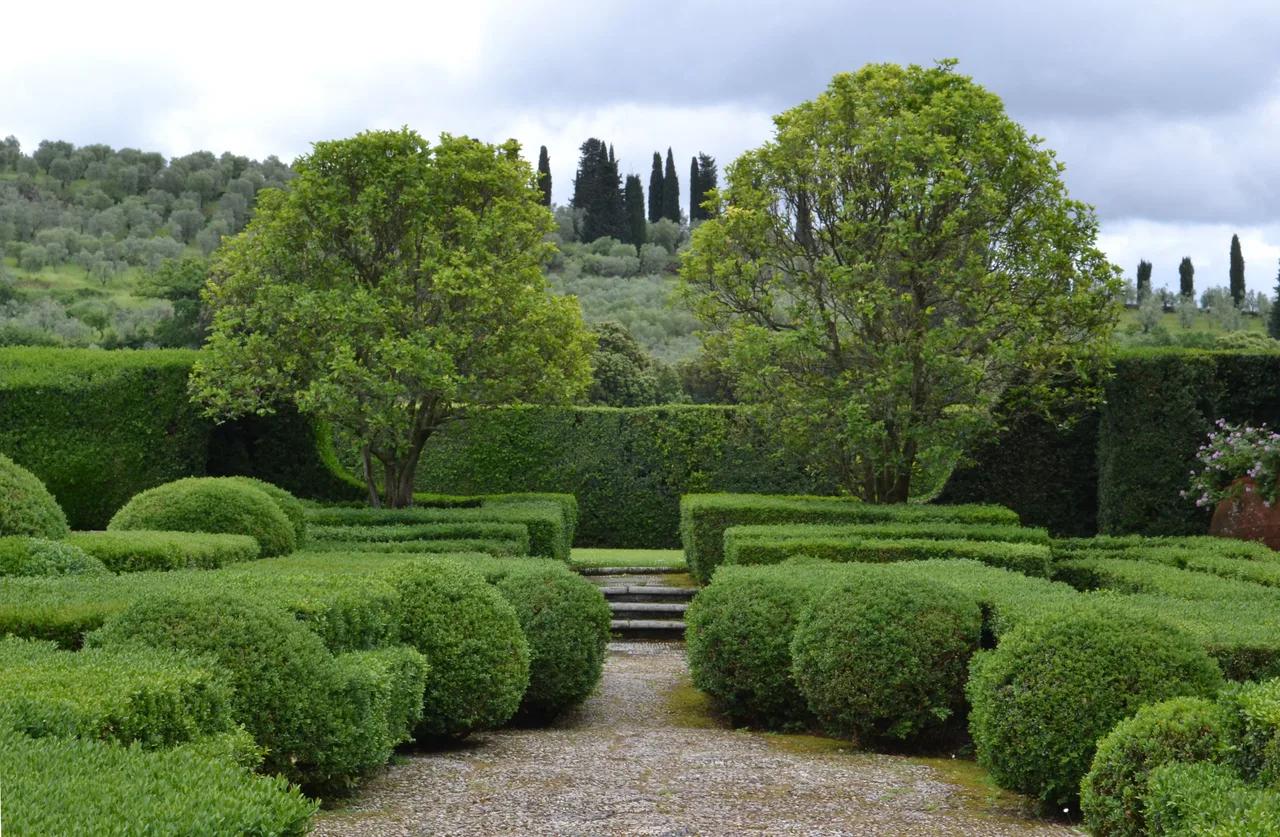
- Cypress allées: tall evergreen avenues that frame the views and give the garden its strong vertical lines. At the end of the water parterre, the clipped cypress hedge opens in a run of arches toward the Florentine plain.
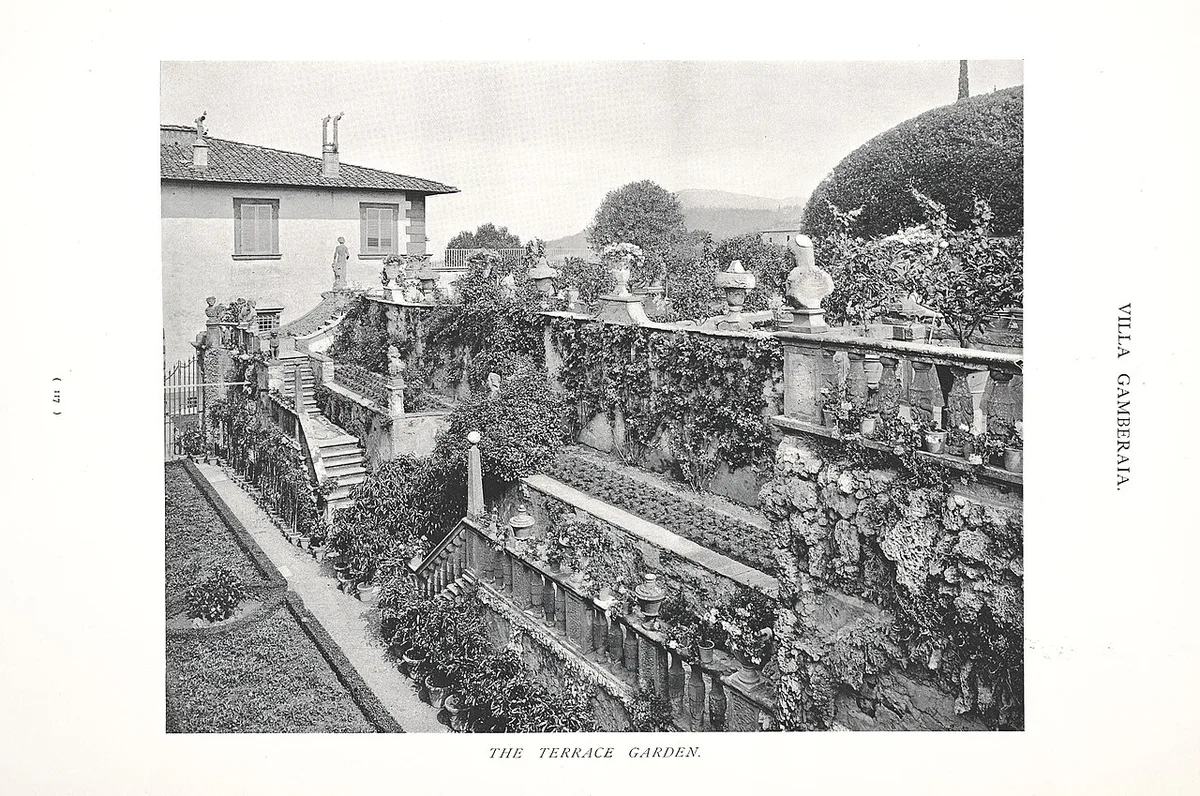
- Grotto garden: a shaded, enclosed contrast to the open parterre and its terraces.
- Bowling green: a long, grassy alley that was once used for bowls. It runs beside the cypress avenue and opens onto a series of small garden rooms.
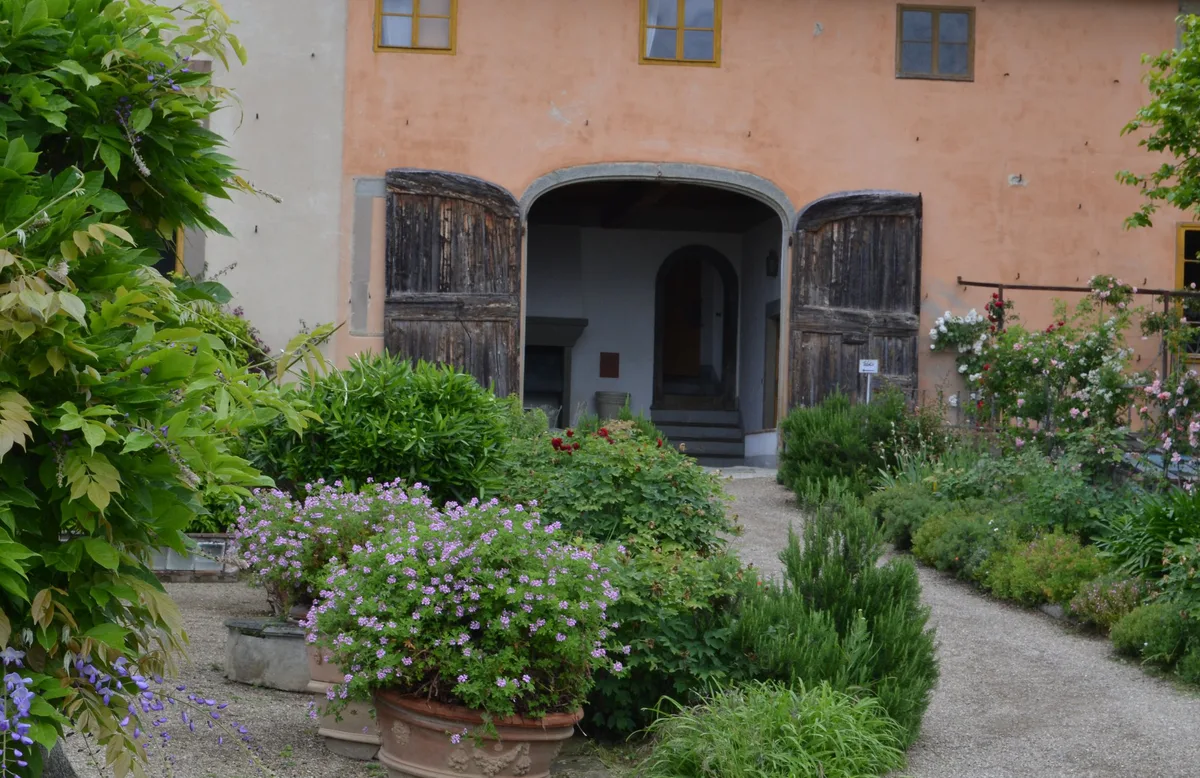
- Lemon house and rear parterre: behind the villa, a lemon house (limonaia) faces an elegant French-style parterre. Part of the limonaia now holds refurbished guest apartments.
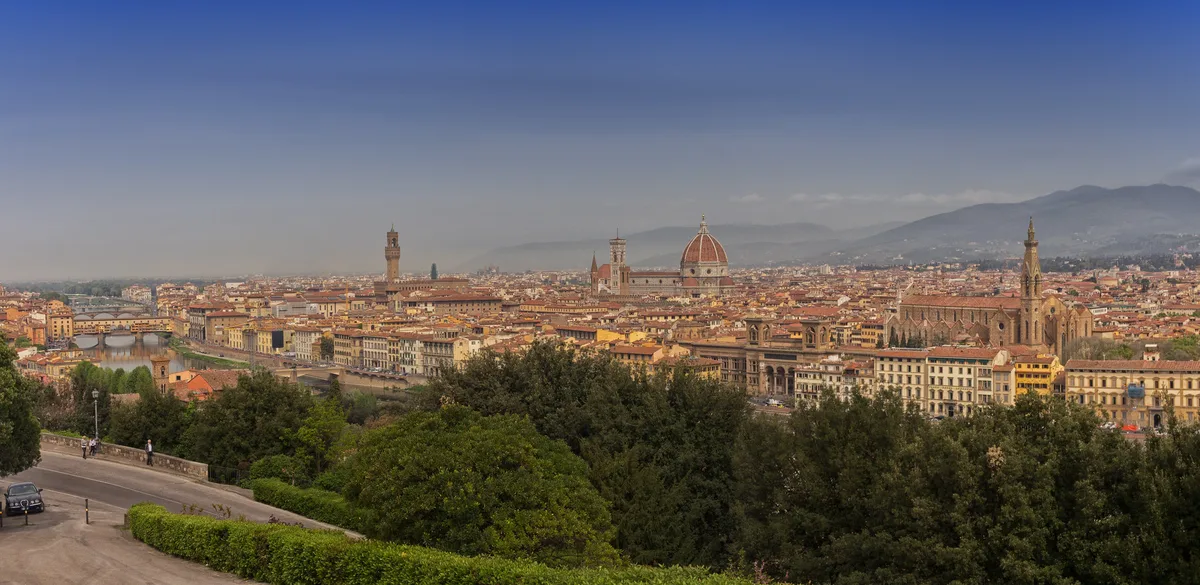
- Views: from the terraces the view takes in the whole Florentine plain and the city itself, with the Arno glinting below on a clear day. Early-twentieth-century visitors called the garden small, and it is: the views are what make it feel larger.
A Short History
In the 14th century, the estate belonged to the Benedictine nuns of San Martino a Mensola. Matteo di Domenico Gamberelli bought it late in that century. By 1610 it belonged to Zanobi Lapi. The Capponi family acquired it in 1718, and the villa's present form comes from their renovation. After several changes of ownership in the 19th century, Princess Jeanne (Giovanna) Ghyka, sister of the Queen of Serbia, bought it in 1896. She owned it until 1925 and commissioned its renovation. World War II left the villa severely damaged, and in 1952 its owner, Baroness von Ketteler, donated it to the Vatican. Marcello and Nerina Marchi bought it in 1954 and restored it from old documents over six years, working with the architect Raffaello Trinci. Since 1994 the Marchi and Zalum families have looked after the estate, as its official history page notes.
The Women Who Shaped Gamberaia, 1896 to 1952
The garden visitors admire today owes its character largely to a run of women owners in the half-century before the Marchi restoration. The sections below add detail to the short history above.
Princess Ghyka and Florence Blood
When Princess Jeanne Ghyka bought the villa in 1896, she lived there with the American Florence Blood. The two are credited with turning a faded Capponi-era property into the formal composition people photograph now: the long water parterre, the clipped hedges and the cypress-framed views across the Arno valley. Their approach was to simplify and clarify the existing terraces, not to add decoration. That restraint is why the garden reads as a single design rather than a collection of features.
The von Ketteler years
After Ghyka's ownership ended in 1925, the estate passed to Baroness von Ketteler, an American-born widow. She kept the garden's structure through the following decades. The villa's wartime damage and its donation to the Vatican in 1952 came afterwards, as described above.
What this means for your visit
- The parterre's strong geometry is a deliberate early-20th-century design, not a surviving Renaissance layout. Keep that in mind when you compare it with older Medici gardens.
- Much of what you see was reconstructed from documents after the war, so the garden is a careful restoration of the Ghyka-era scheme.
- Ownership details and any visitor information change over time.
How Long to Spend and What to Pair It With

Plan it as a half-day outing from Florence rather than a stop squeezed between museums. Settignano itself makes a natural lunch break. For a second garden on the same day, Giardino delle Rose is a lower-effort option inside the city. The Iris Garden is another small Florence choice. For the wider city picture, start with our Florence gardens overview.
Is Villa Gamberaia Worth It? Who Should Skip It
In our editorial assessment, it suits visitors who care about garden design, formal layouts and quiet terraces. Skip it if you have only one day in Florence, since the trip uphill takes time away from the city's museums. Expect slopes, steps and possibly gravel paths, which may be difficult with limited mobility. Summer midday heat and heavy rain both make the open parterres less pleasant, so plan for morning or a dry day.
Villa Gamberaia vs Other Gardens Near Florence
Your choice depends on how far you want to travel and how much formal design you want to see.
- Villa Medici at Castello: a Florentine villa garden with Medici history.
- Villa La Pietra, Florence: Visiting, History and Gardens: a hillside villa garden near Florence.
- Villa Garzoni at Collodi: a farther Tuscan garden that needs its own day.
- La Foce: a farther Tuscan garden, better for a longer countryside trip.
Weddings and Private Events
Villa Gamberaia is promoted as a wedding venue with views over Florence. Events can restrict public access on the day. Use the contact details on the official site for enquiries about weddings or private hire.
Bloom-season notes
Optional updates when we add or revise garden guides.
Continue reading
Guides on the same trip