Villa Medicea di Castello, Florence: Visiting Guide
Visit the Medici Villa at Castello in Florence: its Tribolo garden, Animal Grotto, Hercules and Antaeus fountain, how to plan the trip and who should skip it.
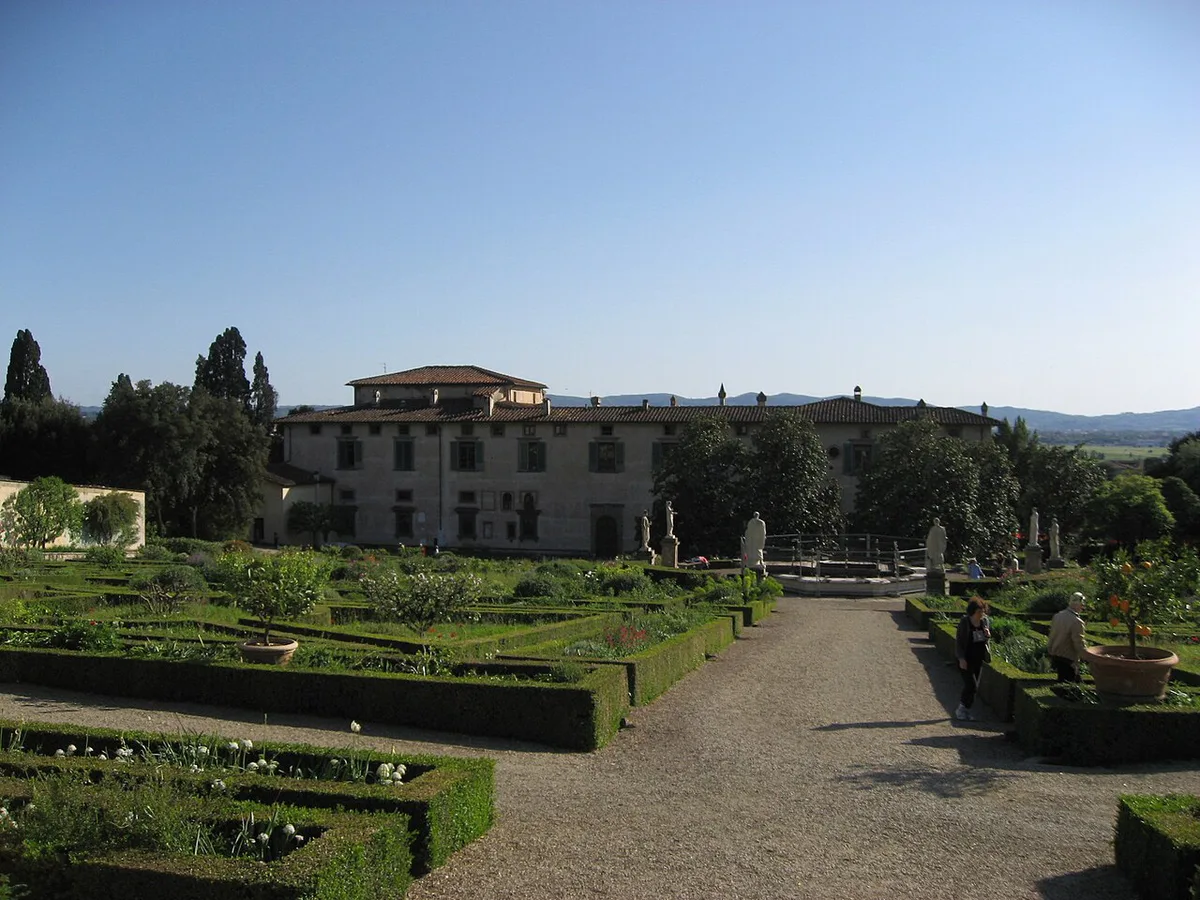
Last updated November 2026. Villa di Castello is a Medici villa at Via di Castello 47, on the north-west edge of Florence, also known as Villa Reale or Villa dell'Olmo. Its garden, designed for Cosimo I from around 1538, is the reason to come, because the building itself is now the home of the Accademia della Crusca. Treat it as a garden visit and a trip beyond the historic centre, as one of the Gardens in Florence: Which to Visit, Costs and Tips worth the extra leg.
Featured image: Sailko, CC BY 2.5, via Wikimedia Commons.
Villa di Castello: what it is and whether you can visit
Villa Medicea di Castello sits in the Castello district, near Sesto Fiorentino. Its name comes from the Latin castellum, meaning a water tank or cistern, and the site grew up around a Roman aqueduct. In 1477, Lorenzo and Giovanni di Pierfrancesco de' Medici bought a rural building here that was centred on a thirteenth-century tower. Opening days and garden access change, so read the current notice on the Medici villas and gardens listing before you set out. The Accademia della Crusca occupies the villa, so do not expect museum rooms.
Why the garden matters
Around 1538, Cosimo I hired Niccolò Pericoli, known as Tribolo, to redesign the garden after the Medici returned to power. The allegorical programme is attributed to Benedetto Varchi and Tribolo. Water and statues were used to praise Medici rule, with sculpture groups standing for the mountains and cities of the Tuscan state. Niches along the side walls held personifications of virtues such as Justice, Peace and Wisdom. Pierre Belon described the exotic plants between 1546 and 1549, and Montaigne later wrote about the lanes and woods.
What to see in the garden
Follow Tribolo's logic and walk from the formal parterre toward the grotto and the woods. These are the features named in historical accounts of the garden:

- Hercules and Antaeus: Bartolomeo Ammannati's statue replaced the earlier statue of Florence in the Napoleonic era.
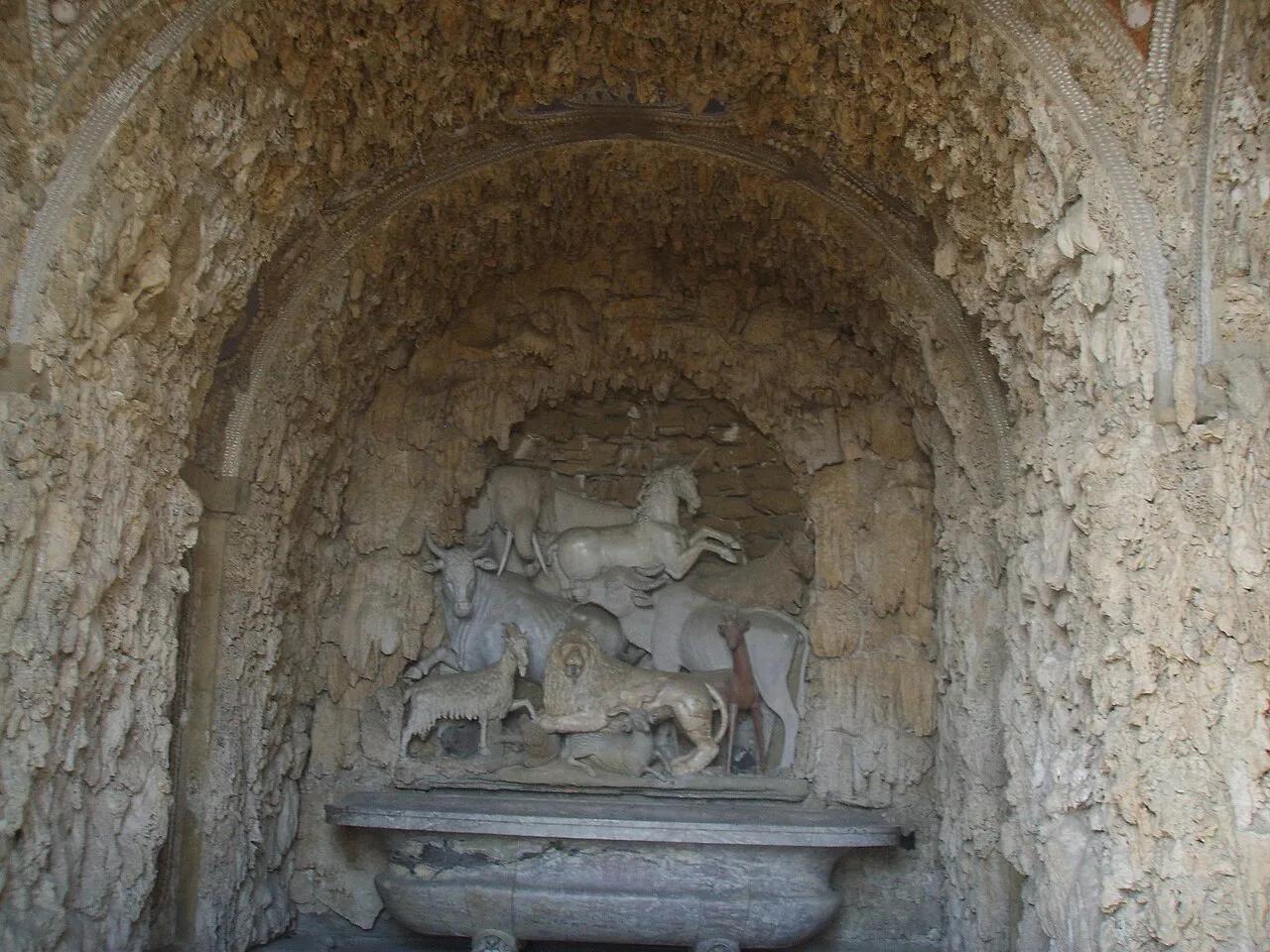
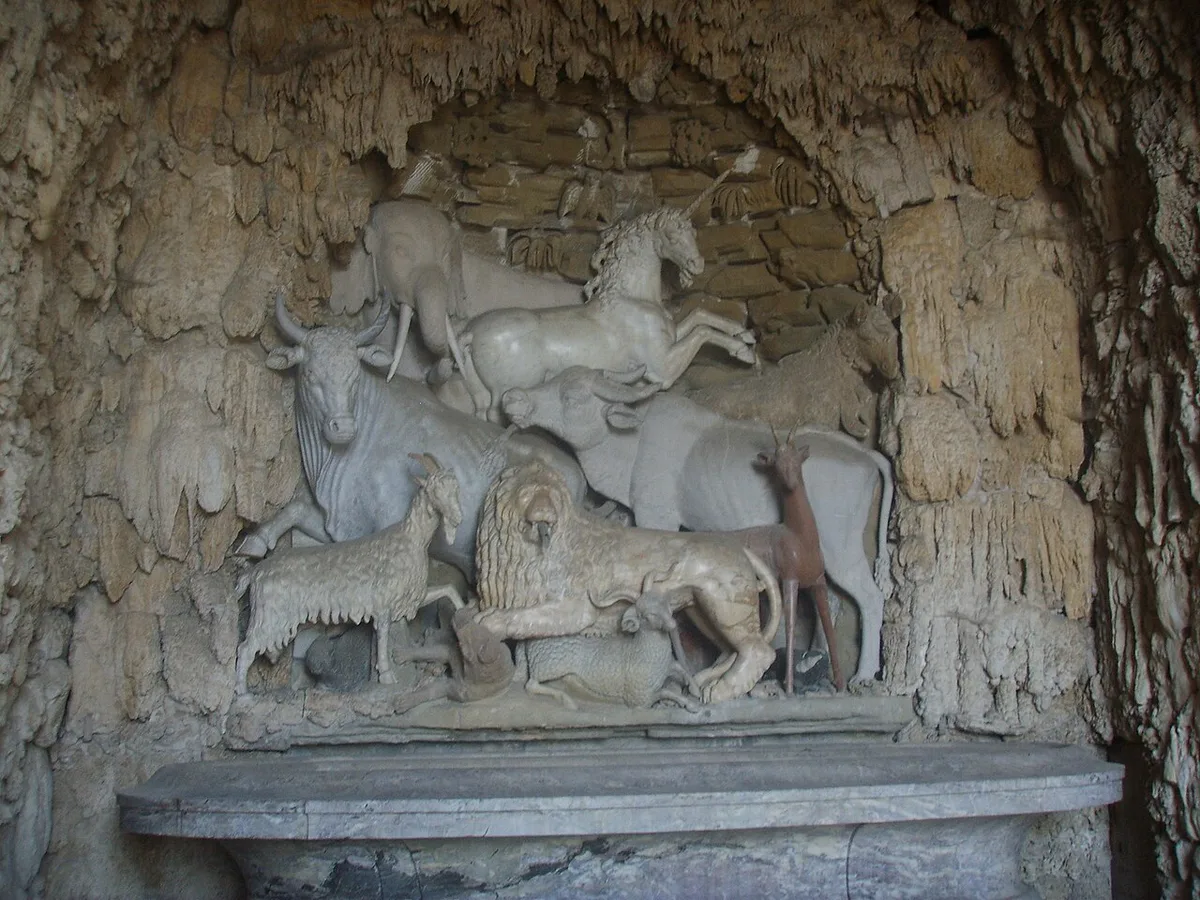
- Animal Grotto: two chambers with marble fountains, topped by sculpted animals, with water jokes (giochi d'acqua) set into the floor.
- Secret gardens: the Ortaccio, the Stufa dei mugherini with its jasmine collection begun by Cosimo III, and the gravel-floored dell'imbrecciato.
- Castellina aqueduct: built by Piero da San Casciano to feed the fountains from a nearby spring.
- Napoleonic ice house: placed at the centre of the garden.
- English-style woods: laid out by Joseph Frietsch to link Castello with the neighbouring Villa La Petraia.
Opening hours, tickets and what's open
No hours, ticket prices or water-feature schedules are confirmed here, and an invented figure would only mislead you. Check the current page for the Medici villas and gardens before you travel. Ask in particular whether the Animal Grotto fountains run on your day. The villa's exterior was restored over roughly two years, covering the four façades, courtyard, roof, entrance halls and windows, so check for any remaining works.
How to get there from central Florence
Villa di Castello lies outside the historic centre, so budget for a transit or taxi leg each way. No bus line or journey time is confirmed here. Look up the current route on the Florence visitor information site and aim for Via di Castello 47 as your destination.
How long to allow and how to combine it
Allow a half-day once you count travel from the centre. Frietsch's woods were designed to connect Castello with Villa La Petraia, which makes the two a natural pair. Check whether both gardens are open on the same day before you commit. If you prefer a Renaissance garden with a hilltop setting, Villa Gamberaia: Visiting Guide to the Florence Gardens is a different style of visit. For another Florentine villa garden, see Villa La Pietra, Florence: Visiting, History and Gardens.
Who should skip it and common mistakes
Skip Villa di Castello if you want furnished rooms or museum collections, because the Accademia della Crusca uses the building. Skip it too if you have only one short day in Florence. For a small garden inside the city, try the Giardino delle Rose or the iris garden instead.
- Do not assume it runs like Boboli: opening days and access differ, so check first.
- Do not expect interiors, since the villa is an academy headquarters.
- Do not forget the transit leg when you plan a one-day itinerary.
More Tuscan gardens to pair with it
Once you have seen Castello, widen the trip with our guide to 11 Best Gardens in Tuscany: Styles, Seasons and Access. It covers Medici villas, Renaissance terraces and modern sculpture gardens.
The villa’s Medici art connection
Castello mattered to the Medici before Tribolo turned its grounds into a political landscape. In 1477, Lorenzo and Giovanni di Pierfrancesco de’ Medici bought the rural property, whose core included a thirteenth-century tower. The purchase gave the family an estate on Florence’s northern approach, with access to the water infrastructure that later powered the garden.
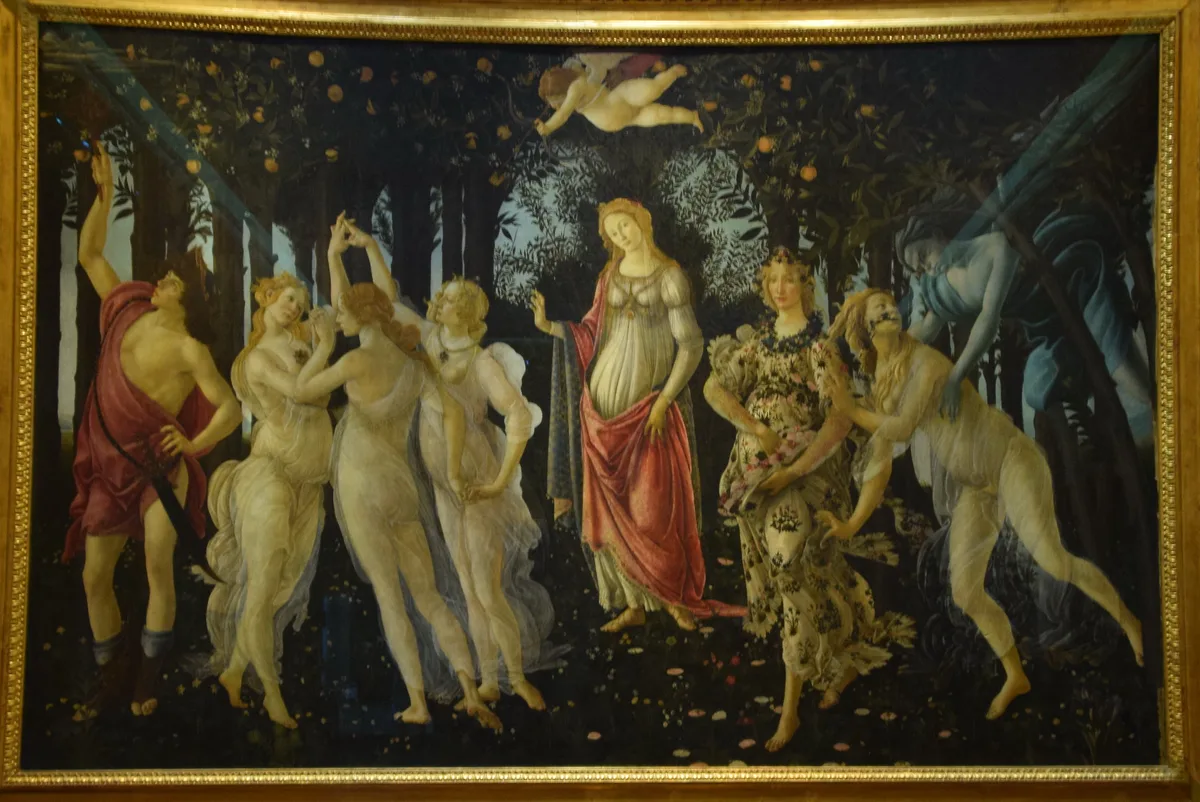
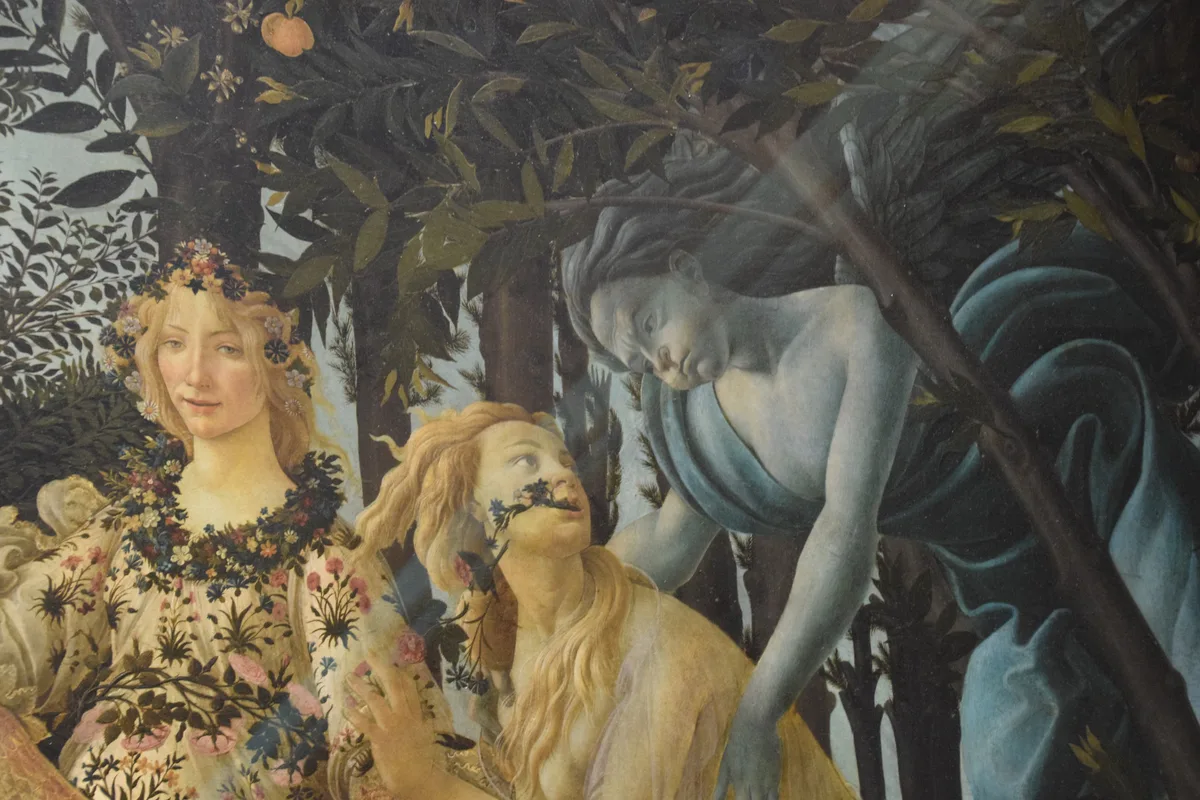
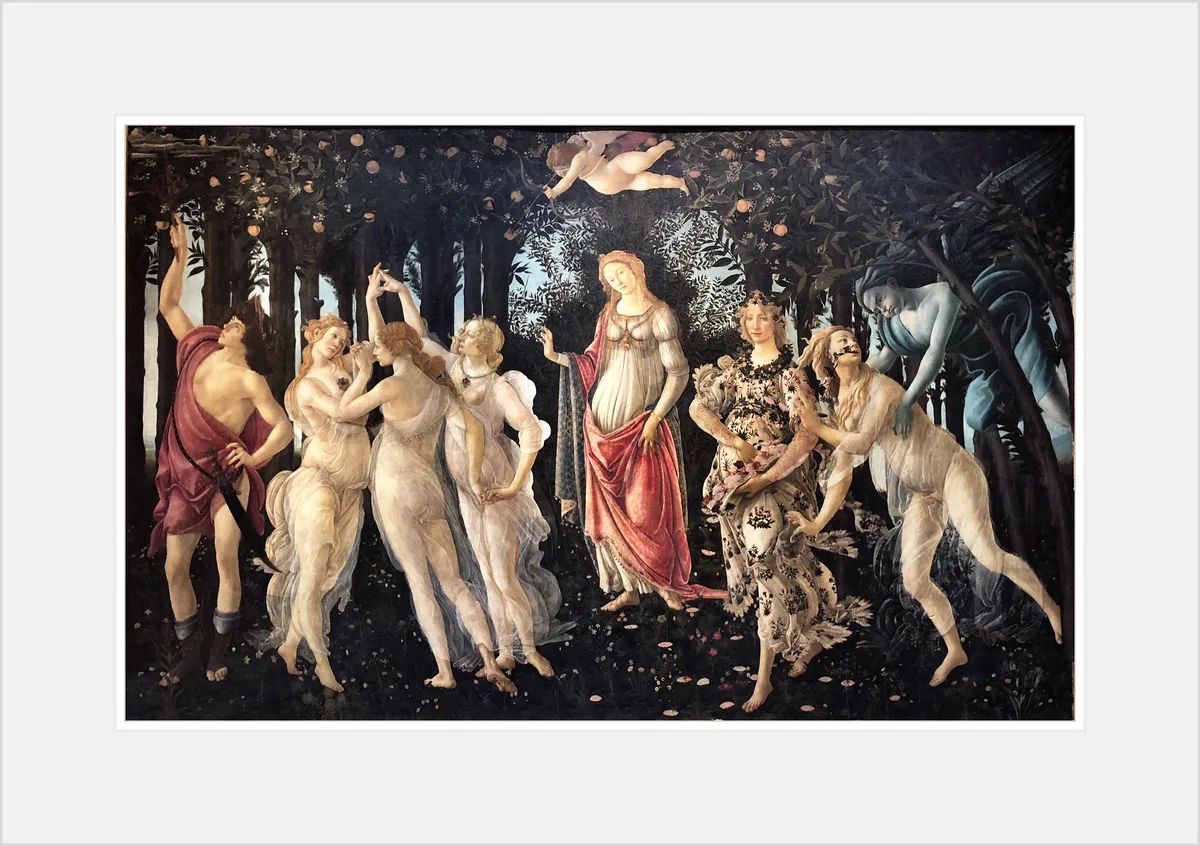
The villa is also associated with the branch of the family linked to Sandro Botticelli. Historical accounts connect Castello with Primavera and The Birth of Venus, although the exact commission and early display history remain debated. Both paintings were moved to the Uffizi in the 19th century. That link helps explain why Castello appears in discussions of Medici patronage, even though visitors should not expect those paintings or a villa museum collection here.
Look instead for the surviving architectural setting and the garden’s visual language. At Castello, water, sculpture and carefully controlled views carried the Medici message more directly than an interior art display.
Bloom-season notes
Optional updates when we add or revise garden guides.
Continue reading
Guides on the same trip