Gardens in Florence: Which to Visit, Costs and Tips
Compare Florence's best gardens, including Boboli, Bardini, the Rose and Iris Gardens, with timing, access and seasonal tips to plan your visit.
Last updated November 2026: the best gardens in Florence are Boboli Garden, Bardini Garden, the Rose and Iris Gardens near Piazzale Michelangelo, and the Giardino dei Semplici. Choose Boboli for Medici scale, Bardini for a calmer view, and the Rose Garden for a short stop. For the wider region, use our wider Tuscany garden guide.
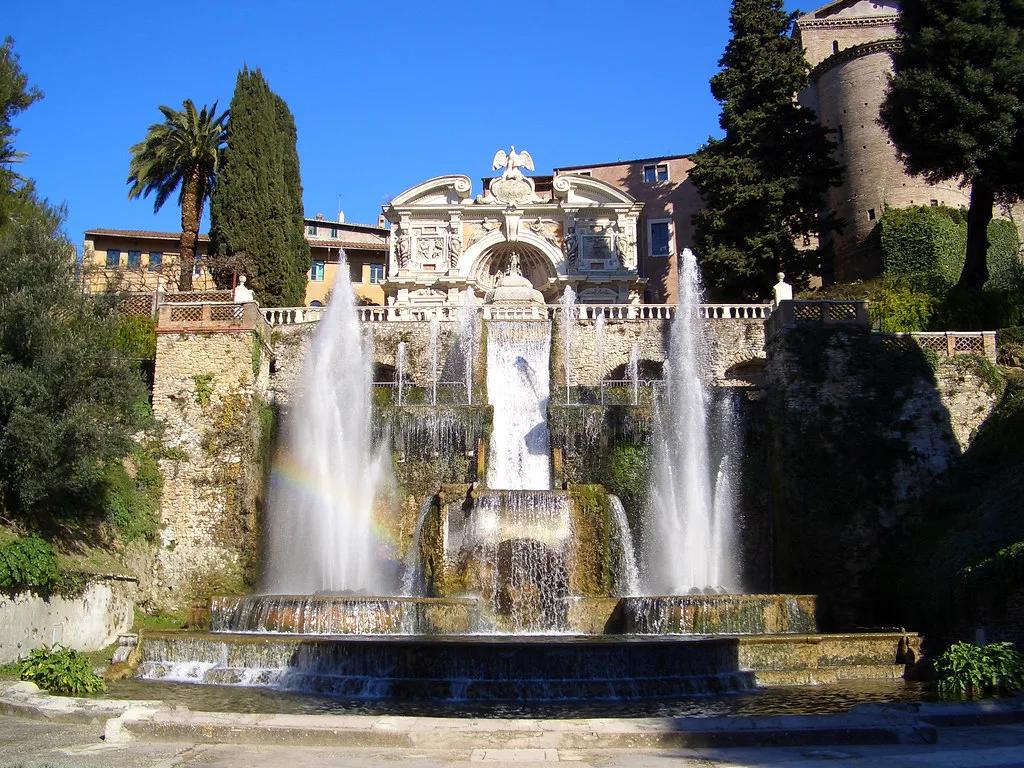
Featured image: Diego Delso, CC BY-SA 4.0, via Wikimedia Commons.
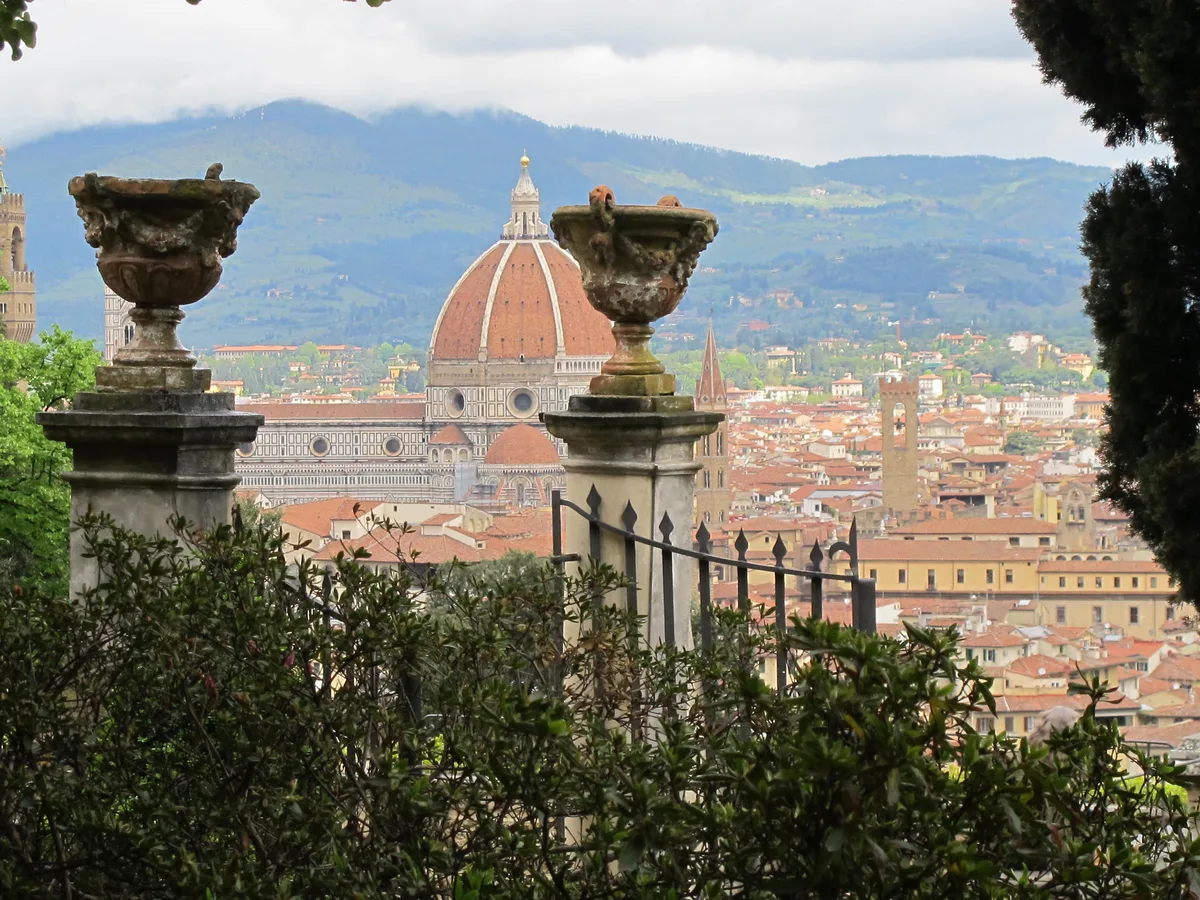
The best gardens in Florence at a glance
Florence's gardens split into hillside Medici landscapes, small flower gardens above the Arno, and one botanical collection. Effort matters more than distance here, because Boboli and Bardini involve slopes and stairs. Hours and ticket rules change by season, so check each garden's official page before you set out.
| Garden | Best for | Effort | Best season |
|---|---|---|---|
| Boboli Garden | Statues, grottoes, Medici history | Hilly, half-day | Spring to autumn |
| Bardini Garden | Quiet views over the city | Stepped paths | Spring to autumn |
| Rose Garden | Short free-style stop with a view | Slope up to Piazzale Michelangelo | Rose bloom in late spring |
| Iris Garden | Flower lovers | Short walk from the Rose Garden | Spring only |
| Giardino dei Semplici | Plants and greenhouses | Mostly flat | Spring and summer |
| Cascine Park | Walks, running, picnics | Flat | Any dry day |
Boboli Garden: the big Medici landscape
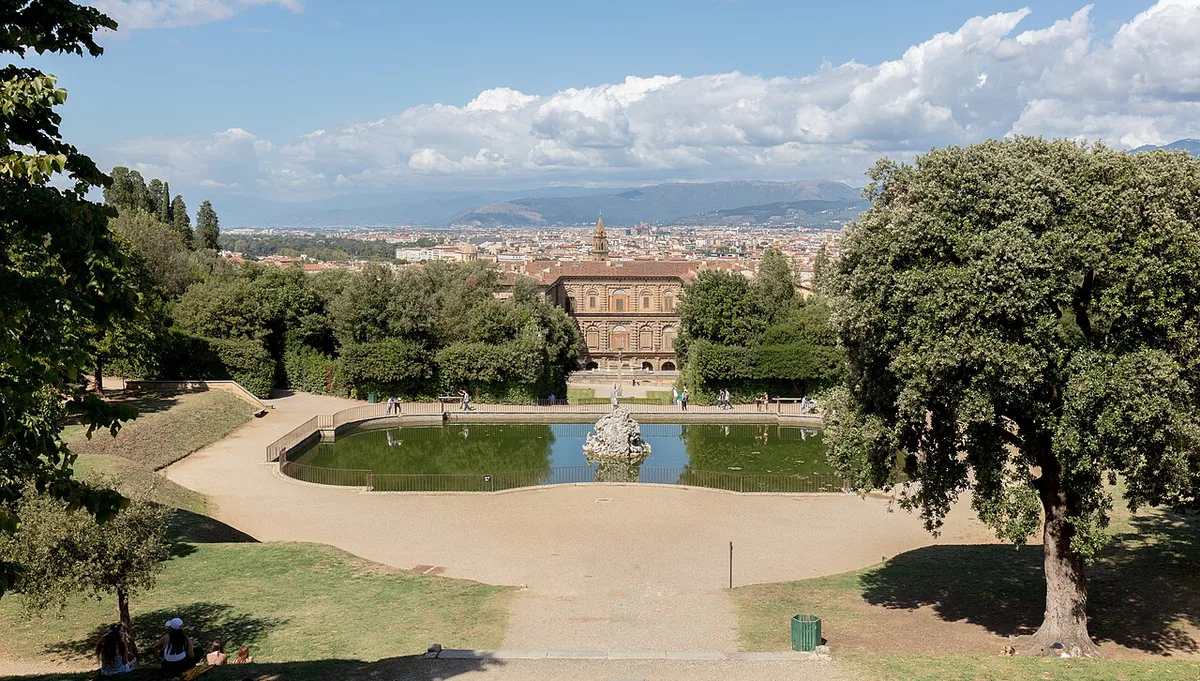
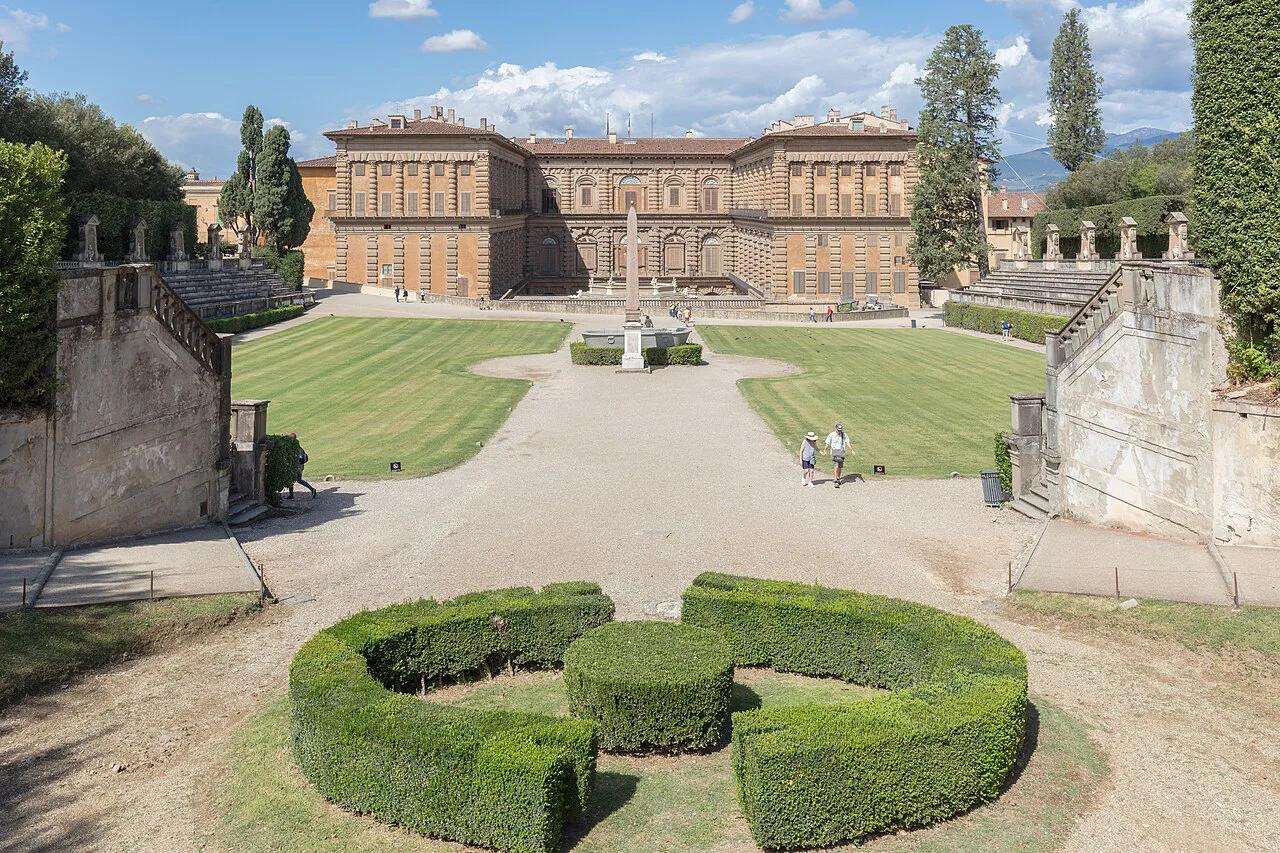
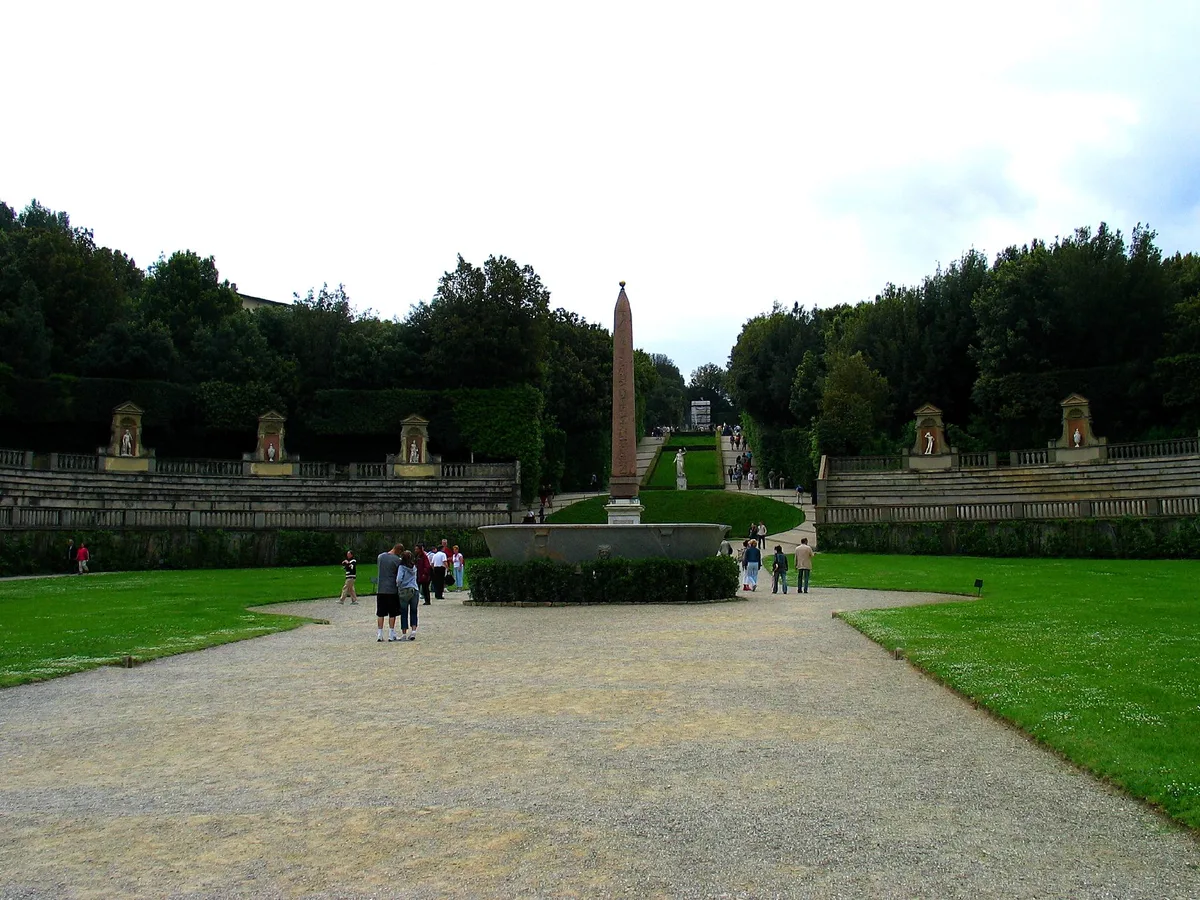
Boboli climbs the hillside behind Palazzo Pitti and is the largest and most formal garden in the city. It was laid out between 1549 and 1775, which explains the mix of Renaissance terraces and Baroque statues. Fountains, grottoes and long perspectives reward slow walking. Short on time? Stay on the main axis near the palace, then climb for the city view. Tickets, seasonal hours and the weekly closing day are listed on the Uffizi Galleries Boboli page. Pairing it with Palazzo Pitti makes a full half-day.
Bardini Garden: the quieter view over the city
Bardini sits between Costa San Giorgio and Borgo San Niccolò on the Oltrarno hillside. Stairways and paths lead up to one of the best panoramas of the historic centre. Visitors here tend to linger rather than rush. It suits anyone who found Boboli too large. Because it is on the same side of the river, the two gardens fit one Oltrarno day. Ask at the ticket desk whether a combined ticket is on offer in the current season.
Rose Garden and Iris Garden near Piazzale Michelangelo
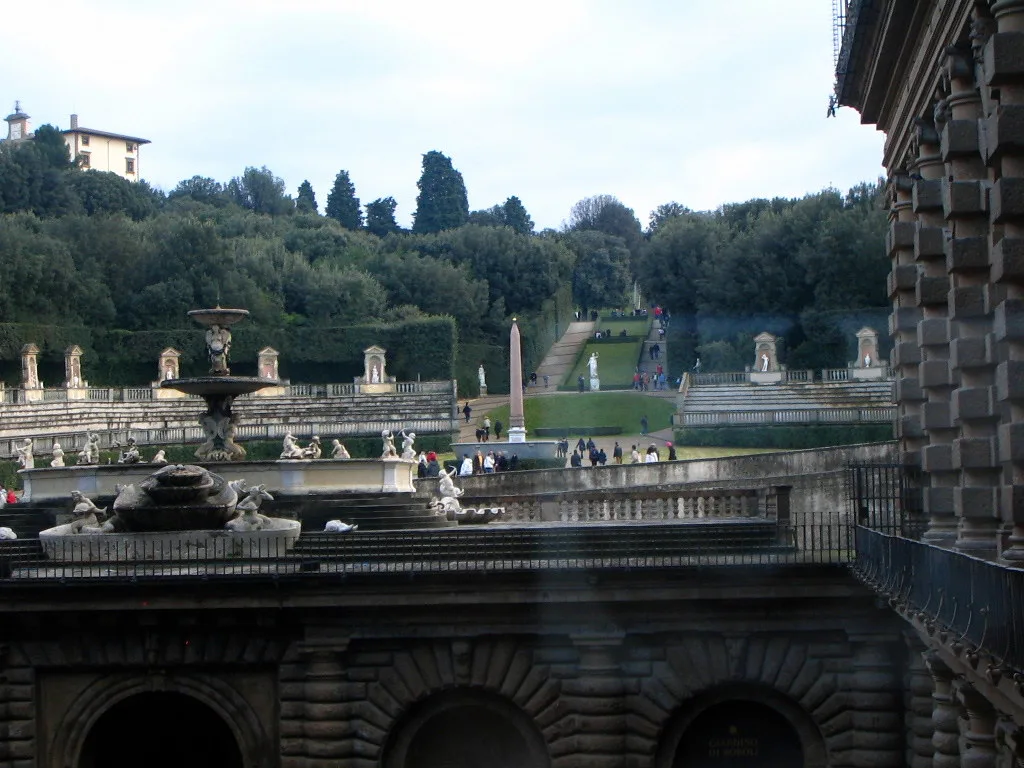
Both gardens sit on the slopes around Piazzale Michelangelo, so they combine into one short outing. The Rose Garden is reported to hold over 350 varieties and to charge no entry fee. Its terraces look across to the Duomo and Palazzo Vecchio. The Iris Garden lies on the eastern side and dates from 1954. It opens only in spring, so a summer visit finds little to see. Check opening periods on the Comune di Firenze site. Piazzale Michelangelo is crowded at sunset, while these gardens stay calmer.
The Rose Garden reportedly holds over 350 varieties and charges no entry fee, so it slots easily before a sunset stop at Piazzale Michelangelo.
Giardino dei Semplici: Florence's botanical garden
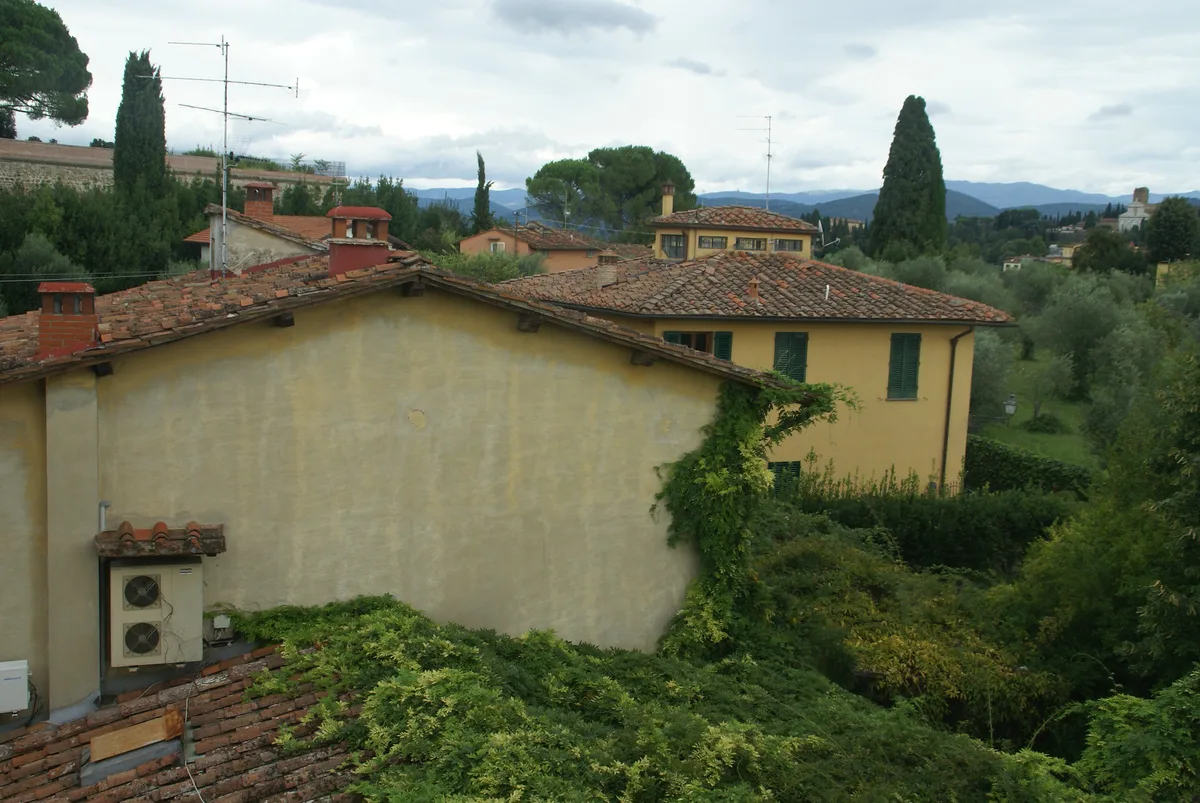
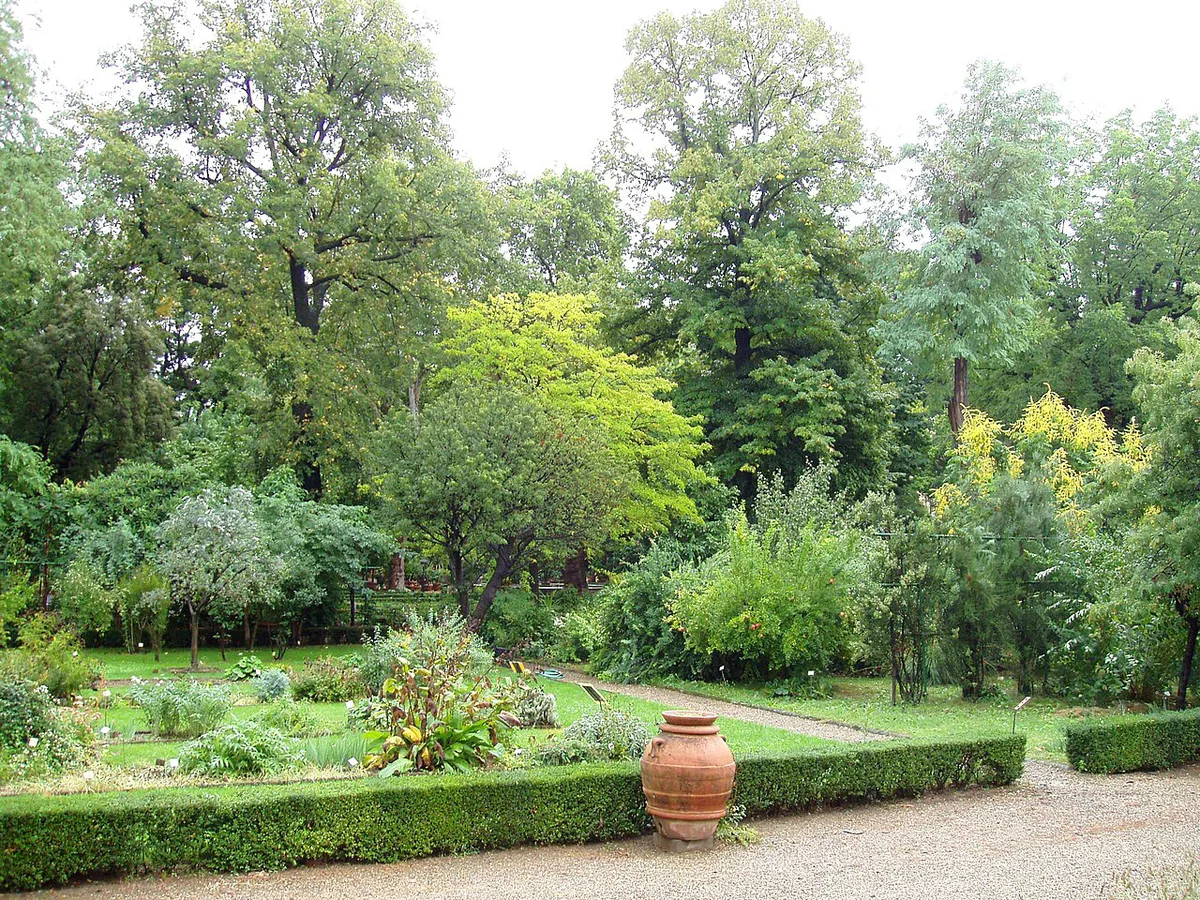
Its origins as a garden of medicinal plants go back to 1545. Today it belongs to the University of Florence and the Natural History Museum. Historic greenhouses, rare plants and botanical collections make it a good fit for plant lovers. Crowds are thin compared with Boboli. Opening days are limited, so check the museum's page before going.
Cascine Park: the local green space
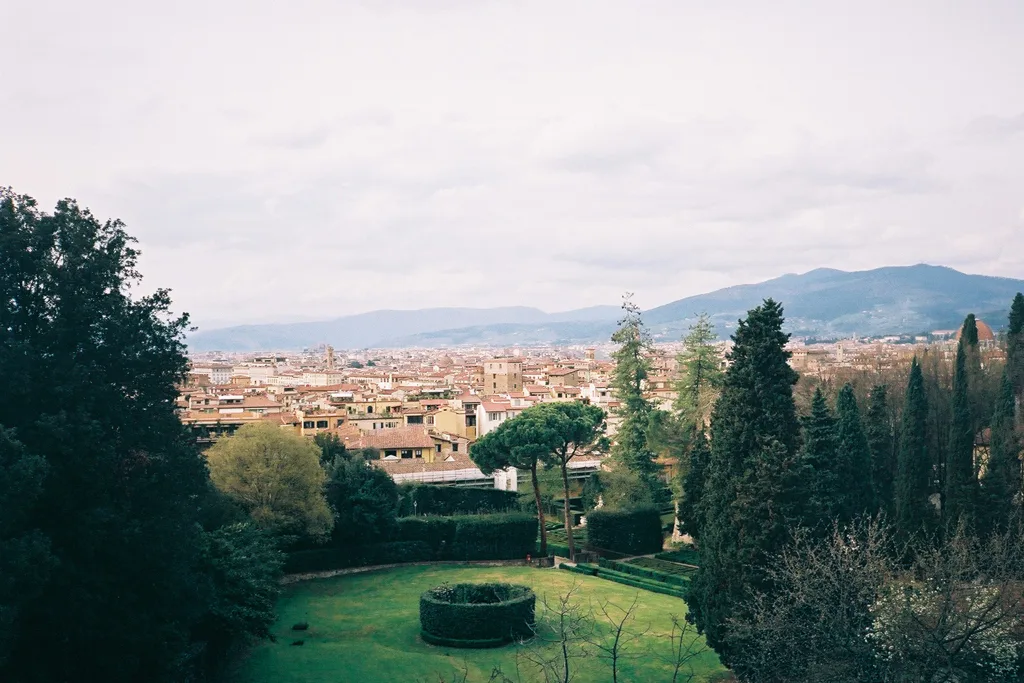
Cascine stretches along the Arno and is the largest public park in Florence. It is flat, everyday and used by runners, families and students. Do not expect a Renaissance garden. Treat it as a picnic break or a walk between museum days.
Stibbert Museum and its English-style park
The Stibbert Museum is a collector's villa in the Montughi district, north of the historic centre and away from the Oltrarno gardens above. It is better known for its armour than its planting, but the grounds are a real garden, and few visitors to Florence's green spaces include them.
Frederick Stibbert (1838-1906) assembled one of Europe's largest private collections of arms and armour, plus costumes, paintings and furnishings. The house is crowded with them, including mounted figures of knights. The surrounding park was laid out in the 19th-century English romantic style, with winding paths, mature trees and small garden buildings, including a pavilion and an Egyptian-style temple. It feels informal next to the terraces of Boboli.
Who it suits
- Rainy-day visitors: the museum rooms give you an indoor option with a garden walk when the weather clears.
- Repeat visitors: it adds a different kind of garden to a Medici-heavy itinerary.
- Families: the armour keeps children interested, and the park gives them room to wander.
Getting there and timing
The villa is a short bus or taxi ride from the centre, so it does not fit on foot into the Oltrarno or Piazzale Michelangelo routes above. Treat it as a separate half-day, or as a quieter second-week stop. The park is smaller than Boboli and mostly gentle underfoot, though some paths are uneven.
Opening days, hours and combined museum and garden access change by season, and the museum has closing days. Check the Stibbert Museum's official website before you go, and confirm whether the grounds are open on the day you plan to visit.
Which garden should you pick?
Match the garden to your real goal.
- First visit, limited time: Boboli, staying on the main axis.
- Photographers: Bardini for the skyline, or the Rose Garden in late spring.
- Plant lovers: Giardino dei Semplici, plus the Iris Garden in spring.
- Families: Cascine Park for space to run.
- Limited mobility: Cascine or the Botanical Garden, since Boboli and Bardini are hilly.
- Rainy-day backup: the greenhouses at Giardino dei Semplici.
Sample half-day routes
Two clusters work well on foot.
- Oltrarno: Palazzo Pitti, Boboli Garden, then Bardini Garden on the way down to San Niccolò.
- Piazzale Michelangelo: Rose Garden, Iris Garden in season, then the viewpoint just before sunset.
Beyond the city: Medici villas and the Tuscany picture
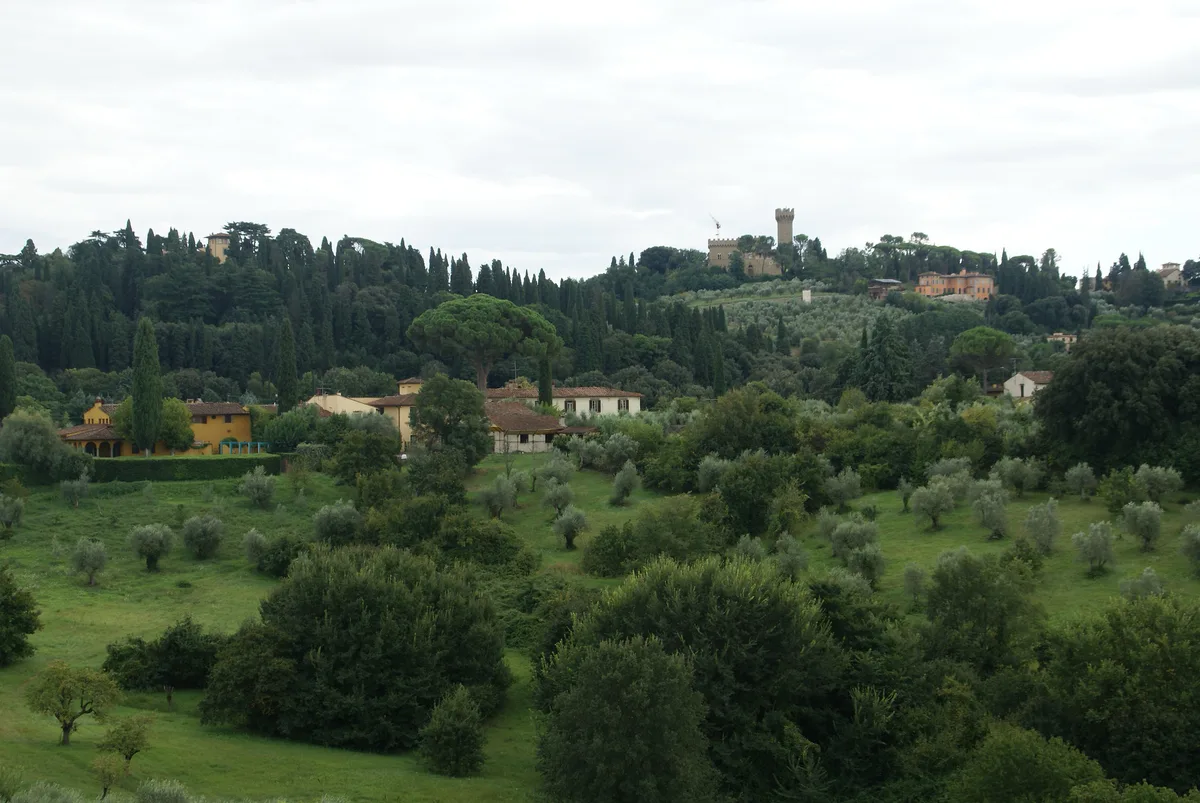
The villa gardens lie outside the centre and need a bus, train or taxi. Villa Medici di Castello is the closest to town. Villa Gamberaia: Visiting Guide to the Florence Gardens in Settignano is known for its terraces. Further afield, Villa Cetinale: Chigi Baroque Villa and Gardens near Siena is a good Tuscan add-on. The 11 Best Gardens in Tuscany: Styles, Seasons and Access guide covers the full region.
Practical tips and mistakes to avoid
Wear flat, grippy shoes for Boboli and Bardini, and carry water in summer, since shade is uneven. Details are on Visit Florence.
- Arriving late: last entry comes well before closing, so go early.
- Visiting the Iris Garden outside spring: it opens only then.
- Assuming every garden is open daily: closing days differ.
- Treating Cascine as a formal garden: it is a public park.
Frequently Asked Questions
Are the Bardini gardens worth visiting?
Yes, if you want a quieter hillside garden with a wide view of the historic centre. It is smaller than Boboli, so it suits a slow visit and pairs easily with it.
What flower is associated with Florence, Italy?
The iris is Florence's symbolic flower, often mistaken for the lily. The Iris Garden near Piazzale Michelangelo shows its varieties in spring.
Bloom-season notes
Optional updates when we add or revise garden guides.
Continue reading
Guides on the same trip