Villa Cetinale: Chigi Baroque Villa and Gardens near Siena
What Villa Cetinale is, its Baroque garden and Thebaid hermitage, and how to approach a visit, plus Tuscan garden alternatives if it is closed.
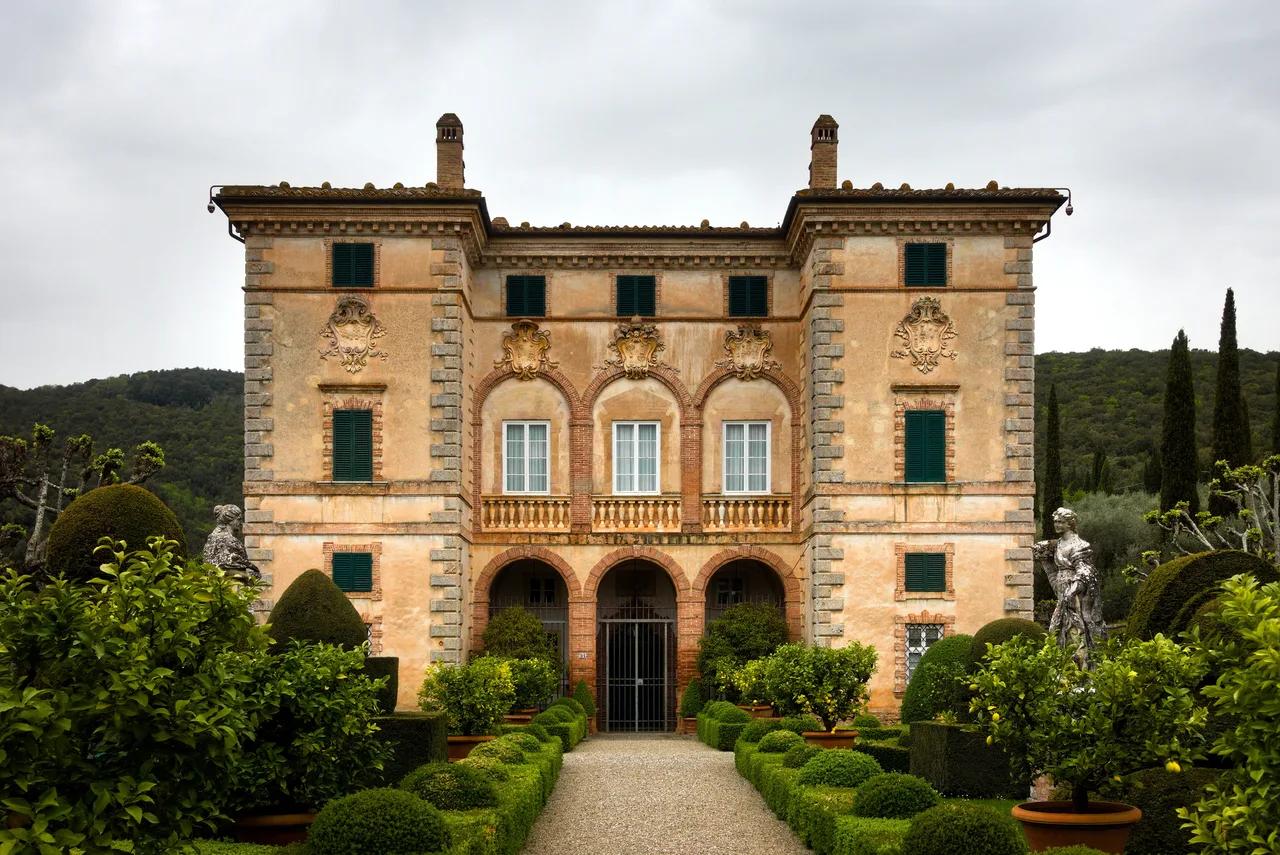
Last updated November 2026: Villa Cetinale is a late 17th-century Baroque villa and garden in Sovicille, south-west of Siena, built for the Chigi family. Visiting is the open question, because the villa has long served as a private residence and we found no public visiting schedule we could verify. Read the access section first, then use our guide to 11 Best Gardens in Tuscany: Styles, Seasons and Access if the gates stay closed.
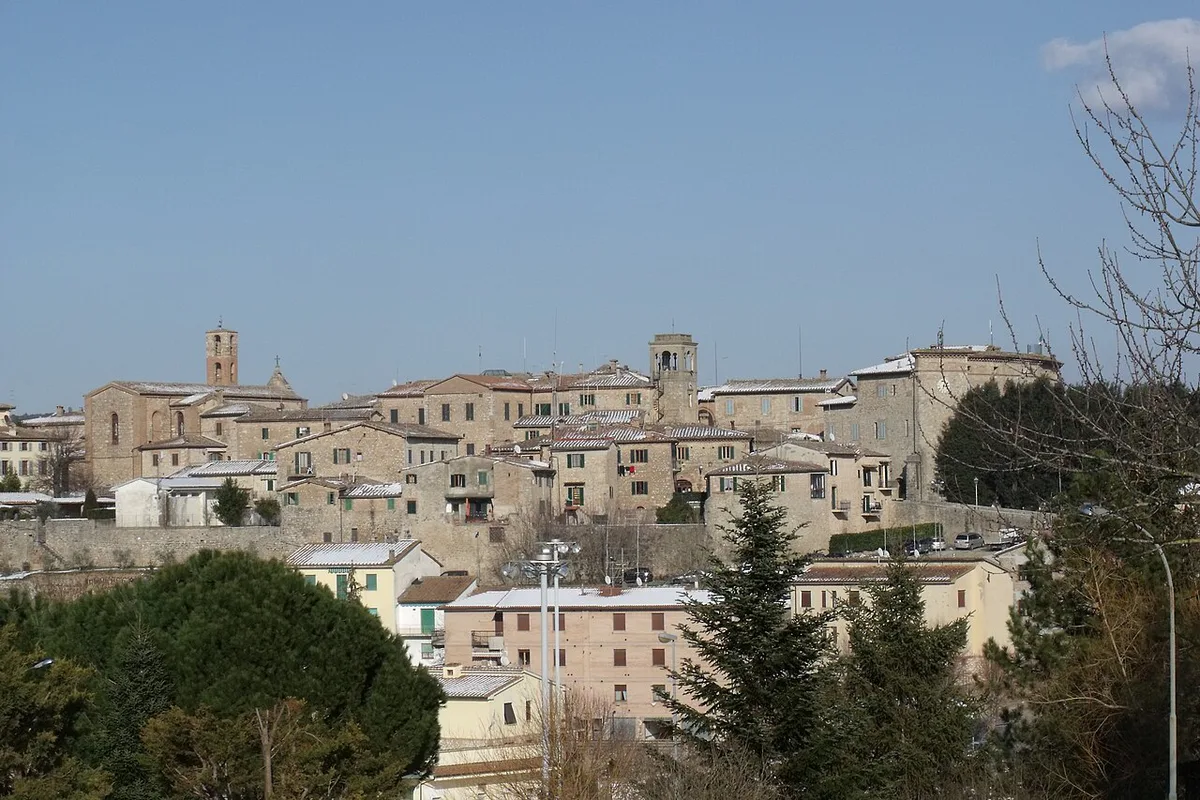
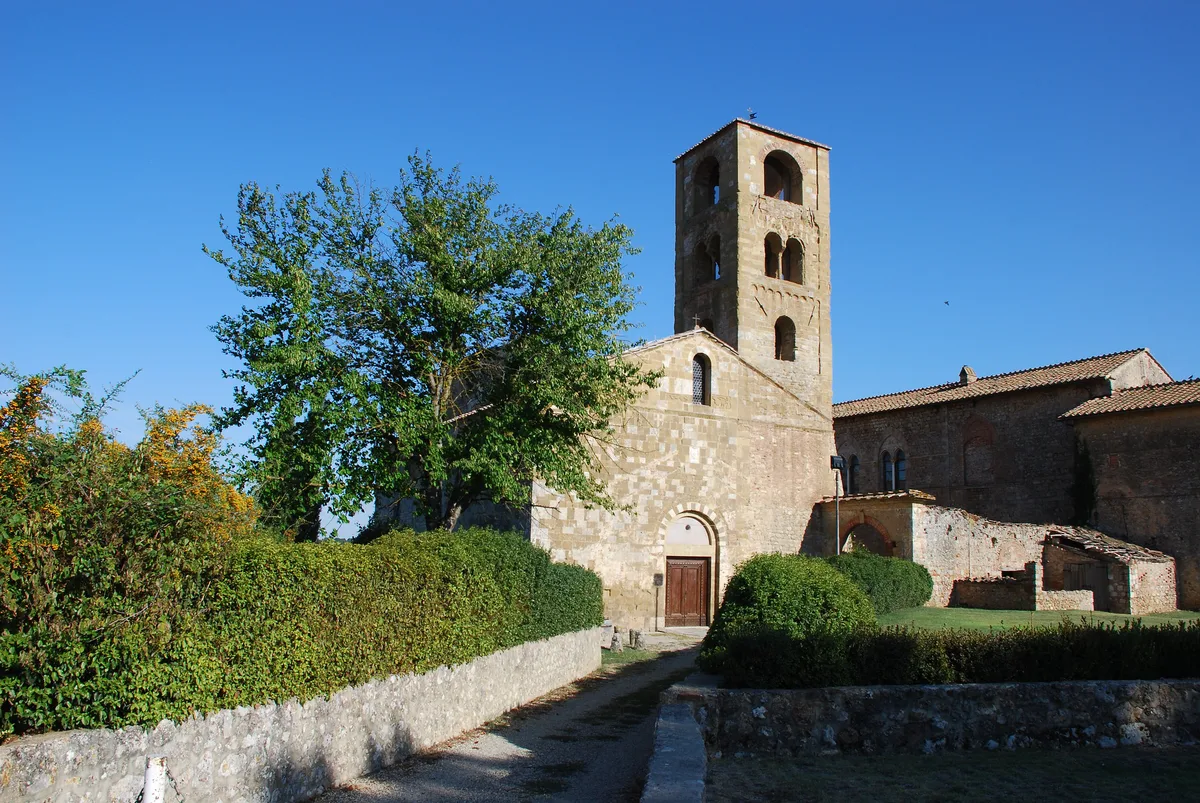
Featured image: Strocchi, CC BY-SA 2.0, via Flickr.
What Villa Cetinale is
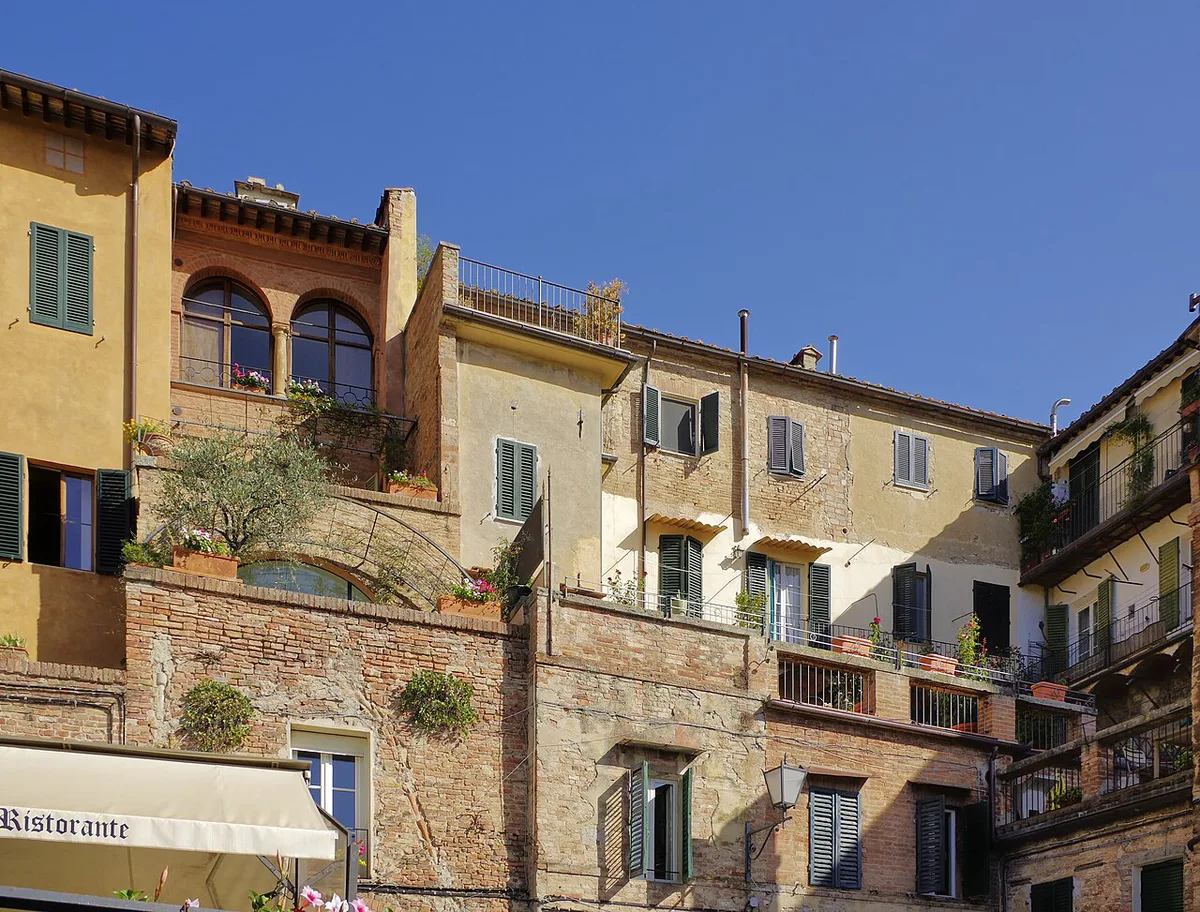
Villa Cetinale is a Baroque country villa in the Sovicille area of the province of Siena. Cardinal Flavio Chigi commissioned it, and the architect is generally given as Carlo Fontana, a pupil of Gian Lorenzo Bernini. Its fame rests on the garden behind the house, which runs into a wooded religious landscape known as the Thebaid. Here is what we can state, and what we cannot.
- Place: Sovicille, province of Siena, Tuscany.
- Style: Baroque villa with a formal garden and a woodland park.
- Patron: Cardinal Flavio Chigi, of the family of Pope Alexander VII (Fabio Chigi).
- Architect: Carlo Fontana, with the garden possibly his work as well.
- Public opening days, hours and ticket price: none published that we could verify.
- Ownership and management today: not confirmed, so we name no owners.
Can you visit Villa Cetinale?
Treat access as unconfirmed. The Chigi family used the house as a private residence rather than a place to entertain guests, and that private character appears to continue. Today the villa turns up in wedding footage and holiday-rental listings, not in public attraction guides. Those are three different intents, so keep them apart. A tourist visit means walking the garden as a guest of an open site. A wedding or event means a private booking arranged with the owners. A rental means a separate stay at a different property. Do not assume one implies the others. Your next step is to contact the villa through its own official channel and ask whether guided visits, open days or garden-only entry exist. For regional context, Siena tourism, Terre di Siena is the sensible place to ask about visitable estates in the province.
Even with gates open, the Scala Santa climbs about 200 steps to the Romitorio, so plan the walk around that effort rather than a stroll.
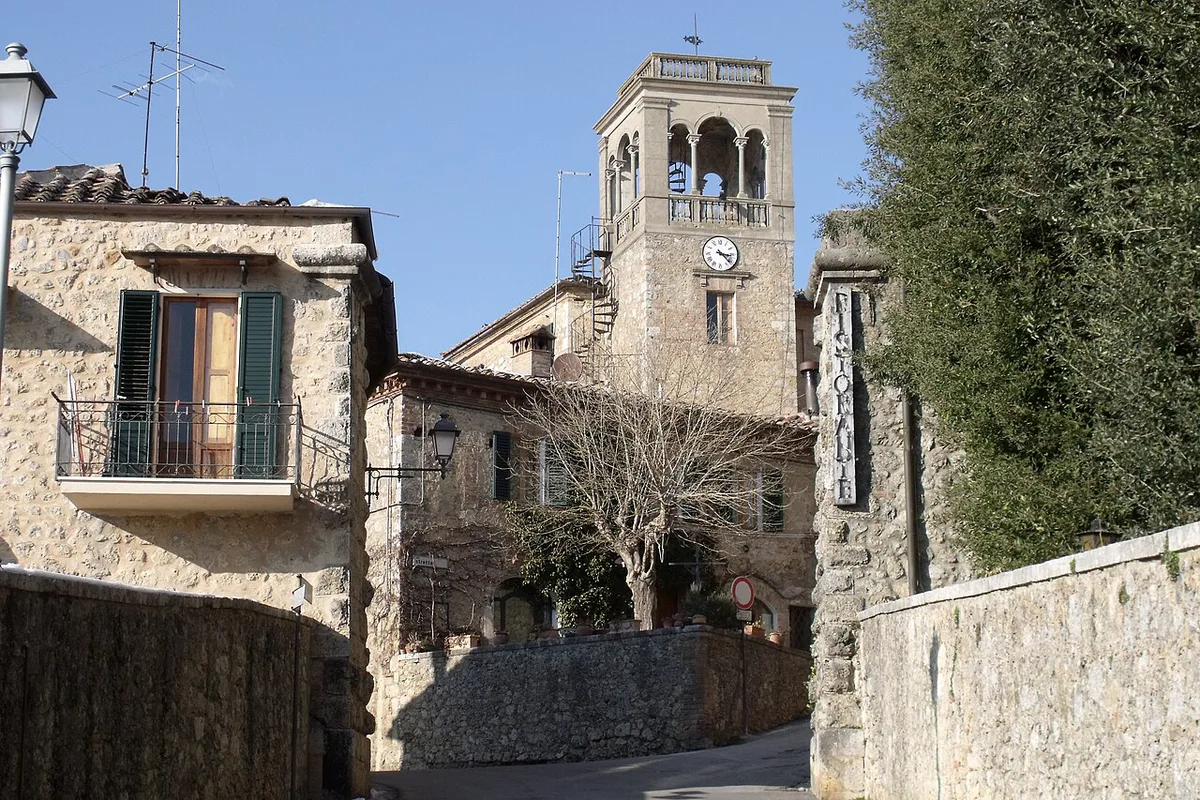
The garden and Thebaid park: what to look for
If you do get in, the historical record points to a short list of features. Published accounts describe a layered composition rather than a single lawn. Water features, fountains and false ruins once decorated the formal garden. Here are the items worth seeking out.
- Hercules statue: an enormous figure by Giuseppe Mazzuoli, dated 1687, in the lower part of the garden.
- Thebaid park (parco della Tebaide): laid out between 1698 and 1705 in the woodland around the villa. The name refers to the Egyptian desert where early hermits lived.
- Hermit and saint statues: placed through the wood, along with a chapel dedicated to Our Lady of Sorrows.
- Scala Santa: a staircase of about 200 steps that climbs to the Romitorio.
- Romitorio: a hermitage building added in 1716.
History in brief: the Chigi and Alexander VII
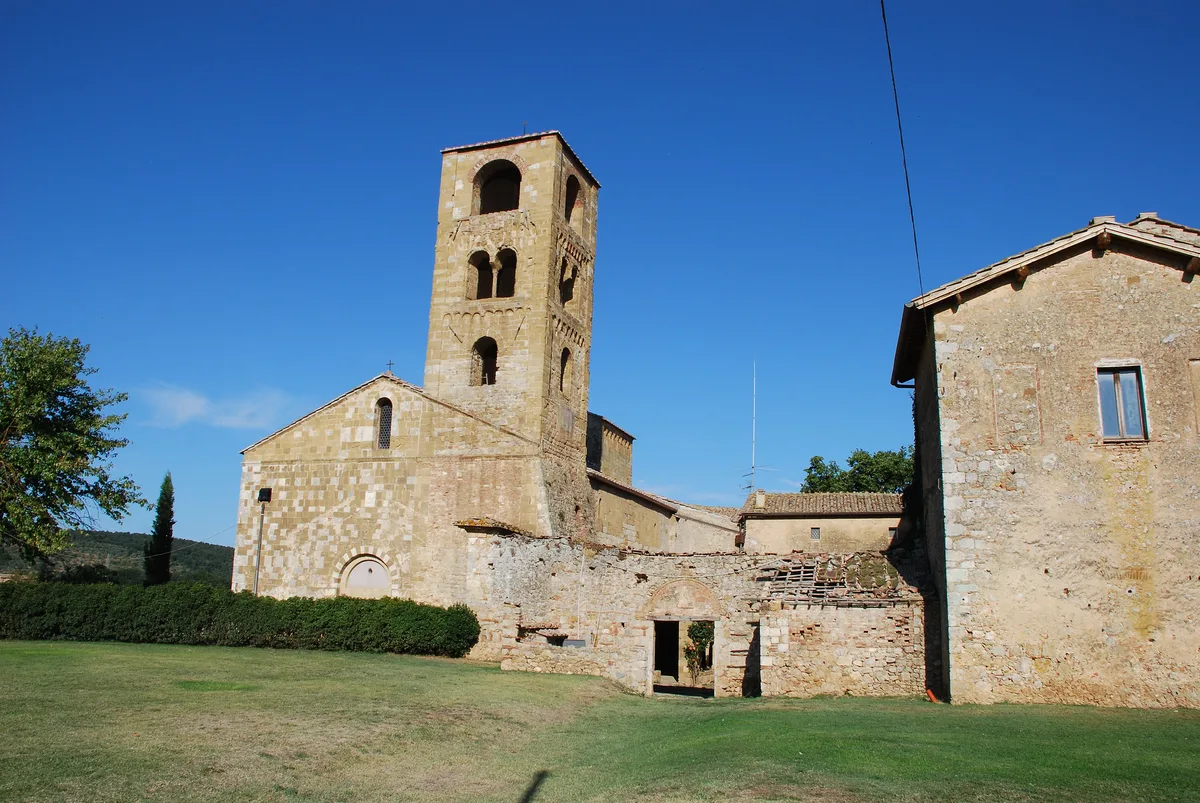
The villa celebrates the Chigi rise to the papacy, when Fabio Chigi became Pope Alexander VII. Sources disagree on the building date. One account gives 1676 to 1678, while another says 1680, so "late 17th century" is the safe description. A popular story says Flavio Chigi had the Thebaid decorated and the chapel built to atone for his sins, including the killing of a love rival. That tale is rumour, not documented fact, so treat it as local legend. Social-media captions repeat figures such as the size of the estate without support, and we leave those out.
Getting there and planning the day
We found no verified information on distances, drive times, parking or public transport, so we give none. Plan on the assumption that a car or a pre-arranged driver will be needed, and ask the villa how to arrive. Pair any confirmed visit with Siena, whose city tourism pages list other options. For wider trip ideas, Visit Tuscany's official site covers the region. A private residence can refuse spontaneous callers, so never build a day around a same-day entry. Skip Cetinale if you have only one day, no car, or need guaranteed access. Avoid these mistakes.
- Turning up without written confirmation of access.
- Assuming a wedding or rental venue is a public attraction.
- Expecting a short, flat walk: the Scala Santa alone is about 200 steps.
- Relying on social-media captions for dates, sizes or opening information.
Weather and best season around Siena
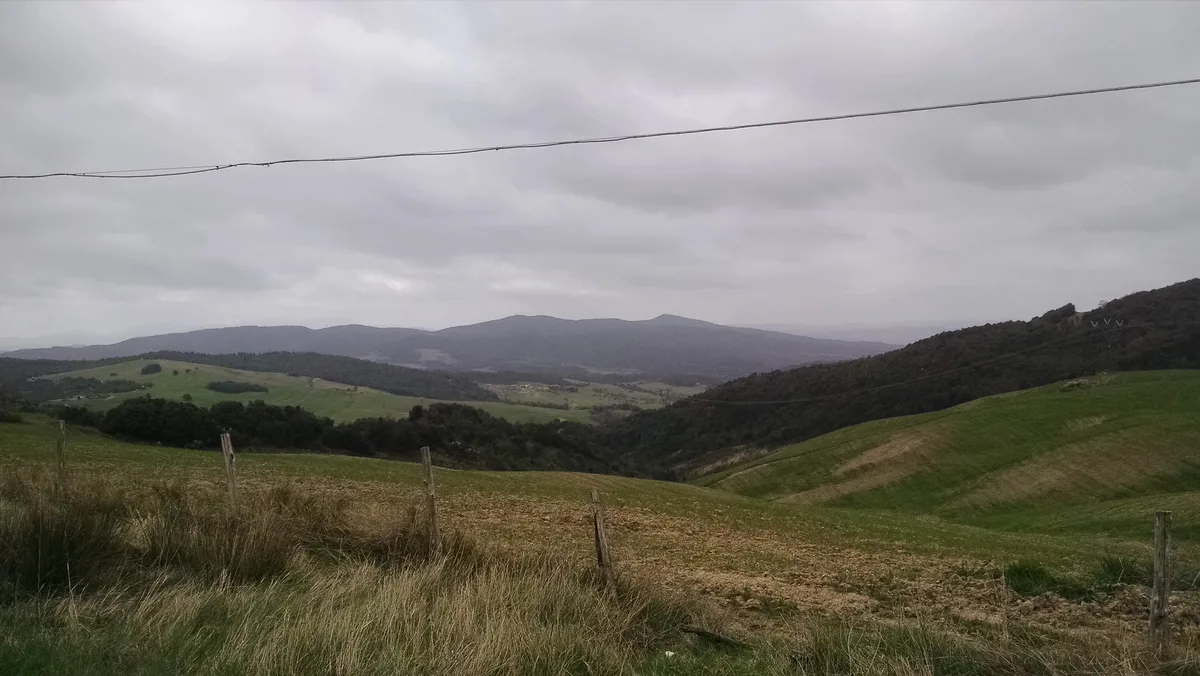
The Sovicille countryside shares Siena's climate, and the season changes how a garden and woodland walk feels. The Thebaid park is wooded and the Scala Santa is a climb of about 200 steps, so heat matters more here than at a flat formal garden.
- Spring (April to early June): mild days and fresh growth. This is usually the most comfortable time for the Scala Santa climb, though showers are common.
- Summer (July and August): hot, with afternoon highs often around 30°C or more. If access is ever confirmed for these months, aim for the morning and carry water.
- Autumn (late September to October): pleasant temperatures and changing leaves in the wood. Rain becomes more likely as the season goes on.
- Winter (November to February): cool and sometimes damp. Paths under tree cover can stay wet, so wear shoes with grip.
Climate figures describe typical conditions, not a forecast. Check the Siena forecast a few days before any confirmed visit.
Know before you go
- Get written confirmation of access first. A private residence can refuse spontaneous callers.
- Wear sturdy shoes. The Thebaid paths and the Scala Santa are uneven.
- Do not count on a same-day visit. Build the rest of the day around places with published opening hours.
Other Tuscan gardens if Cetinale isn't open
A confirmed, bookable garden often beats a closed gate. These alternatives are covered in our own guides, and each has its own access rules.
- Historic villa gardens: Villa Garzoni at Collodi, Villa Gamberaia's terraces, Villa Medici at Castello and Villa La Pietra, Florence: Visiting, History and Gardens.
- Southern Tuscany: La Foce Garden, Tuscany: Visiting Guide and Tips and the sculpture park Tarot Garden (Giardino dei Tarocchi) Tuscany: Visit Guide.
- Florence options: start with Gardens in Florence: Which to Visit, Costs and Tips, then the rose garden or the iris garden.
- An art-garden contrast: Daniel Spoerri's garden.
Nearby places to pair with a day near Siena
Because Cetinale access is unconfirmed, it works better as a possible stop than as the anchor of a day. The countryside south-west of Siena has several places with their own public access.
- Siena itself: the Piazza del Campo, the Duomo and the museums are the obvious base. The city tourism pages linked earlier list current visiting options.
- Monteriggioni: a small village inside intact medieval walls. It is easy to walk in an hour or so.
- Abbey of San Galgano: the roofless Cistercian abbey in the Merse valley, with the hilltop chapel of Montesiepi nearby, where a sword is shown set in a rock.
- Other gardens: if you want a garden with confirmed access, the options in our Tuscan gardens section above, such as La Foce, are better planning bets than a closed gate.
A car makes this area far easier. Public transport links between small villages are limited, so plan transfers in advance and allow time for narrow country roads. If you cannot confirm entry at Cetinale, treat the surrounding countryside as the day's real plan and the villa as a bonus, seen from the road at most.
Frequently Asked Questions
Which area of Italy has the famous villas?
Tuscany has many historic villa gardens, concentrated around Florence, Siena and Lucca. Villa Cetinale sits in the Siena area. Our Tuscany gardens guide compares the ones you can plan around.
Bloom-season notes
Optional updates when we add or revise garden guides.
Continue reading
Guides on the same trip