La Foce Garden, Tuscany: Visiting Guide and Tips
Plan a visit to La Foce, Cecil Pinsent's 1930s garden for Iris Origo in Tuscany: access, timing, getting there and who it suits.
Last updated November 2026. La Foce is a garden near Chianciano Terme in Tuscany, designed in the 1930s by Cecil Pinsent for the writer Iris Origo and her family. Access rules, tickets and seasons are set by the estate, so this guide points you to the official source for each one. It also explains what the garden is, who it suits and how it fits among the other 11 Best Gardens in Tuscany: Styles, Seasons and Access.
Featured image: juliamaudlin, CC BY 2.0, via Flickr.
What La Foce Is (and Whether It's Worth the Detour)
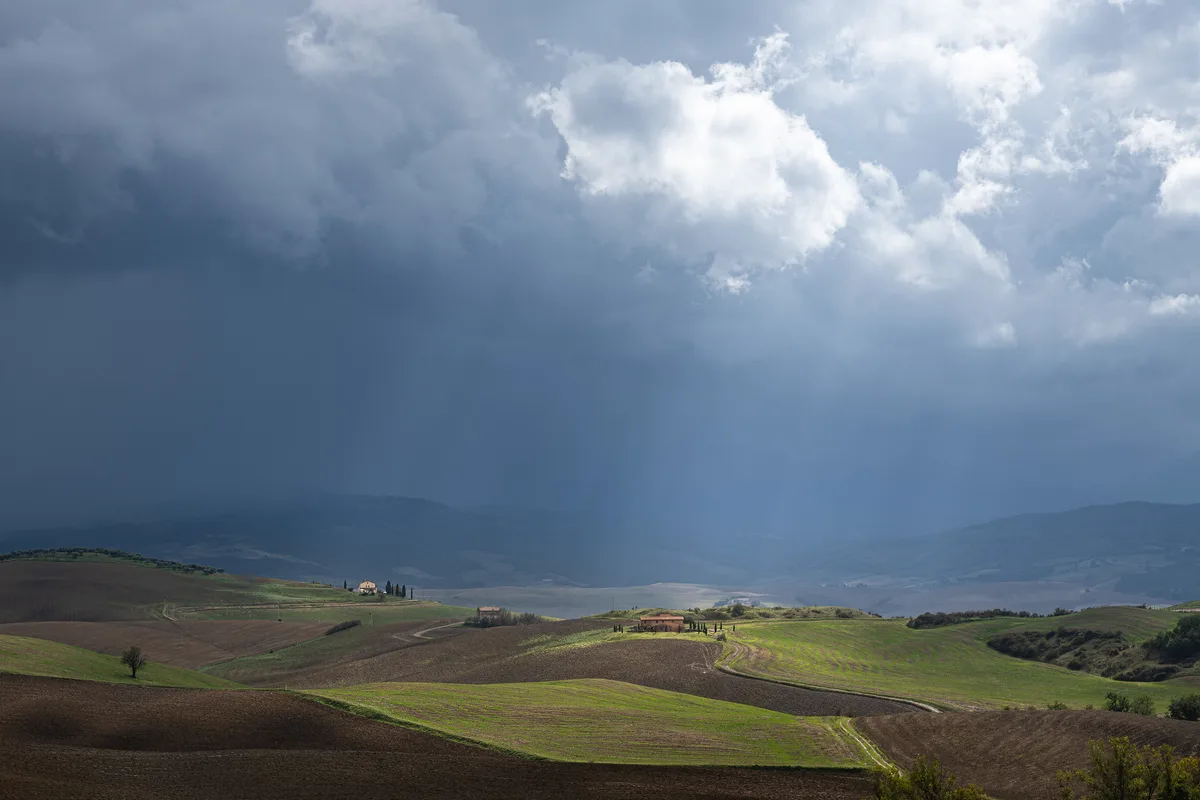
La Foce garden is a formal garden set within the Val d'Orcia landscape. Cecil Pinsent designed it for Iris Origo and her family in the 1930s. Visitors come for 20th-century garden design and for the literary link to Origo. It is a deliberate detour, not a place to drop into between other stops.
- Go if you like Anglo-Florentine garden design, clipped hedges and cypress, or travel with a literary angle.
- Skip if you want an unplanned, self-guided wander or a very large park.
- Skip if you only have a day in Florence, where the Gardens in Florence: Which to Visit, Costs and Tips are far easier to reach.
Visiting La Foce: Access, Tickets and Opening Times
Entry rules, ticket prices, tour formats and closed periods are published by the estate and can change by season. Check the La Foce official site for current days, booking and fees before you plan the route. This page gives no price or hour that the estate has not stated itself.
The Garden: What You'll See
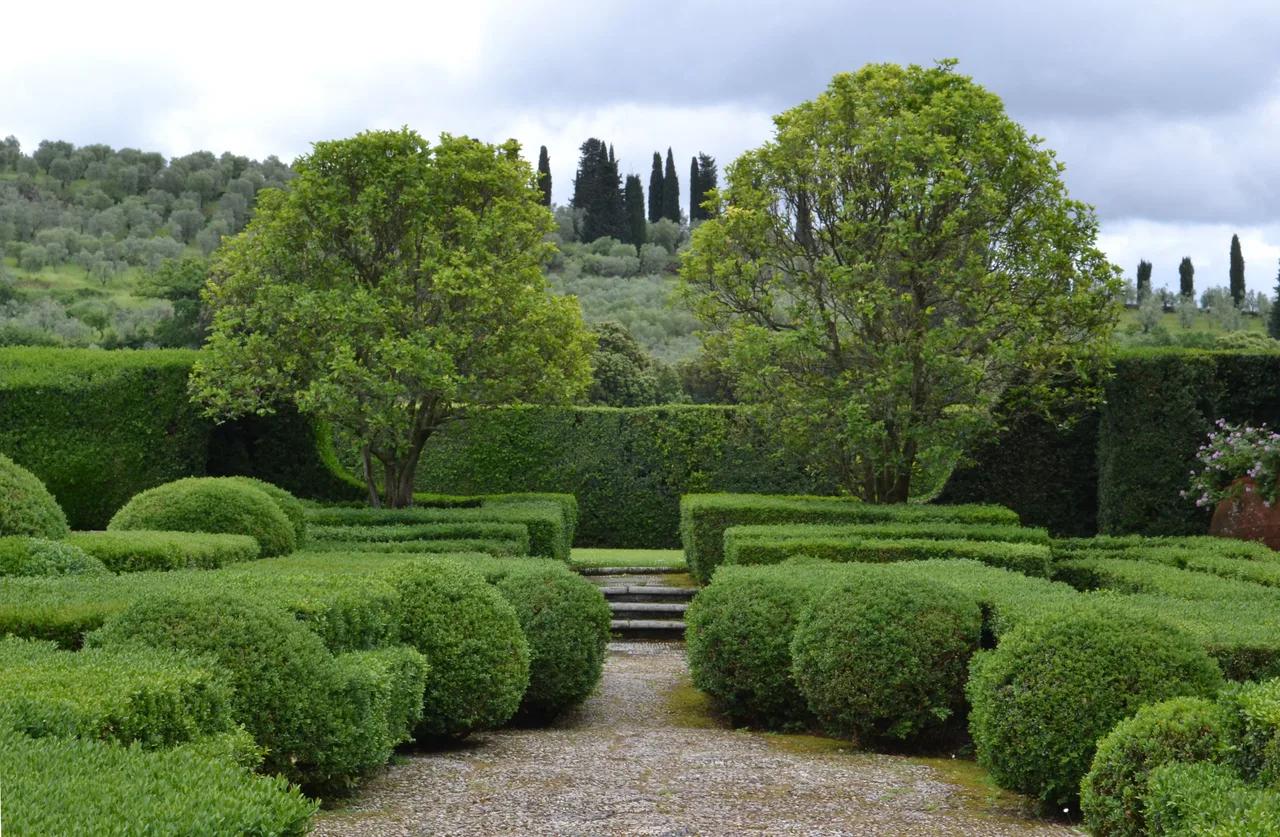
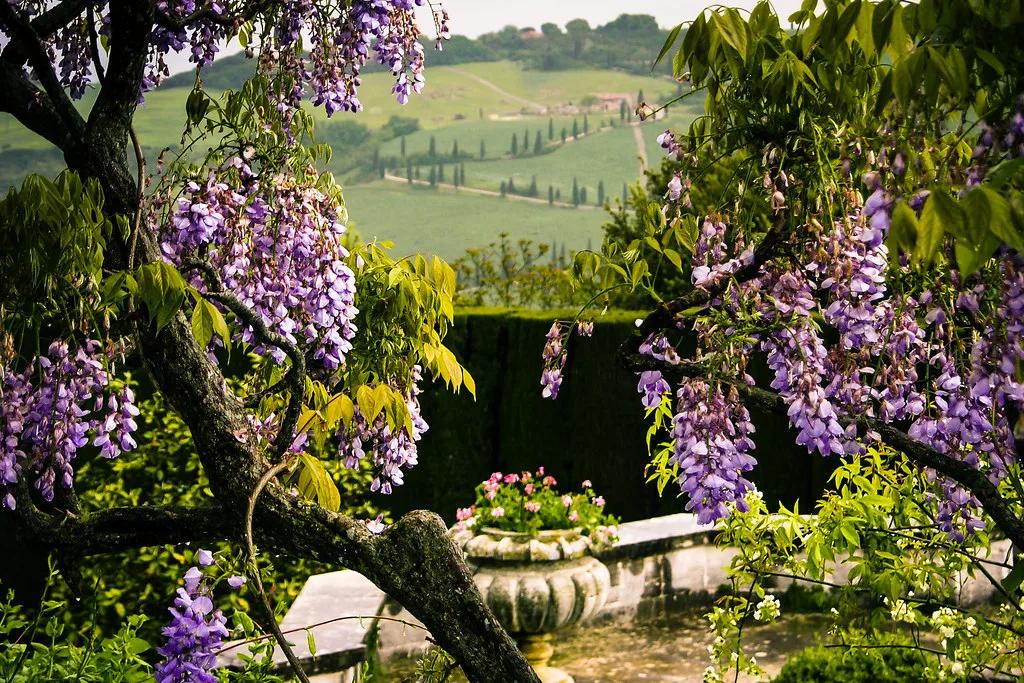
Pinsent worked in the Tuscan tradition of structure first. Expect clipped hedges and cypresses to frame views, with a fountain, a pergola and wisteria among the features photographed there. Flowering iris is also recorded in the garden. Origo's name is tied to the estate as much as Pinsent's, so literary visitors read the place as a home as well as a design. The garden's own account of its history is on the estate website.
Iris Origo and the Story Behind the La Foce Estate
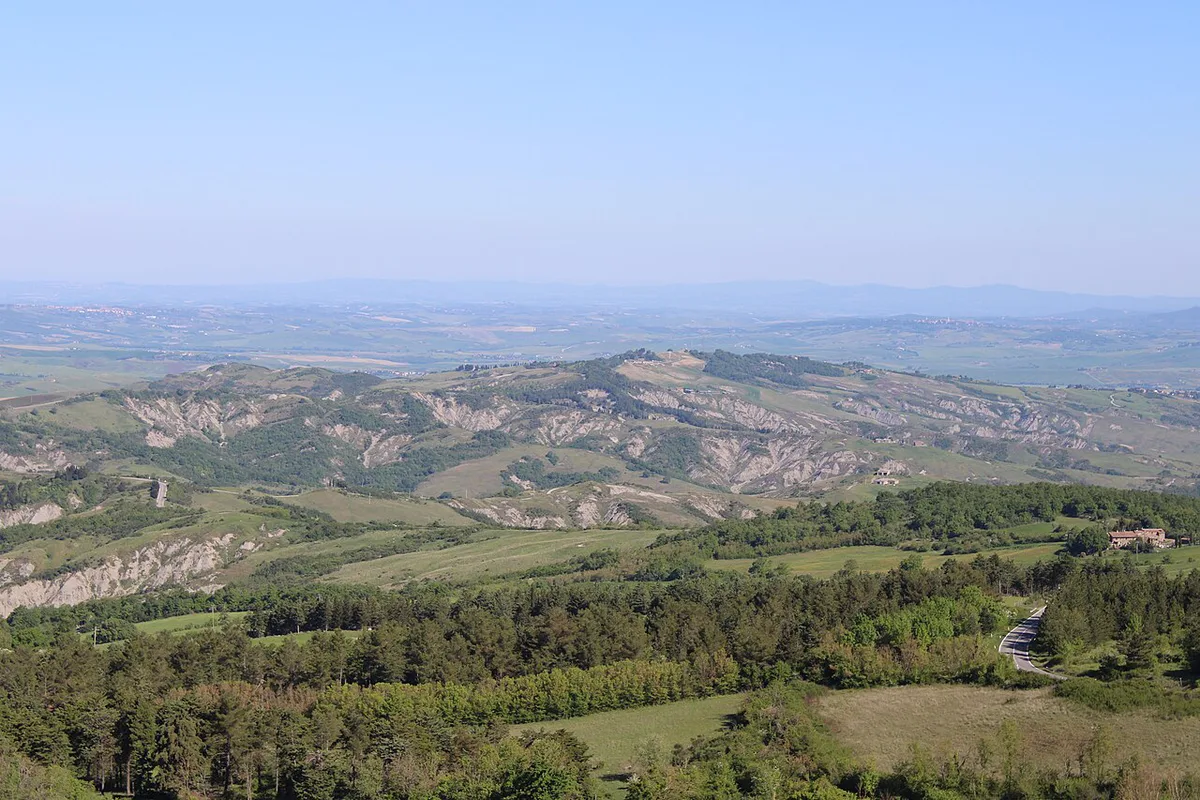
La Foce makes more sense once you know it was never only a garden. Iris Origo and her husband, Antonio Origo, bought the property in the 1920s. It sat in the dry clay hills south of Siena, and they turned it into a working agricultural estate with farms, a school and housing for local families. Cecil Pinsent's garden was designed as part of that home.
Three things are worth knowing before you go:
- The designer. Pinsent was an English architect who worked mostly in and around Florence. La Foce is among his best-known commissions, and the clipped hedges and cypress structure reflect that Florentine training.
- The writer. Origo wrote about the estate and the region. Her wartime diary, War in Val d'Orcia, describes the years when the estate sheltered refugees and children. Reading it first changes how the terraces and farm buildings look.
- The family link. The estate is still associated with the Origo family, which is why the garden feels more like a lived-in property than a museum site.
If you only want photographs, the garden alone is enough. If you want context, plan a little time to look at the surrounding farmland as well. It is part of the same story.
Getting There and Planning the Day
La Foce lies in the Val d'Orcia near Chianciano Terme, in the Siena province. A car gives the most flexibility in this part of Tuscany. Public transport links and timetables are best checked with the local operators and the Visit Tuscany tourism site. Allow a half day, and book any required slot before you set off.
Pairing La Foce With Other Stops in the Val d'Orcia
La Foce takes about half a day, so it combines well with one or two nearby places. The area is spread out and best covered by car, so group stops by direction rather than trying to see everything.
- Pienza. A small Renaissance town in the Val d'Orcia, good for a walk along the walls and a long lunch. It pairs naturally with a morning visit to the garden.
- Montepulciano. A hill town known for its wine, a short drive from Chianciano Terme. It suits late afternoon, when the light is softer and the streets are quieter.
- Chianciano Terme. The spa town closest to the estate, useful as a base if you want to avoid the busier hill-town hotels.
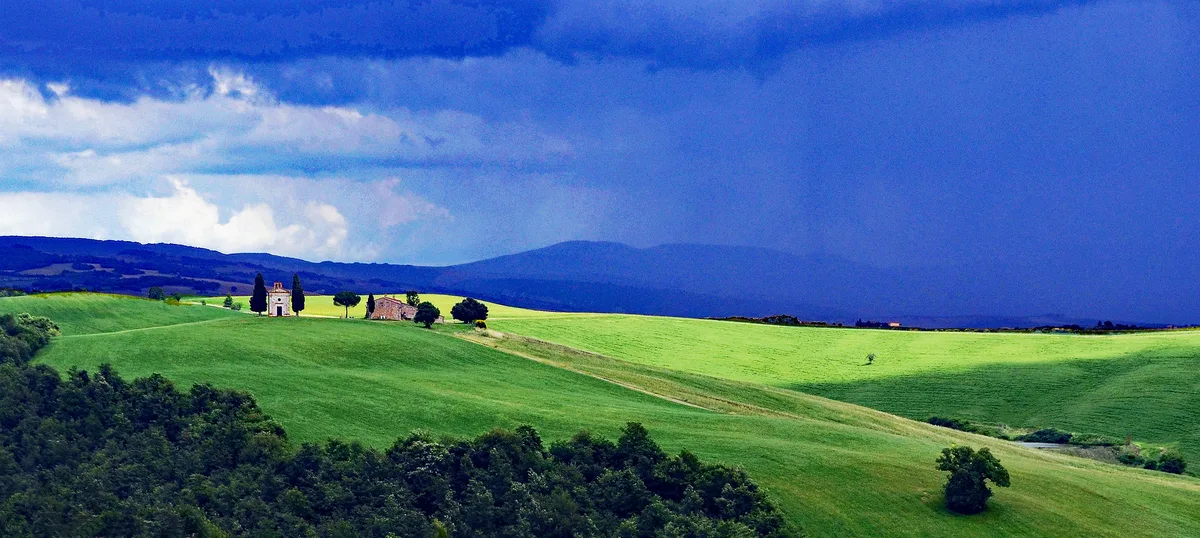
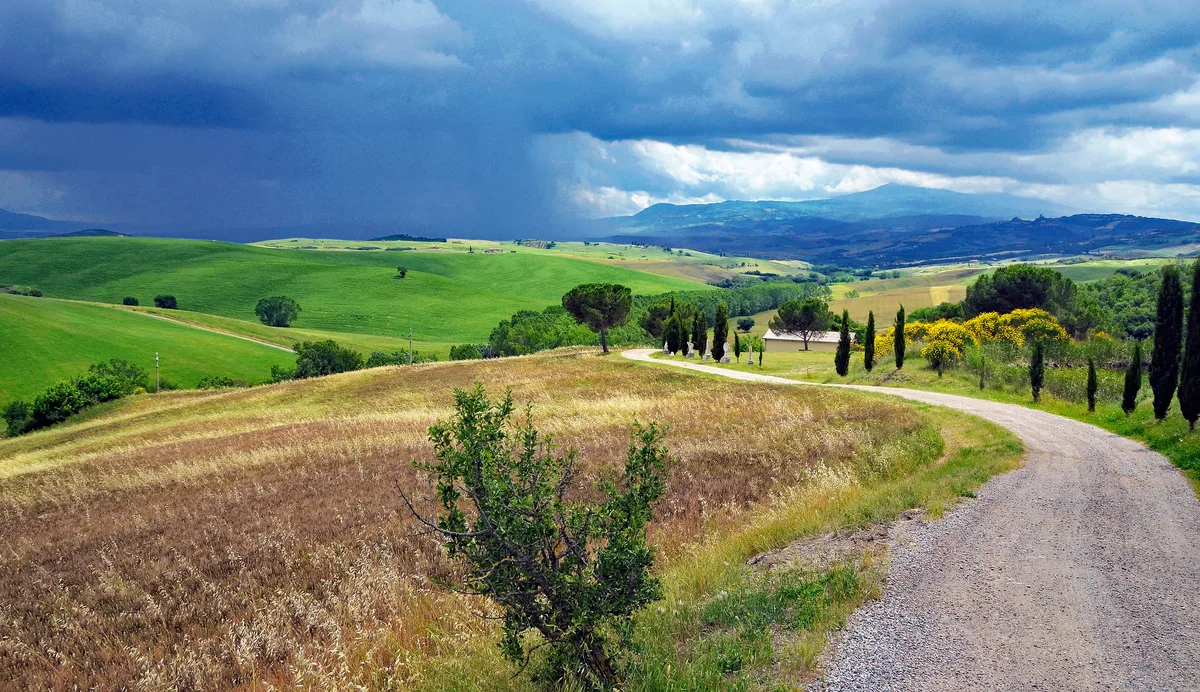
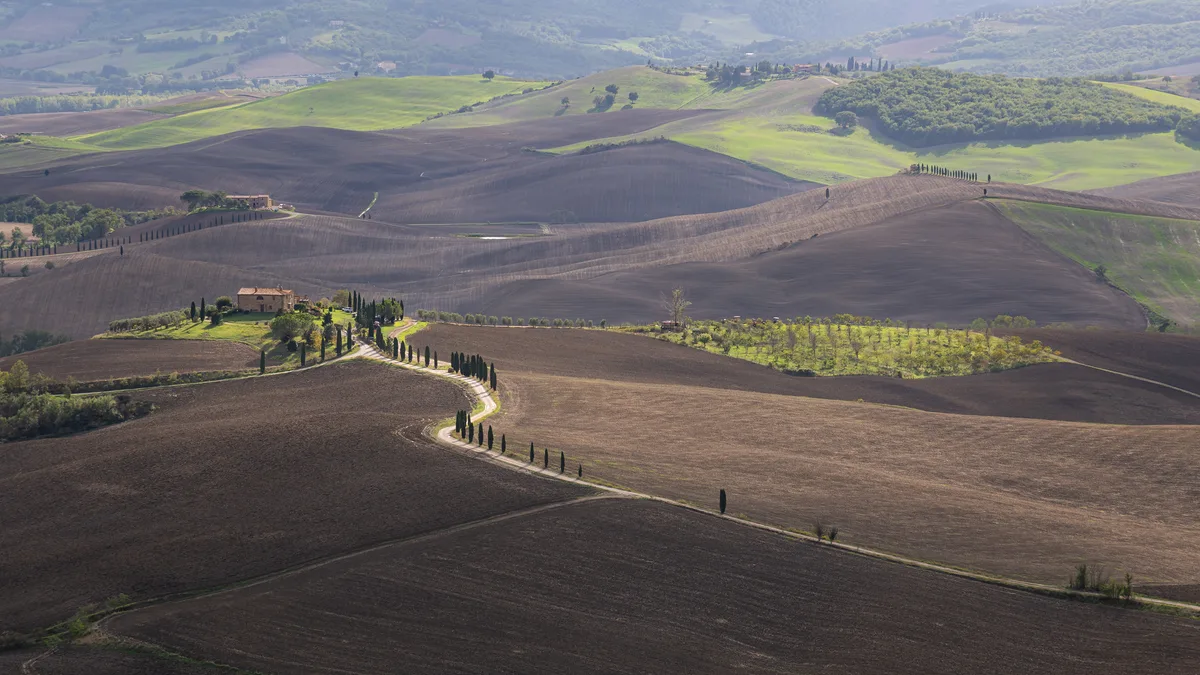
- The Val d'Orcia roads. The cypress-lined lanes and rolling farmland near the estate are what many visitors photograph. Stop only where there is a safe pull-off, as these are working country roads.
Garden visits here often run on fixed slots, so confirm your La Foce time on the estate's official site first, then plan the rest of the day around it. Leave a buffer for slow rural driving, because distances that look short on a map take longer on winding roads.
If you want a second formal garden on the same trip, the comparison above shows which Tuscan gardens suit which style, but most sit well north of the Val d'Orcia, so treat them as a separate day.
Best Season to Visit
Wisteria and iris point to spring, and the opening season set by the estate decides whether you can go at all. Summer brings heat and little shade on open terraces, so early slots help. Bloom dates shift each year, so treat spring timing as a tendency, not a promise. For a Florence spring alternative, see the Florence iris garden.
La Foce Compared With Other Tuscany Gardens
Other gardens suit different priorities, so choose by the style you want.
- Formal villa design nearer Florence: Villa Gamberaia: Visiting Guide to the Florence Gardens.
- Medici-era grounds outside the city: Villa Medici at Castello.
- A Baroque setting: Villa Garzoni in Collodi.
- Art gardens in southern Tuscany: Tarot Garden (Giardino dei Tarocchi) Tuscany: Visit Guide.
How to Read La Foce’s 1930s Garden Design
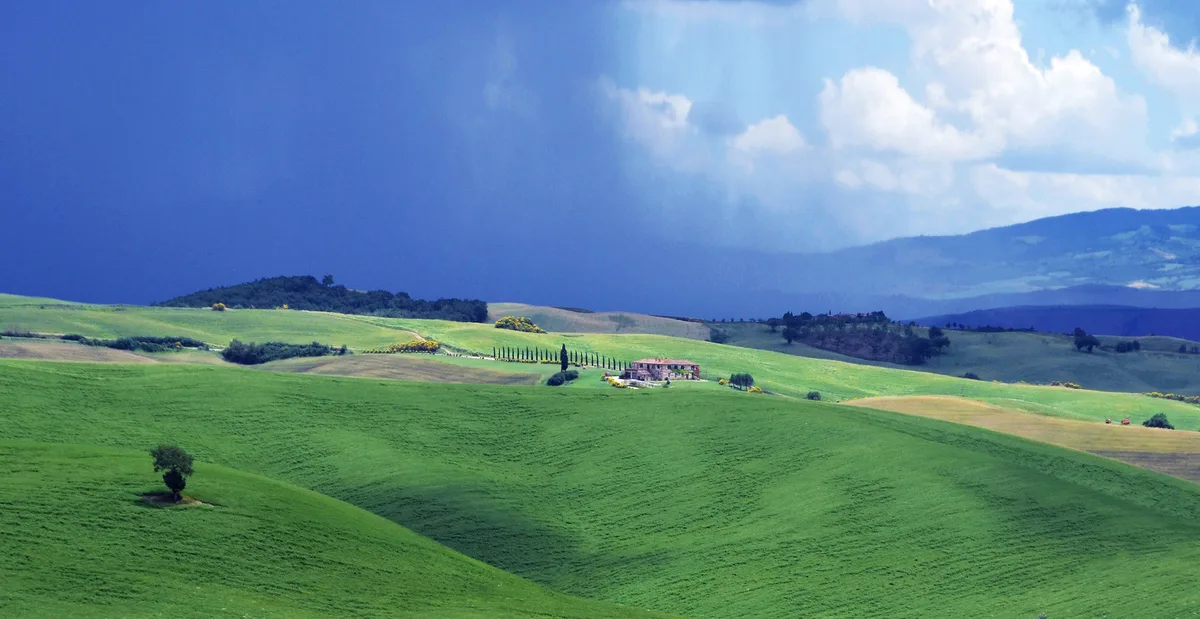
La Foce is best read as a composed sequence rather than a large park to roam freely. Cecil Pinsent designed the garden in the 1930s for Iris Origo and her family. Its formal framework uses clipped hedges and cypresses to direct the eye through the garden and towards the Val d’Orcia landscape.
| Garden | Setting or style |
|---|---|
| La Foce | Formal garden within the Val d'Orcia landscape, designed in the 1930s by Cecil Pinsent |
| Villa Gamberaia | Formal villa design nearer Florence |
| Villa Medici at Castello | Medici-era grounds outside the city |
| Villa Garzoni in Collodi | A Baroque setting |
| Giardino dei Tarocchi | Art gardens in southern Tuscany |
Look for the contrast between enclosed garden spaces and open views. A pergola and fountain add fixed points within the layout. Wisteria and flowering iris have also been photographed here. One image is dated 8 May 2009, which supports spring as a possible time for those plants, but not as a reliable bloom calendar.
The 20th-century design and Iris Origo connection give the visit a literary as well as visual dimension. Check the estate’s history information before visiting if you want to understand how the garden and family estate developed together.
Bloom-season notes
Optional updates when we add or revise garden guides.
Continue reading
Guides on the same trip