When Do Roses Bloom? Europe Rose Season by Region
Roses peak at different times across Europe. See the bloom season by region and rose type, which gardens to visit when, and how to plan around weather.
Last updated November 2026: when do roses bloom in Europe? The first flush typically peaks from late May into June, and repeat bloomers flower again in late summer. Timing shifts each year with climate, altitude, rose type and weather, so treat every window below as a range and not a fixed date.
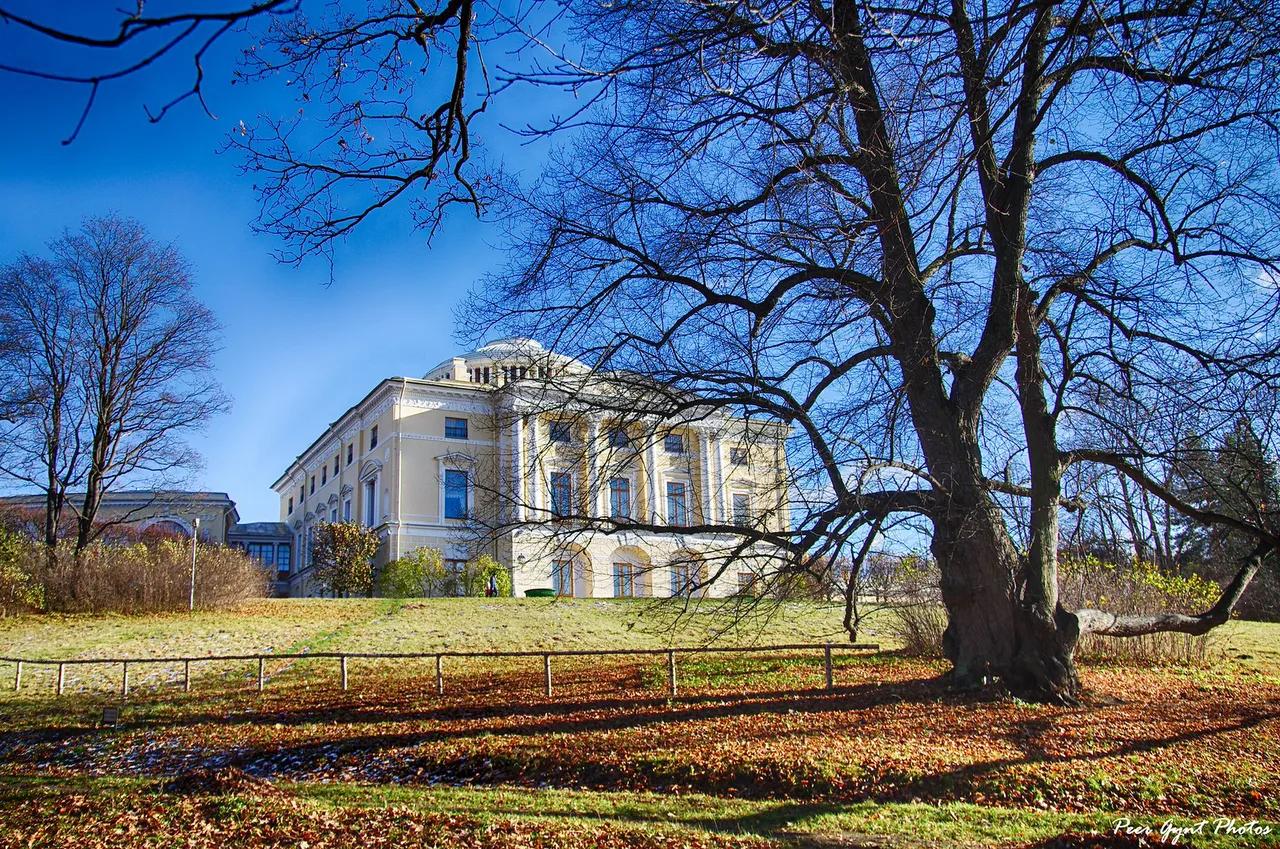
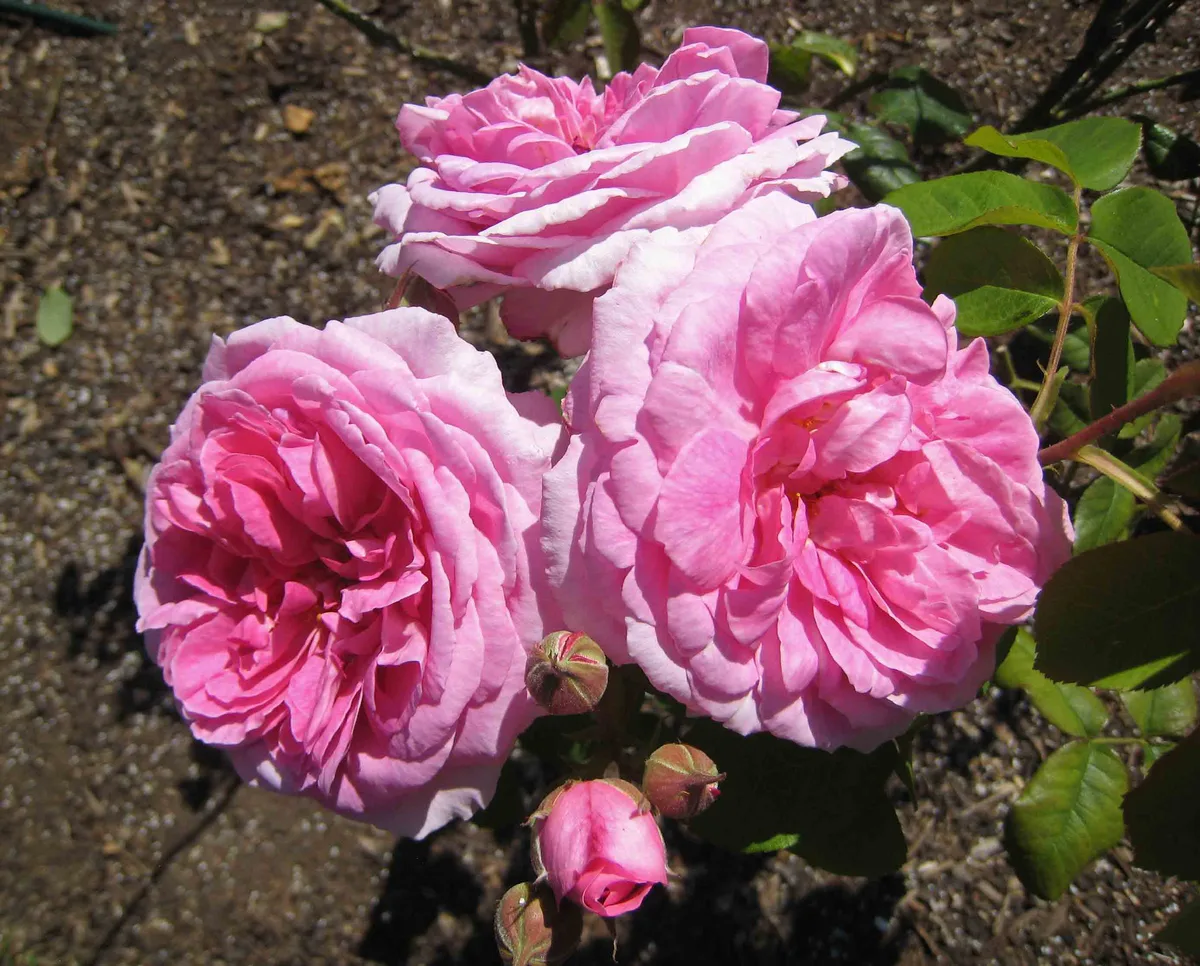
Featured image: Peer.Gynt, CC BY-SA 2.0, via Flickr.

When Do Roses Bloom? The Short Answer
Across most of Europe, roses open in a main flush from late May into June. Repeat-blooming types send up a second, lighter flush in late summer and sometimes into autumn. Gardens in the south tend to start earlier than gardens in the north, and a cold spring or hot spell can move a peak by weeks. For a full list of destinations, start with our guide to rose gardens in Europe. Home gardeners should note one difference: a garden at home blooms on its own schedule, while a public rose garden is a trip you time around that schedule.

Europe Rose Bloom Calendar by Region
Climate sets the broad pattern. Maritime gardens in England, continental gardens in Germany and Mediterranean gardens around Rome and Grasse each run on a slightly different clock. Use the table as a planning range, then check each garden's own bloom report.

| Region and climate | Typical main flush | Repeat or autumn flush | Example garden |
|---|---|---|---|
| England (maritime) | Late May into June | Late summer, for repeat bloomers | Mottisfont, David Austin Roses |
| Germany (continental) | June, often into early July | Later flush on repeat types | Sangerhausen, Baden-Baden |
| Rome (Mediterranean) | Typically earlier than northern Europe | Depends on heat and watering | Rome's municipal rose garden |
| Provence (Mediterranean) | Spring, with its own picking season | Varies by rose type | Grasse |
Single-Flush vs. Repeat-Blooming Roses: What It Means for Your Trip
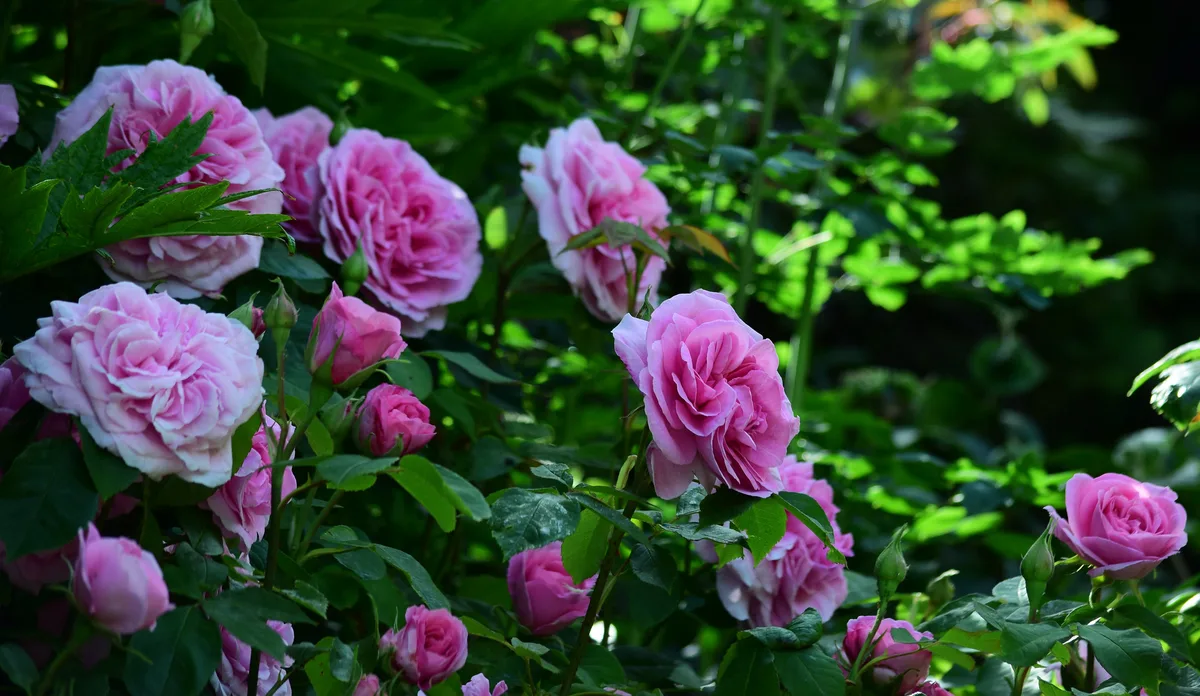
Rose type decides how long you have. Old garden roses give one concentrated flush, so a visit a week too early or too late can miss most of it. Modern repeaters, including many shrub roses, flower in waves from late spring into autumn. The Royal Horticultural Society's rose pages describe these groups and how they differ in flowering habit.
- Old-rose collections such as Mottisfont's rose garden reward a visit in the first-flush window.
- Nursery-style displays such as the David Austin Rose Garden: Visitor Guide, Timing and Nearby Rose Gardens mix old-style and repeat-flowering varieties, so a second visit in late summer can still show flowers.
- Hybrid teas and shrub roses are the types most likely to flower again after the first flush.
Which Rose Garden to Visit When
Match your travel dates to the garden's climate, then confirm the current bloom status. The windows below are typical ranges and not guarantees. Official pages for Europa-Rosarium Sangerhausen and Mottisfont list opening details.
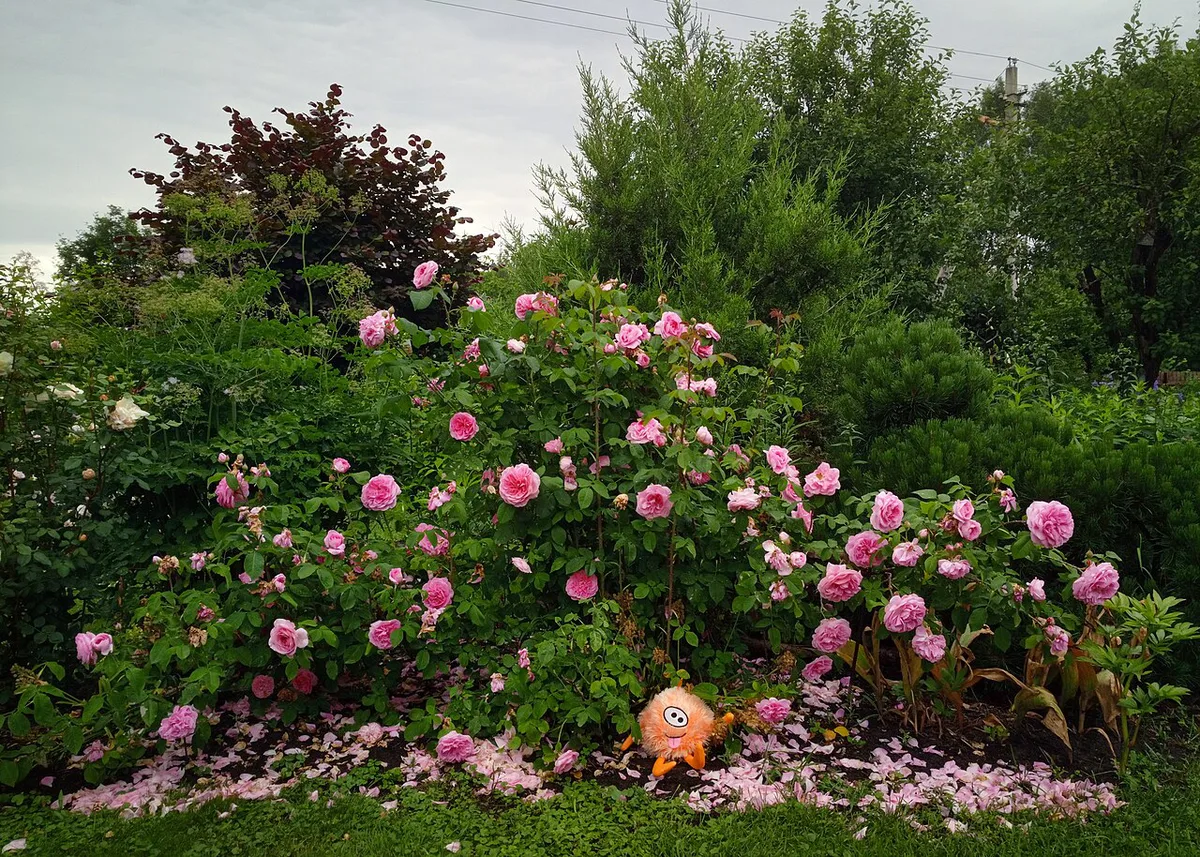
| Garden | Climate | Typical best window | What to check before booking |
|---|---|---|---|
| Sangerhausen | Continental, Germany | June | Current bloom report and opening days |
| Rome Rose Garden (Roseto Comunale): Season, Access and Visit Tips | Mediterranean | Spring, earlier than northern Europe | Seasonal opening dates |
| David Austin garden | Maritime, England | Late May into June, with later repeats | Nursery opening hours |
| Mottisfont | Maritime, England | Late May into June | Timed entry and peak-weekend demand |
| Regent's Park | Maritime, London | June, with repeat blooms later | Weekend crowds |
| Baden-Baden | Continental, Germany | June | Garden bloom updates |
| Grasse | Mediterranean, Provence | Rose-picking season and garden peak may differ | Which event or field you want to see |
Visiting Rose Gardens in Late Summer and Autumn
The first flush gets the attention, but a late-season trip can still work if you choose the right garden. Repeat-blooming roses send up a second, lighter flush from late summer, and in mild years some keep flowering into autumn. Expect fewer blooms per bush than in June, but beds are often calmer and easier to photograph.
What to expect after the first flush
- Late August to September: hybrid teas and many shrub roses are the most likely to be in flower again. Old garden roses that flower once will be green, though some carry hips.
- October: flowers are sparse and weather-dependent. A garden's own bloom report matters more than the calendar.
- After a heatwave: second flushes often start later, as plants recover once temperatures drop and watering catches up.
Pick gardens with a mixed planting of repeat bloomers rather than a single-flush collection. A city garden such as Bagatelle's rose garden is easier to fit into a late-season city break than a remote collection, and a Mediterranean setting like the Princess Grace Rose Garden can suit travellers who want a milder shoulder-season visit. Confirm opening days first, since some gardens shorten their hours after summer.
If you are planning a late trip, ask the garden which beds hold repeat varieties and whether they deadhead in the week you plan to visit.
How Weather and Climate Shift the Peak
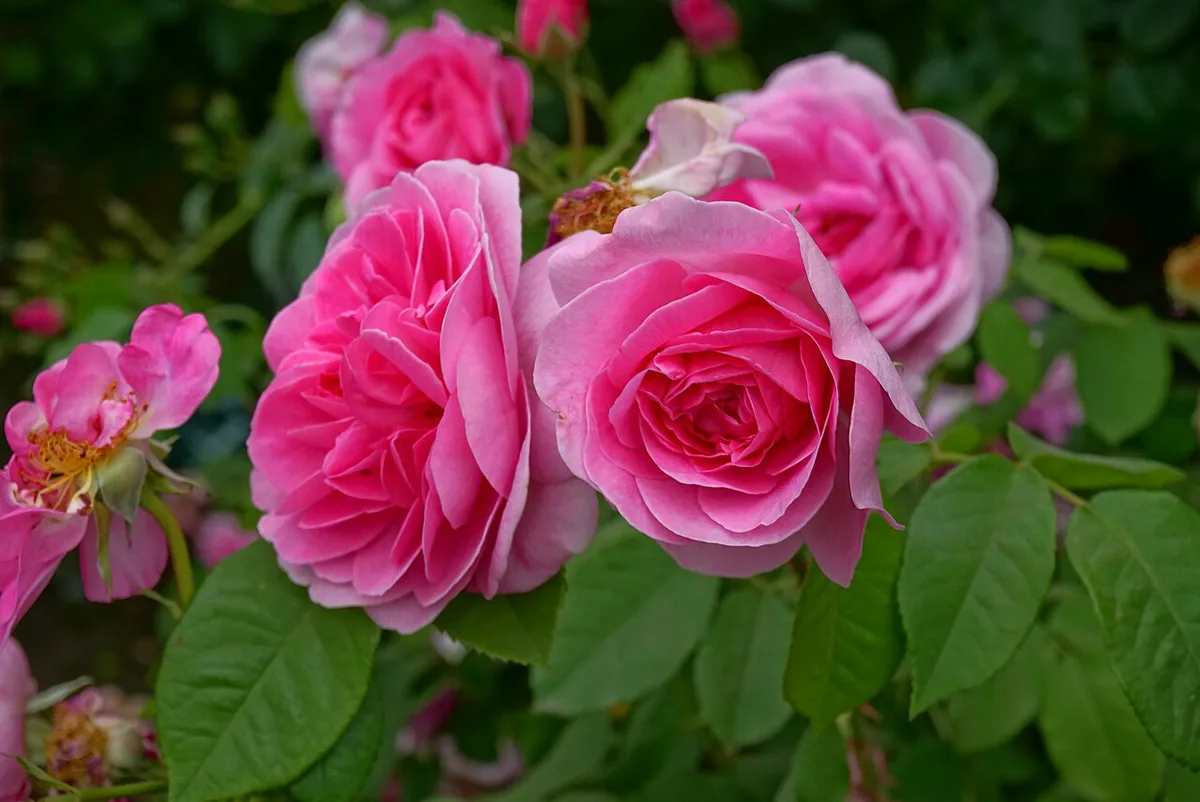
A cold spring delays buds. A hot spell shortens the peak, and heavy rain or hail can strip petals within days. Altitude and latitude push dates later, so a northern or hillside garden opens after a southern lowland one. Peak timing can differ by weeks between years. Use this short checklist before you commit to dates.
- Read the garden's own bloom report or social feed.
- Look at the date of the most recent visitor photos.
- Review the weather for the last two weeks, especially heat, rain and late frost.
- Ask whether the garden cuts back roses in a given week.
Planning Around Crowds, Tickets and Opening Dates
Peak weekends are the busiest and book up first. Shoulder visits at the start or end of the flush mean fewer open blooms but easier access, and a weekday is usually calmer. A city-park option such as Regent's Park rose garden is simple to fit around a London stay. Destination gardens with timed entry or seasonal opening need earlier planning, so check the Sangerhausen city tourism site for access and nearby stays.
Rose Festivals and Bloom: Don't Assume They Match
Festivals are scheduled around the typical peak, but a late spring or early heat can leave the garden ahead of or behind the programme. Read our rose festivals in Europe guide for timing. If flowers matter more than events, choose a date a few days either side of the festival.
Common Mistakes When Timing a Rose Trip
Most disappointments come from the same few planning errors.
- Booking by calendar date alone and ignoring the current bloom report.
- Assuming one rose-garden date applies across Europe.
- Arriving right after a heatwave or heavy rain.
- Overlooking cut-back and deadheading weeks, when beds look less showy.
- Treating Grasse's rose-picking season as the same thing as a garden's peak.
Rose Care Timing for Home Gardeners in Europe
Visiting a public garden and growing roses at home run on the same calendar, so what you see on a trip can guide your own planting. Timing varies with climate, so treat the months below as a range and check local advice for your region.
- Prune in late winter or early spring. In cool northern climates this usually means once the hardest frosts have passed and buds begin to swell. Mediterranean gardens often prune earlier.
- Feed after pruning. A rose fertiliser in spring supports the first flush. A second light feed after the first flush can help repeat bloomers produce more flowers.
- Deadhead repeaters. Cutting spent flowers back to a healthy leaf encourages new buds. Single-flush old roses should not be deadheaded for the same reason, because they set hips and do not rebloom.
- Stop feeding in late summer. Late feeding pushes soft growth that frost can damage.
- Protect in cold regions. In continental areas, mounding soil or mulch around the base of the plant in late autumn helps young roses through hard winters.
How to promote more flowers
Water deeply in dry spells, keep plants in full sun for most of the day, and remove diseased leaves promptly. Choose repeat-flowering varieties if you want flowers across several months, and single-flush old roses if scent and a concentrated June display matter more. The Royal Horticultural Society publishes pruning and feeding guidance by rose type if you want variety-specific advice.
Frequently Asked Questions
How long before roses bloom?
In most of Europe, the first flush typically peaks from late May into June. Warm southern gardens often start earlier, and cold springs push northern gardens later. Check each garden's bloom report for the current week.
Bloom-season notes
Optional updates when we add or revise garden guides.
Continue reading
Guides on the same trip