Bagatelle Rose Garden, Paris: Bloom Months and Hours
Planning a visit to Bagatelle rose garden in Paris? Best bloom months, opening hours, how to get there, what to see, and who should skip it.
Last updated November 2026: the Bagatelle rose garden is a small, city-run park inside the Bois de Boulogne in Paris's 16th arrondissement. It rewards a May-to-July visit with roses, a small château, a pagoda and free-roaming peacocks. Rose lovers and photographers should go, but travelers chasing big landmarks or visiting on a rainy winter day can skip it.
Featured image: Moonik, CC BY-SA 3.0, via Wikimedia Commons.
Bagatelle at a Glance
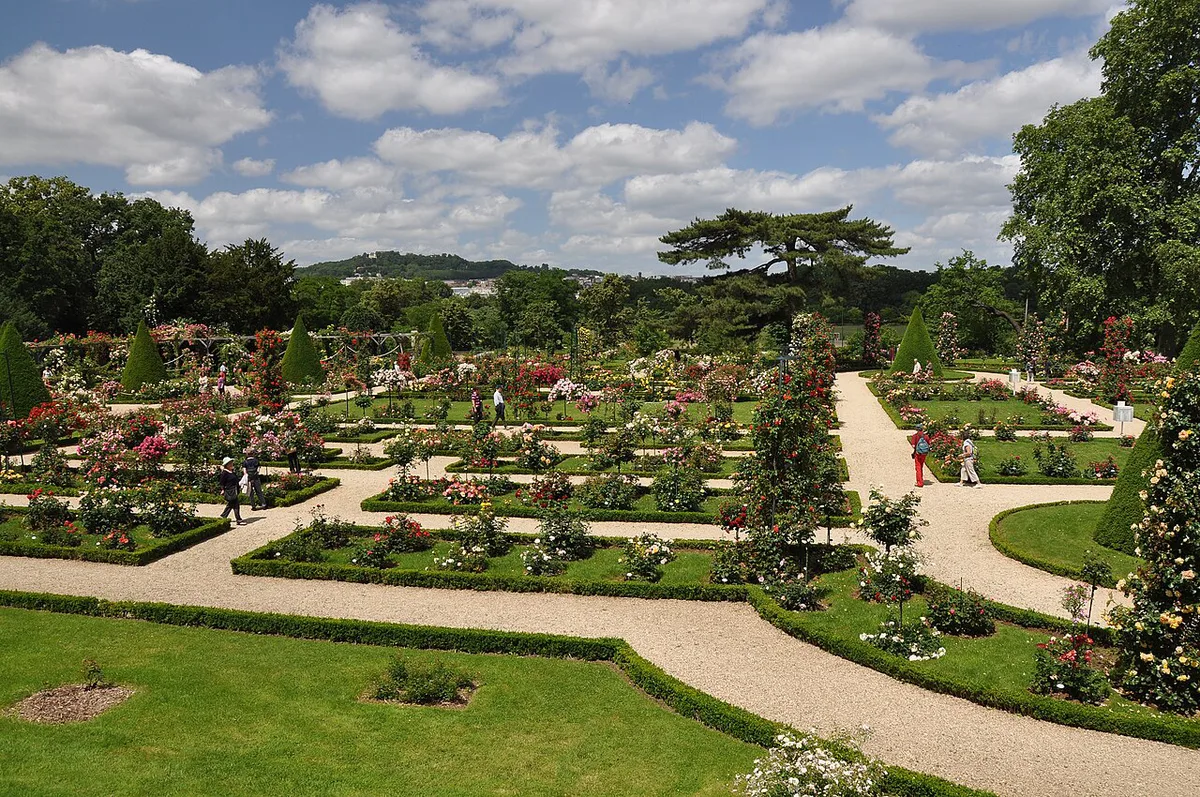
Parc de Bagatelle is run by the City of Paris and sits in the Bois de Boulogne. It is known for its rose garden and a small château. Entry is ticketed during the season, so plan for a gate fee. It works best as a calm half-day outside the central sightseeing circuit. Our broader guide to gardens in Paris shows where it fits among the other options.
- Best months: May to July, when the roses peak
- Time needed: about 1 hour for a quick loop, 2 hours with the pagoda and lawns
- Suits: rose lovers, photographers, anyone wanting a quiet half-day
- Skip if: you want major landmarks, or the forecast is wet or the month is winter
When to See the Roses at Bagatelle
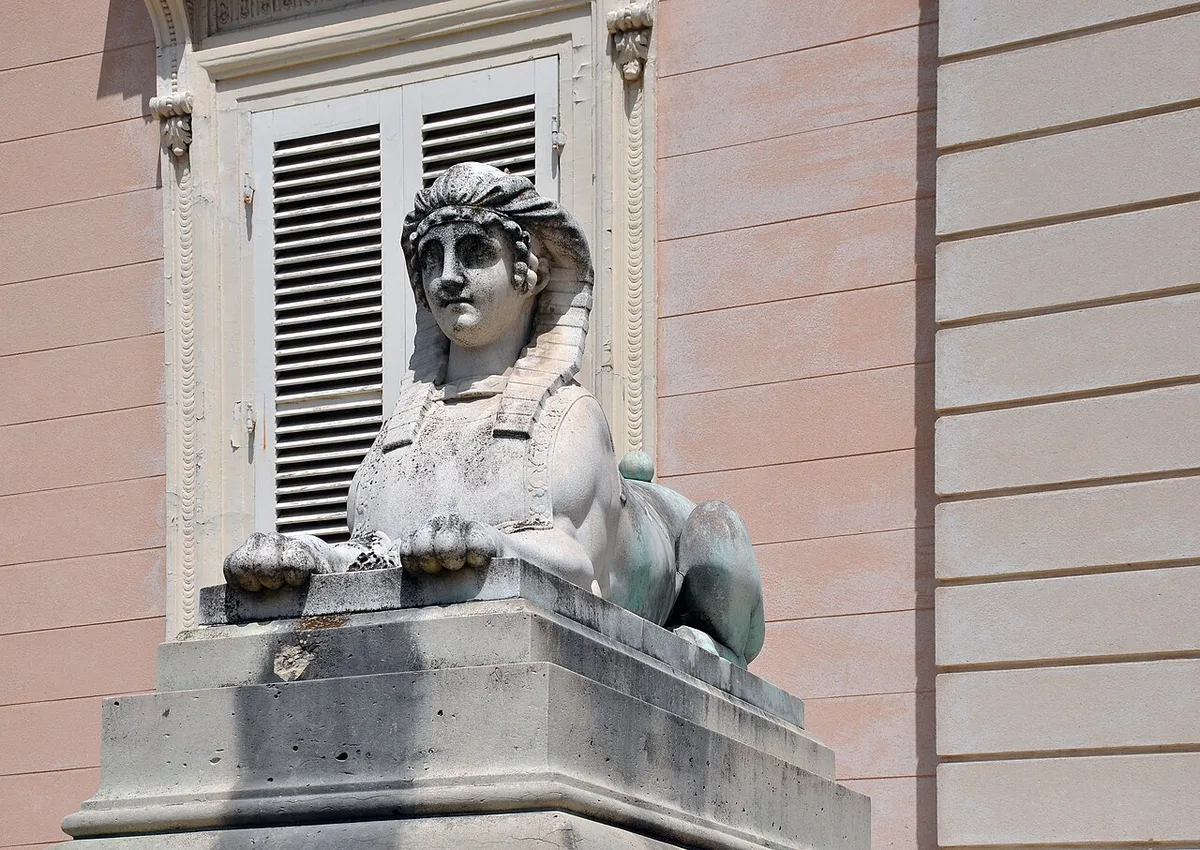
Roses are at their best from May to July, so aim for late May or June if you can choose. Park visitors regularly report the first big flush in late spring and a second, lighter show later in summer. Earlier in spring you will see bulbs and flowering trees instead of rose beds. In autumn the beds thin out, and you come for foliage and quiet paths. In winter little is in bloom, so the trip is hard to justify. Cherry season is a separate trip, covered in our Cherry Blossom Paris: Best Spots, Timing & Routes guide.
- March to April: bulbs, blossom and bare rose beds
- May to July: peak roses, the main reason to come
- August to September: fewer blooms, long daylight until evening
- October: autumn color, almost no roses
- November to February: short days, little in flower
What to See: Roses, Pagoda, Peacocks and the Château Grounds
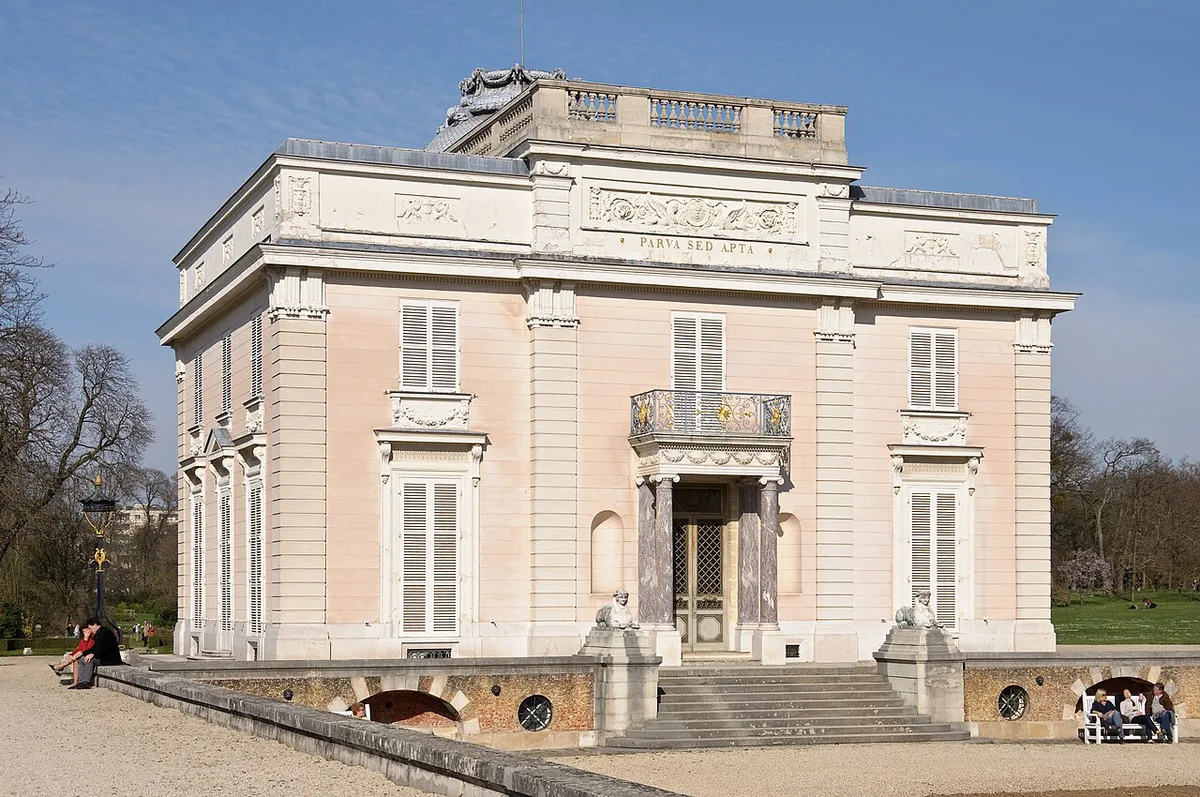
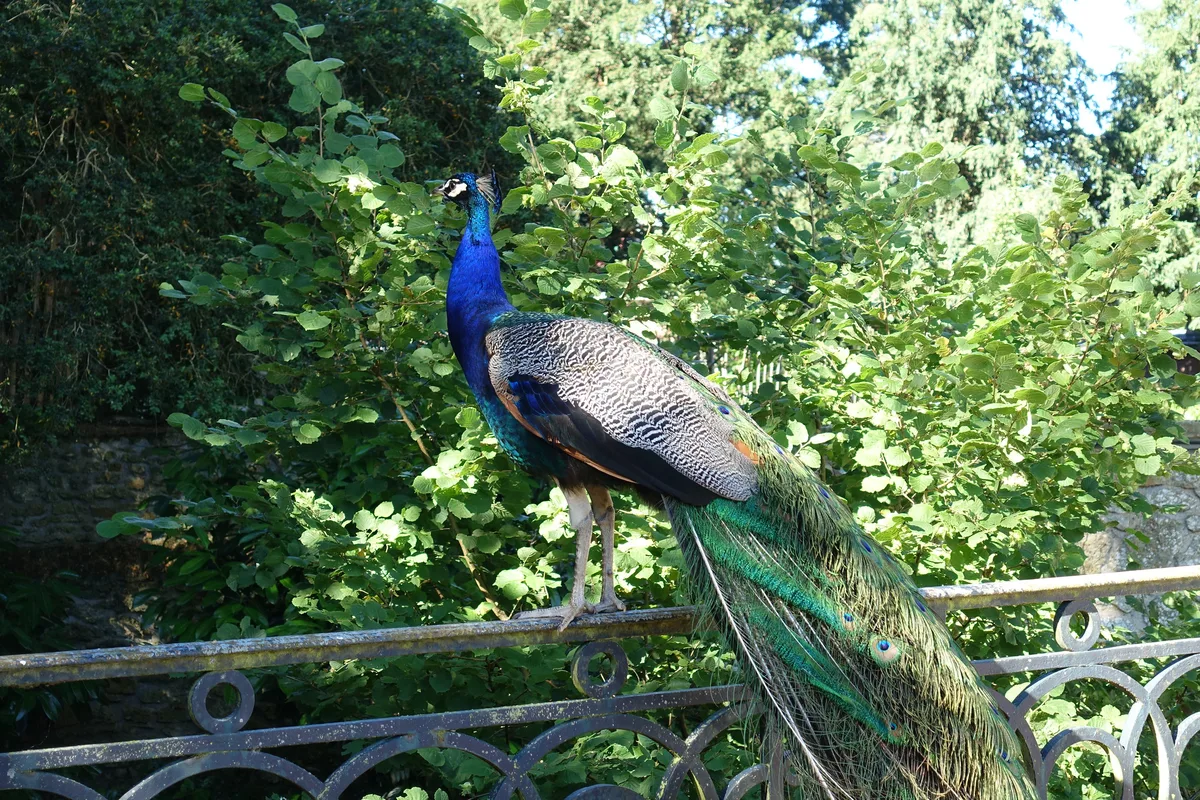
Visitors cite about 10,000 rosebushes in roughly 1,200 varieties. A new-rose competition has reportedly run here every summer since 1907, though its schedule and public access are worth checking. Start in the rose garden, then walk the paths toward the pagoda, small bridges, rocks and artificial waterfalls. Peacocks roam freely near the pagoda, so keep a respectful distance and do not feed them. Bagatelle dates to 1775 and is tied to a famous wager between Marie-Antoinette and the Count of Artois. Architect François-Joseph Bélanger and gardener Thomas Blaikie shaped the Anglo-Chinese layout. A restaurant, Les Jardins de Bagatelle, occupies the former royal stables, so check its current status before planning a meal.
History of Bagatelle: The Wager, the Château and the Motto
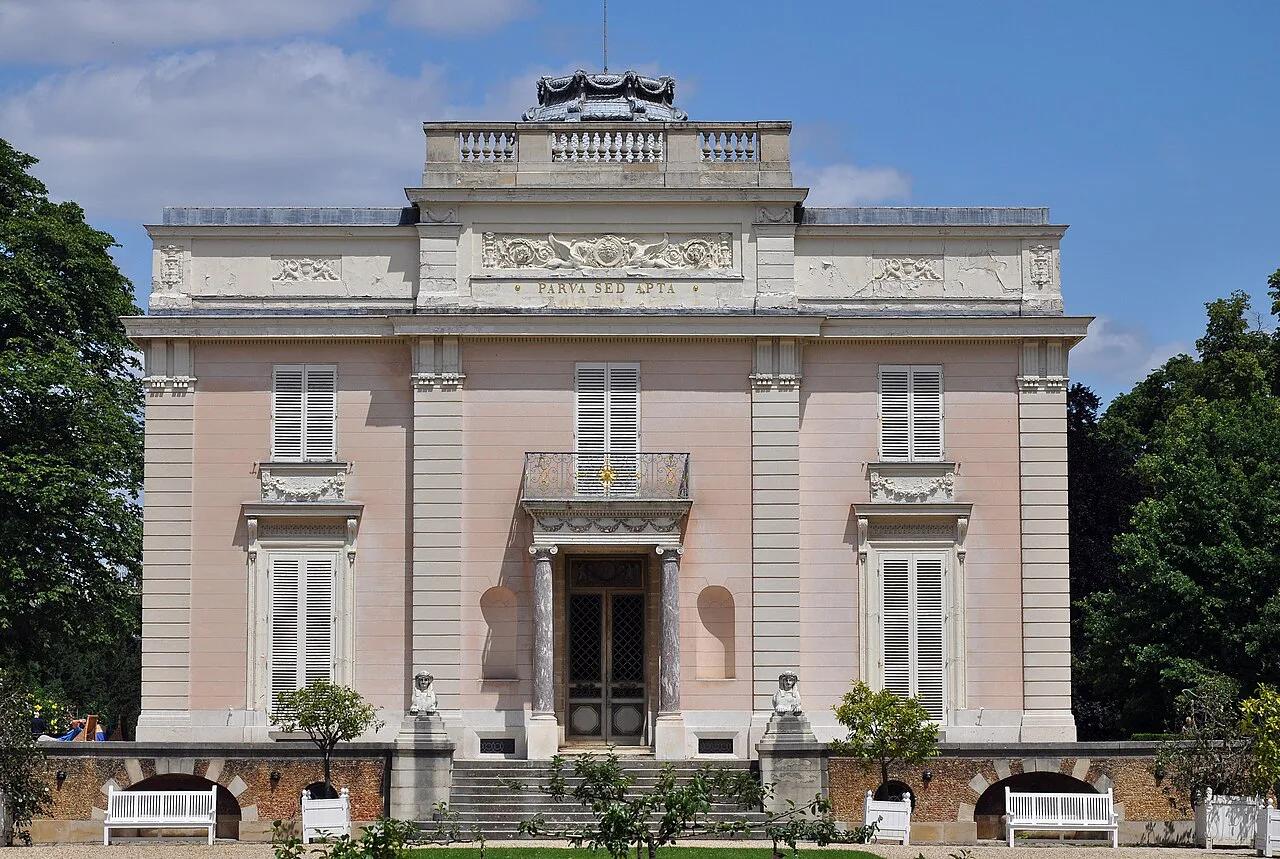
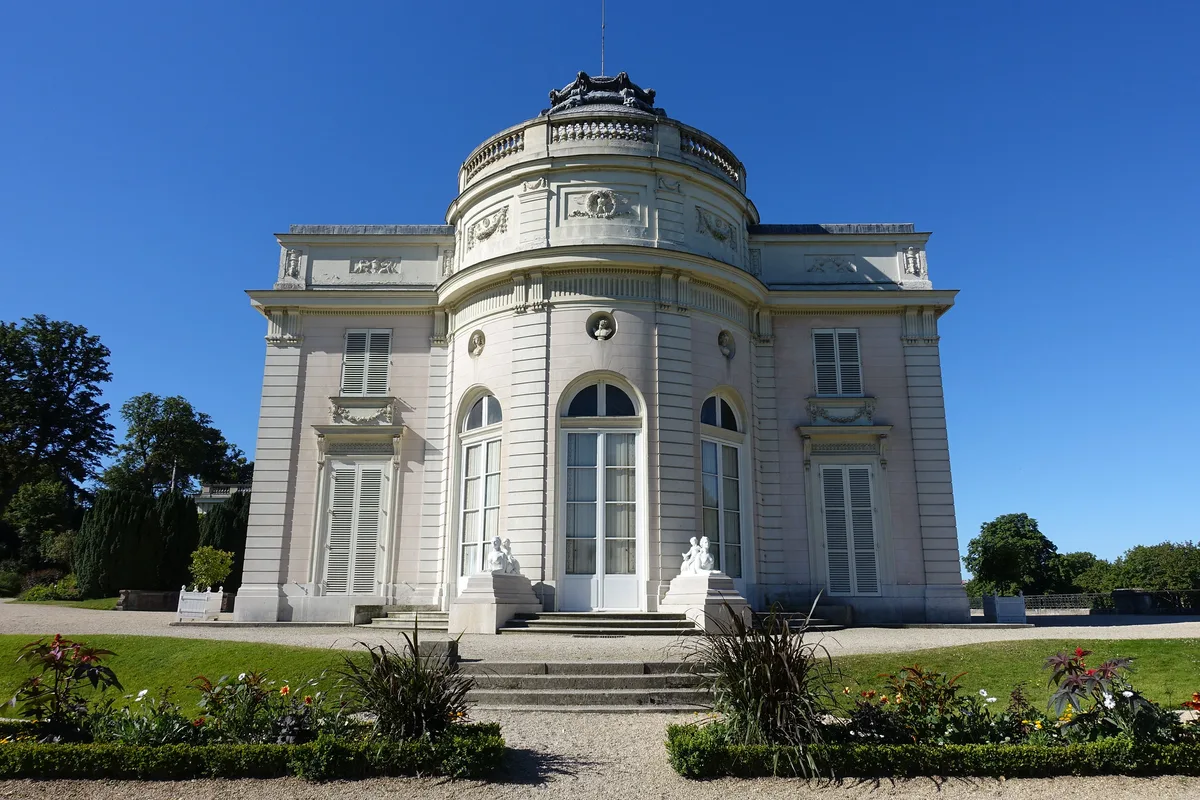
The short version in the article above is the wager. The fuller story helps when you are standing in front of the building, because the château is far smaller than most visitors expect.
The bet that built it
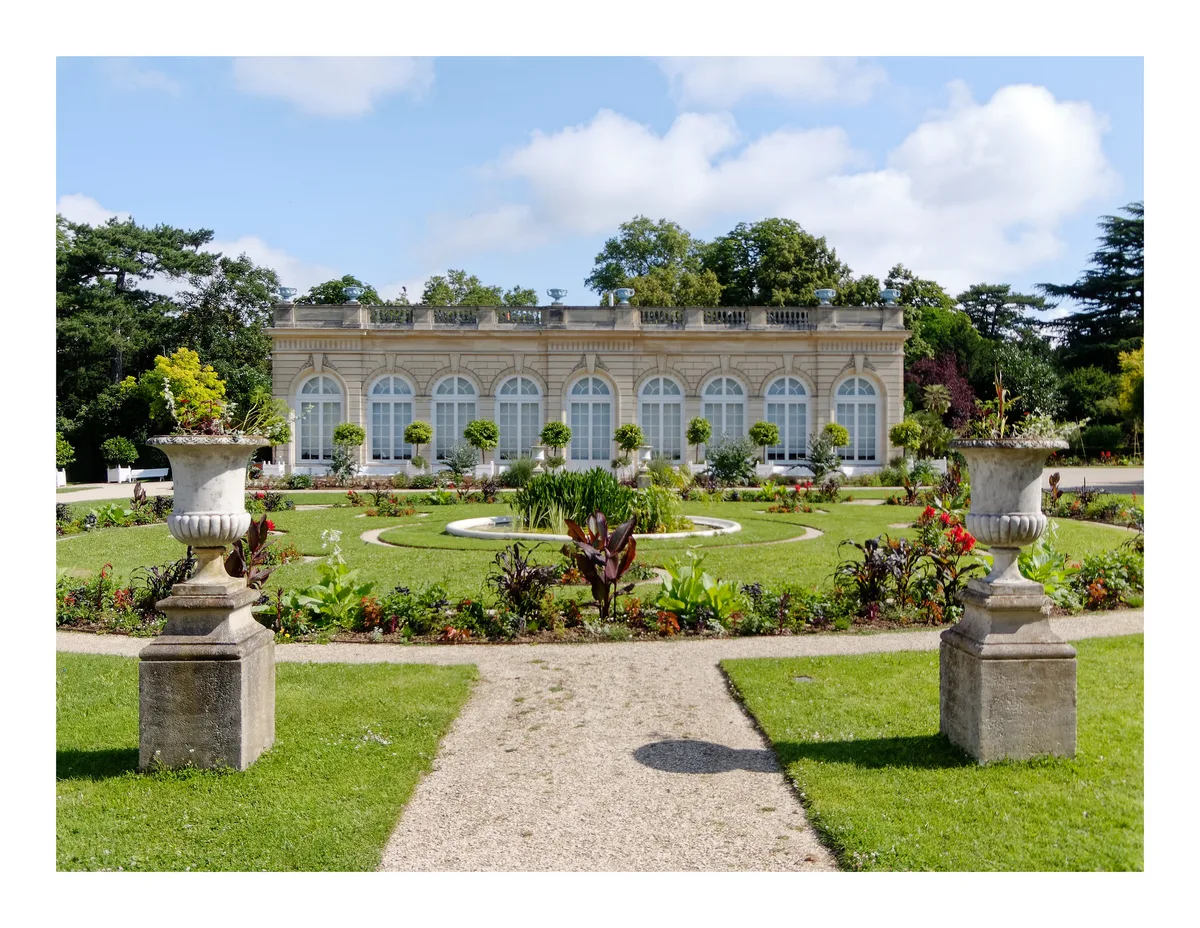
The Count of Artois, brother of Louis XVI, reportedly bet Marie-Antoinette that he could rebuild the little house on this site before the court returned from Fontainebleau. Architect François-Joseph Bélanger is said to have finished the job in about two months, with a workforce running day and night. The tale is often retold with small variations, so treat the exact number of days as tradition rather than a precise record.
The motto over the door
The château carries the Latin motto Parva sed apta, usually translated as "small but suitable". It fits the place: Bagatelle was built as a pleasure house for entertaining, not as a seat of power. Look for it on the building as you walk the grounds.
From royal retreat to city park
- Anglo-Chinese landscape: the Scottish gardener Thomas Blaikie shaped the picturesque park with its rocks, bridges and waterfalls.
- Private owners: after the Revolution the estate passed through several hands in the 19th century, including a wealthy British collector, Sir Richard Wallace, whose name is also linked to Paris's Wallace fountains.
- City of Paris: the city bought the estate in 1905, and the landscape architect Jean-Claude Nicolas Forestier laid out the rose garden that now defines the visit.
That 1905 purchase explains why the roses are the headline today even though the buildings and parkland are older.
Opening Hours, Tickets and Costs
Bagatelle opens at 9:30 all year and closes earlier in winter. Prices and hours checked November 2026 against reported schedules, but month boundaries can shift, so confirm them on the City of Paris page for Parc de Bagatelle. Entry is ticketed in season. We cannot quote a current euro fee here, so read the official page for the adult rate, reduced rates and any free periods. Expect a modest fee compared with a château visit.
Pick your month carefully. November to February: 9:30 to 17:00 gives a short window, and little is in flower then anyway.
- November to February: 9:30 to 17:00
- March and October: 9:30 to 18:30
- April to September: 9:30 to 20:00
How to Get to Bagatelle
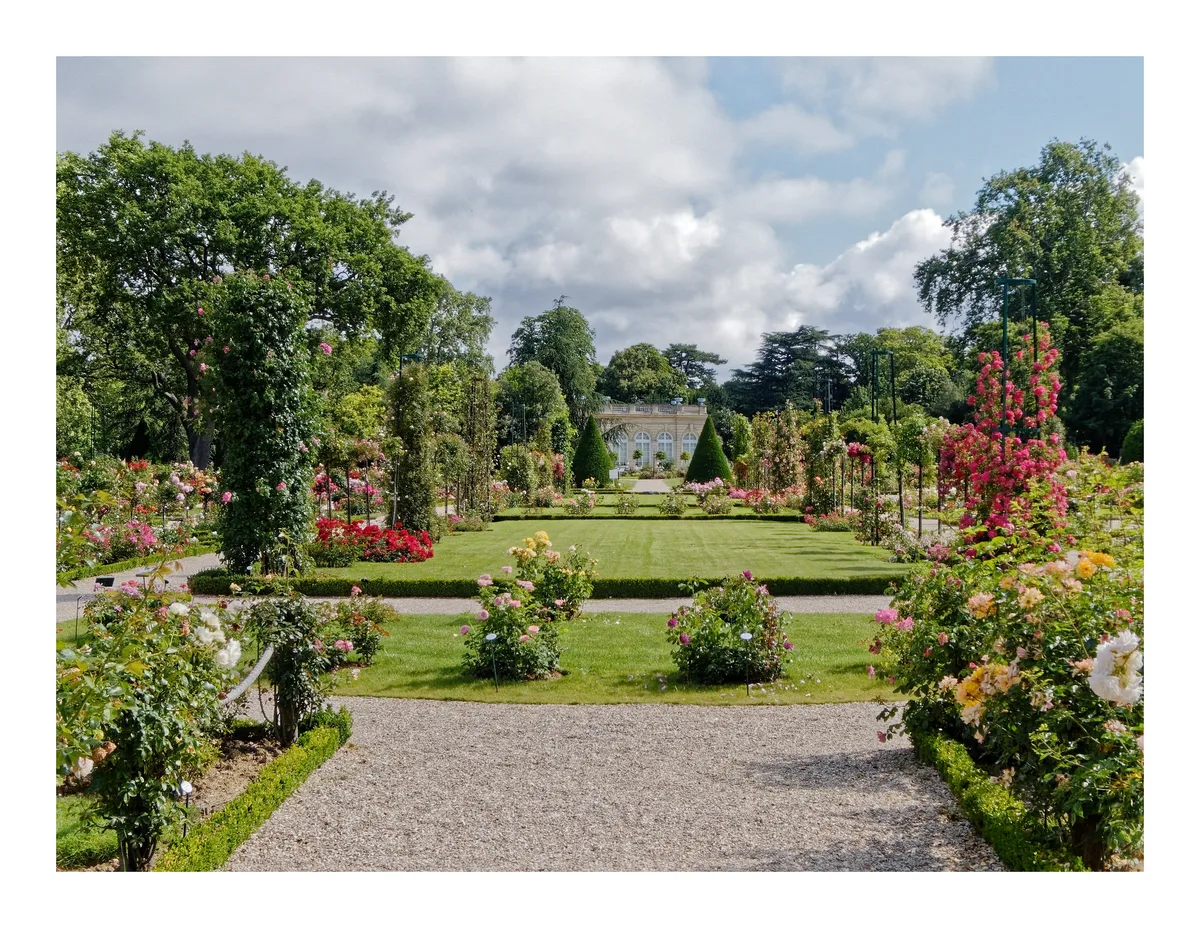
Bagatelle sits on the western side of Paris, inside the Bois de Boulogne. You will not walk there from the central sights. Public transport gets you to the edge of the Bois, and then you walk to a gate. Check RATP or Île-de-France Mobilités for the current line, stop and gate that suit your route. A taxi or ride-hail drops you closest to the entrance. Cycling works in dry weather if you are already riding in the Bois. Allow extra time for the walk from the stop, because paths inside the park are long.
How Long to Spend and a Simple Plan
A quick loop takes about 1 hour and covers the rose garden and the château grounds. Two hours adds the pagoda, the peacocks, the lawns and a slow bench stop. A half-day adds a meal at the restaurant. In June, arrive at opening at 9:30 for softer light and fewer people on the rose paths. On long summer evenings, April to September hours let you stay until 20:00.
- 1 hour: roses, château grounds, exit
- 2 hours: roses, pagoda, peacocks, lawns
- Half-day: all of the above plus a meal and a second slow loop
Bagatelle vs Other Paris Rose Gardens
Bagatelle is the most rose-focused of the in-town options. Rose fans can also compare it with the Jardin des Serres d'Auteuil, a garden also in the western part of Paris. A trip out to the Roseraie du Val-de-Marne suits readers who want a dedicated rose collection. Our Roseraie du Val-de-Marne guide has the details. The Domaine de Sceaux is a larger estate for a full-day outing. Our Parc de Sceaux guide covers that trip. For a central option, the Luxembourg Garden is easy to reach.
| Garden | Best for | Choose it when |
|---|---|---|
| Bagatelle | Roses, pagoda, peacocks | You want a calm half-day in May to July |
| Jardin des Serres d'Auteuil | Greenhouses and a quick garden stop | You are already in western Paris |
| Roseraie du Val-de-Marne | A dedicated rose collection | You want a rose-only outing |
| Parc de Sceaux | A large estate and long walks | You have a full day |
| Jardin du Luxembourg | Central, easy garden time | You are short on time and want to stay in the city |
Other Gardens Near Bagatelle in the Bois de Boulogne
Bagatelle sits in the northwest part of the Bois de Boulogne, which makes it easy to build a second stop into the same day. Opening hours and entry rules change by season, so check each site's official page before you commit to a route.
- Pré Catelan and the Shakespeare Garden: a quieter, more wooded corner of the Bois with a garden planted with species mentioned in Shakespeare's plays. It suits a slow walk after the rose beds.
- Jardin d'Acclimatation: a long-established leisure park with rides and animals, a better choice if you are travelling with children.
- Serres d'Auteuil: the greenhouse garden already mentioned above, on the southeastern edge of the Bois, useful when the weather turns.
The paths inside the Bois are long, and distances between these sites are larger than they look on a map. Plan on a taxi, a bike or a good walking pace between stops, and do not try to see all three after a full loop at Bagatelle.
If roses are the main draw, it is worth comparing Bagatelle with other collections across the continent. Our guide to rose gardens in Europe shows how a compact city-run garden like this one stacks up against larger estates, and rose festivals in Europe lists the events worth timing a trip around.
Practical Tips and Mistakes to Avoid
Skip Bagatelle on a wet day, because the paths and lawns are the whole point. Do not arrive in January expecting roses. Check for tripod, drone and photo-shoot rules on the official page if you plan a wedding or professional shoot. Bring water and wear comfortable shoes, since the paths are long. If the trip is too far, Parc Monceau, Paris: Follies, Hours, Access and How to Visit is an easier central garden. For a themed alternative, try the Albert-Kahn gardens.
- Mistake: visiting outside May to July and expecting full rose beds
- Mistake: skipping the opening hours check, since closing time changes by season
- Mistake: crowding the peacocks for photos
- Tip: pair the visit with a second garden in the same western part of Paris
Bloom-season notes
Optional updates when we add or revise garden guides.
Continue reading
Guides on the same trip