Roseraie du Val-de-Marne (L'Haÿ-les-Roses): Visitor Guide
How to visit the Roseraie du Val-de-Marne in L'Haÿ-les-Roses: best time for roses, getting there from Paris, what to see, and who it suits.
Last updated November 2026: anyone searching for roseraie l'hay les roses is looking for the Roseraie du Val-de-Marne, a department-run rose garden in L'Haÿ-les-Roses, south of Paris. Its collection holds more than 13,000 rose bushes and more than 3,000 varieties. Go in June, when bloom is usually at its best, and see our pick of other Paris gardens for central options.
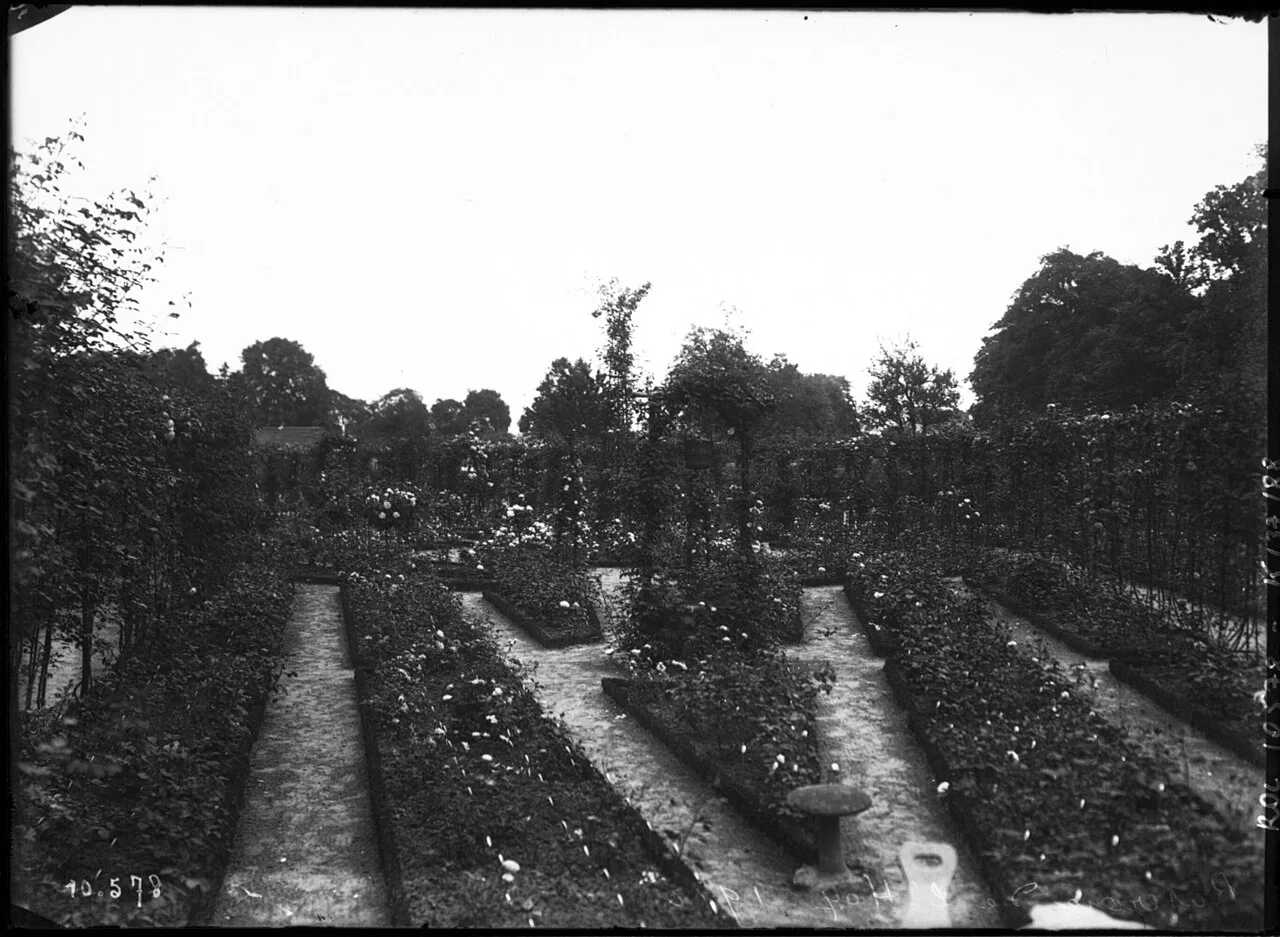
Featured image: Agence Rol. Agence photographique (commanditaire), Public domain, via Wikimedia Commons.
Roseraie de L'Haÿ-les-Roses: is it worth the trip?
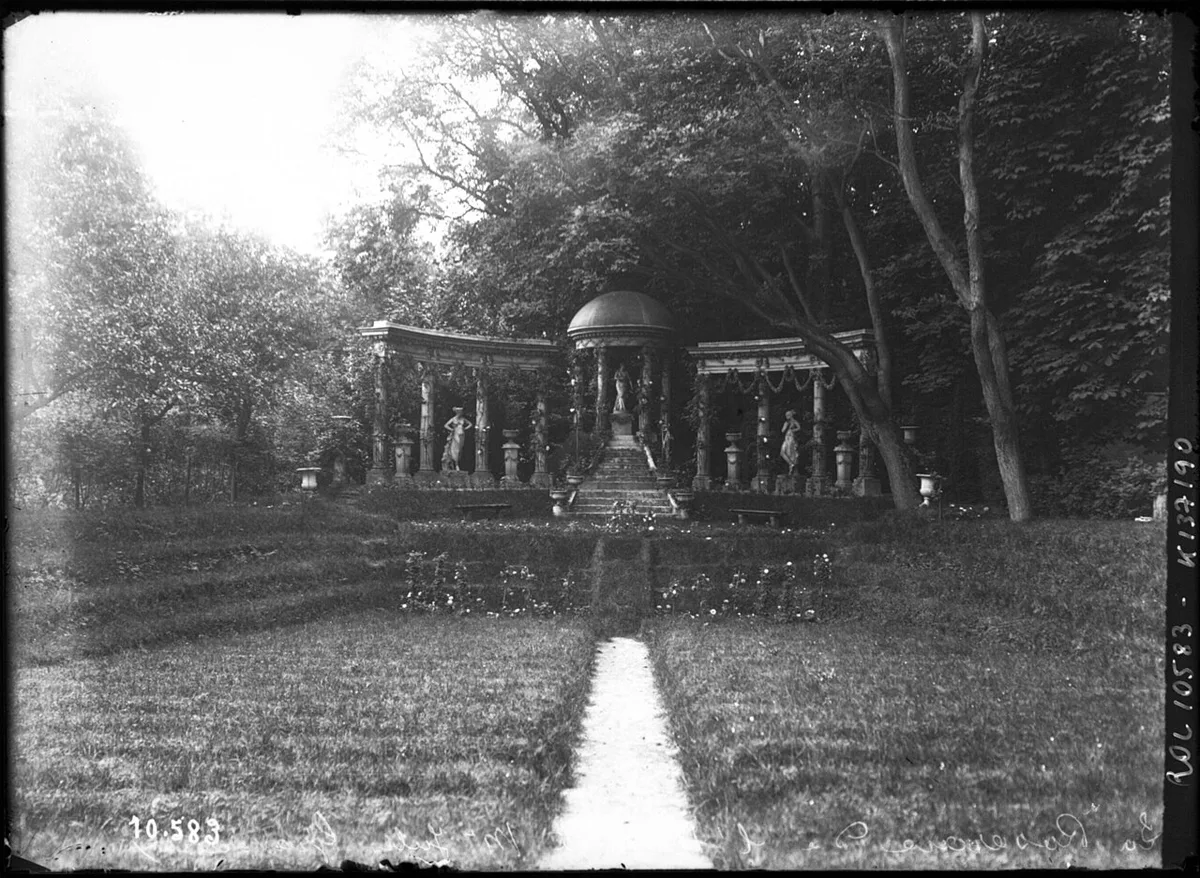
Yes, if roses are the reason for your day. This is a dedicated rose garden with a historic collection, not a general park with a flowerbed. It sits in the commune of L'Haÿ-les-Roses in the Val-de-Marne département, outside central Paris. Expect a half-day outing rather than a quick stop. Short-stay visitors who want free, central greenery will be better served by city gardens.
- Go if you are a rose enthusiast, a garden photographer or a repeat visitor who has already seen central Paris.
- Skip it if you have one or two days in Paris and no interest in roses.
- Pick June for the fullest bloom.
- Plan on a half-day, including travel from central Paris.
When to go: bloom timing and seasons
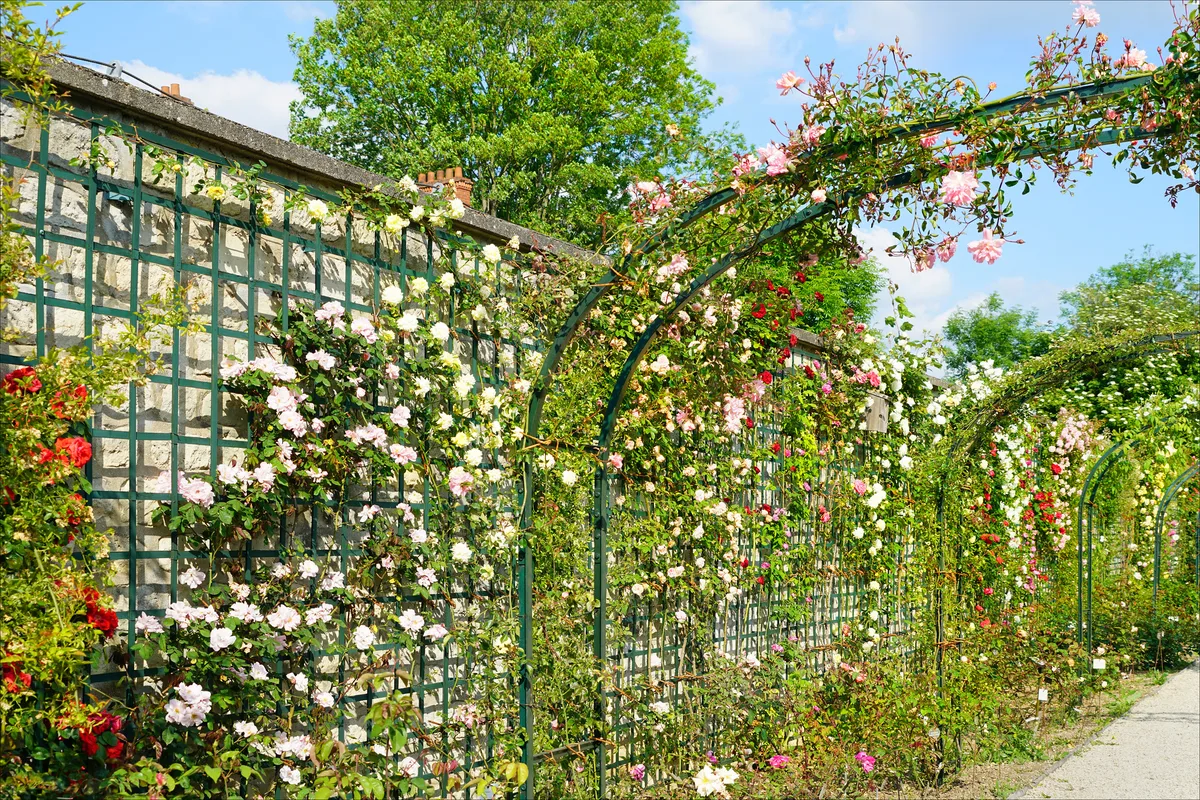
Bloom is usually at its best in June, when most of the bushes are in flower. Spring and summer are still worth a visit, although fewer beds will be at full strength. Roses follow a different calendar from the city's blossom season, so our guide to Cherry Blossom Paris: Best Spots, Timing & Routes helps if you are visiting earlier in spring. Outside the growing season, expect little colour. Opening dates can also change, so check the season on the official site before travelling. A hot June afternoon can be tiring, so a morning visit with water and a hat is a sensible plan.
Getting there from Paris
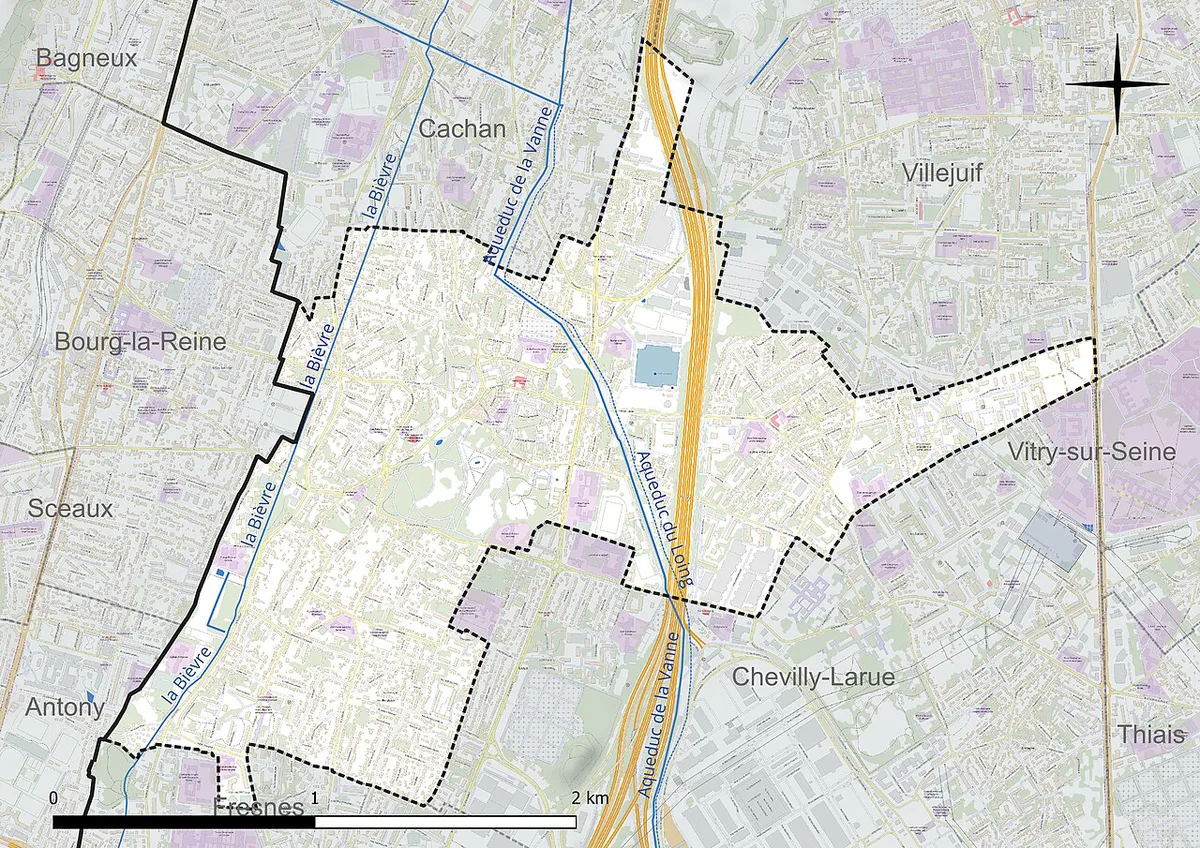
The garden lies south of central Paris, in the commune of L'Haÿ-les-Roses. This guide does not give line numbers, stop names or fare zones, because they should come from the transit operator's current journey planner. Enter the garden's address from its official website into the planner and compare the public transport options it returns. Leave extra time for the final walk from the stop to the gate. Parking and car access are not covered here, so check the same site if you plan to drive.
Tickets, opening hours and rules
Prices, hours and entry rules are set by the garden's operator and can change from one season to the next. The official site lists this season's opening dates, ticket prices in euros and the rules on dogs, picnics and photography. Prices and hours were not confirmed for this update. Regional visitor information is also on Val-de-Marne tourism, which is useful for events. Do not assume year-round opening, because rose gardens often close in winter.
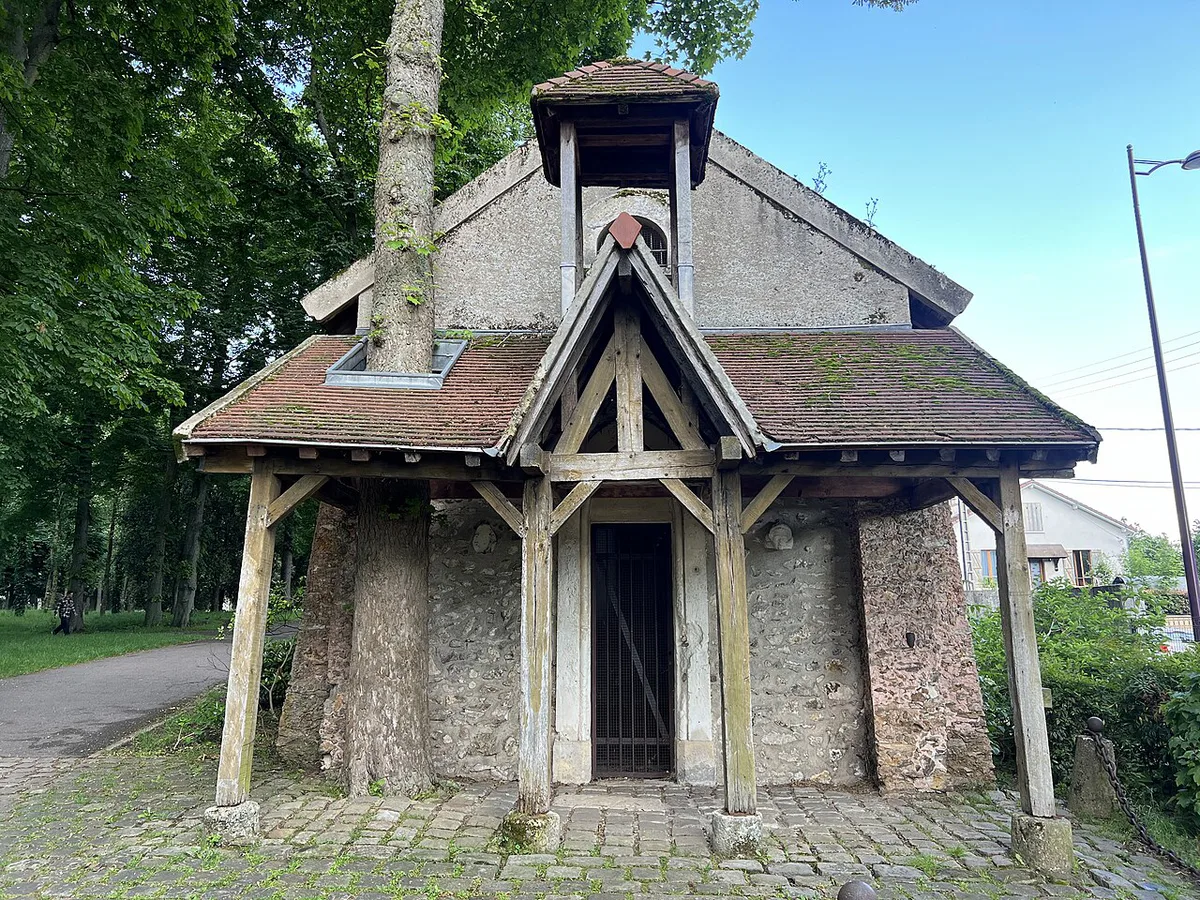
What to see: a walking route through the garden
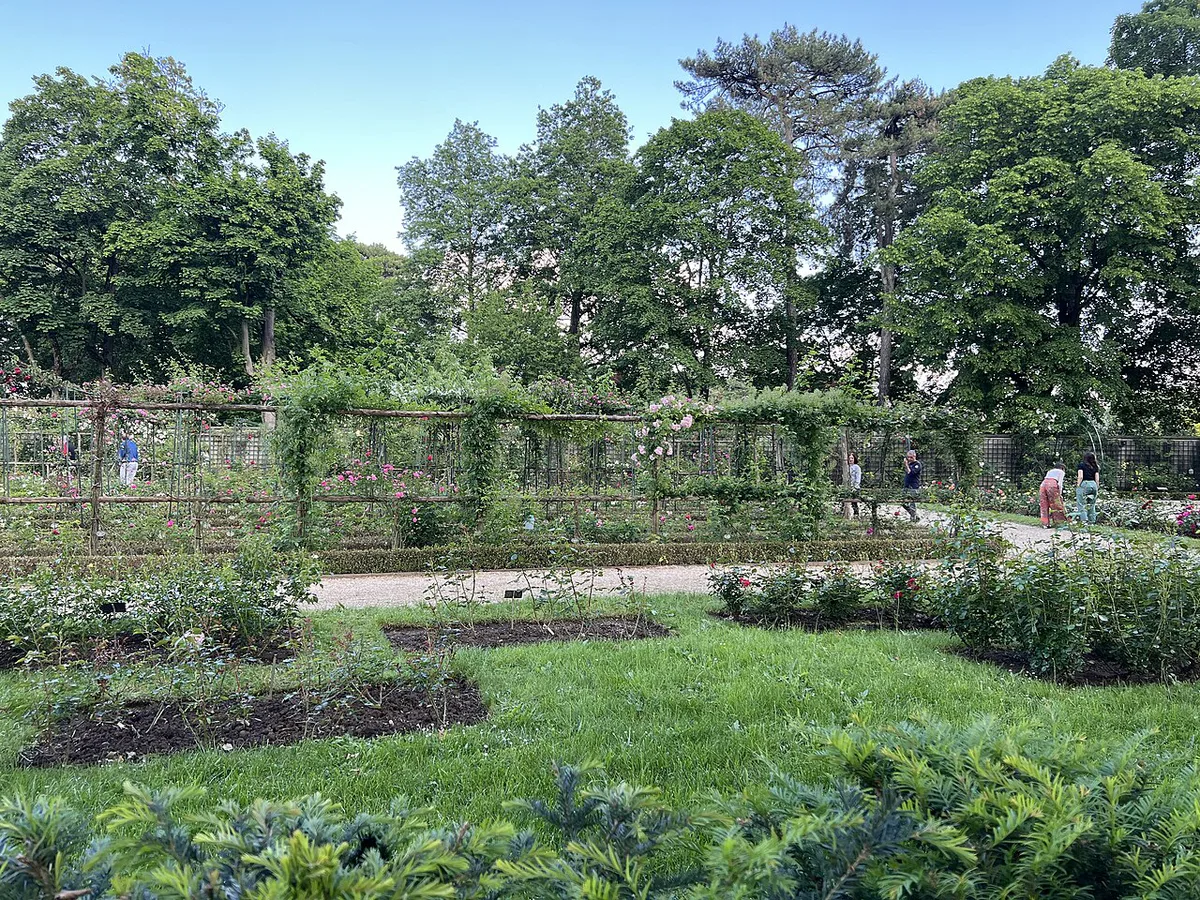
The garden is organised into 13 collections. Four areas give you a simple order of visit.
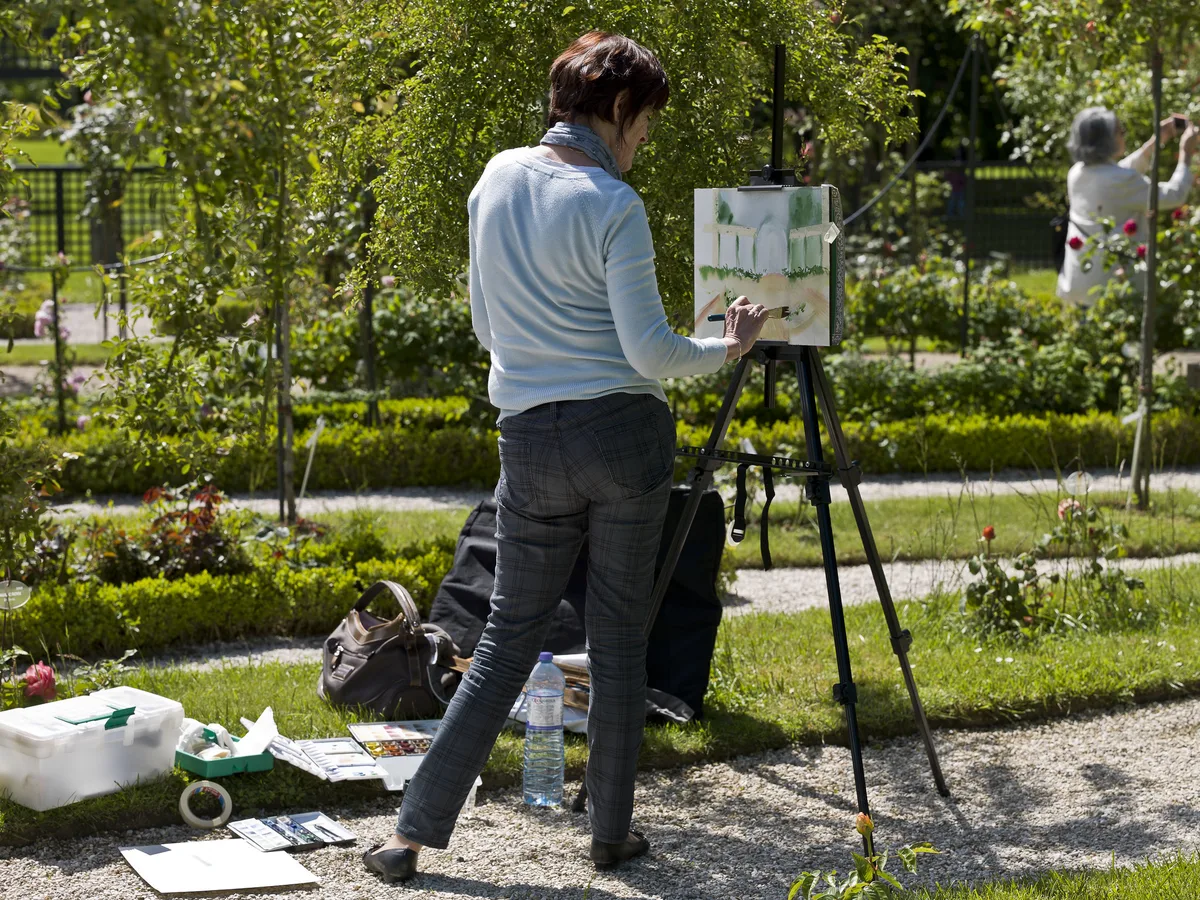
Varieties that existed before 1867 sit in the old garden roses area, so those beds predate the garden's 1899 founding by over thirty years.
- Formal rose garden: start at the central area, where a reflecting pool mirrors the sky and the beds around it.
- Old garden roses: these are varieties that existed before 1867, and the section traces the history of the rose.
- Modern roses: this section covers varieties created after 1867, and gives a direct comparison with the older beds.
- Foreign roses: this section shows how roses from other countries have been grown and developed.
History in brief: Gravereaux and André
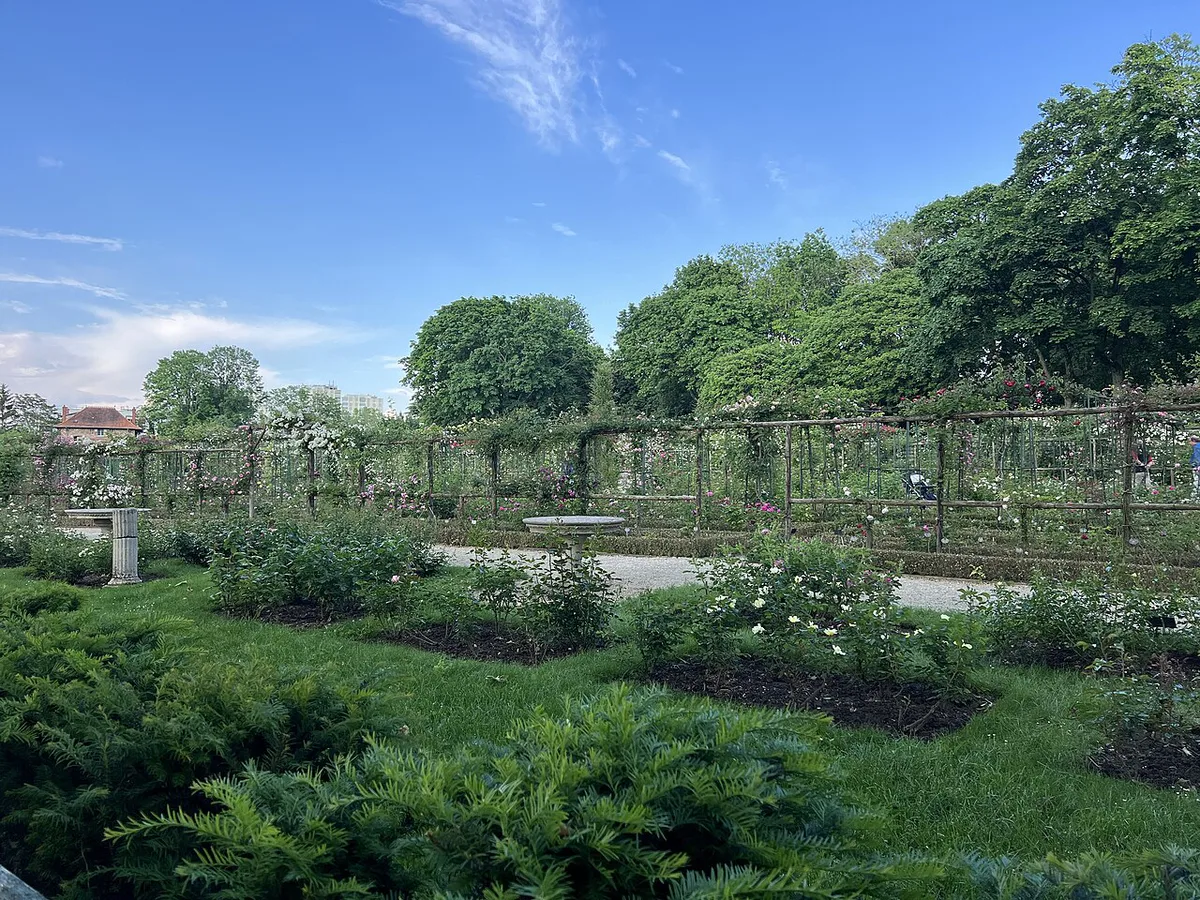
The garden was created in 1899 by Jules Gravereaux, a businessman who set out to collect the roses known in his day. He worked with the landscape architect Édouard André on the design. It is often described as the first garden devoted only to roses. Today it is run by the Val-de-Marne département, which presents the garden on its own website.
How long to stay and what to combine
Allow a half-day, with time for the four areas above and a slow loop of the collections. Combining the visit with another site is only sensible once you have checked distances on a journey planner. If you want more greenery on another day, Parc de Sceaux: Visit Guide, Getting There and Timing and Albert-Kahn garden are also outside central Paris. For a shorter outing, Luxembourg Gardens (Jardin du Luxembourg): Paris Guide is inside the city. Our Tuileries Garden Paris: Hours, Route & Tips page covers another central stop.
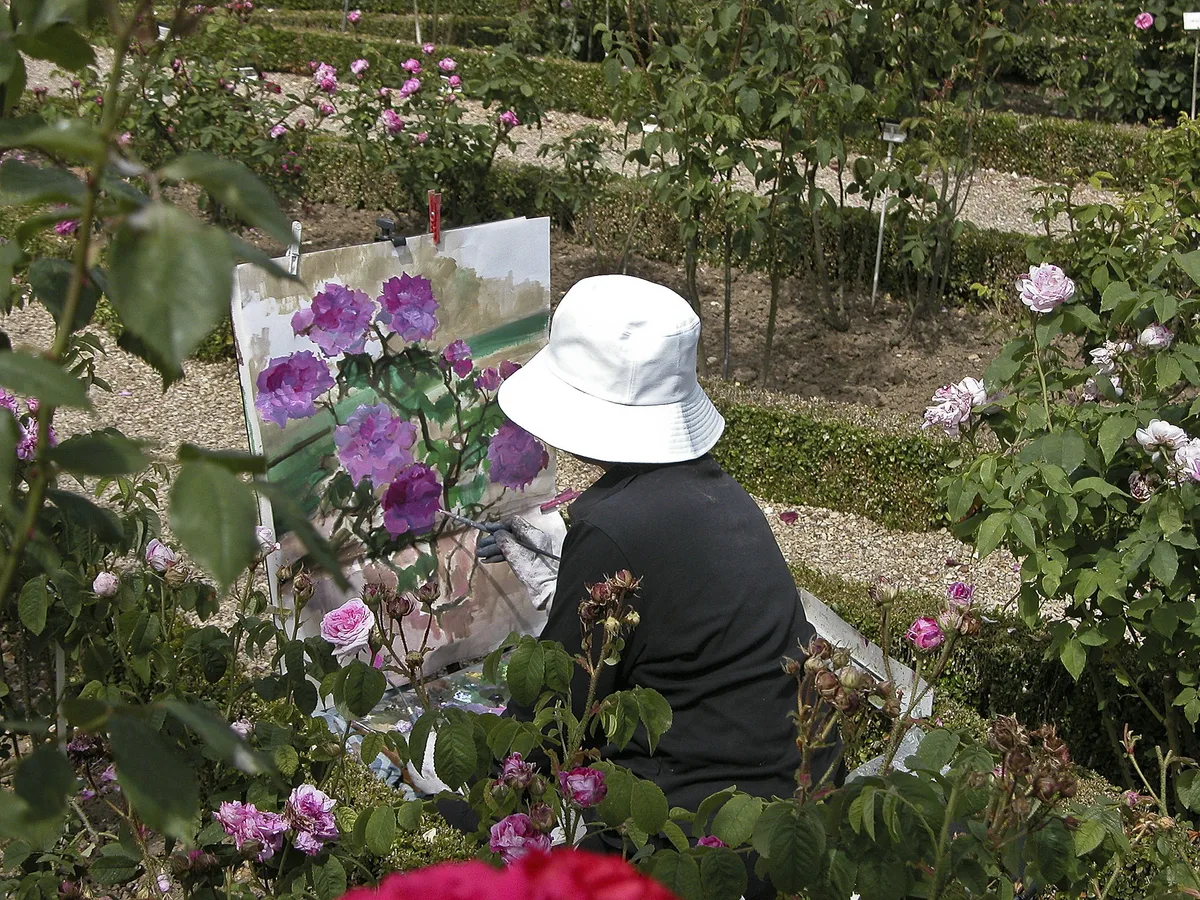
Visiting with children
Children can treat the garden as a scent-and-colour trail. Ask them to find the reflecting pool first, then the oldest and newest beds. Bring water and sun protection for a June visit. Check the official site for workshops and events, since those change each season. Paths are for walking, so pick a day when younger children have the energy for a half-day outing.
Roseraie vs other Paris rose and garden options
Three options cover most visitors. Cells marked "check official site" have no confirmed figure here.
| Garden | Location | Rose focus | Cost |
|---|---|---|---|
| Roseraie du Val-de-Marne | L'Haÿ-les-Roses, south of Paris | Dedicated rose garden, 13 collections | Check official site |
| Bagatelle | Paris, see our Bagatelle Rose Garden, Paris: Bloom Months and Hours page | Rose garden | Check official site |
| Jardin du Luxembourg | Central Paris | General garden, not roses-only | Check official site |
Common mistakes to avoid when visiting the Roseraie
Do not plan this as a quick detour between central Paris sights. The Roseraie has 13 collections, and the journey plus a slow walk through the beds makes it better suited to a half-day. Visitors with only 1 or 2 days in Paris may prefer a central garden unless roses are a priority.
June is usually the strongest month for bloom, but it can also bring warm afternoons. Aim for the morning, carry water, and use sun protection if you expect to spend several hours outdoors. Spring and summer visits can still be enjoyable, although not every bed will be at its peak.
Check the official garden information shortly before leaving. Opening dates, hours, admission arrangements and visitor rules can change by season. Do not assume the garden is open in winter, or that rules for dogs, picnics and photography match those at Paris public parks.
Bloom-season notes
Optional updates when we add or revise garden guides.
Continue reading
Guides on the same trip