Albert Kahn Garden, Paris: What to See, When to Go & Tickets
A plan for visiting the Albert Kahn garden near Paris: Japanese, French and English zones, best seasons, ticket choices and how to get there.
Last updated November 2026: the Albert Kahn garden is a roughly 4-hectare themed garden at the Albert-Kahn departmental museum in Boulogne-Billancourt, just west of Paris. It holds a Japanese garden and village, French and English gardens, and several forest scenes. Garden and museum share one site, so you can plan a single half-day visit, and it sits alongside the other 9 Best Gardens in Paris: Parks, Roses and Day Trips we cover.
Featured image: Titlutin, CC BY-SA 4.0, via Wikimedia Commons.
Is the Albert Kahn garden worth visiting?
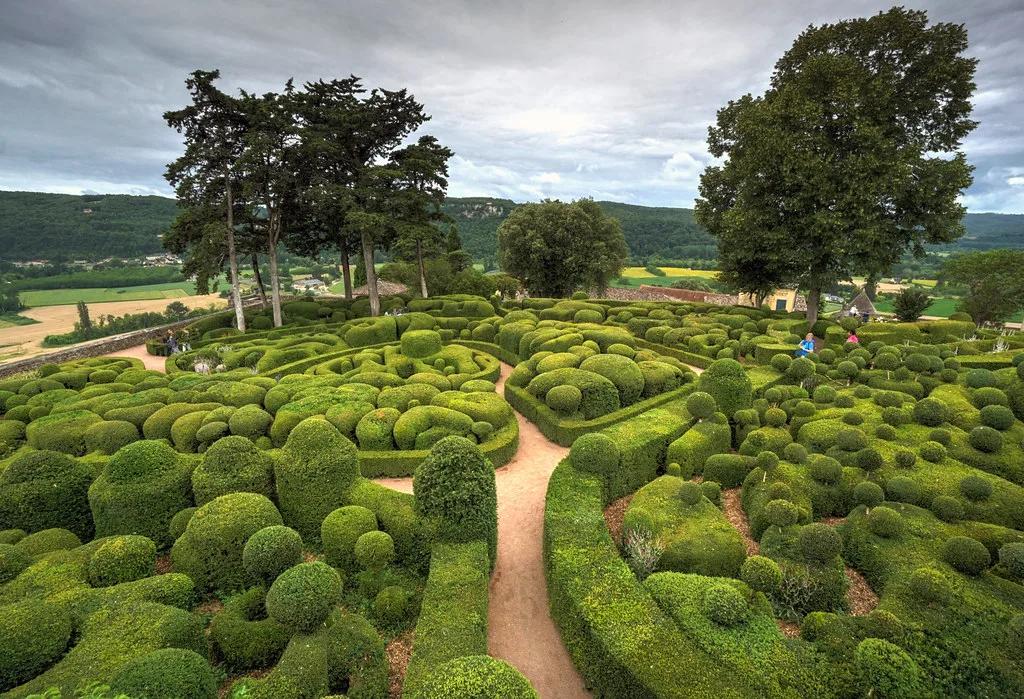
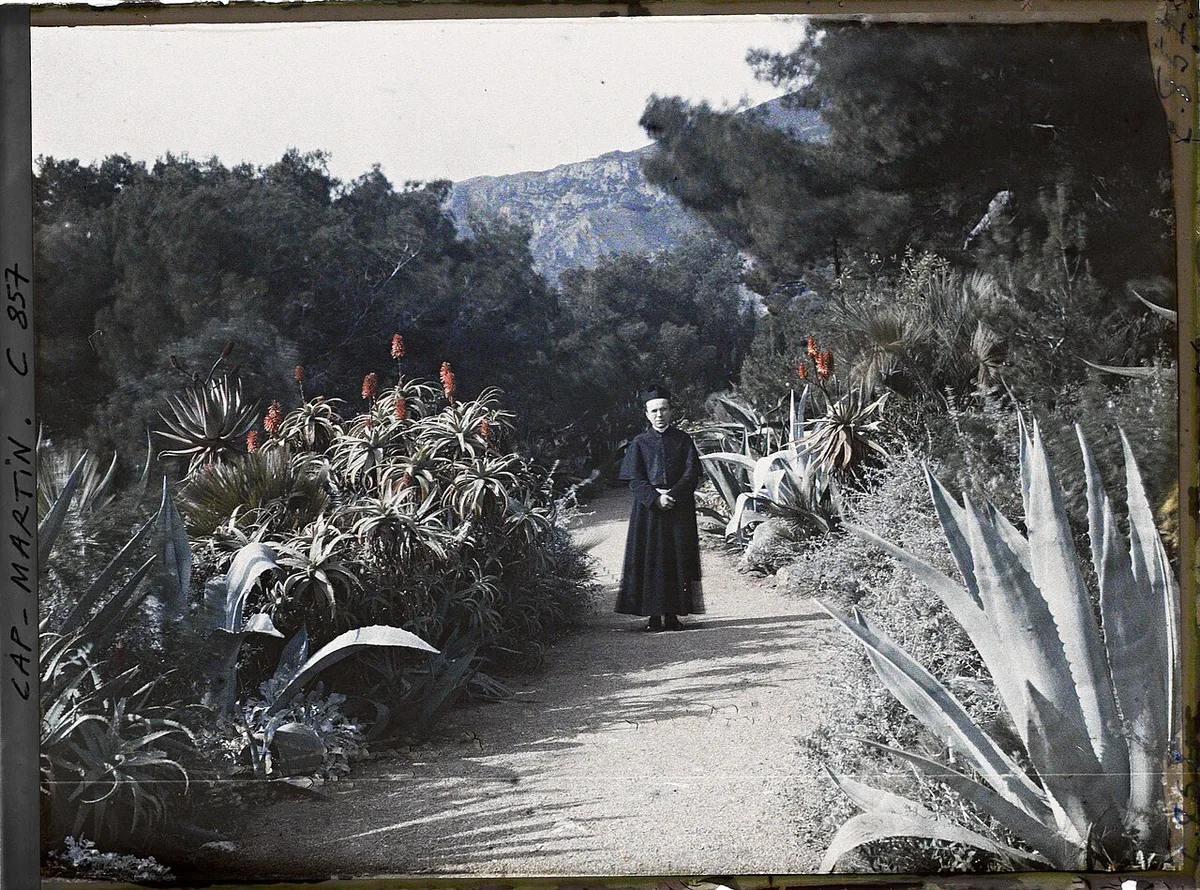
Yes, if you want several garden styles in one walk. Banker Albert Kahn bought the Boulogne-Billancourt property in 1893 and shaped what he called a garden of scenes, which now spans nearly 4 hectares. Gardens opened to the public in 1937. Hauts-de-Seine department runs the site today as the Albert-Kahn Museum and Gardens. Inside, the museum holds the Archives of the Planet, tens of thousands of early colour photographs. Its renovation, led by architect Kengo Kuma, reopened in 2022 with about 2,300 square metres of exhibition space. Searches for the museum, the garden and the Japanese garden all lead to this one address, and you can see all three in one visit.
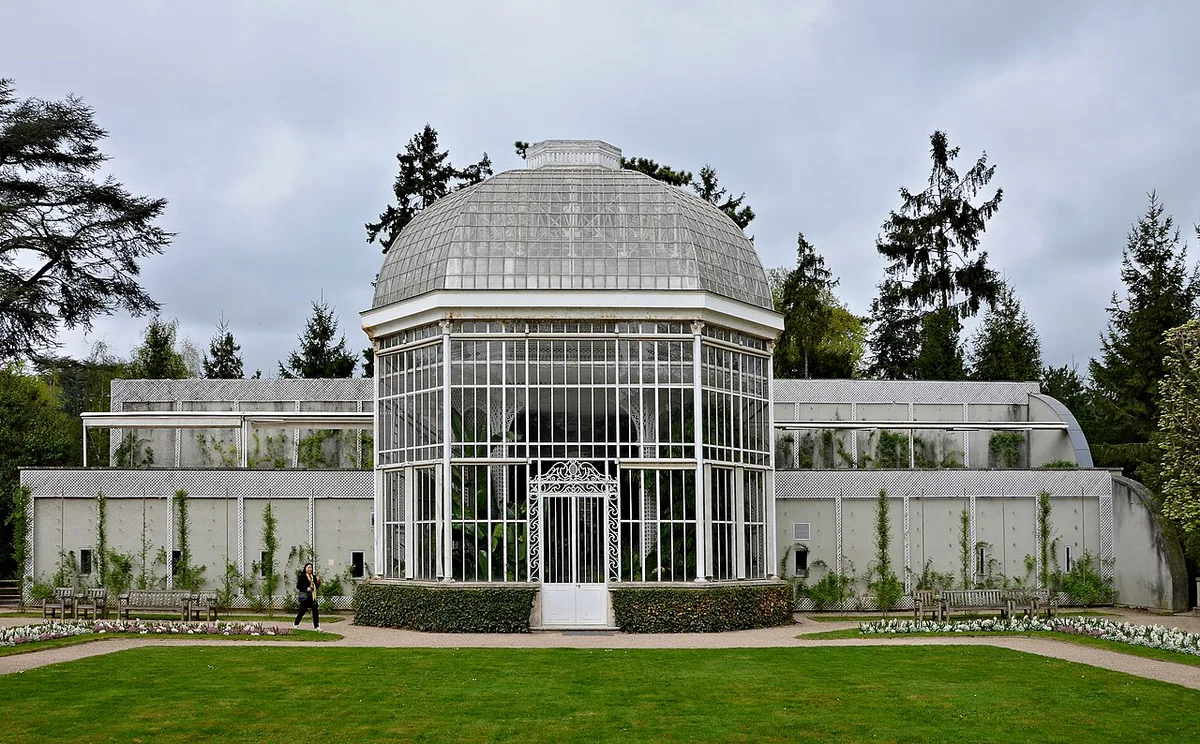
- Worth it for: first-timers who like contrast, photographers, Japan fans and anyone who enjoys garden design.
- Worth it for: families, since lawns, bridges and forest paths give children room to move.
- Probably skip if: you have only a couple of hours in central Paris and would rather stay near your hotel.
What's in the Albert Kahn garden: zone by zone
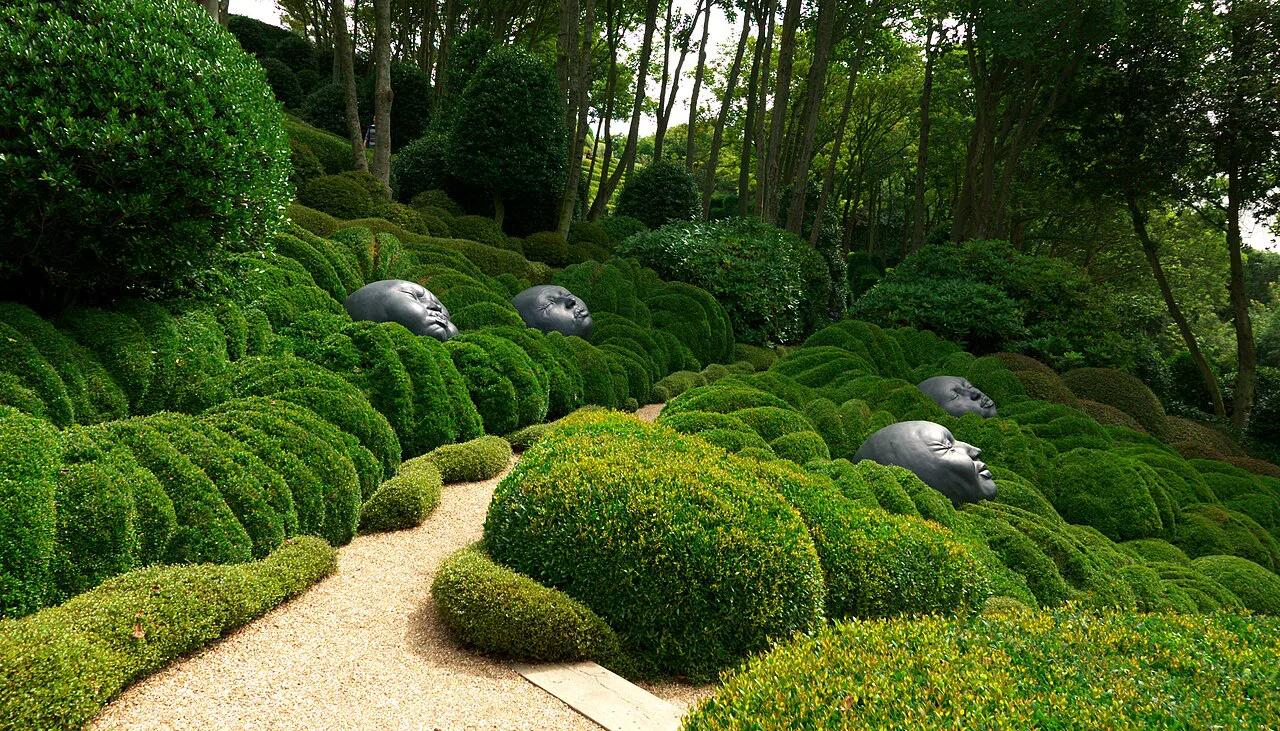
Six zones make up the garden. Use the table to decide which to prioritise. Seasonal picks reflect our editorial judgement, based on the plantings described for each zone.
| Zone | What it is | Best season | Best for |
|---|---|---|---|
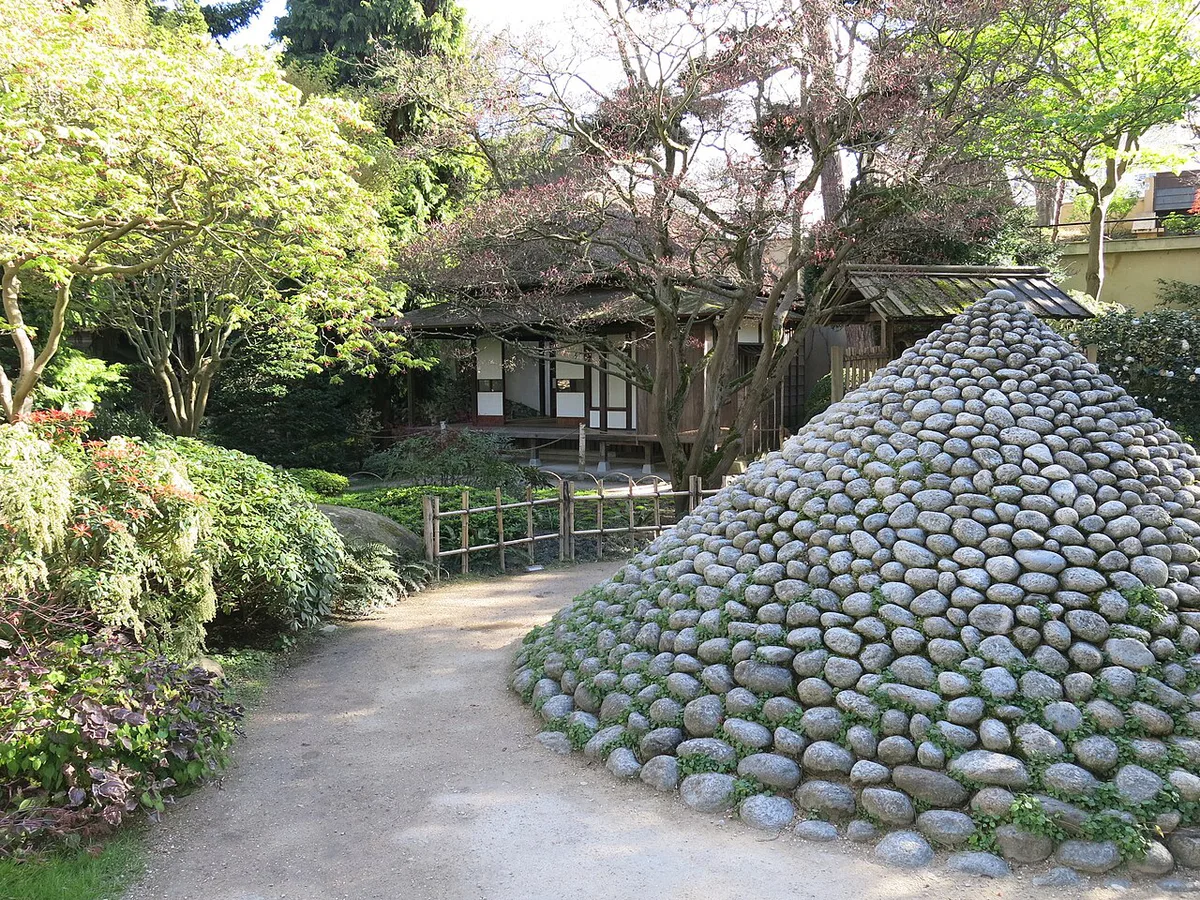
| Japanese village and modern garden | Village from 1898 with houses and a tea pavilion, plus a garden added in 1990 | Spring, for azaleas | Japan fans, photographers |
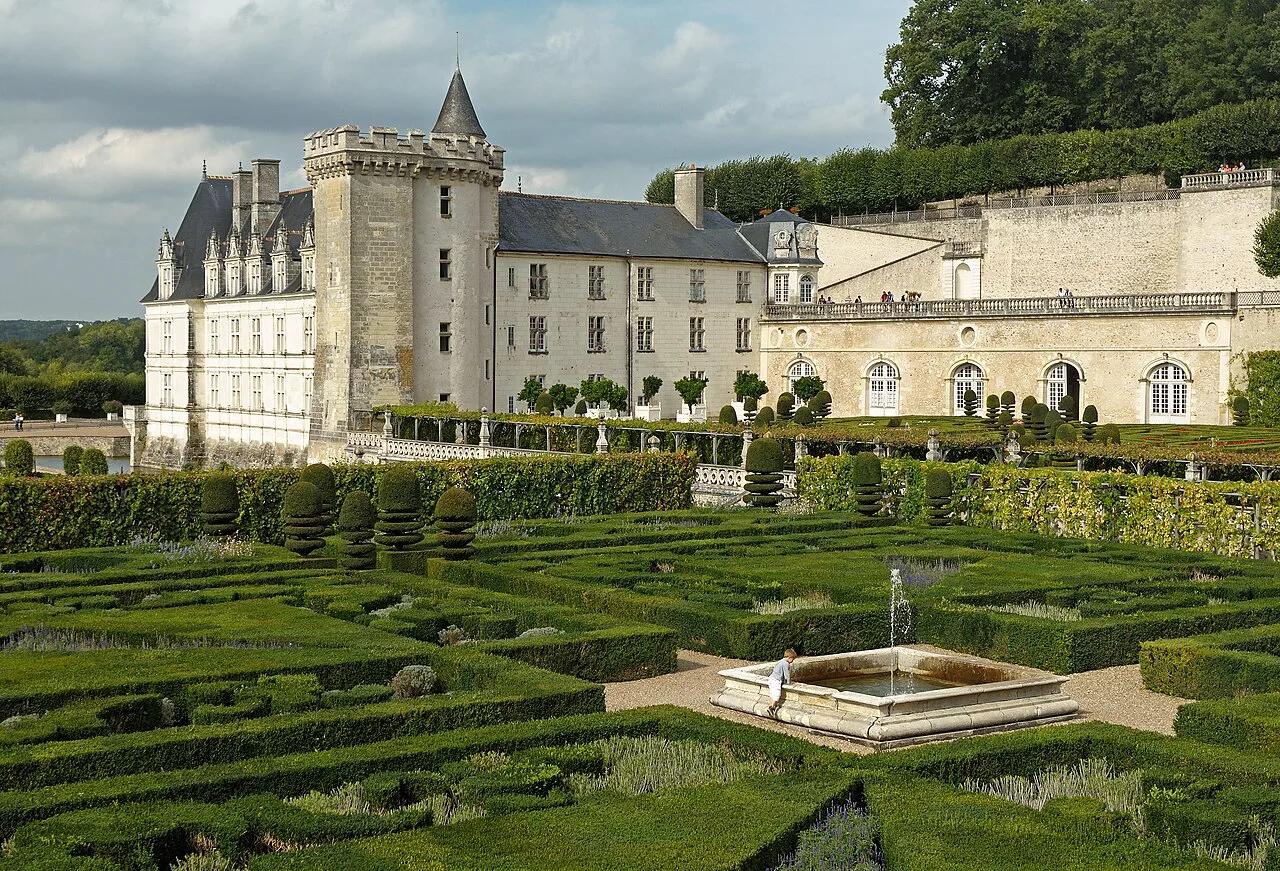
| French garden | Formal parterres, ornamental fruit trees and rose bushes | Late spring to summer | Garden-design lovers |
| English garden | Rolling lawns, a river, a cottage and a rock bridge | Any dry day | Relaxed strolling, families |
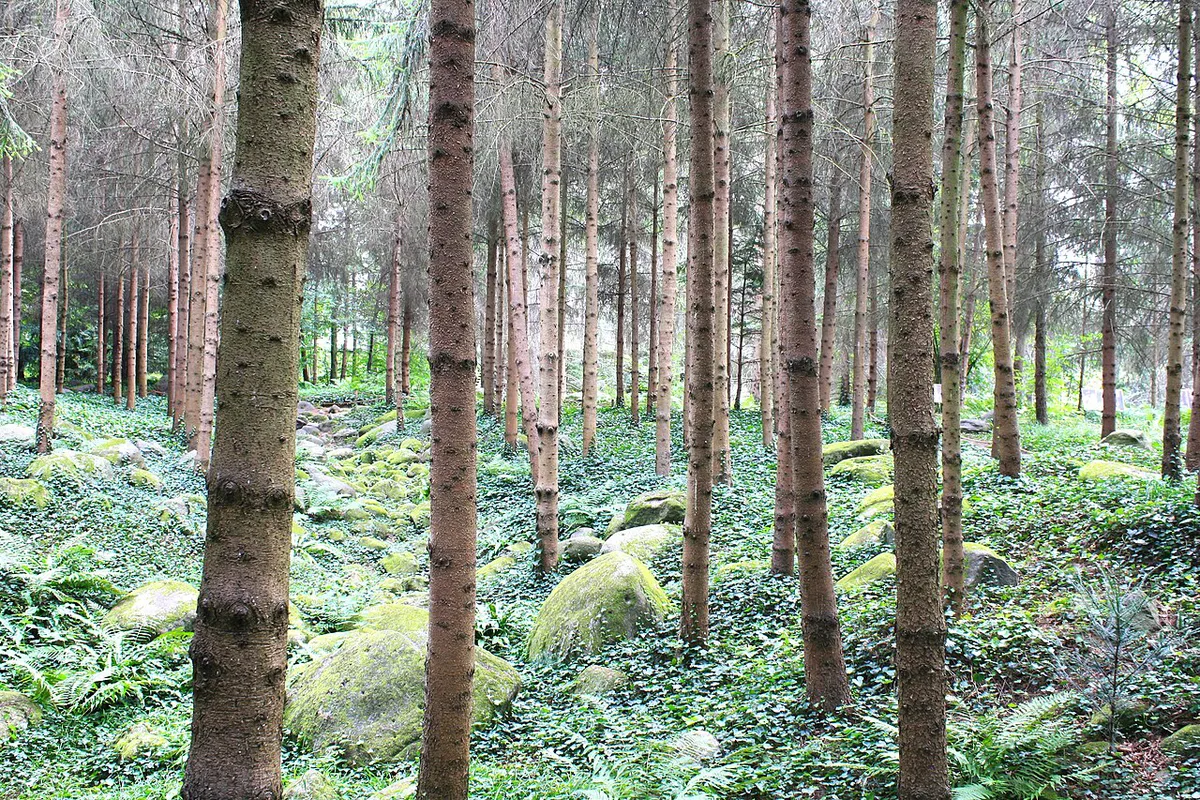
| Vosges forest | Re-creation of Kahn's home region with pines and spruces | Any season | Quiet shade |
| Blue Forest | Cedars and spruces with shimmering blue tones | Spring, for azaleas and rhododendrons | Colour and photography |
| Golden Forest | Birches with tall grasses and perennial flowers | Autumn | Seasonal colour |
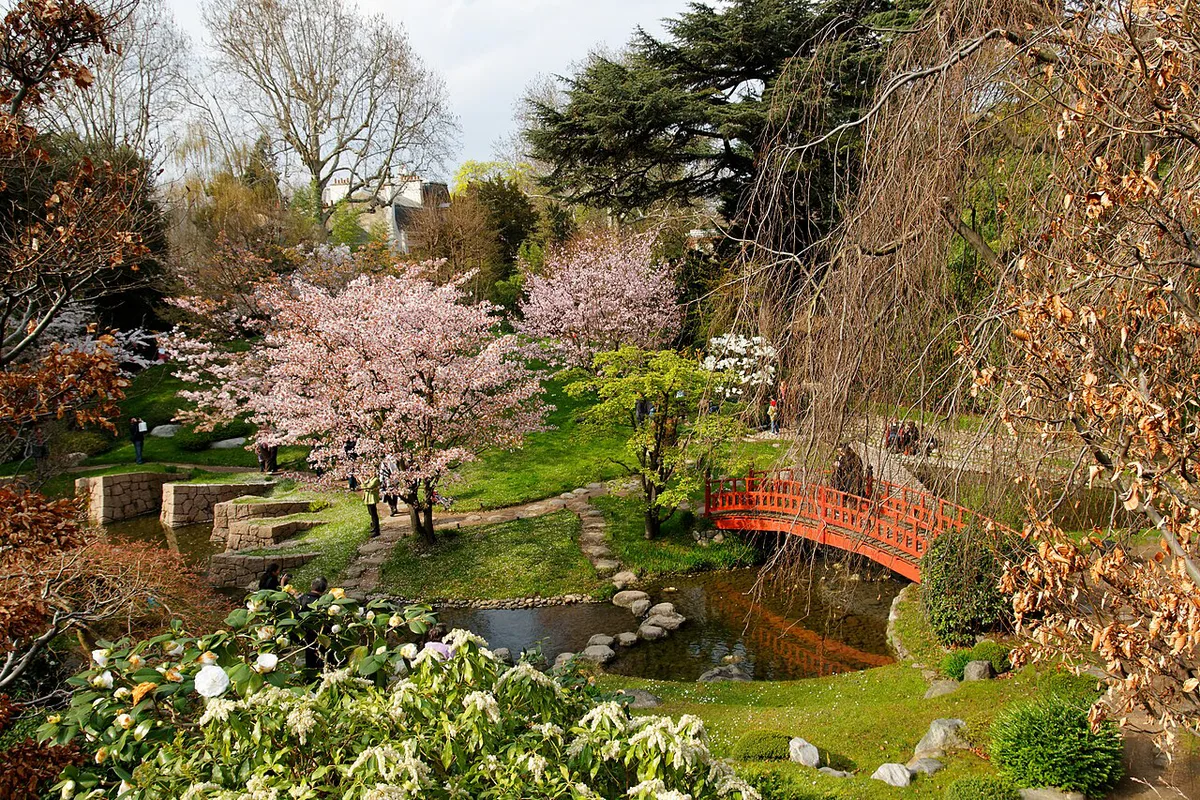
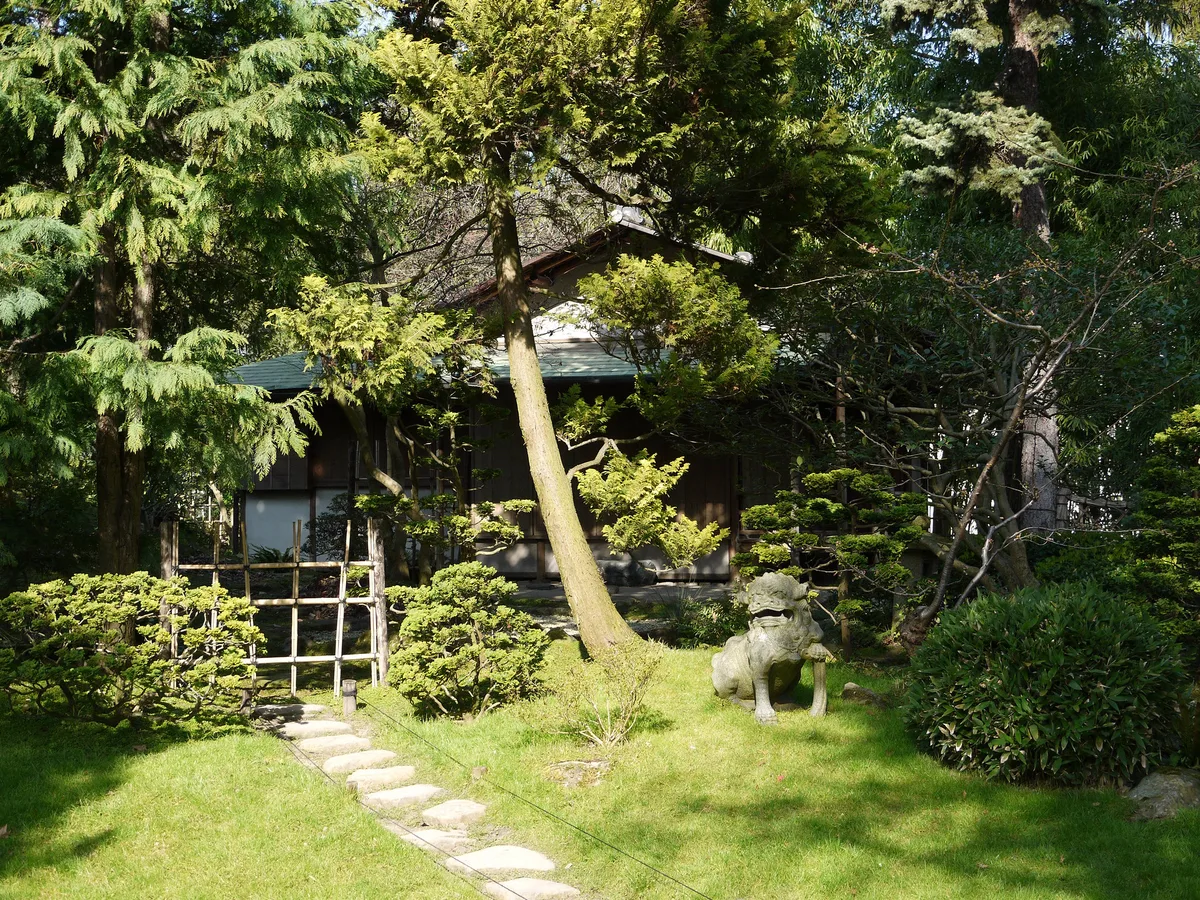
- Japanese zone: the village was first built in 1898 with structures brought from Japan. Wooden bridges and an azalea-covered mountain in the 1990 garden evoke Mount Fuji.
- French and English zones: Henri and Achille Duchêne designed the formal French section. Sequoias and ginkgos grow among the English garden's lawns.
Best time to visit
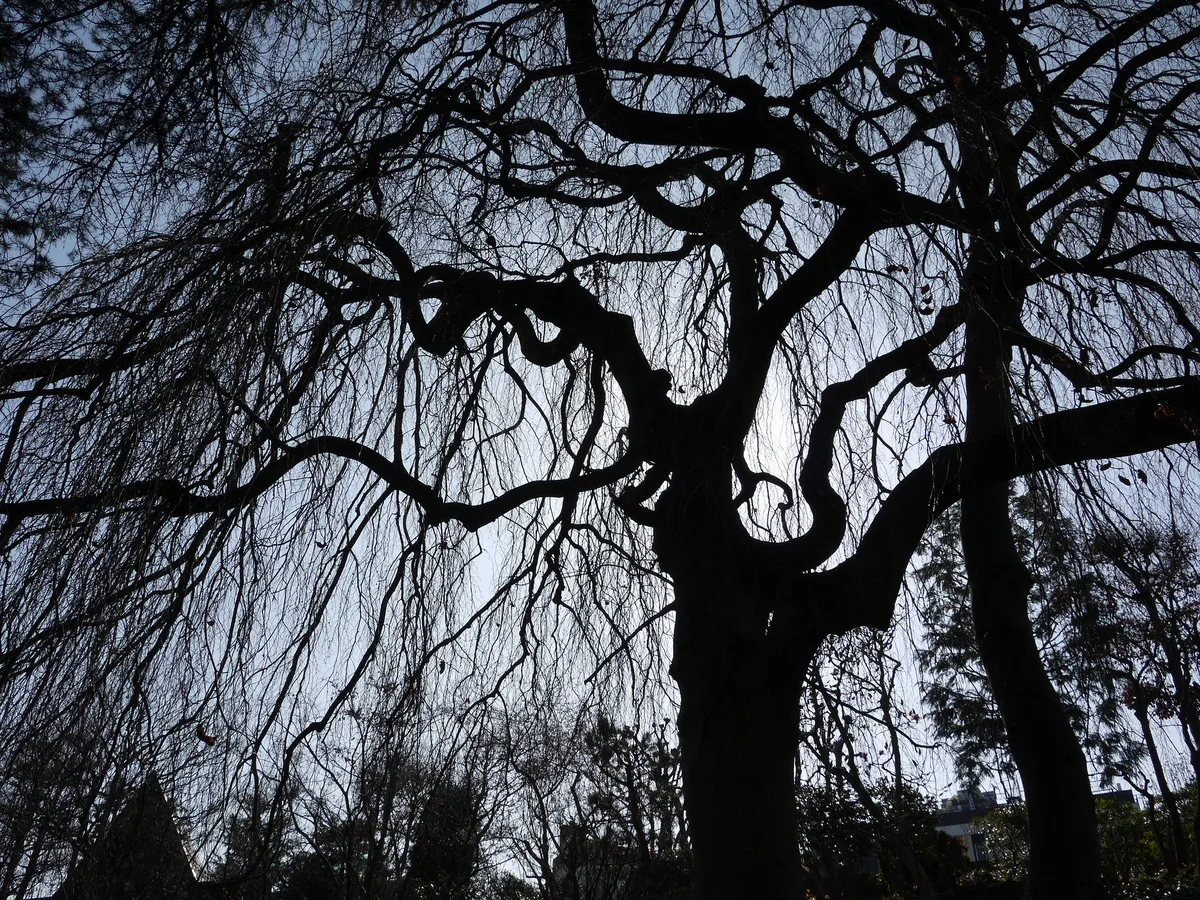
Spring and autumn give the clearest reasons to go. In spring, azaleas and rhododendrons flower in the Blue Forest and on the Japanese hill. In autumn, the Golden Forest birches turn gold. Summer favours the French garden's roses and the shade of the Vosges forest. Some zones or paths may be restricted off-season, so check the official site before a winter trip. For blossom elsewhere in the city, see our Cherry Blossom Paris: Best Spots, Timing & Routes guide.
How long to spend and a suggested route
Allow about 90 minutes for a short garden visit and up to 3 hours for a slow one. Both figures are editorial estimates, not official visiting times. Add time if you tour the museum as well.
- Short route (about 90 minutes): Japanese village, modern Japanese garden, then the French garden. Finish with the English garden lawns.
- Slow route (up to 3 hours): start in the English garden, then the Vosges forest and the Blue Forest. Save the Japanese zone and the Golden Forest for last, then add the museum.
Tickets, opening hours and what's included
Hours, last entry, ticket types and seasonal closures are listed on the museum's ticketing page. We do not quote a price here because rates and entry rules can change, so check that page for current garden-only and museum options.
How to get there from central Paris
Public transport covers the trip without a car, and transport listings give these options. Confirm lines and stops on the museum's access page before you travel. The museum has no parking, according to those listings.
- Metro: Line 10 to Boulogne Pont de Saint-Cloud, the terminus.
- Bus: lines 17, 52, 72, 126, 160, 175, 460 and 467 serve the area, with stops at Pont de Saint-Cloud or Rhin et Danube.
- Tram: T2 to Parc de Saint-Cloud, then cross the Seine on foot.
- Bike: the closest Vélib' station is at Rond-point Rhin et Danube.
Accessibility, practical tips and mistakes to avoid
Visitor listings describe the site as wheelchair accessible and say pets are not allowed. Paths, slopes and bridges vary by zone, so ask the museum about step-free routes if you use a wheelchair or pushchair. Annual events such as Heritage Days and Rendez-vous aux Jardins sometimes add garden programmes, so check the official calendar for dates.
- Do not assume daily opening: confirm the day before you go.
- Avoid arriving close to closing time, because the full loop takes at least 90 minutes.
- Check which zones are open before a winter visit.
- Do not treat it as a central-Paris stop: allow travel time on both ends.
Pair it with other Paris gardens
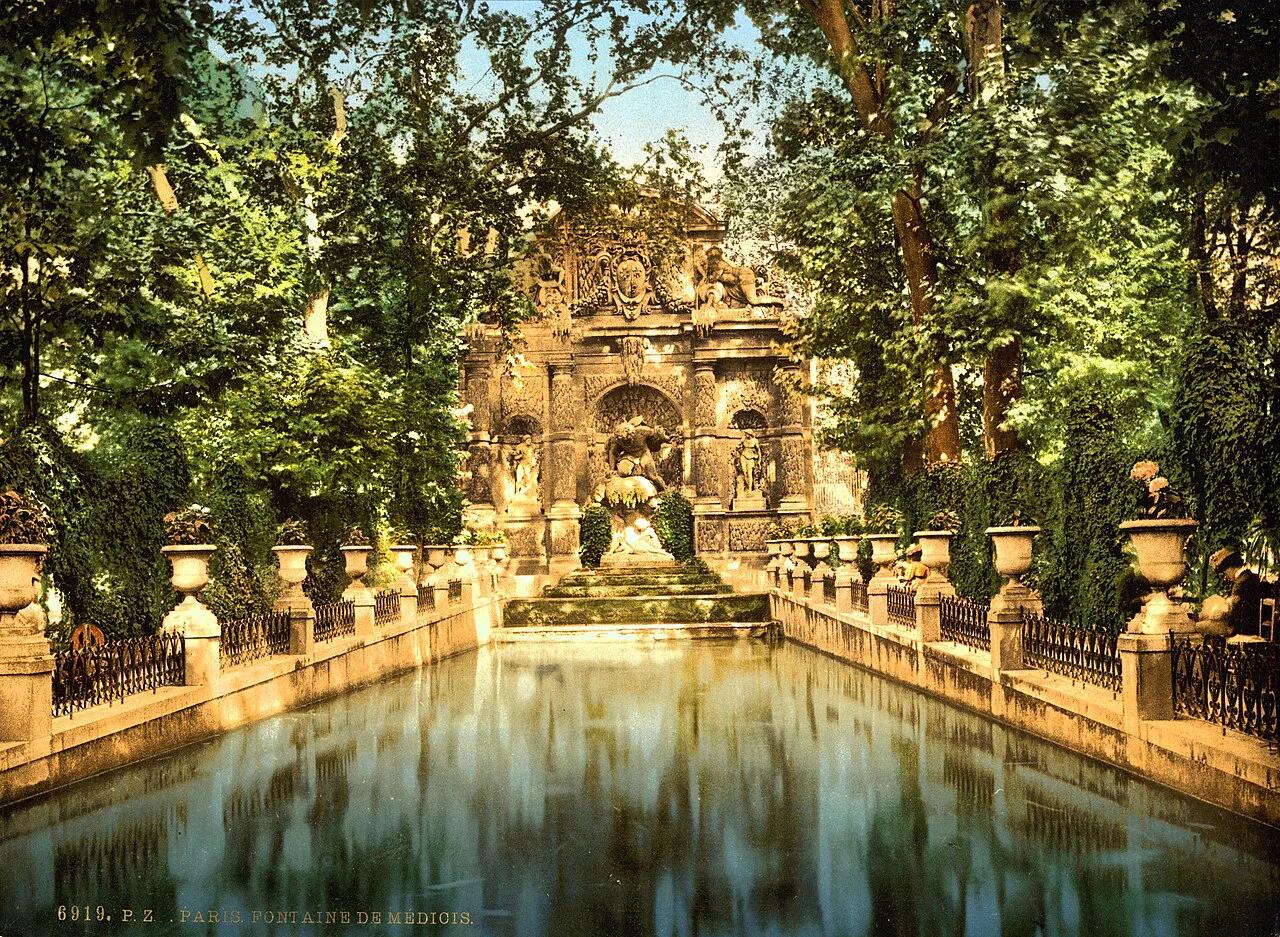
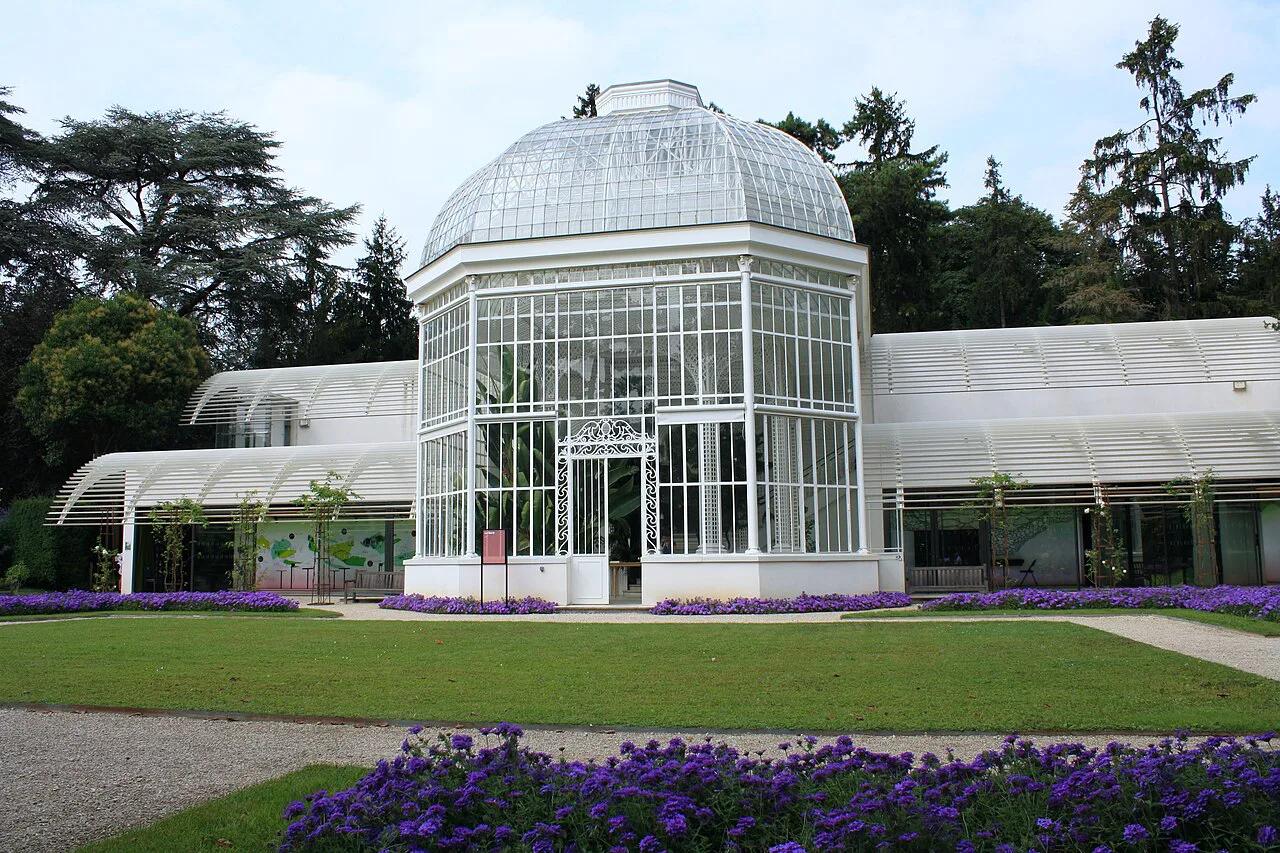
Pair this site with a garden of a different style. Bagatelle Rose Garden, Paris: Bloom Months and Hours adds a single-theme rose collection to this multi-theme site. Auteuil greenhouse garden offers glasshouses against the open-air scenes here. With only a short trip, Parc Monceau, Paris: Follies, Hours, Access and How to Visit is a central alternative. Another is the Jardin du Luxembourg, run by the Sénat. With a full day, Parc de Sceaux: Visit Guide, Getting There and Timing is another Hauts-de-Seine site, described by the Domaine départemental de Sceaux.
Frequently Asked Questions
What is Albert Kahn known for?
Albert Kahn was a French banker and philanthropist. He funded the Archives of the Planet, an early collection of colour photographs and film from around the world. He also created the themed gardens at his Boulogne-Billancourt property.
Is Albert Kahn Museum free?
Entry rules and any free categories are set by the museum, not by this guide.
Bloom-season notes
Optional updates when we add or revise garden guides.
Continue reading
Guides on the same trip