Kew Gardens in Autumn: When to Go, What to See & Plan
When is Kew Gardens best in autumn? Peak colour timing, which areas to prioritise, tickets, crowds and how to plan a visit, with honest trade-offs.
Last updated November 2026. Kew Gardens autumn colour usually runs from mid-October to early November, though peak shifts with each year's weather. Kew suits city-based trip planners who want tree colour plus glasshouses in one London day. Anyone chasing continuous woodland colour should look at the best European autumn gardens instead.
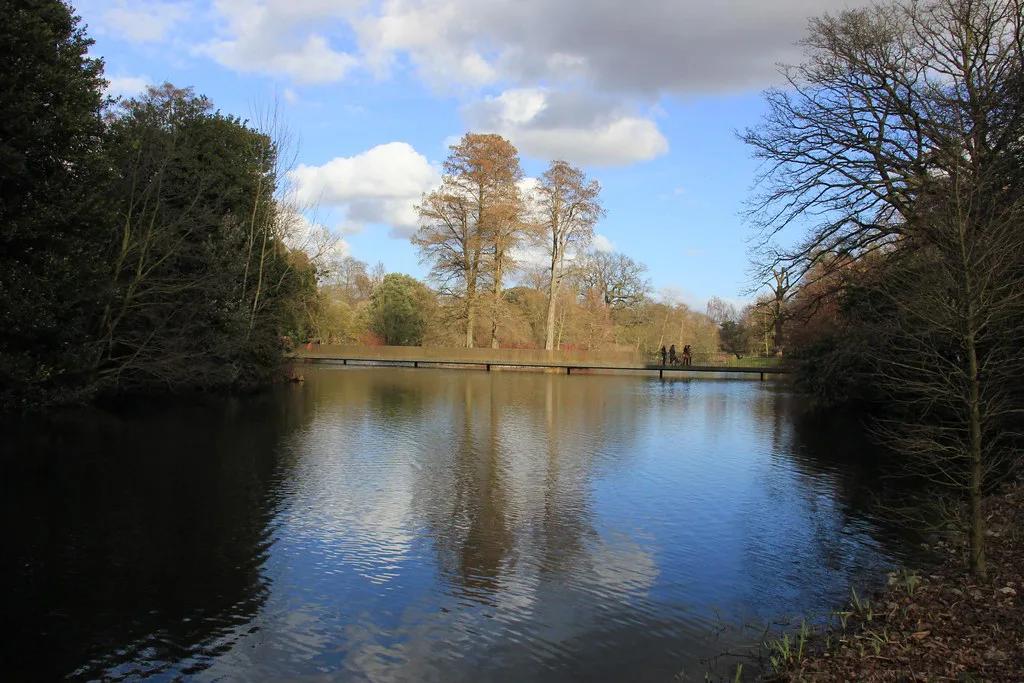
Featured image: Karen Roe, CC BY 2.0, via Flickr.
When to go: Kew Gardens autumn timing
Colour at Kew follows the weather. A warm, dry September delays the turn, and an early frost or storm can strip leaves fast. Typical London daytime highs fall from about 20°C (68°F) in September to about 16°C (61°F) in October and about 12°C (54°F) in November. Kew's own seasonal pages list current-year highlights, so check them a week before you travel. For wider timing across the country, see our guide to Autumn Colours UK: Best Places and When to Go.
| Period | What to expect | Best for | Trade-off |
|---|---|---|---|
| Early autumn (September) | Mostly green canopy, warmer days | Comfortable walking, glasshouses | Little tree colour yet |
| Peak colour (mid-October to early November) | Maples, oaks and beeches turning | Photography, Arboretum walks | Busiest on weekends |
| Late autumn (mid to late November) | Mostly bare trees, early dusk | Quiet paths, glasshouse time | More rain, short daylight |
What to prioritise for autumn colour
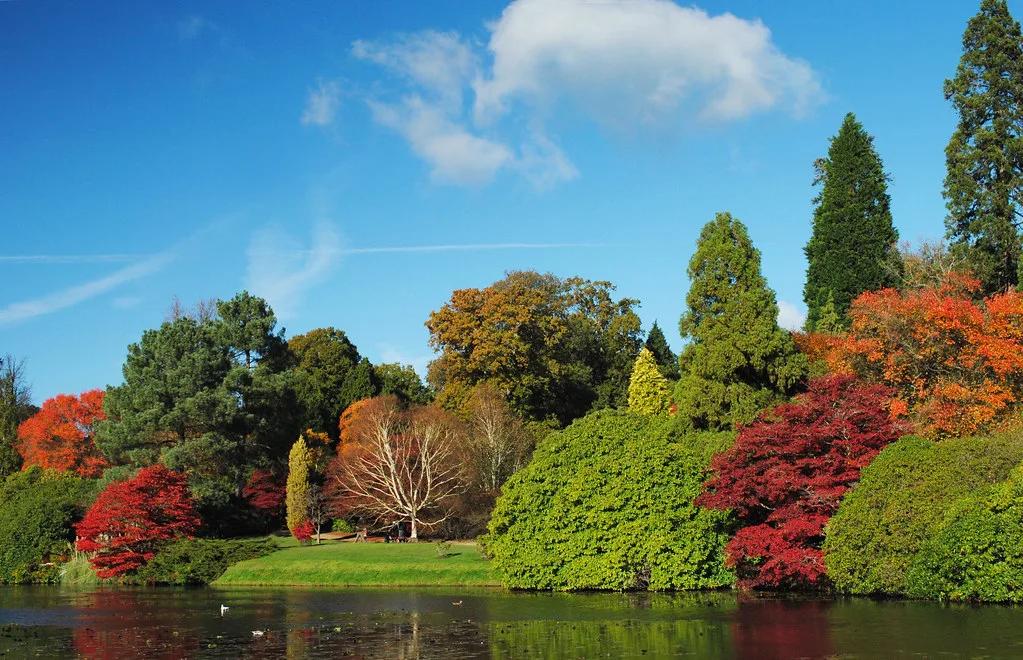
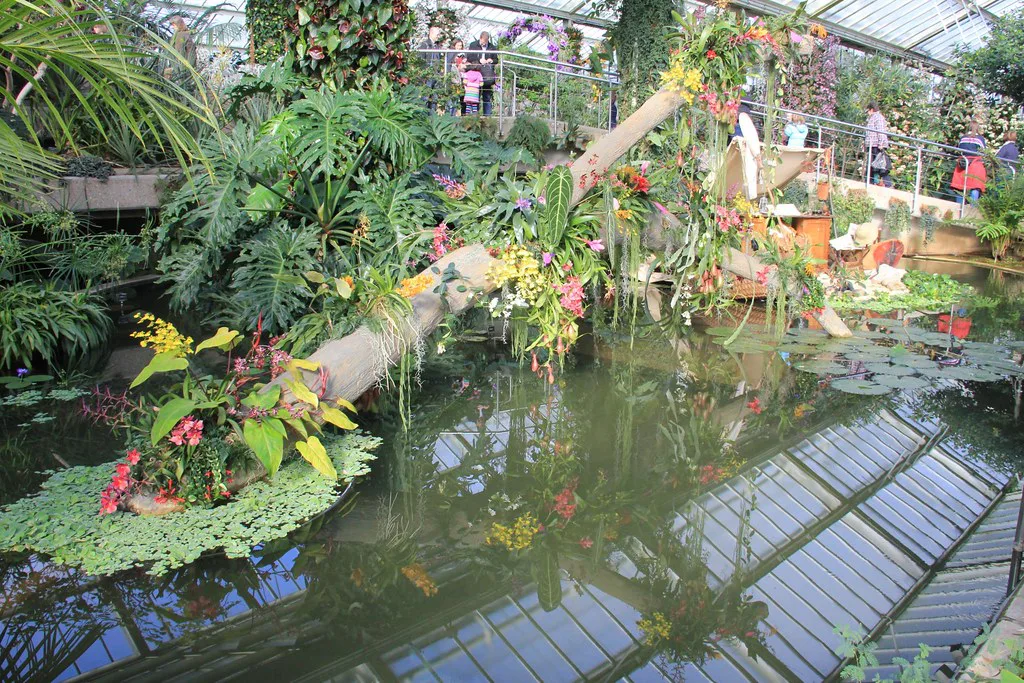
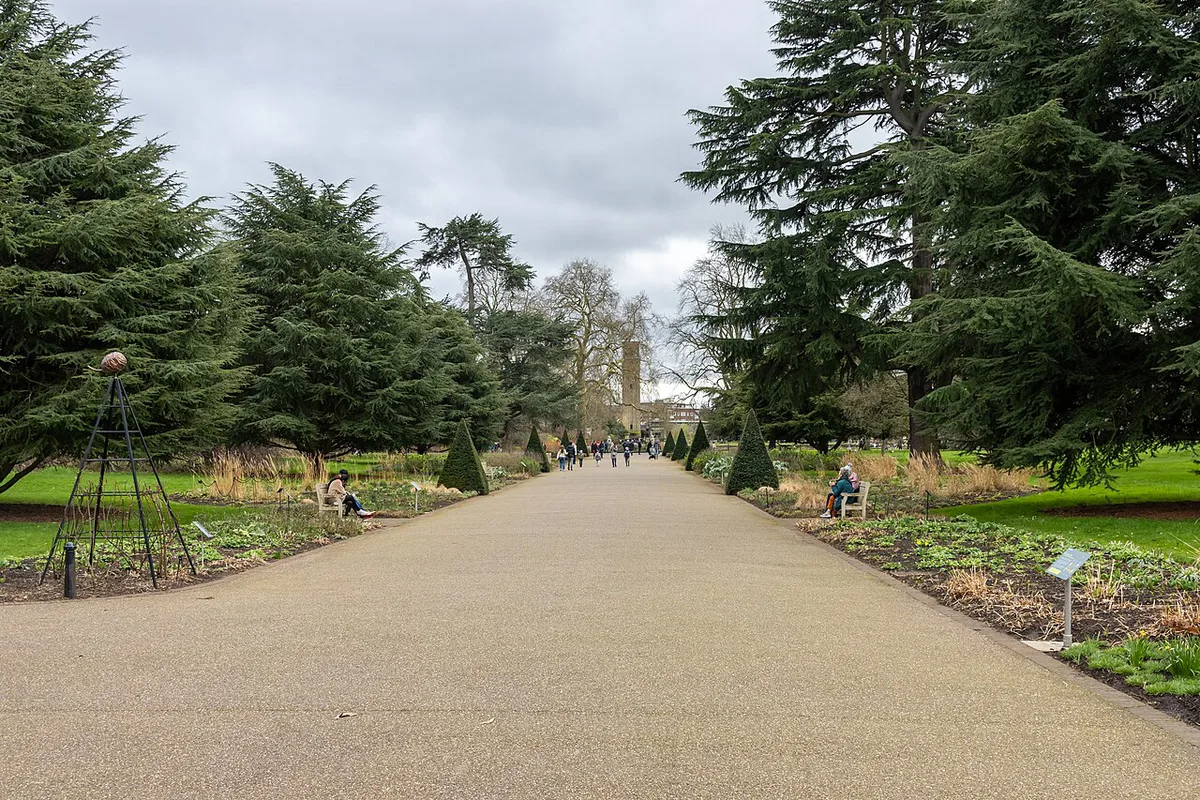
Start with the Arboretum, where Kew's tree collection is concentrated. Japanese maples and witch hazel are the usual colour names to look for. The Japanese Landscape adds a more compact, planted setting. The Treetop Walkway gives a canopy-level view when trees are turning, but check Kew's site for access details and any step-free limits. Add the lake for reflections on still days.
- Dry, bright day: Arboretum, Japanese Landscape and the lake first.
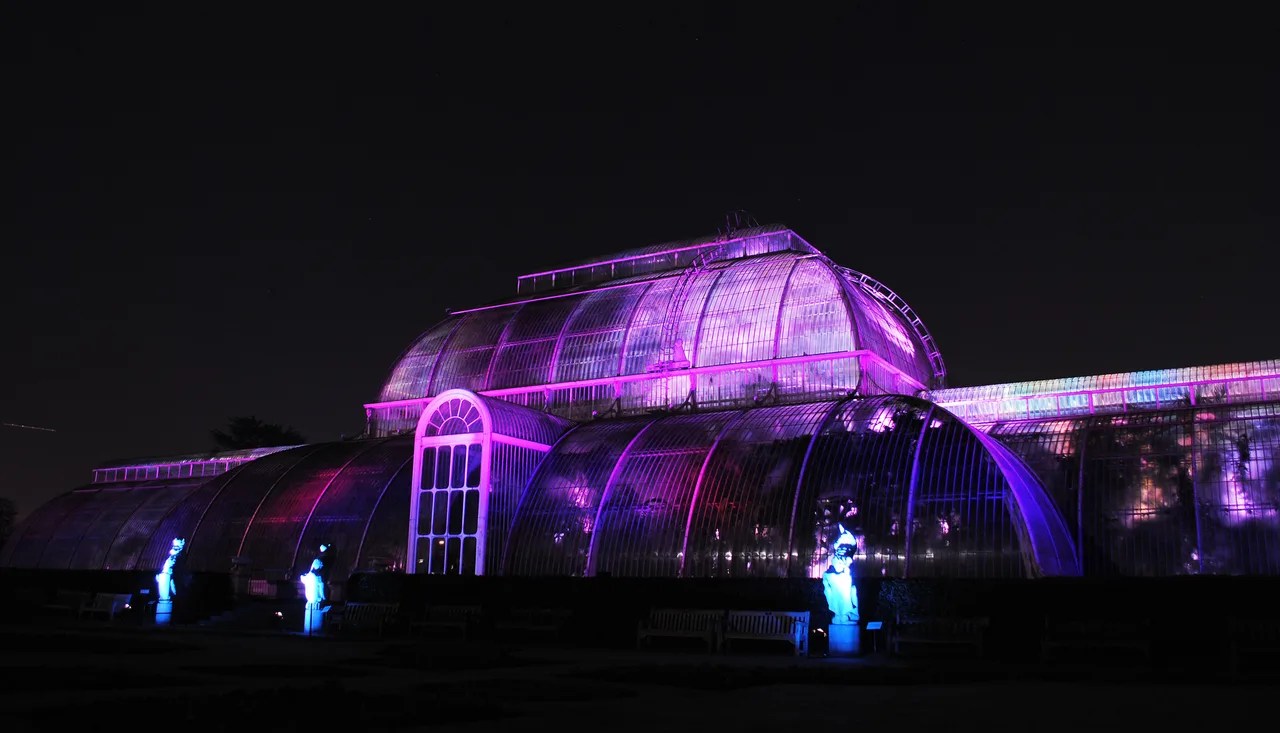
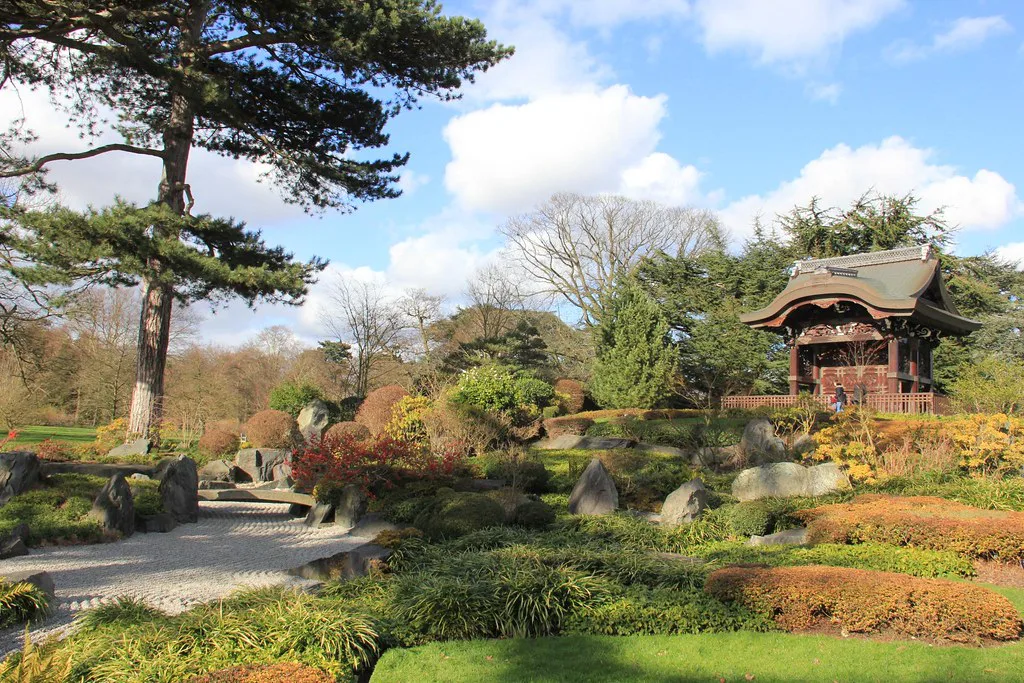
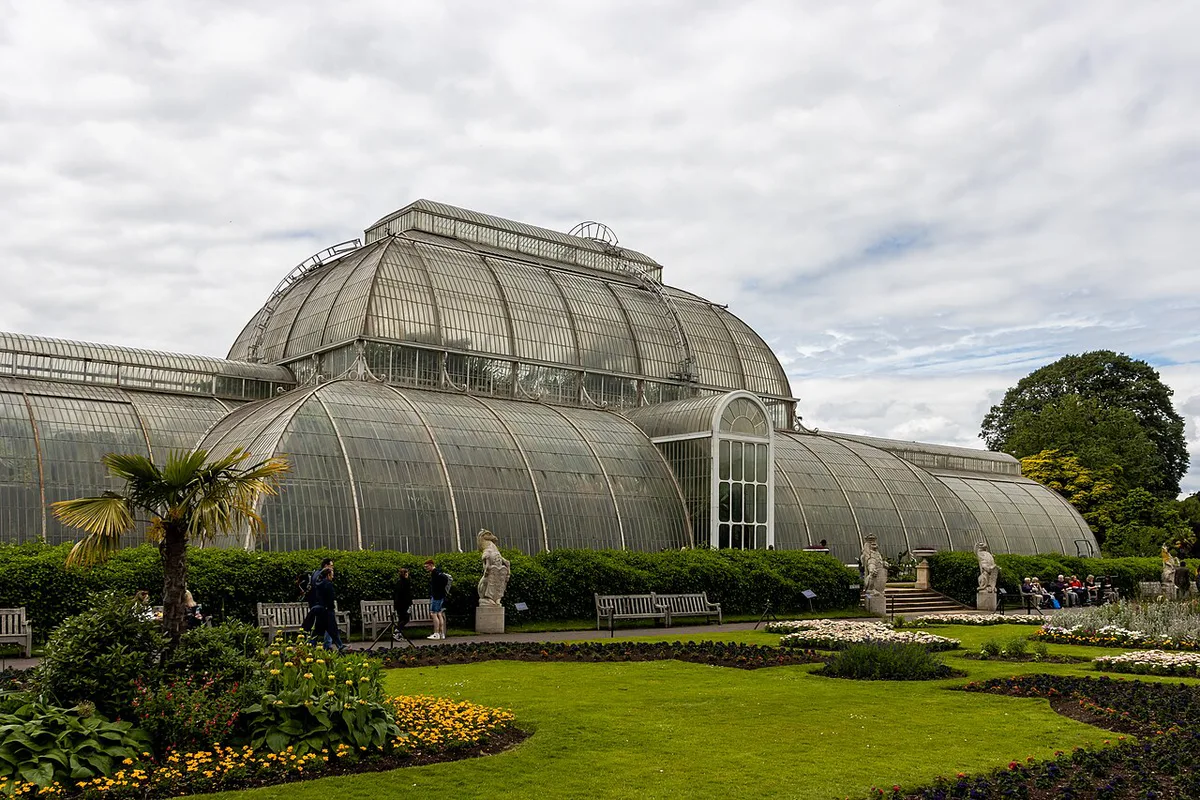
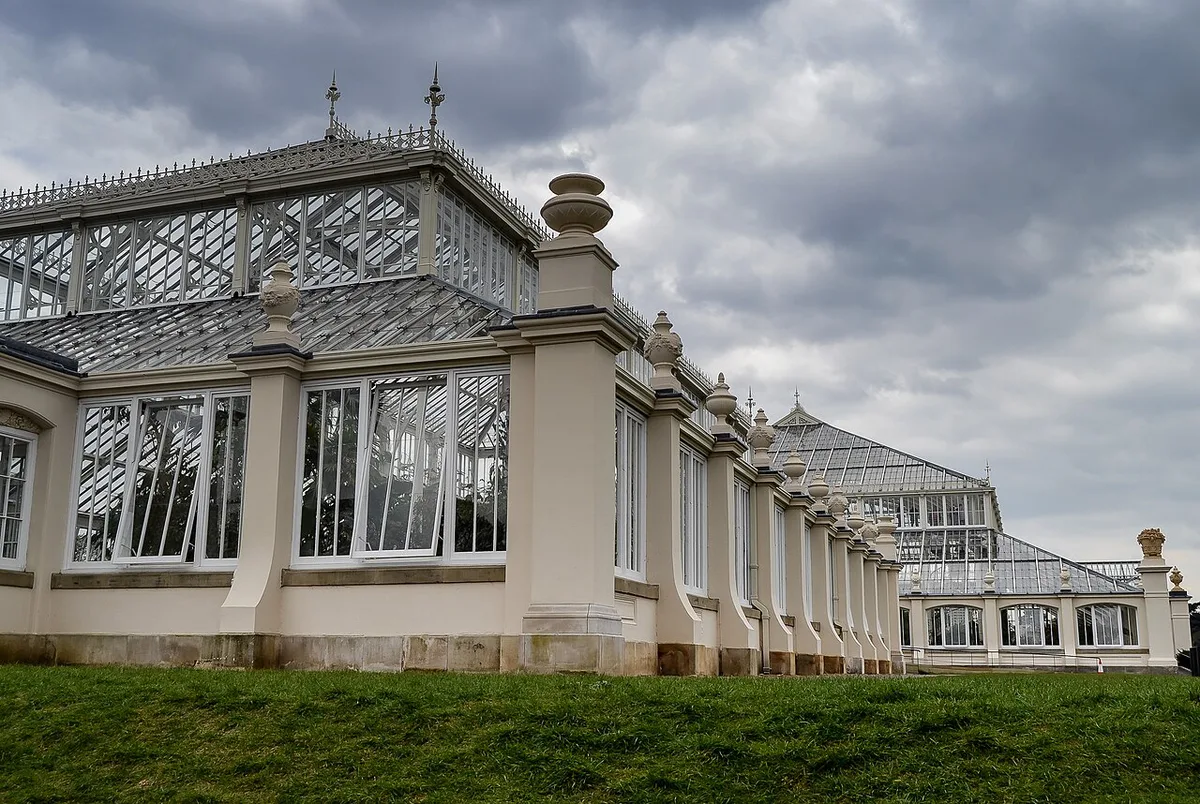
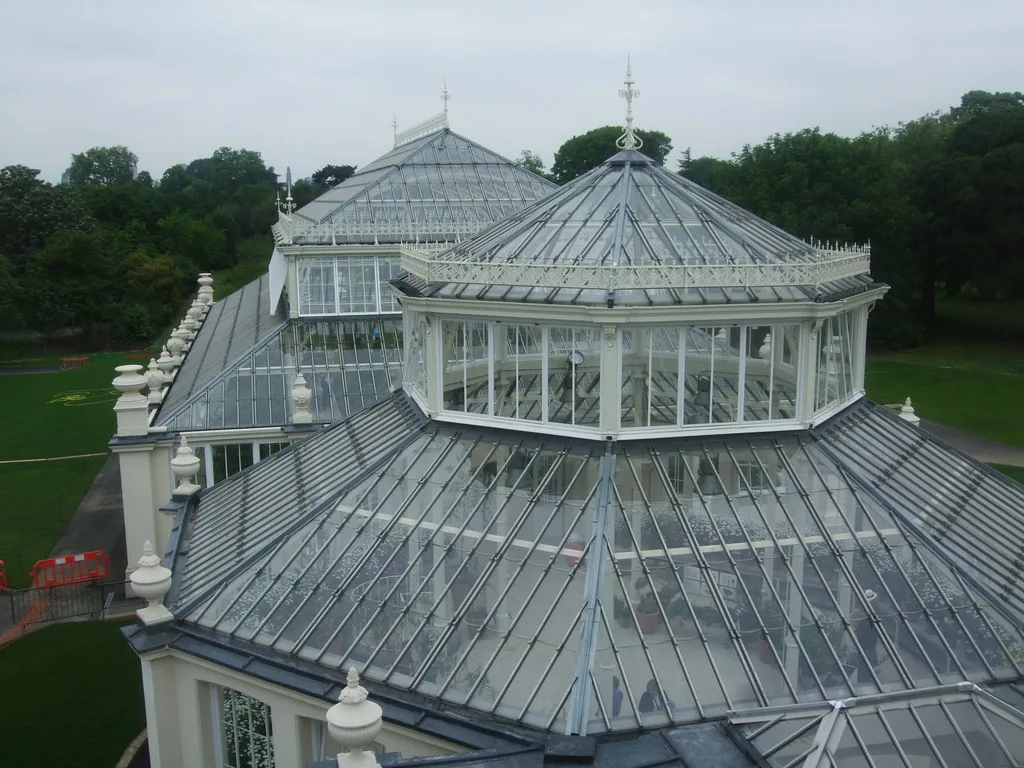
- Wet or windy day: the Temperate House, a large Victorian glasshouse with palms and ferns.
- Short on time: pick one tree area and one glasshouse rather than crossing the whole site.
Weather, light and photography at Kew
Autumn sun sits low, so mornings and the last hours before closing give warm side light on leaves. Pack layers, because temperatures can drop from 16°C (61°F) at midday to about 8°C (46°F) near dusk in late October. Wet paths and fallen leaves get slippery. Rain also flattens colour in photos, so shoot glasshouse interiors then. Tripod and drone rules are set by Kew, so read its photography policy on the official site before bringing equipment.
Tickets, opening hours and booking
Kew uses date-based pricing, so a quiet weekday costs less than a peak weekend. Adult tickets have typically ranged from about £16 off-peak to £25 at peak times, though current figures are on Kew's official site. Book ahead for peak colour weekends. Last-entry time matters more in autumn because daylight ends early. If you plan two or more visits in a year, compare the cost against membership.
Adult tickets run from £16 off-peak to £25 at peak times, while colour usually peaks from mid-October to early November. Check your dates against both.
Getting there and planning your day
Kew sits on the River Thames in south-west London and is reachable by Tube, rail or Overground. Check Transport for London or National Rail for current routes and the station that suits your gate. Allow at least half a day for the glasshouses plus one tree area. A full day suits photographers, since the site covers more than 300 acres. Plan your walking route around sunset rather than around closing time.
Events and family options in autumn
Kew runs seasonal events, trails and evening programmes, and they change each year. Late-autumn evening events are more likely near the end of November or in winter, so check which dates fall within your trip. Do not rely on older event lists, since names and dates move. Family visits work best when you pair a trail or glasshouse stop with a short tree walk.
Kew vs other autumn gardens
Kew is the easy choice from London. Reach it by public transport and combine it with glasshouses if rain arrives. For deeper woodland colour, Westonbirt Arboretum: When to Go and Visit Plan is the stronger tree-focused day out, as Forestry England's Westonbirt page explains. For a landscaped lake garden, see Autumn at Stourhead: When to Go & Best Colour Spots. The National Trust's Stourhead page lists current visiting details. Both are easier by car than Kew. For visitors continuing beyond England, our German foliage guide is a natural next step.
Common mistakes to avoid
Most disappointments come from timing and planning, not from the garden itself.
- Booking for early October and expecting peak colour.
- Arriving late and losing the best light to early dusk.
- Skipping a wet-day plan, so rain ends the visit.
- Trying to cover all 300 acres in two hours.
- Using an old event list instead of the current programme.
A simple half-day route for changing autumn weather
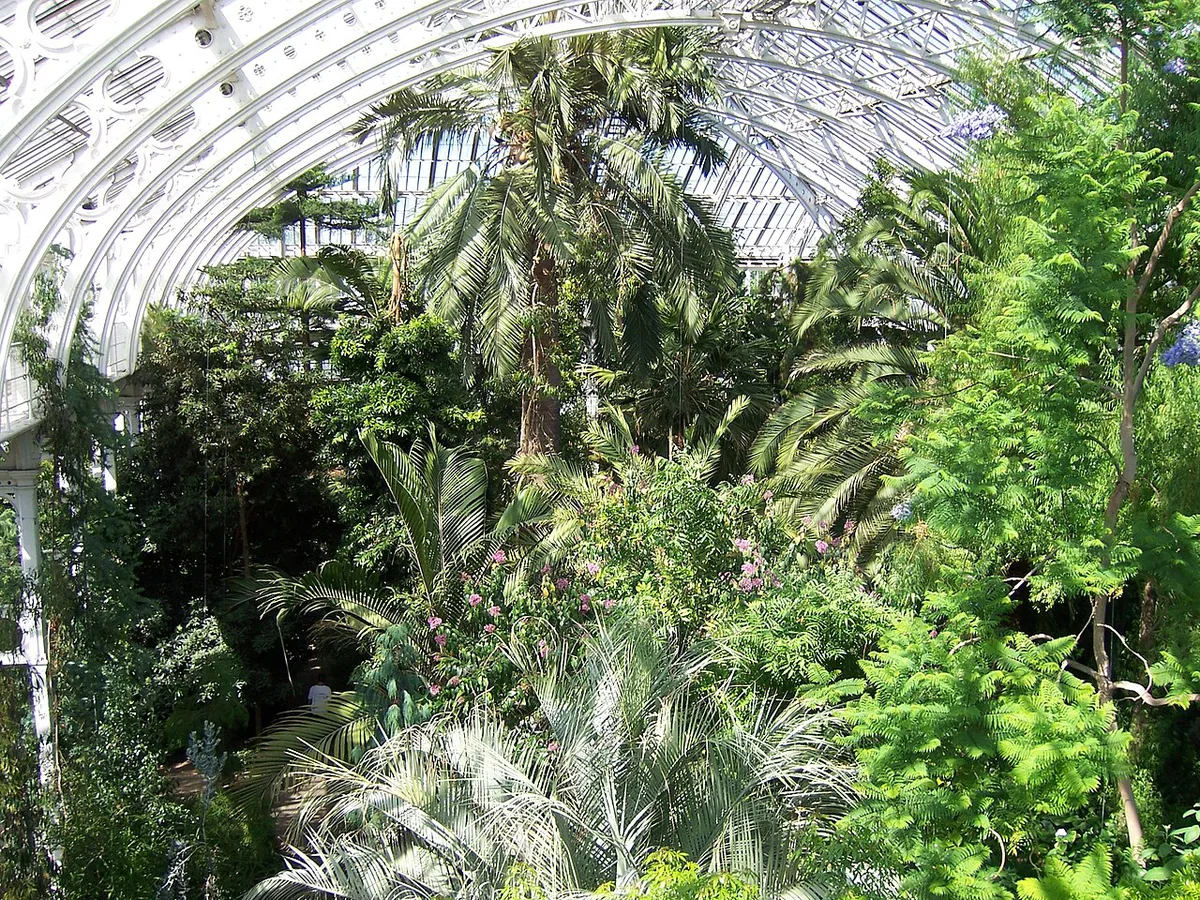
Kew’s more than 300 acres reward a plan, especially when autumn daylight is limited. Allow at least half a day for one colour area and one glasshouse. Begin in the Arboretum while your energy and the light are strongest. Continue through the Japanese Landscape, then use the lake if conditions are still calm enough for reflections.
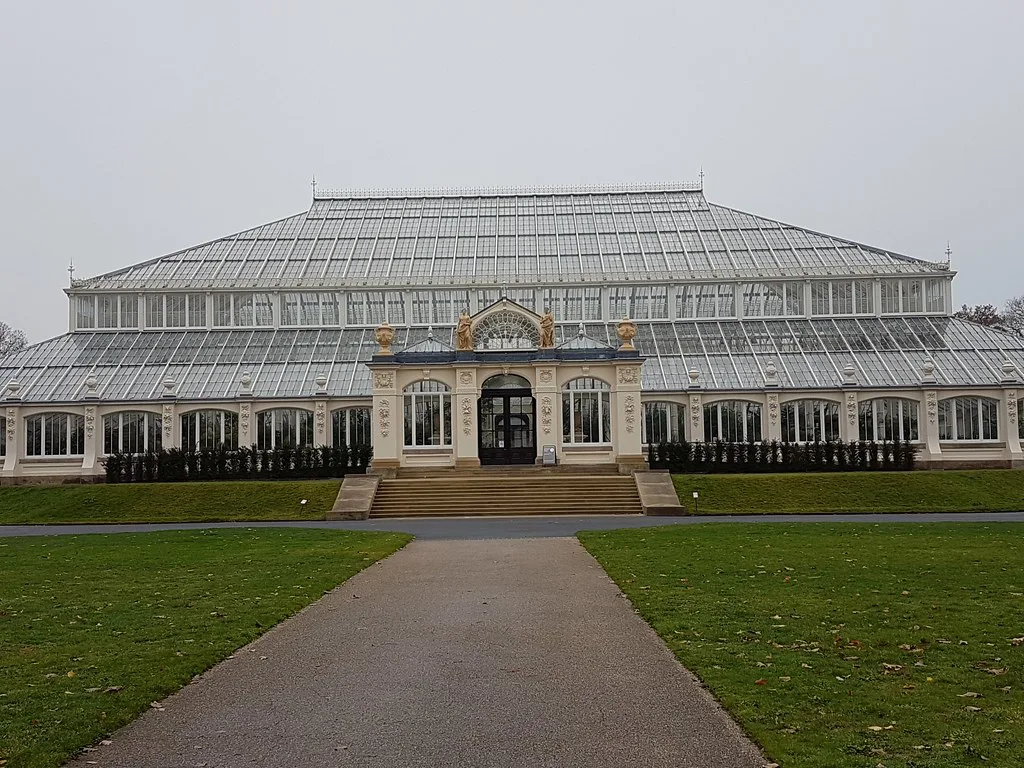
Keep the Temperate House as your weather buffer. It is the best place to switch to when rain starts or wind makes the Treetop Walkway less appealing. On a late-October day, temperatures can fall from about 16°C (61°F) around midday to roughly 8°C (46°F) near dusk. Carry a light waterproof layer and avoid saving every outdoor stop for the end.
- Dry conditions: Arboretum, Japanese Landscape and lake.
- Showers or strong wind: Temperate House first, then a shorter tree walk.
- Limited time: choose either the Arboretum or Japanese Landscape, not both.
Bloom-season notes
Optional updates when we add or revise garden guides.
Continue reading
Guides on the same trip