5 Bluebell Woods Regions in the UK: Where, When and How to Visit
Plan a bluebell woods visit in the UK: when they flower, five regions to choose from, how to pick a wood, access tips and how to avoid trampling.
Last updated November 2026: bluebell woods across the UK start flowering from around mid-April, with a peak from late April into early May in much of England. Flowering comes earlier in the south and in warm springs, and later in the north and in cold ones. This guide sends you to five regional guides, then helps you choose a wood, avoid trampling and tell native bluebells from Spanish ones.
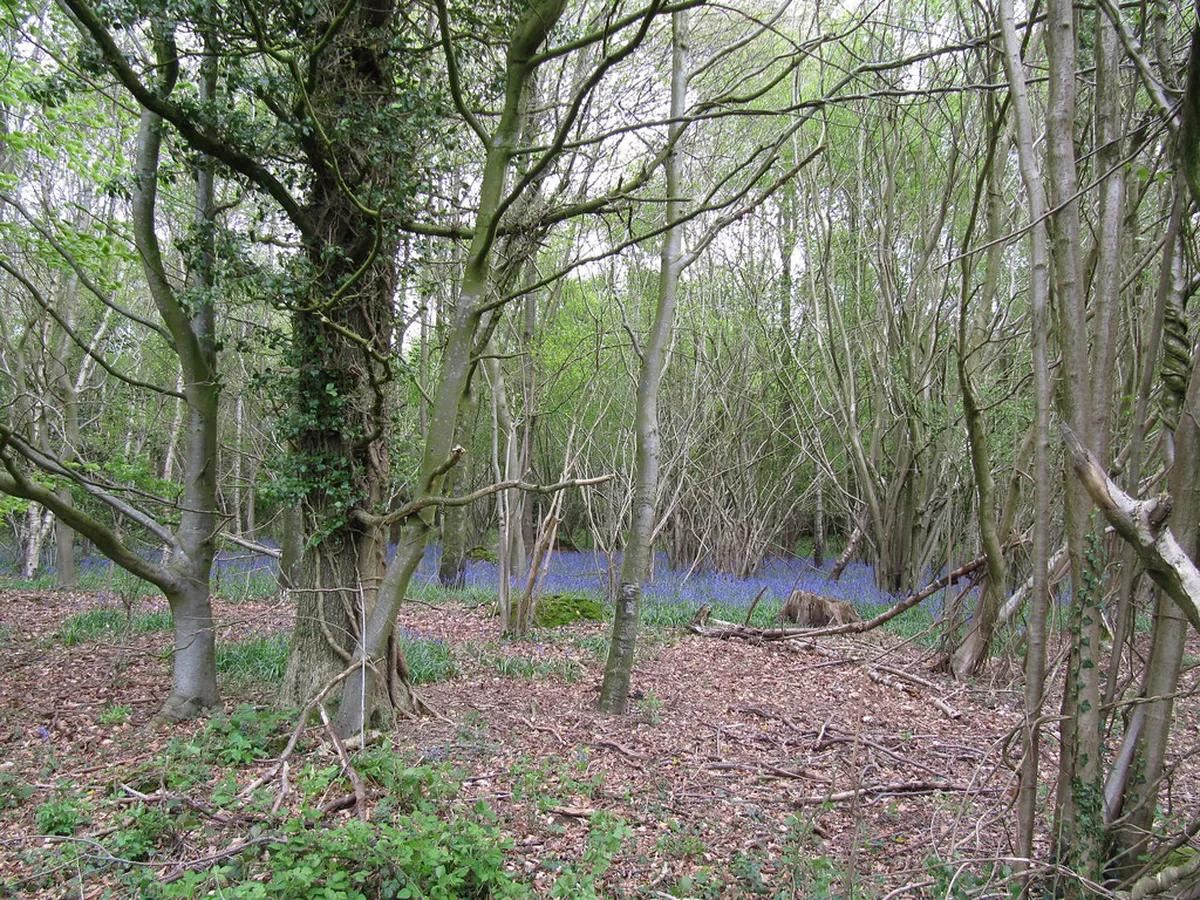
Featured image: wallygrom, CC BY-SA 2.0, via Flickr.
Quick answer: when and where to see bluebell woods
Aim for late April to early May in England, and check recent local reports before you set off. A warm March can bring flowers forward by one to two weeks, while a cold spell holds them back. Free open woodland suits flexible visitors who can go on a weekday morning. Paid estates and gardens often add paths, toilets and cafes, which helps families and anyone who wants a short stop. Scotland and the north generally flower later than the south-east, so the same trip can be stretched across several weeks.
When do bluebell woods flower?
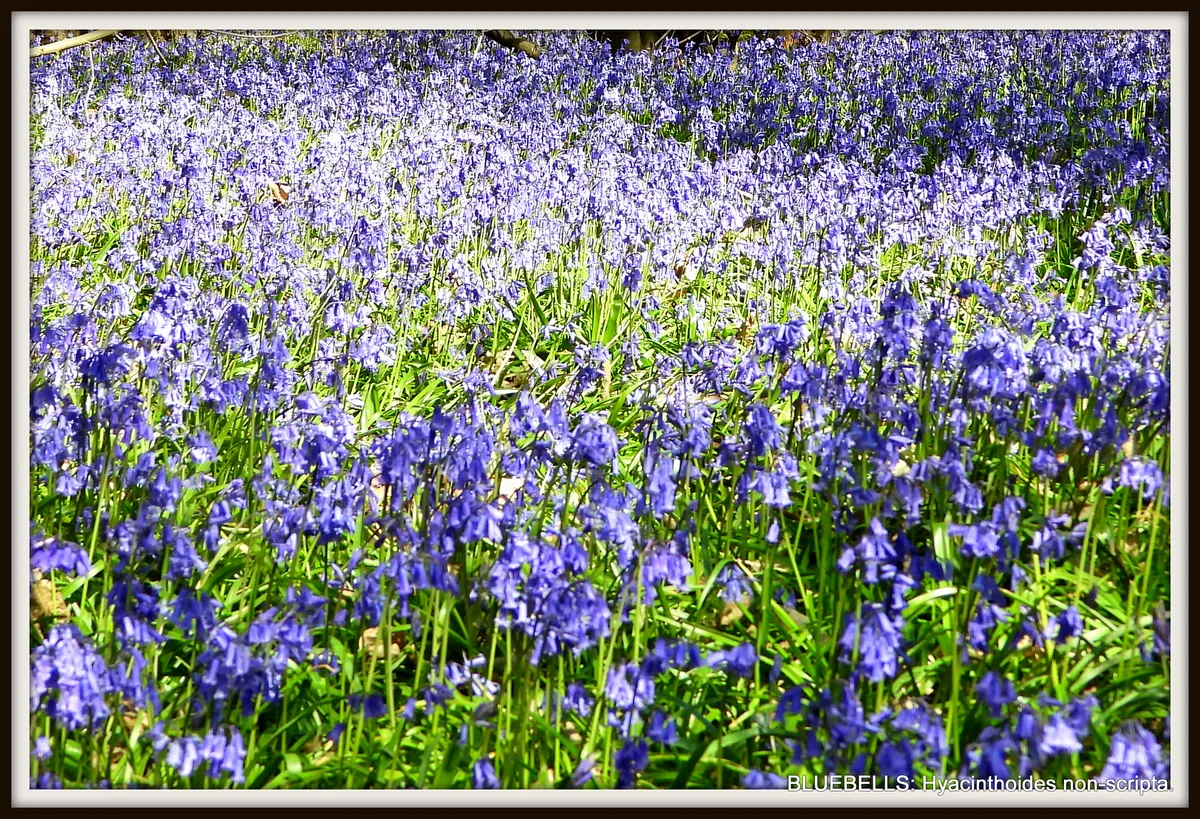
Bluebells flower in spring because the woodland floor gets most light before the tree canopy closes. The plant pushes up leaves in late winter, flowers from around mid-April, and finishes its growth before the trees shade it. Our guide to when bluebells flower goes deeper on year-to-year shifts. Each wood also differs with its aspect and shade, so a south-facing slope can peak days before a shaded valley nearby.
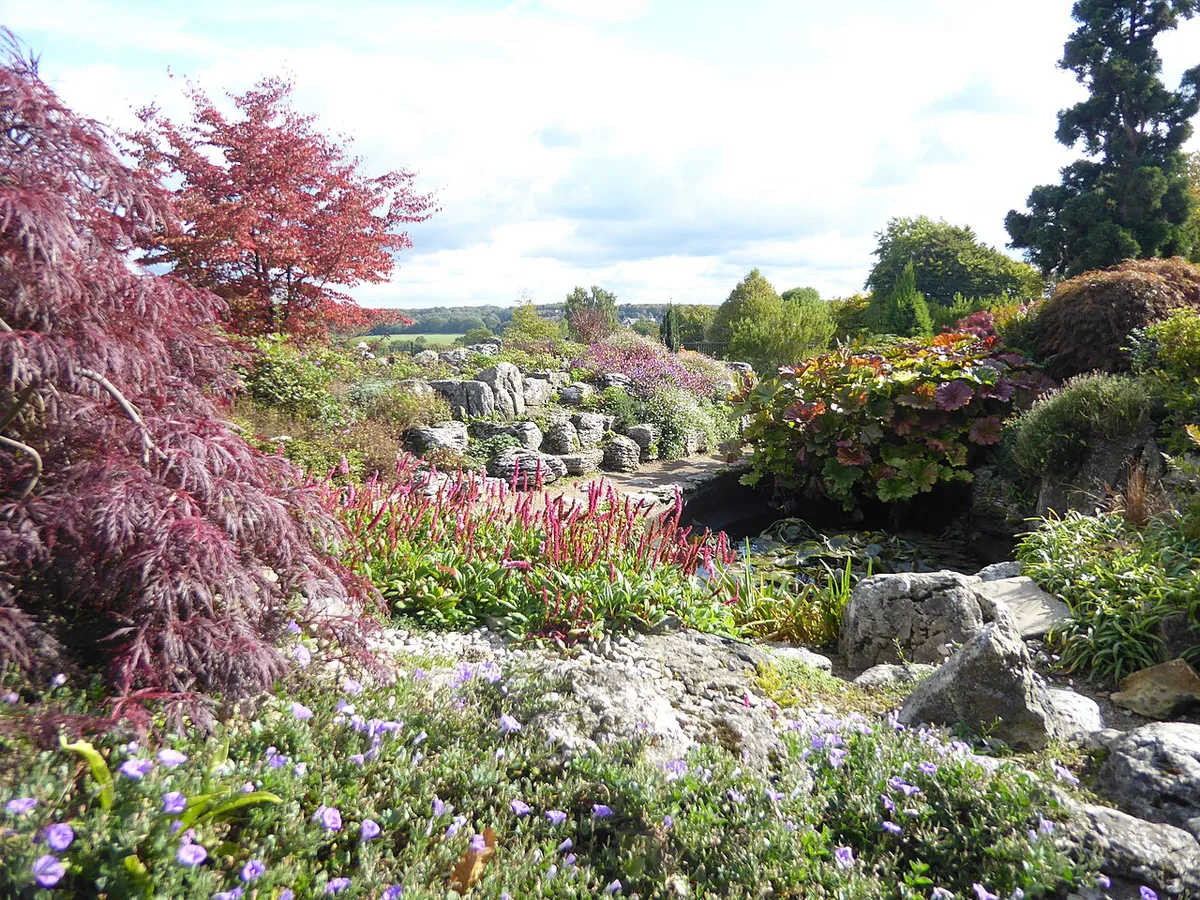
Shift the peak window earlier by 1–2 weeks after a warm March, and expect northern and Scottish woods to flower later than the south.
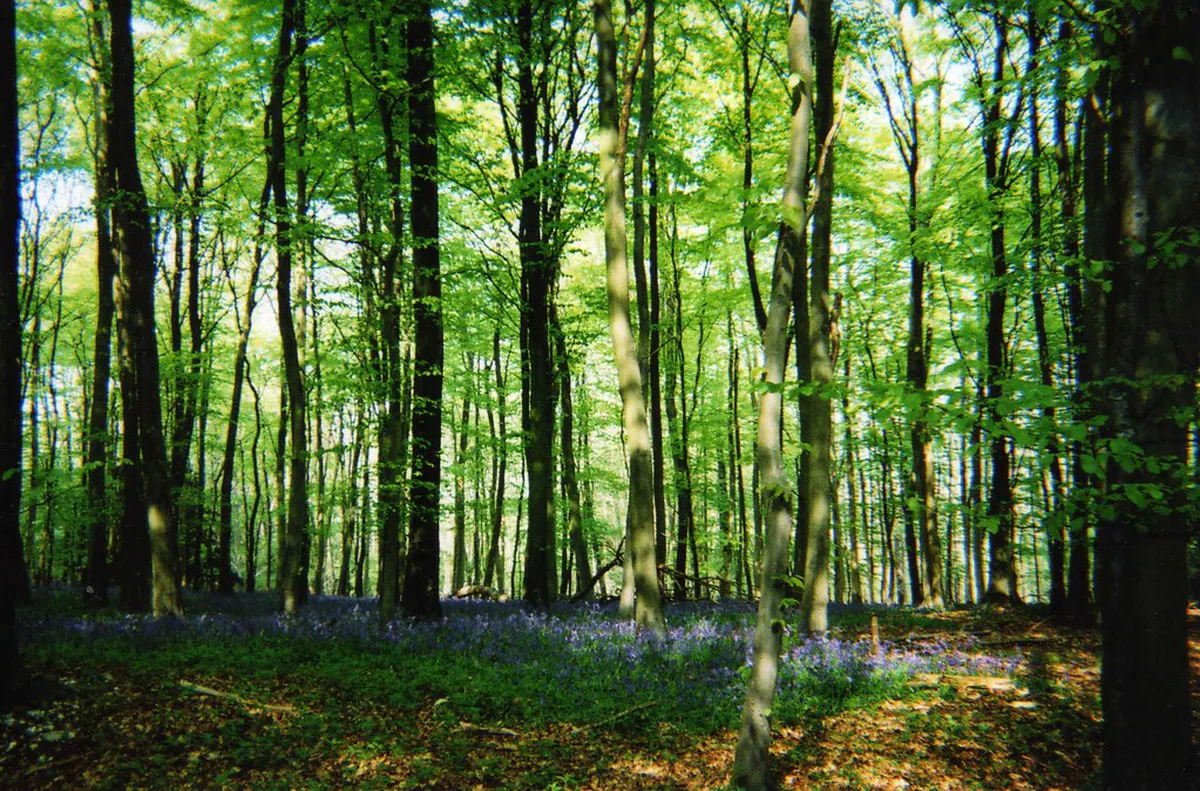
- Early bloom: mid-April
- First flowers show among thick green leaves, and the carpet looks patchy.
- Go if you want quiet paths and are happy with a partial display.
- Peak: late April into early May
- Flowers cover the ground and the scent is strongest on a warm, still morning.
- Weekends are busiest, so choose a weekday morning if you can.
- Going over: from mid-May
- Petals fade and seed heads form, while the tree canopy closes overhead.
- Leaves die back by midsummer, so a late trip may show only foliage.
5 Bluebell Woods Regions to Plan Around
Each region below is a short routing block, and the linked guide holds the detail. Fees and opening times change every season, so prices and hours checked November 2026 point you to each owner's own page rather than repeating figures here.
1. Near London
Woods within reach of the capital suit day trips by train or car, and they fill quickly on sunny April weekends. Epping Forest, run by the City of London, is a large public woodland to check for current spring news on its official Epping Forest page.
Our Bluebell Woods Near London: Best Day Trips by Train & Car guide covers the closer options. Skip this region if you want solitude, because the nearest woods draw the largest crowds.
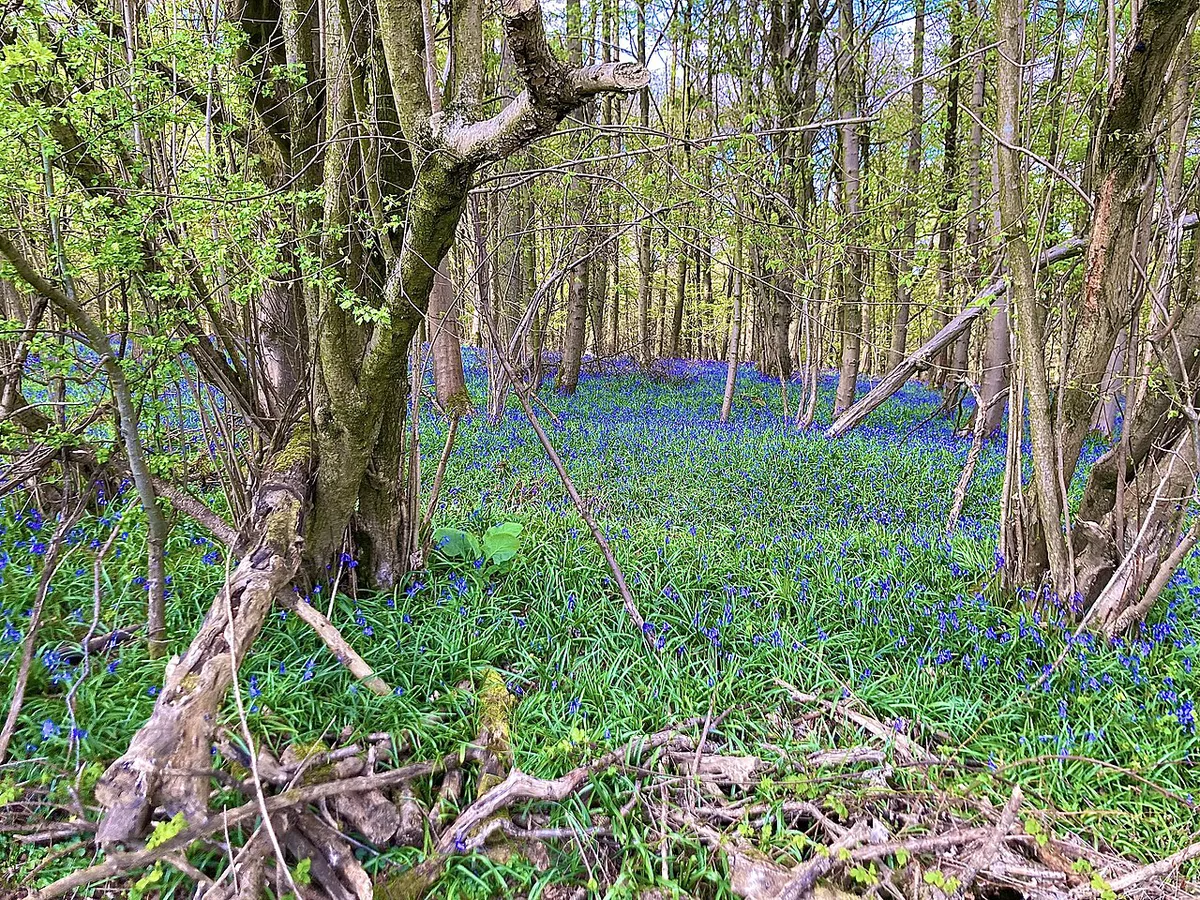
2. Kent
Kent mixes free woodland with paid garden displays, so you can match the trip to your budget. Hole Park Gardens in Kent is a paid estate option, and its own site at Hole Park Gardens is the place for opening dates.
Read Bluebell Woods in Kent: Where to Go, When & How for woodland and garden choices side by side. Skip the paid gardens if you plan an early-morning walk with a dog, since dog rules differ from site to site.
3. Sussex
Sussex gives you ancient-woodland walking close to the south coast, where flowering tends to start early. That early start makes it a good first stop of the season, when northern woods are still in leaf only.
Our guide to Bluebell Woods in Sussex: Best Places, Timing & Access lists where to start. Skip it late in the season, because the south is usually past its best by mid-May.
4. Cotswolds
Cotswold beech and mixed woods can give open, even carpets, and the valleys suit a walk with a bluebell stop built in. Walking routes and landscape information are on the Cotswolds National Landscape site.
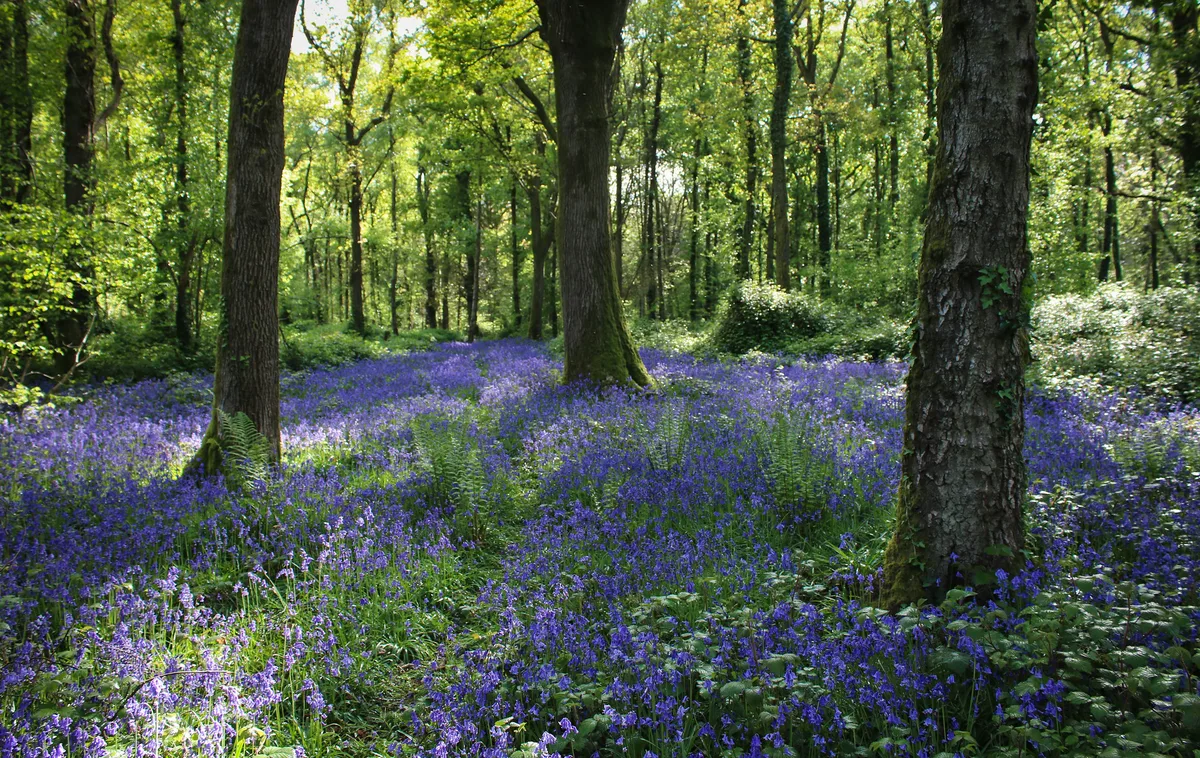
See Bluebell Walks in the Cotswolds: Best Woods & Timing for route ideas. Skip it if you rely on public transport, since village woods are easier by car.
5. Scotland
Scotland flowers later than England, so it extends your season into May. General trip planning is on VisitScotland.
Start with Bluebells in Scotland: Where, When & What to Look For to choose a wood. Skip it if you have only an early-April window, because flowers will not be out yet.
How to choose a bluebell wood
Match the type of site to what you need on the day. Named woods are covered in the regional guides, so this table compares site types.
| Site type | Crowds | Cost | Best for |
|---|---|---|---|
| Free open woodland | Quiet on weekday mornings, busy on sunny weekends | Usually free to walk | Flexible walkers and dog owners |
| Paid estate or garden display | Managed visitor numbers | Entry fee, set by the owner | Families, buggies and short stops |
| Nature reserve | Usually calmer, with fewer facilities | Often free, with donations welcome | Wildlife and quiet walks |
| Northern or Scottish wood | Often quieter, later flowering | Varies by owner | Extending the season into May |
Costs, parking and access
Free woodland and paid gardens differ most on facilities, and car parks at small woods can fill early. Check the National Trust bluebell pages for its sites. Woodland Trust sites are listed on the Woodland Trust bluebell page.
Light, weather and photography
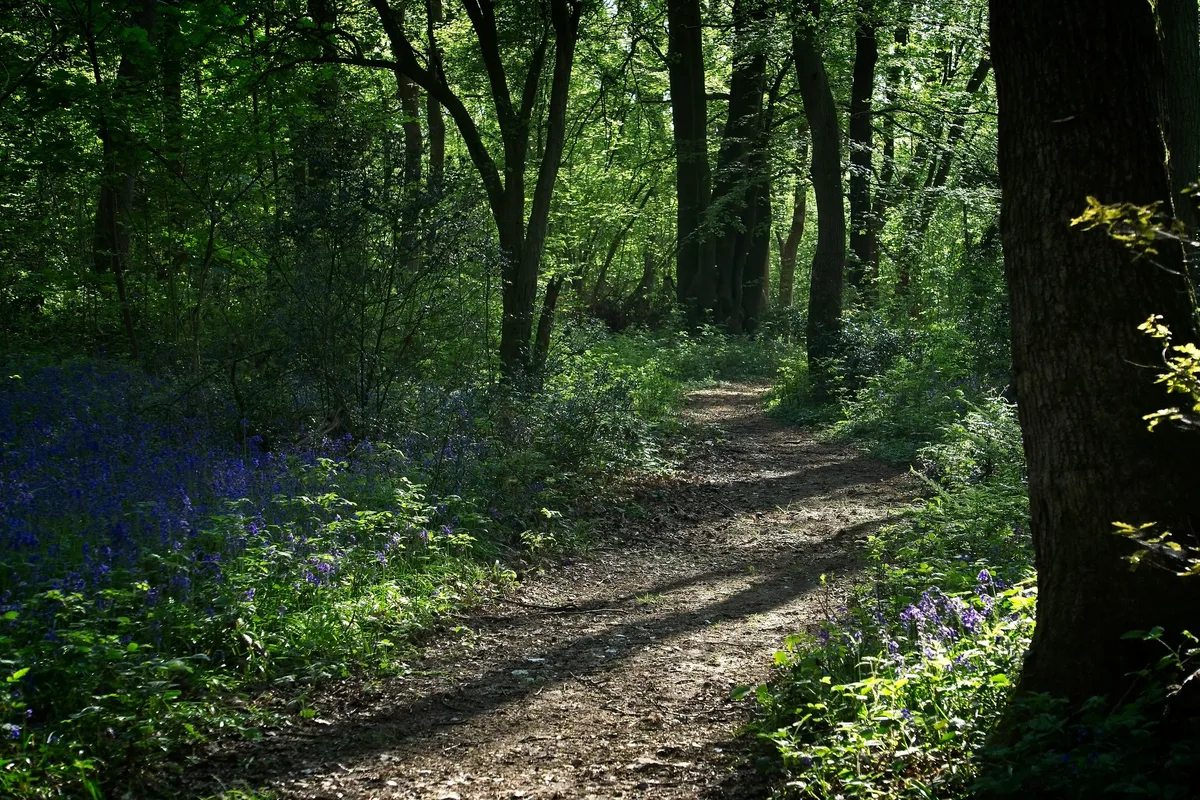
Bright sun makes bluebells look washed-out and patchy. Soft light under thin cloud, or early and late in the day, brings out the blue. A wood in the hour after rain, with leaves still dark and wet, can be at its most intense. Wood anemones, early purple orchids, wild garlic and yellow archangel often flower alongside. Use a longer lens or a lower angle instead of walking into the flowers.
Native or Spanish bluebells
The native bluebell, Hyacinthoides non-scripta, hybridises with the garden-escaped Spanish bluebell, Hyacinthoides hispanica. Our guide to English versus Spanish bluebells goes deeper. This quick checklist covers the main traits.
- Native
- Stems droop at the top, with flowers hanging mostly on one side.
- Flowers are narrow, deep violet-blue tubes with curled-back tips, cream pollen and a sweeter scent.
- Spanish
- Stems stand more upright, with flowers all round the stem and wider bells.
- Pollen is usually blue, and hybrids show a mix of both sets of traits.
Why bluebells matter: ancient woodland and trampling
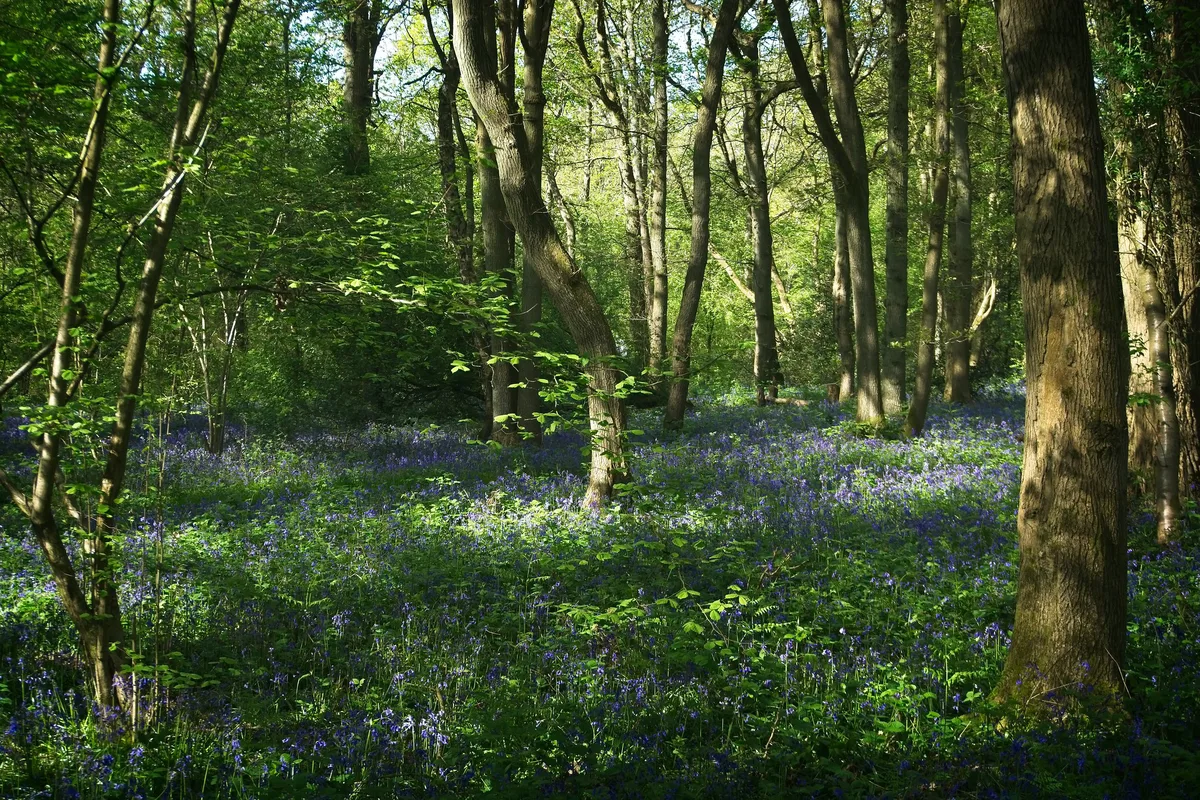
Dense bluebell carpets often mark woods with a long, unbroken history, and the plant is used as one indicator of ancient woodland. A bluebell's leaves are its whole year's food supply, so a crushed leaf weakens the bulb. Repeated trampling over several springs thins a carpet, and recovery takes years. Native bluebells are protected by law, and taking them from the wild is an offence. Stay on established paths, keep dogs on a short lead and never pick or dig up flowers.
Mistakes to avoid
Most spoiled bluebell trips come down to a handful of avoidable errors.
- Stepping off the path for a photo
- One desire line through the flowers widens quickly into bare earth.
- Arriving at midday on a sunny weekend
- Car parks fill and the light is harshest, so go early on a weekday.
- Trusting last year's dates
- Flowering shifts with the weather, so look for recent reports from the owner.
- Assuming every bluebell wood has parking
- Small woods may have limited spaces, no signal and muddy ground, so wear sturdy footwear.
More spring flower trips
Bluebells follow earlier spring displays. Early in the year, Snowdrop Gardens UK: Where to Go, When & How to Plan open first. Later come wild daffodil sites. For a trip abroad, Bluebells in Europe: Where & When to See Them covers woods outside the UK.
How to check whether bluebells are at their best
Check the woodland owner’s latest website update or social post a day or two before travelling. Recent visitor photographs can help too, but compare their date with the current weather. A warm March can move flowering forward by 1–2 weeks, so last year’s peak date is only a guide.
If you visit from mid-April, expect leaves and scattered flowers at many woods. This can still be a rewarding, quieter walk. If flowers are fading from mid-May, choose a shadier or more northern wood, where the display may last longer.
Go on a weekday morning when possible. It gives you a better chance of parking and softer light for photographs. If a small car park is full, do not leave a car where it blocks access. Have a second nearby walk or garden in mind before setting out. For a wider spring trip, our guide to cherry blossom season in Europe covers the trees that flower in the same weeks.
Frequently Asked Questions
Do bluebells grow back every year?
Yes. Bluebells grow from bulbs, and the leaves die back by midsummer while the bulbs rest underground. They flower again the following spring, provided their leaves have not been trampled.
What flowers are often mistaken for bluebells?
The Spanish bluebell is the most common lookalike, and it hybridises with the native plant. Check for drooping stems, one-sided flowers and cream pollen to spot a native.
Are bluebells out yet in 2026?
The 2026 season is over. Expect first flowers from around mid-April 2027, with a peak in late April and early May across much of England.
Explore More Guides
Keep planning your trip with these guides.
Guides
- When Do Bluebells Bloom in the UK? Best Time to Visit
- Bluebell Woods Near London: Best Day Trips by Train & Car
- Bluebell Walks in the Cotswolds: Best Woods & Timing
- Bluebells in Scotland: Where, When & What to Look For
- Bluebell Woods in Kent: Where to Go, When & How
- Bluebell Woods in Sussex: Best Places, Timing & Access
- English vs Spanish Bluebells: How to Tell the Difference
- Bluebells in Europe: Where & When to See Them
- Snowdrop Gardens UK
- Wild Daffodils UK
Bloom-season notes
Optional updates when we add or revise garden guides.
Continue reading
Guides on the same trip