Snowdrop Gardens UK: Where to Go, When & How to Plan
Planning a snowdrop garden visit? See when snowdrops peak, which garden types suit you, how booking and costs work, and what to check first.
Last updated November 2026: snowdrop gardens in the UK typically peak from late January to early March. Many small private gardens open on only one or two set days through the National Garden Scheme Snowdrop Festival, with current dates listed at ngs.org.uk/snowdrops. It is late November now, so you have time to choose a garden type and a county before the winter listings fill up.
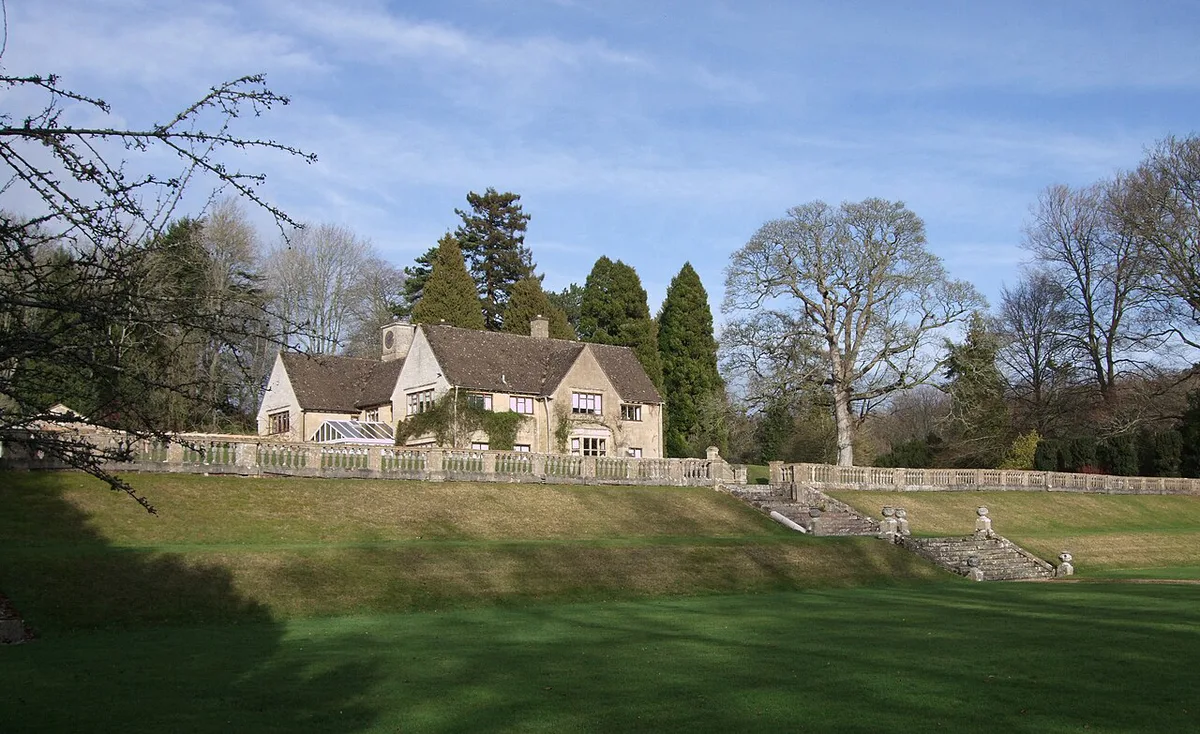
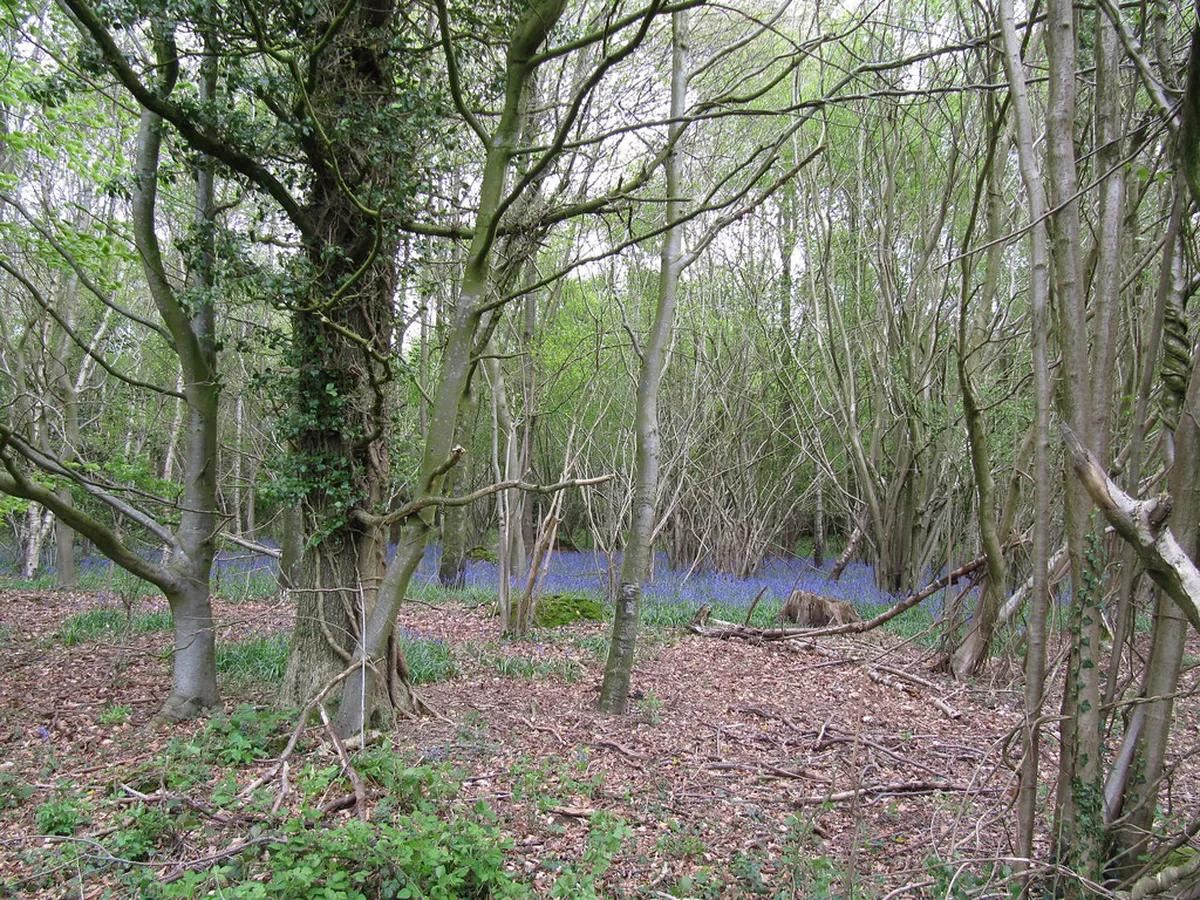
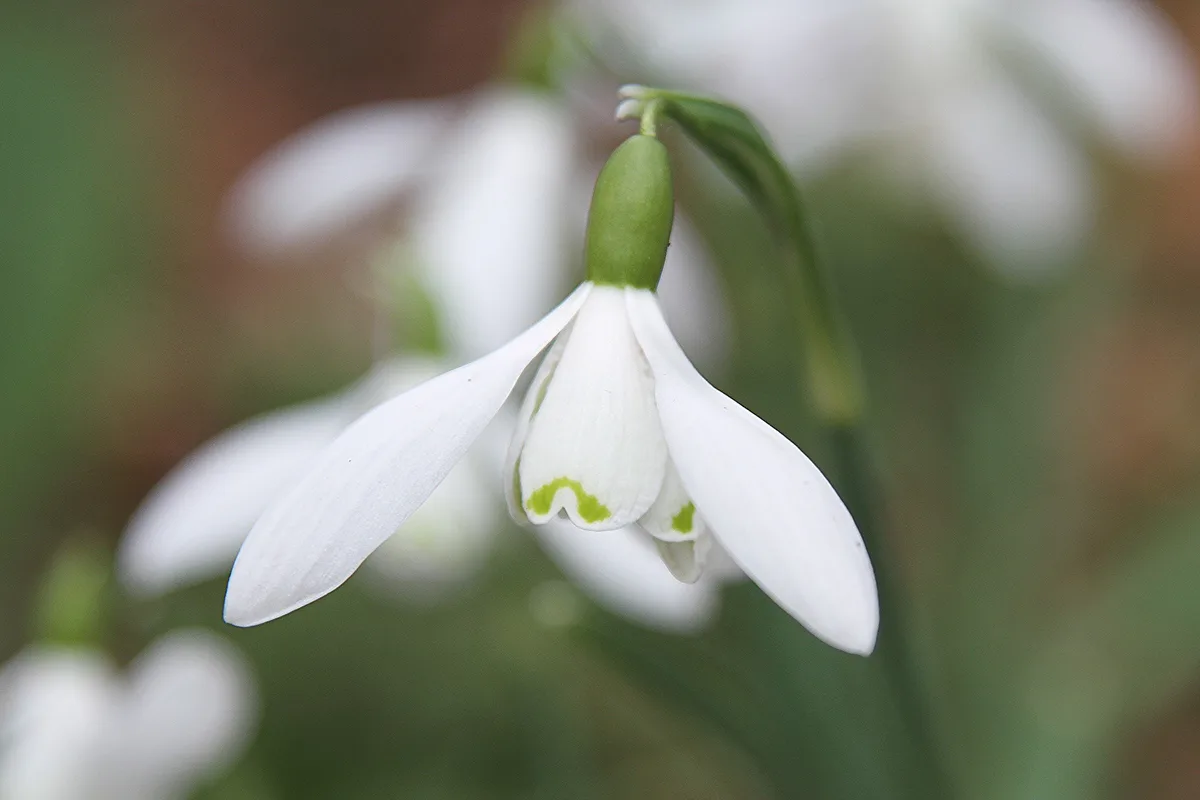
Featured image: cvtperson, CC BY-SA 2.0, via Flickr.
When to see snowdrops in UK gardens
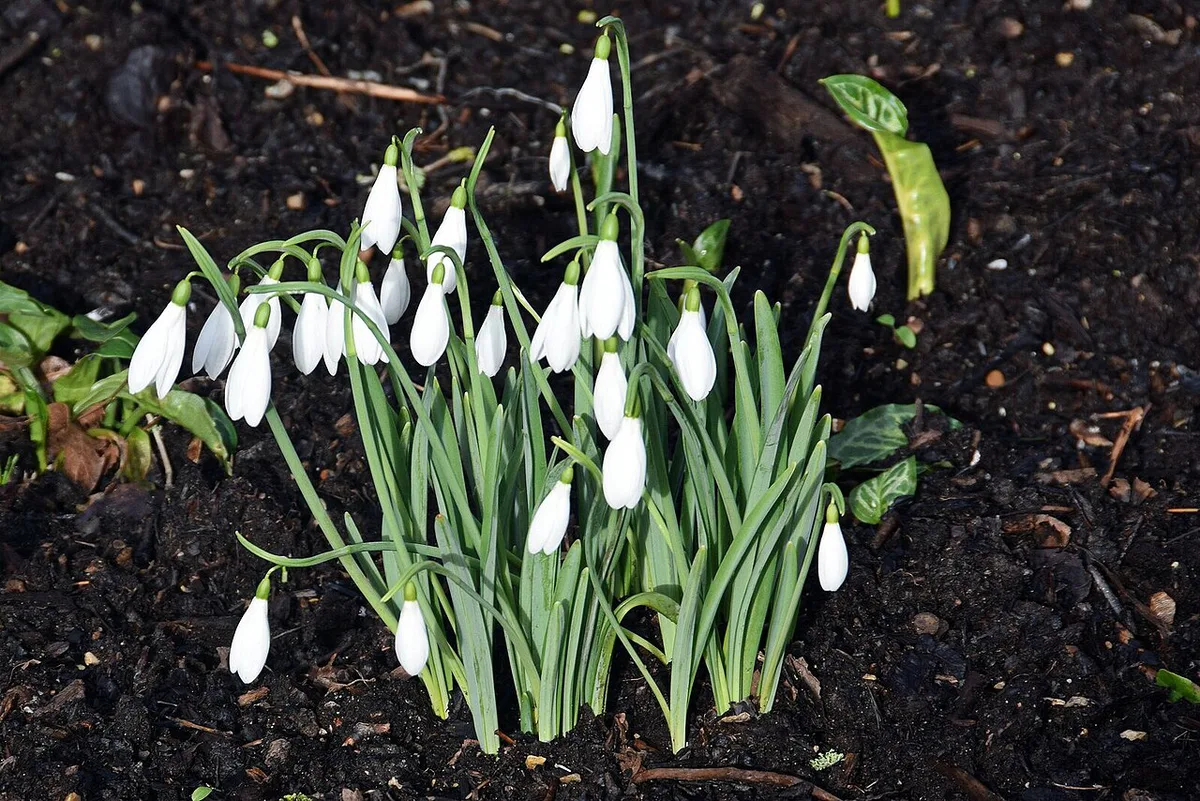
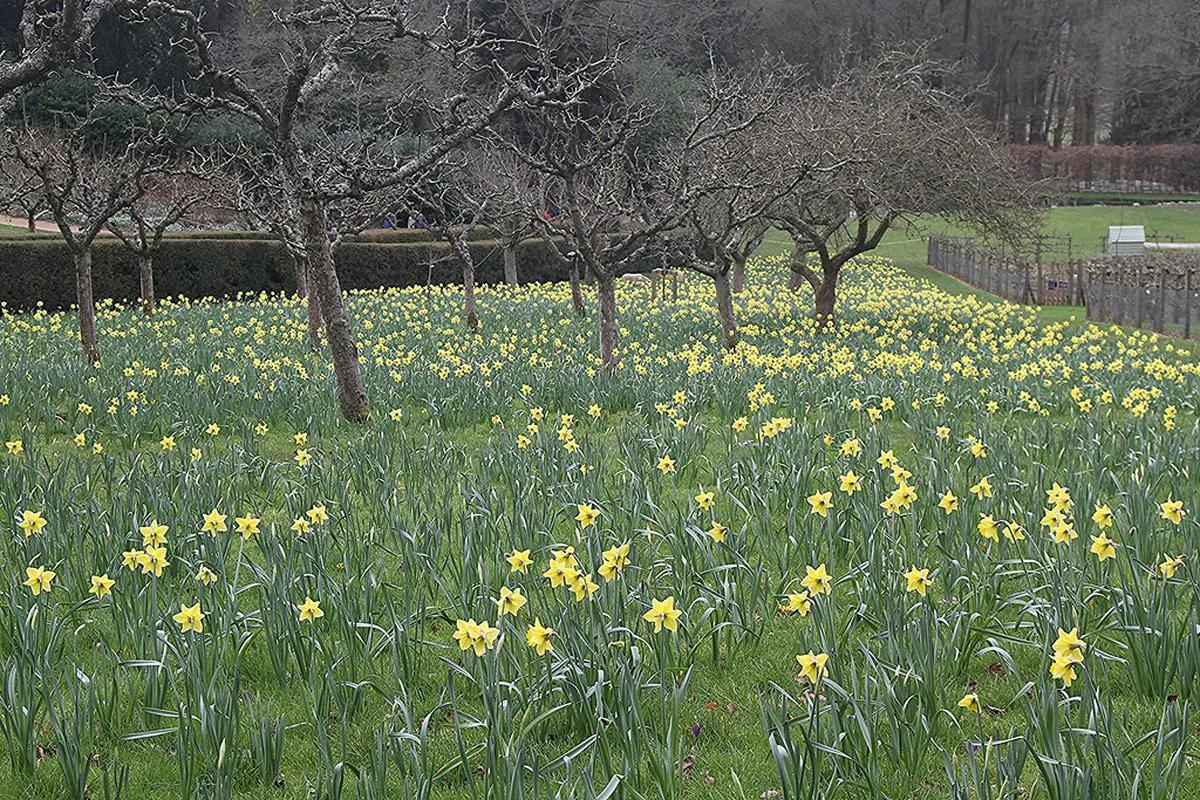
Late January to early March is the usual window. A mild winter can bring flowers forward, while a cold spell holds them back. Gardens in the south and west are often earlier than those further north, though each season differs. Gardens publish festival dates over the winter, so check the NGS list in early January and then each garden's own page. Opening days are the real limit, because peak flowering only helps if the gate is open. Snowdrops also lead into the rest of the spring flower year. Daffodils follow in wild daffodil displays, and the next big woodland event is bluebell season.
Types of snowdrop gardens and who each suits
Garden type matters more than region when you are choosing. Pick the type that fits your group, then look for the nearest example on the NGS list.
| Type | What you see | Best for | Trade-off |
|---|---|---|---|
| Small private village garden | Snowdrops among borders, pots and paths | Casual walkers, photographers | Short visit; one or two open days |
| Country-house parkland | Drifts spread under mature trees | Families, mixed-ability groups | Larger site; can be a long walk on soft ground |
| Naturalised woodland garden | Carpets of white under bare trees | Photographers, walkers | Muddy paths; light fades early |
| Collector's garden with a nursery | Many named varieties labelled for study | Galanthophiles | Less of a landscape; often busy with specialists |
| Garden open by arrangement | Private garden shown to small groups | Groups and enthusiasts | You must contact the owner and agree a date |
Example snowdrop gardens to anchor your search
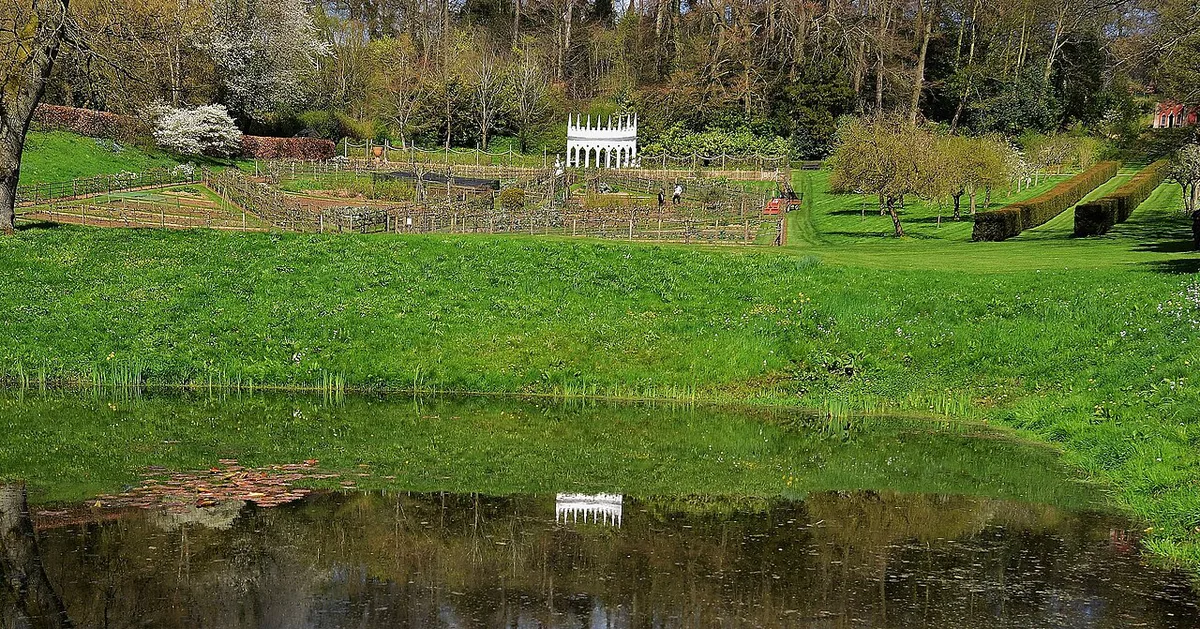
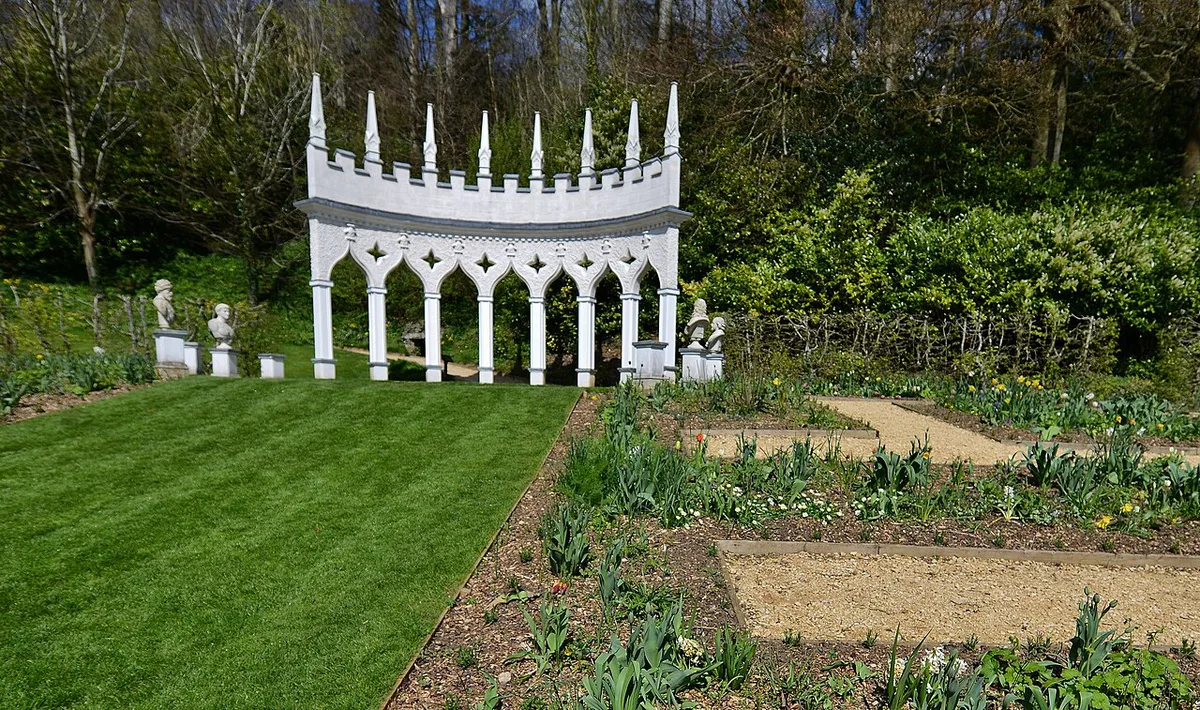
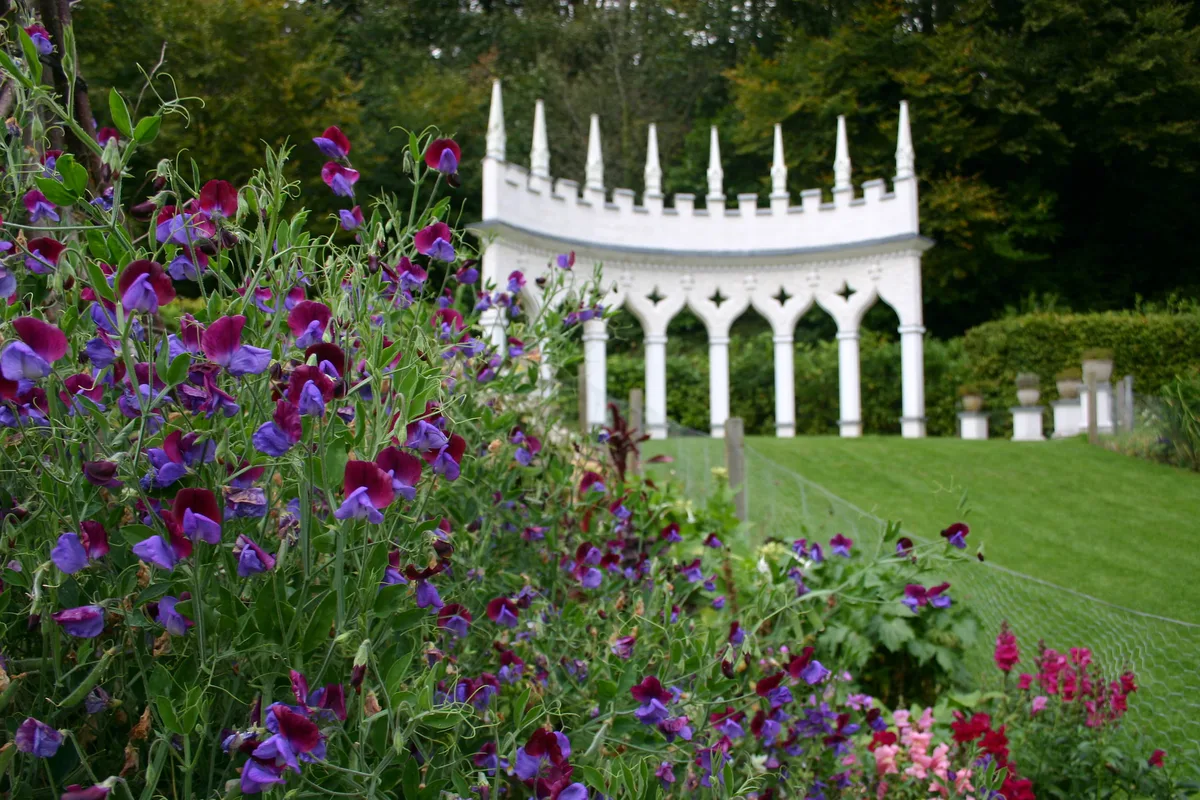
Several gardens publish their own snowdrop seasons on their websites. These include Colesbourne Park, Painswick Rococo Garden, Hodsock Priory, Lacock Abbey and Anglesey Abbey's gardens. A 2020 Telegraph article also named gardens across England and Wales for a regional spread. Treat the list below as a starting point, because each garden's own page shows whether it still opens and when.
- Copton Ash, Kent: described as a garden for connoisseurs.
- Goodnestone Park and Doddington Place, Kent: both open for snowdrops, so they suit a one-county day.
- Slade, Vale of Glamorgan: snowdrops in drifts beneath trees, a mile from the sea.
- Tregoose, Cornwall: an early spring display.
- Higher Cherubeer, north Devon: described as one of the best collections.
- East Lambrook Manor, Somerset: snowdrops naturalised along stream banks.
- Bridge Farm House, near Selby: 150 named varieties.
- Summerdale House, south Cumbria: an adjoining nursery.
- Old Corn Mill, Herefordshire: a rural setting.
- Briarfield, Cheshire: snowdrops with aconites and cyclamen.
Costs, tickets and opening rules
NGS gardens normally charge an entry fee, and each garden sets its own amount. Read the fee, payment method and booking rules on ngs.org.uk or the garden's page before you leave. Some gardens open on one or two days only. Others are open by arrangement or for groups only, and the 2020 Telegraph piece noted one Carmarthenshire garden taking groups of 10 to 30. For by-arrangement visits, contact the owner well ahead and expect small groups. Dog policies and card payment vary per garden, so look for them on the listing.
Getting there and planning a day
Most small private gardens are rural, with limited parking and often no public transport. Driving is simplest. Rail plus a taxi works for gardens near a station, but book the return in advance. Pair two or three gardens in one county for a full day. In Kent, Goodnestone Park and Doddington Place can share a day, and Kent's bluebell woods make a good return trip in spring. Wear waterproof footwear, because paths are often muddy. Daylight is short in February and many gardens close by mid-afternoon. Mobility and wheelchair access differ between gardens, so check each listing.
Snowdrop garden mistakes to avoid
These errors cost visitors the most time.
- Assuming a garden is open because it was last year.
- Skipping the NGS listing for the exact date.
- Going at the wrong end of the season.
- Trying too many gardens in one day.
- Picking or digging wild snowdrops. Wild collection is regulated, so read the rules from an official body such as Plantlife first.
Growing snowdrops at home
A garden visit often leads to buying a few bulbs. Snowdrops are sold as dry bulbs in autumn and as plants "in the green" in late winter, just after flowering. The Royal Horticultural Society's guidance is the best check for planting depth and timing in the UK. Ignore US hardiness-zone advice, which does not apply here. When snowdrops fade, the next woodland show is the spring bluebell woodland season.
Bloom-season notes
Optional updates when we add or revise garden guides.
Continue reading
Guides on the same trip