Wild Daffodils UK: Where and When to See Them
Learn how to tell wild daffodils from garden ones, when they flower, and where to see them in UK woods and meadows, with visiting tips.
Last updated November 2026. Wild daffodils (Narcissus pseudonarcissus, the Lent lily) are the UK's native daffodil, and they flower in woodland and damp meadow in March and April. Most yellow trumpets on roadsides and in parks are planted or escaped garden varieties. This guide shows you how to spot the real thing and where to look.
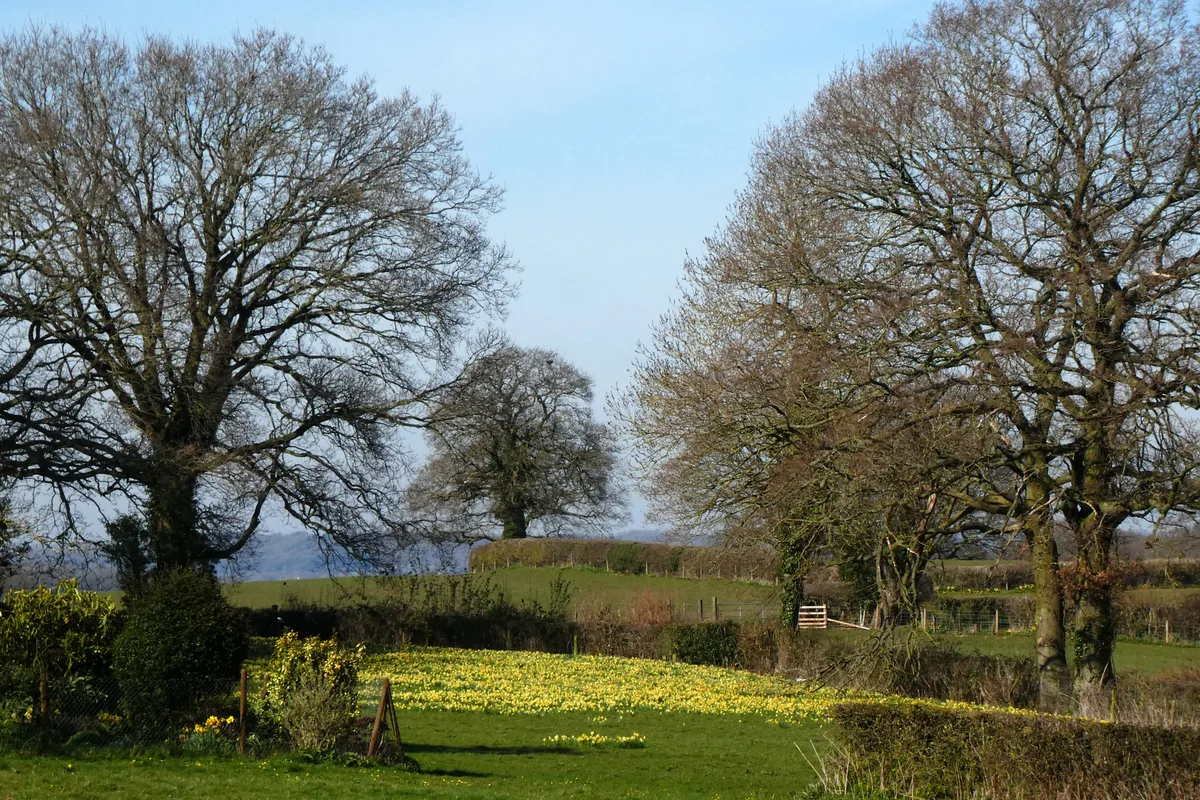
Featured image: westy48, CC BY-SA 2.0, via Flickr.
What Are Wild Daffodils?
Wild daffodils are the native species Narcissus pseudonarcissus, also called the Lent lily. They grow in ancient woodland and damp meadow, often in clumps that carpet the ground. Once abundant and picked by the bunch for markets, they declined during the 19th century through habitat loss and are now much rarer than the garden types. Patches still turn up across mainland Britain, but the best displays sit in a handful of regions. Bright yellow drifts beside a road or near houses are usually cultivars.
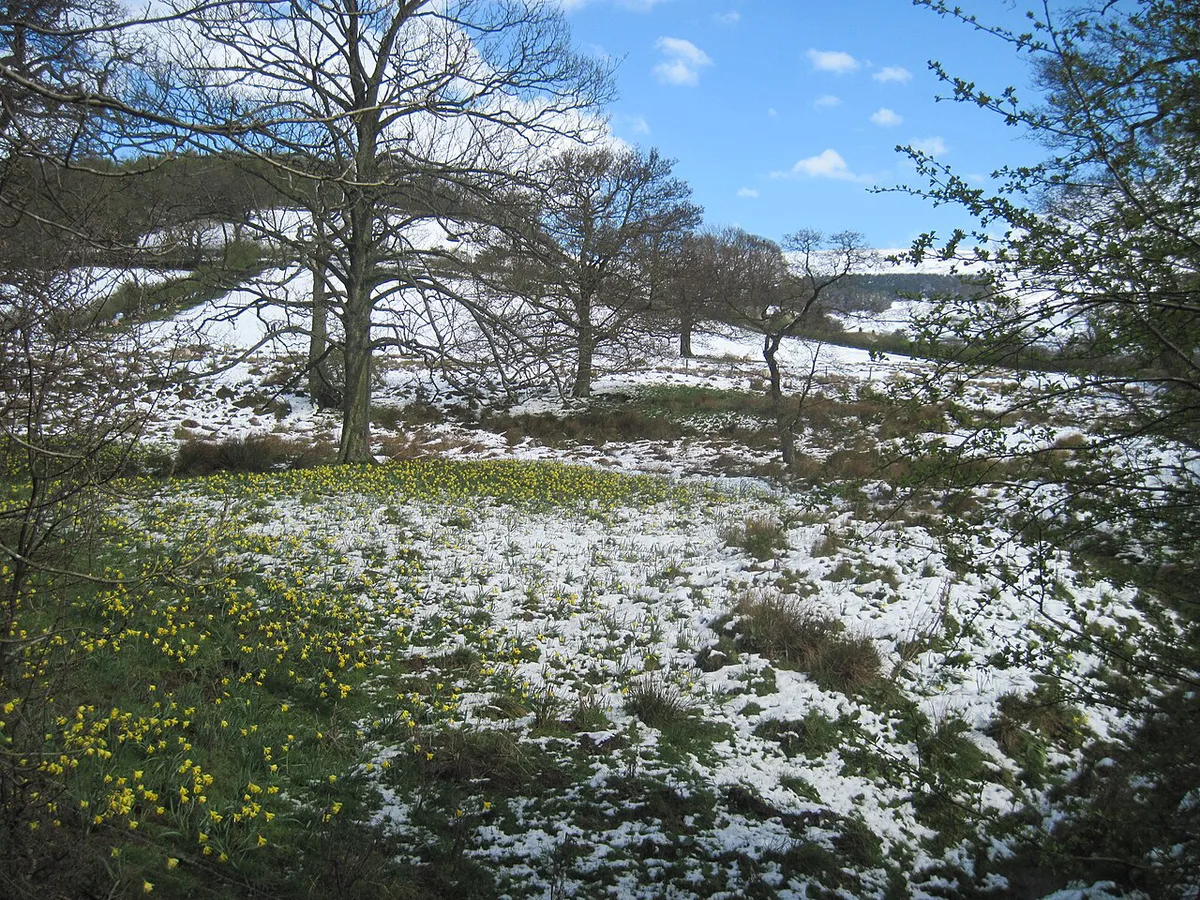
How to Tell Wild Daffodils From Garden Daffodils
A quick field check separates the native plant from its cultivated relatives. Wild plants stay short, reaching up to about 30 cm. Look for these features before you decide what you are seeing.
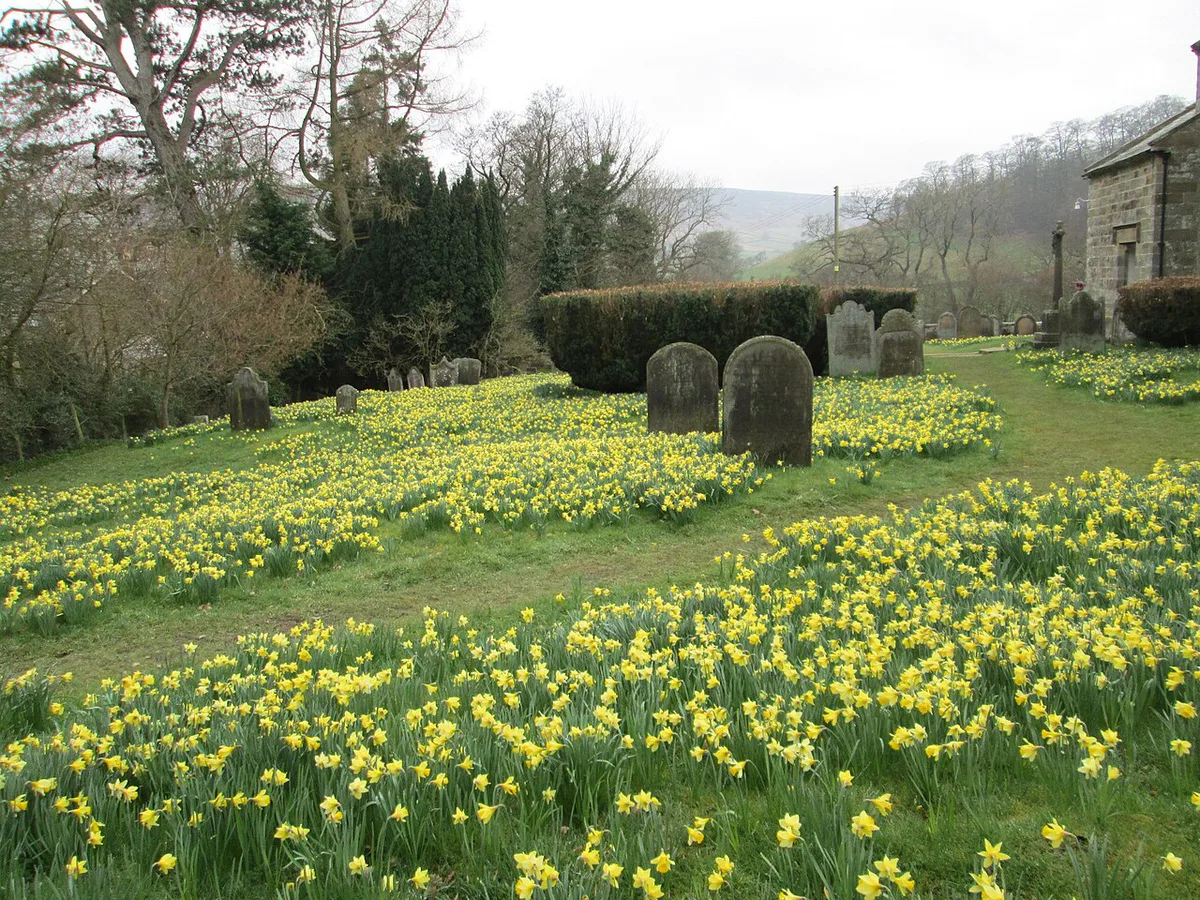
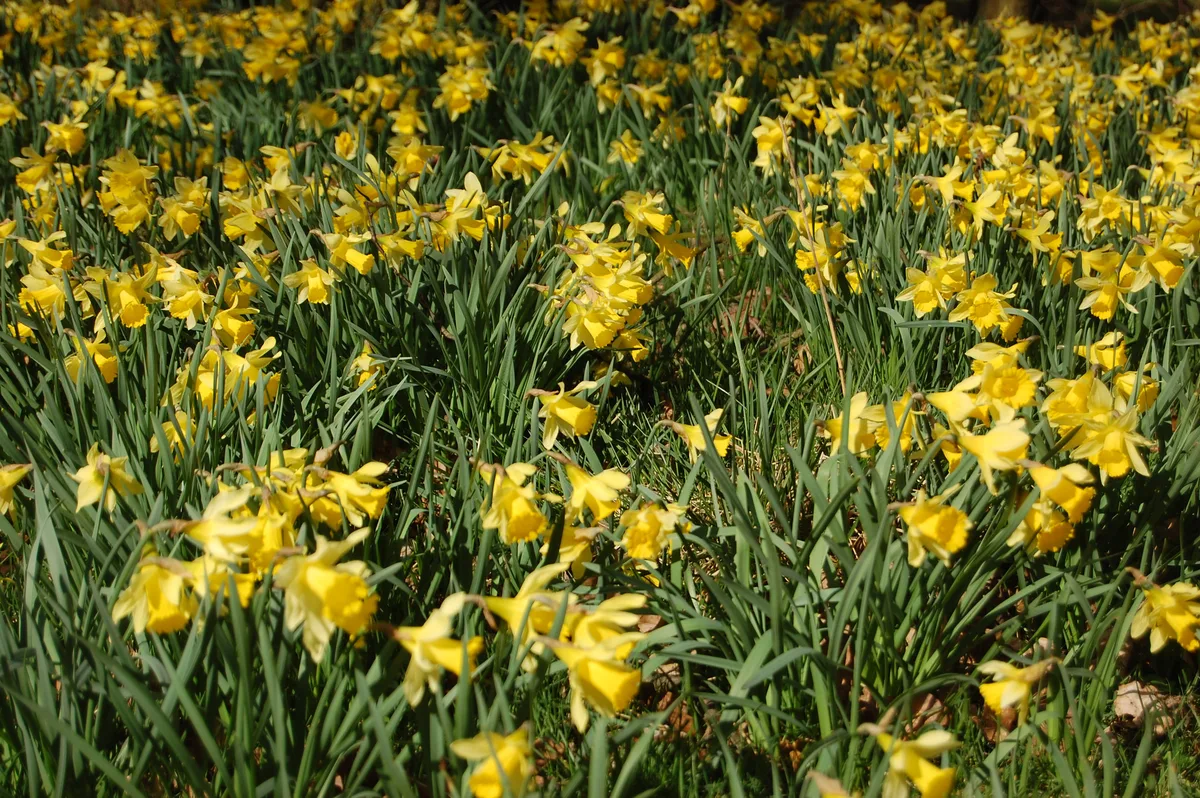
- Petals: pale yellow outer petals around a darker yellow trumpet, giving a two-tone look.
- Leaves: narrow and grey-green rather than broad and bright green.
- Habit: short, clumping plants that spread across the ground.
- Flower form: a single, nodding bloom. Double flowers and flat, single-tone bright yellow heads point to a garden variety.
- Setting: dappled shade in ancient woodland or damp grass suggests wild. Verges, lawns and plantings near houses suggest planted or escaped bulbs.
When Do Wild Daffodils Flower?
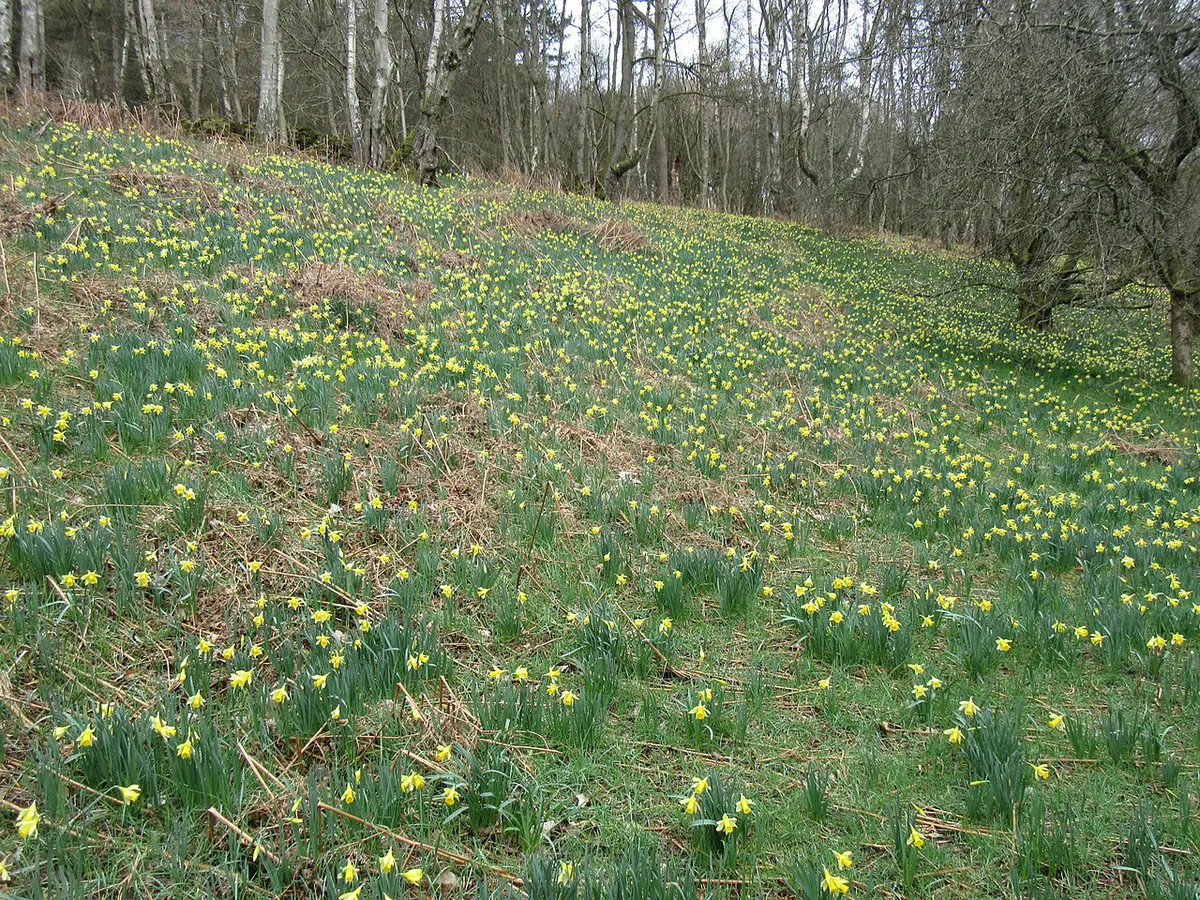
Wild daffodils flower from March to April. Timing shifts with latitude, altitude and the weather in any given year, so a southern site can peak before an upland one. Check the venue's own page or social feed for bloom updates in the week you plan to travel. If you arrive late, the petals may have faded, so keep a flexible date. Snowdrops come earlier and bluebells follow, so a missed daffodil week can be filled with a snowdrop garden visit earlier in the season.
Where to See Wild Daffodils in the UK
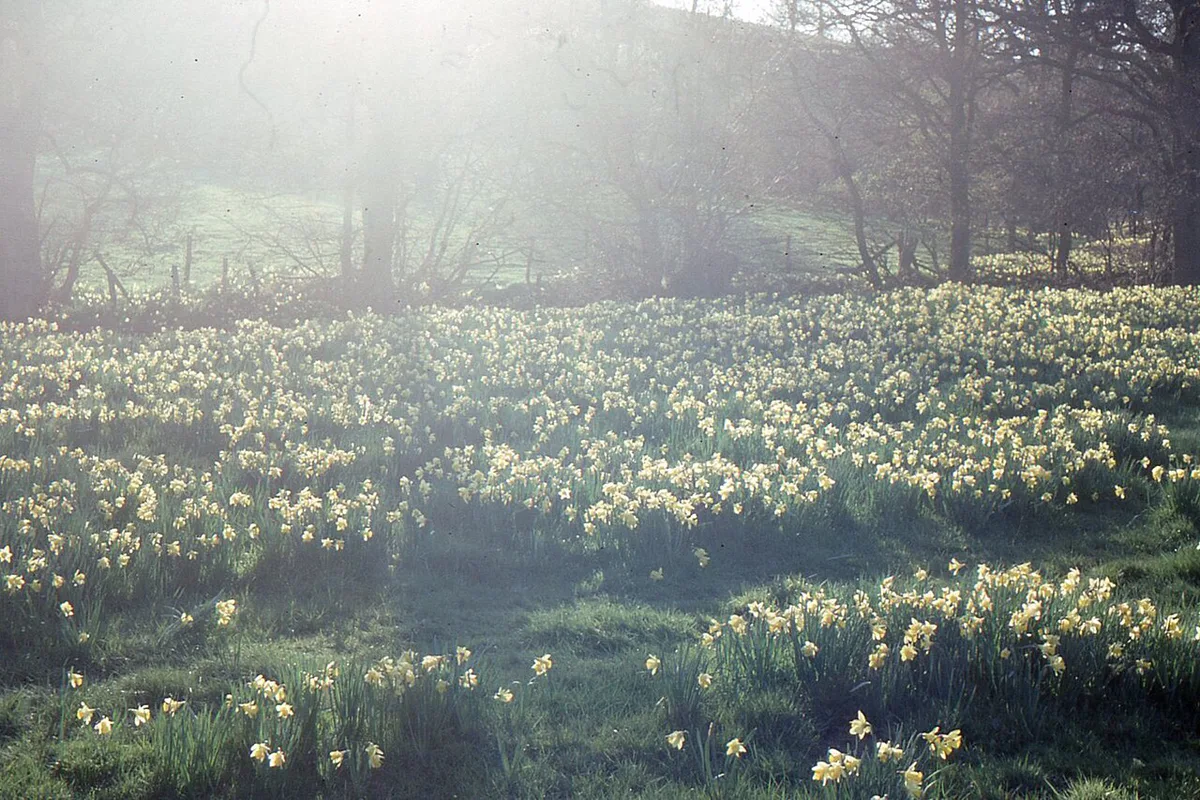
The strongest areas run from south-west England to the north. Two named displays are worth building a trip around. Farndale in the North York Moors holds the Farndale Daffodil Walk along the River Dove. Near Dymock in Gloucestershire, the Golden Triangle is a well-known daffodil area, and the Visit Herefordshire and Forest of Dean site is a starting point for local information. Other regions with wild populations are listed below.
- South Devon: wild populations in woodland and meadow.
- Black Mountains, Wales: upland sites, so expect later flowering and wetter ground.
- Lake District, Cumbria: wild daffodils in the north-west.
- Gloucestershire–Herefordshire border: including the Dymock area.
- North York Moors: Farndale and the River Dove walk.
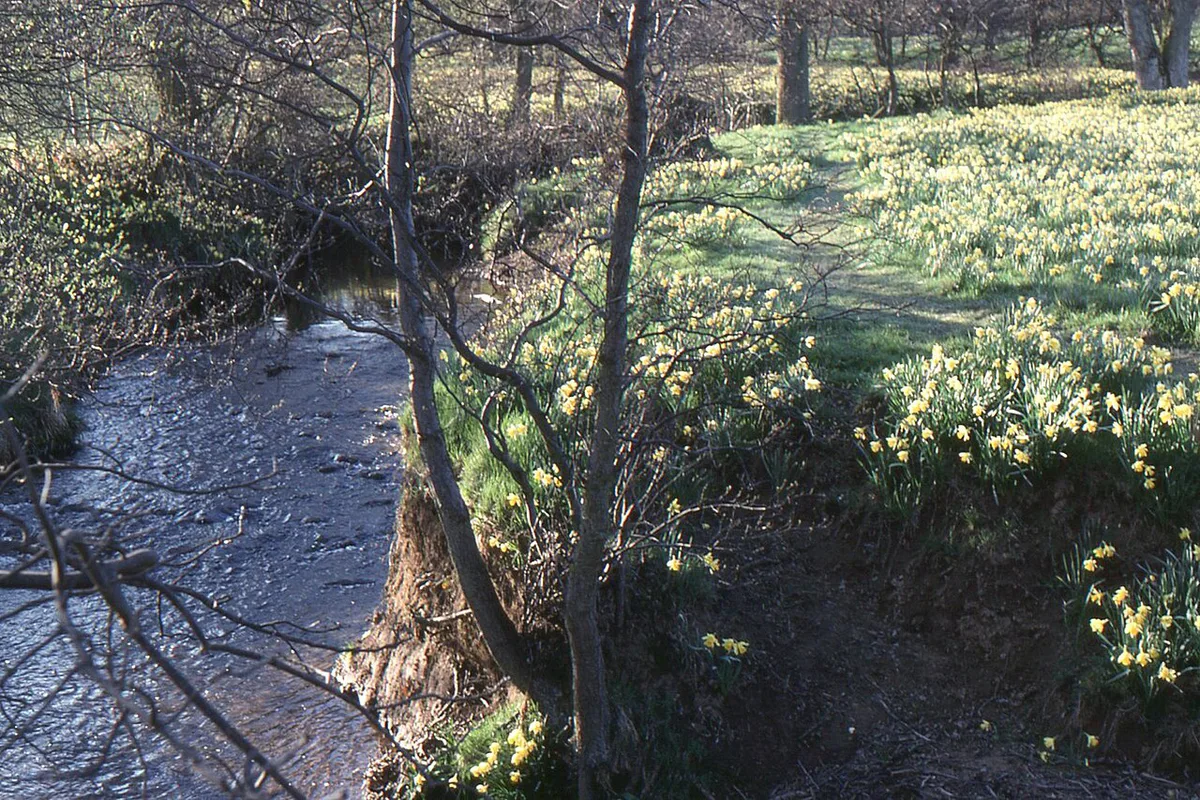
Wild Daffodil Habitats and Conservation Status
Knowing the habitat helps you pick the right site. Narcissus pseudonarcissus favours damp, lightly shaded ground with grass or leaf litter underfoot, and it rarely appears in dry, open or heavily managed land.
Where the plants grow
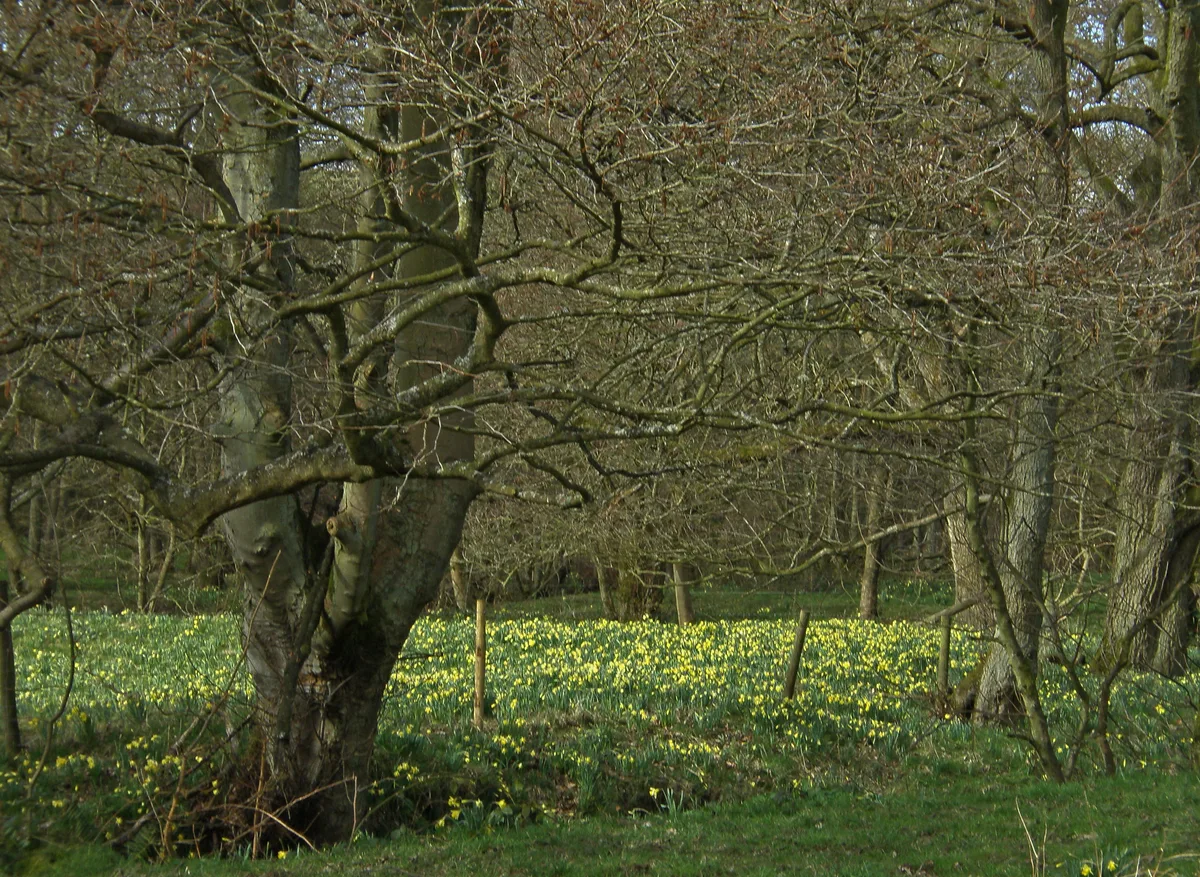
- Ancient and semi-natural woodland: clumps beneath deciduous trees, flowering before the canopy closes and blocks the light.
- Damp, unimproved meadow: traditional hay meadows and pasture that have not been ploughed or reseeded.
- Wood margins and old hedge banks: narrow strips beside lanes and stream valleys, where the soil stays moist.
Fertilised, reseeded or ploughed fields lose the plants, which is part of why the species is patchy today.
Conservation picture
Wild daffodils are not rare across Britain as a whole, but many populations are small and local. The causes of past decline were bulb and flower picking, drainage and the loss of old meadow and woodland. Many surviving colonies sit in nature reserves or on protected land, and some are managed by conservation trusts. Under the Wildlife and Countryside Act 1981 it is an offence to uproot any wild plant without the landowner's permission, so lifting bulbs from a verge or wood is both illegal and harmful.
Status can differ by county, and local trusts and the official pages of each site publish the latest information on their colonies.
Boots, paths and timing on a wild daffodil walk
Wild daffodil sites are mostly woodland, meadow and valley paths, so expect uneven ground and mud after rain. Wear waterproof boots rather than trainers. The bloom window is short, running March to April, so pick a date close to your trip using live updates. Walks and village trails may have parking and entry arrangements that vary, so use the official page for each site. Free public footpaths cost nothing, while reserves and gardens can charge, so compare options before you commit to a long drive.
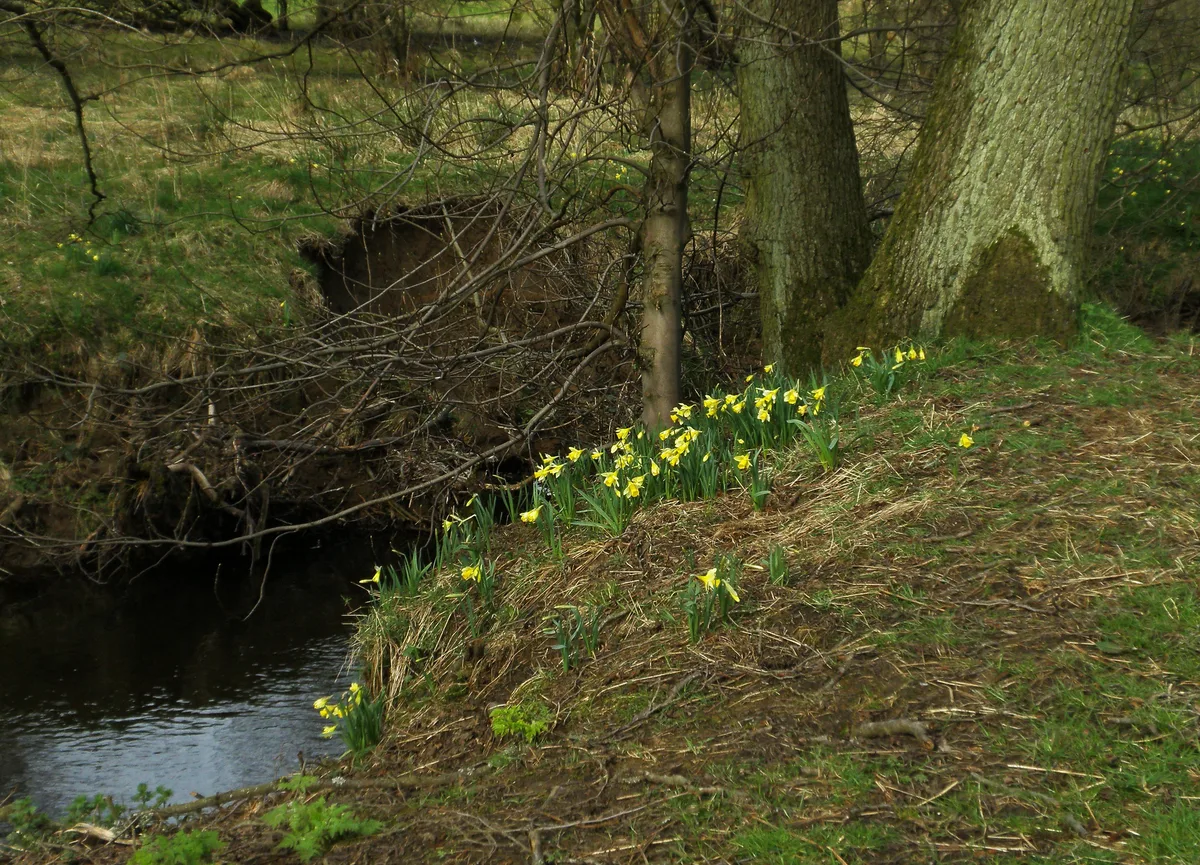
Plants reach up to about 30 cm in the wild, so on a muddy woodland path, taller yellow trumpets are more likely garden escapes.
- Mistake: treating roadside cultivars as the wild plant.
- Mistake: arriving after the bloom has faded.
- Mistake: wearing smooth-soled shoes on muddy paths.
- Best for families and casual walkers: a marked trail such as the Farndale walk.
- Best for photographers: early morning light under woodland canopy.
- May not suit you: anyone unwilling to travel far for a short flowering window.
Visiting Responsibly
Stay on marked paths so you do not trample bulbs or compact the soil. Never pick or dig up wild daffodils. Follow reserve rules, keep dogs on leads where required, and respect private land. Wild flowers recover slowly from damage, and the same fields and woods need to flower again next March.
Wild Daffodil Facts
The name Lent lily reflects the flower's long link with Easter celebrations. Narcissus comes from a Greek myth about a young man who fell in love with his own reflection, and the drooping head of the flower is said to echo him bending over water. Market picking and habitat loss in the 19th century cut numbers sharply, which is why protected sites matter.
Wild Daffodil Species Information at a Glance
These reference details sit alongside the facts above and help you confirm what you are looking at.
| Detail | Information |
|---|---|
| Scientific name | Narcissus pseudonarcissus |
| Common names | Wild daffodil, Lent lily |
| Plant family | Amaryllidaceae (the amaryllis family) |
| Plant type | Perennial that grows from a bulb |
| Height | Up to about 30 cm |
| Flowering | March to April |
| Flower | Single nodding bloom, pale outer petals around a darker yellow trumpet |
| Typical habitat | Damp woodland, meadow and old hedge banks |
| UK distribution | Scattered across mainland Britain, with strongholds in the south-west, the Welsh borders, the Gloucestershire–Herefordshire border, Cumbria and North Yorkshire |
Did you know?
- The wild daffodil is the ancestor of many of the garden varieties sold today, which is why escaped bulbs can look so similar at a glance.
- The Welsh name cennin Pedr means "Peter's leeks", and the daffodil is a national emblem of Wales alongside the leek.
- Colonies spread slowly, by new bulbs forming around old ones and by seed, so a large carpet of wild daffodils is often decades old.
Combine With Other Spring Flowers
Spring flowers follow one another, so one region can fill several weekends. Plan around bluebell flowering times once the daffodils fade. Then head to UK bluebell woods for the next woodland display.
Bloom-season notes
Optional updates when we add or revise garden guides.
Continue reading
Guides on the same trip