Bluebell Woods in Kent: Where to Go, When & How
A practical guide to Kent's bluebell woods: free woods versus ticketed gardens, when to go, getting there, and how to visit without harming the flowers.
Last updated November 2026. The best bluebell woods in Kent range from ticketed gardens such as Hole Park to National Trust woodland at Emmetts Garden. Flowering lasts only a few weeks in spring, so the choice comes down to free open woodland, a paid garden, or a walk that ends at a café. Use this page to plan next spring now, and see our UK bluebell woods guide for the wider picture.
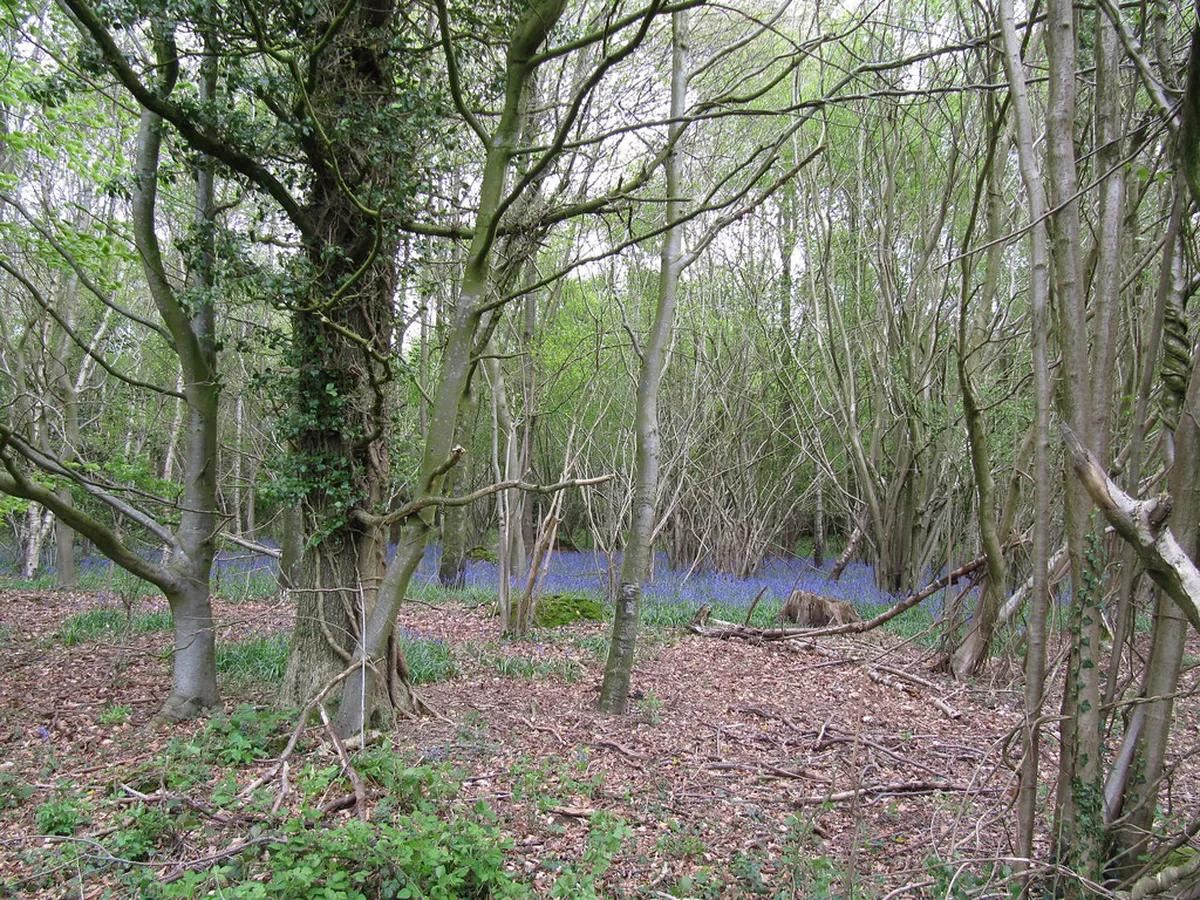
Featured image: Mark Wordy, CC BY 2.0, via Flickr.
Where to Find Bluebell Woods in Kent
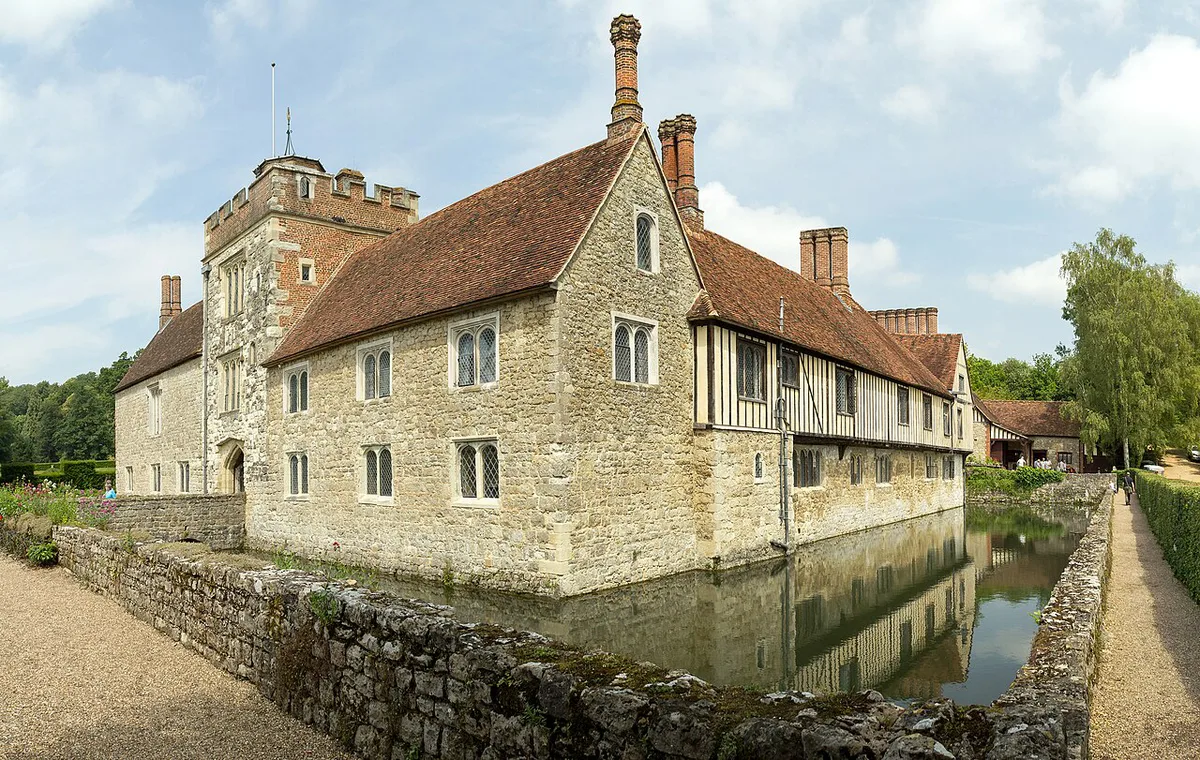
Kent's bluebells grow mainly in ancient woodland, so the best displays sit in the High Weald, around Maidstone and on the wooded ridges in the west of the county. The table below groups the main candidates by area and type. Every site sets its own spring opening dates, so check its page before you book a day out.
| Site | Area | Access type | Facilities and best for |
|---|---|---|---|
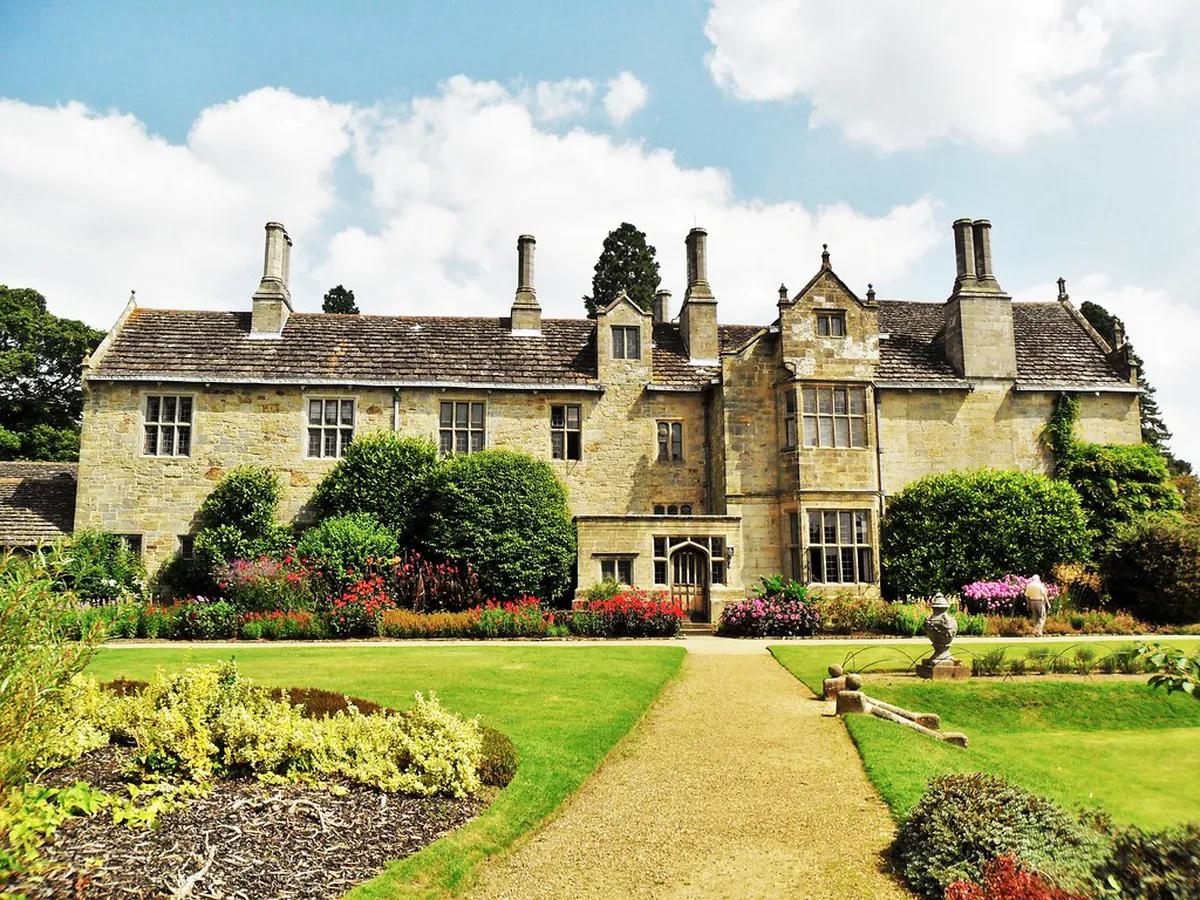
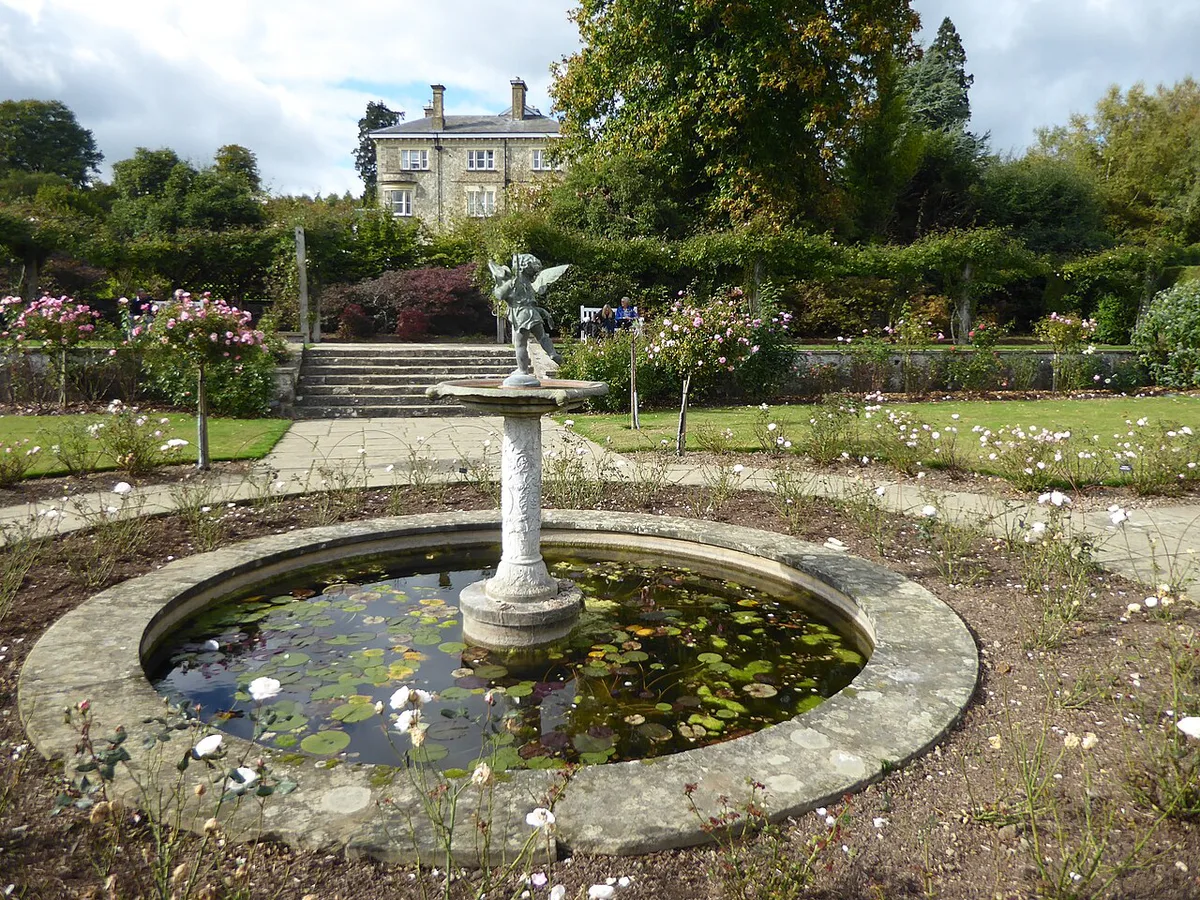
| Hole Park | Near Rolvenden | Ticketed garden with woodland | Garden visit with bluebell woodland; best for photographers and couples |
| Emmetts Garden | Near Ide Hill | National Trust garden | Woodland and garden planting; best for a half-day with family |
| Kenward Place | Maidstone | Woods with a café | Slow woodland walk plus a warm drink; best for an easy outing |
| Ightham Mote and Knole Park | Sevenoaks area | Estates run as heritage visits | Parkland and woodland; check each estate for bluebell areas |
Free Woods vs Ticketed Gardens: How to Choose
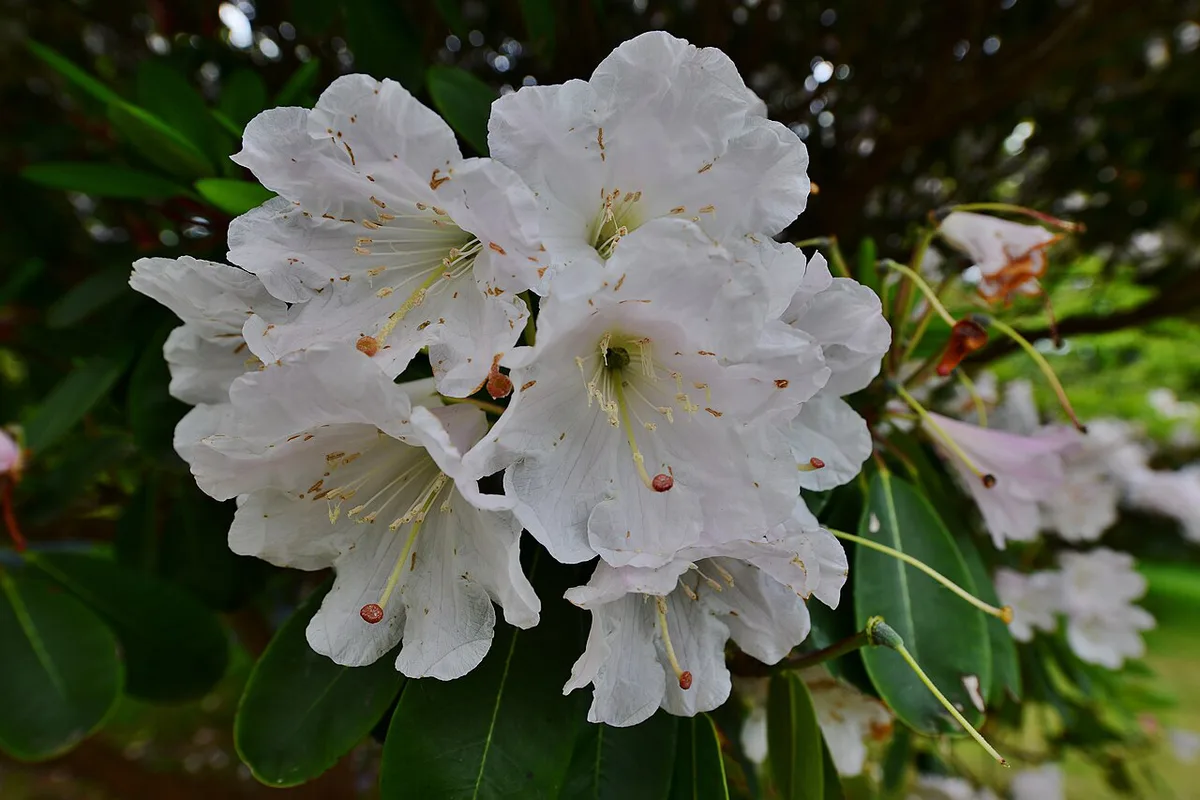
Ticketed gardens give you managed paths, toilets and often a café. Open woodland costs less but offers fewer comforts. Match the site type to your group before you pick a date.
- Ticketed gardens such as Hole Park near Rolvenden suit photographers and anyone who wants set paths and facilities.
- National Trust sites such as Emmetts Garden at Ide Hill suit families who want a full day out with a café stop.
- Woods with a café, such as Kenward Place at Maidstone, suit a short walk when you do not want a long outing.
- Free open woodland suits budget trips and flexible timing, but expect mud, fewer toilets and no booking safety net.
- Dog rules differ at every site. Gardens often restrict dogs, while open woods usually expect them on a lead.
When to Go
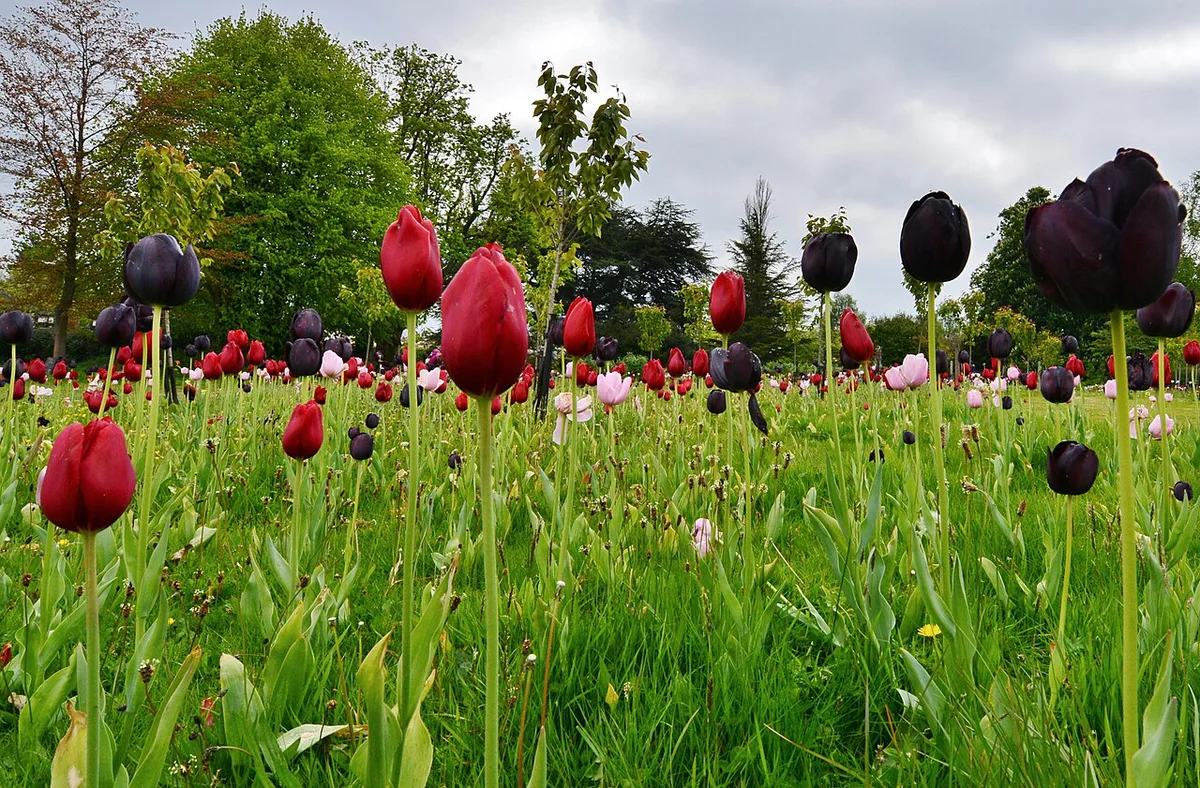
Kent's bluebells flower for just a few weeks in spring, and warm or cold weather moves that window by days. Our guide to when bluebells flower covers the typical timing. Look for recent visitor reports from the venue before you set off. Weekday mornings are quieter than bank-holiday weekends, and soft early light helps photos under the new leaf canopy.
Getting There and Getting Around
Most Kent bluebell sites sit down rural lanes, so a car is the easiest option. Rolvenden and the High Weald have limited public transport, so check train and bus times with National Rail and local operators before you rely on them. Maidstone is the simplest base for a visit without a car, since Kenward Place is Maidstone-area woodland. If you are coming from the capital, our guide to Bluebell Woods Near London: Best Day Trips by Train & Car lists options that suit a day trip. Allow for muddy ground, narrow paths and limited buggy or wheelchair access in open woods. Ask each venue about step-free routes.
Bluebell Etiquette and Protecting the Woods
Stay on the marked paths, because trampling crushes the leaves and stops the bulbs recovering. Never pick or dig bluebells, as wild bluebells are legally protected in the UK. The Woodland Trust's bluebell page explains why ancient woodland matters for the flower. Keep dogs under control and take your litter home.
- Native bluebell: the flower head droops to one side, the leaves are narrow, and the pollen is cream.
- Spanish or hybrid bluebell: the stems stand upright, the flowers are bell-shaped on all sides, and the pollen is blue.
- Gardens often contain hybrids, while ancient woods are more likely to hold natives.
Mistakes to Avoid
Most disappointing visits come from a few planning errors. Avoid these and your trip should go smoothly.
- Going too late: the display fades fast once the canopy closes and the flowers go over.
- Assuming free entry: Hole Park and Emmetts Garden are gardens with their own entry rules.
- Assuming open access: confirm that a wood is open to walkers before you travel.
- Wearing the wrong footwear: woodland paths stay muddy after rain, so wear waterproof boots.
- Skipping the opening dates: gardens open for set seasons, so check the venue page first.
Nearby and Related Bluebell Guides
Kent borders East Sussex, so you can combine counties with our guide to Bluebell Woods in Sussex: Best Places, Timing & Access. If you are looking beyond Kent, try Bluebell Walks in the Cotswolds: Best Woods & Timing. Scotland has later displays in Scottish bluebell woods. Understanding the difference between native and hybrid plants helps too, and English versus Spanish bluebells explains it in more detail. For other spring flower trips, see Snowdrop Gardens UK: Where to Go, When & How to Plan.
Frequently Asked Questions
What is so special about bluebells?
Native bluebells grow in ancient woodland and carpet the ground for a few weeks each spring. Wild bluebells are legally protected in the UK. The Woodland Trust explains their conservation importance.
Are bluebells out yet in 2026?
The 2026 season has ended, because bluebells flower in spring. Plan for the next display using our guide to bluebell flowering times. Check recent reports from each venue before you travel.
Bloom-season notes
Optional updates when we add or revise garden guides.
Continue reading
Guides on the same trip