English vs Spanish Bluebells: How to Tell the Difference
Spot the difference between native English and Spanish bluebells in seconds: stem, flower side, pollen colour, scent, plus what to do about hybrids.
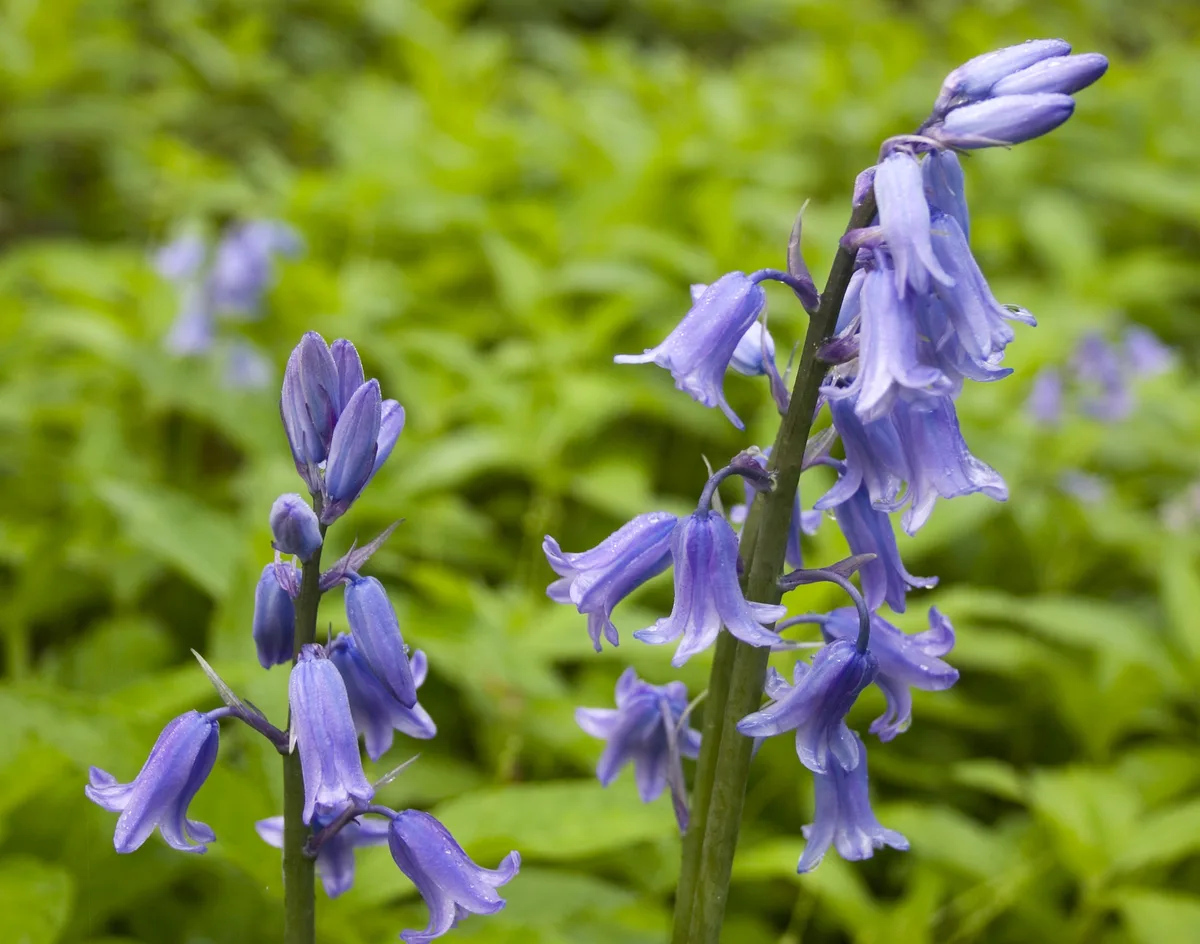
Last updated November 2026. In the debate over Spanish bluebells vs English bluebells, the native English bluebell is Hyacinthoides non-scripta and the Spanish bluebell is Hyacinthoides hispanica. Check three things first: the stem droops at the tip on the native, the flowers hang from one side only, and the pollen is cream rather than blue. Scent is a useful fourth clue, because the native smells sweet and the Spanish plant barely smells at all.
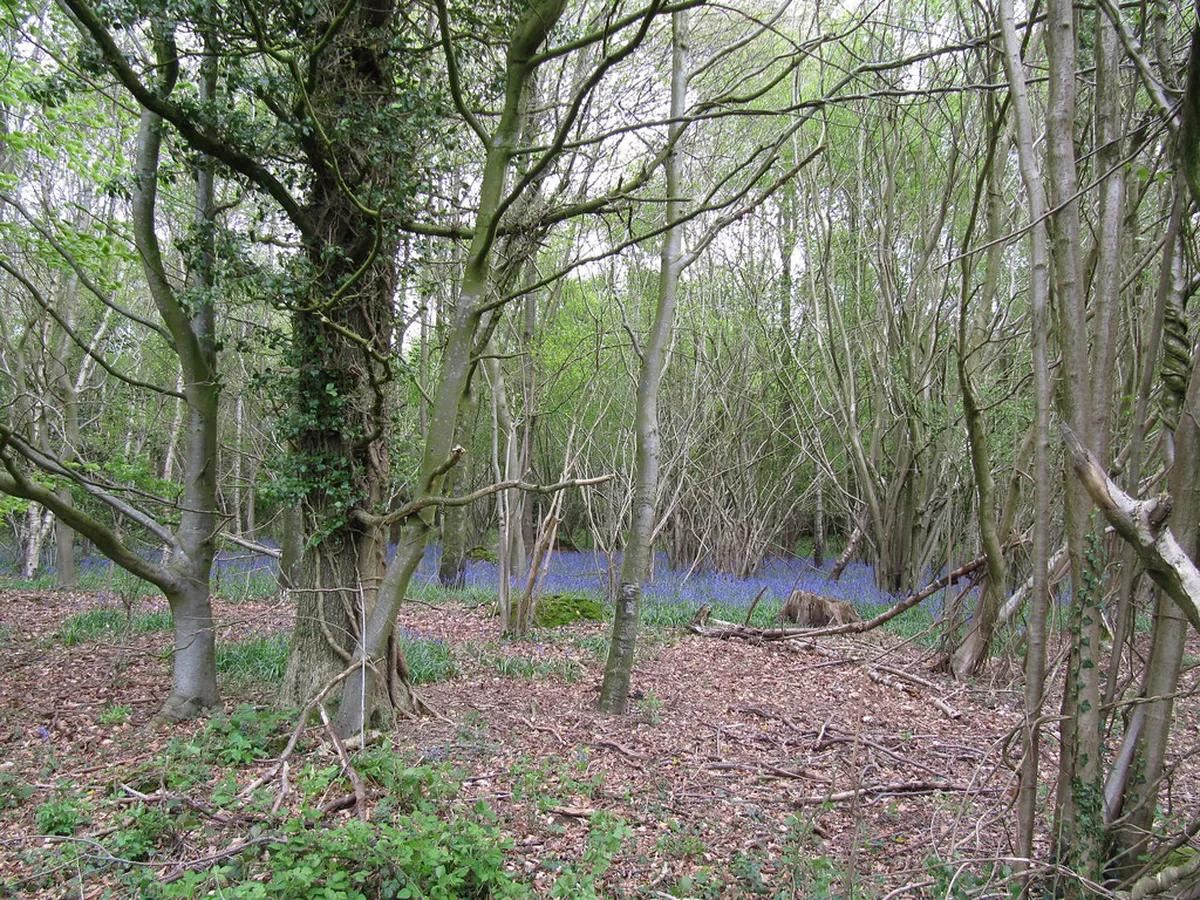
Featured image: Many thanks for all your likes and comments. Great, CC BY 2.0, via Flickr.
Quick Answer: The Three-Second Check
We'd start with the stem, because you can read it from a path without touching anything. "English" is the popular name for the native species, and it also grows in Wales and Scotland. Native and British bluebell mean the same plant here. Hybrids exist, so combine two checks before you decide.
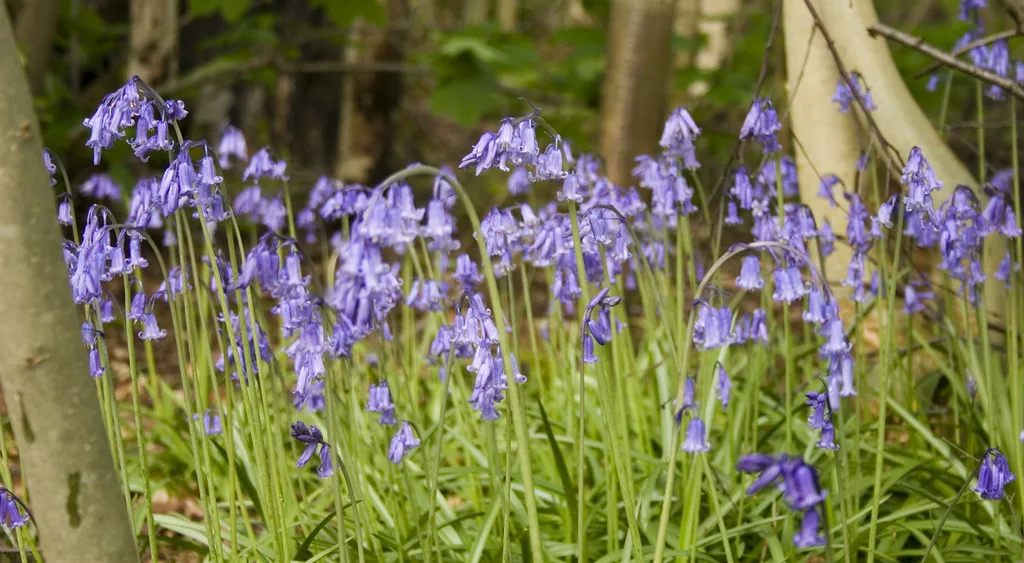
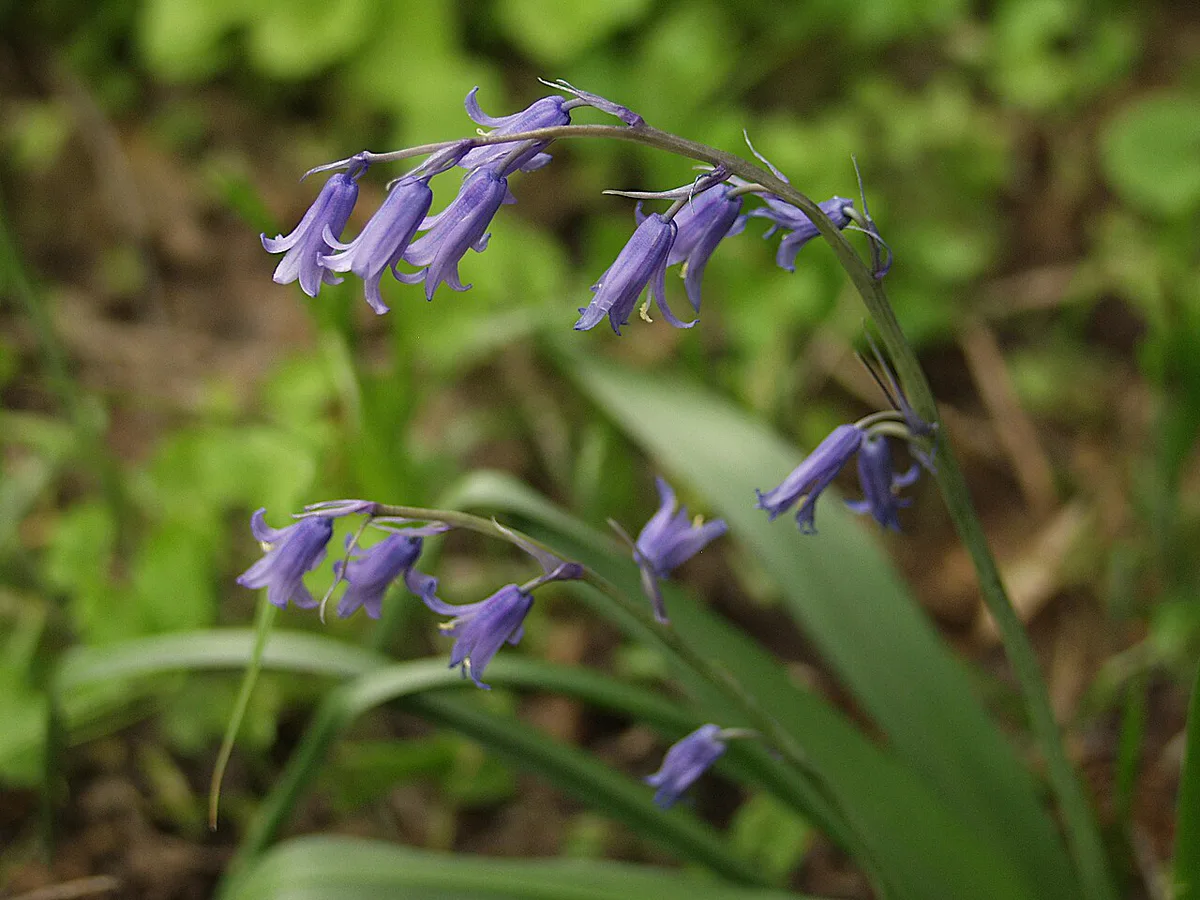
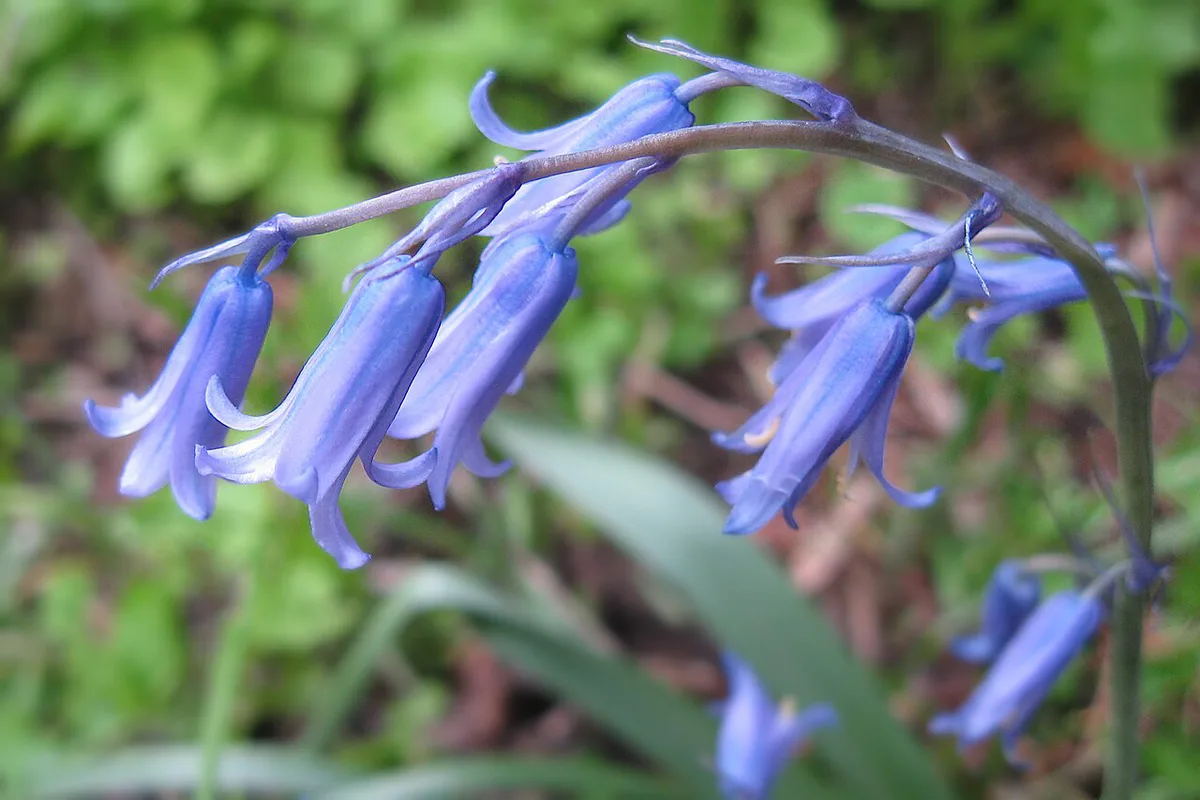
- Stem: a nodding, drooping tip means native. A straight, upright stem means Spanish.
- Flower side: bells hanging from one side only means native. Bells all the way round the stem means Spanish.
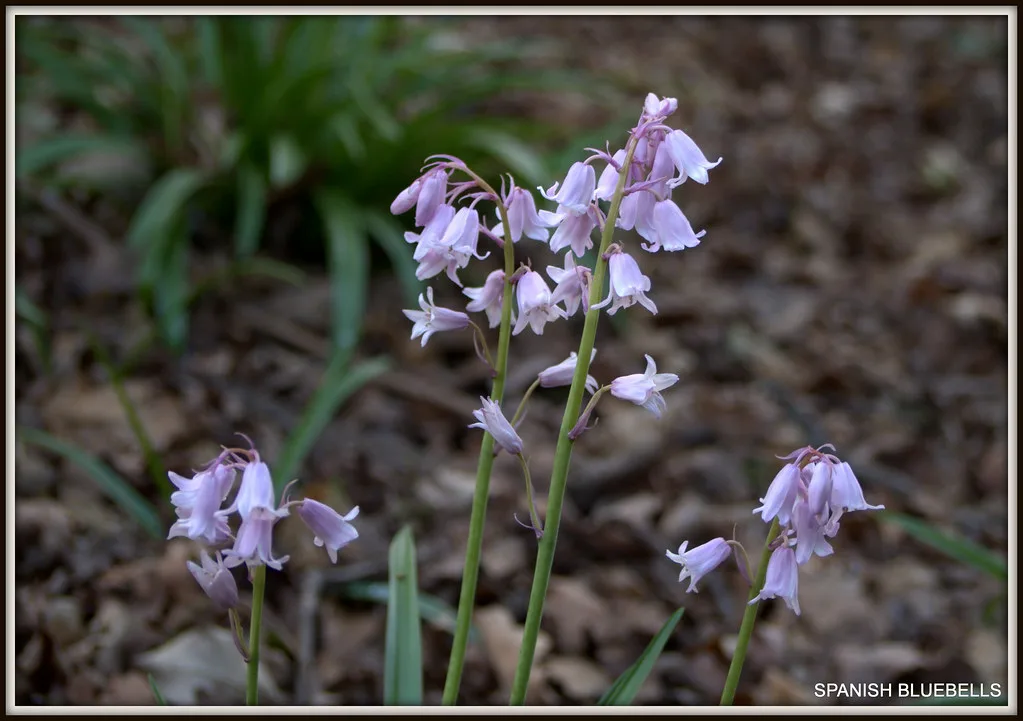
- Pollen: cream anthers mean native. Blue anthers mean Spanish.
- Scent: a sweet, strong smell means native. Little or no scent means Spanish.
- Mixed result: if two checks disagree, treat the plant as a hybrid.
Spanish Bluebells vs English Bluebells: Side-by-Side Table
This table sets the two species against each other and adds our editorial confidence rating for each feature. Hybrids blur single features, so we trust stem, flower side and pollen most. The price row is an indicative planning range for garden-centre bulbs in 2026, in our editorial estimate. Check current listings before you buy.
| Feature | Native (non-scripta) | Spanish (hispanica) | Our confidence |
|---|---|---|---|
| Stem | Drooping at the tip, nodding | Upright, straight | High |
| Flowers | One side of the stem only | All around the stem | High |
| Bell shape | Narrow tube, tips curled back | Open, conical bell | Medium |
| Colour | Deep violet-blue, rarely white | Paler blue, often pink or white | Low: light and age change it |
| Pollen (anthers) | Cream | Blue | High |
| Scent | Sweet, strong | Little or none | Medium |
| Leaves | Narrower | Broader | Medium |
| Typical bulb price, 25 bulbs | £8–£15 | £4–£8 | Indicative only |
How to Identify Them in the Field
Work through the checks in this order, and stop as soon as two of them agree. Start with the stem, then look at which side the bells hang on. Next, tip one flower gently toward you to see the anther colour, and finish with scent. Sniff from a path; never crush or pick a flower to test it. The Woodland Trust's native bluebell profile describes the same drooping stem and one-sided flowers.
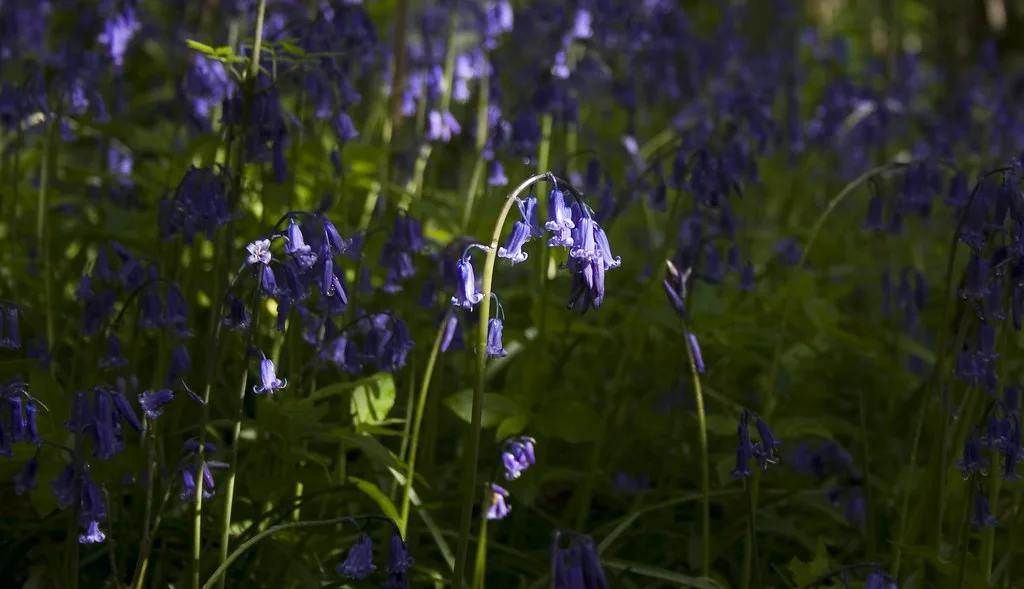
- Out of season, use leaves only: native leaves are narrower, Spanish leaves are broader. Leaves show in March, so this is a weaker call than flowers.
- Mistake to avoid: don't judge by colour alone. Light, age and shade shift the blue, and Spanish plants also come in pink and white.
- Mistake to avoid: don't rely on one feature. A hybrid can droop slightly yet carry blue pollen.
Why It Matters: Hybrids and the Threat to Native Bluebells
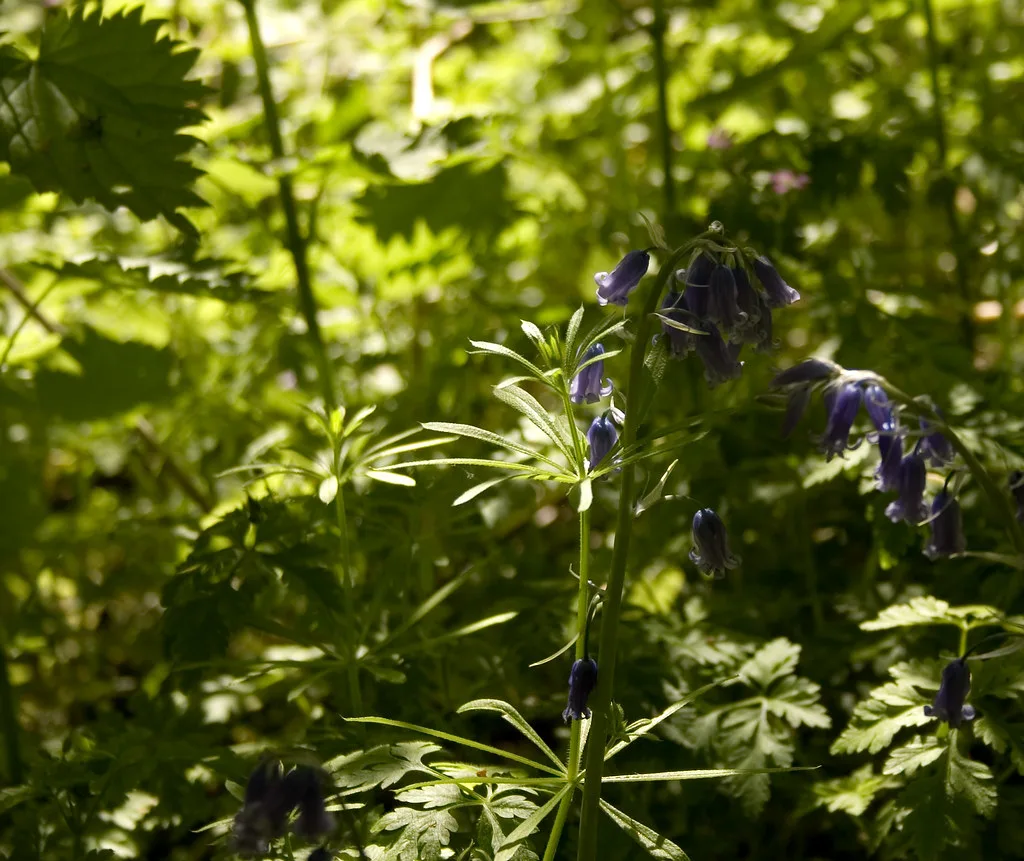
Spanish bluebells arrived as a garden plant and escaped into the wild. They cross with the native species, and the resulting hybrid, Hyacinthoides × massartiana, is fertile. Conservation bodies worry that repeated crossing dilutes the native plant's characteristics over time. The National Trust bluebell guidance treats native woodland bluebells as something to protect. We don't treat the Spanish bluebell as simply bad. It is a pretty garden plant, but near native woods it is a conservation concern. Many plants you meet on roadsides, woodland edges and in gardens will be hybrids rather than pure Spanish, which is why the two-check rule matters.
Where You're Most Likely to See Each
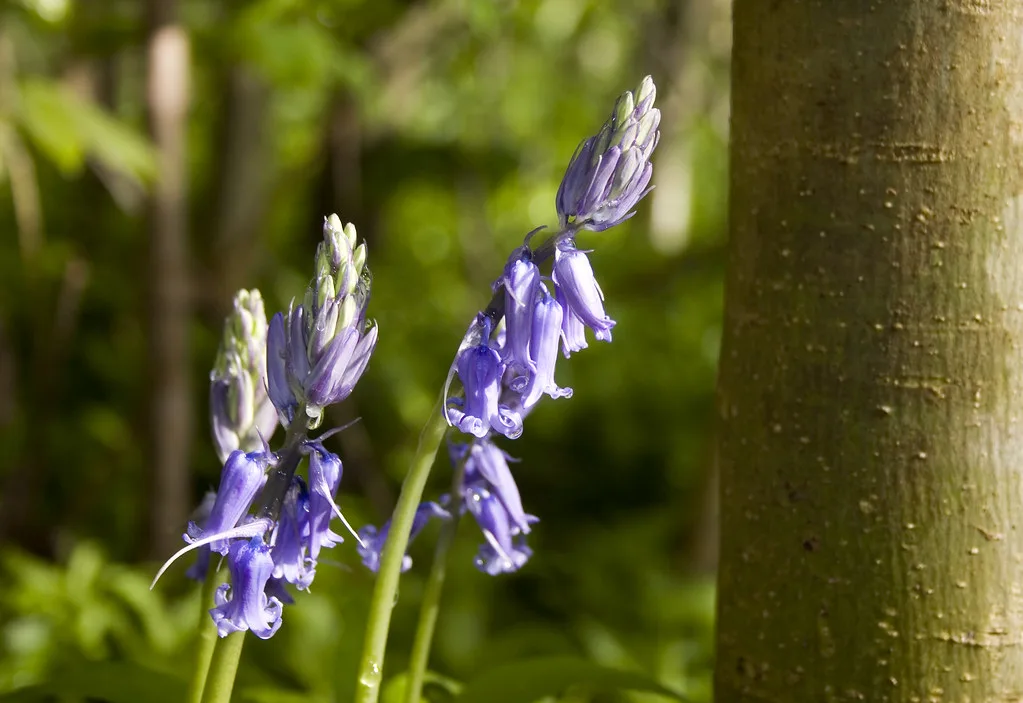
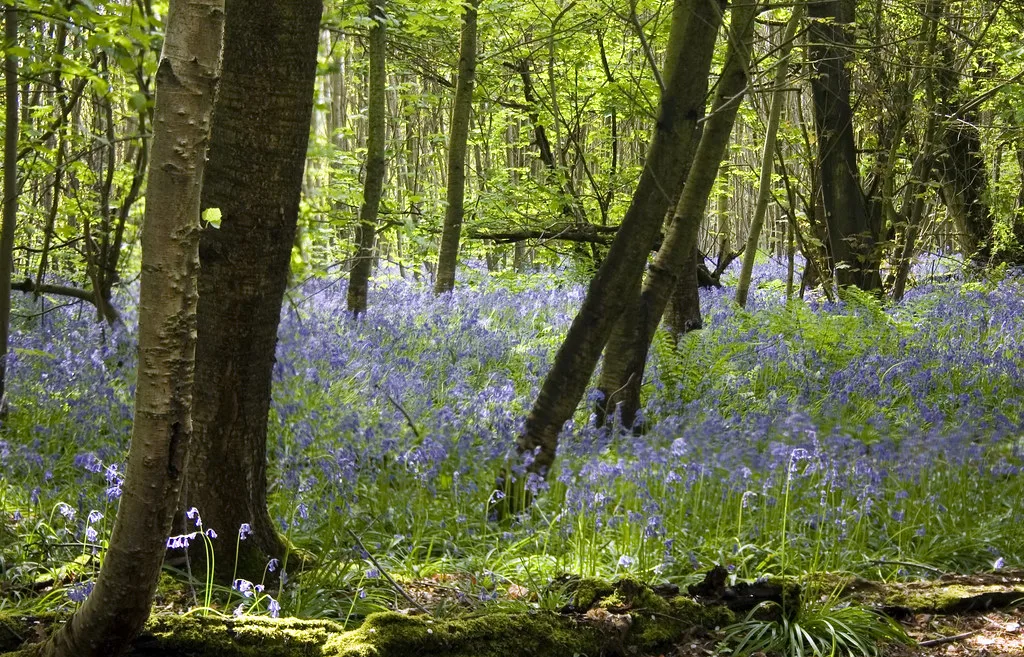
Ancient woodland carpets are overwhelmingly native, and a true bluebell wood is a sign of old woodland. Spanish and hybrid plants turn up on roadsides, woodland edges, churchyards and in gardens. Our national roundup of UK bluebell woods is the place to start. For regional detail, read about Bluebell Woods Near London: Best Day Trips by Train & Car. Kent readers can try Kent's bluebell woods. Sussex has its own bluebell wood guide. For hillside walks, see Bluebell Walks in the Cotswolds: Best Woods & Timing. Native range outside Britain is covered in our Europe bluebell guide.
- Ancient woodland interior: expect native bluebells.
- Woodland edges and roadsides: expect Spanish plants or hybrids.
- Churchyards and gardens: expect Spanish, hybrid or planted native stock.
Gardeners: Planting, Buying and the Law
Native bluebell bulbs cost more than Spanish ones, and in our editorial estimate a pack of 25 runs about £8–£15 against £4–£8. That gap tempts sellers to blur labels. Look for bulbs sold as grown from cultivated stock, and avoid anything described as wild-collected. Wild bluebells are protected under the Wildlife and Countryside Act 1981, which covers digging up wild bulbs and selling them. Check the exact wording on legislation.gov.uk before acting on a specific case. Never dig up bulbs from a wood or verge.
- Plant native bluebells if your garden is shaded, wooded or sits next to ancient woodland.
- Keep Spanish and hybrid types away from woods, hedgerows and field margins.
- Town gardens far from woodland: Spanish bulbs pose less risk, but we'd still choose native stock.
- If Spanish bluebells already grow in your garden, remove the flower heads before seed sets. Dispose of bulbs in general waste, not in green waste or in the countryside.
Who Each Option Fits
Pick by what you want to do. Each line below ends with a skip-this-if note.
Gardeners near woods should budget for native stock: a pack of 25 runs about £8–£15 against £4–£8, per our estimate. Verify current listings before buying.
- Walkers: look for native bluebells in ancient woods. Skip this if you only have a roadside verge nearby, where hybrids are likelier.
- Photographers: native drooping stems give the classic one-sided curve. Skip this if the light is flat, because colour will mislead you.
- Gardeners near ancient woodland: choose native, cultivated stock. Skip this if the seller can't state where the bulbs were grown.
- Gardeners in towns: native still works in shade. Skip Spanish bulbs if your garden backs onto a wood or hedgerow.
Visiting Bluebell Woods Responsibly
Stay on paths, don't pick flowers, and keep off the leaves, because trampling damages the bulbs. Many woods are free to enter, but parking and access vary, so use the venue pages we link above. Peak flowering usually falls between late April and early May, though timing shifts by region and year. Our guide to when bluebells flower has current detail. Once the blue fades, wild daffodil sites make a good next spring walk.
A Note on Scotland and the Harebell
In Scotland, the plant people call the bluebell is often the harebell, Campanula rotundifolia, a different species that grows on open grassy slopes. It is not a Hyacinthoides at all. Our guide to Bluebells in Scotland: Where, When & What to Look For explains which plant you are likely to meet.
Frequently Asked Questions
What flowers are mistaken for bluebells?
Spanish bluebells and hybrids are the most common lookalikes in the UK. In Scotland, the harebell (Campanula rotundifolia) is often called a bluebell, though it is a different species.
How can I get rid of Spanish bluebells in my garden?
Dig out the whole bulb, and remove flower heads before they set seed. Bag the bulbs for general waste and never dump them in woodland or on verges. Check RHS advice for current disposal guidance.
Are English bluebells rare?
Native bluebells are still widespread in British woods, so they are not rare in the way some wildflowers are. They are under pressure from hybridisation and from disturbance, which is why protecting ancient woodland sites matters.
Bloom-season notes
Optional updates when we add or revise garden guides.
Continue reading
Guides on the same trip