Bluebell Woods in Sussex: Best Places, Timing & Access
Compare Sussex bluebell woods by cost, access and timing. Free ancient woods, National Trust estates and a ticketed farm trail, with tips to avoid crowds.
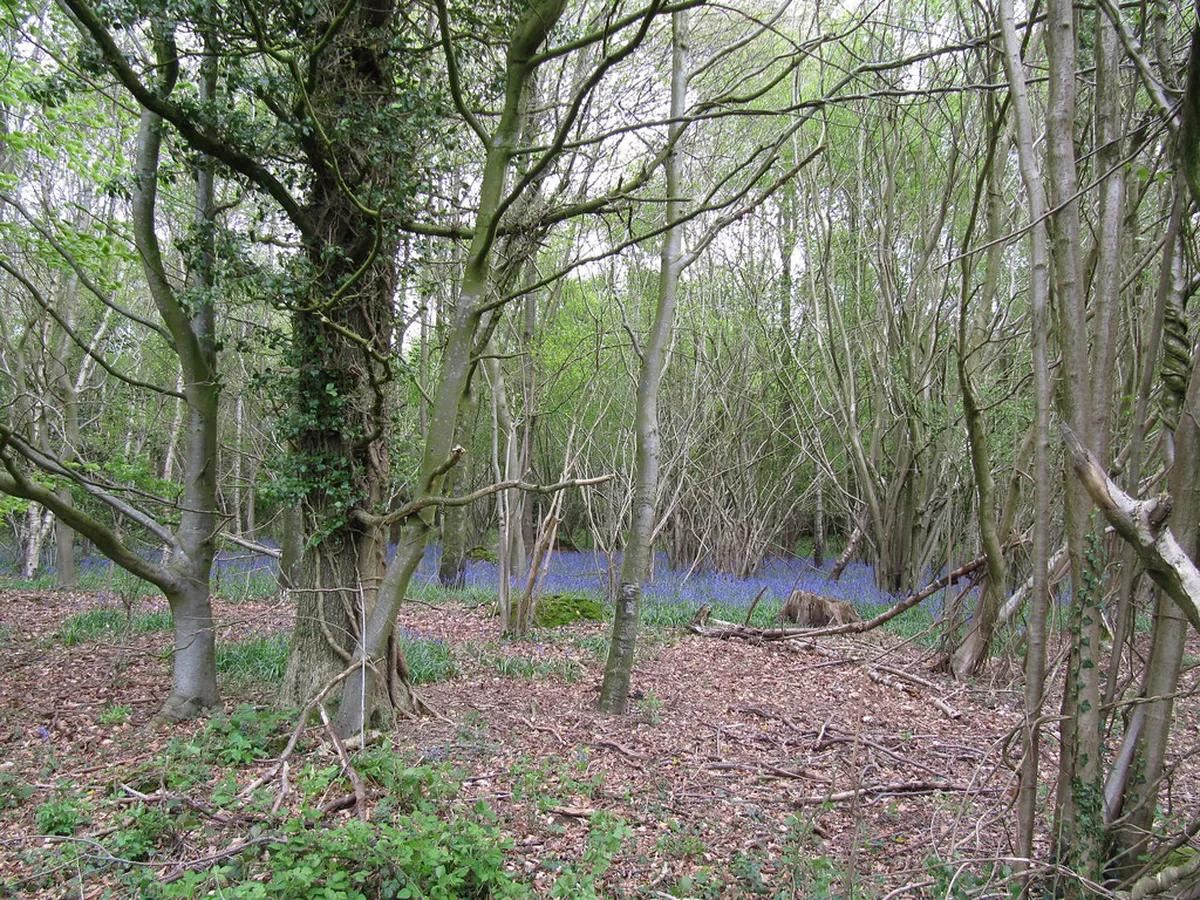
Last updated November 2026. Bluebell woods in Sussex fall into three groups: free ancient woodland, National Trust estates with paid entry, and one ticketed farm trail at Arlington. Peak bloom usually runs from late April to early May, but it shifts each year, so read about how bloom timing varies before you fix a date. Pick by cost, access and how much walking you want, then keep a second wood in reserve.
Featured image: grassrootsgroundswell, CC BY 2.0, via Flickr.
Bluebell Woods in Sussex Compared
Eight sites come up most often for Sussex bluebells. Arlington's accessible loop in Beatons Wood covers about 1,100 m (two-thirds of a mile), and Costells Wood has parking roughly 500 m from the trees. Fees, dates and bloom updates change every spring.
| Site | Area | Entry | Booking | Best for |
|---|---|---|---|---|
| Nymans | West Sussex | National Trust estate | Check the Trust page | Garden plus woodland |
| Ebernoe Common | West Sussex | Sussex Wildlife Trust reserve | Not expected | Wild, varied walking |
| Standen | Mid and north | National Trust estate | Check the Trust page | Estate walks with a leaflet |
| Costells Wood | Mid and north | Free | No | Short, free ancient wood |
| Sheffield Park (Walk Wood) | Mid and north | National Trust garden | Check the Trust page | Garden day with a wood |
| Arlington | East Sussex | Ticketed farm trail | Online only | Wheelchair-suitable loop |
| Brede High Woods | High Weald | Open woodland and heath | Not expected | Space and heathland |
| Selwyn's Wood | Near Heathfield | Small wood | Not expected | Quiet valley stroll |
Which Sussex Bluebell Wood Suits You?
Match the wood to your day, not to the biggest photo. These are the quickest decisions.
- Wheelchair users and families with buggies: start with Arlington's circular loop in Beatons Wood, which has seating along the way.
- Free and wild: Costells Wood, Ebernoe Common, Brede High Woods and Selwyn's Wood do not run a ticketed estate model.
- Garden-plus-café day: Nymans, Sheffield Park and Standen pair bluebells with formal grounds.
- Photographers: choose a weekday and arrive early at a ticketed site, where entry numbers are managed.
- Car-free: Standen's walk toward the Bluebell Railway is the lead to follow.
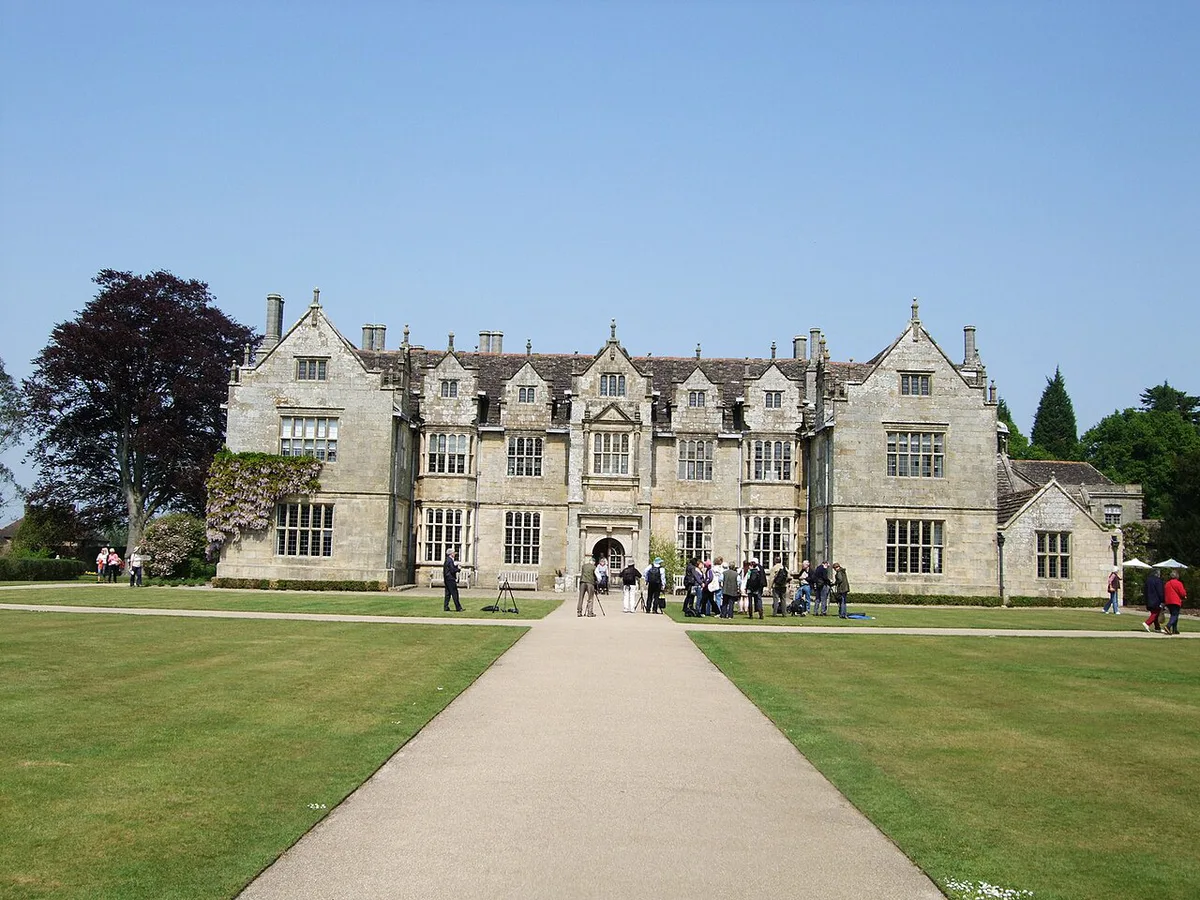
Bluebell Woods in West Sussex
Two sites anchor the west, and they suit opposite moods.
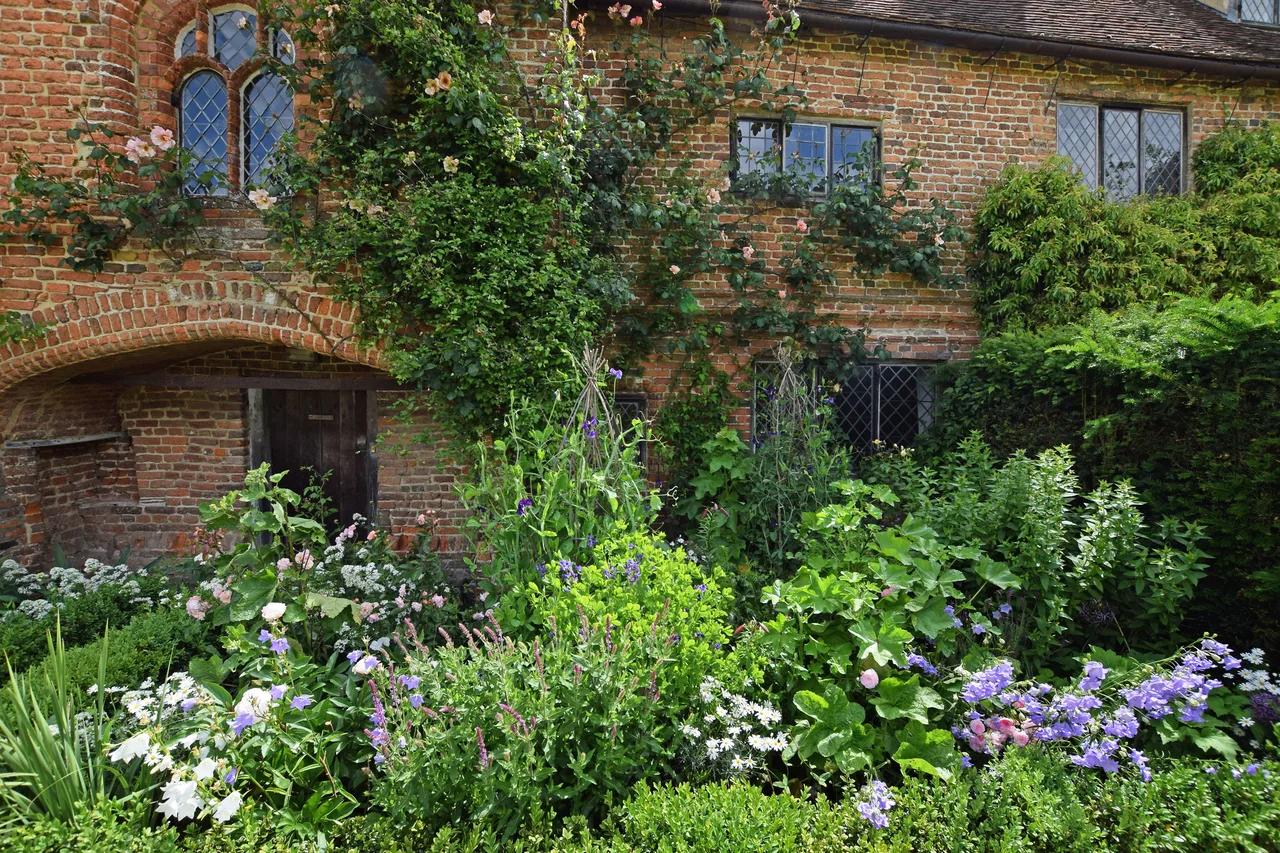
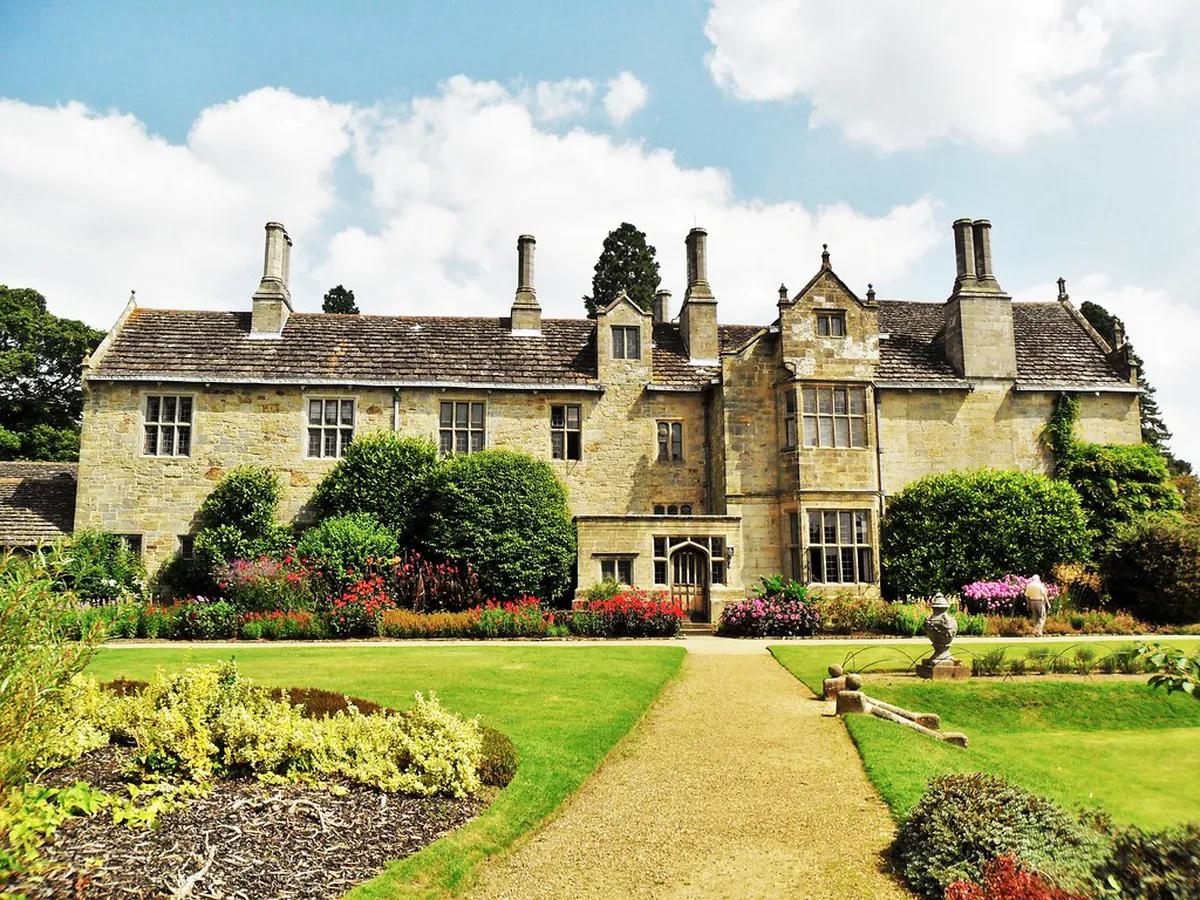
- Nymans (Handcross, RH17 6EB): bluebells carpet the woodland and the wild garden. The National Trust's Nymans page lists admission, dog rules and bloom news. Skip it if you want a free, unticketed wood.
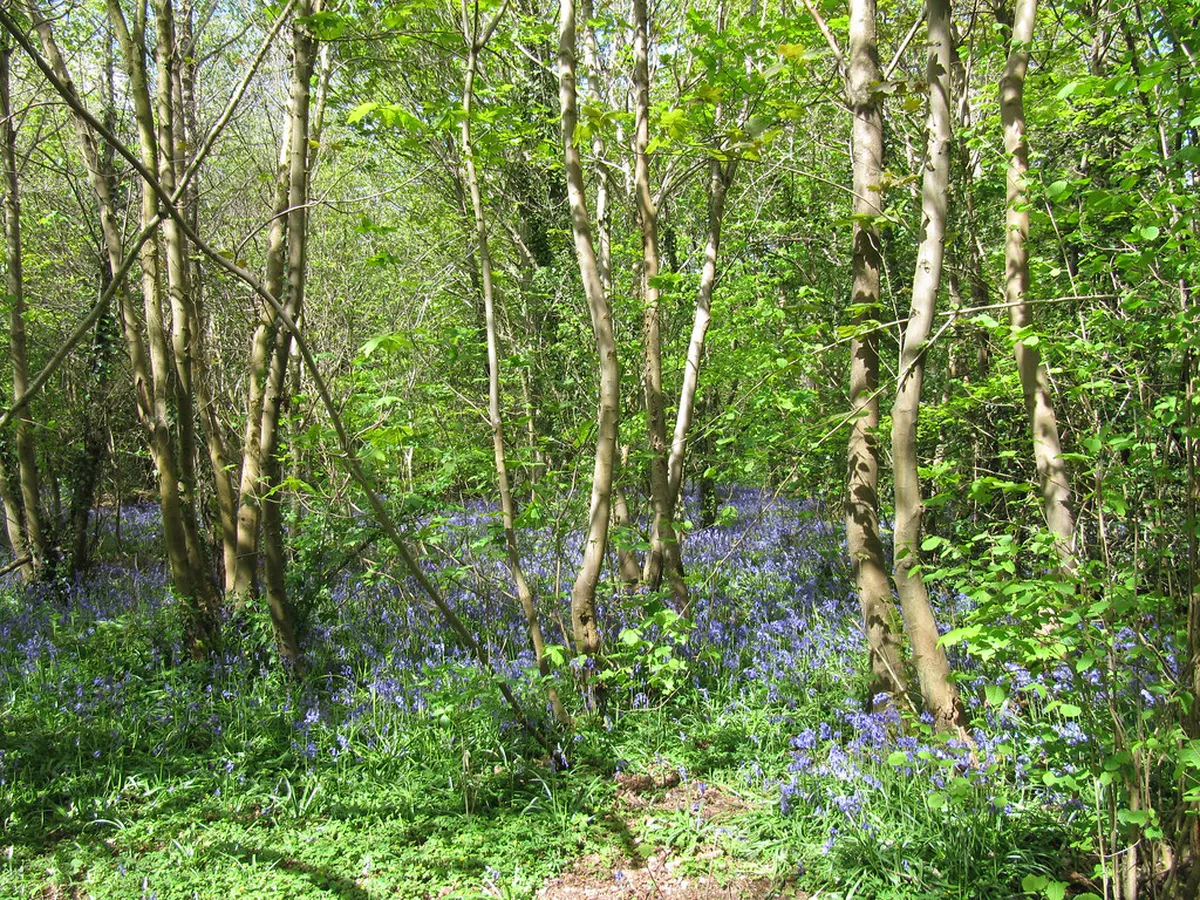
- Ebernoe Common (near Petworth, GU28 9LD): a Sussex Wildlife Trust reserve about five miles north of Petworth, with a car park at Ebernoe Church. Ponds, streams and meadows share the ground with the bluebells. Skip it if you need surfaced paths or a café.
Bluebell Woods in Mid and North Sussex
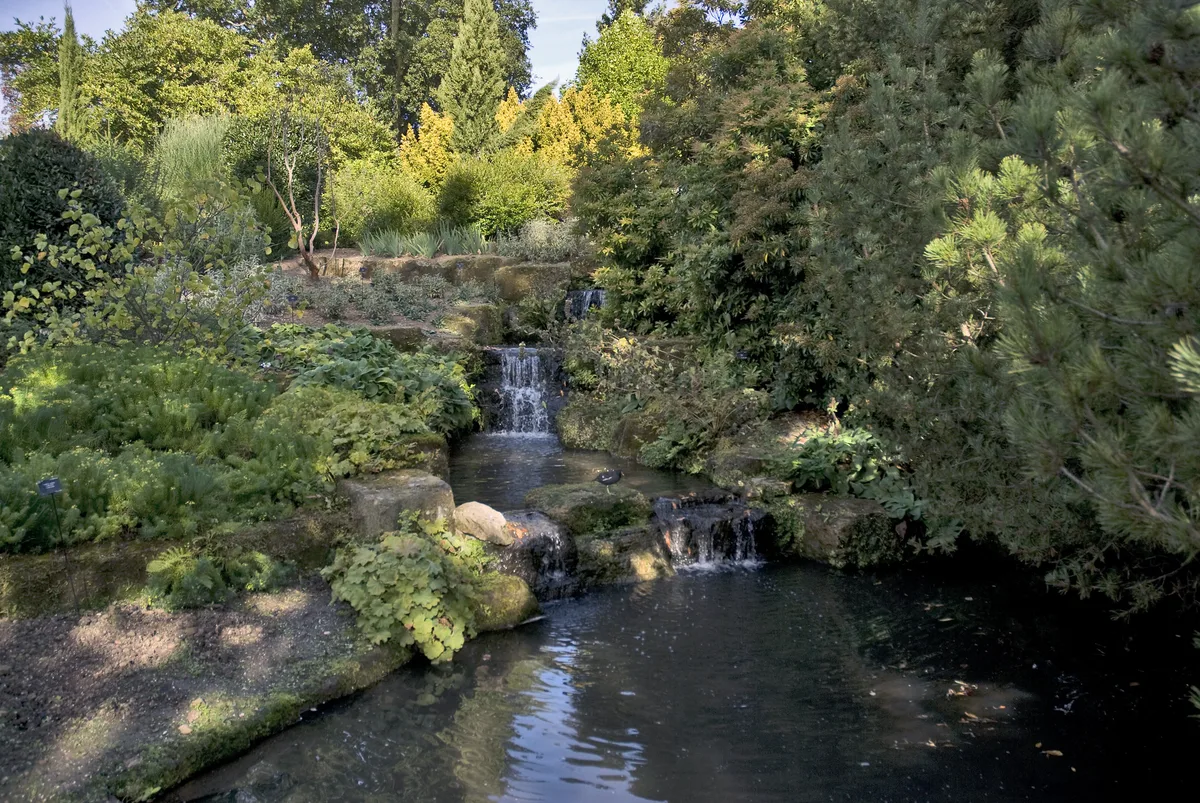
This group mixes one free wood with two National Trust properties.
- Standen (East Grinstead, RH19 4NE): Rockinghill and Hollybush woods carry the bluebells, and visitor reception hands out a walk leaflet. One route heads toward the Bluebell Railway. Skip it if you want to avoid estate admission.
- Costells Wood (Scaynes Hill, RH17 7PN): ancient woodland with free entry. Parking sits about 500 m from the trees, so expect a walk in. Skip it if you need toilets on site.
- Sheffield Park (Uckfield, TN22 3QX): Walk Wood is the bluebell area within the garden. It works best as part of a garden visit. Skip it if you only want a woodland walk.
Bluebell Woods in East Sussex and the High Weald
The east holds the only ticketed farm trail and two quieter woods.
- Arlington (Bates Green Farm, BN26 6SH): booking is online only, and the circular Beatons Wood walk is wheelchair-suitable. Dates and last entry change each year, so read the current booking page. Skip it if you want to turn up on the day.
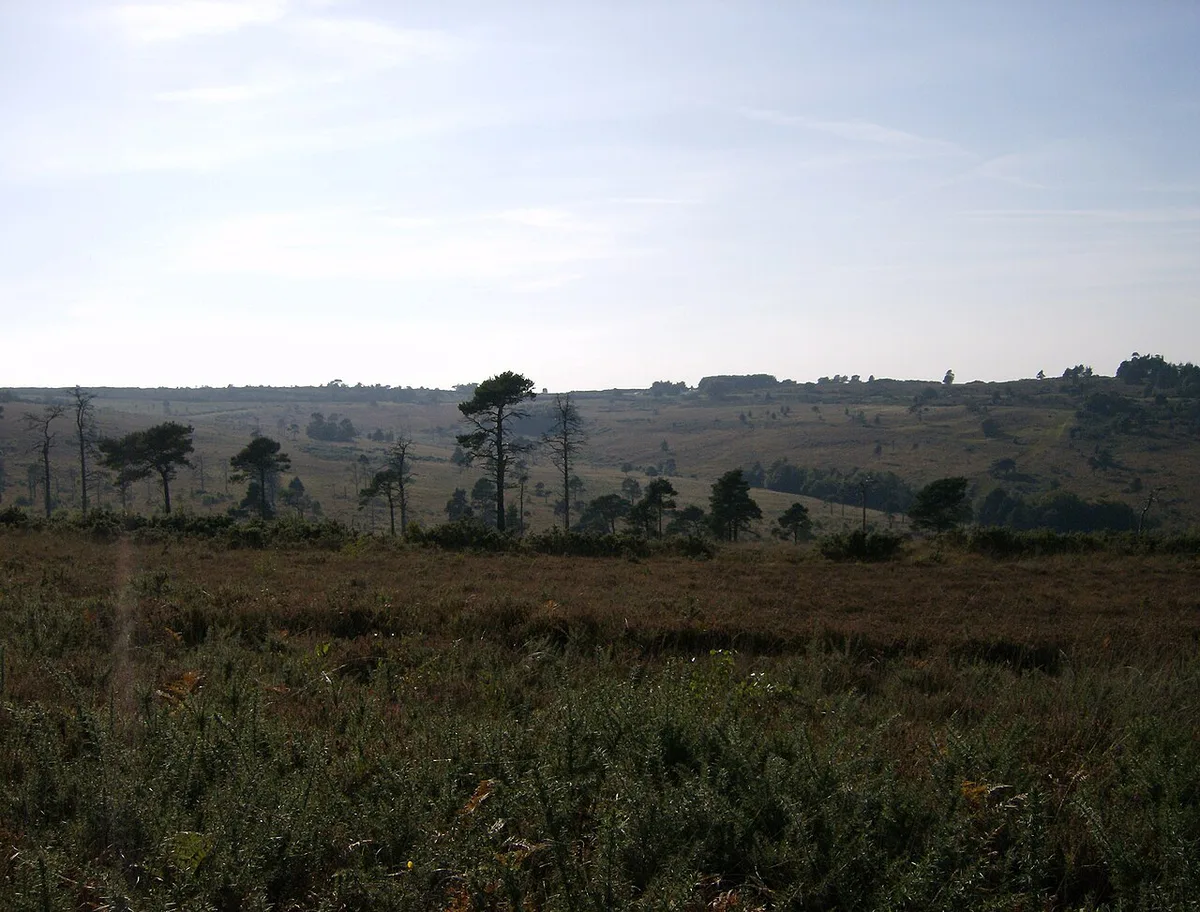
- Brede High Woods (B2089, Broad Oak, near Rye): ancient and secondary woodland meets open heath in the High Weald. Powdermill Reservoir lies to the south-west. Skip it if you want a short, signposted loop.
- Selwyn's Wood (off Fir Grove Road, Heathfield): small mixed woodland in a south-facing valley with three streams. Skip it if you want facilities.
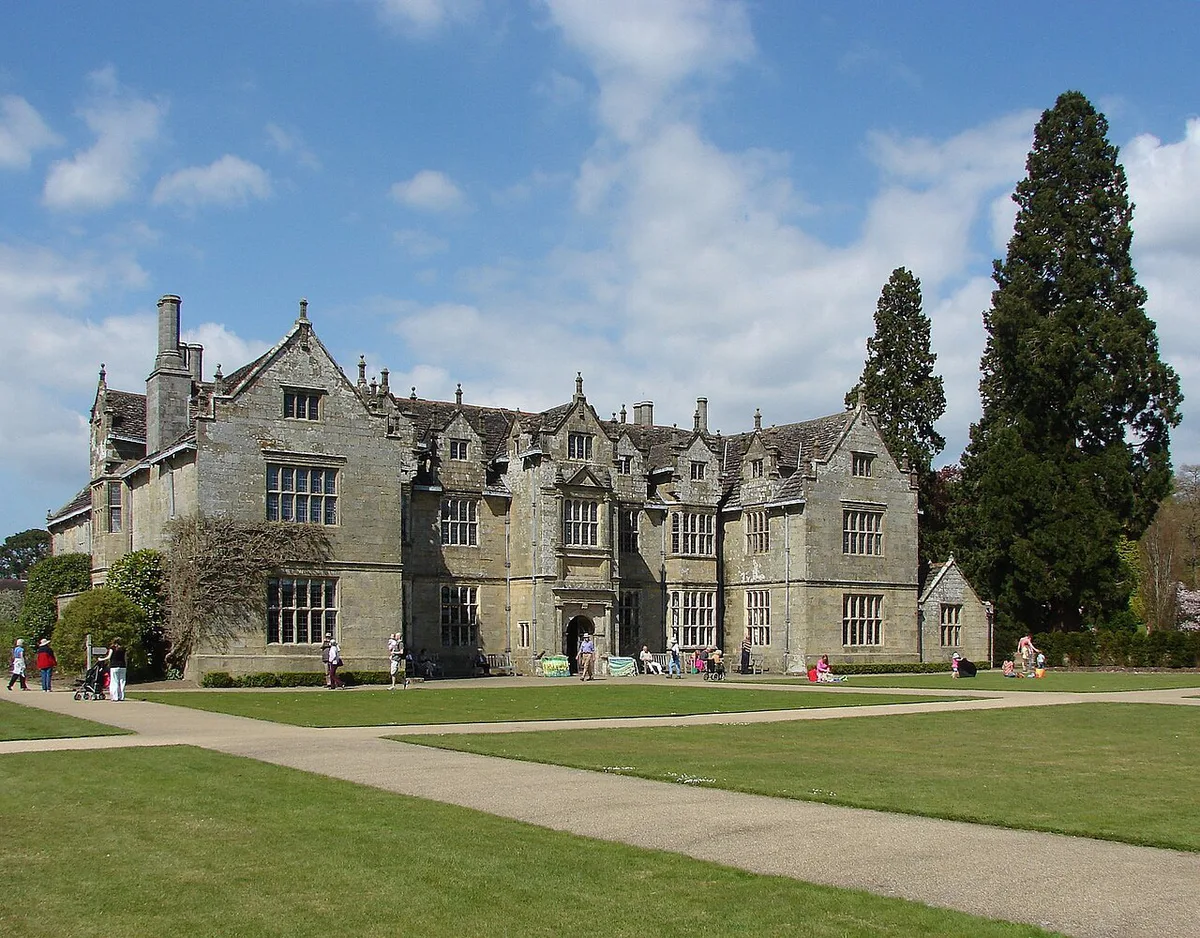
When to Go and How to Avoid Crowds
Bloom depends on the weather, so no date is guaranteed. Late April to early May is the usual window. Go on a weekday or arrive early, and look at each site's bloom update or social post on the morning you travel. Ticketed sites and small car parks fill on peak weekends. Pair two woods within reach of each other so one full car park does not end your day. Readers heading in from the capital can also compare woods closer to London, and Kent's bluebell woods make a useful neighbouring fallback.
How to Visit Bluebell Woods Responsibly
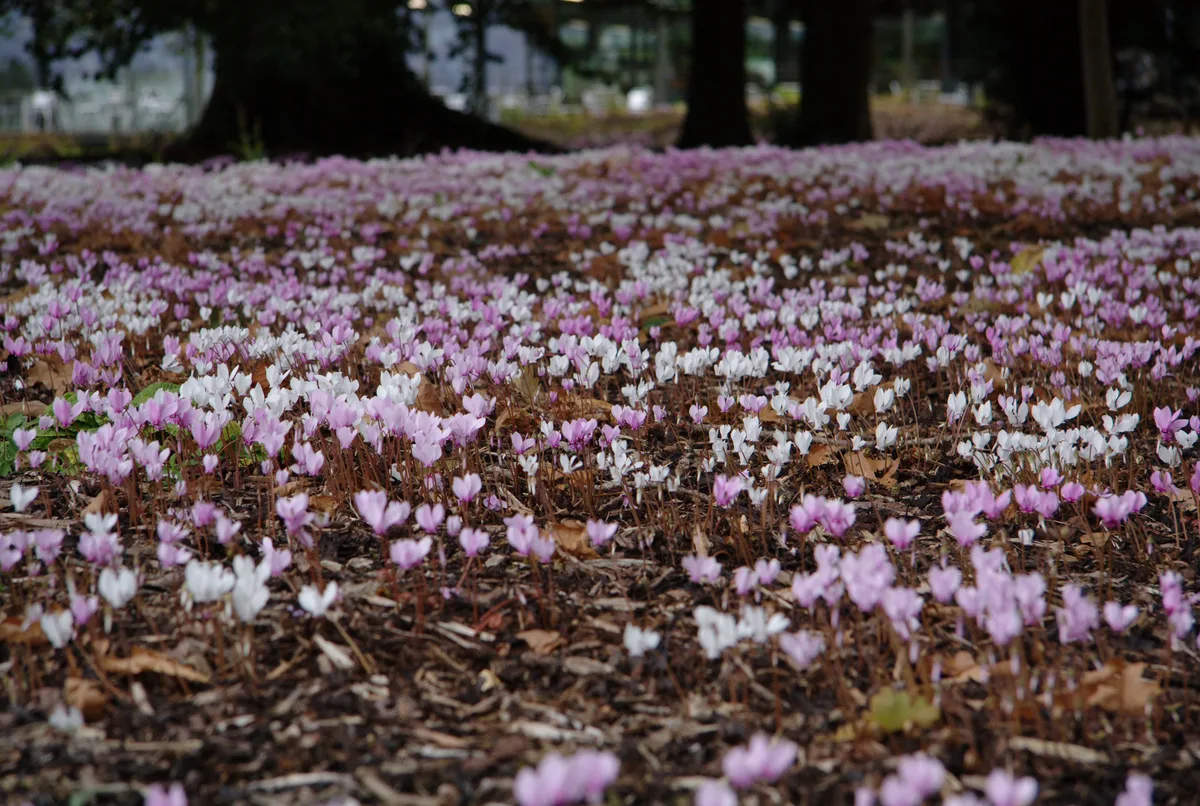
Stay on the paths, because crushed leaves stop bulbs from feeding for the following year. Never pick flowers, and never dig up wild bulbs, which is an offence under wildlife law. Keep dogs on leads where a site requires it. Native English bluebells droop to one side with narrow, cream-tipped bells. The Woodland Trust's bluebell guide explains the identification points. Our native versus Spanish bluebell comparison covers the hybrids you will meet in gardens.
Getting There and Mistakes to Avoid
Ancient woods such as Ebernoe and Costells rely on small car parks, and Costells starts with a walk of about 500 m. National Trust sites and Arlington use paid entry, so budget for admission as well as parking. For a car-free day, check the Bluebell Railway link at Standen against National Rail and local bus timetables. Avoid these common errors.
- Arriving at Arlington without an online ticket.
- Assuming a free wood has parking, toilets or a café.
- Wearing thin shoes on wet Wealden clay.
- Stepping off the path for a photo.
- Relying on last year's access details.
More Bluebell Trips
The UK bluebell woods hub collects every region. For a longer trip, try Bluebell Walks in the Cotswolds: Best Woods & Timing or Bluebells in Scotland: Where, When & What to Look For.
Frequently Asked Questions
What month do bluebells flower in the UK?
Bluebells usually peak from late April to early May. Cold or warm springs shift the display by a week or more. Check a wood's bloom update before you go, or read our guide on bluebell flowering times.
Bloom-season notes
Optional updates when we add or revise garden guides.
Continue reading
Guides on the same trip