Bluebells in Scotland: Where, When & What to Look For
Scotland's "bluebell" may be a harebell. Learn when native bluebells flower, how to tell them apart, and how to visit woods responsibly.
Last updated November 2026: bluebells in Scotland are real, but the word can mean two different flowers. Native woodland bluebells flower in Scottish glens in May, while the Scots "bluebell" is the harebell. This guide shows how to tell them apart, when to go and how to visit without harming the plants, and it links to our wider bluebell woods guide.
Featured image: Rosser1954, CC BY-SA 4.0, via Wikimedia Commons.

Bluebells in Scotland: the short answer
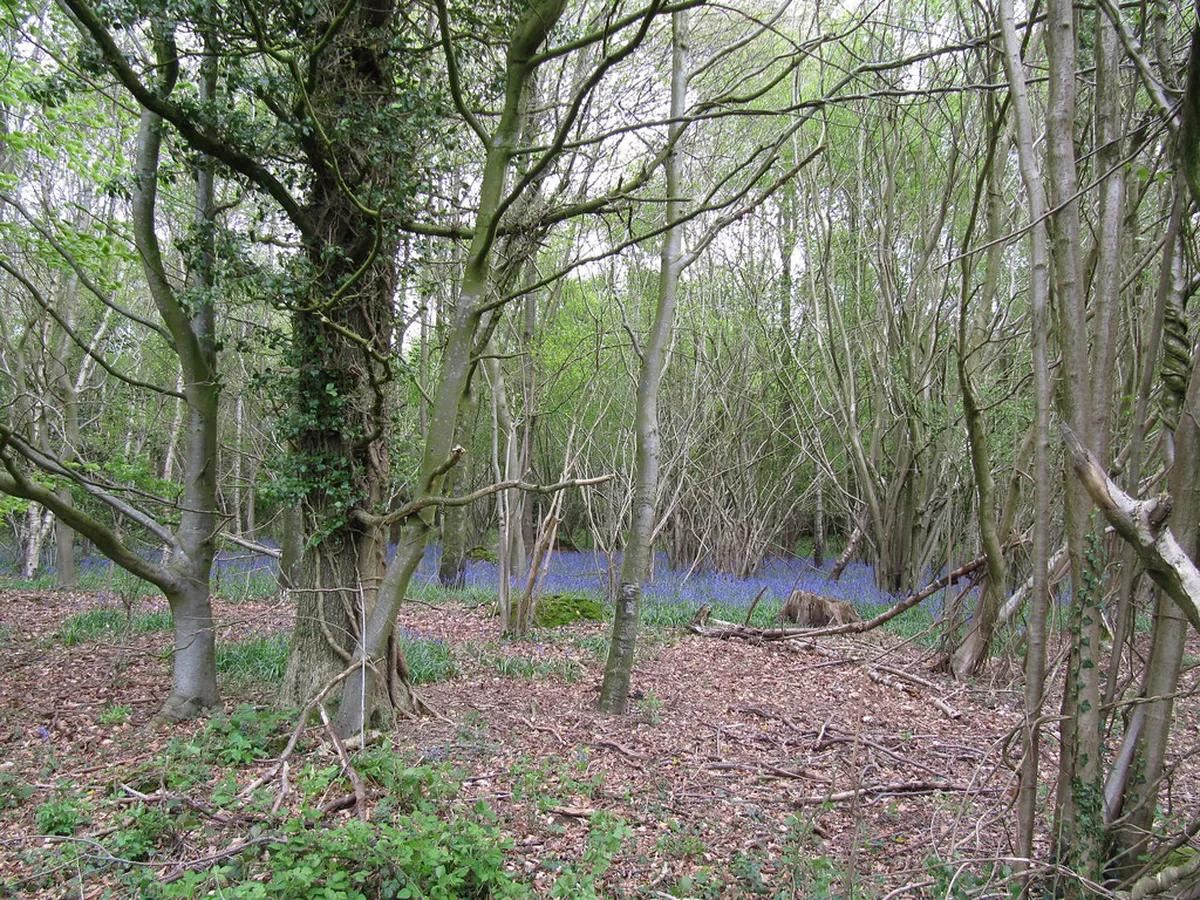
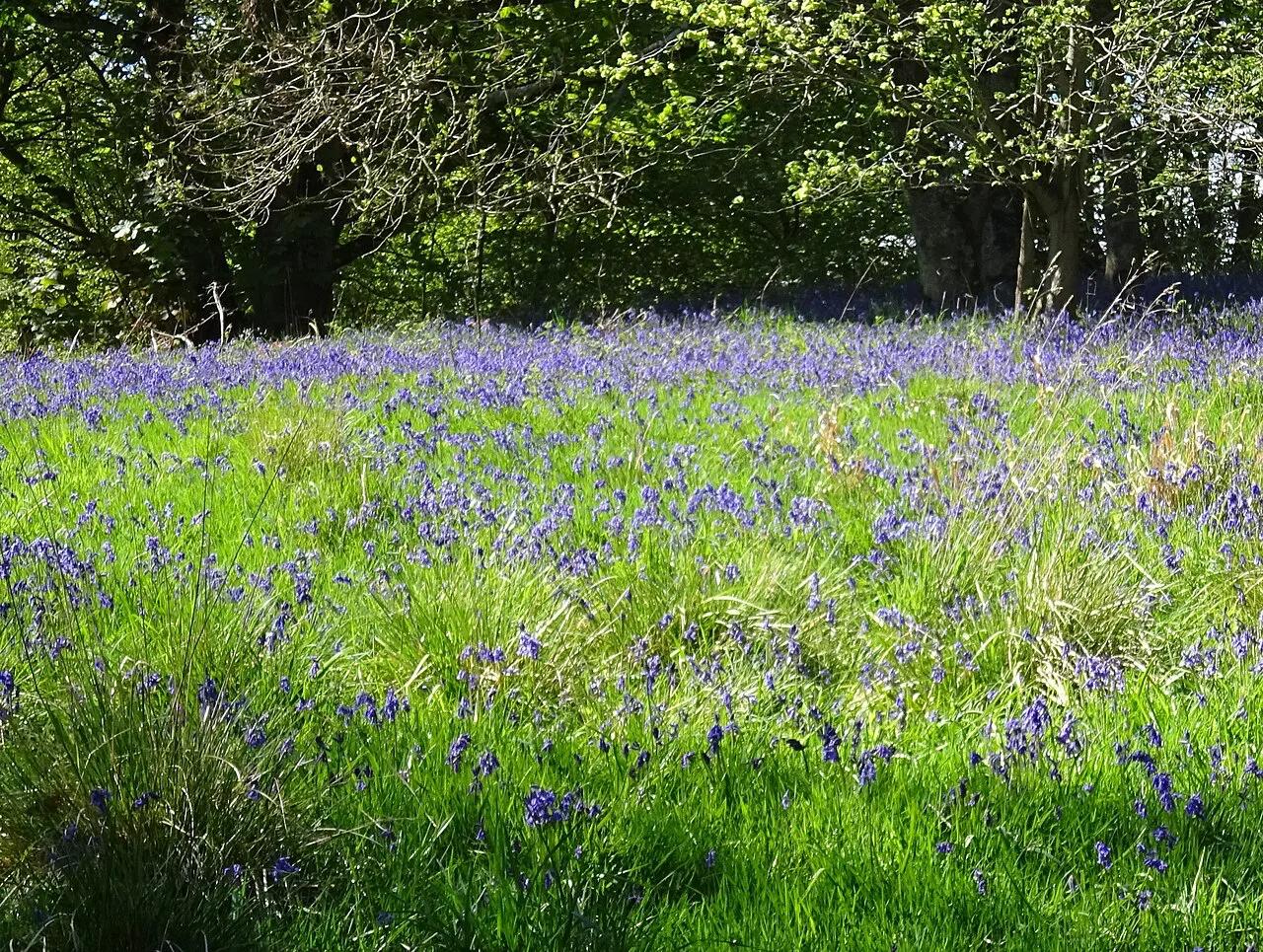
Scotland has native bluebells. The woodland species, Hyacinthoides non-scripta, grows in Scottish deciduous and mixed woods. Killearn Heritage Trail describes it carpeting Kirkhouse Woods and Killearn Glen every May. In Scotland, though, "bluebell" also names the harebell, Campanula rotundifolia. That is a different plant of grassland and rocky ground. Expect locals to use either meaning, so check which flower someone is describing before you plan a trip around it.

Bluebell or harebell? How to tell them apart
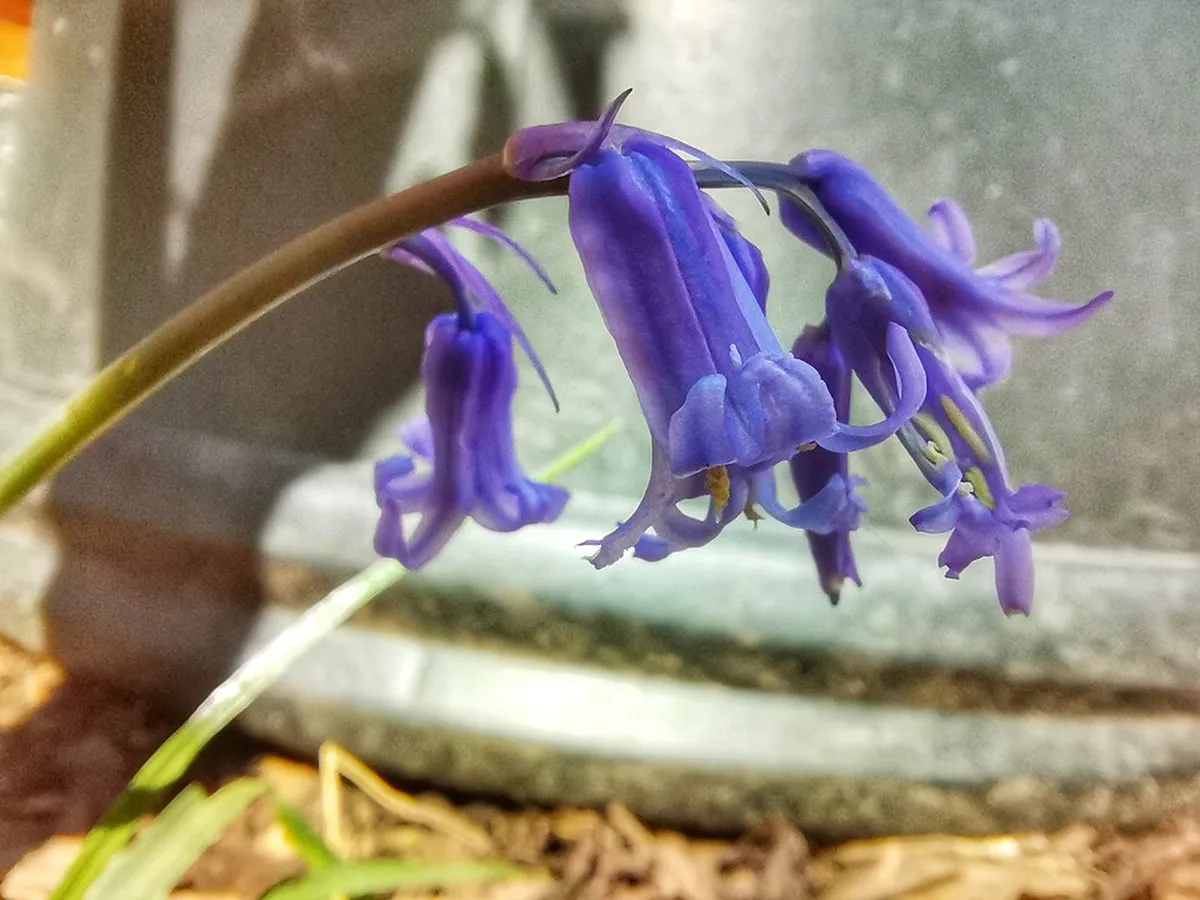
Three blue bell-shaped flowers cause most of the confusion. The native bluebell and the Spanish bluebell share woodland habitat and often hybridise. Our guide to English and Spanish bluebells explains the hybrid problem in detail. The Woodland Trust also publishes a native bluebell identification page.
| Feature | Native bluebell | Harebell (Scottish bluebell) | Spanish bluebell |
|---|---|---|---|
| Habitat | Ancient and mixed deciduous woodland | Grassland, dunes and rocky open ground | Gardens, verges and woodland edges |
| Flowering | Leaves in April, flowers in May | Summer into early autumn | Spring, often alongside the native species |
| Flower shape | Narrow bells that droop to one side on an arching stem | Delicate nodding bells on thin wiry stems | Wide open bells on an upright stem, set all round |
- Mistake: expecting a woodland carpet in July. A flower seen then is almost certainly a harebell.
- Mistake: assuming every blue woodland bell is native. Upright stems and open bells suggest Spanish or hybrid plants.
When to go
Native bluebells put out leaves in April and flower in May, according to Killearn Heritage Trail. Timing shifts with latitude and altitude. Low ground and the south usually flower earlier, while northern and higher woods run later. Climate change is also pushing flowering about 10 days earlier than in 1986. Do not travel on a calendar date alone. Check recent local sightings in the week before you go. Our guide to when bluebells flower covers the wider UK pattern.
Native bluebells now flower about 10 days earlier than in 1986, so a May date from an older guide may run late.
Where to look in Scotland
Look for old deciduous woods and sheltered glens, because native bluebells need woodland shade that thins before the canopy fills in. The one verified Scottish example is Killearn, where Kirkhouse Woods and Killearn Glen are named for their May display. For more options, check the woodland pages of the National Trust for Scotland, Forestry and Land Scotland and the Scottish Wildlife Trust. VisitScotland is a useful starting point for regional travel planning. Confirm access and paths on the site's own page before you travel.
- Ancient woodland: long-established woods are the likeliest to hold native plants.
- Access: choose a wood with waymarked paths and a clear public entry point.
- Path surface: check whether tracks are muddy or uneven in spring.
- Transport: look up bus or train links if you are not driving.
- Distance: pick a wood close to your base so you can go on the best day.
Visiting without harming them
Stay on paths. Trampling damages leaves, and the bulbs then cannot store energy for next year. Do not pick or dig. The Wildlife and Countryside Act 1981 protects wild bluebells from sale and bulb removal, and illegal harvesting is one of the plant's listed threats. Keep dogs on paths too. All parts of the plant are mildly poisonous. Folklore adds a warning of its own: pick one and the faeries ring the bells in anger.
Compare with other UK and European bluebell trips
If you want the classic dense carpet and easy access, England has more established options. Start with Bluebell Woods Near London: Best Day Trips by Train & Car. Kent is covered in Bluebell Woods in Kent: Where to Go, When & How, and Sussex in Bluebell Woods in Sussex: Best Places, Timing & Access. Walkers may prefer Bluebell Walks in the Cotswolds: Best Woods & Timing. For a continental comparison, see Bluebells in Europe: Where & When to See Them. Other spring flower trips include Snowdrop Gardens UK: Where to Go, When & How to Plan and Wild Daffodils UK: Where and When to See Them.
Frequently Asked Questions
What country are bluebells native to?
The native bluebell, Hyacinthoides non-scripta, is a woodland flower of the UK and western Europe. It grows in Scotland as well as England, and Killearn's woods are one Scottish example.
What flowers are often mistaken for bluebells?
Spanish bluebells and hybrids look closest, with upright stems and open bells. Harebells are also called bluebells in Scotland, but they flower in summer on grassland and rocky ground.
Bloom-season notes
Optional updates when we add or revise garden guides.
Continue reading
Guides on the same trip