Bluebell Woods Near London: Best Day Trips by Train & Car
Find the best bluebell woods near London, with access and parking notes, when to go, how to tell native from Spanish bluebells, and which to skip.
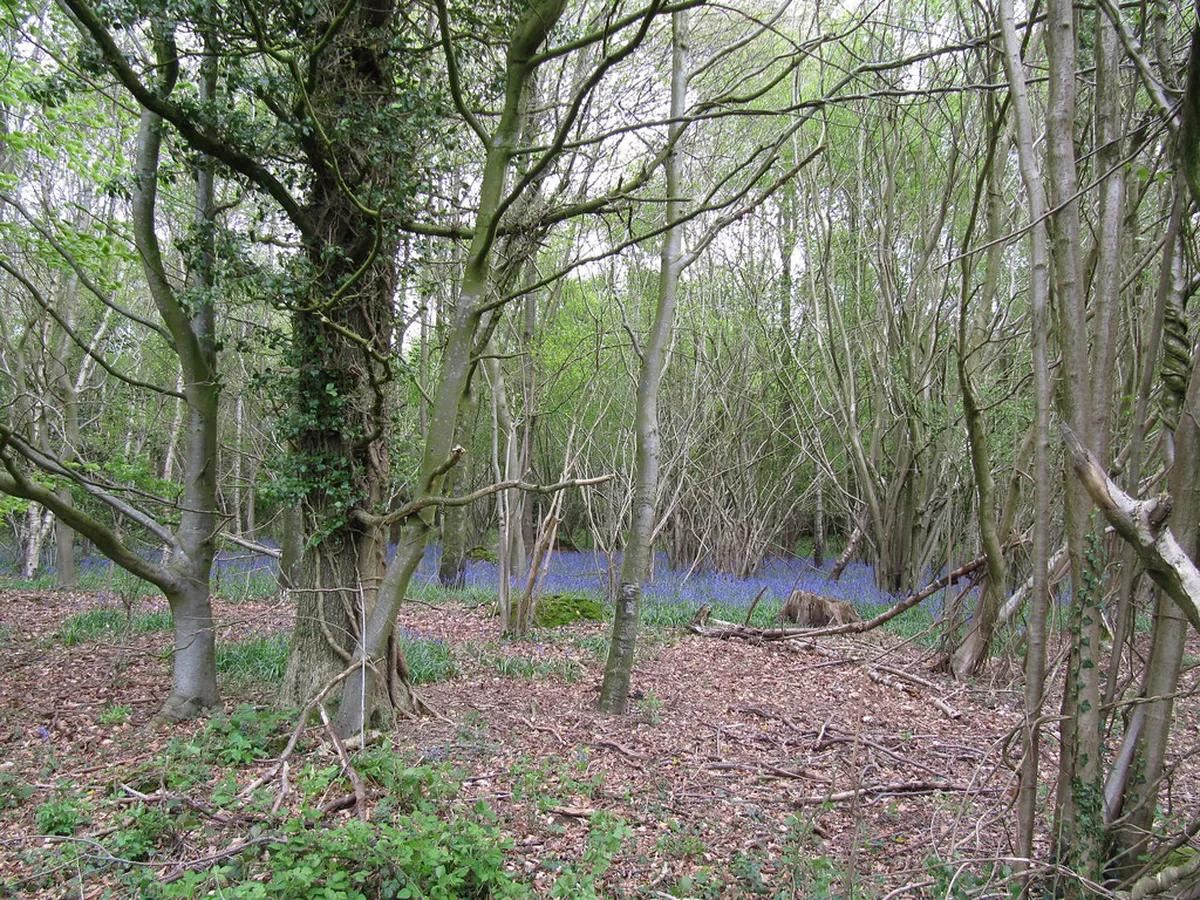
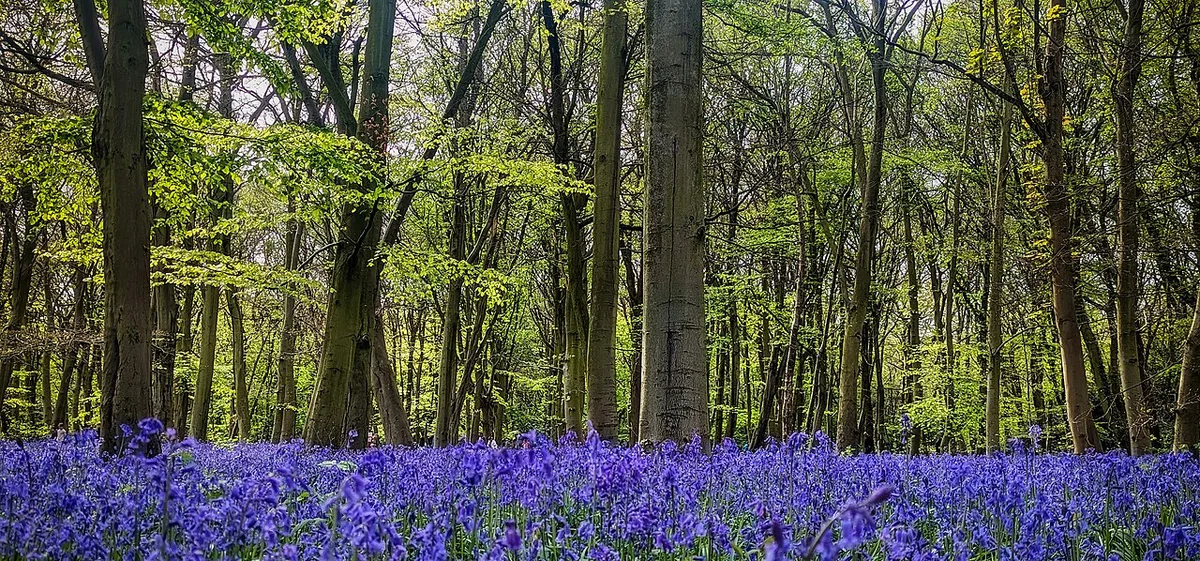
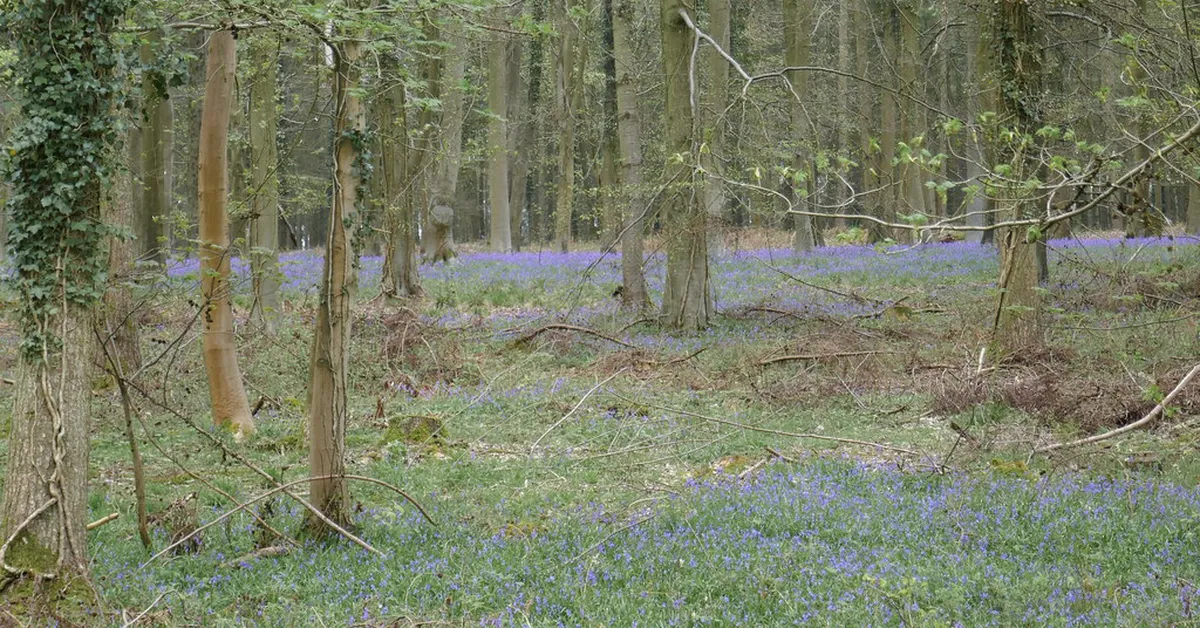
Last updated November 2026. The best bluebell woods near London sit mostly in Surrey, with Epping Forest and Hatfield Forest on the Essex side and Hole Park in Kent. Plan for mid-April to mid-May, a window that shifts with the weather. Our wider guide to British bluebell woods covers the rest of the country.
Featured image: J a s o n B o l d e r o, CC BY 2.0, via Flickr.
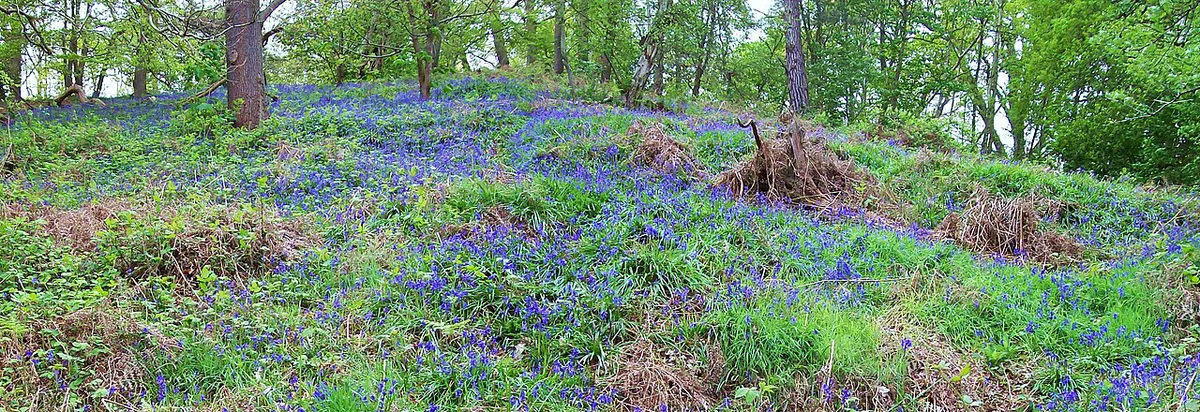
Best bluebell woods near London, by how you get there
We sort the picks by effort, because the useful question is how much of your day goes on getting there. Surrey is our strongest cluster for a London day trip. It has over a dozen named bluebell woods, so you can choose by terrain and facilities instead of settling for one crowded car park. Journey times and fares change with timetables, so check National Rail or TfL for the station nearest your chosen wood.
| Wood | County | Access type | Terrain | Best for |
|---|---|---|---|---|
| Wilderness, Hampton Court Palace Gardens | Surrey edge of London | Palace garden entry | Garden paths | Bluebells without leaving the city |
| Hatchlands Park / Little Wix Wood | Surrey | National Trust estate | Woodland paths | Café, shop and a play area |
| Polesden Lacey | Surrey | National Trust estate | Four way-marked walks across 1,400 acres | Longer walks |
| Frank's Wood, Leith Hill | Surrey | Landslip car park, Abinger Road | One-mile walk through a conifer avenue | Walkers who want a route |
| Chinthurst Hill | Surrey | Open woodland near Guildford | Steep climb | Views and a 1930s stone folly |
| Sheepleas | Surrey | Surrey Wildlife Trust | North Downs chalk slopes | Woods plus grassland |
| Gatton Park and Reigate Hill | Surrey | Open access all year | Woodland and parkland | Spacious, native-bluebell displays |
| Runnymede, Cooper's Hill Woods | Surrey | National Trust | Woodland | Bluebells with wood anemones |
- Inside or at the edge of London: the Wilderness at Hampton Court Palace Gardens, where bluebells and daffodils grow in long grass. Epping Forest, run by the City of London Corporation, also sits at the edge of the city.
- Easier by car: Hatchlands Park and Little Wix Wood near East Clandon, Polesden Lacey near Great Bookham, and Frank's Wood at Leith Hill near Dorking.
- Surrey woods worth a longer look: Banstead Woods, Chantry Woods near Guildford, Sheepleas near West Horsley, and Staffhurst Wood south of Oxted.
- Across the border in Essex: Hatfield Forest, a National Trust site. Check its visitor page for bloom updates before you travel.
- Kent option: Hole Park Gardens, a garden with its own entry arrangements.
When is bluebell season near London?
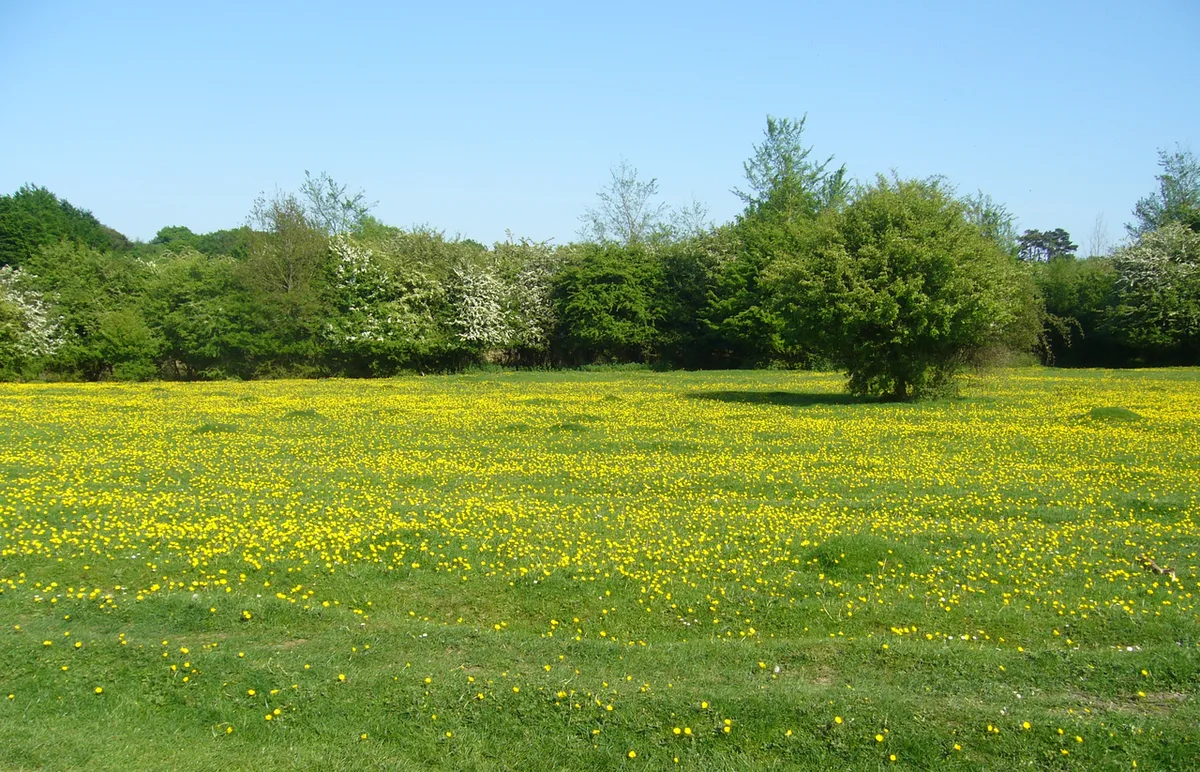
Bluebells usually flower from mid-April to mid-May, and the south blooms first. Weather moves that window by a week or more either way. We would not commit to a single weekend. Check the bloom updates on your chosen venue's page a few days ahead. Early morning and the hour before sunset give the softest light. Our timing guide for bluebell season goes into more detail.
Costs, booking and parking
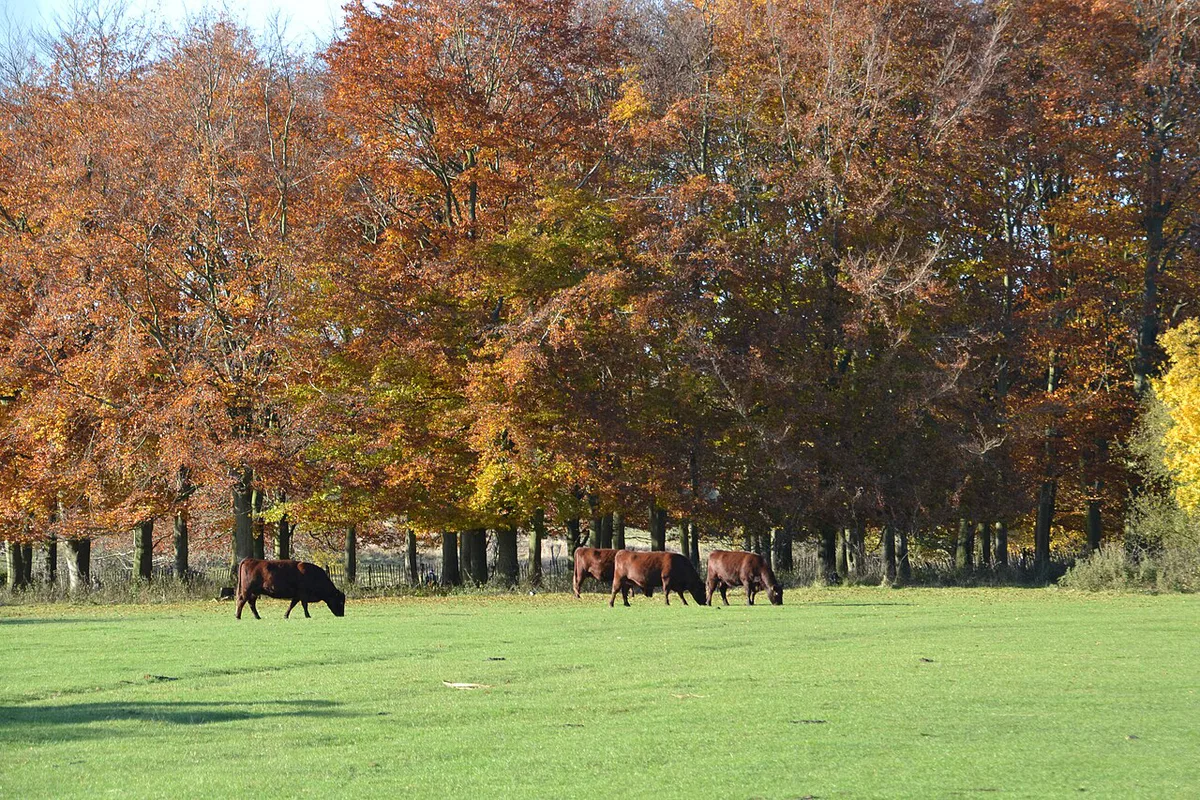
Access falls into three types. Open-access woodland such as Gatton Park is free to enter all year. National Trust estates such as Hatchlands Park and Polesden Lacey charge for entry and car parking unless you are a member. Garden-based sites such as Hole Park and the Hampton Court Wilderness sell tickets through their own pages. Some peak-season sites use online booking only. Sussex's Arlington Bluebell Walk, for instance, runs a booked, timed trail with last entry at 4pm. Prices and rules checked November 2026 show no single London rule, so use each venue's own page. The Hatfield Forest visitor page is the place to check Essex. For Epping Forest, use the City of London Corporation page. Car parks at popular woods fill early on peak weekends. A weekday morning is our tip for avoiding that.
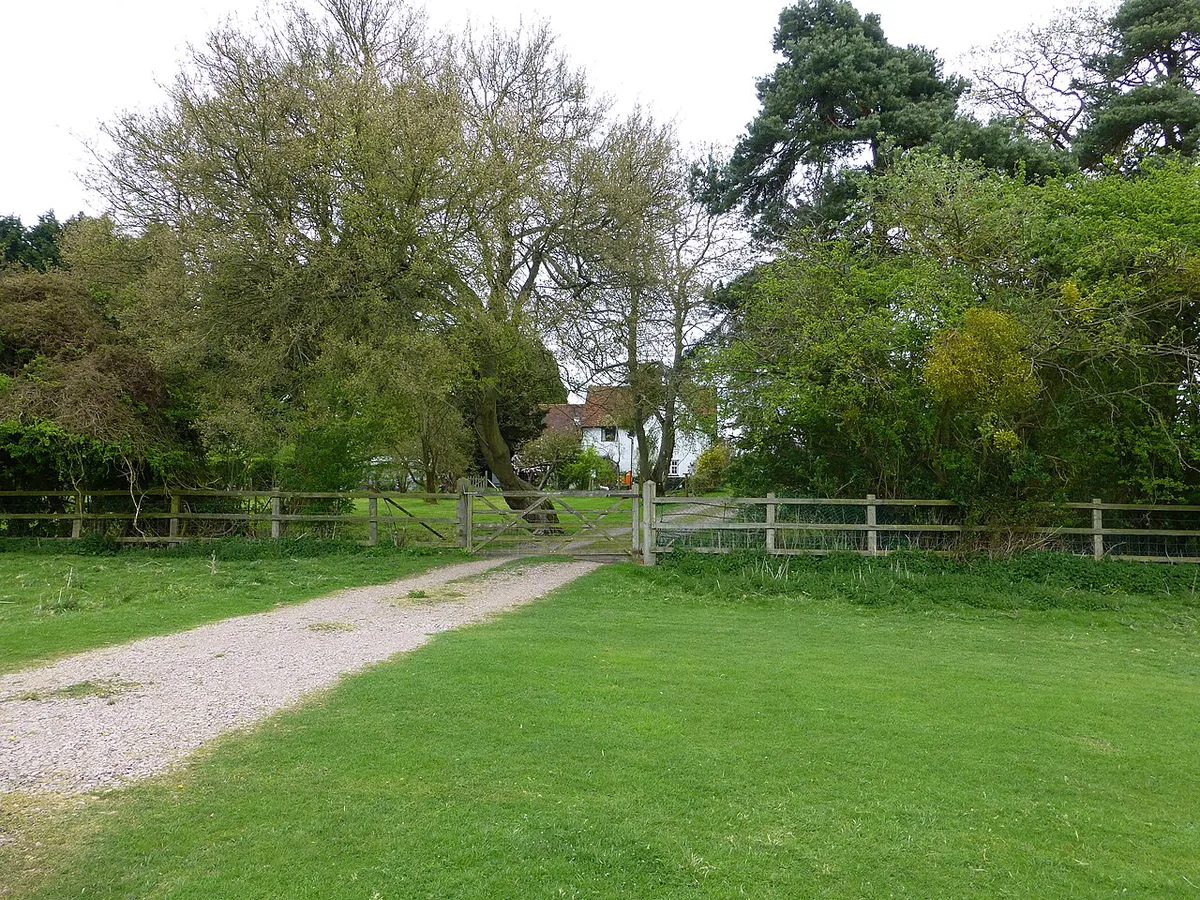
Arlington's trail is booked and timed, with last entry at 4pm, and it lies in Sussex. Count that drive in before you commit to a single day.
Which wood fits you?
We would send families to Hatchlands Park, which has a café, a shop and a play area beside Little Wix Wood. Walkers who want more distance should pick Polesden Lacey, where four way-marked walks cross 1,400 acres. Photographers should aim for Frank's Wood at Leith Hill, which has a one-mile approach walk. We would skip Chinthurst Hill with a pushchair or mobility needs, because the climb is steep. Wet spring weather turns many woodland paths to mud. The only wheelchair-suitable route in our research is Arlington's 1,100 m (about two-thirds of a mile) circular walk in Beatons Wood. That is in Sussex, so it is a longer trip, not a quick London day out.
Native or Spanish bluebells? How to tell
Native English bluebells, Hyacinthoides non-scripta, have a delicate scent, creamy pollen and flowers that curl at the edges. Spanish bluebells have no scent, look bolder and darker, and cross-pollinate with the native species. Look at the flowers, not just the colour. Our English versus Spanish bluebell guide shows the differences in more detail. The Woodland Trust bluebell page is the official reference.
Bluebell etiquette and the law
Bluebells are protected under the Wildlife and Countryside Act 1981, so do not uproot them. Stay on the paths. Trampled leaves can kill bluebells for the season, and plants can take years to flower again.
- Arrive early or on a weekday, because weekend car parks fill up.
- Keep to marked paths and keep dogs under control.
- Never step into a carpet for a photo.
- Do not pick flowers or dig up bulbs.
Further afield
If you can travel beyond Surrey, Kent and Sussex have their own lists. Start with our Kent bluebell woods guide. Sussex has Nymans, Standen, Sheffield Park and Ebernoe Common, covered in our Sussex bluebell woods guide. Cotswold villages are covered in Cotswolds bluebell walks. For a Scottish trip, see Bluebells in Scotland: Where, When & What to Look For. Continental options are in Bluebells in Europe: Where & When to See Them. Early spring brings Snowdrop Gardens UK: Where to Go, When & How to Plan and Wild Daffodils UK: Where and When to See Them before the bluebells arrive.
Frequently Asked Questions
Where can I see bluebells in London?
The Wilderness at Hampton Court Palace Gardens has bluebells and daffodils in long grass. Epping Forest, managed by the City of London Corporation, sits at the edge of London. Check each site's page for bloom updates.
What month do bluebells flower in the UK?
Bluebells usually flower from mid-April to mid-May. They appear first in the south and later further north. Weather can shift the dates.
Are you allowed to pick bluebells in England?
No. The Wildlife and Countryside Act 1981 protects bluebells, and you should not uproot them. Leave the flowers where they grow and stay on the paths.
Bloom-season notes
Optional updates when we add or revise garden guides.
Continue reading
Guides on the same trip