Kew Gardens in Spring: What's in Bloom and When to Go
What blooms at Kew Gardens in spring, when to visit for magnolias, cherry blossom and bluebells, plus tickets, crowds and how to get there.
Last updated November 2026. Kew Gardens in spring runs from early bulbs and magnolias in March to cherry blossom in April and bluebells in the Woodland Garden by May. Bloom dates shift with the weather, so treat every window below as typical rather than guaranteed. Our complete Kew Gardens guide covers the rest of the year.
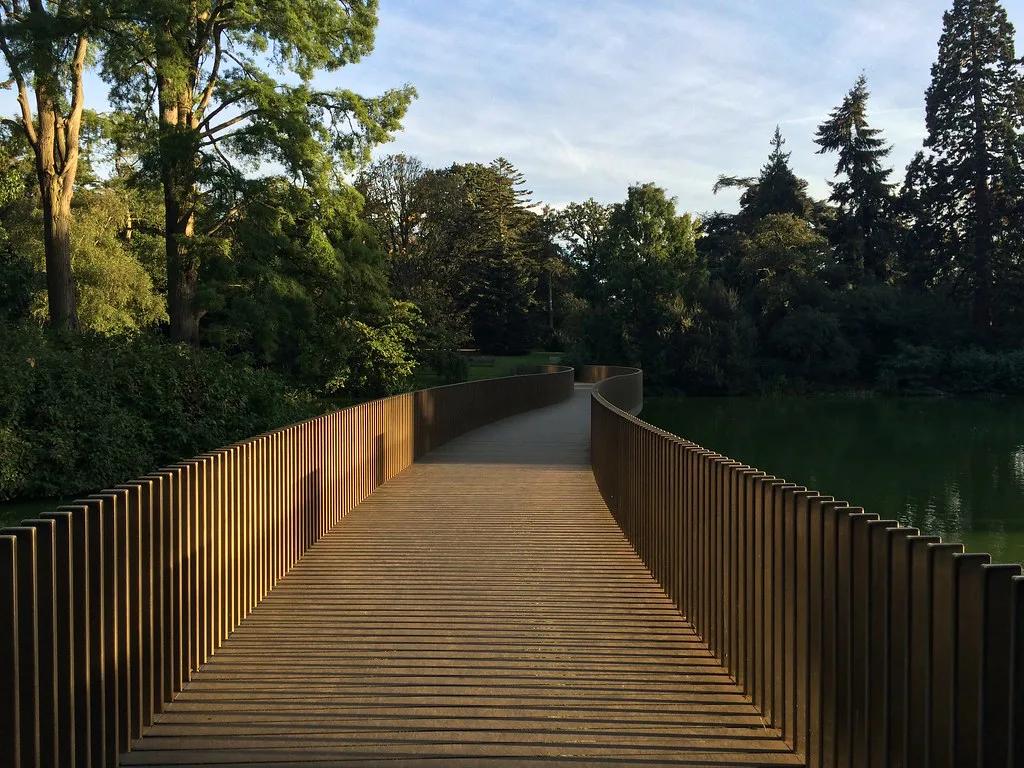
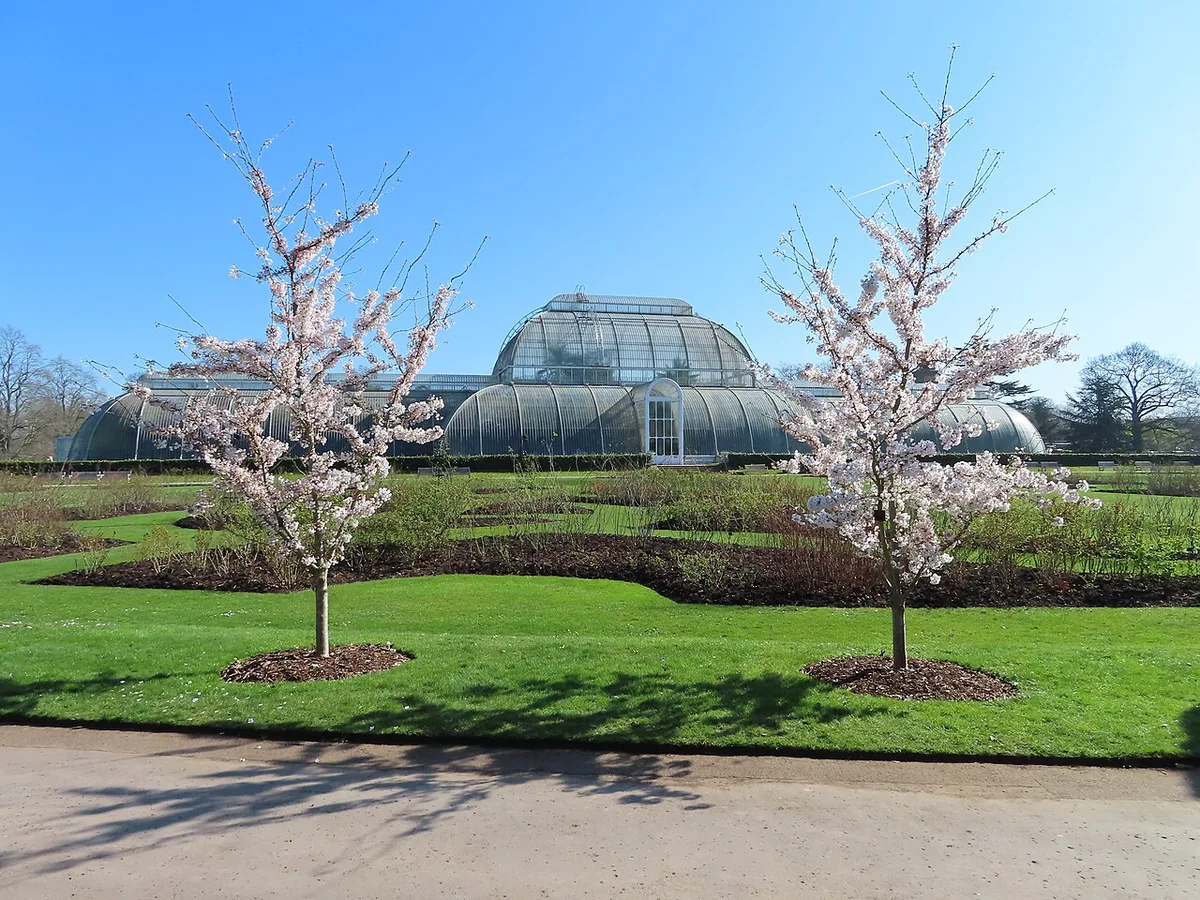
Featured image: Laura Nolte, CC BY 2.0, via Flickr.
Kew Gardens in spring at a glance
Spring is one of the strongest seasons at Kew, and the best week depends on the display you want. London daytime highs average roughly 12°C (54°F) in March, 15°C (59°F) in April and 18°C (64°F) in May. Pack a layer for early visits and an umbrella for any month. Use the table to match your interests to a period.
| Period | Typical highlights | Best for |
|---|---|---|
| Early to late March | Snowdrops, early bulbs, first magnolias, daffodils | Quiet walks, photographers, cool-weather visitors |
| Late March to April | Cherry blossom, peak magnolias, daffodils | Blossom photos, couples, families |
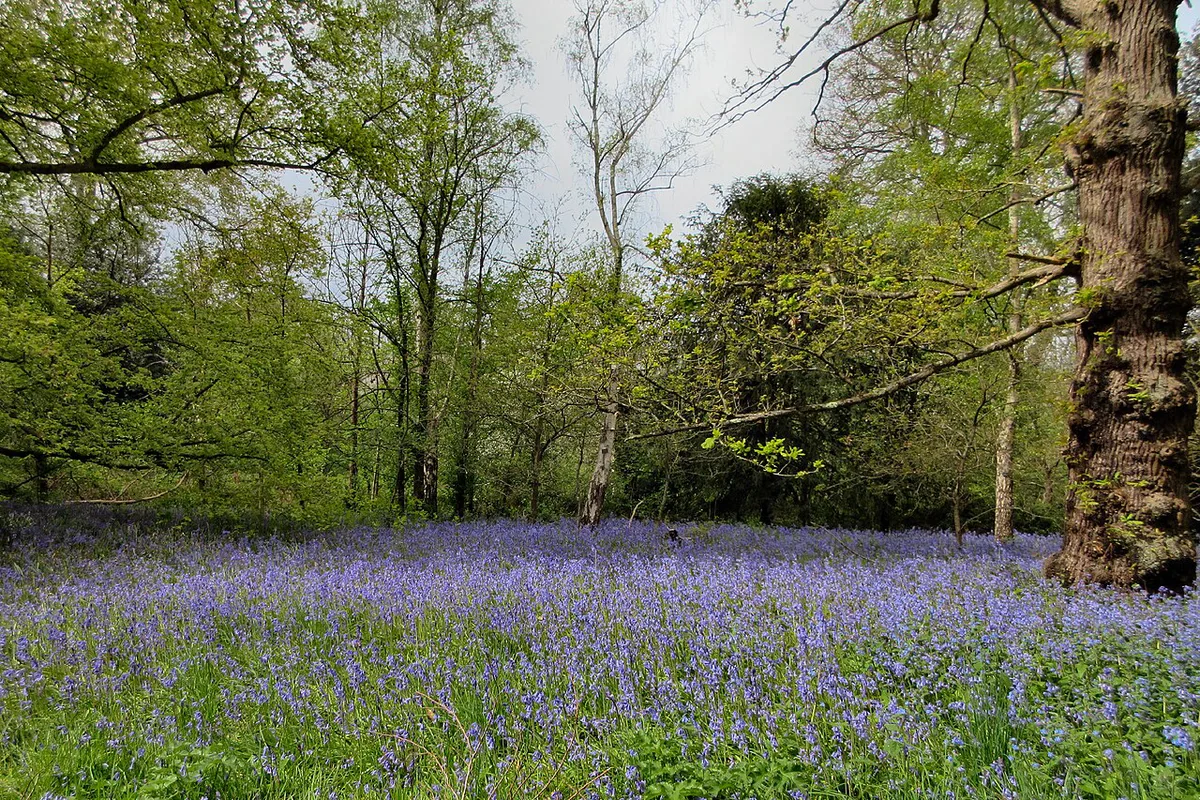
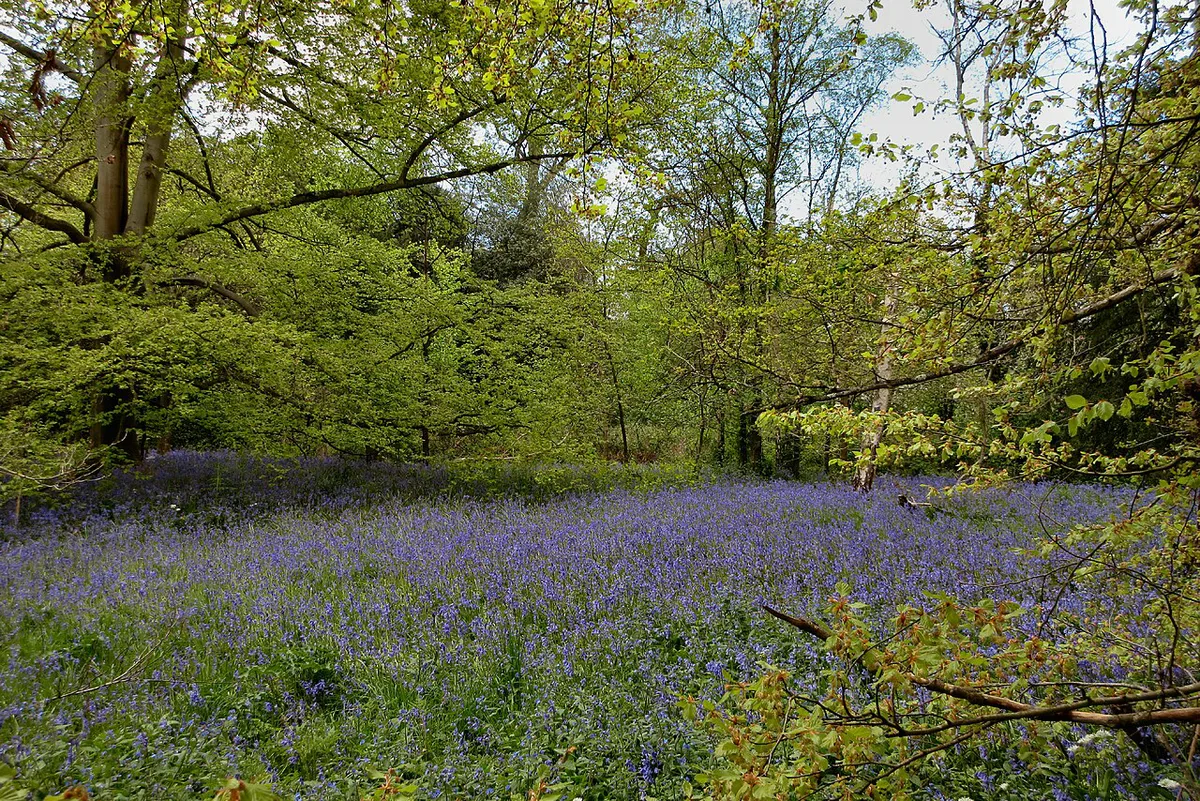
| Late April to May | Bluebells in the Woodland Garden, fresh leaf growth | Woodland walks, longer full-day visits |
What blooms and when
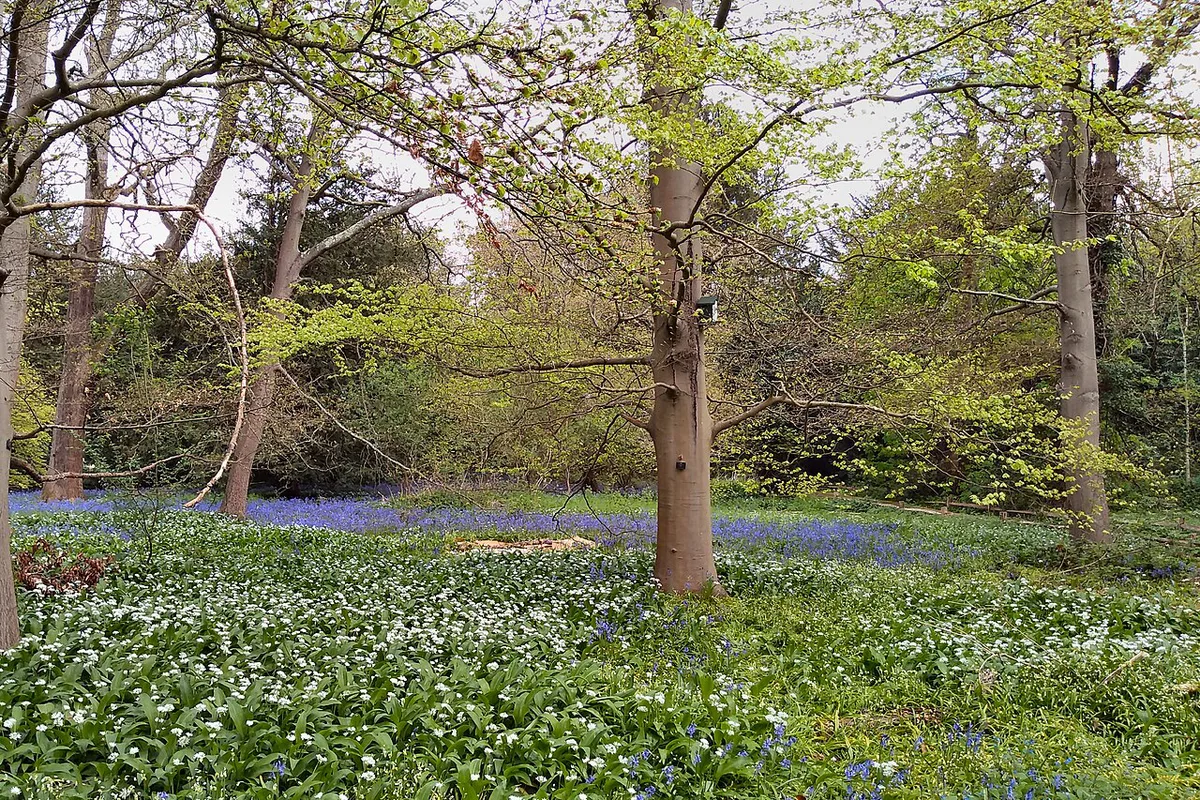
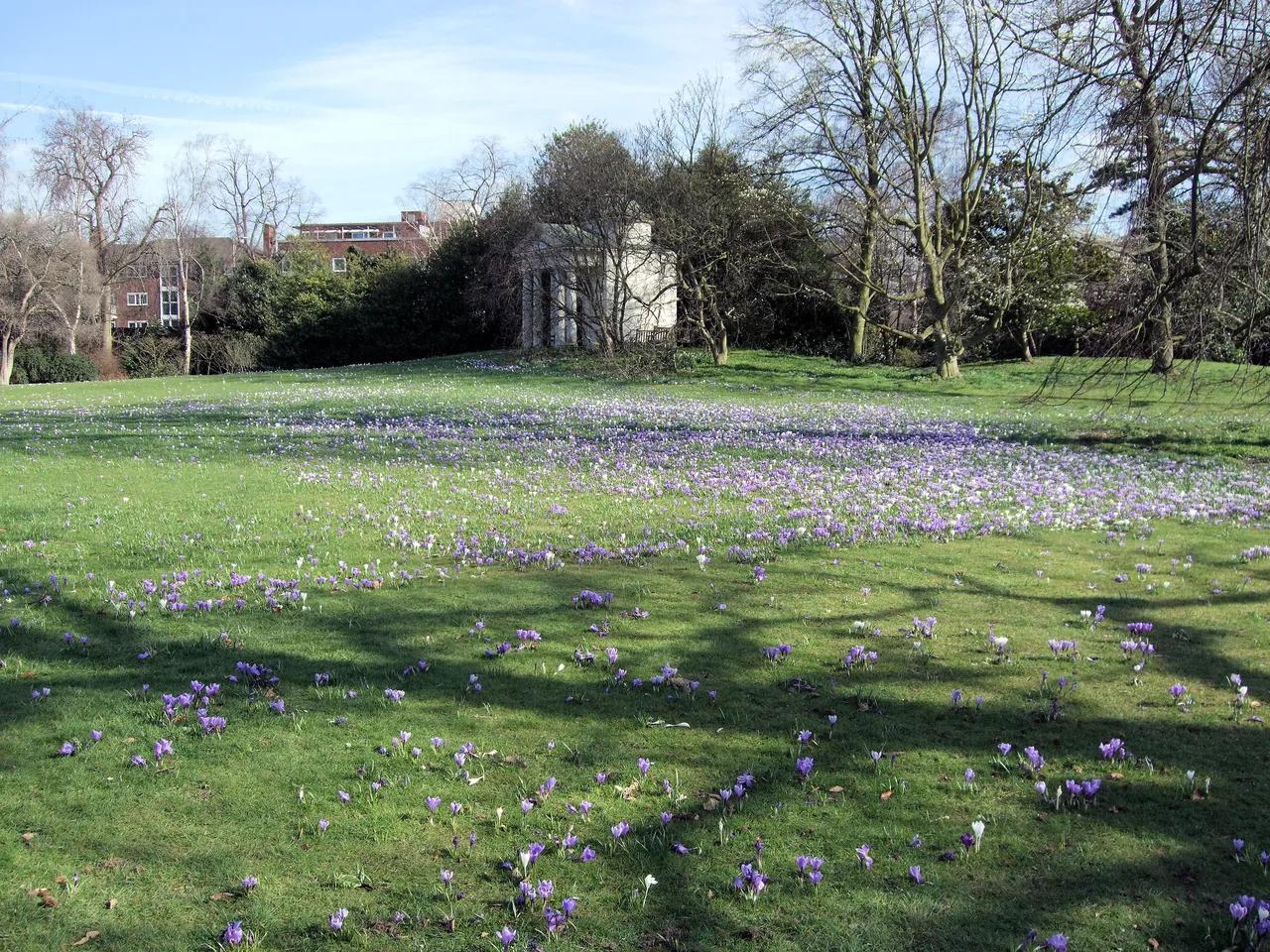
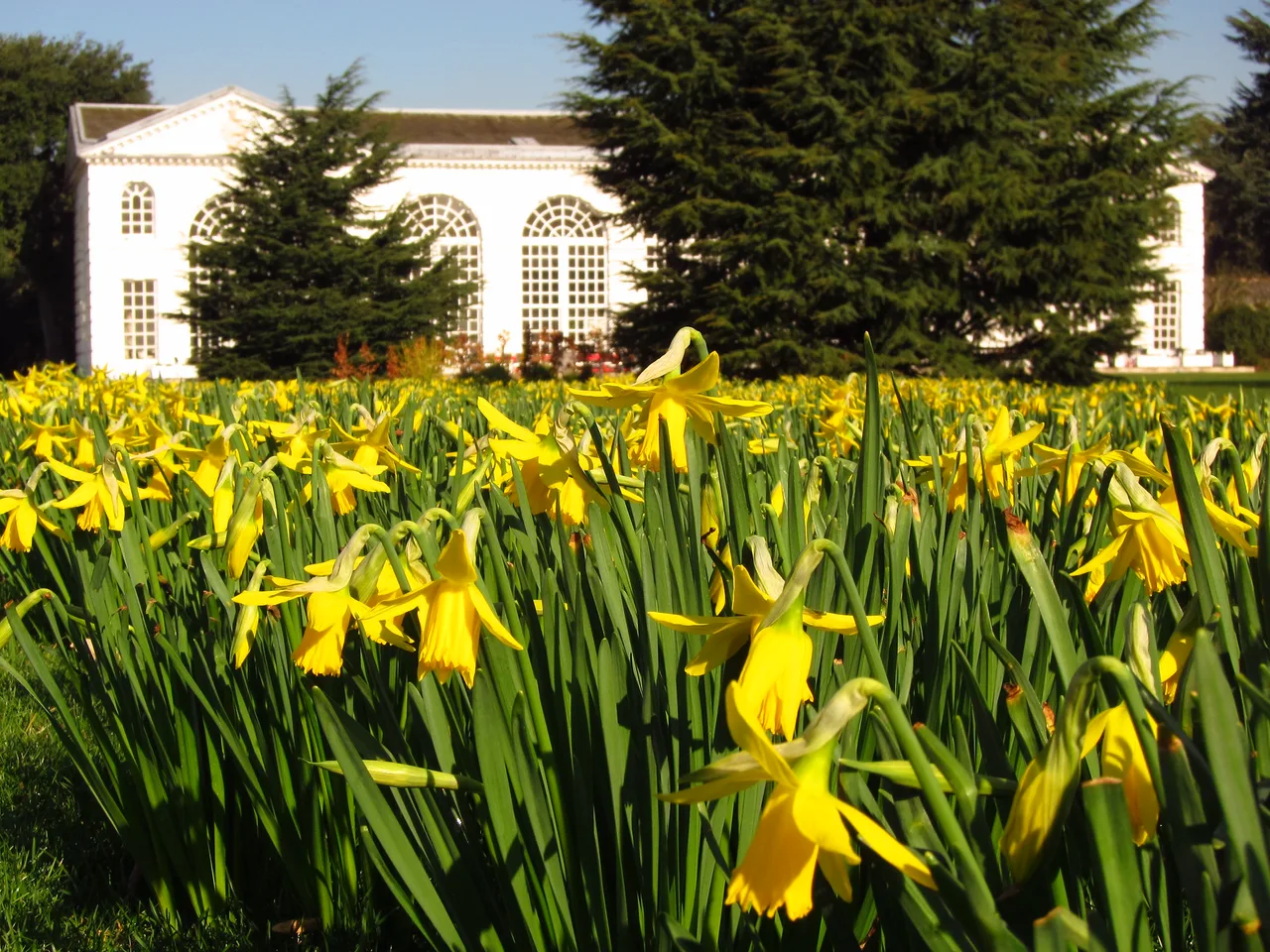
Kew's own seasonal guidance describes a sequence rather than a single peak. Snowdrops and early bulbs open the season, followed by daffodils. Cherries and magnolias come next, then bluebells in Kew's Woodland Garden. A cold March can push everything back by a week or two, and a mild one can pull it forward. Kew publishes bloom updates on kew.org, so check them a few days before you travel.
- Snowdrops and early bulbs: the first colour of the year, usually before the clocks change.
- Magnolias: bare-branched flowers that often peak around the end of March.
- Cherry blossom: a short window, often in April, that a heavy rainstorm can cut shorter.
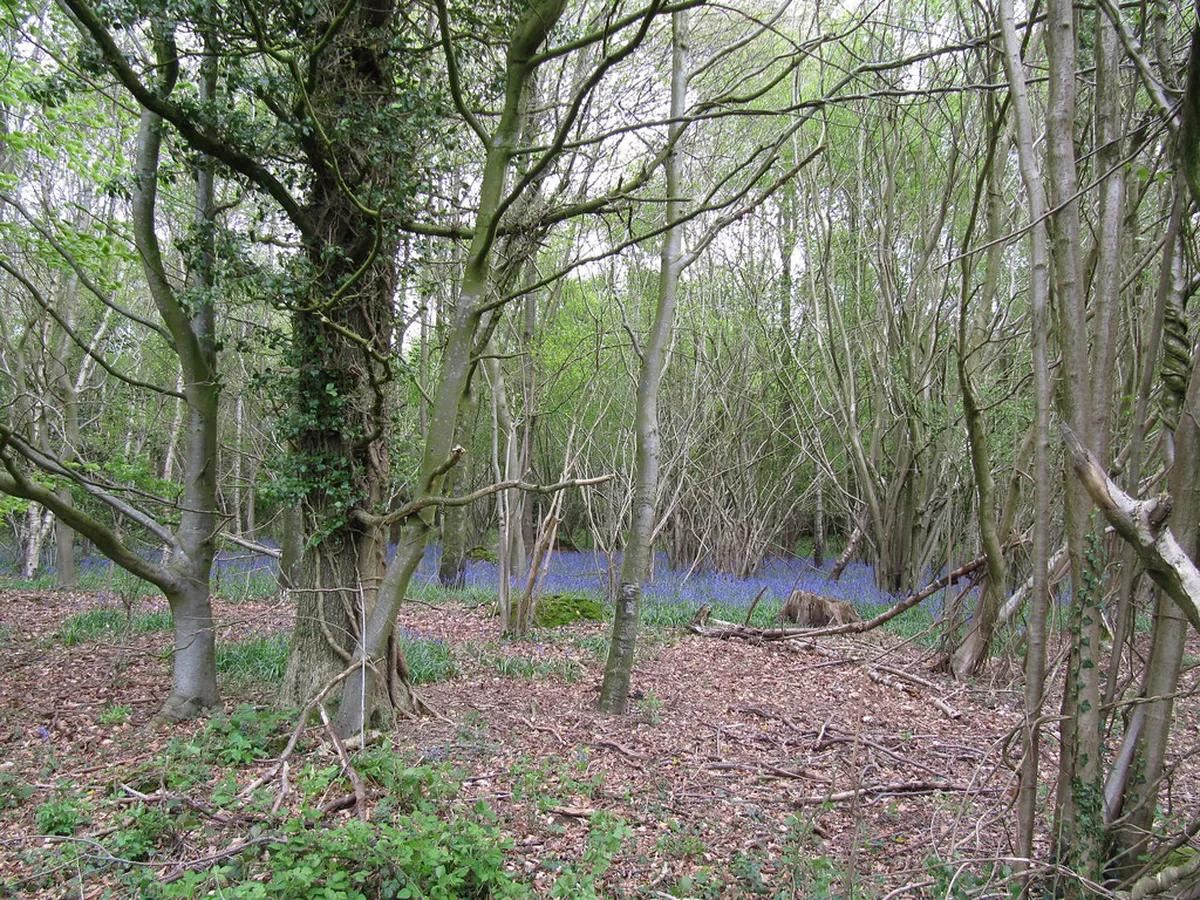
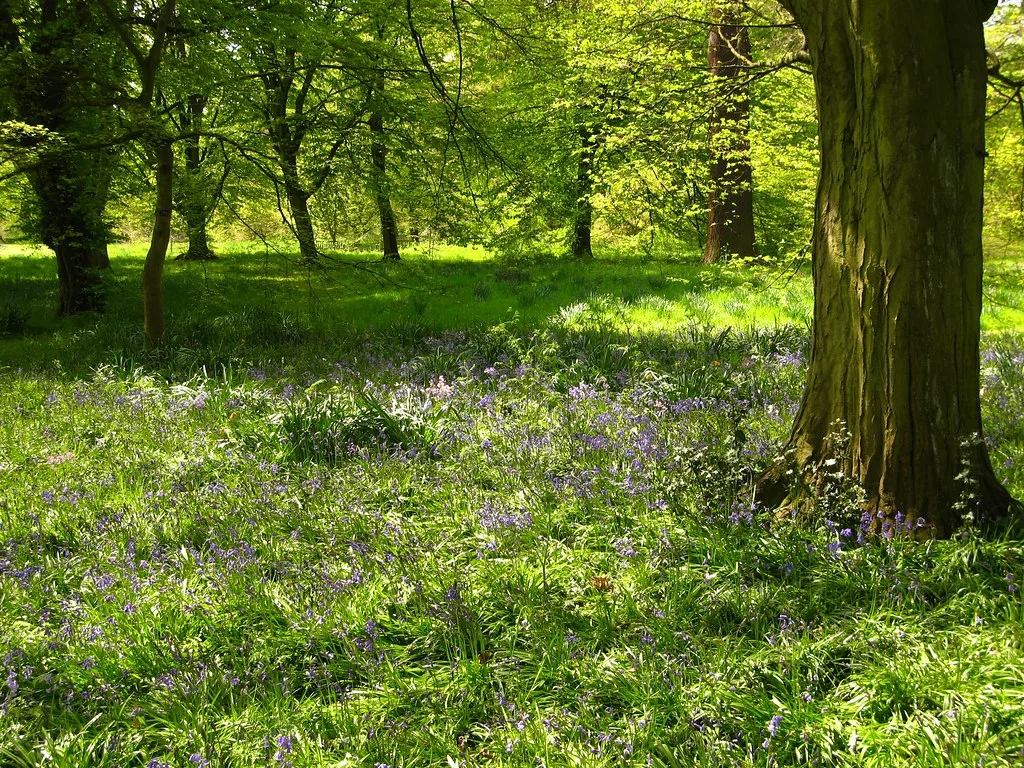
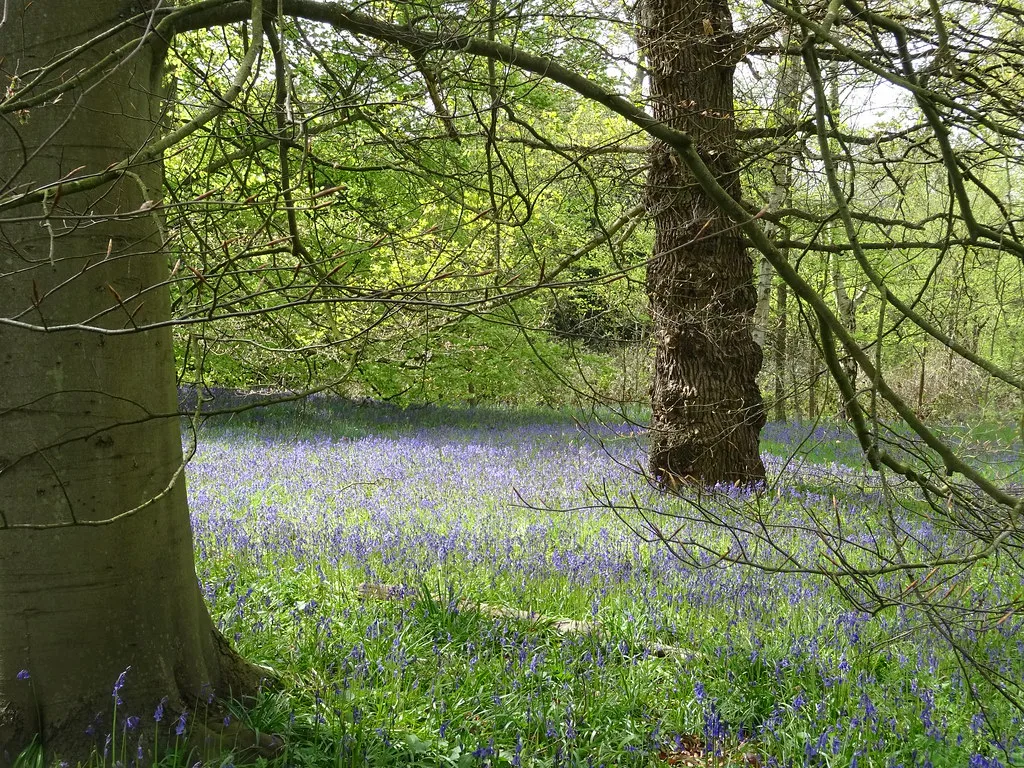
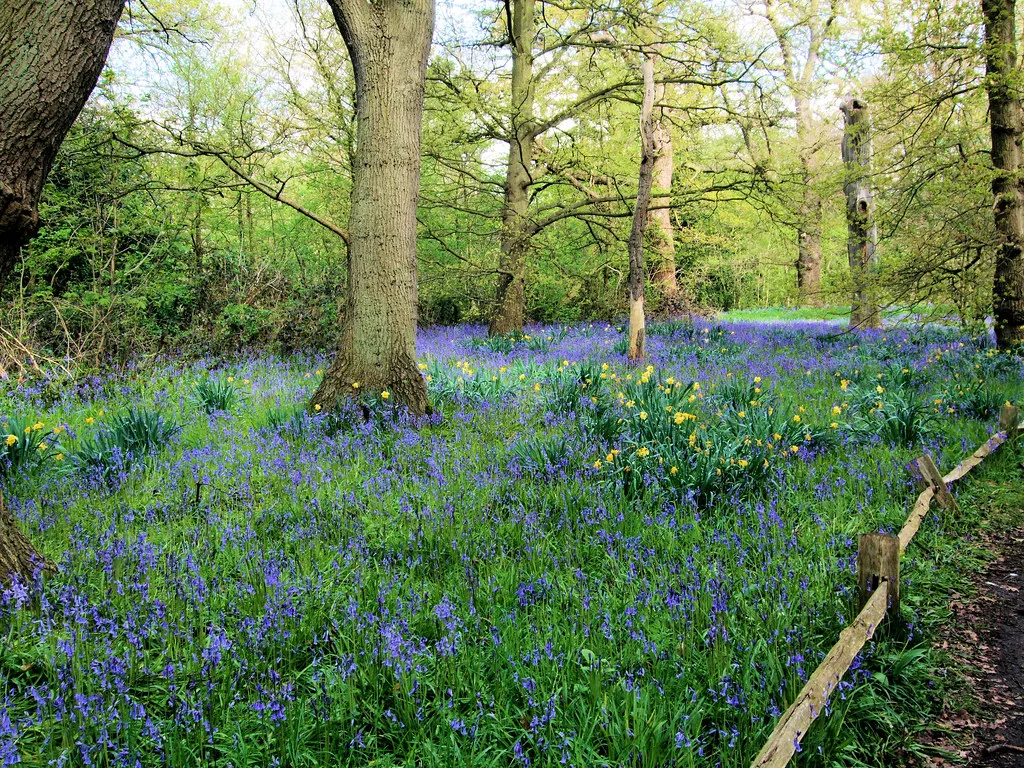
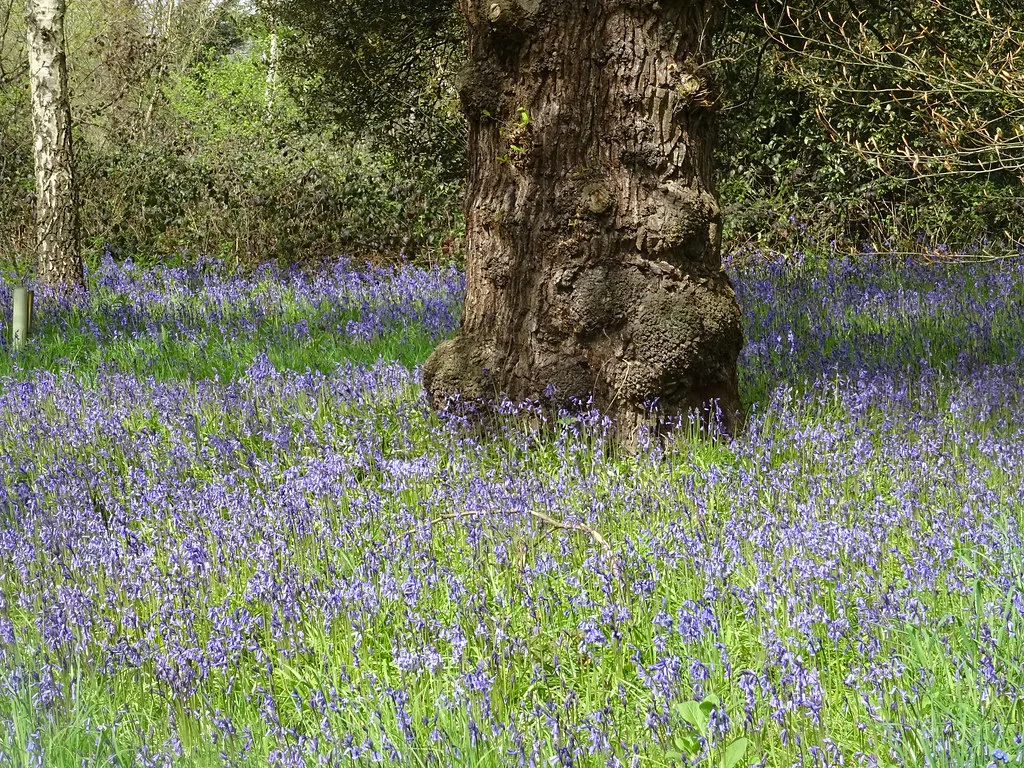
- Bluebells: a woodland display usually timed from late April into May.
Best things to do in spring
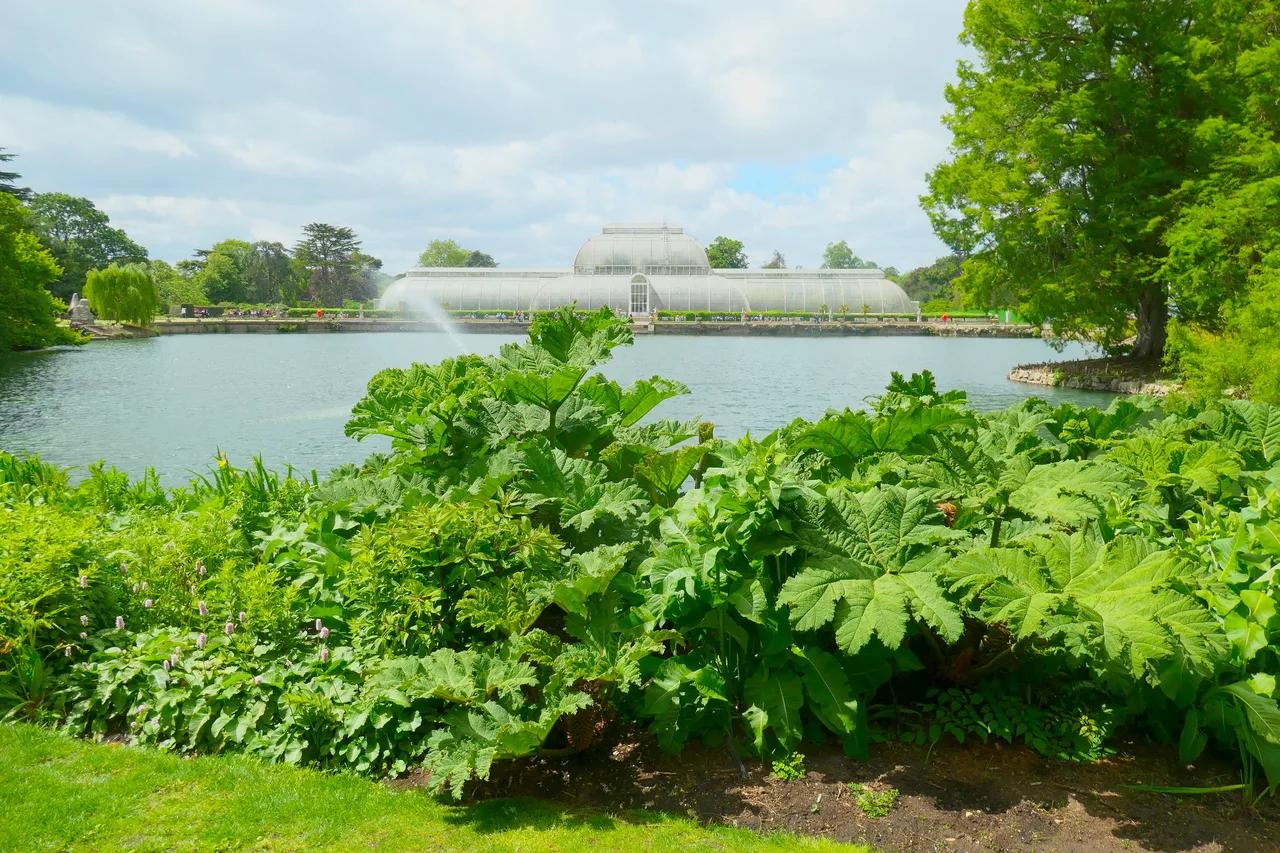
Start with the glasshouses if rain is forecast. The Palm House gives you tropical warmth on a 12°C (54°F) day. Next door, the Temperate House is the larger Victorian glasshouse and a good second stop. On a dry day, climb the Treetop Walkway to see blossom from canopy height. Head to the Great Pagoda for a long view across the gardens when the trees are in leaf. Spring events change each year, so look at kew.org for confirmed dates before planning around one.
How to plan your day
Allow about three hours for a focused half day or five to six hours to see the glasshouses, blossom and woodland. Arrive at opening, walk to the blossom areas first and save the glasshouses for lunchtime or any shower. Pick up the Kew Gardens Map: Gates, Glasshouses and Walking Routes to plan your loop. Closing times extend after the clocks change in late March, so check the seasonal opening times before you set a late arrival.
Tickets, timing and crowds
Prices checked November 2026. Online adult tickets have typically started around £20 on off-peak spring days and climbed to about £25 on peak blossom weekends, so the same visit can cost roughly £5 more at the busiest times. Book ahead for April weekends and school holidays, when slots can sell out. Weekday mornings are quietest. Our Kew Gardens tickets guide explains booking options, and kew.org lists the current price.
Getting there and which gate to use
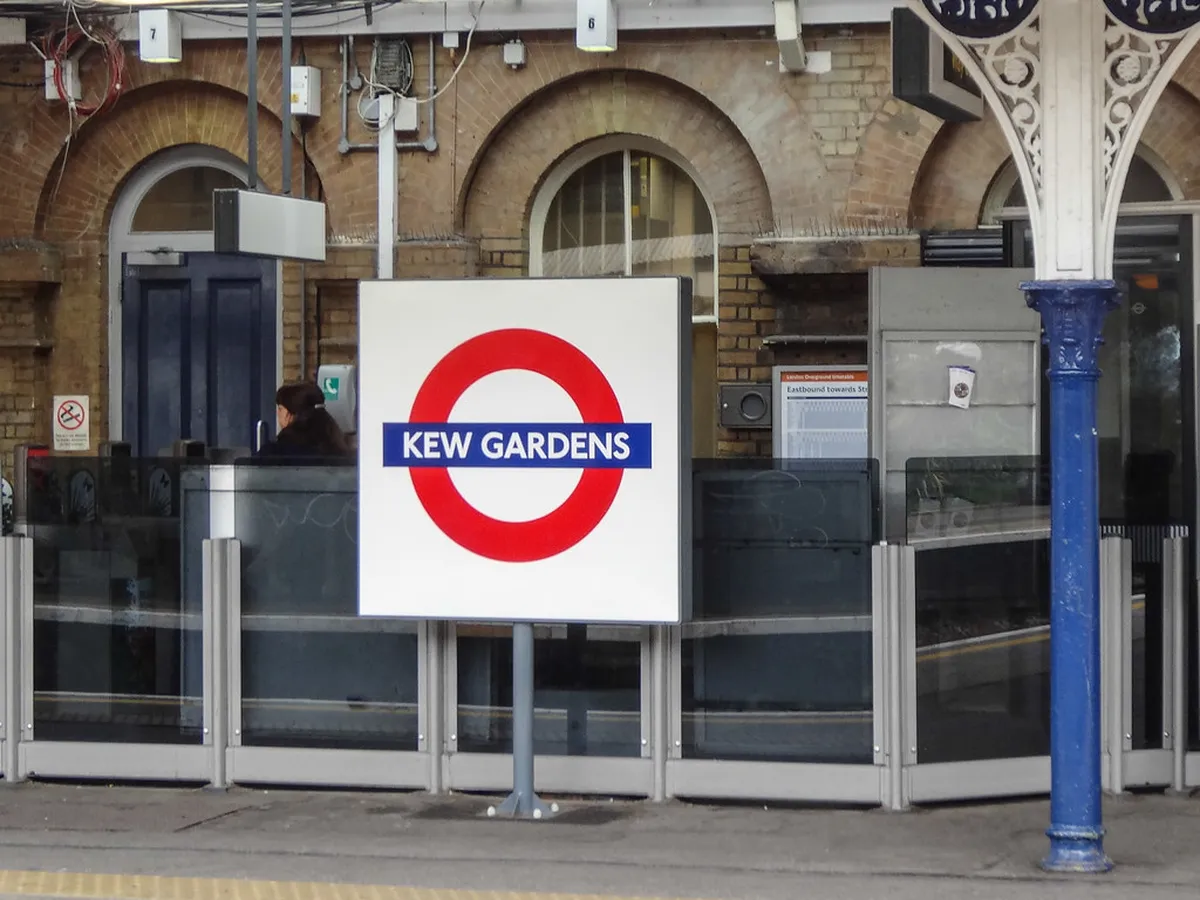
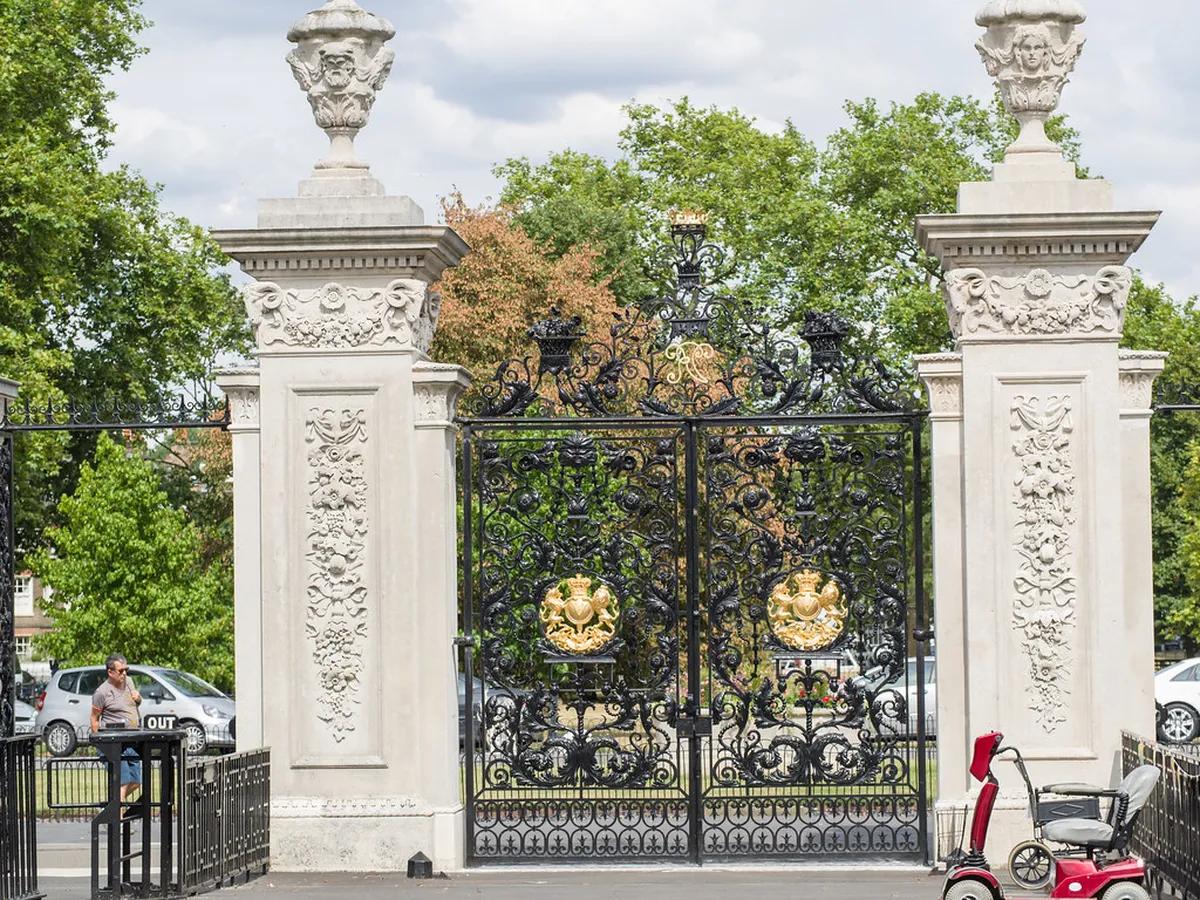
Kew Gardens station is the usual Underground and Overground stop, and the Elizabeth Gate is the entrance closest to it. Trains and buses also serve the area. Our guide to getting to Kew Gardens compares journey time, cost and walking distance from central London. Check Transport for London for engineering works on spring weekends.
Who should skip or shift the date
Spring is not right for every visitor. Hay fever sufferers may prefer a rainy glasshouse day to peak pollen weeks in April and May. Visitors who want solitude should avoid sunny weekends at peak blossom. Anyone who can only visit on a peak weekend should book the earliest slot and head to the blossom first. If you need dry, warm weather for a picnic, aim for May, when highs average around 18°C (64°F).
A wet-weather spring plan
Rain need not reduce a spring visit. Start in the Palm House, where tropical planting offers a warm contrast to a chilly London day. March daytime highs average roughly 12°C (54°F), so this is a useful first stop when conditions are unsettled.
Continue to the Temperate House, then use a break in the weather for a short outdoor walk towards the blossom or magnolia displays. Leave the Treetop Walkway and Great Pagoda for the driest part of the day, as both are better in clear conditions. A focused route can fit into about 3 hours. Allow 5 to 6 hours if you also want the Woodland Garden and a slower walk between the glasshouses.
- Rainy morning: Palm House and Temperate House.
- Dry spell: blossom areas, then the Treetop Walkway or Great Pagoda.
- Later spring: add the Woodland Garden for bluebells.
Check the seasonal opening times before travelling, particularly around the late-March clock change.
Frequently Asked Questions
What is the best time of the year to visit Kew Gardens?
Spring is one of the best seasons, with magnolias and cherry blossom from late March into April. Bluebells follow in late April and May. Timing varies with the weather each year.
What flower blooms in early spring?
Snowdrops and early bulbs come first, usually in February and March. Daffodils and the first magnolias follow soon after.
What not to miss in Kew Gardens in spring?
Prioritise the cherry and magnolia displays, the Woodland Garden bluebells and the glasshouses. The Treetop Walkway and Great Pagoda add views across the blossom.
How many hours do you need for Kew Gardens?
Plan about three hours for a half-day highlights visit. A full spring visit with woodland and glasshouses takes five to six hours.
Bloom-season notes
Optional updates when we add or revise garden guides.
Continue reading
Guides on the same trip