Villa d'Este Tivoli: Visitor Guide & Planning Tips
A practical guide to Villa d'Este in Tivoli: how to get there from Rome, how long to stay, what to see, and how to pair it with Hadrian's Villa.
Last updated November 2026. Villa d'Este Tivoli is a 16th-century Renaissance villa with a terraced hillside garden, now an Italian state museum and a UNESCO World Heritage Site since 2001. Fountains and gravity-fed water engineering are the reason to come, so this guide covers who should go, how to get there from Rome, and how to plan the climb. It also sits within our wider look at gardens across Italy.
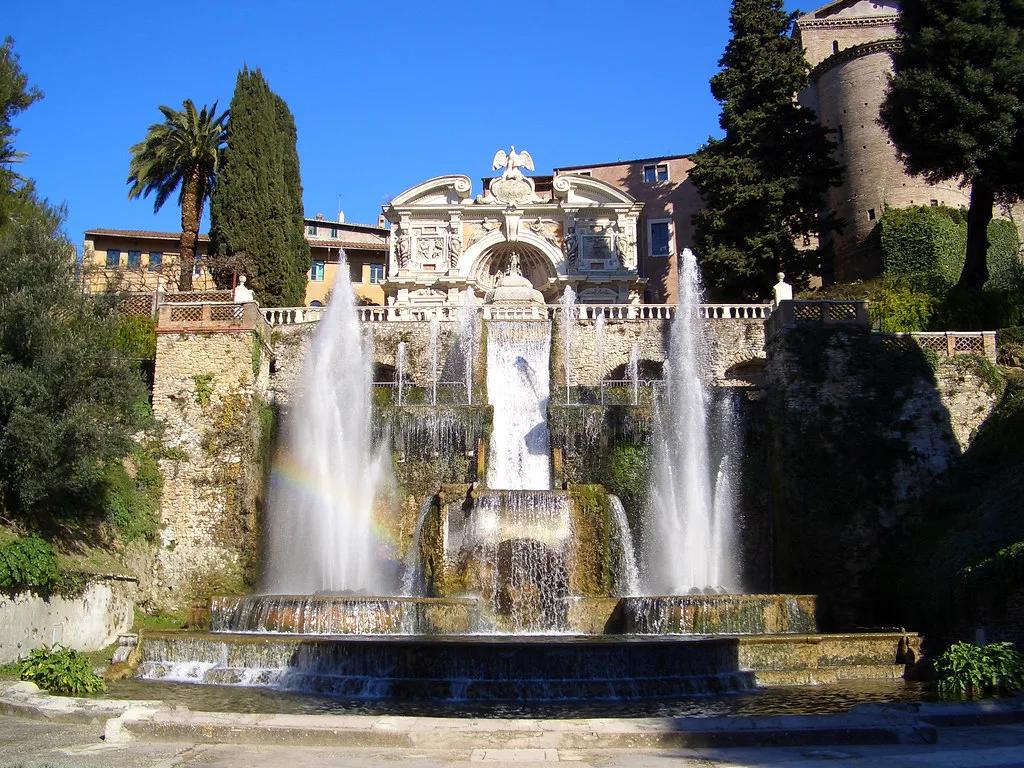
Featured image: Tery14, CC BY-SA 4.0, via Flickr.
Villa d'Este at a glance
Cardinal Ippolito II d'Este (1509–1572) commissioned this villa, and Pirro Ligorio planned its themes and symbolism. Construction began after 1560 on the site of a former Benedictine convent, later Franciscan. Visitors today enter from Piazza Trento, then walk down through the garden and climb back up. Use the facts below to decide quickly whether it fits your day.
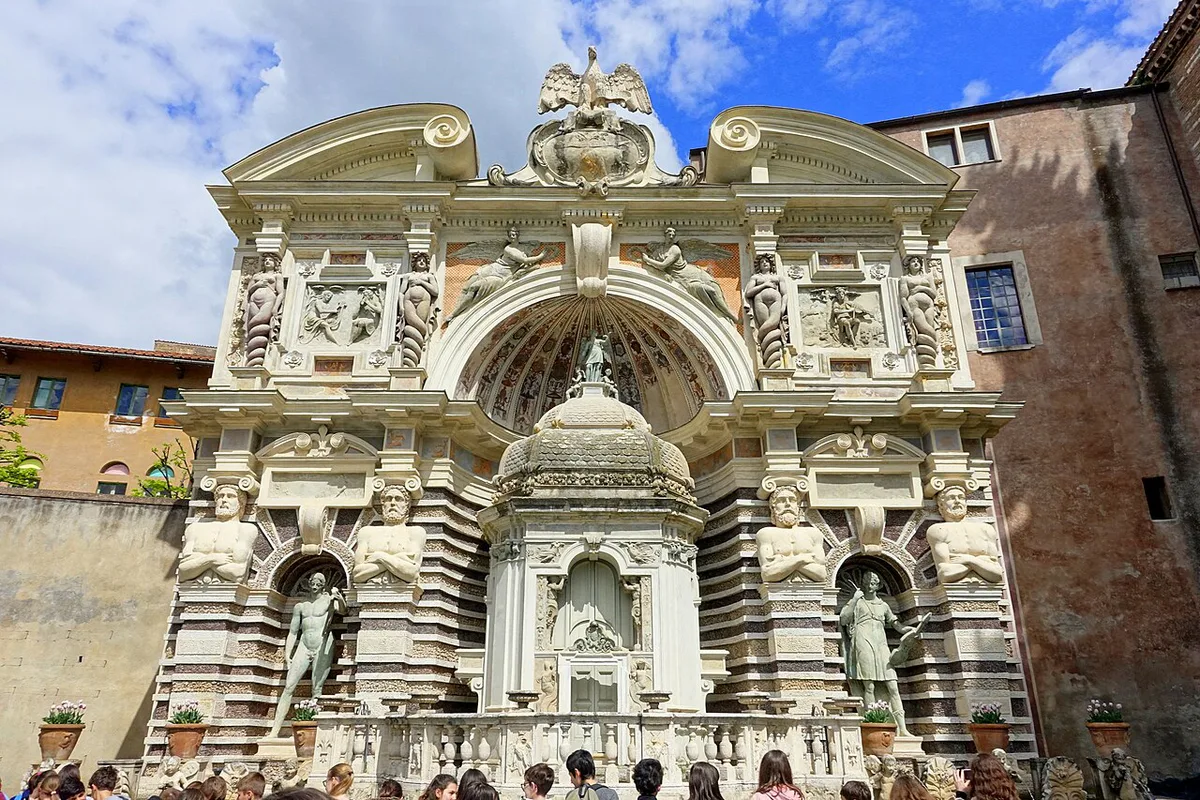
- What it is: a Renaissance villa and fountain garden in Tivoli, near Rome.
- Status: Italian state museum and UNESCO World Heritage Site, inscribed in 2001.
- Entrance: Piazza Trento, next to the Church of Santa Maria Maggiore.
- Best for: garden, architecture and water-engineering fans, and photographers.
- Typical visit length: roughly two hours is a reasonable editorial estimate, longer if you linger.
- Official details: hours, closing days and tickets are listed on the Villa d'Este official site.
Is Villa d'Este Tivoli worth the trip from Rome?
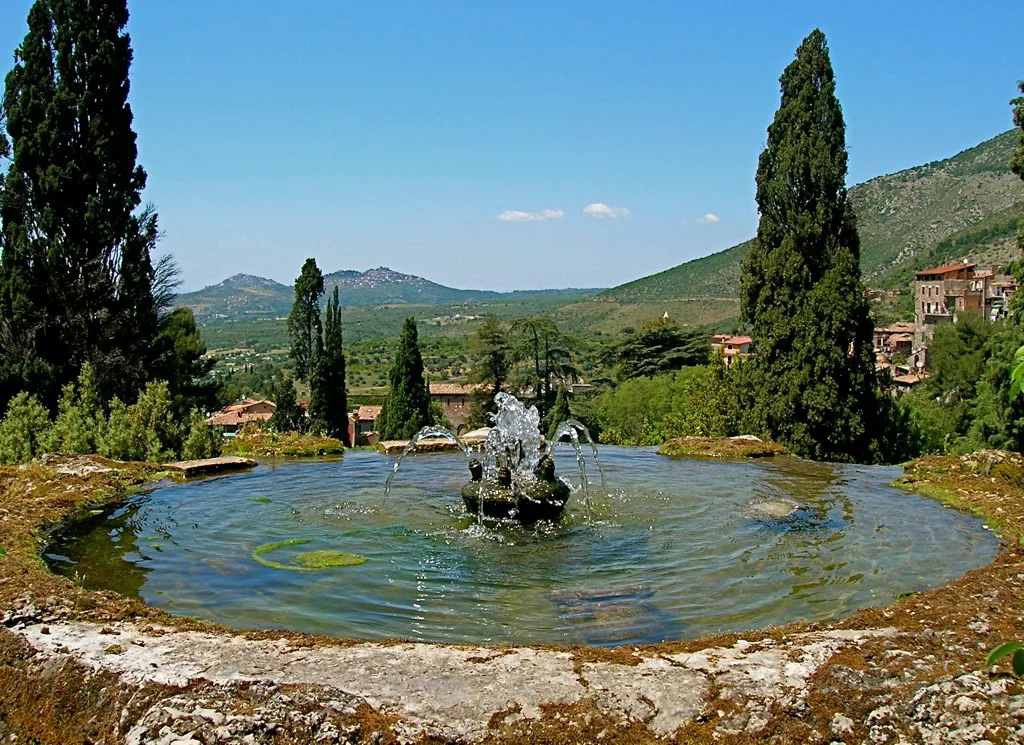
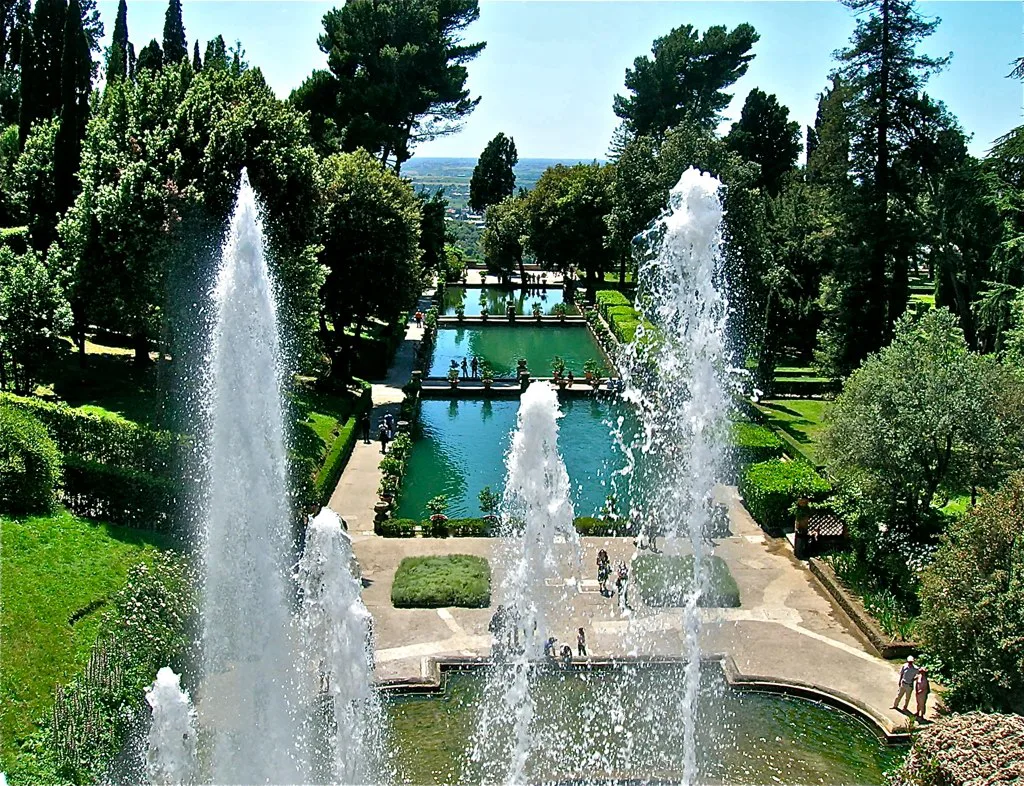
For most garden and design lovers, yes. Water is the main attraction here, and the layout shows how a 16th-century engineer made it move without pumps. Photographers get terraces, cypress avenues and long fountain views.
The garden slope drops more than 148 feet from top to bottom, so every descent means a climb back. Visitors with limited mobility should plan for stairs and ramps, and ask the official site about accessible routes before they go. Families with older children usually manage well, but strollers are awkward on steep terraces.
Short Rome stays can work too, since Tivoli suits a half-day or full-day excursion. Skip or shorten the visit in fierce midsummer heat, in heavy rain, or if you dislike slopes. In those cases, a flatter Rome garden such as Villa Doria Pamphilj Rome: Entrances, Hours & Routes is an easier choice.
Getting to Tivoli from Rome
Train, regional bus, car or taxi, and guided tour are the main options, and each trades cost against flexibility. Fares and timetables change, so check the rail or bus operator and Visit Lazio for current routes. Allow for the uphill walk from the station or stop to Piazza Trento, and see our Gardens Near Rome: Day-Trip Picks by Distance & Effort guide for day-trip pairings.
Tickets, opening hours and booking
Entry is ticketed, and no price is quoted here because rates change. Weekly closing days, seasonal hours, advance booking and audio guides are all listed on the official Villa d'Este page. Check it before you travel.
How long to spend and how to plan the route
Today's entrance is at the top of the garden, which reverses the Cardinal's design. In his time, visitors arrived at the bottom and climbed step by step past the fountains. Now you descend first, so the hardest effort comes at the end. Pace yourself on the way down, save water and energy, and stop at shaded terraces on the way back up.
Starting from the top entrance, you face a drop of more than 148 feet, so save your legs for the climb back up.
Timing matters. Early morning and late afternoon are usually cooler and quieter than midday, particularly in summer. Spring and autumn are gentler on the legs. Shade is limited in places, so a hat and water help.
| Visit length | What to see | What to skip | Best for |
|---|---|---|---|
| 1 hour (editorial estimate) | Courtyard, Fountain of Venus, Oval Fountain, a quick look at the Hundred Fountains | Lower garden, fish ponds, rooms below the courtyard | Hot days, tight schedules, limited mobility |
| 2 hours (editorial estimate) | Villa rooms, full terrace descent, Rometta, Organ Fountain, Dragons | Long lingering at every basin | Most first-time visitors |
| Half day (editorial estimate) | Everything above, plus Neptune and Fish Ponds, Rotonda of the Cypresses, unhurried photography | Little; pair with a lunch stop in the old town | Garden lovers and photographers |
What to see: the highlights
Skip the full fountain catalog and focus on a few stops. The Aniene was diverted to feed the system, and about 660 feet of underground pipes carry water from the artificial mountain beneath the Oval Fountain. Garden compartments are about 98 feet across, laid out on one long axis with five lateral axes. Organ timing is posted by the official site, so check current schedules there.
- Fountain of Venus, courtyard: the only fountain that keeps its original appearance. Don't miss it if you want to see the 16th-century look.
- Oval Fountain: central to the water system. Don't miss it if you enjoy engineering.
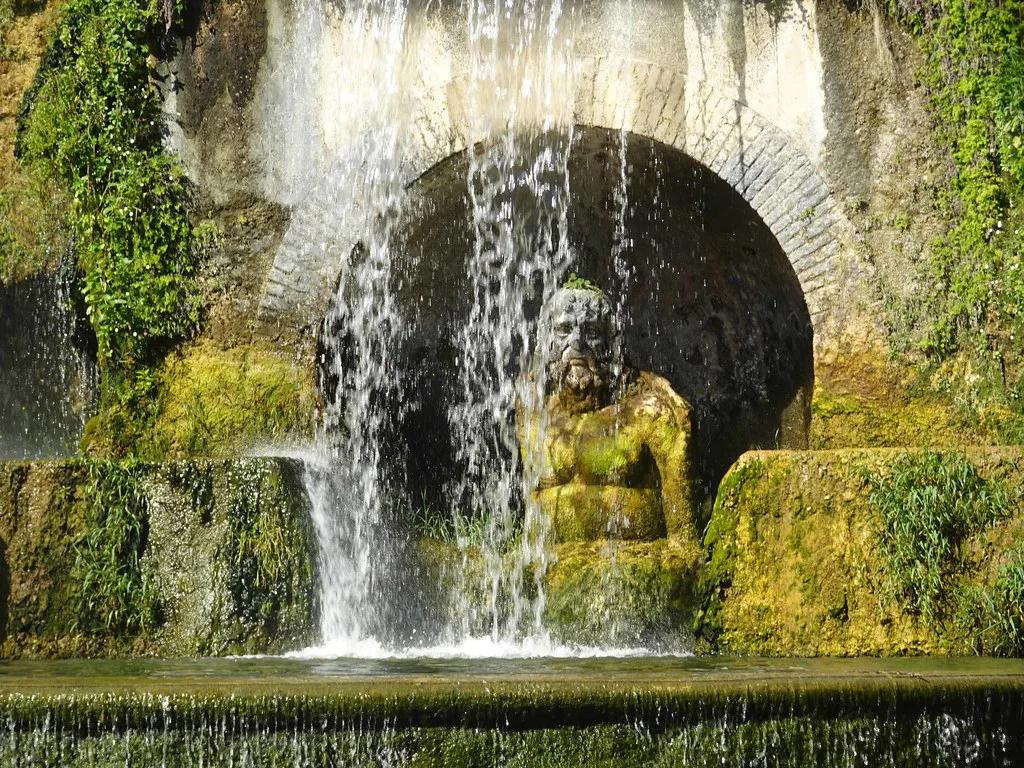
- Hundred Fountains: a long, shaded run of water jets. Don't miss it if you want photographs.
- Rometta: a miniature of Rome in fountain form. Don't miss it if you like symbolic design.
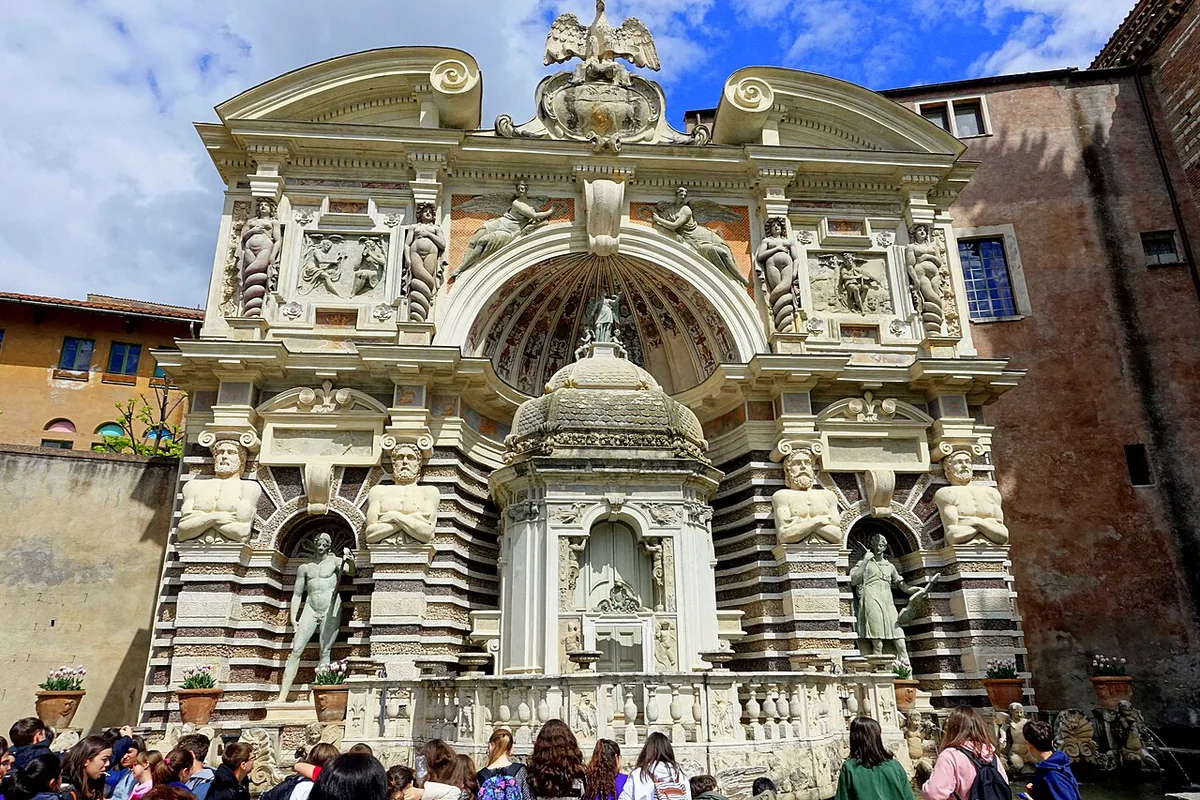
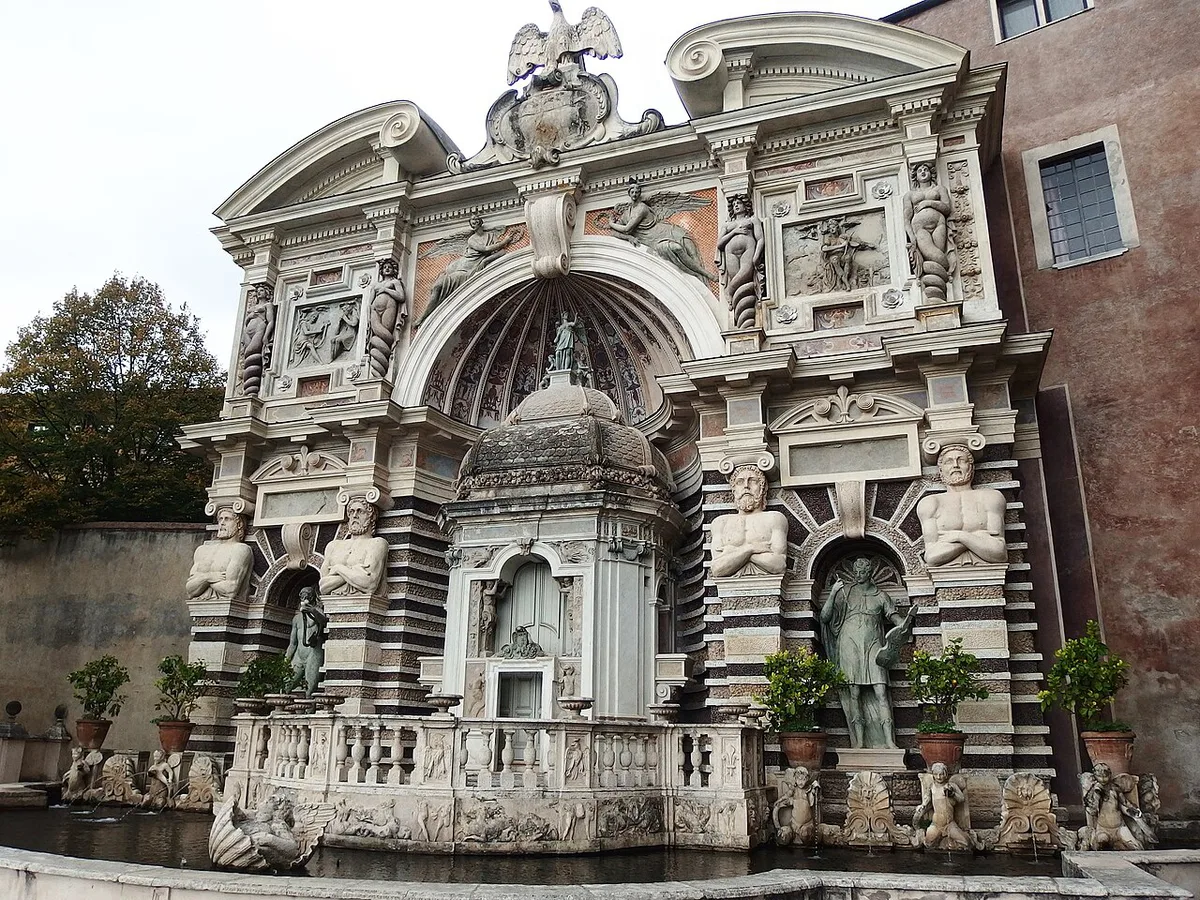
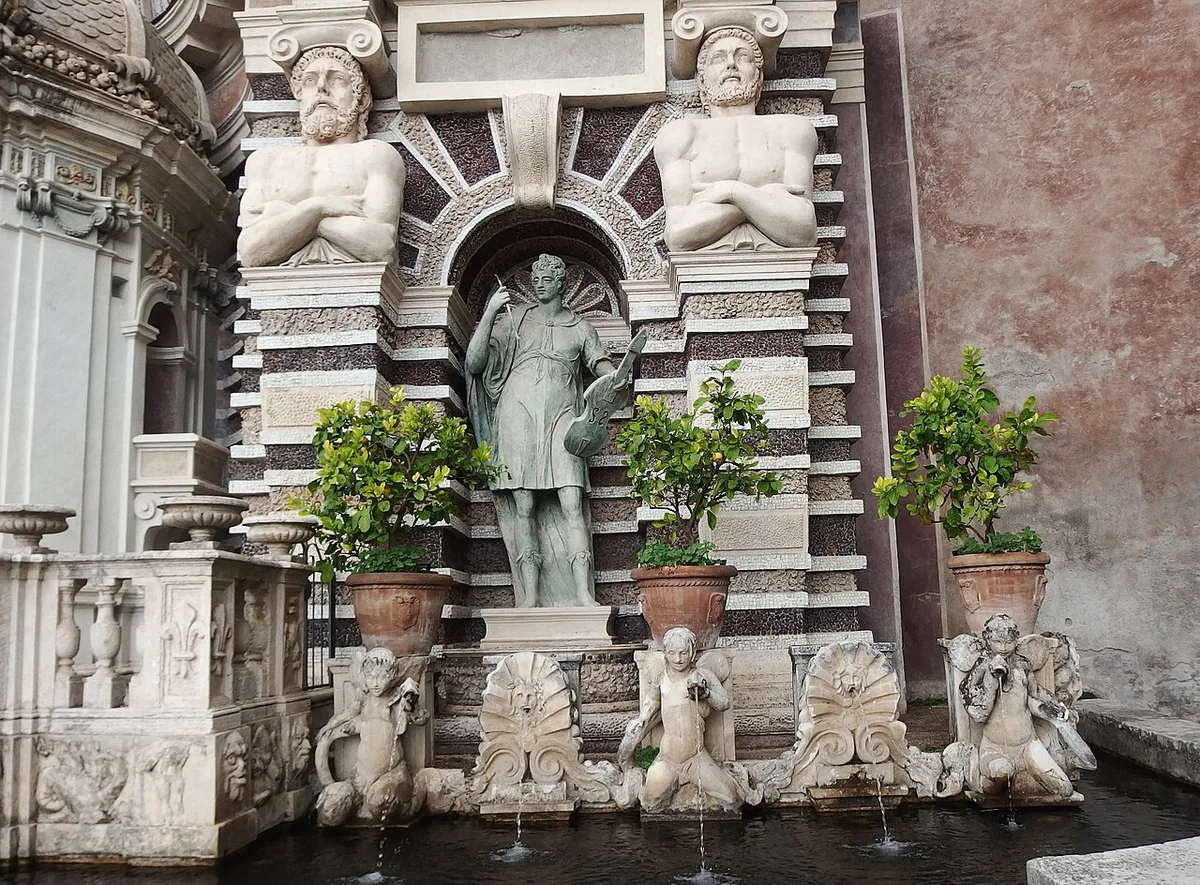
- Fontana dell'Organo (Organ Fountain): a restored water organ. Don't miss it if the official schedule matches your visit.
- Dragons and Owl fountains: playful features along the route. Don't miss them if you travel with children.
- Neptune and Fish Ponds, and the Rotonda of the Cypresses with the Fountain of Diana of Ephesus: lower garden finishes. Don't miss them on a half-day visit.
Inside the villa: apartments and frescoes
Inside, the courtyard sits on the original convent cloister, and the Fountain of Venus is its centrepiece. Rooms off the apartments are painted with mythological and Tiburtine themes, including the Hall of Noah and the Hall of Moses. The Hall of the Fountain, with its shell-and-ceramic wall fountain, links the interior to the garden outside. Bomb damage in 1944 and restoration from 1922 shaped what survives. Allow an hour here if you like frescoes, or a short pass if the garden is your priority.
Pairing Villa d'Este with Hadrian's Villa and the rest of Tivoli
Ligorio studied Hadrian's Villa, and the Cardinal sourced marble and statuary from its ruins. That link makes a two-site day tempting. Hadrian's Villa is an ancient Roman imperial complex, while Villa d'Este is a Renaissance garden built to rival it. Doing both is tiring, so split the day with a lunch break in Tivoli's old town.
Budget travel time between the sites, and check the official site for combined-ticket options and last-entry times. With only one day, choose Villa d'Este for fountains and views, or Hadrian's Villa for sprawling ruins.
Eating, restrooms and practical comfort
Piazza Trento and the old town around it have cafés and restaurants within a short walk of the entrance. Wear flat, grippy shoes for steep and sometimes wet stone steps. Bring sun protection in summer and a light rain layer in cooler months. Bag-size rules, cloakroom access and accessibility services are on the official site, so confirm them before you arrive.
Mistakes to avoid
Most problems come from underestimating the terrain and trusting assumptions about opening times.
- Underestimating the climb back up to Piazza Trento.
- Arriving at midday in summer, with limited shade.
- Assuming all fountains and the organ run all day.
- Showing up without checking the weekly closing day.
- Booking a return train with no buffer after the walk up.
Other gardens to visit
Another Lazio water garden, Villa Lante (Bagnaia): Visitor Guide and Day Trip Tips, offers a calmer comparison. For a different mood, Giardino di Ninfa: Booking, Visit Tips and Getting There is a romantic ruins garden. Readers who want something stranger can try the Mannerist Sacro Bosco at Bomarzo.
If stairs are a concern, Rome's Orange Garden is a gentler stop. For grand fountain gardens elsewhere, see Reggia di Caserta Gardens: Visit Guide and Park Plan.
Frequently Asked Questions
Who lived in Villa d'Este in Tivoli?
Cardinal Ippolito II d'Este commissioned it and lived there as Governor of Tivoli. After his death in 1572, the villa passed to later Este family members and other owners. The Italian state acquired it after the First World War.
What is Villa d'Este famous for?
It is known for its terraced Renaissance garden and its fountains. Water from the diverted Aniene feeds the system by gravity. Franz Liszt's piano piece "Les jeux d'eau à la Villa d'Este" was inspired by the grounds.
Bloom-season notes
Optional updates when we add or revise garden guides.
Continue reading
Guides on the same trip