Giardino di Ninfa: Booking, Visit Tips and Getting There
A practical guide to Giardino di Ninfa: how booking works, when to go, how to get there from Rome, and who should skip it.
Last updated November 2026: giardino di ninfa is a ruined medieval town overgrown with a romantic garden near Cisterna di Latina in Lazio, managed by the Fondazione Roffredo Caetani. Entry is by booked, guided visit on limited published dates, so a walk-up arrival will not work. Use this guide to decide whether it fits your Rome trip, then compare it with other Italian garden destinations.
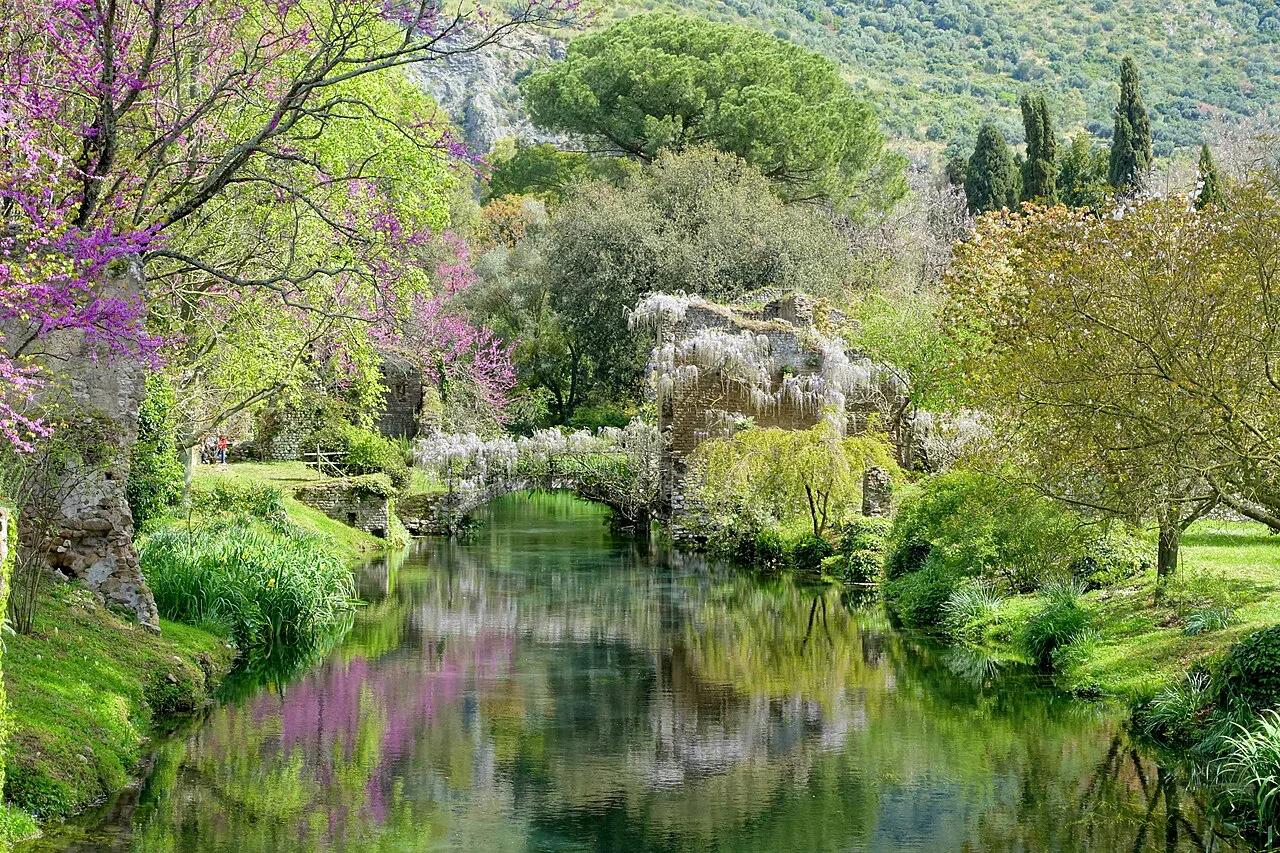
Featured image: Daderot, Public domain, via Wikimedia Commons.
Giardino di Ninfa at a glance
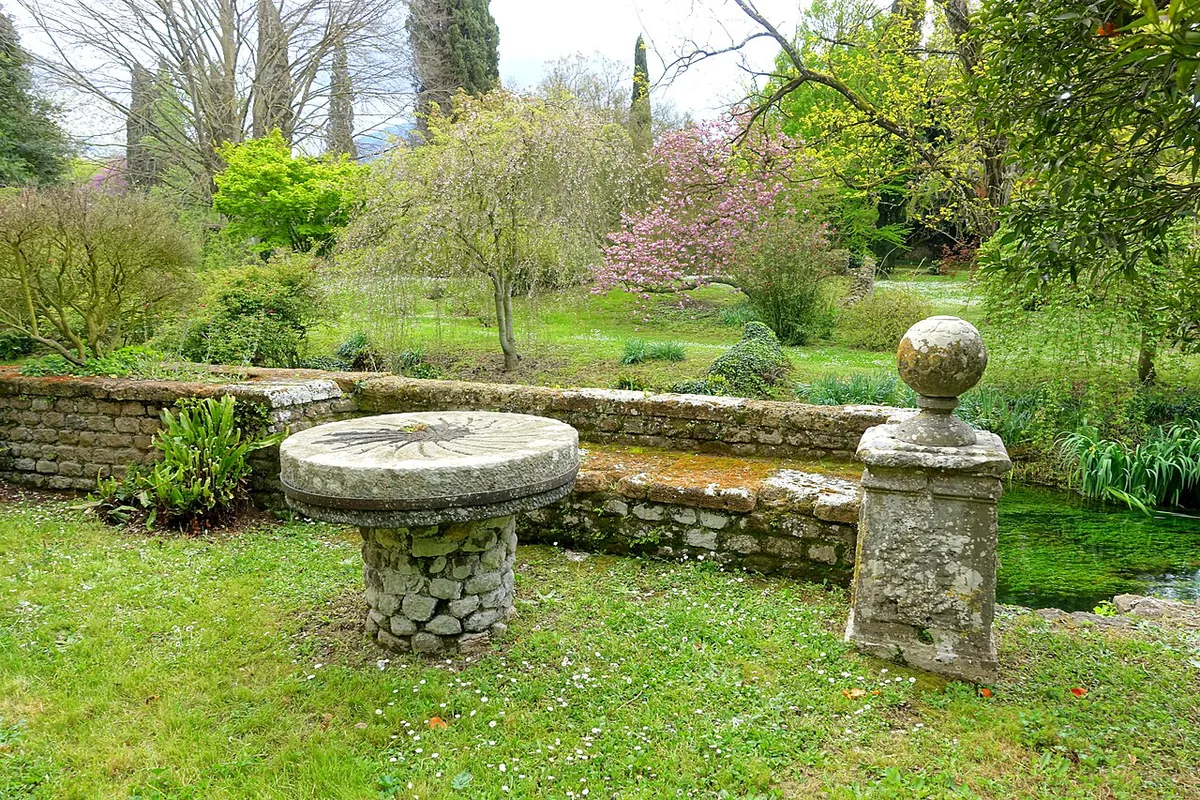
Ninfa is a garden growing through the remains of a real medieval town. Water, old churches and mixed planting share one route. A standard guided visit lasts around an hour, and you cannot stay inside afterwards. Latina station is the nearest rail reference point, but it is not at the garden.
- Location: near Cisterna di Latina, Lazio, south of Rome
- Manager: Fondazione Roffredo Caetani
- Entry: booked guided visit, not a gate ticket
- Time needed: around an hour inside, plus travel and lunch
- Best for: slow, observant visitors who can keep to a fixed slot
- Not included: Pantanello, a restored wetland nearby with its own arrangements
Is Ninfa worth it? Who it suits and who should skip it
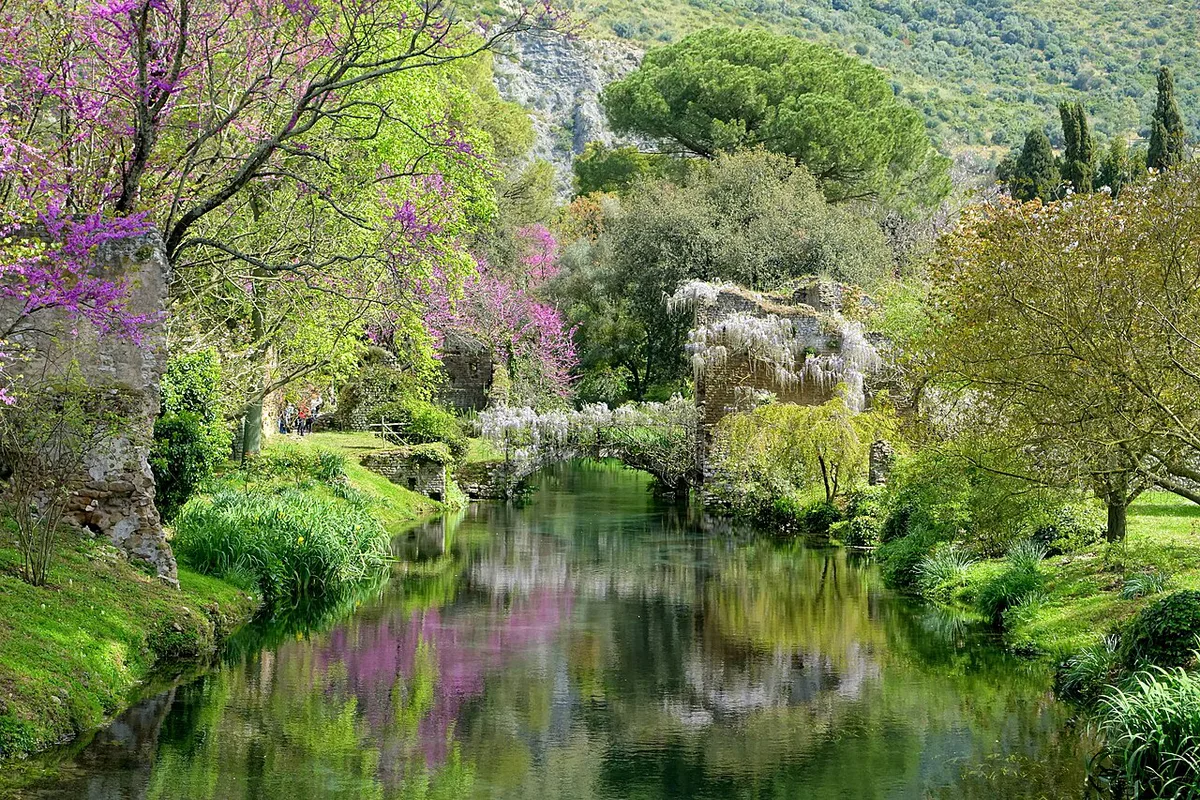
Ninfa suits travelers who like gardens where ruins and planting overlap. Churches and civic buildings here belonged to a functioning town, and the guide's explanations turn walls and arches into streets you can picture. If you want free wandering instead, Doria Pamphili park fits better. Rome's Orange Garden is another unscheduled option inside the city. Skip Ninfa in any of these cases:
- You cannot commit to a fixed time slot.
- You want a free-roaming stroll with no guide.
- Roots and uneven paths would be difficult for you.
- Your dates fall in a month when the garden is closed.
- You want a full day in one place, since the visit is around an hour.
How booking and tickets work
Reservations run through the official channel of the foundation, and gate tickets are not something to count on. Fares, calendar and tour languages are published there each season.
- Open months, days and last slots
- Fare and any ticket categories
- English-language tours and how to request one
- Cancellation, rebooking and weather policy
- Rules on dogs, strollers and wheelchairs
Getting there from Rome: car, train and the last leg
Ninfa is a countryside site with visitor parking, so a car gives you the most control. By rail you go to Latina station, and the onward trip to the garden needs planning. Current timetables sit with Trenitalia and the local bus operator.
| Option | Strength | Catch | Best for |
|---|---|---|---|
| Car | Direct to visitor parking, flexible lunch stop | You drive and park yourself | Pairing Ninfa with a second stop |
| Train to Latina station | No driving from Rome | Station is not at the garden, so the last leg needs arranging | Travelers without a car who book early |
| Organized tour | Transfers handled for you | Fixed itinerary; check it includes the guided visit | Those who want no logistics |
What to expect on the guided route
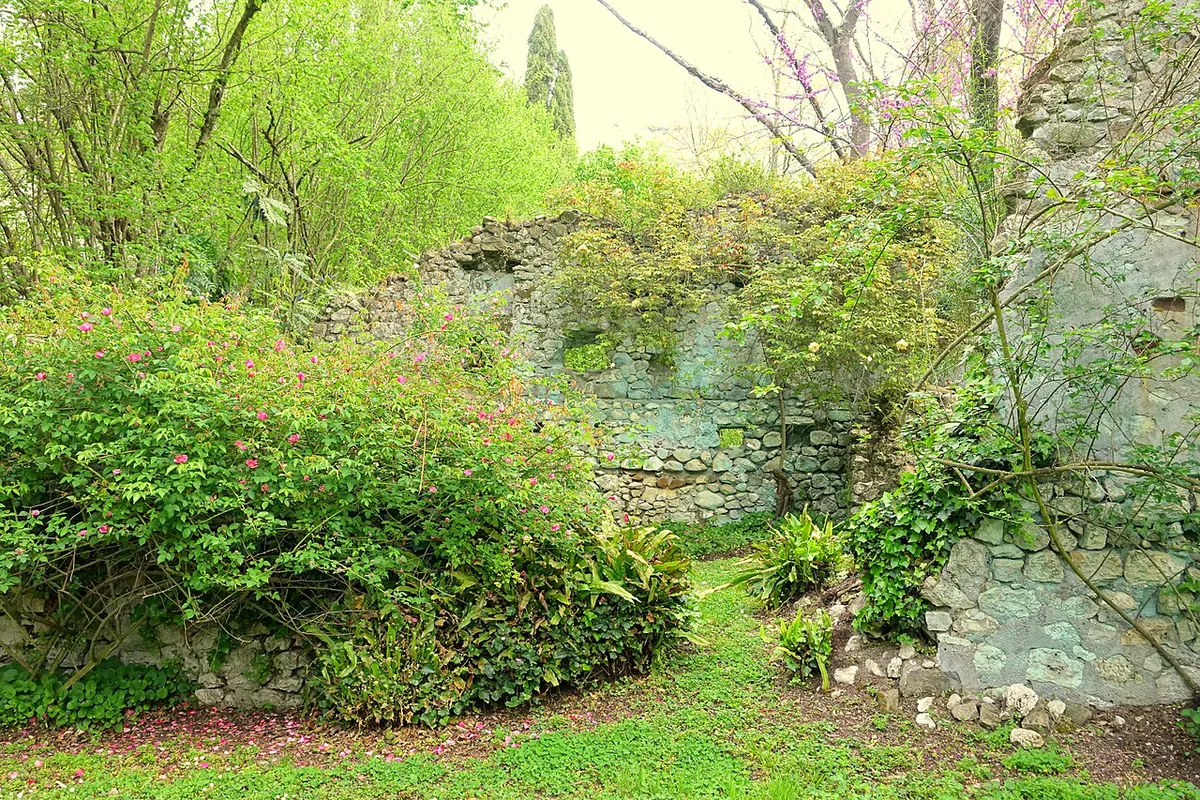
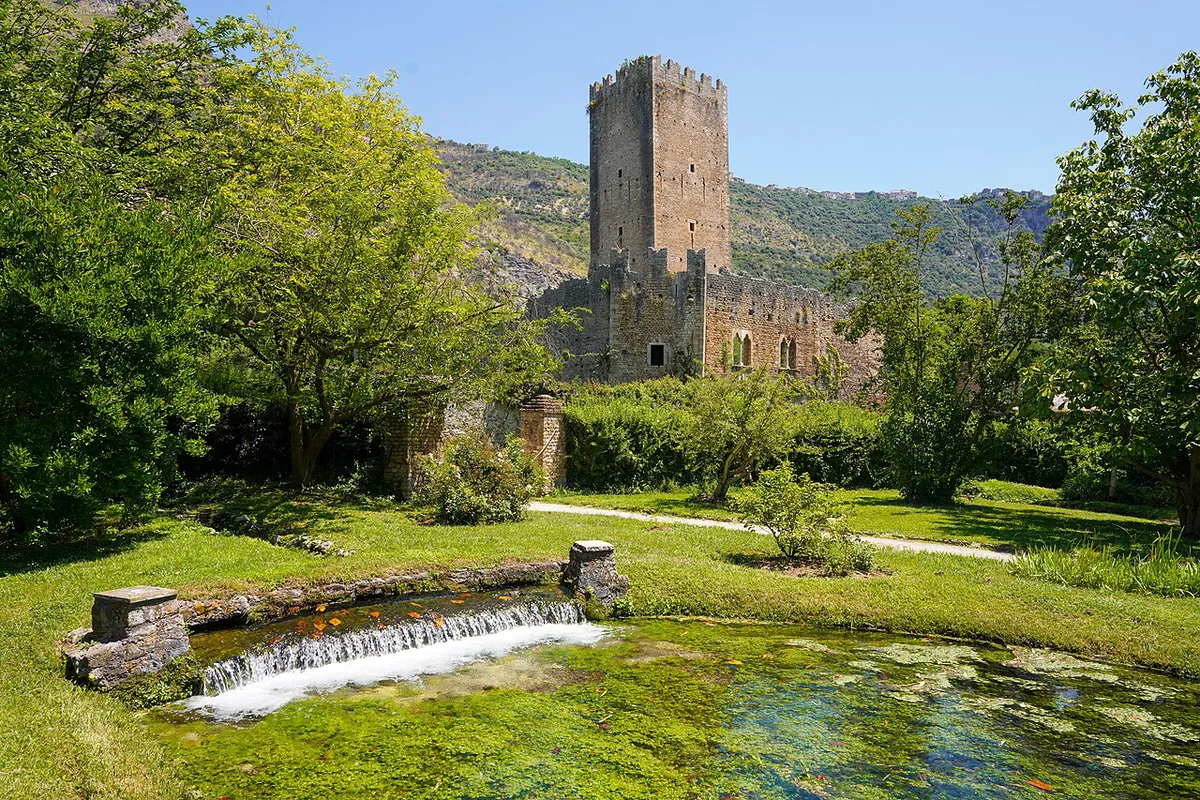
Plan on around an hour with a guide who sets the pace. Photo stops are short, so take a few wide shots of plants, water and ruins together. Water is central here, with a river and small lake that produce shifting reflections. Paths can include roots and uneven surfaces. Contact the garden about access needs before you book. Staying on the route protects both the planting and the old masonry.
Your hour on the guided route is set against a garden of about 8 hectares, so plan on seeing a slice of it rather than a full circuit.
The story of Ninfa: medieval town to Caetani garden
The guide's commentary makes more sense if you know how the place got here. Ninfa was a real town, and the garden is a 20th-century layer on top of its ruins.
From town to ruin
Ninfa grew up on the edge of the Pontine marshes in the Middle Ages and had churches, a town hall, mills and defensive walls. The Caetani family acquired it in 1297, in the period of Pope Boniface VIII, who came from the family. The town was sacked in 1382 during the Western Schism. Malaria in the surrounding marshland then emptied what remained, and the buildings were left to ivy and roots.
The making of the garden
The garden began in the 1920s, when Gelasio Caetani started planting among the ruins and drained part of the surrounding land. His relatives continued the work over the following decades. Marguerite Chapin Caetani, an American who also published the literary reviews Commerce and Botteghe Oscure, was one of the family members who shaped it. Her daughter Lelia then looked after it until her death in 1977, when the Fondazione Roffredo Caetani was set up to protect the site. That is the same foundation that runs your booked visit today.
What to look for on the route
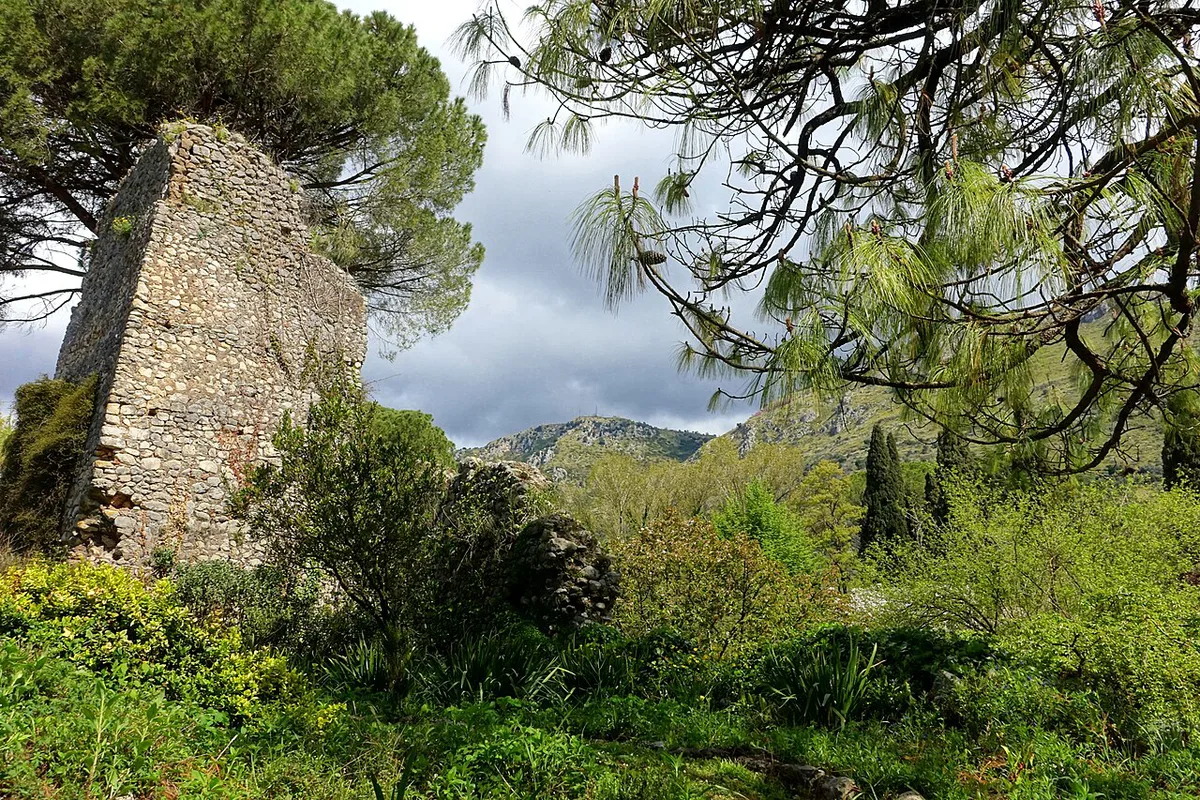
- Roofless churches: the guide can usually point out which buildings were churches and which were civic. Climbers now cover the walls.
- Bridges and water: the stream and small lake were part of the medieval town's layout as well as the garden's design.
- Planting against stone: the Caetanis chose and placed trees and climbers to sit against the old masonry, not to hide it.
Dates and details are explained on the tour. If you want to check specifics before you go, the foundation's own pages are the place to confirm them.
Best time to visit by season
Spring flowers and autumn foliage give different reasons to go. Flowering depends on weather, so a photo from another month promises nothing for your date. Choose a day from the published opening calendar, because the garden does not open year-round. Treat any bloom you hope to see as a bonus.
Building the day around your slot
Book the garden first, then shape the rest of the day around that fixed time. Allow extra time for arrival and check-in, and avoid a tight connection right after your visit. Food stops sit outside the garden route. Sermoneta is a common pairing if your transport allows it.
- Arrive early, with a buffer for parking or the last leg from Latina station.
- Take the guided visit of around an hour.
- Eat lunch outside the garden.
- Add Sermoneta by car if time remains.
- Treat Pantanello as a separate booking, not an add-on.
Ninfa vs. other Italian gardens
Ninfa asks for the most planning of the Rome-area gardens, because it is booked, timed and guided. Compare entry rules on each official site before choosing.
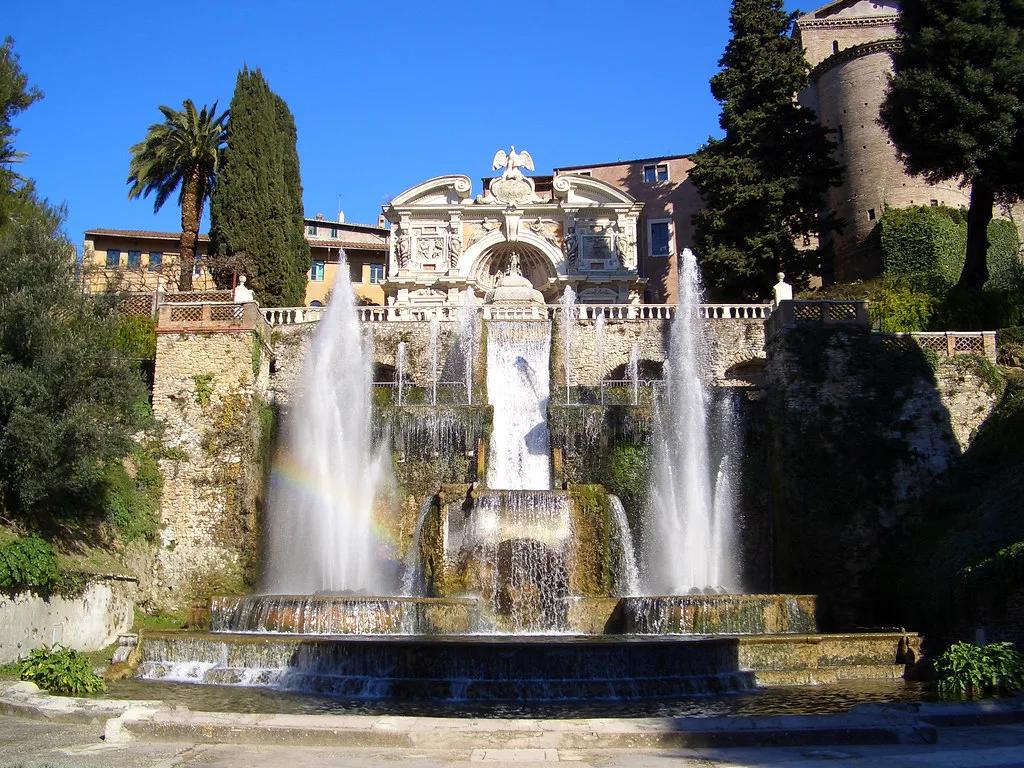
- Villa d'Este in Tivoli is another garden day trip from Rome, with its own official booking information.
- Villa Lante's garden is run by the Ministry of Culture.
- Bomarzo's monster park offers a very different, sculpture-led visit.
- Garden day trips from Rome lays out more options by travel time.
- Hanbury gardens in Liguria suit a trip beyond Lazio.
Mistakes to avoid
Most problems come from treating Ninfa like an open park. Avoid these:
- Turning up without a booking.
- Assuming Latina station is next to the garden.
- Scheduling a train right after your slot.
- Expecting Pantanello to be included.
- Promising yourself a specific bloom.
The garden’s scale and protected setting
Ninfa feels intimate on the guided route, but the garden extends across about 8 hectares. Its planting is unusually varied for a site built around medieval ruins. Accounts of the garden describe roughly 1,300 plant species, set among streams, stonework and surviving church structures.
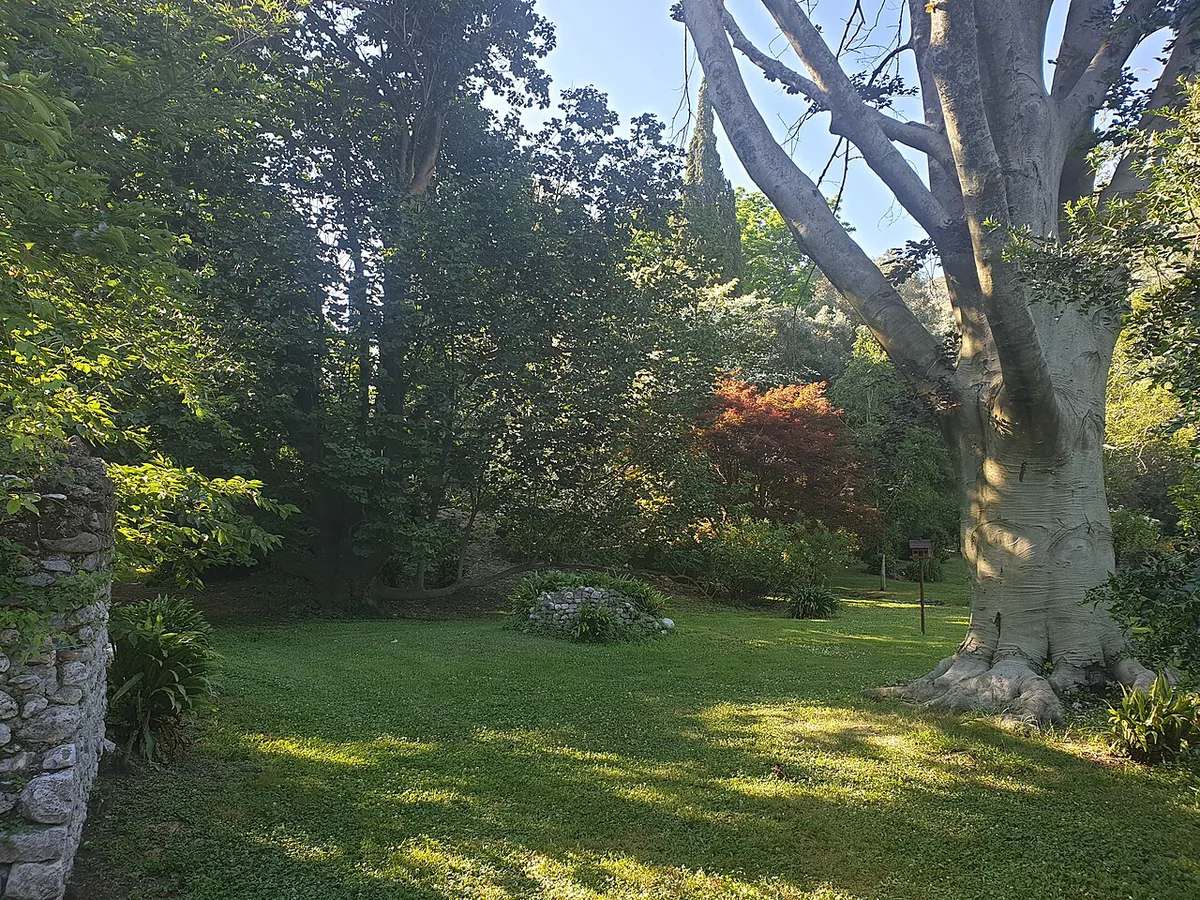
The setting matters as much as the individual plants. Ninfa has been a WWF oasis since 1976, which helps explain why visitors follow a managed route rather than treating it as a public park. Keep to the guide’s pace and stay on paths around roots, water and old masonry. That approach protects fragile planting while preserving the contrast between cultivated garden and abandoned town.
For photographers, the strongest views usually combine several elements: water, vegetation and ruins. Bring comfortable shoes for uneven ground, and regard the hour-long visit as a focused introduction rather than time to explore every corner independently.
Frequently Asked Questions
What are some gardens outside Rome in Italy?
Giardino di Ninfa pairs ruins with planting near Cisterna di Latina. Tivoli's Villa d'Este is another day trip. Our guide to Gardens Near Rome: Day-Trip Picks by Distance & Effort covers more.
Bloom-season notes
Optional updates when we add or revise garden guides.
Continue reading
Guides on the same trip