Hanbury Botanical Gardens, Italy: Visit Guide
Plan a visit to Hanbury Gardens in Ventimiglia, Italy, near Menton. Time needed, how to get there, steps and terrain, best season and who it suits.
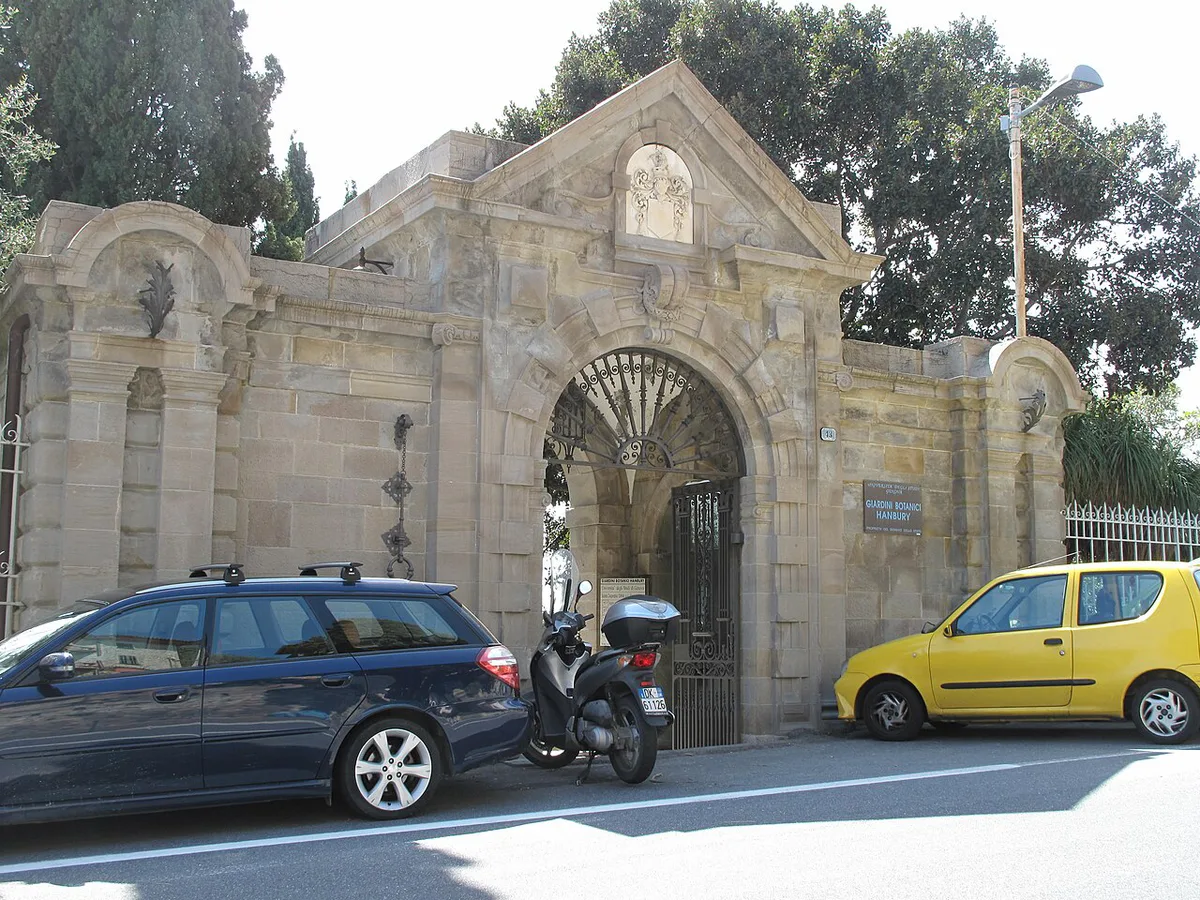
Last updated November 2026. Hanbury Gardens, officially Giardini Botanici Hanbury, is a terraced botanical garden on the Capo Mortola headland at La Mortola, Ventimiglia, in Liguria, Italy. It sits a short distance from Menton, France, so aggregator sites often file it under France by mistake. Below you will find who it suits, how to reach it, how long to allow and what to check before buying a ticket. It is one of the more unusual stops among the notable gardens in Italy.
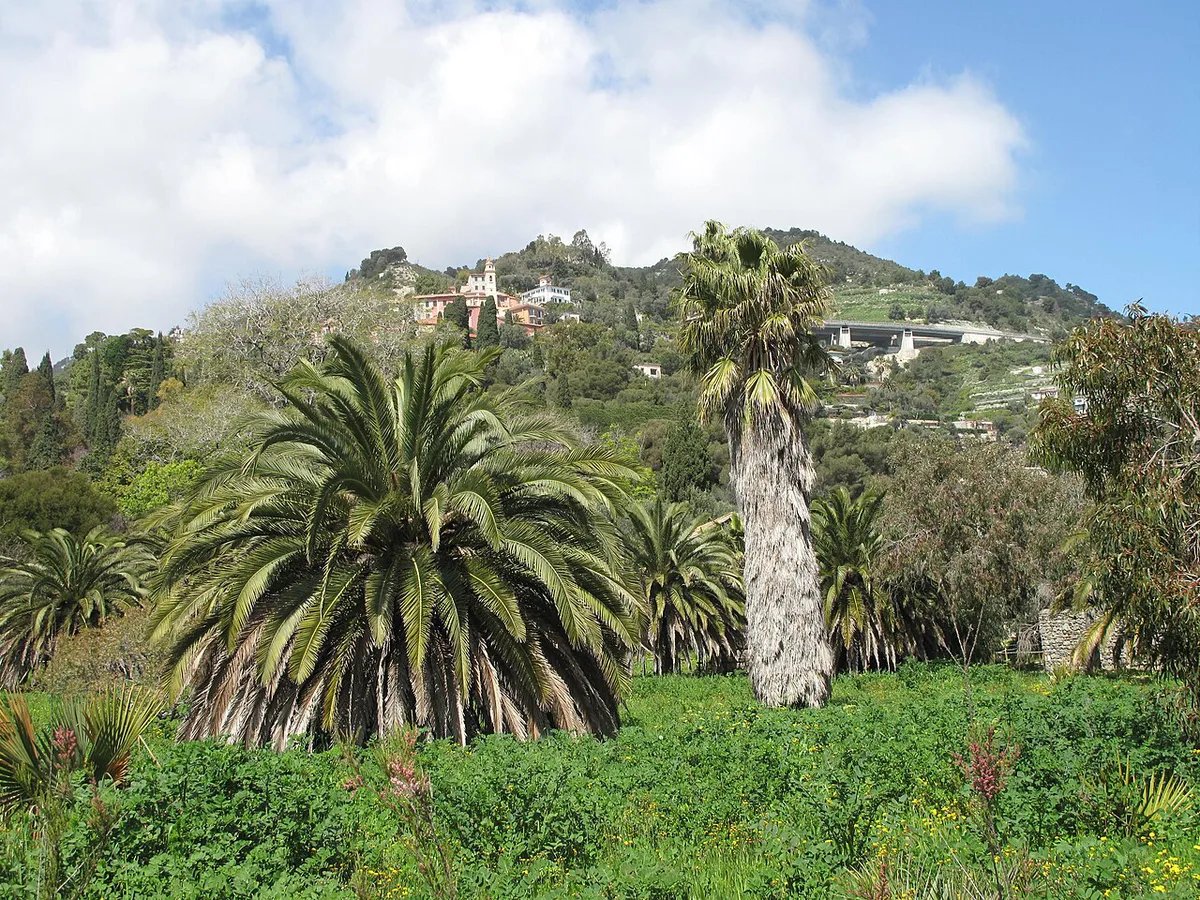
Featured image: Fabio Alessandro Locati, CC BY-SA 3.0, via Wikimedia Commons.
Hanbury Gardens at a glance
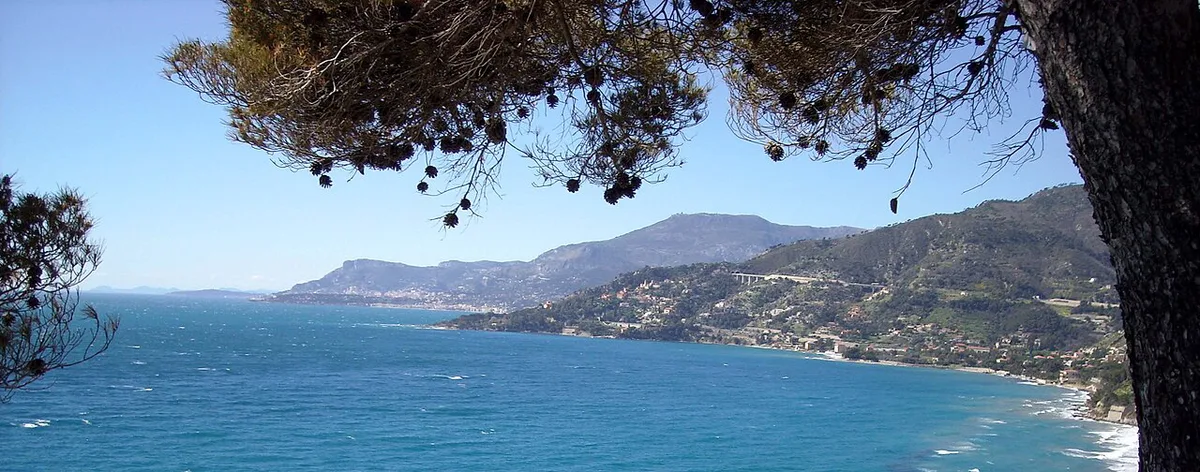
Sir Thomas Hanbury founded the garden in 1867 on a sea-facing slope at Capo Mortola. Its official address is Corso Montecarlo 43, Ventimiglia, and a second entrance address is Discesa del Marinaio 10. Both are on the Italian side of the border. Grounds cover about 18 hectares, and listings give almost 6,000 plant species from Mediterranean-type climates around the world. Menton is close, but this is an Italian garden run on Italian opening rules. Most visitors need between 1.5 and 4 hours.
- Where: Capo Mortola, La Mortola, Ventimiglia, Liguria, Italy.
- Size: about 18 hectares of terraces.
- Collection: roughly 5,800 to 6,000 species, including over 60 citrus kinds.
- Best for: plant lovers, sea-view seekers and garden-history fans.
Is Hanbury Botanical Gardens worth visiting?
Yes, if you want a plant collector's garden rather than a formal one. Reviewers praise the exotic planting, the many viewpoints and the benches among cacti, palms and old trees. Mixed reviews mention dry beds, tired paths and stairs, and some areas closed after storm damage. Expect a working botanical site that is still being restored in places. Visitors who want clipped hedges and fountains in the Renaissance manner may be disappointed.
- Botanist or plant collector: strong yes, allow a half day or more.
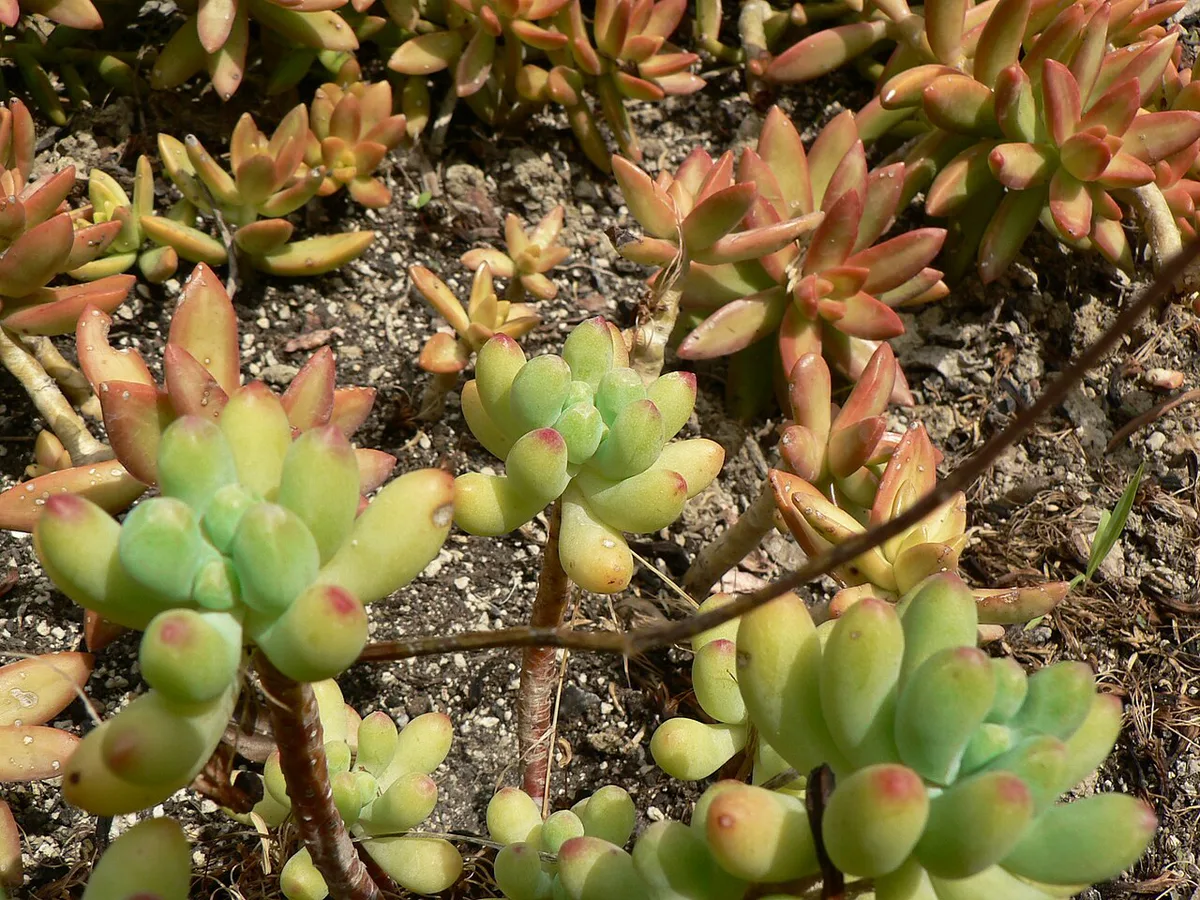
- Photographer: yes, for terraces and sea views; bring a lens for succulents.
- Family with small children: workable, but steps and drops need watching.
- Reduced mobility: difficult, with many steps and slopes; ask the garden first.
- Menton day-tripper: yes, with a firm return-transport plan.
- Short-stop Riviera traveller: a 90-minute highlights visit still works.
- Skip if you want a formal Italian garden, dislike stairs, or arrive on a day the garden is closed.
How to get to Hanbury Gardens from Menton, Ventimiglia and Nice
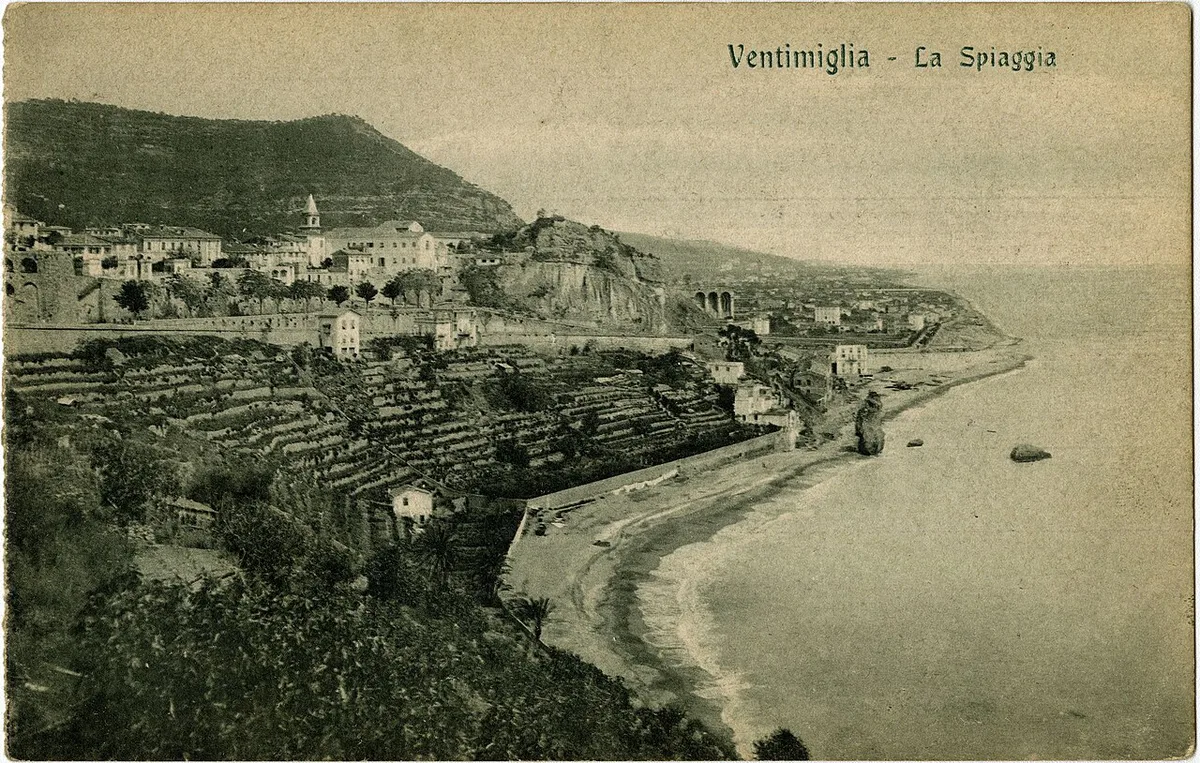
Ventimiglia is the Italian rail town closest to the garden, and Menton-Garavan is the French station nearest the border. Trains from Nice reach the border area, and Genoa is reachable along the Ligurian coast. Check current timetables with Trenitalia and the local bus operator, because last returns can end the day early. Carry photo ID for a cross-border trip. Reviewers describe parking near the garden as limited to the street, so arriving by public transport is easier. A night in Ventimiglia old town removes the return-transport pressure.
Tickets, opening hours and closures
Check the current euro ticket price on the official Hanbury Gardens site, because adult and reduced rates can change. Aggregator listings show 9:30 to 16:00 with Monday closed, but the garden publishes seasonal hours. Last entry comes before closing, so a late arrival shortens the visit. Storm damage has closed some paths, so ask which areas are open before you pay.
How long to spend: three visit plans
These are suggestions built on the 1.5 to 4 hour range that visitors report. One visitor tip recommends 3 to 3.5 hours for the full circuit.
| Plan | Time | Effort | Cost |
|---|---|---|---|
| Quick highlights | About 90 minutes | Moderate, main terraces and viewpoints | Ticket price (official site, check) |
| Half-day visit | 3 to 3.5 hours | Steady stairs and slopes | Ticket price (official site, check) |
| Slow botanical visit | Up to 4 hours or more | Long, with rest stops on benches | Ticket price (official site, check) |
Best time to visit
Visitor tips recommend spring for blooming flowers and roses. Summer brings heat on exposed terraces, and one August 2025 review found the beds dry. Pick mornings in warm months and carry water. Winter light is softer, though shorter seasonal hours can limit your time.
What to see in the garden
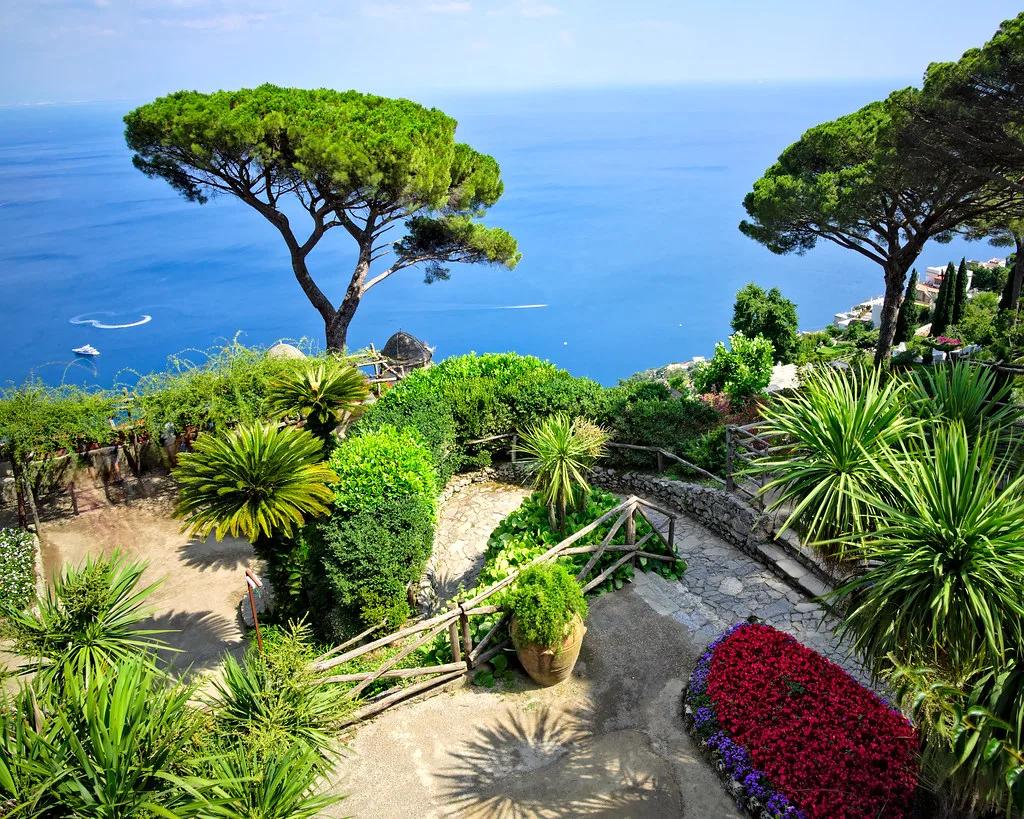
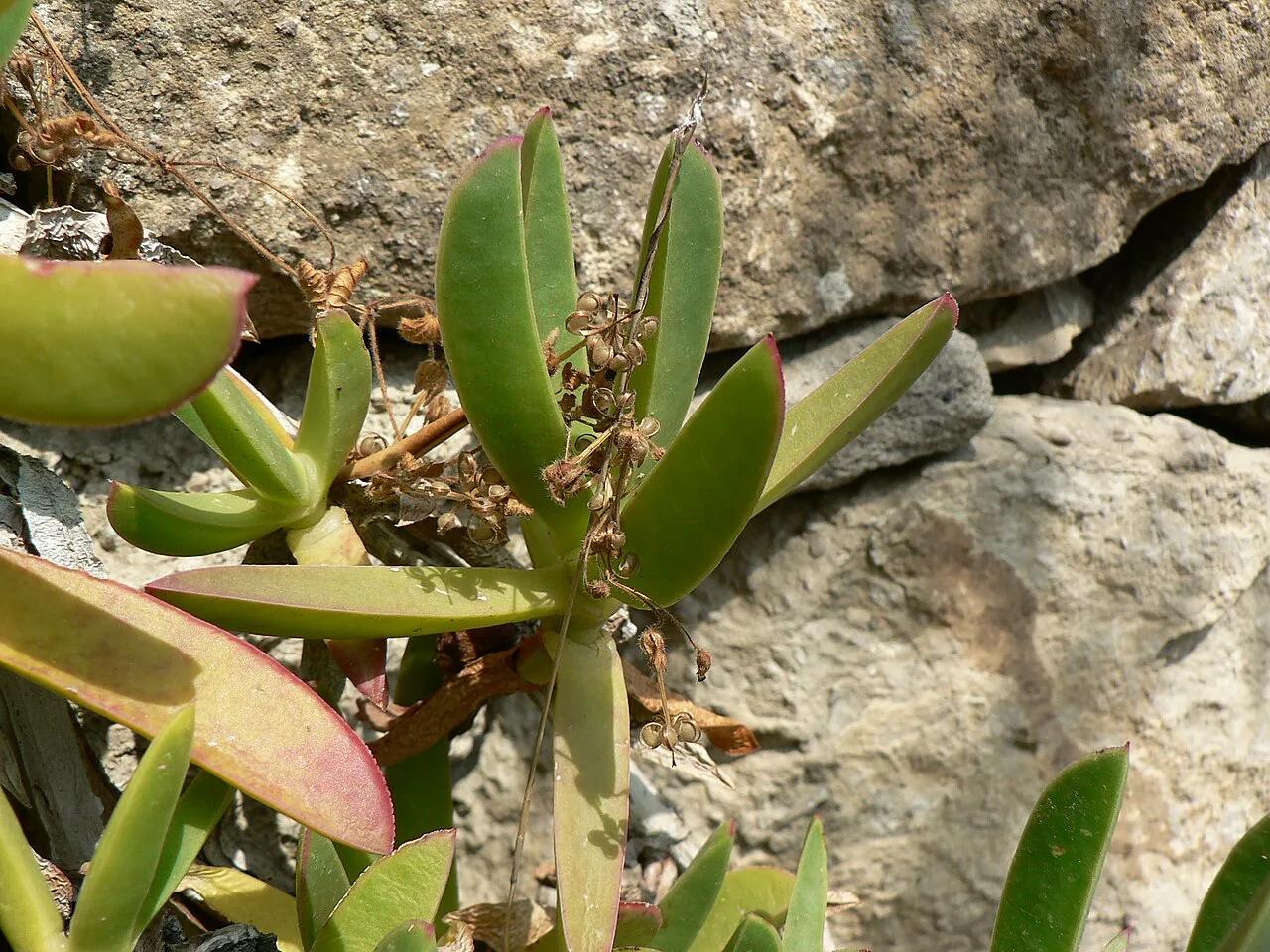
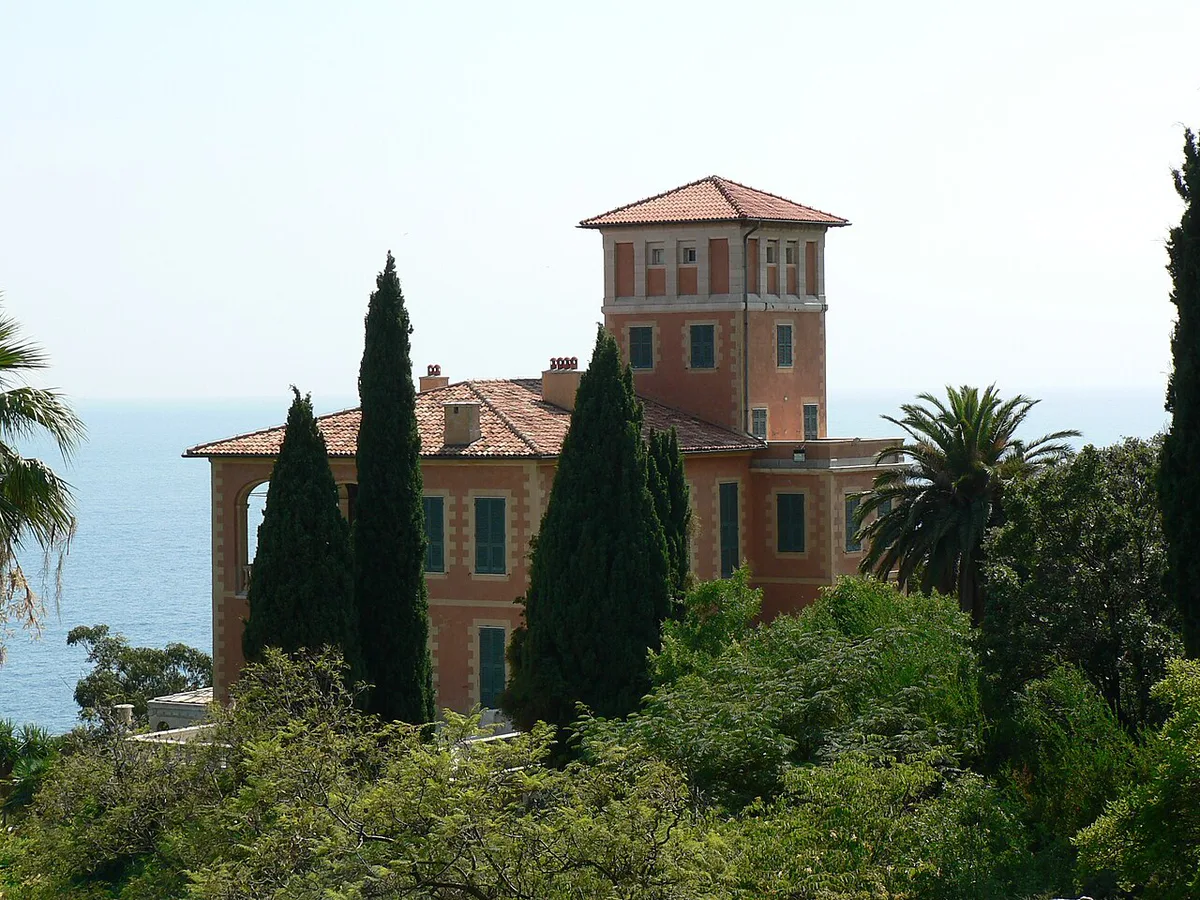
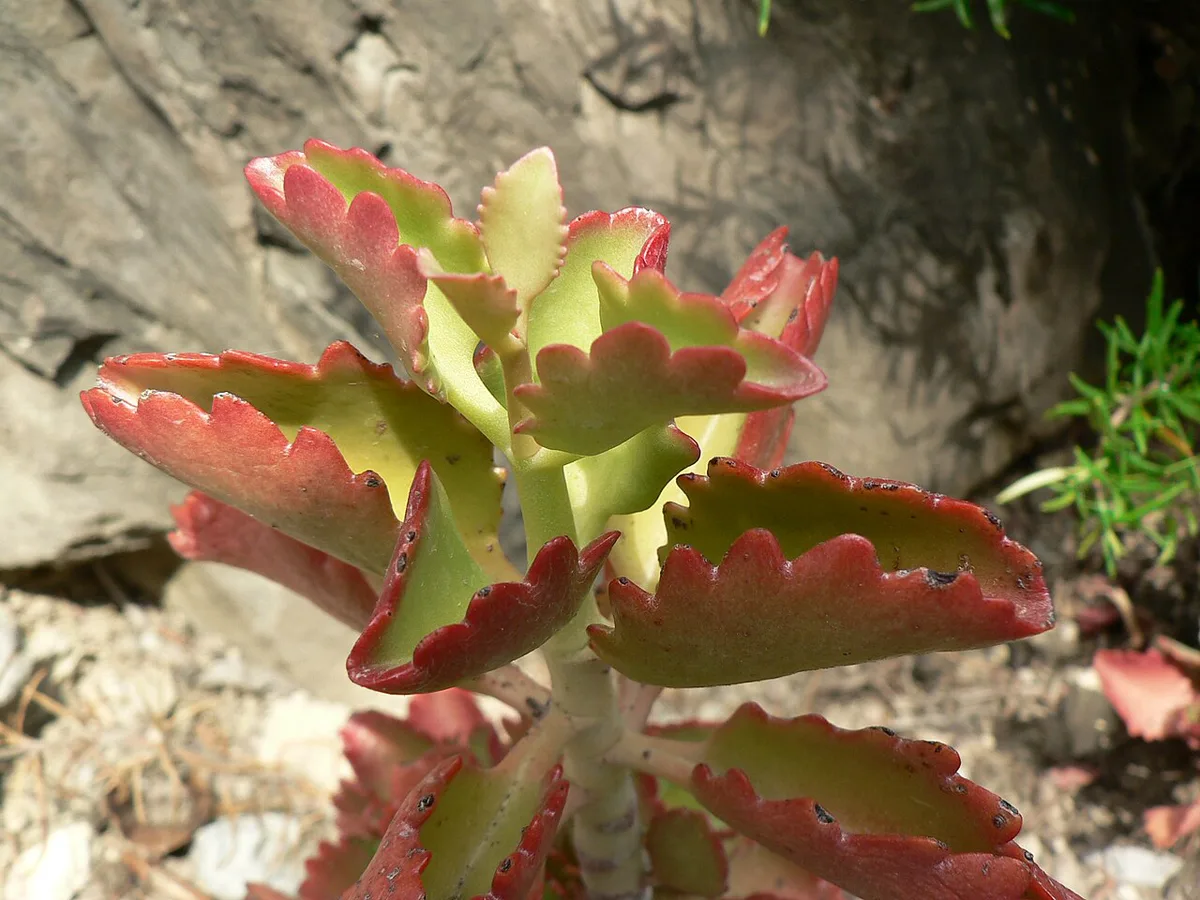
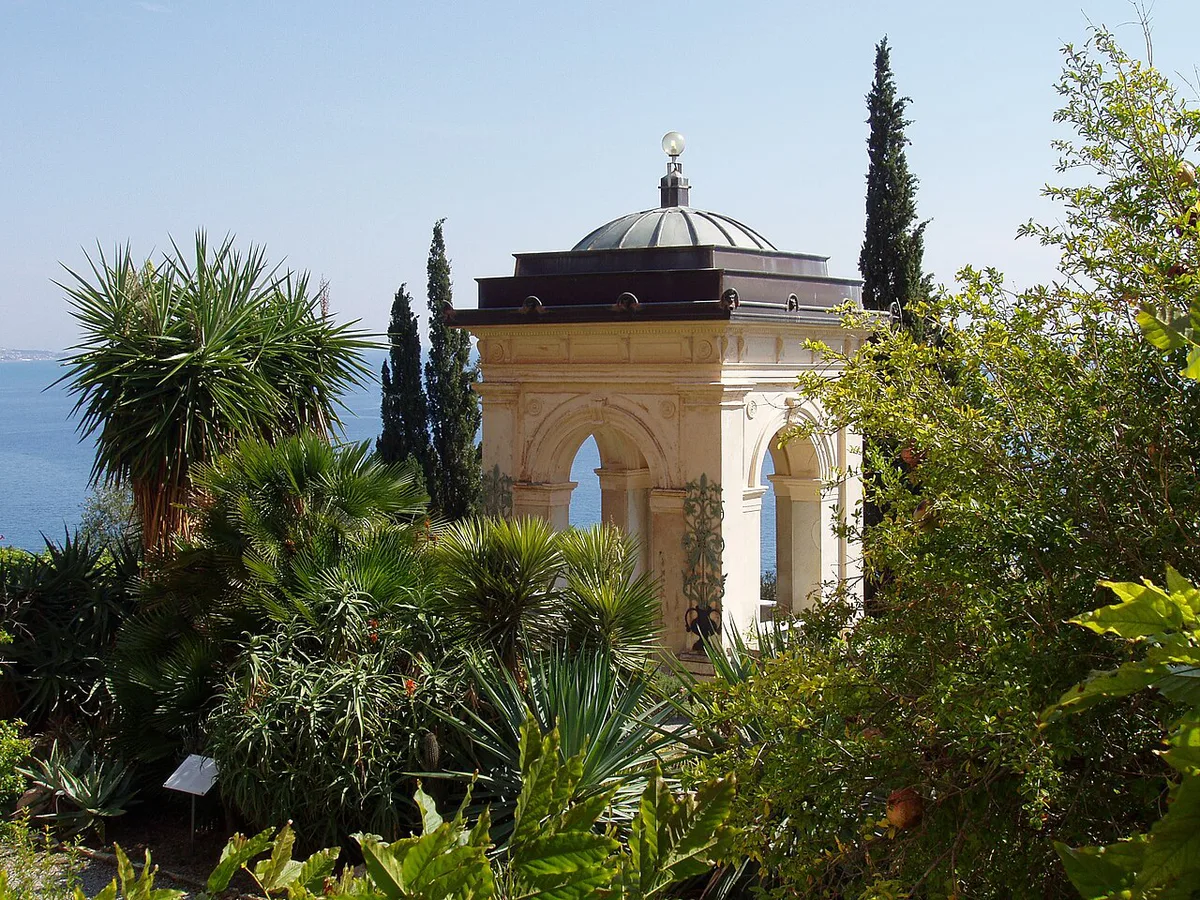
Terraces step down toward the sea and hold succulents, agaves, palms and a rare fruit collection with over 60 citrus kinds. Palazzo Orengo, the peach-hued old palace the Hanbury brothers bought, anchors the estate. Panoramic viewpoints, fountains and avenues date to Lady Dorothy Hanbury's later changes. A small pebble beach is listed on the grounds, though one visitor reported no access to the beach.
A short history of the garden
Thomas Hanbury, a merchant who made his fortune in China, and his brother Daniel, a pharmacologist, bought Palazzo Orengo and its land. Curators including Ludwig Winter and Alwin Berger catalogued the collection, and the garden published Hortus Mortolensis seed lists. Thomas died in 1907. Cecil and Lady Dorothy Hanbury later steered the design toward a more romantic style. The family sold the estate to the Italian state in 1960 after wartime damage.
Accessibility and practical tips

Expect many steps and uphill walking, so wear grippy, closed shoes rather than flat soles. Bring water, because summer terraces are exposed. Visitors mention a cafe at the bottom of the hillside, snacks, books and a picnic area. The official site is the place to check accessibility and facilities, and it is worth contacting the garden if you have mobility needs.
- Avoid Mondays unless the official site confirms opening.
- Ask which sections are closed after storms.
- Do not assume the garden is in France.
Combine with other gardens in Italy
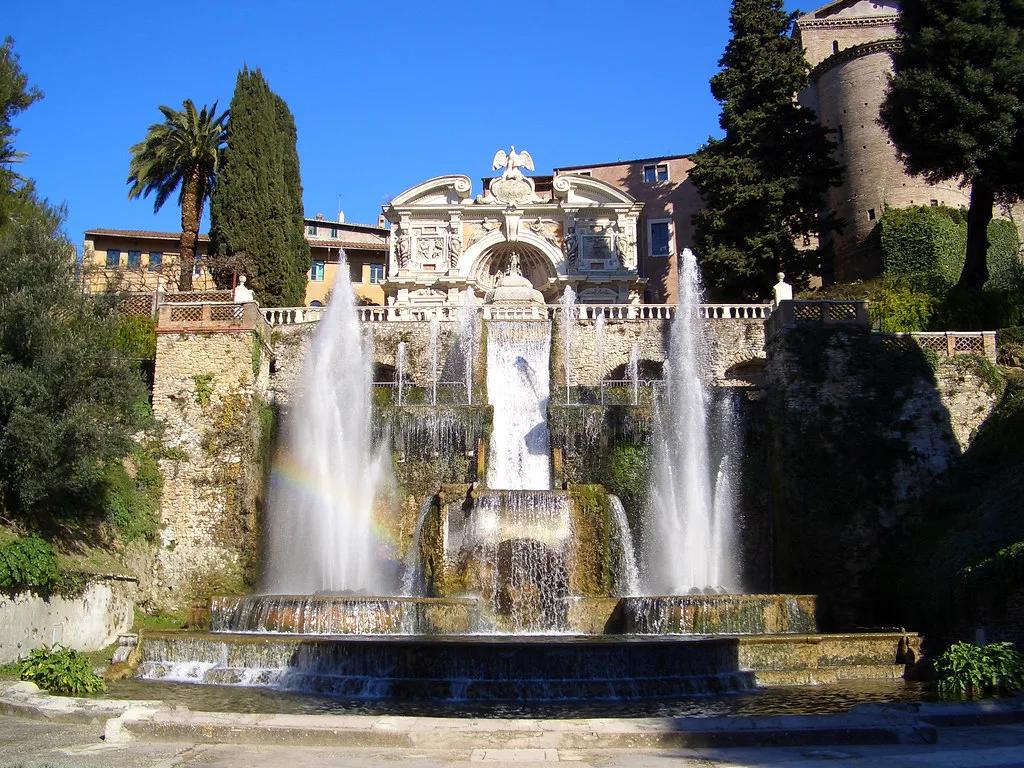
Pair the garden with Ventimiglia old town, then check Menton's gardens across the border. It is the opposite of a Renaissance villa garden. For clipped formality, read about Villa d'Este in Tivoli. Another formal option is Villa Lante near Viterbo. For a romantic plant-focused garden, try the ruins of Ninfa. Wider trips to Rome are far from Liguria, but Gardens Near Rome: Day-Trip Picks by Distance & Effort make a separate plan. For more, return to the 15 Best Gardens in Italy: Where to Go and When hub.
For trip-planning details, see Visit Liguria tourism portal.
Bloom-season notes
Optional updates when we add or revise garden guides.
Continue reading
Guides on the same trip