Lavender vs Lavandin: How to Tell Them Apart in Provence
Lavender vs lavandin explained for Provence travelers: how to spot each in the fields, how they smell, and what to buy.
Last updated November 2026. Lavender vs lavandin is a question of parentage: true lavender (Lavandula angustifolia) is a species, and lavandin (Lavandula × intermedia) is a hybrid of it and spike lavender (Lavandula latifolia). Lavandin is bigger, sharper in scent and cheaper to distill, so it fills much of the lower acreage. This guide shows what you will see, smell and buy across the lavender fields of Provence.
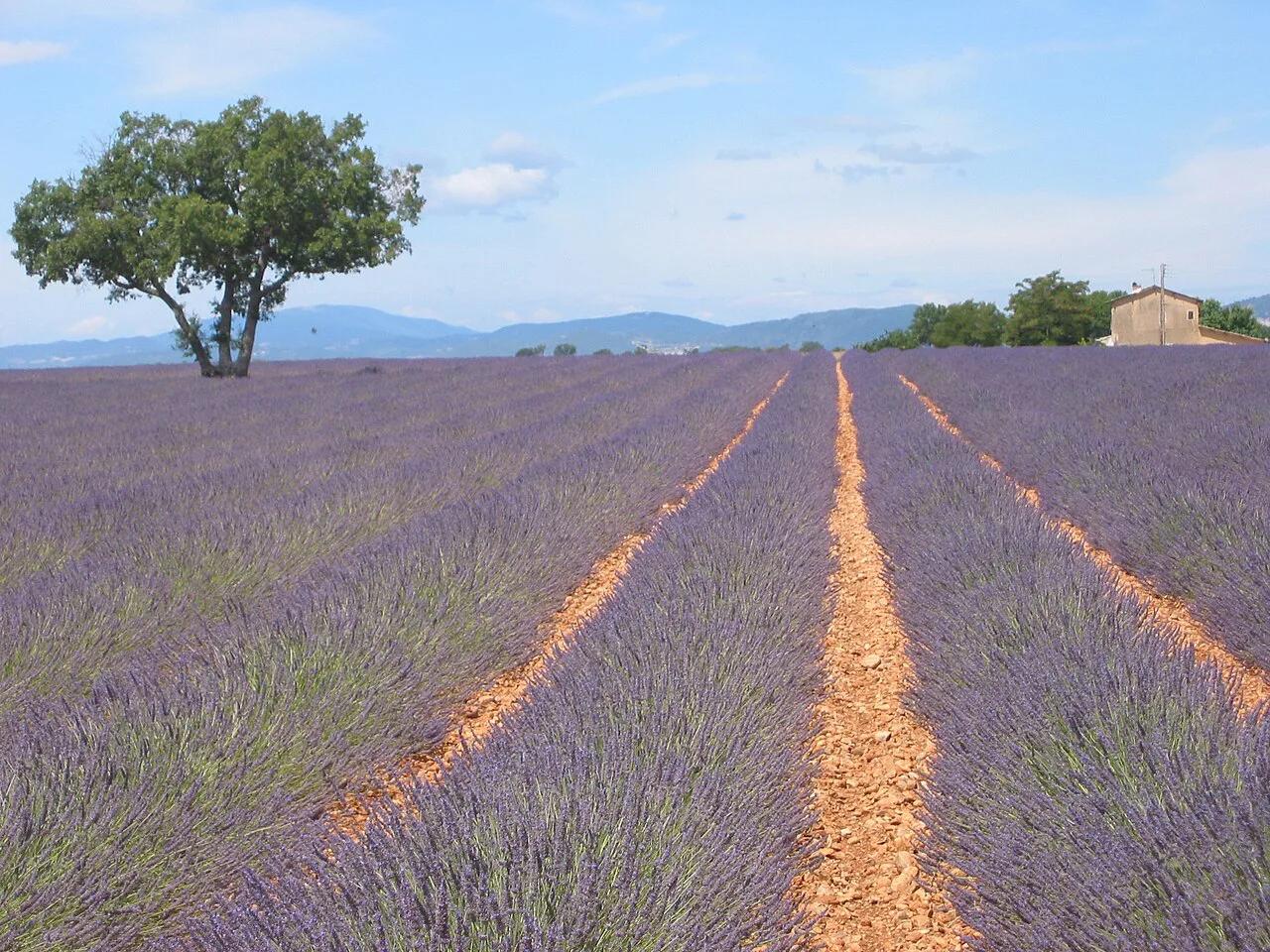
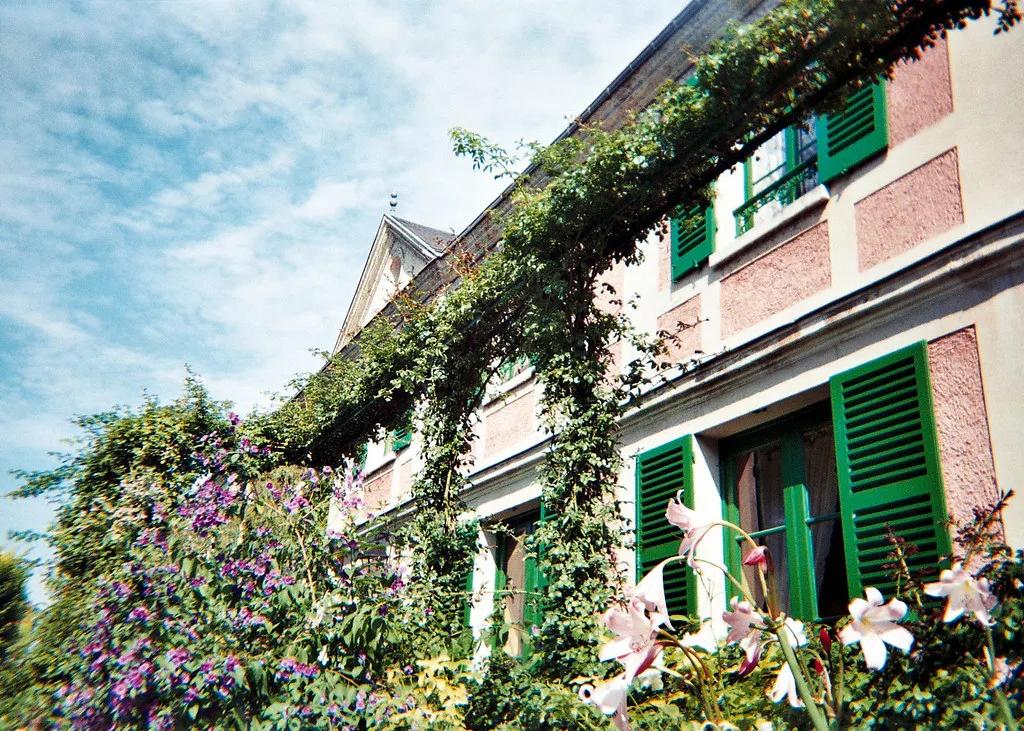
Featured image: AndreyZharkikh, CC BY 2.0, via Flickr.
Quick Answer: Lavender vs Lavandin
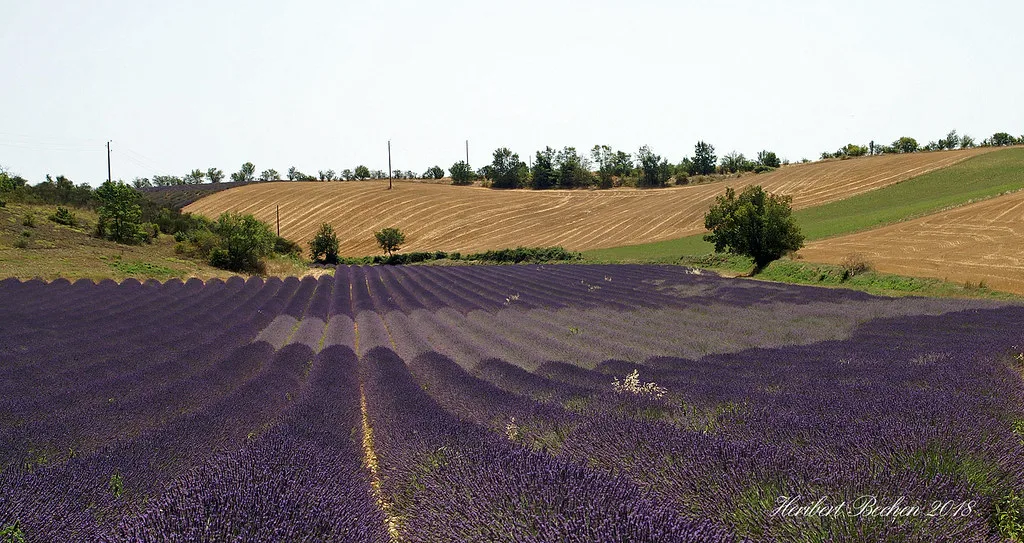
True lavender is the finer plant. Its scent is sweeter and softer, and it is grown at higher, drier sites. Lavandin is larger and more productive, with a sharper, more camphor-like scent. It does well on lower ground. Rule of thumb: a tall, bushy, paler field on lower ground is probably lavandin, and a compact, deep-violet field higher up is more likely true lavender. Treat these cues as tendencies, not guarantees.
Lavender vs Lavandin: Side-by-Side Comparison
Use this table as a quick reference. Shelf prices are rough ranges for small souvenir items in Provence shops, and they shift by shop, size and season.
| Feature | True lavender | Lavandin |
|---|---|---|
| Scientific name | Lavandula angustifolia | Lavandula × intermedia |
| Origin | Species | Hybrid of true lavender and spike lavender |
| Plant size | Smaller, more compact | Larger, more vigorous |
| Flower spike and stem | Shorter, denser spikes, typically on shorter stems | Longer stems, larger spikes, often branching |
| Colour | Typically deeper violet | Typically paler violet |
| Scent | Sweeter, floral, softer | Sharper, more camphor-like |
| Typical altitude | Higher, drier sites | Lower ground and plains |
| Oil yield | Lower per plant | Higher per plant |
| Typical uses | Fine oils, sachets, perfumery | Soaps, cleaning products, bulk fragrance, bouquets |
| Relative price | Higher: small sachet about €4–€9 | Lower: small sachet about €2–€5 |
| Best for | Gifts where scent quality matters | Budget souvenirs and dried bouquets |
How to Tell Them Apart in the Field
Start with the plant's overall shape, then use your nose. A short rub test works in any roadside stop where touching the plants is allowed. Cultivars differ, so look for a pattern rather than a single clue.
- Size: lavandin forms bigger, looser mounds. True lavender forms tighter, rounder clumps.
- Spike shape: lavandin spikes are longer and often sit on long stems with side shoots. True lavender spikes are shorter and denser.
- Colour: lavandin typically reads paler or greyer-violet. True lavender typically reads deeper violet.
- Scent rub test: gently rub one flower between your fingers. A sweet, soft floral smell points to true lavender, and a sharp, camphor-like smell points to lavandin.
- Altitude: the higher and drier the site, the likelier it is true lavender.
Where You'll See Each in Provence
True lavender is associated with higher, drier ground, and lavandin with lower plains. Field-by-field splits change from farm to farm, so ask at the farm shop or distillery. The Valensole Lavender Fields: When to Go, Getting There, Tips is the classic photo landscape. Local growers can tell you what a particular field holds, and the Valensole tourism office is a starting point. The Sault area sits higher up. The Luberon villages make a good base for shorter drives. For a photo stop with a monastery behind the rows, see Sénanque Abbey. Bloom windows vary by altitude and year, so check the bloom timing guide before you fix dates. Peak-season planning is covered in Provence in July: Lavender, Heat and Where to Base Yourself. To link several areas into one drive, use the lavender route through Provence.
Bloom and Harvest Timing: Which Flowers First
The two plants do not peak together, which is useful when you plan dates around a drive. Growers in Provence generally see true lavender open first, usually from mid-June into July, with the higher sites flowering later than the lowlands. Lavandin tends to open a couple of weeks after true lavender and often carries on into August. Altitude and spring weather move these windows each year, so treat them as a pattern rather than a calendar.
- Mid to late June: early true lavender on lower, warmer sites.
- Early to mid July: the overlap, when both are in colour and fields look their fullest.
- Late July to August: lavandin is often still in flower, and harvest is under way. Many true lavender fields may already be cut or fading.
If you arrive in August and the fields look paler, taller and greyer, you are most likely looking at lavandin. Cut rows and tractors are normal then, since this is working farmland. Harvest-time events are listed in the guide to lavender festivals in Provence.
For the most colour in a single visit, aim for the first half of July and check local bloom reports a few days before you travel.
Which to Buy: Oils, Sachets and Souvenirs
Read the label before you pay. Fine lavender ("lavande fine") comes from true lavender, and a protected-origin label may appear on some oils. Lavandin oil is generally cheaper because each plant yields more. A small bottle of lavandin oil might cost about €5–€10, and a similar bottle of fine lavender oil about €10–€20. Treat both as rough shelf ranges and compare in the shop. Lavandin suits dried bouquets, sachets for drawers and household scenting. Choose fine lavender when a softer, sweeter scent matters to you. Skip any claims on packaging about treating burns or wounds, and ask the producer if the label is unclear. To see distillation and varieties up close, visit the lavender museum in Provence. Its official site lists current visitor details.
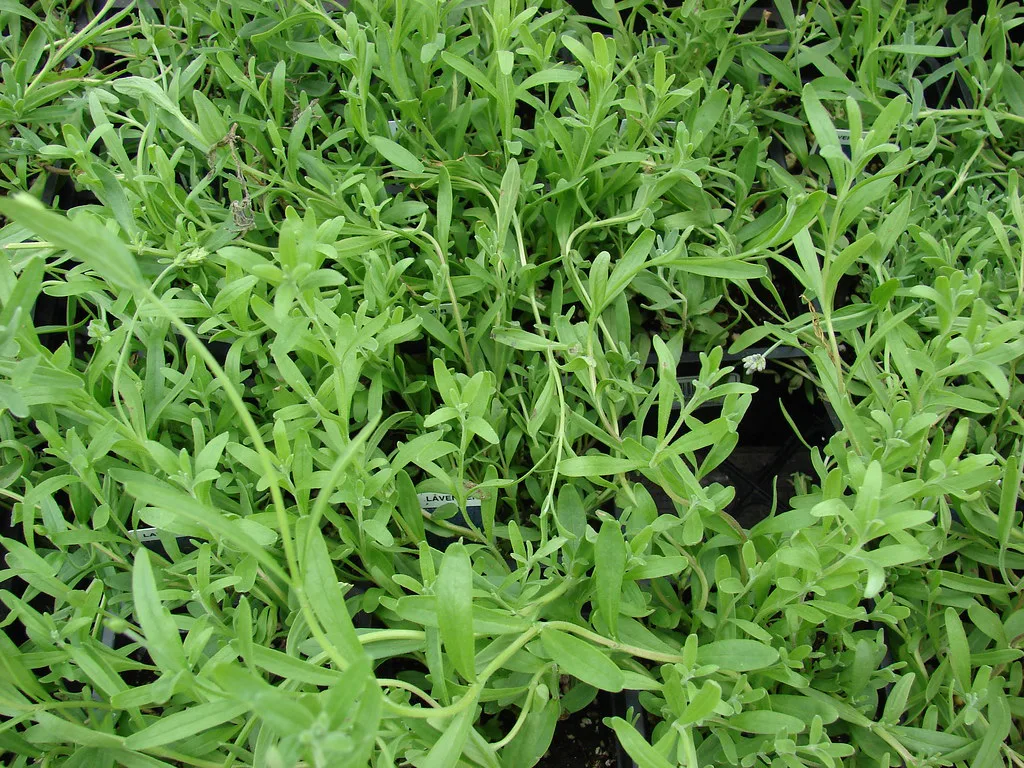
Lavandin Varieties and the Fine Lavender Label
Lavandin is not one plant. Growers use several named clones, and you will meet their names on farm-shop signs and bottles. Grosso is the best known, with dark violet, bushy flower heads and a high oil yield. Abrial and Sumian are other lavandin cultivars you may hear about. Because lavandin is a sterile hybrid, it is propagated from cuttings rather than seed, so a field is a planted block of one clone and tends to look uniform.
Do not rely on colour alone. Grosso can look quite deep in colour, which is why the scent test in the field guide above is the better check.
For oils, the label that matters most is the protected origin. Huile essentielle de Lavande de Haute-Provence is a protected-origin (AOP) oil made from fine lavender grown at altitude, so it is not lavandin. If you want that oil, look for the AOP wording on the bottle and ask the producer which varieties went in. A bottle that only says "lavender oil" or "essential oil of lavender" without a Latin name or a "lavande fine" mention may be lavandin or a blend. The Latin name on the label (Lavandula angustifolia or Lavandula × intermedia, sometimes written hybrida) settles the question quickly.
Common Mistakes
A few small habits save money and keep you welcome in working fields.
- Buying "lavender" souvenirs without reading whether the label says lavande fine or lavandin.
- Judging the plant from a photo alone, since light and season change colour.
- Walking between rows or picking flowers in working fields. Stay on paths and ask the farm about its rules.
- Assuming every field on the plain is true lavender.
Frequently Asked Questions
What scent is lavandin?
Lavandin smells sharper and more camphor-like than true lavender. True lavender is sweeter and softer, so a quick rub of a flower is a useful test.
What is lavandin oil?
Lavandin oil is distilled from the hybrid Lavandula × intermedia. It is generally cheaper than fine lavender oil because the plants yield more. Its scent is stronger and sharper.
Is Lavandula the same as lavender?
Lavandula is the genus, and lavender is the common name for its species. True lavender is Lavandula angustifolia, and lavandin is a hybrid within the same genus.
Bloom-season notes
Optional updates when we add or revise garden guides.
Continue reading
Guides on the same trip