Senanque Abbey: Visiting Tips and Lavender Timing
Plan a visit to Senanque Abbey near Gordes: how visits work, when lavender peaks, crowd timing, getting there and what to combine nearby.
Last updated November 2026. Senanque Abbey, formally Abbaye Notre-Dame de Sénanque, is a working Cistercian monastery in the Vaucluse valley near Gordes. Visits are mostly guided, and the lavender is a short summer window. Check the official abbey website for current hours, tickets and closures.
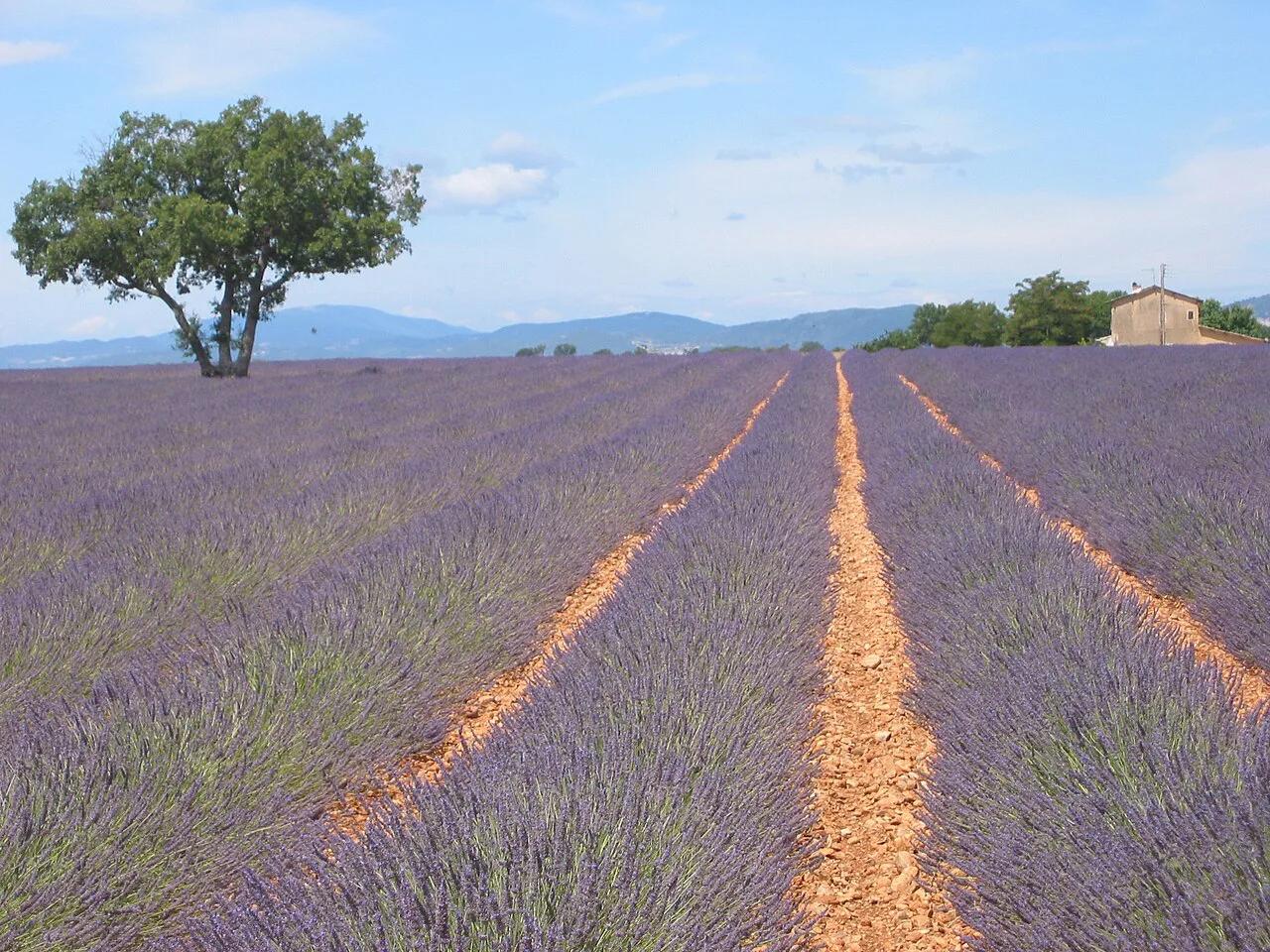
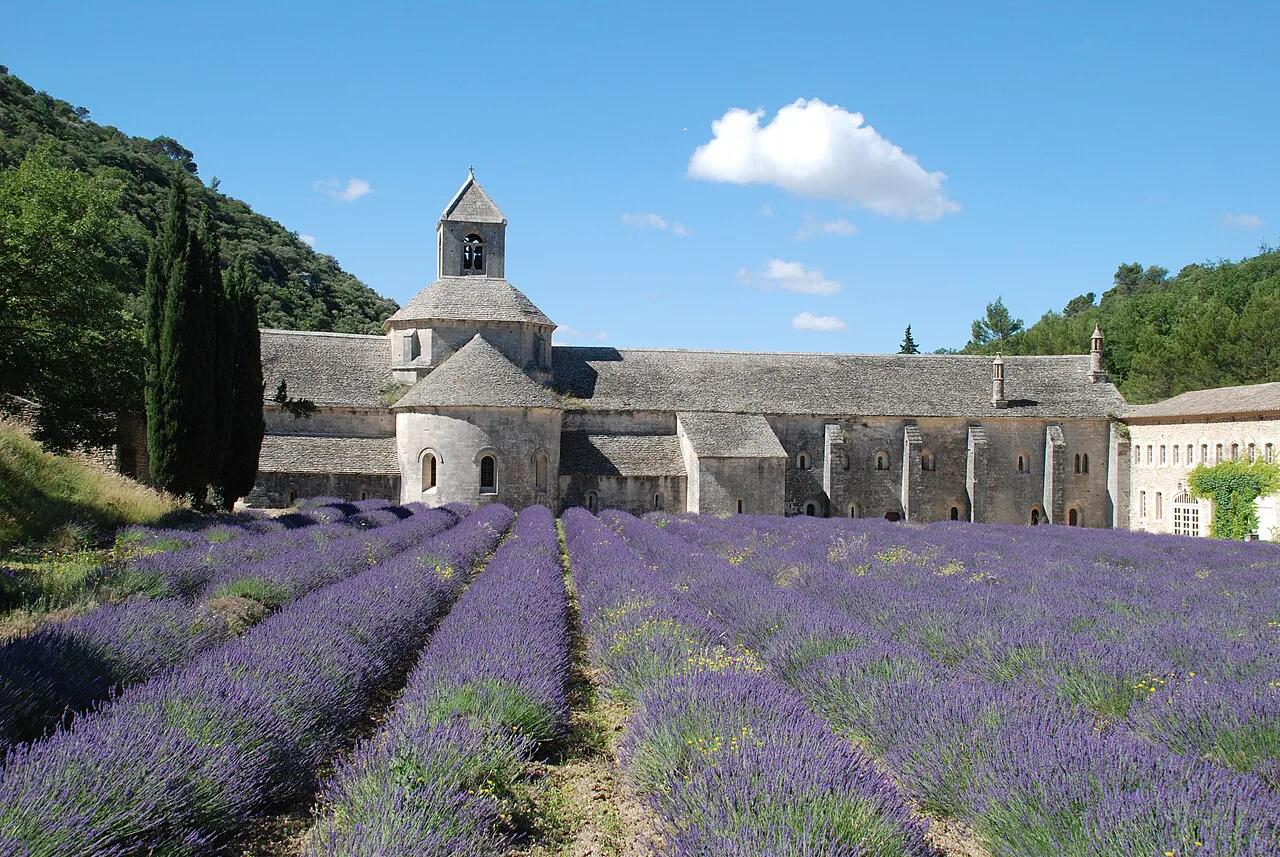
Featured image: EmDee, CC BY-SA 3.0, via Wikimedia Commons.
Senanque Abbey: quick answer and who should go
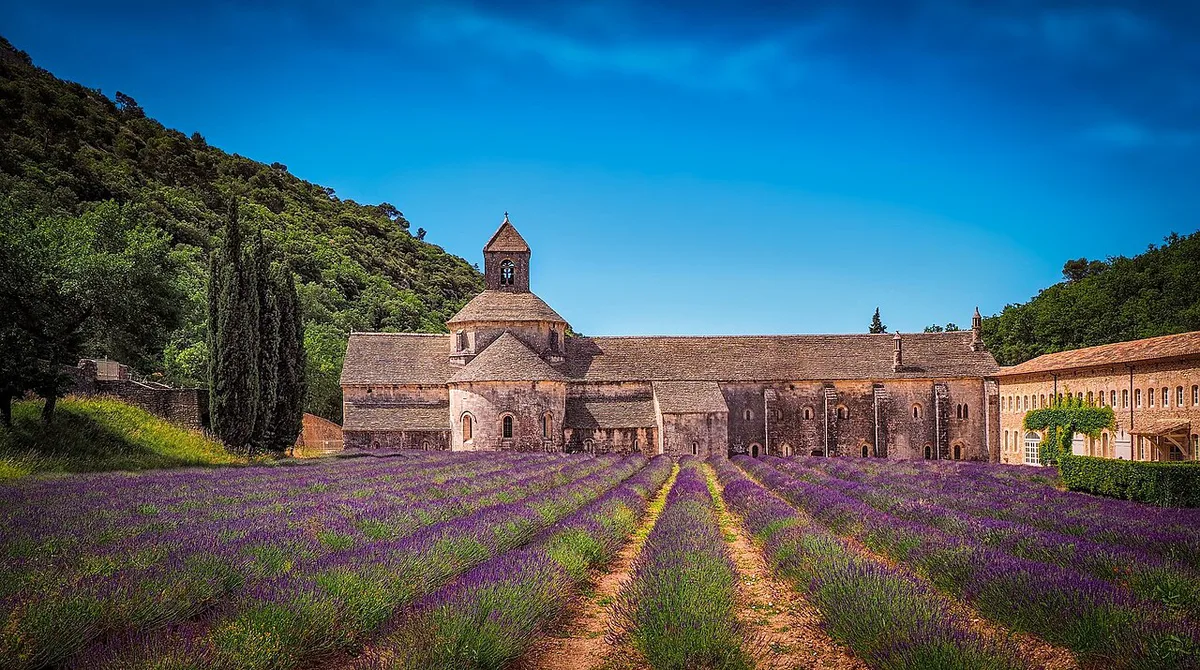
Sénanque is a monastery first and a photo stop second. Cistercian monks founded it in 1162, and a small community still lives and prays there. Go if you want a quiet, living place of worship set among lavender fields. Skip the interior if you only want a fast photo stop, because the abbey runs on prayer rather than a sightseeing schedule. For the wider region, start with our Provence lavender guide.
- First-timers: a good anchor for a Luberon day, best at the start or end of the day.
- Photographers: worth it in bloom, with a plan for early or late light.
- Quiet travelers: late winter suits you better than July.
- Families: fine for older children who can stay quiet; ask the abbey about its visit format first.
How visiting works: tours, access and monastery etiquette
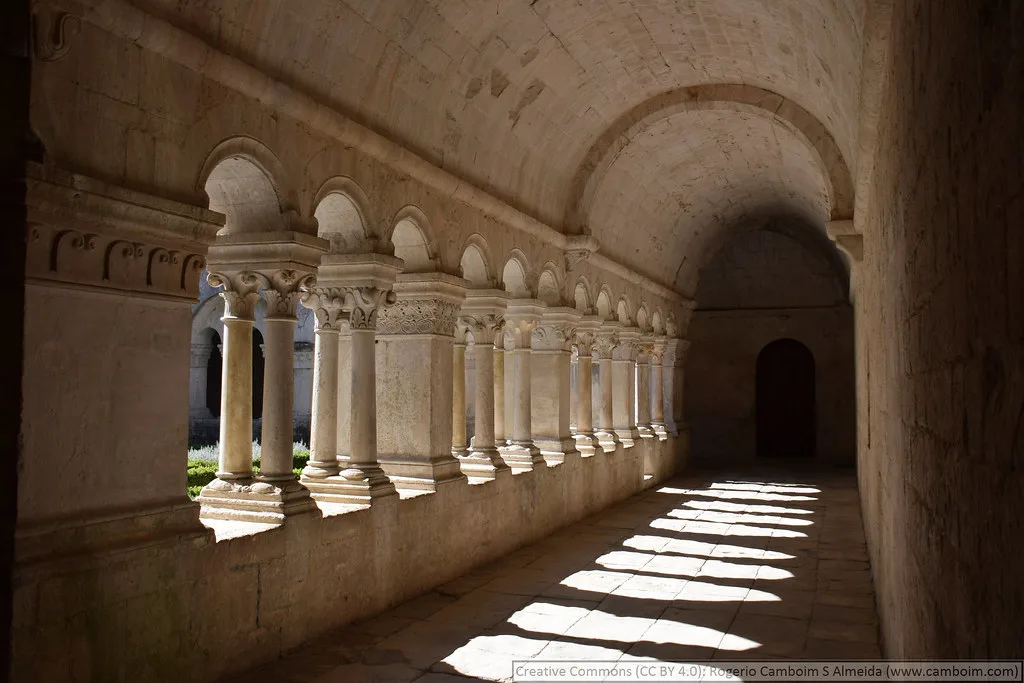
Because monks live here, visits to the monastery are mostly guided rather than free roaming. Expect a place of silence, not a museum that used to be a monastery. Dress modestly and keep your voice low. The abbey's own site is the place to check which areas are open, tour languages and any photography limits. The monks sell lavender products and honey, and those sales help fund the abbey.
What the guided visit shows: church, cloister and dormitory
A guided visit takes you through the parts of the abbey the community opens to outsiders. The monks' private quarters stay closed. Expect a short, quiet walk rather than a long tour. Check the abbey's official visitor pages for the current language options and group size.
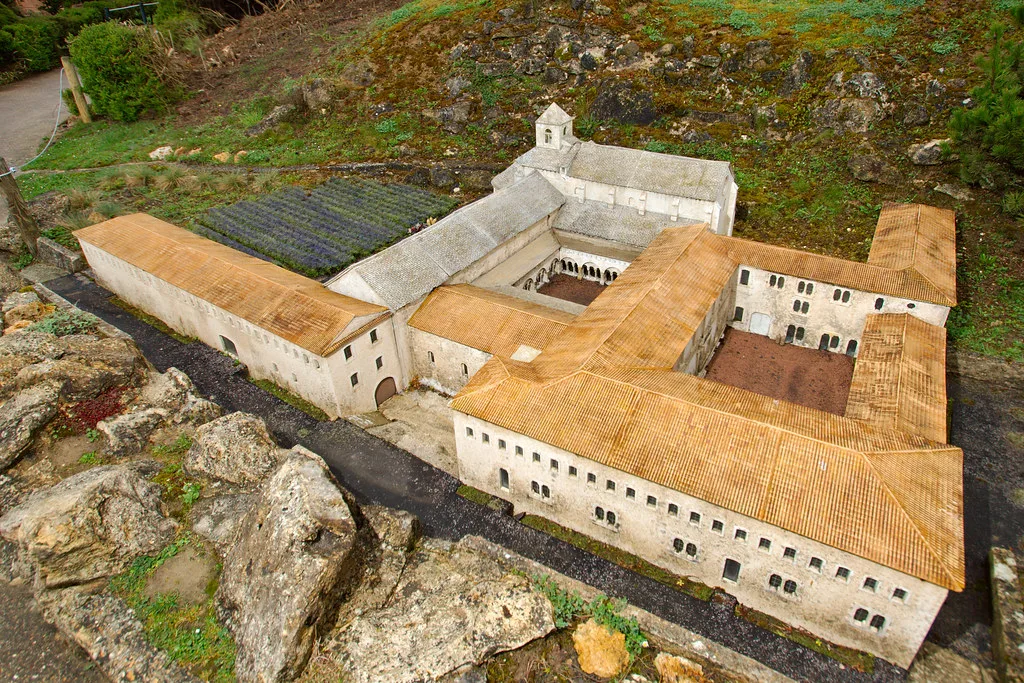
- The abbey church: Romanesque and almost bare. Cistercian builders rejected carved ornament, so the effect comes from proportion, thick stone walls and the light from a few small windows. The acoustics are good, which is why silence matters here.
- The cloister: a square gallery of plain arches around a central courtyard. It was the monks' main walkway between church, chapter room and dormitory.
- The dormitory: a long, vaulted room under the roof where the monks once slept. Like the rest of the abbey, it is austere on purpose.
Most guides explain the Cistercian ideal of work, prayer and simplicity, so the plain architecture makes more sense once you have heard it. If you want to see the church in use, ask the abbey which services visitors may attend, and keep to the rules for those times.
Tickets, opening hours and booking
Prices, opening days and booking rules change by season, and the abbey publishes them on its official visitor pages. Look there before you drive out, especially in July.
When to visit: lavender season vs. quiet months
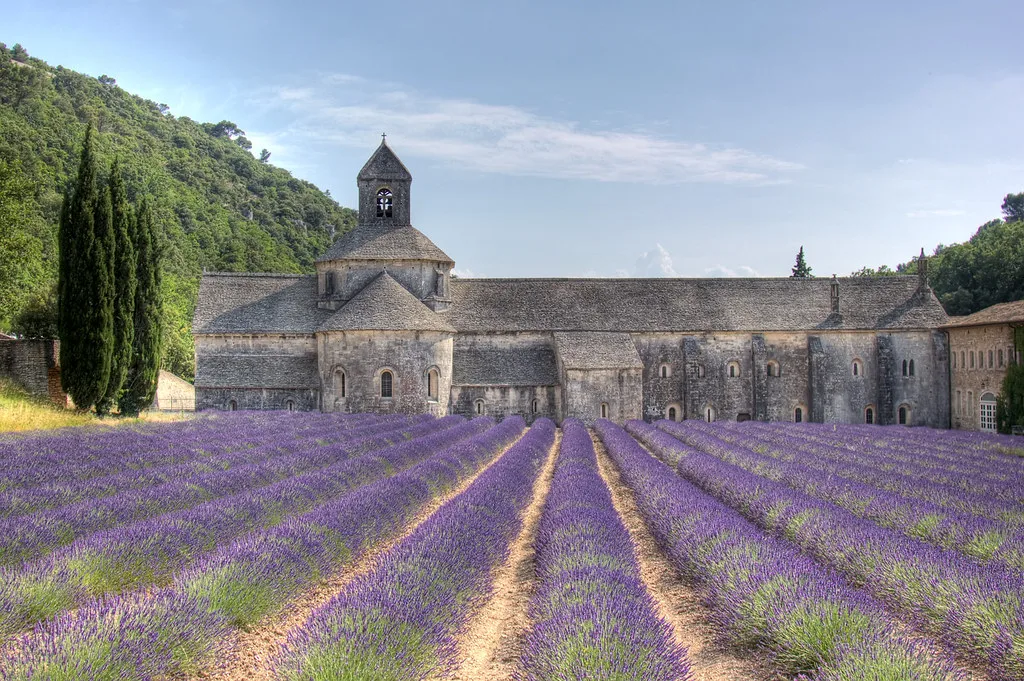
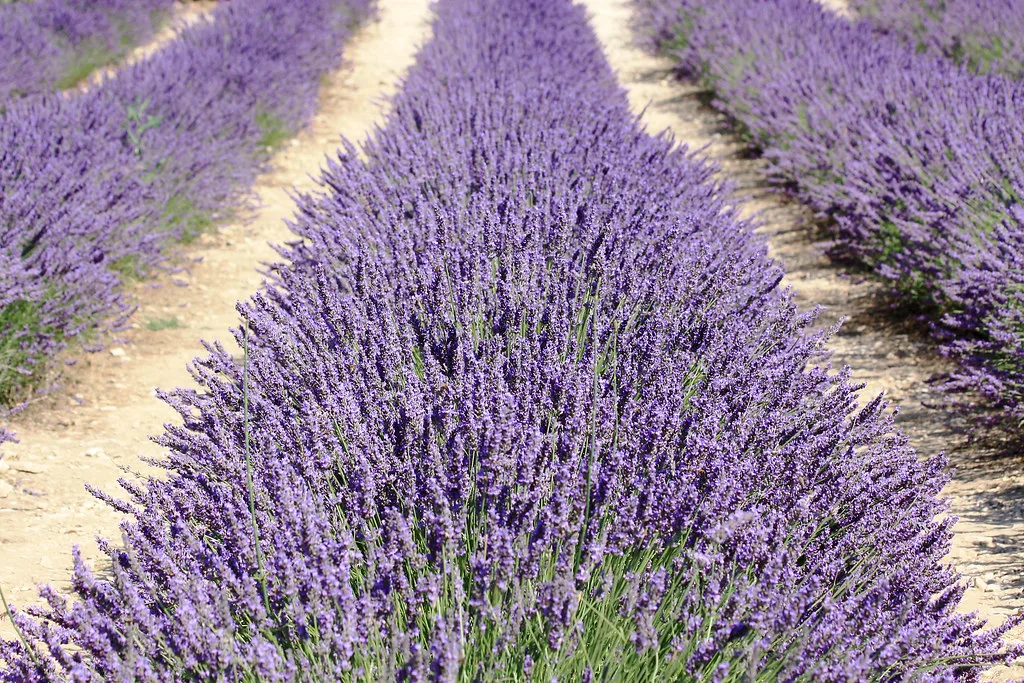
Summer brings the lavender and the most striking views of the abbey. It also brings tour buses and crowded photo spots. February or early March is the opposite: almost no crowds and no purple. For exact bloom windows, read our guide to when lavender blooms in Provence. For crowd and heat planning, see Provence in July: Lavender, Heat and Where to Base Yourself.
| Season | Crowds | Scenery | Booking pressure | Best for |
|---|---|---|---|---|
| Lavender bloom (summer) | Highest, with tour buses | Purple fields around the abbey | Highest; plan ahead | Photographers, first-timers |
| Shoulder months | Moderate | Green valley, no bloom | Lower | Flexible day trips |
| Late winter (Feb to early March) | Near zero | Bare fields, stone and silence | Lowest | Quiet travelers |
Photographing the abbey and lavender without disturbing the monks
Pick one time of day and arrive early or late, when buses are fewest and the heat is lower. Treat the fields as working farmland and stay on marked paths. Do not assume you can walk among the rows. Keep your voice and gear low-key near the monastery, since it is a place of prayer. The abbey's site lists any rules for the grounds.
Best viewpoints over the abbey and the lavender fields
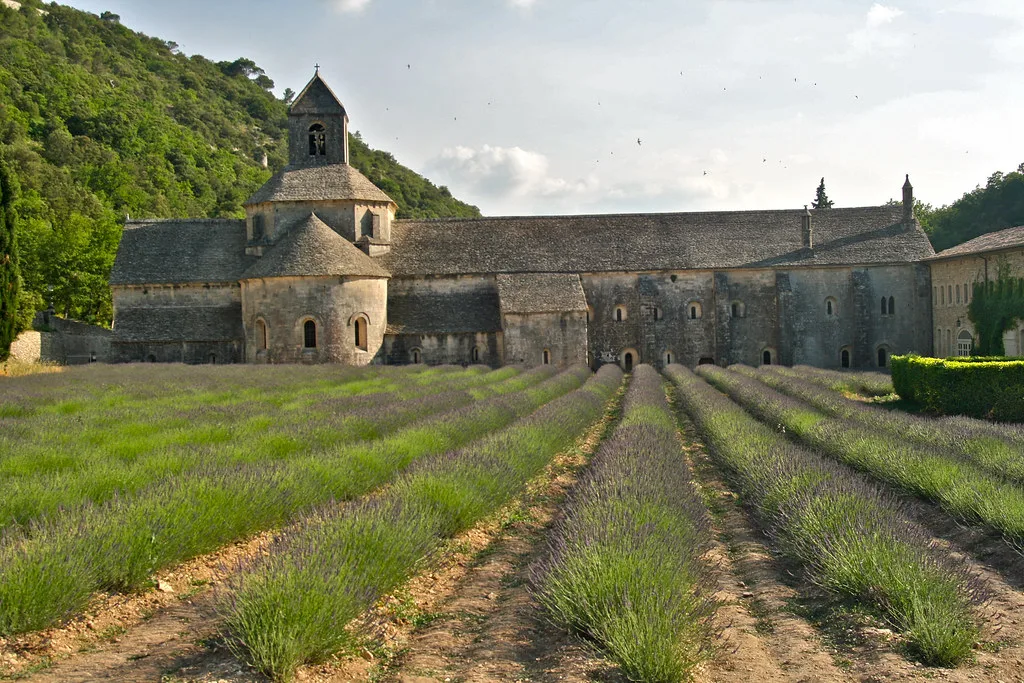
The classic photograph of Sénanque looks down on the abbey from above, with the lavender rows in the foreground and the stone buildings in the valley behind. You get it from the road that descends from Gordes toward the abbey, before you reach the car park.
- Choose your stop before you drive. Look for a proper pull-out, not the edge of the road. The valley road is narrow and busy in bloom season, and cars stopped on bends cause real hazards.
- Shoot from the road, not from the field. The rows next to the abbey are cultivated by the monastery. A long lens from a legal spot is better than stepping into the crop.
- Check the light. The valley is narrow, so shadows fall early and late. Morning and late afternoon usually give the warmest stone and the least harsh contrast, but test it on the day.
- Look back from the car park. Once you are down in the valley, the lower view of the facade with lavender in front is quieter and often less crowded.
Bloom timing shifts every year, so check recent local reports before you plan a dawn drive around a purple field that may not be ready.
Getting there and parking
Sénanque sits in a valley near Gordes, and a car is the easiest way in. In bloom season, arrive early because parking and the access road get busy. Check the official site for any shuttle or traffic rules.
Combine it with nearby stops
Sénanque pairs well with the rest of the Luberon. Our Luberon lavender guide maps the villages around it. Valensole lies in a different lavender region on another side of Provence, so treat it as a separate day. A lavender route through Provence shows how to link regions.
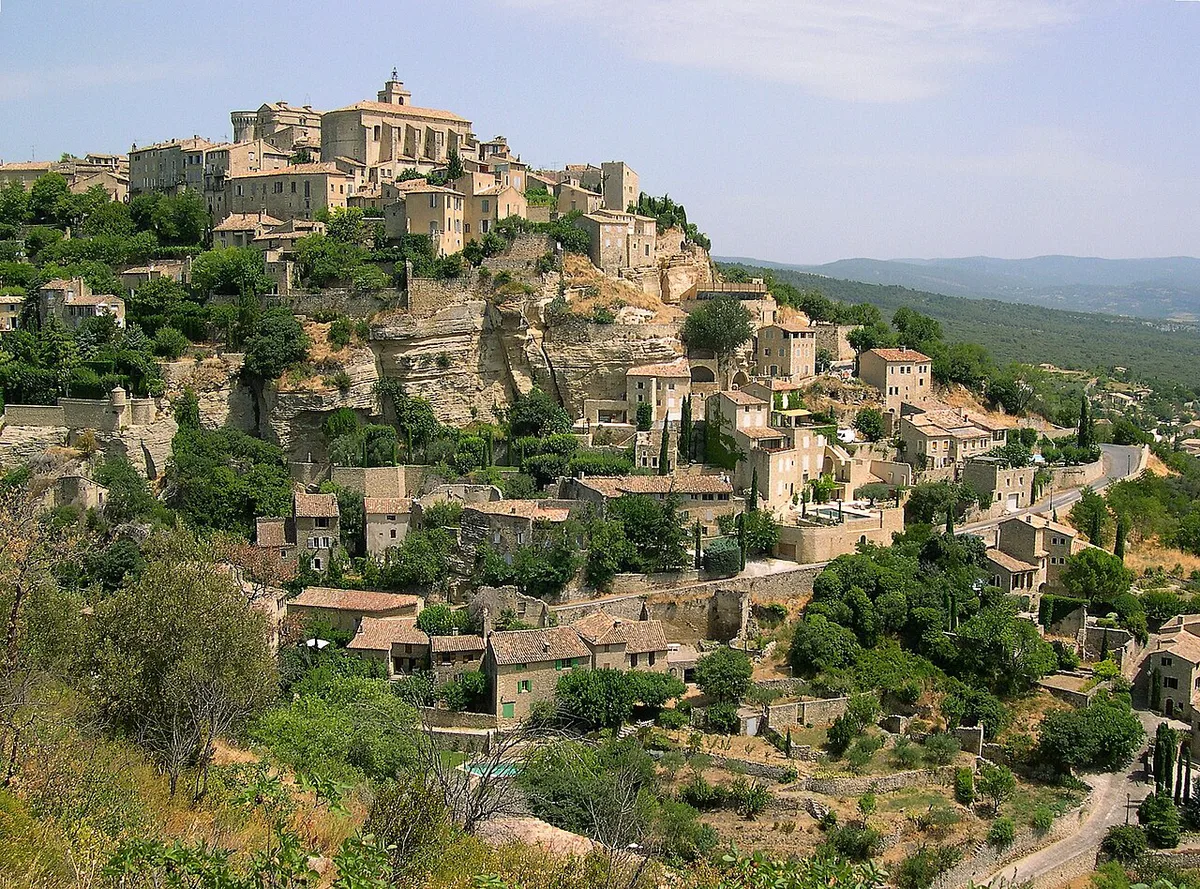
- Gordes: the hilltop village nearest the abbey.
- Village des Bories: dry-stone huts near Gordes.
- Roussillon: an ochre village in the Luberon.
- Sault: a bloom-season stop; see our Sault lavender guide.
- Valensole: a separate region; see the Valensole plateau guide.
Mistakes to avoid
A few habits spoil a visit to a working monastery.
- Arriving in peak season with no booking plan.
- Coming after the bloom and expecting purple fields.
- Expecting a museum rather than a living monastery.
- Assuming you can walk through the lavender.
- Visiting at midday, when heat and crowds peak.
Where to stay
Base yourself in a Gordes or Luberon village if you want to reach the abbey early. Avignon works as a larger base with more services; see our Lavender Fields Near Avignon: Best Day Trips and When to Go guide. Book ahead for summer, when lavender season fills rooms.
Bloom-season notes
Optional updates when we add or revise garden guides.
Continue reading
Guides on the same trip