Valensole Lavender Fields: When to Go, Getting There, Tips
Plan your Valensole lavender visit: bloom timing, getting there with or without a car, how to choose fields, and mistakes to avoid.
Last updated November 2026: valensole lavender means the fields of the Valensole plateau in the Alpes-de-Haute-Provence, the best-known lavender landscape in Provence. Bloom arrives in summer, but exact timing shifts with altitude, weather and harvest. Looking for the Dunhill fragrance of the same name? This guide covers the place, not the perfume.
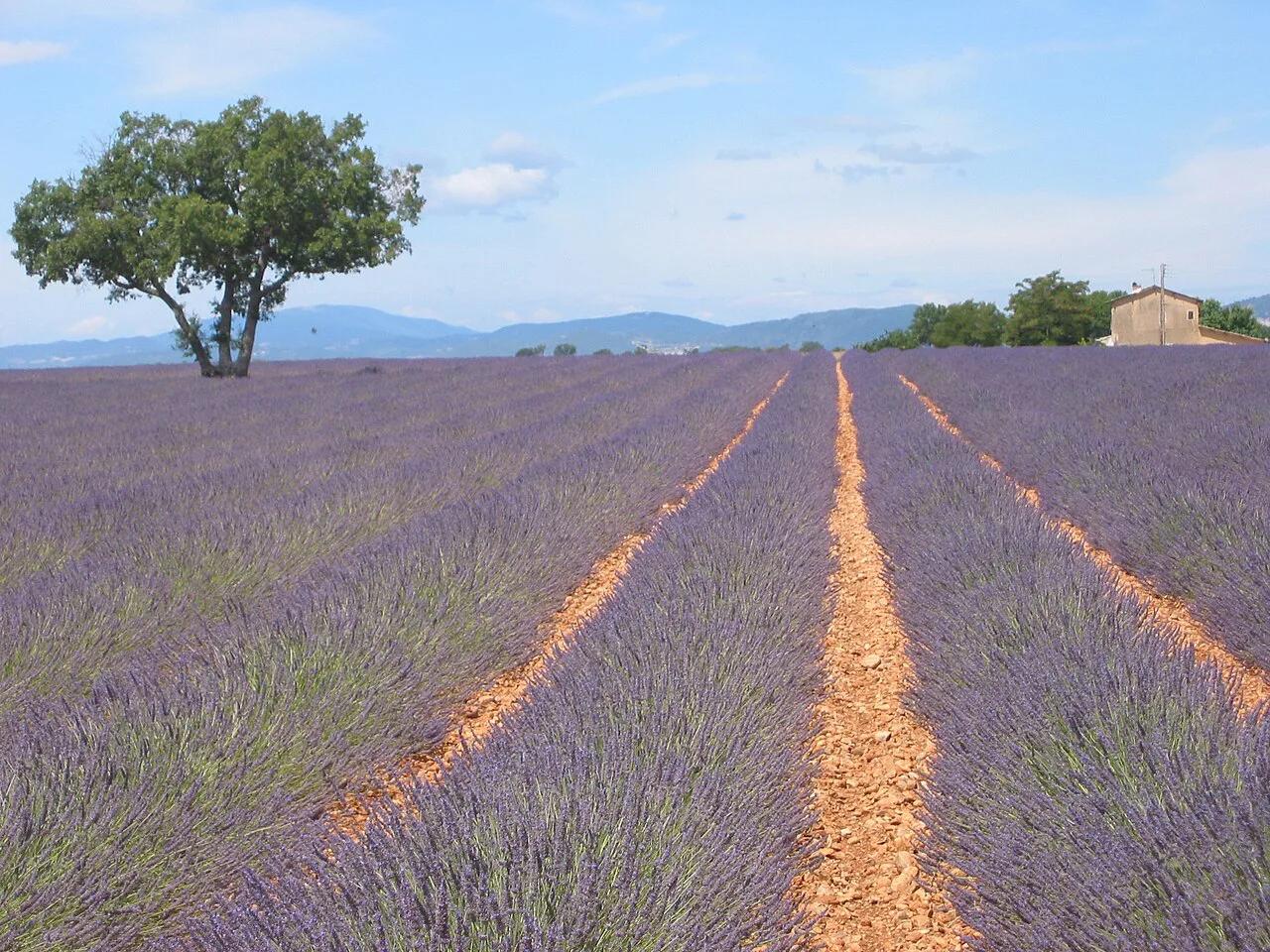
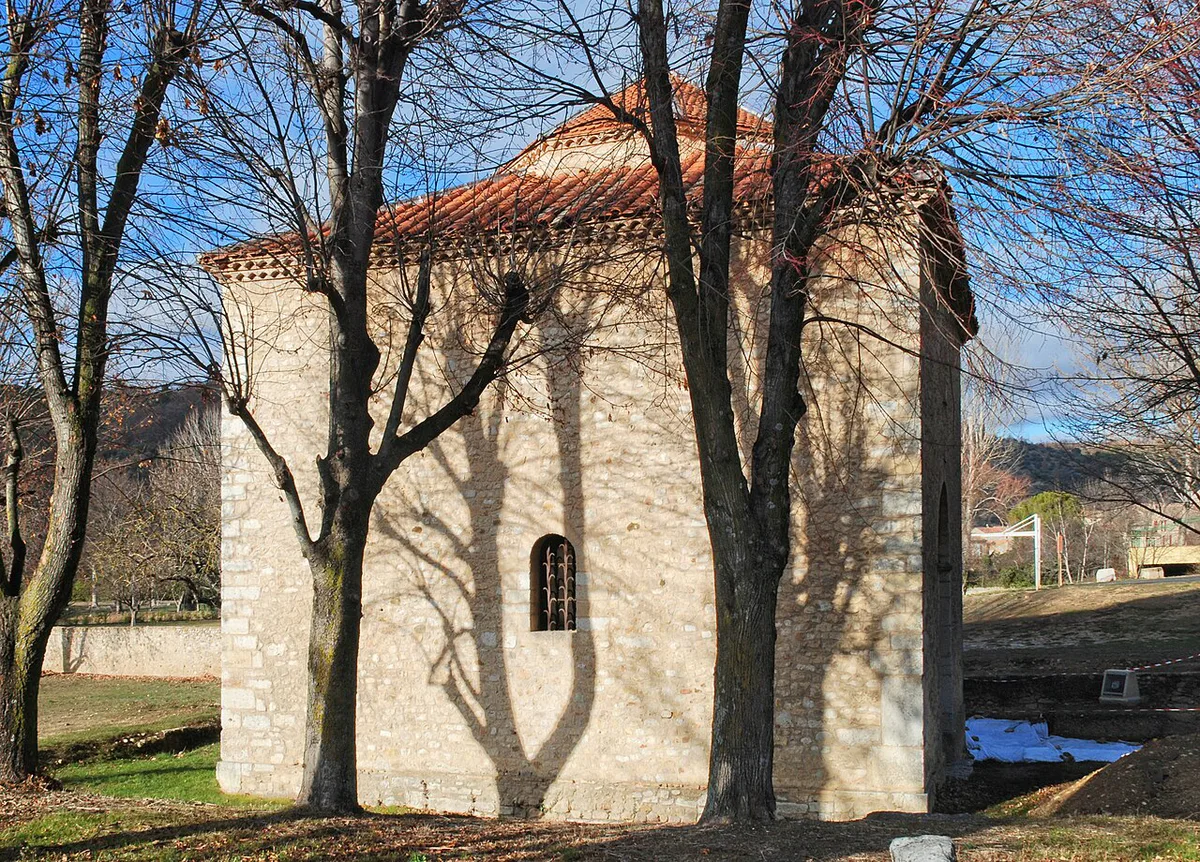
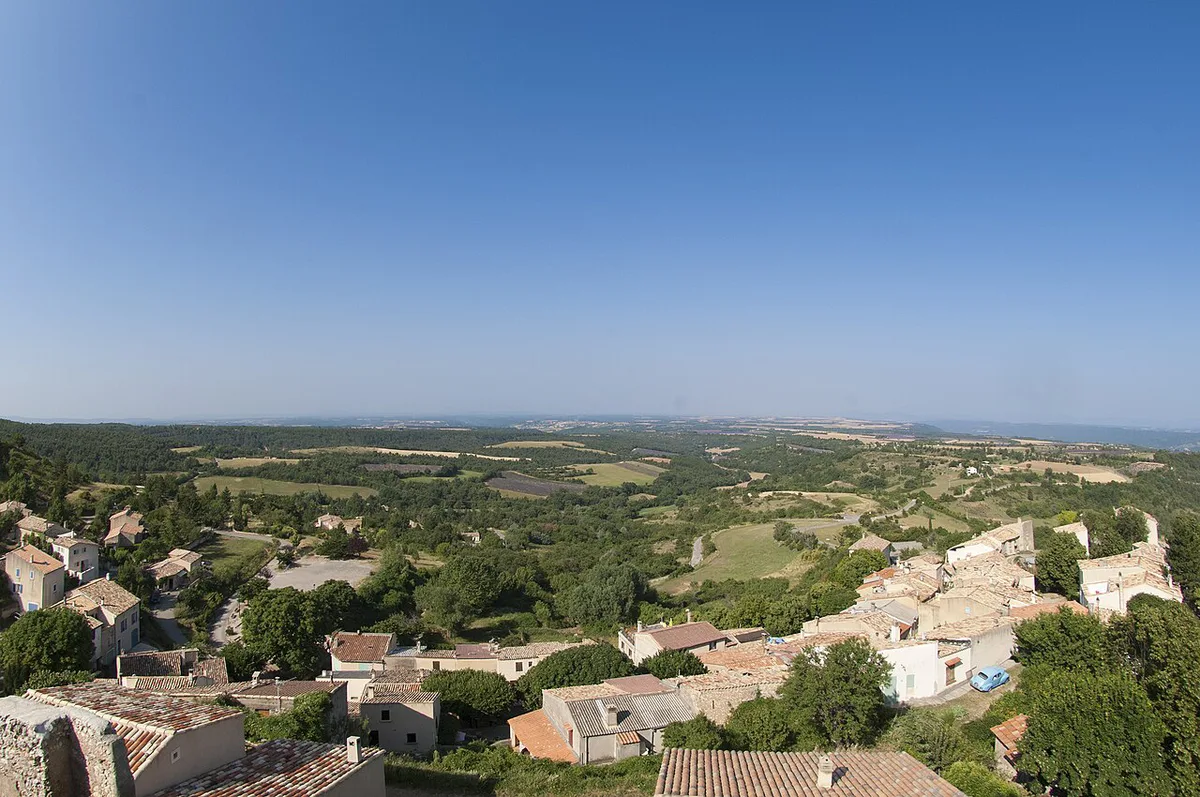
Featured image: Alpes de Haute Provence, CC BY 2.0, via Flickr.
Valensole lavender at a glance
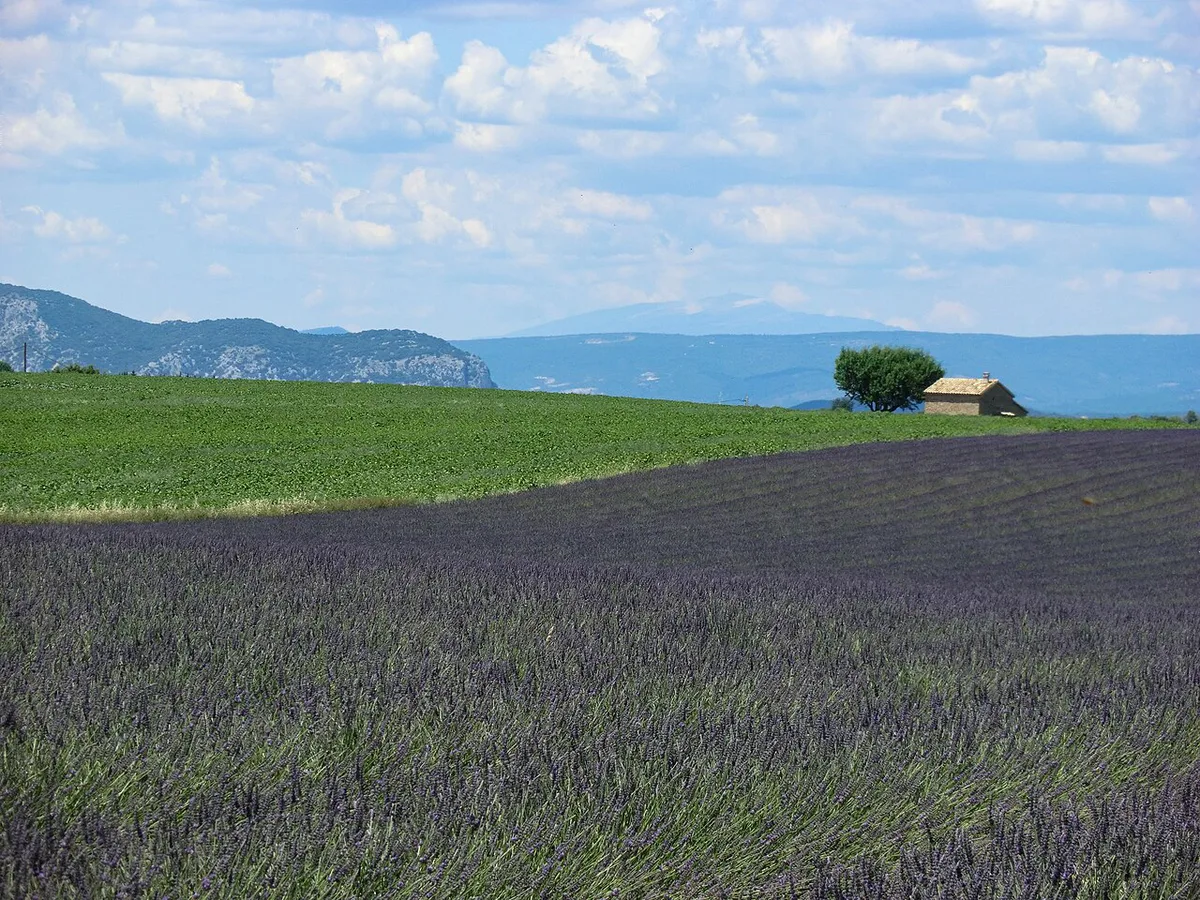
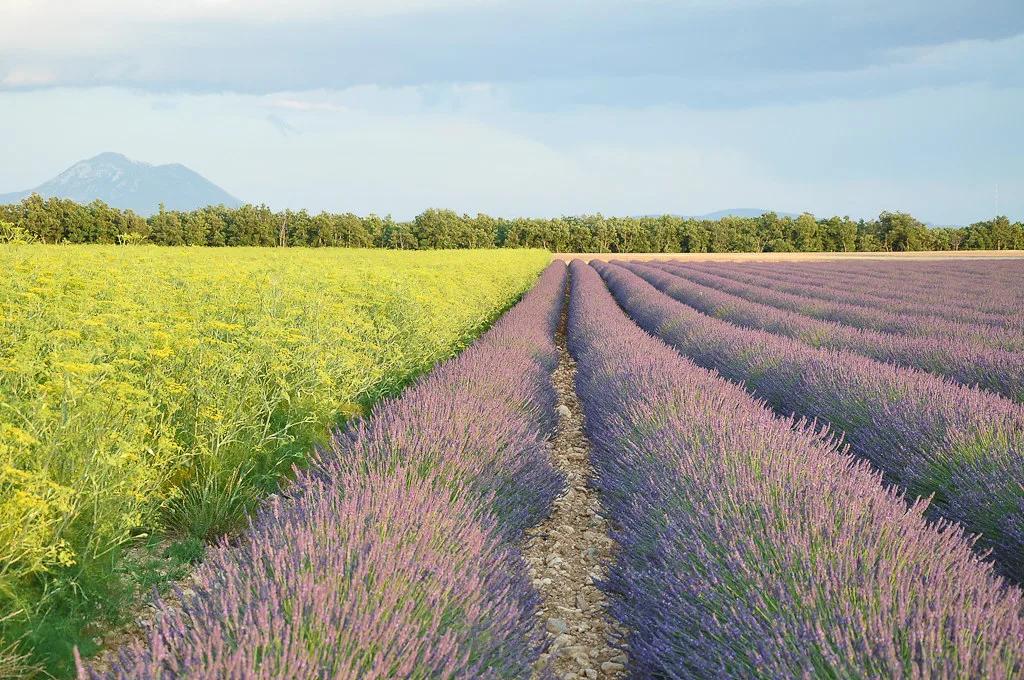
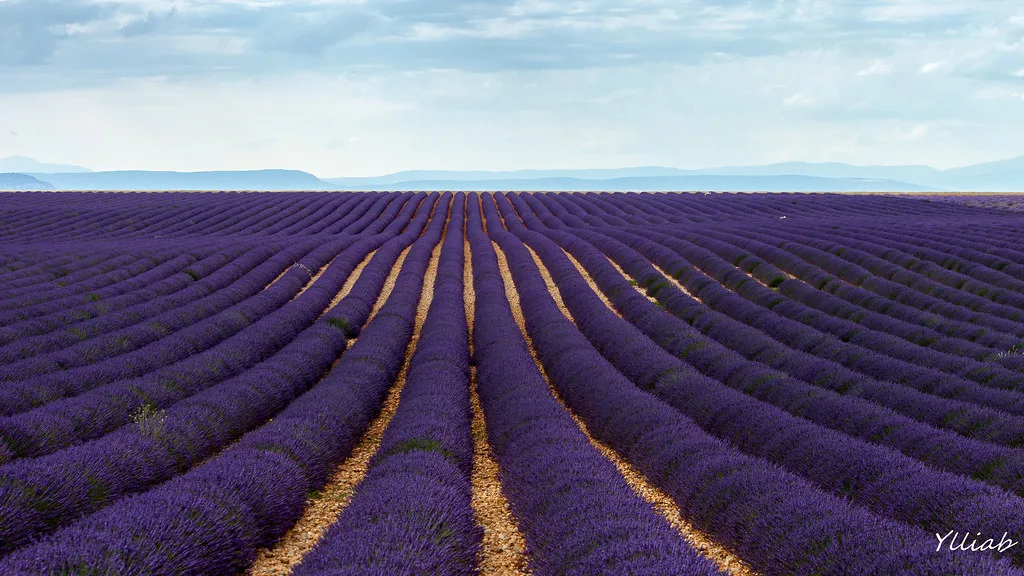
Valensole sits on an open plateau in the Alpes-de-Haute-Provence. Valensole village, Puimoisson and Riez work as the usual bases. Fields run in broad rows across rolling farmland, which rewards wide photographs and slow driving more than long walks. Drivers who want scale and open horizons will like it best. Travelers without a car, or those arriving after harvest, should look at alternatives. Start with our Provence lavender overview if you are still choosing a region. Local event and bloom updates appear on the Valensole tourism office site.
When to visit Valensole lavender
Bloom is the whole game here. Summer is the general window, yet each year moves with altitude, spring weather and the farmers' harvest schedule. Our bloom timing guide explains the drivers in detail. Month-by-month planning is easier with lavender in July as a reference. Cut fields are the most common disappointment, so build in a buffer day.
- Early bloom: rows are partly purple, crowds are lighter, and colour is patchy.
- Peak bloom: fields are fully coloured, roads and photo stops are at their busiest.
- Post-harvest: stubble replaces colour, so switch to distilleries and museums.
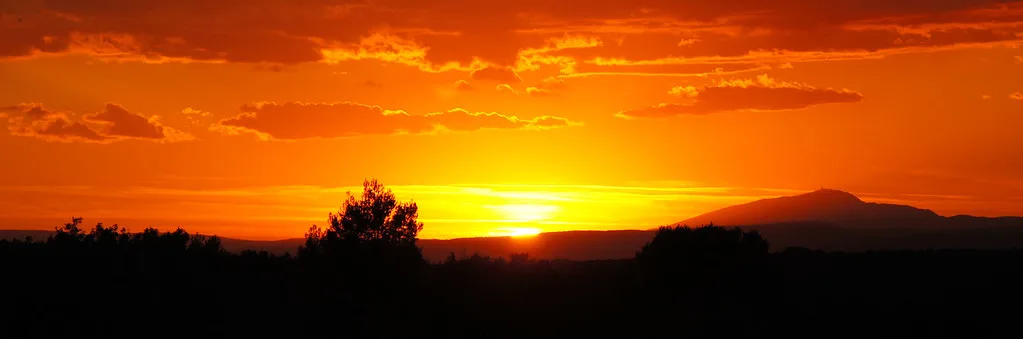
- Sunrise and golden hour: softer light, cooler air and fewer visitors.
- Midday: strong heat and flat light, better for a shaded lunch in Riez.
How to get to Valensole
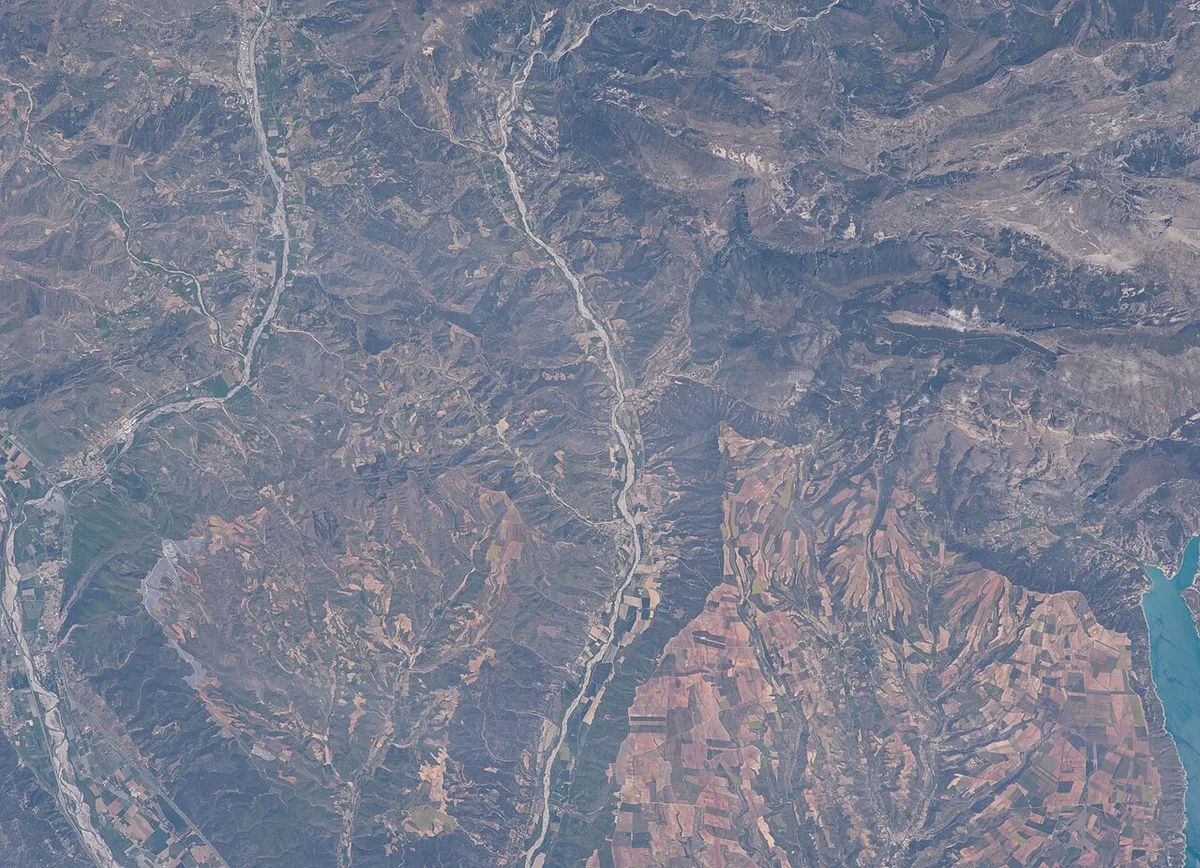
Public transport to the fields themselves is limited, and a car gives by far the most flexibility. Current bus routes and guided tours are listed by the Valensole tourism office.
- From Aix-en-Provence: see lavender fields near Aix.
- From Avignon: see Lavender Fields Near Avignon: Best Day Trips and When to Go.
- From Nice: see Lavender Fields Near Nice: Day Trips & Transport.
Where to see the fields and how to choose
Pick by purpose rather than by pin on a map. Roadside fields cost nothing and suit quick photo stops. Working distilleries and farms add demonstrations and shopping, and they set their own hours and entry terms. Viewpoints give the widest panoramas across the plateau. Park only in marked areas or farm lots, and never on a narrow shoulder. Local lavender products are sold in the villages, so you can buy something even when the fields are bare.
- Roadside fields: free, flexible, best at sunrise or late afternoon.
- Distilleries and farms: good for learning how oil is produced; ask about current visit terms.
- Viewpoints: best for wide shots, usually with more visitors at peak bloom.
What to buy: lavender oil, honey and almonds
The plateau produces more than scenery, and a farm shop stop is often the best use of a hot midday. Valensole is known for lavender and lavandin oil, local honey, almonds and petit épeautre (einkorn wheat), which is grown across the same farmland.
Choosing real lavender oil
Look for the AOP Huile essentielle de Lavande de Haute-Provence label on essential oil. It covers true lavender grown at altitude, which is more delicate and more expensive than the lavandin oil used in cheap soaps and sachets. Lavandin products are fine for linen and cleaning, but they are not the same thing.
- Farm and distillery shops: prices are usually lower than village boutiques, and staff can explain what is in each bottle. Ask whether the oil was distilled on site.
- Village markets: good for honey, nougat, almonds and dried bouquets. Check the market day with the Valensole tourism office before you plan around it.
- Sachets and dried bunches: check the origin on the label, as some are imported.
Hours and opening dates change with the season, and many small producers close at lunchtime. Carry a little cash for roadside stalls, since not every seller takes cards.
Field etiquette and mistakes to avoid
Most fields are working farms, so treat them that way. Walking into rows can damage crops and annoy owners. Bees feed heavily on blossoms in warm hours, so keep calm and avoid swatting. Local drone and picking rules differ by site, so ask the tourism office first. Many roadside plantings are lavandin, a hybrid grown for oil, and our lavender versus lavandin page explains how to tell them apart.
- Do not step into rows for photos unless a farm invites you.
- Do not stop on road shoulders; traffic builds on peak weekends.
- Carry water and a hat, since shade is scarce on the plateau.
- Fuel up and eat before arriving; services on the plateau are limited.
Sample itineraries and how long to plan
Match your time to the bloom and your base. Our lavender route through Provence shows how to link Valensole with other stops.
- Half day: one sunrise or golden-hour drive, plus a short farm or distillery visit.
- Full day: roadside fields in the morning, a long lunch in Riez, then viewpoints in the evening light.
- Two to three days: sleep on the plateau, repeat the best light, and add another lavender area.
Costs and booking
Roadside viewing is free, while distillery visits, tours, car hire and bloom-season rooms carry charges. Current rates sit on each operator's site, and car hire and lodging book out early.
- Free: roadside viewing and village strolls.
- Paid: distillery or farm visits, guided tours, parking at some sites.
- Biggest budget swing: bloom-season lodging and rental cars.
Where to stay
Match your base to your plan. Valensole village, Puimoisson and Riez keep you close to dawn light. Larger cities give more transport and dining choices, though they add long drives. Check the base-city logic on our Aix-en-Provence base guide first. Avignon planners can compare options in our Avignon lavender guide. Travelers staying on the coast should read our Nice lavender guide.
Valensole vs other lavender areas
Valensole offers the widest open fields, while other areas trade scale for scenery or access. Each of the three alternatives has its own guide for planning.
| Area | Scale and openness | Photo style | Best for |
|---|---|---|---|
| Valensole plateau | Broad, open fields | Wide landscapes and rows | Drivers chasing scale |
| Sault | Fields around a village base | Village and field scenes | Slower, base-and-explore trips |
| Luberon | Mixed hills and villages | Stone villages with lavender | Combining towns and fields |
| Sénanque Abbey | Compact, focused view | Abbey framed by lavender | Short visits and classic shots |
If the lavender is already harvested
Cut fields do not end the trip. Visit a distillery to see how oil is made, or tour the lavender museum near Luberon. Browse Lavender Festivals in Provence: Dates, Towns & Planning for dates that suit your trip. Alternatively, visit Sénanque Abbey or Sault. Their sites list current opening arrangements, including the abbey's official site. The Luberon guide covers a further option.
Lavender museum and distillery visits outside bloom
If you arrive after harvest, spend the time on how the crop becomes oil. This is the part of lavender country that works in any month.
Musée de la Lavande
The best-known museum is the Musée de la Lavande in Coustellet, in the Luberon. It is roughly an hour and a half by car from the Valensole plateau, so it suits a combined day with Sault or Sénanque Abbey rather than a quick detour. It traces lavender growing, the history of distilling and the tools used, and it has a shop. Check current opening days and ticket prices on the museum's own site before you set out.
Distillery visits near the plateau
- What you see: copper stills, the steam process and the difference between lavender and lavandin oil, usually with a tasting of products afterwards.
- When to go: distilling takes place around and just after the harvest. Outside that period, most places show equipment that is not running.
- Booking: small producers often ask for a phone call or message in advance, especially for groups.
Pair a visit with a slow lunch in Riez or Valensole village. The distillery gives context, and the village gives you somewhere to rest through the hottest hours.
Bloom-season notes
Optional updates when we add or revise garden guides.
Continue reading
Guides on the same trip